Also known as Fan Palm · 13 saves
Livistona
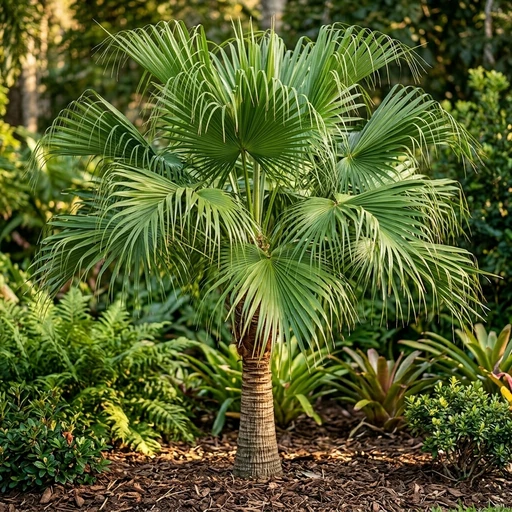
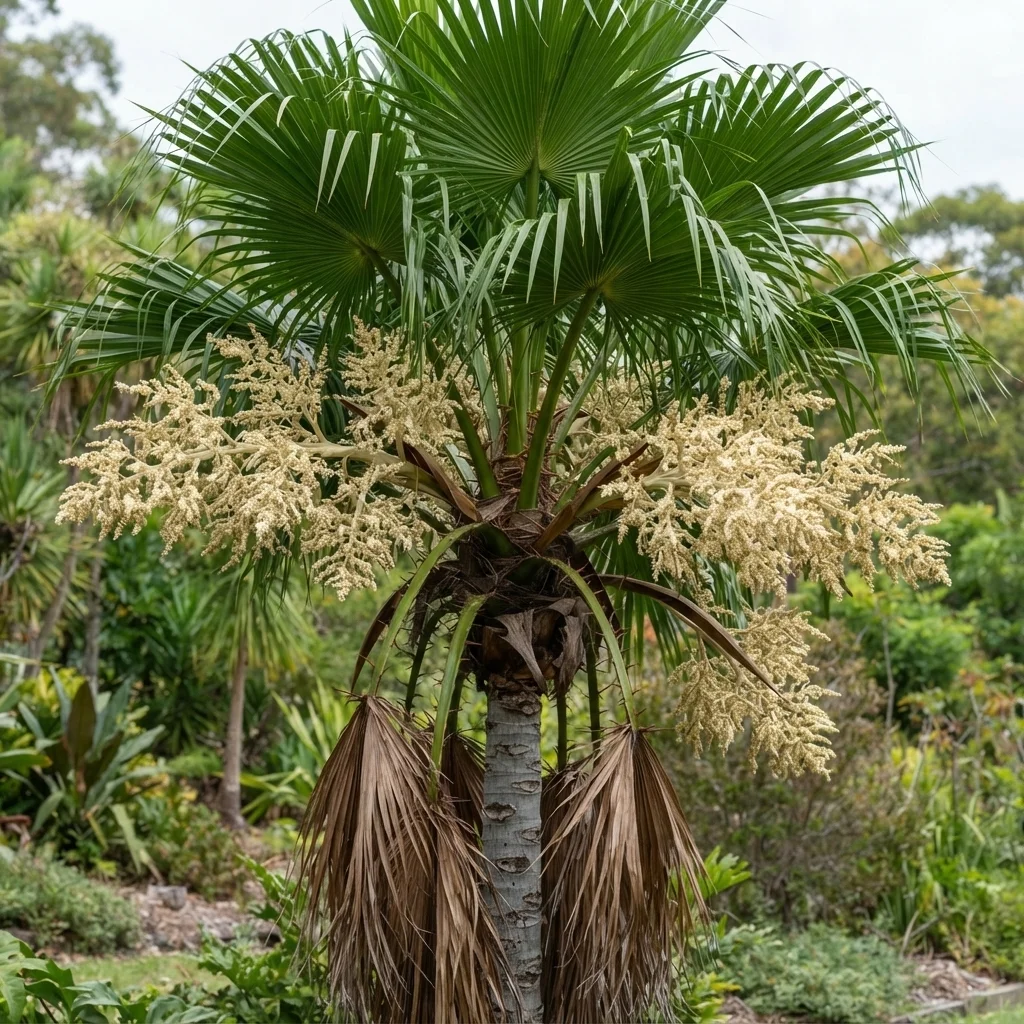
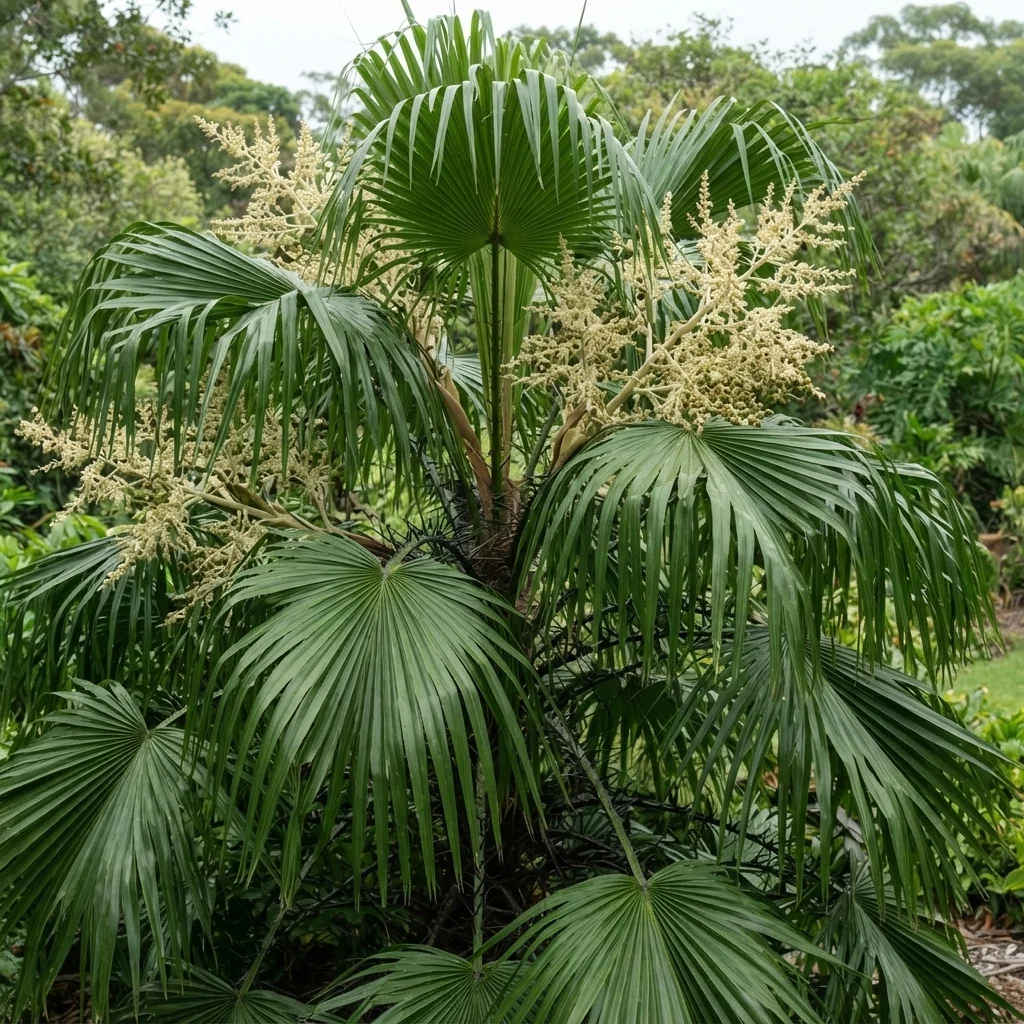
Livistona, the genus most gardeners know as fan palm. We track 3 varieties; the ones most used by real gardeners.
The 3 most-saved Livistona varieties
2 species of Livistona
Each one is a parent of the varieties above.
Track your Livistona in Sow
Save the Livistona you grow and get care reminders timed to your zone.
How to grow Livistona
Whats common across all Livistona varieties in our catalog — drawn from the care records of the 3 most-grown of them.
The Livistona year
- PruneMarch, April and October100% of varieties
Remove only brown, dead fronds as needed; avoid over-pruning.
- FertilizeApril100% of varieties
Apply a slow-release palm fertilizer 2-3 times during the growing season.
- Check for PestsJune–August100% of varieties
Indoors, check for spider mites and scale, especially in dry conditions.
- Winter PrepNovember and December67% of varieties
Bring container specimens indoors or provide frost protection if temperatures threaten to drop below freezing.


Do
- Water regularly during the growing season, but allow soil to dry slightly.
- Fertilize with a specialized palm fertilizer to prevent nutrient deficiencies.
- Provide bright, indirect light when grown indoors.
- Prune off only fully brown fronds to maintain plant health.
- Prune only completely dead or withered brown fronds to preserve the natural stepped trunk structure.
Avoid
- Don't plant the palm deeper than it was growing in its nursery pot.
- Avoid overwatering, which can lead to fatal root rot.
- Don't prune green or yellowing fronds, as the palm is still drawing nutrients from them.
- Don't place it in a location exposed to cold, drying winds.
What goes wrong with Livistona
| Problem | What you'll see | What to do |
|---|---|---|
| Spider mites | Fine webbing on leaf undersides and stippled, dusty-looking foliage under dry indoor or greenhouse conditions. | Increase ambient humidity and wash the fronds thoroughly with a strong spray of water or apply insecticidal soap. |
| Scale insects | Small, hard brown bumps clustered along the leaf veins and petioles, accompanied by sticky honeydew. | Scrape off light infestations manually or treat with horticultural oil during the cooler parts of the day. |
| Spider Mites | Fine webbing on leaves, stippled or yellowed appearance. | Increase humidity. Spray with insecticidal soap or horticultural oil. |
| Scale Insects | Small, hard bumps on fronds and stems, often with sticky honeydew. | Dab with alcohol on a cotton swab for light infestations. Use horticultural oil. |
| Root rot | Wilting, yellowing fronds and a decaying stem base, typically affecting over-watered container plants in heavier soils. | Reduce watering frequency, ensure the potting mix drains freely, and drench with a copper-based fungicide if necessary. |
| Fungal leaf spots | Small, dark brown or black spots with yellow halos spreading across the glossy leaf segments. | Improve air circulation around the crown and avoid overhead watering to keep the foliage dry. |
| Ganoderma Butt Rot | A fungal conk (basidiocarp) forming on the lower trunk. Internal decay leads to decline. | No cure. Remove the infected palm to prevent spread. Avoid wounding trunks. |
Making more Livistona
Seed
- Soak fresh seeds in water for 24-48 hours.
- Plant seeds half an inch deep in a well-draining potting mix.
- Keep the soil consistently moist and warm (80-85 F).
- Germination is slow and can take 2-6 months.
Livistona questions
How many types of Livistona are there?
The Sow catalog tracks 3 distinct Livistona varieties. The most popular — ranked by 13 real gardeners — are shown first above.
What zones does Livistona grow in?
Across its varieties, Livistona covers USDA Zones 9–10. Individual varieties differ — each plant page lists its exact range, and Sow filters the catalog to your zone automatically.
When does Livistona bloom?
Most Livistona varieties bloom in late spring, summer, spring. Staggering early, mid, and late varieties extends the genus's season in one bed.
Which Livistona should I choose?
Start from the most-saved varieties above — popularity across thousands of gardens is a strong signal of reliability — then filter by your zone and sun. In the Sow app you can preview any of them in a photo of your actual yard before you buy.