The Story
Plant Bio
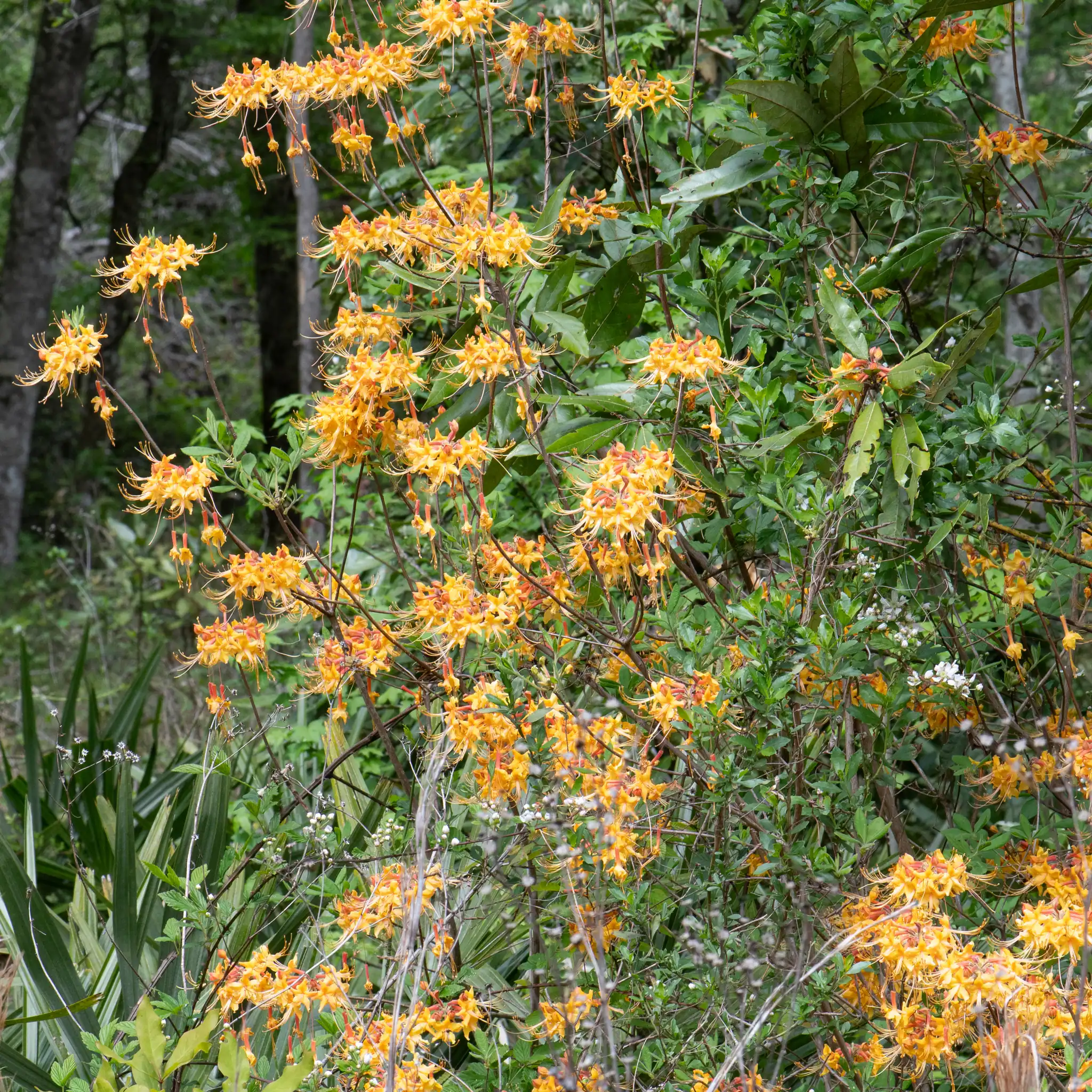
Rhododendron austrinum, commonly known as Florida azalea, is a deciduous multi-stemmed shrub native to wooded bluffs and stream banks of the southeastern United States. It forms an upright, loose branching structure reaching eight to fifteen feet tall with reddish-brown winter twigs and simple alternate foliage.
In early spring before the leaves fully emerge, dense terminal clusters of tubular funnel-shaped blossoms open in shades of yellow, peach, orange, or soft red with long protruding stamens. The fragrant blooms possess a contrasting darker central tube and produce abundant nectar that attracts early-season pollinators and hummingbirds.
Uses & Benefits:
Essentials
At a Glance
Plant Type
Shrub
Height
144"
Width
84"
Light
Partial Sun, Shade
Zones
7, 8, 9
Water
Moderate
Humidity
High
Lifespan
Perennial
Native To
Southeastern United States
Toxicity
High - toxic if ingested
Bloom period
Early spring – Spring
In flower about 3 months of the year
Marketplace
Where to Buy
Shipping costs Year-round shipping Free shipping
Planting
How to Grow
- Choose a partial shade site protected from intense afternoon sunlight.
- Amend sandy or loamy soil with composted leaf mold or peat moss to lower pH below 5.5.
- Set the plant elevated slightly above the soil line to ensure rapid water drainage.
- Apply a 3-inch mulch layer of pine straw or shredded bark over the shallow root zone.
- Water regularly during the first growing season to maintain uniform moisture.
Pro Tip
Prune lightly immediately after spring flowering finishes; cutting late in summer removes next season's flower buds, while heading back into bare old wood prevents regrowth.
Keep It Thriving
Care Guide
Do
- Maintain an acidic soil pH below 6.0.
- Mulch annually with pine straw or leaf mold to keep shallow roots cool.
- Plant in elevated beds or slopes to ensure efficient soil drainage.
Don't
- Do not plant in dense, unamended heavy clay soil.
- Do not prune hard into leafless old wood.
- Do not apply heavy synthetic nitrogen fertilizers.
Seasonal Care Calendar
| Task | Jan | Feb | Mar | Apr | May | Jun | Jul | Aug | Sep | Oct | Nov | Dec |
|---|---|---|---|---|---|---|---|---|---|---|---|---|
| Fertilize | ||||||||||||
| Mulch | ||||||||||||
| Pest Check | ||||||||||||
| Prune |
Watch Out For
Pests & Diseases
Common Pests
Common Diseases
In the Garden
Landscape Uses & Companions
Landscape Uses
Multiply
Propagation Methods
Good to Know
Common Questions
Florida Azalea questions
What zones can Florida Azalea grow in?
Florida Azalea is hardy in USDA Zones 7–9. Inside that range it survives winter in the ground; outside it, grow it as an annual or a container plant you protect.
Is Florida Azalea deer resistant?
Not reliably. Deer may browse Florida Azalea, especially tender spring growth — plan on repellents or fencing where pressure is high.
When does Florida Azalea bloom?
Florida Azalea typically blooms in early spring through spring. Exact timing shifts a week or two with your zone — Sow's bloom calendar maps it to your garden.
Does Florida Azalea need full sun?
Florida Azalea does best in part shade.
Is Florida Azalea drought tolerant?
Yes — once established (usually after the first full season), Florida Azalea handles dry spells with minimal watering. Water deeply its first year to build the root system that makes that possible.
More Rhododendron to compare
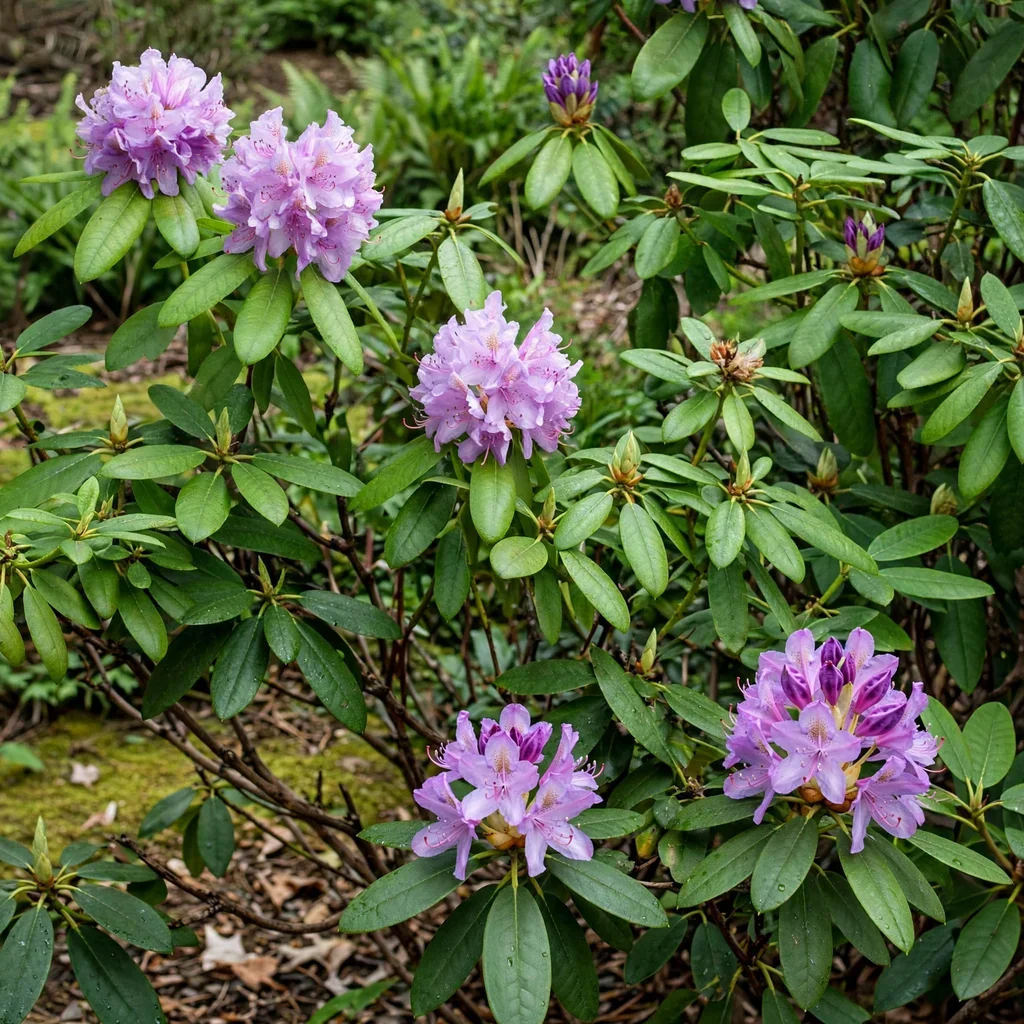
Catawba Rhododendron
Rhododendron catawbiense
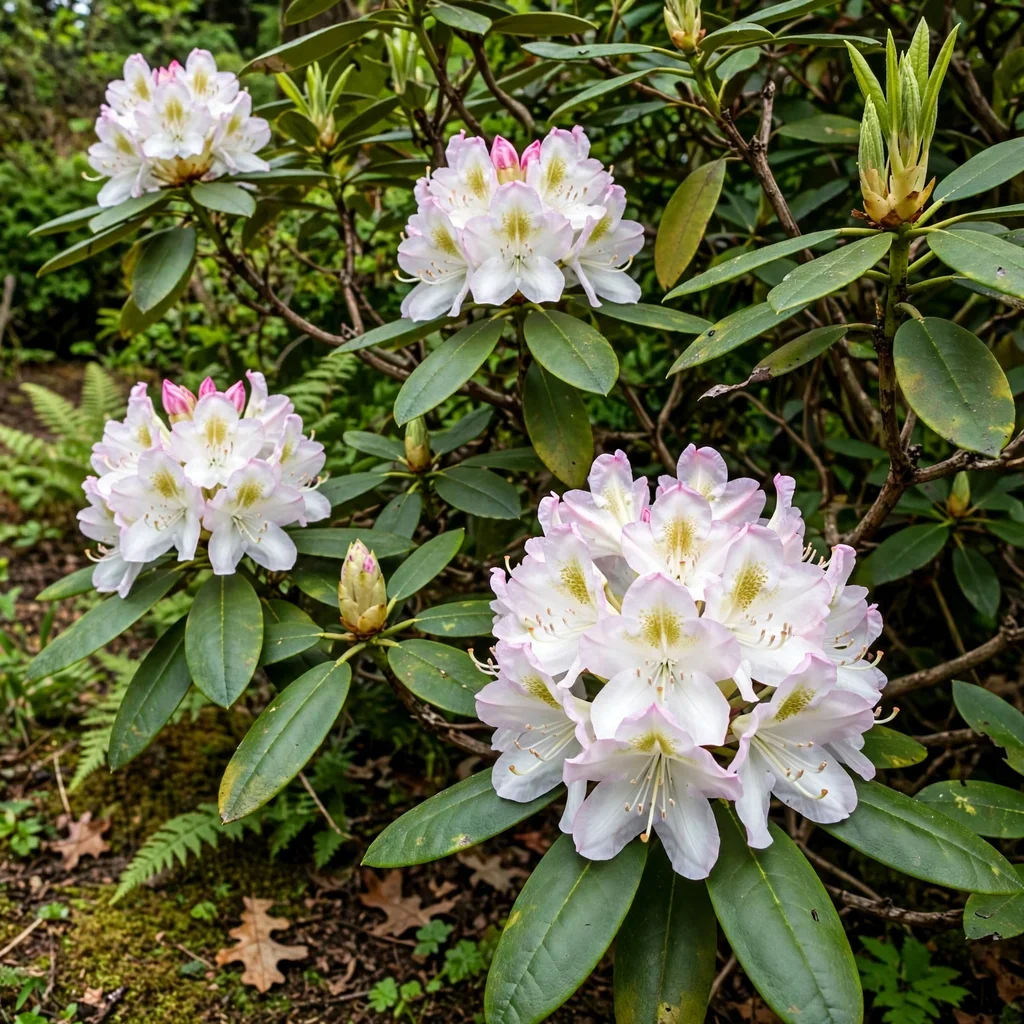
Great Laurel Rhododendron
Rhododendron maximum
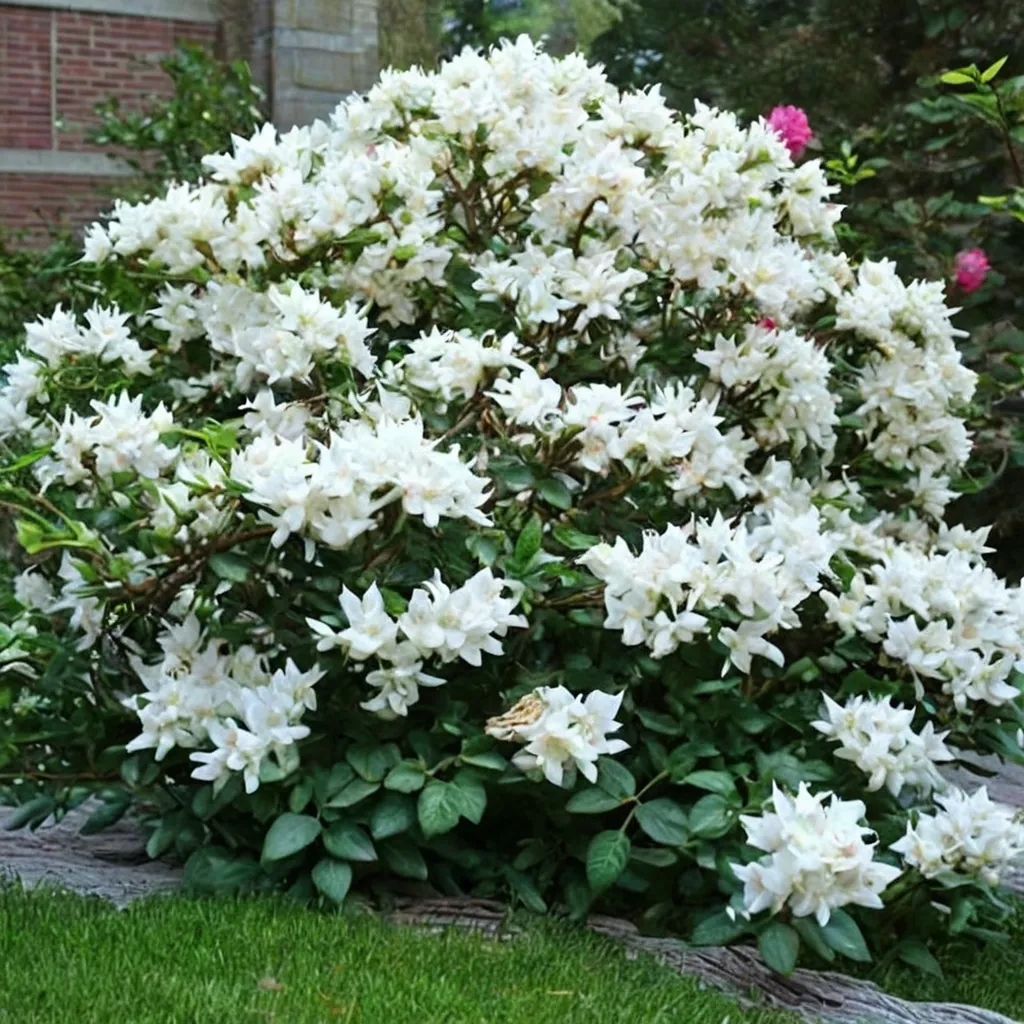
Double White Rhododendron
Rhododendron x hybrida 'Double White'
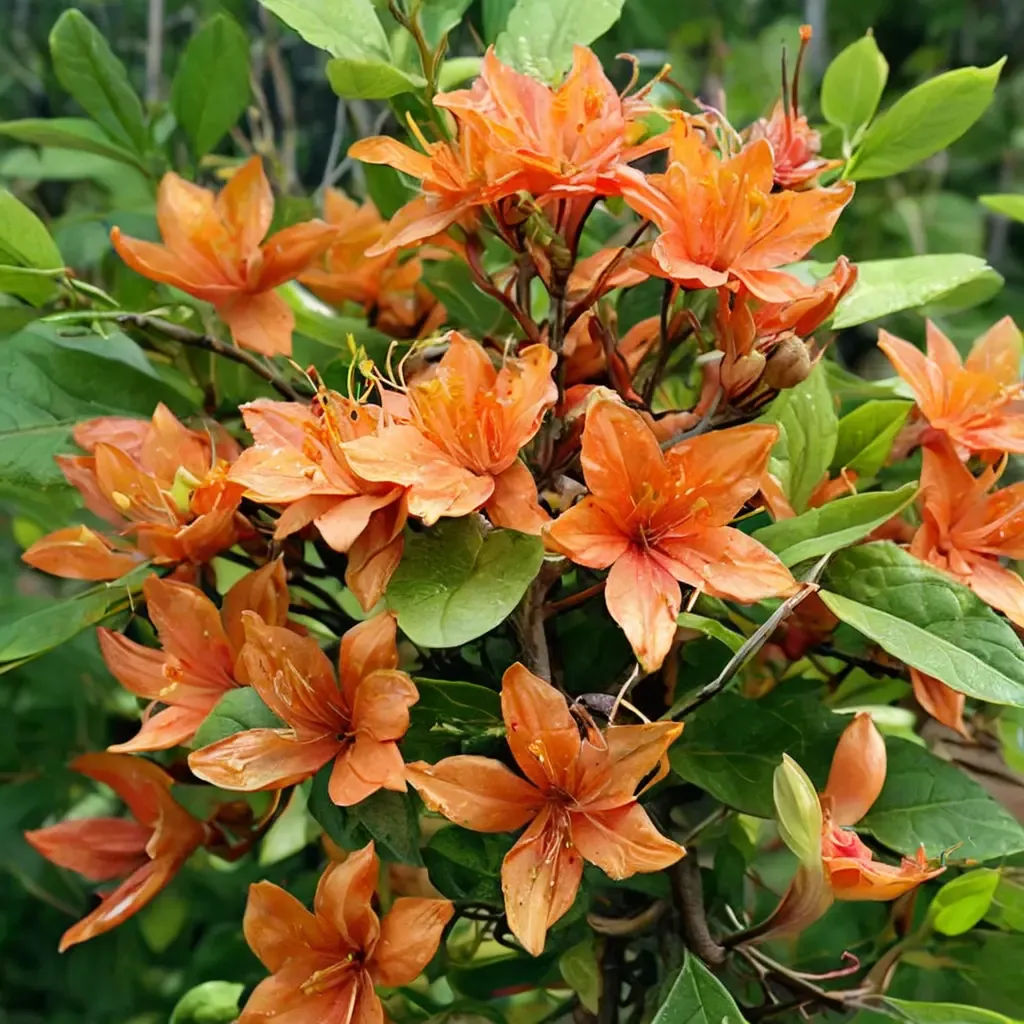
Flame Azalea
Rhododendron calendulaceum
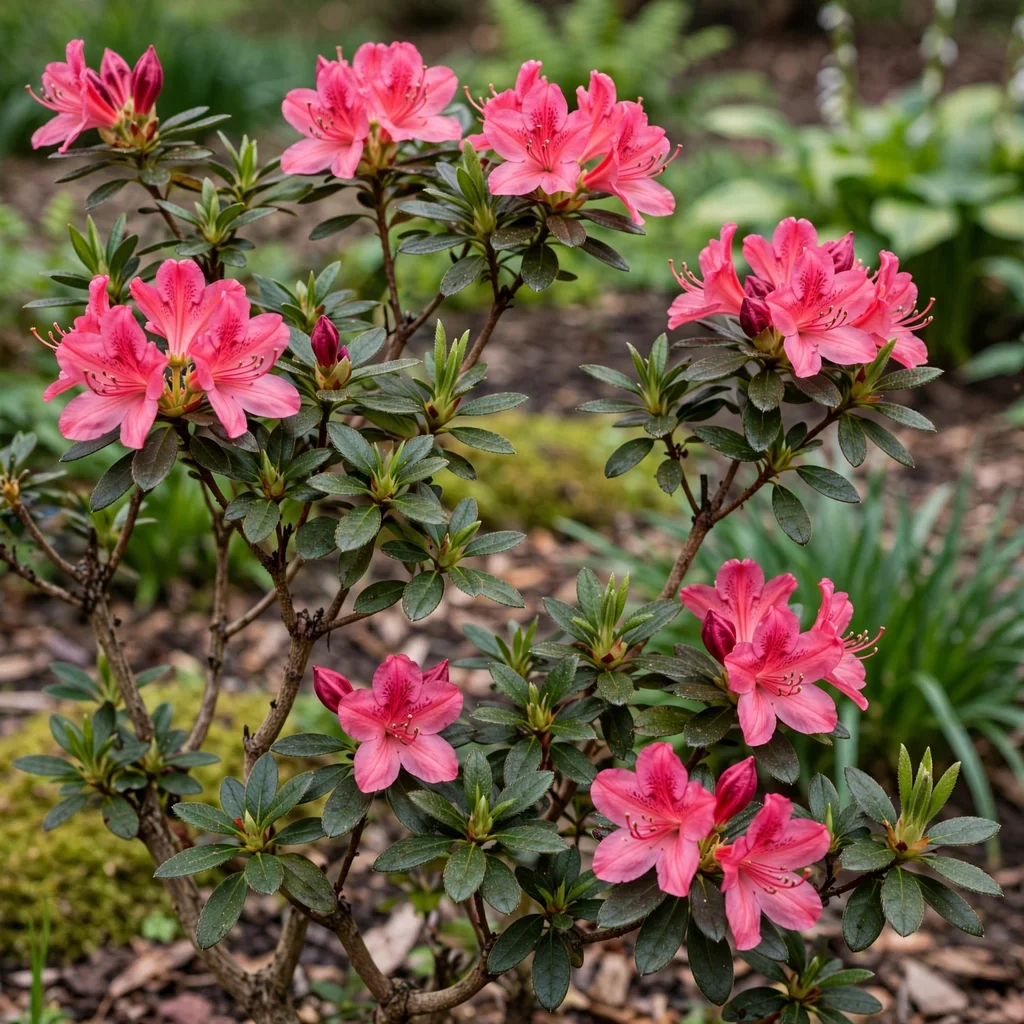
Bone Hardy Azalea
Rhododendron x hybrida 'Bone Hardy Azalea Sampler'
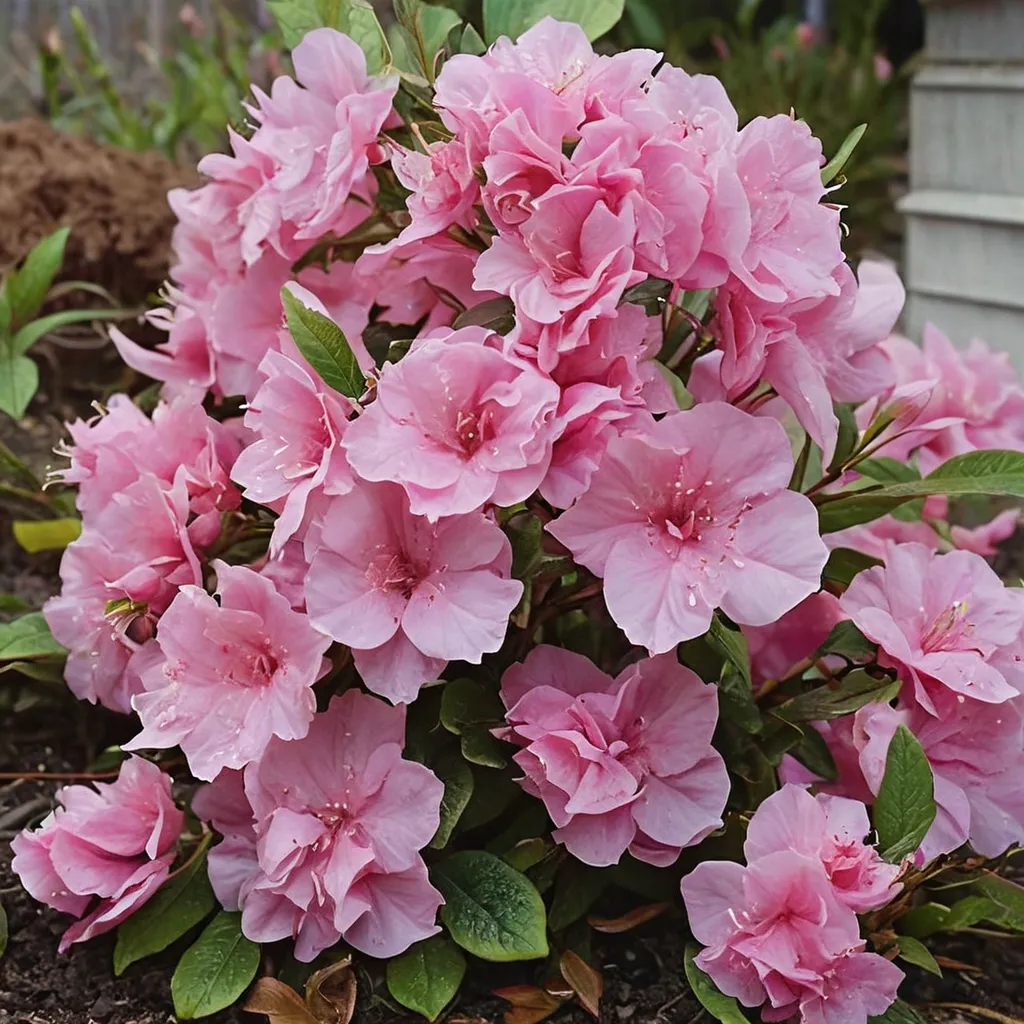
Rhododendron x hybrida Double Pink
Rhododendron x hybrida 'Double Pink'
Keep exploring
Explore the genus
Hardy in your zone?
Grow Florida Azalea with confidence
See it in a design of your actual yard, get zone-matched care reminders, and track it season by season in your garden journal.