


The Story
Plant Bio
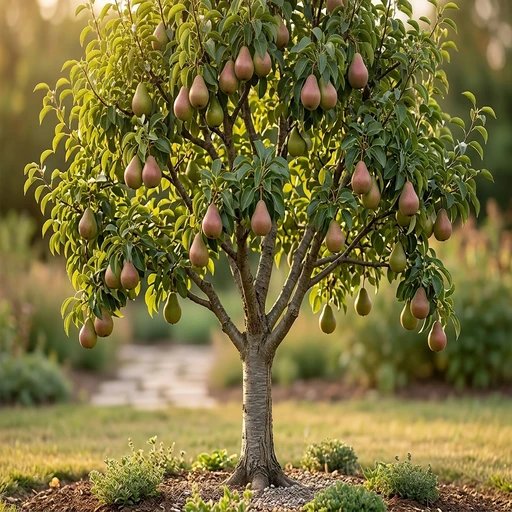
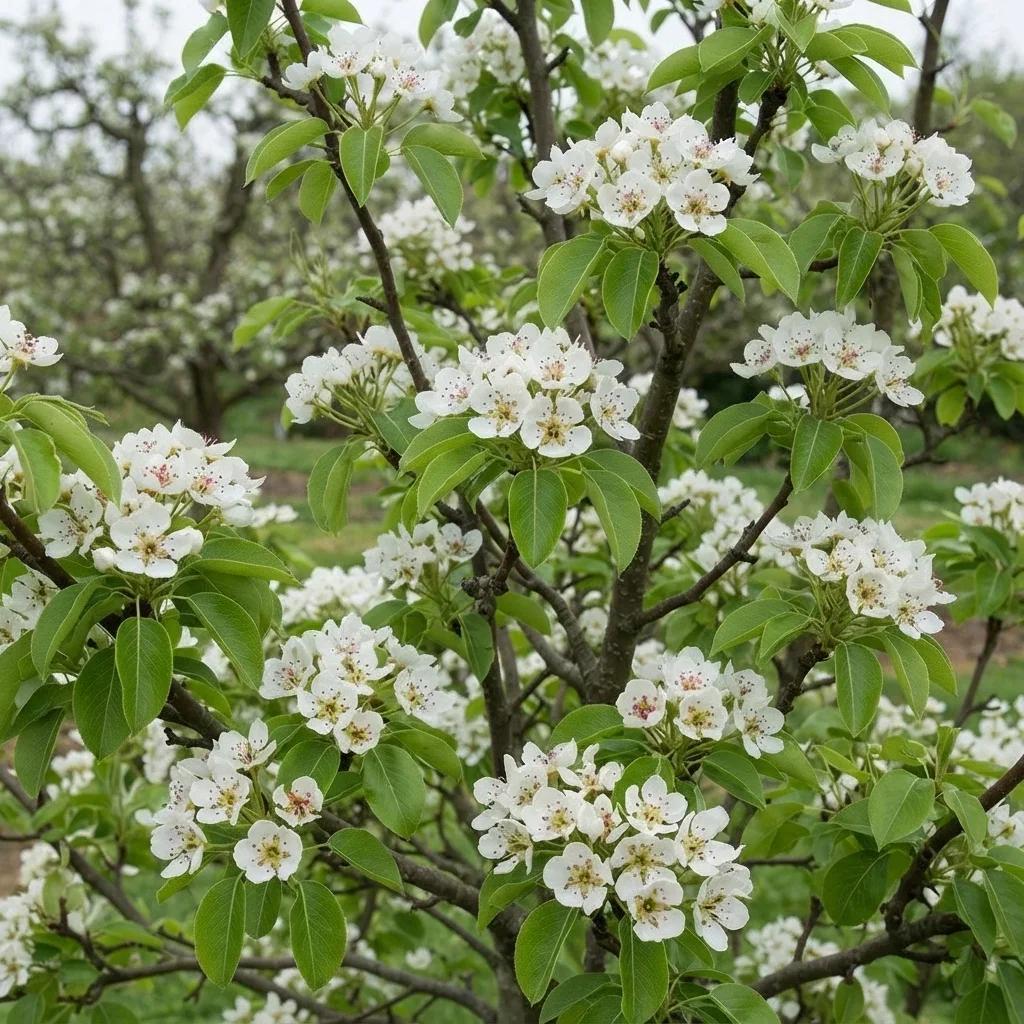
Pyrus communis, the European Pear, is a deciduous tree cultivated for its sweet, juicy fruit. It produces clusters of white flowers in spring and has glossy green leaves that often turn attractive colors in the fall.
'D'Anjou' is a classic winter pear variety, known for its egg-shaped fruit, bright green skin, and excellent storage capabilities. Its flesh is sweet, mild, and aromatic, with a firm texture that softens after a period of cold storage.
Uses & Benefits:
Essentials
At a Glance
Plant Type
Tree
Height
180"
Width
144"
Light
Full Sun
Zones
4, 5, 6, 7, 8
Water
Medium
Humidity
Moderate
Lifespan
50+ years
Native To
Europe and Western Asia
Toxicity
Non-toxic
Bloom period
Mid-spring – Late spring
In flower about 2 months of the year
Marketplace
Where to Buy
Shipping costs Year-round shipping Free shipping
Planting
How to Grow
- Select a site with full sun and deep, well-drained loamy soil.
- Plant at least two different, compatible pear varieties for cross-pollination.
- Dig a hole twice the width of the root ball.
- Set the tree so the graft union is 2-3 inches above the soil line.
- Backfill with soil and water thoroughly to eliminate air pockets.
- Mulch around the tree, keeping it away from the trunk.
Pro Tip
Harvest 'D'Anjou' pears when they are mature size but still green and hard; they require a month of cold storage to ripen properly.
Keep It Thriving
Care Guide
Do
- Provide deep, regular watering, especially during dry periods.
- Prune annually to encourage fruit production and air circulation.
- Monitor for signs of fire blight and prune out infections immediately.
- Thin fruit to get larger pears and prevent branch damage.
Don't
- Do not plant in a low-lying area prone to late frosts.
- Avoid excessive nitrogen fertilizer, which promotes weak growth.
- Don't allow the tree to become drought-stressed.
- Never leave pruned, diseased wood on the ground.
Seasonal Care Calendar
| Task | Jan | Feb | Mar | Apr | May | Jun | Jul | Aug | Sep | Oct | Nov | Dec |
|---|---|---|---|---|---|---|---|---|---|---|---|---|
| Fertilize | ||||||||||||
| Harvest | ||||||||||||
| Plant | ||||||||||||
| Prune | ||||||||||||
| Spray |
Watch Out For
Pests & Diseases
Common Pests
Common Diseases
In the Garden
Landscape Uses & Companions
Landscape Uses
Companion Plants
Multiply
Propagation Methods
Good to Know
Common Questions
Anjou Pear questions
What zones can Anjou Pear grow in?
Anjou Pear is hardy in USDA Zones 4–8. Inside that range it survives winter in the ground; outside it, grow it as an annual or a container plant you protect.
Is Anjou Pear deer resistant?
Not reliably. Deer may browse Anjou Pear, especially tender spring growth — plan on repellents or fencing where pressure is high.
When does Anjou Pear bloom?
Anjou Pear typically blooms in mid-spring through late spring. Exact timing shifts a week or two with your zone — Sow's bloom calendar maps it to your garden.
Does Anjou Pear need full sun?
Anjou Pear does best in full sun (6+ hours).
More Pyrus to compare
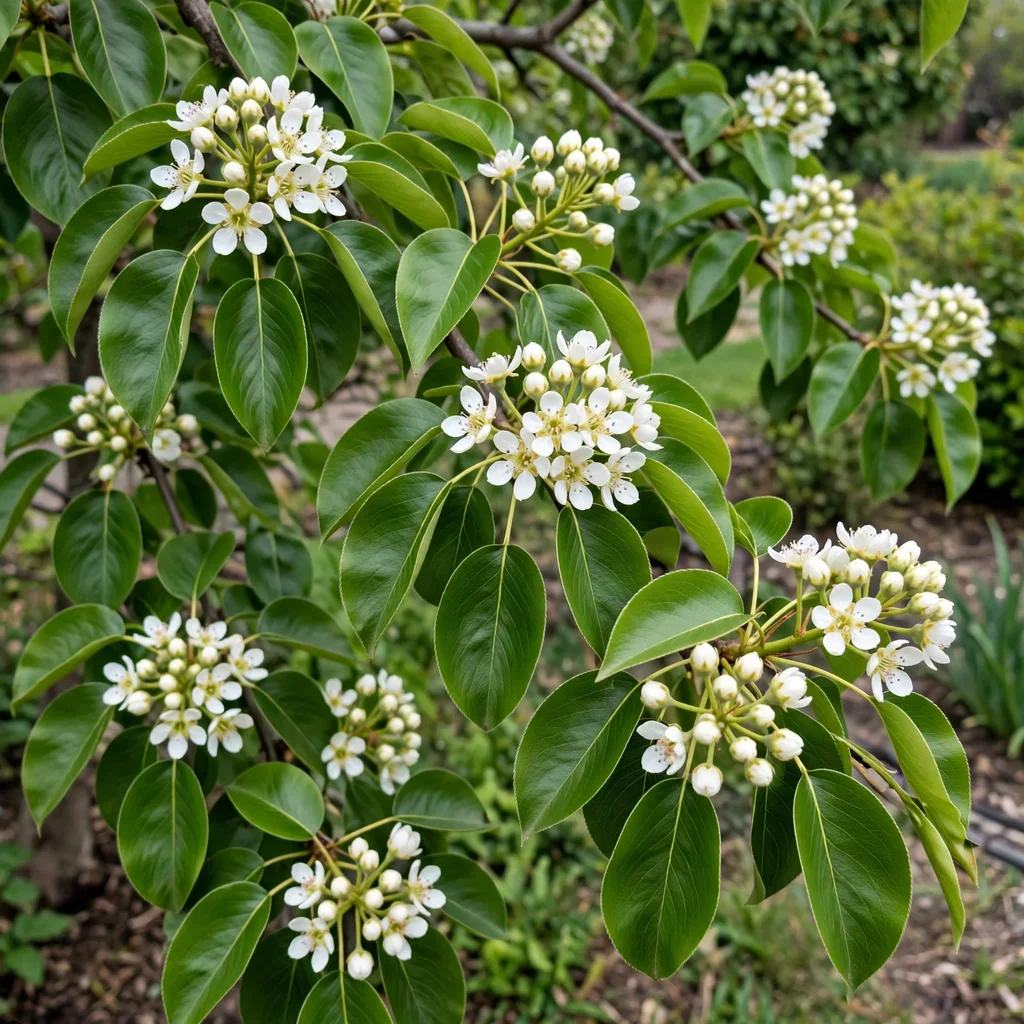
Drippin' Honey Pear
Pyrus calleryana 'Drippin' Honey'
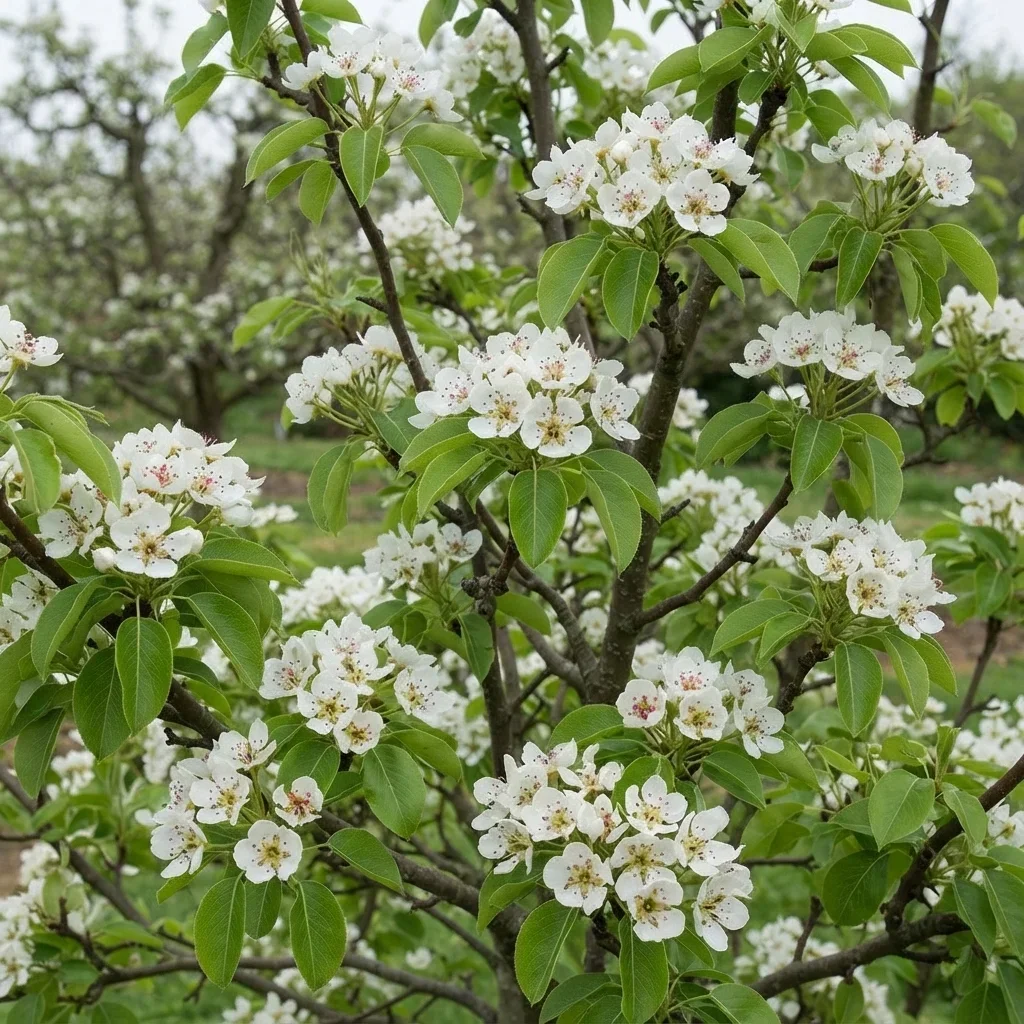
Bartlett Pear
Pyrus communis 'Bartlett'
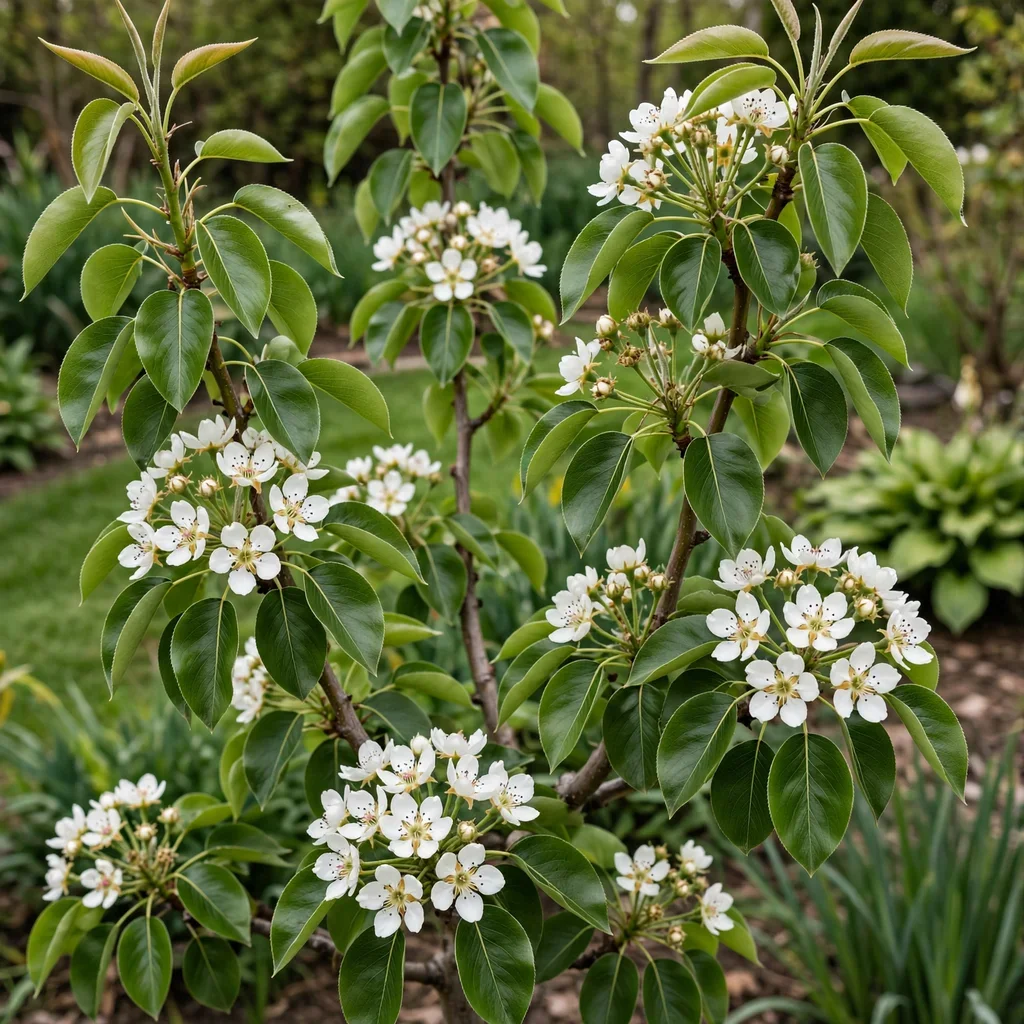
Apricot Sugar Pear
Pyrus communis 'Apricot Sugar Pearls Reachables'
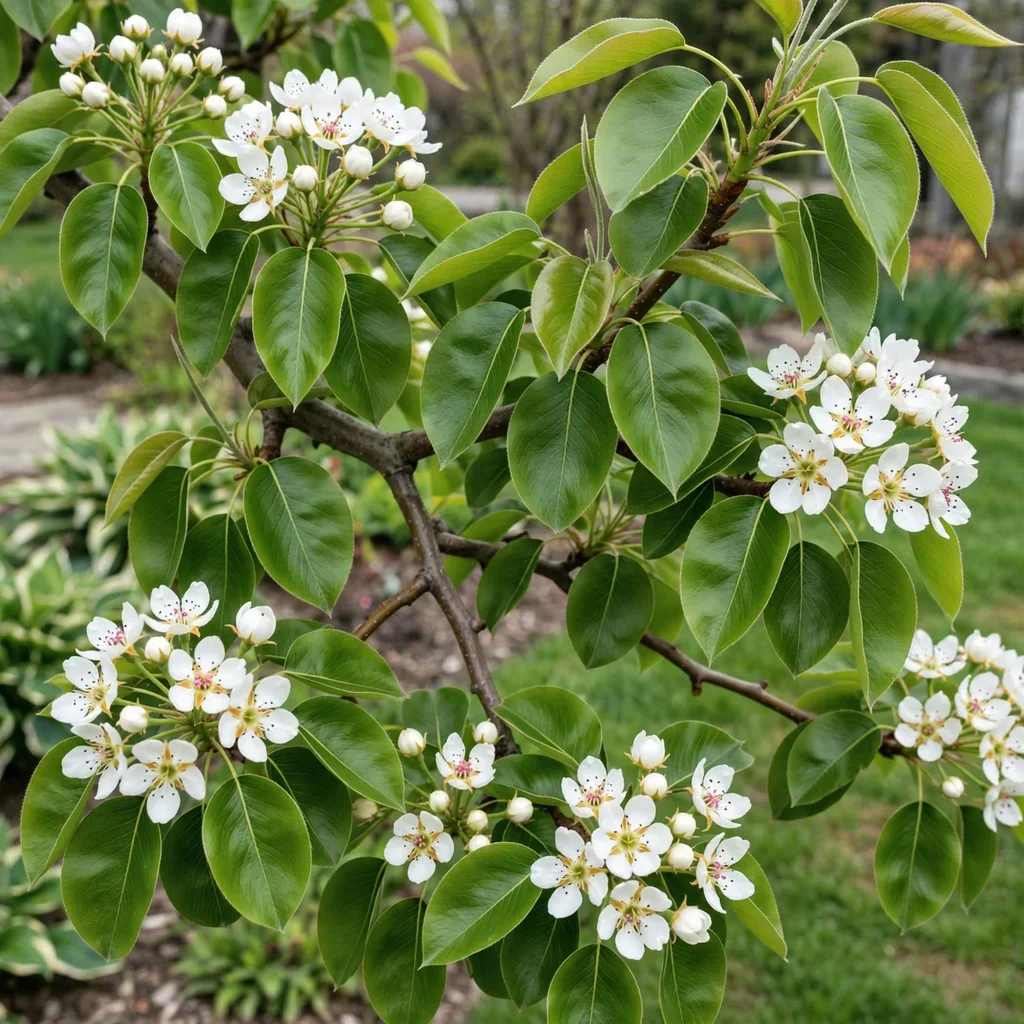
Crisp 'n Sweet Pear
Pyrus communis 'Crisp 'n Sweet'
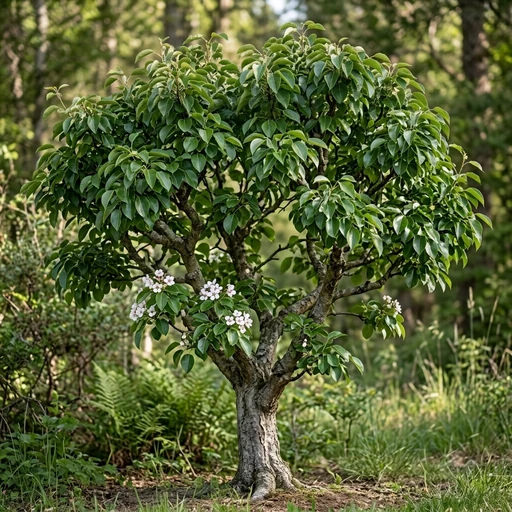
Kieffer Pear
Pyrus x hybrida 'Kieffer'
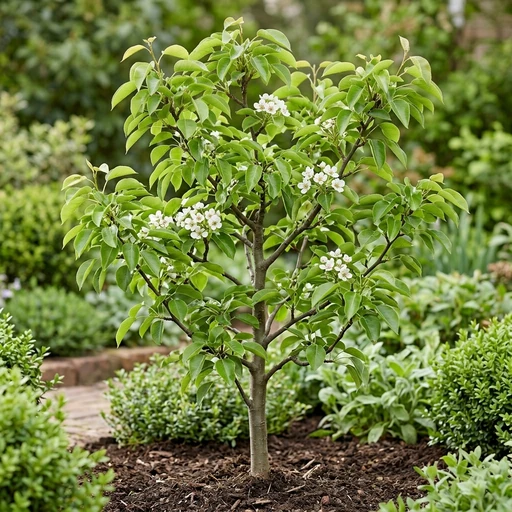
Hosui Asian Pear
Pyrus pyrifolia 'Hosui'
Keep exploring
Explore the genus
Hardy in your zone?
Grow Anjou Pear with confidence
See it in a design of your actual yard, get zone-matched care reminders, and track it season by season in your garden journal.