


The Story
Plant Bio
A deciduous tree that produces the most popular and widely grown pear in North America. It bears large, bell-shaped, yellow-green fruit with a sweet, juicy, and buttery texture, excellent for eating fresh, canning, or cooking.
This European pear is unique in that its skin color brightens from green to yellow as it ripens off the tree. It is a productive and relatively reliable bearer but requires a pollinator like 'Bosc' or 'Anjou'.
Uses & Benefits:
Essentials
At a Glance
Plant Type
Fruit Vegetable
Height
216"
Width
180"
Light
Full Sun, Partial Sun
Zones
4, 5, 6, 7, 8
Water
Moderate
Humidity
Average
Lifespan
50+ years
Native To
Europe and Asia
Toxicity
Non-toxic
Bloom period
Mid-spring – Late spring
In flower about 2 months of the year
Marketplace
Where to Buy
Shipping costs Year-round shipping Free shipping
Planting
How to Grow
- Tuck seeds in well-draining soil in early spring for best germination.
- Water regularly to keep soil moist but not waterlogged, especially during the first year.
- Prune young trees in late winter to establish a strong structure.
- Fertilize with a balanced orchard fertilizer in early spring and mid-summer.
- Support heavy branches with stakes as the tree matures, typically after 2 years.
- Harvest mature fruit in late summer to early fall for optimal flavor.
Pro Tip
Ensure proper airflow around the tree to reduce disease and promote healthy growth.
Keep It Thriving
Care Guide
Do
- Water deeply during dry spells 🌱
- Prune in late winter to shape the tree
- Apply balanced fertilizer annually
- Mulch around base to retain moisture
- Monitor for pests regularly
Don't
- Avoid overwatering to prevent root rot ❌
- Don’t neglect pruning, which can lead to weak branches
- Skip fertilizing in late fall to prevent new growth that can be winter-damaged
- Don’t plant in poorly drained soil
- Avoid using chemical pesticides excessively
Seasonal Care Calendar
| Task | Jan | Feb | Mar | Apr | May | Jun | Jul | Aug | Sep | Oct | Nov | Dec |
|---|---|---|---|---|---|---|---|---|---|---|---|---|
| Fertilize | ||||||||||||
| Harvest | ||||||||||||
| Prune | ||||||||||||
| Spray |
Watch Out For
Pests & Diseases
Common Pests
Common Diseases
In the Garden
Landscape Uses & Companions
Landscape Uses
Multiply
Propagation Methods
Good to Know
Common Questions
Bartlett Pear questions
What zones can Bartlett Pear grow in?
Bartlett Pear is hardy in USDA Zones 4–8. Inside that range it survives winter in the ground; outside it, grow it as an annual or a container plant you protect.
Is Bartlett Pear deer resistant?
Not reliably. Deer may browse Bartlett Pear, especially tender spring growth — plan on repellents or fencing where pressure is high.
When does Bartlett Pear bloom?
Bartlett Pear typically blooms in mid-spring through late spring. Exact timing shifts a week or two with your zone — Sow's bloom calendar maps it to your garden.
Does Bartlett Pear need full sun?
Bartlett Pear does best in full sun to part shade. In hot climates, afternoon shade keeps blooms fresher longer.
More Pyrus to compare
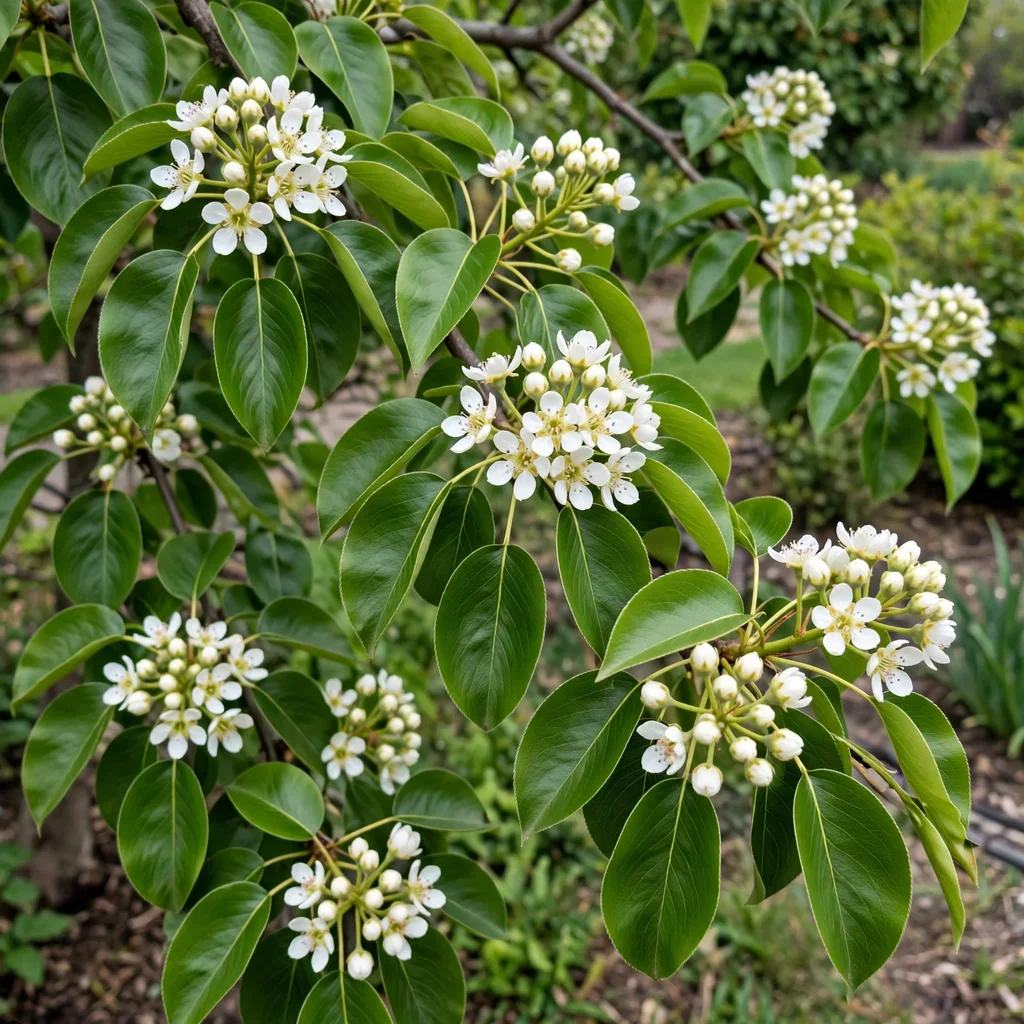
Drippin' Honey Pear
Pyrus calleryana 'Drippin' Honey'
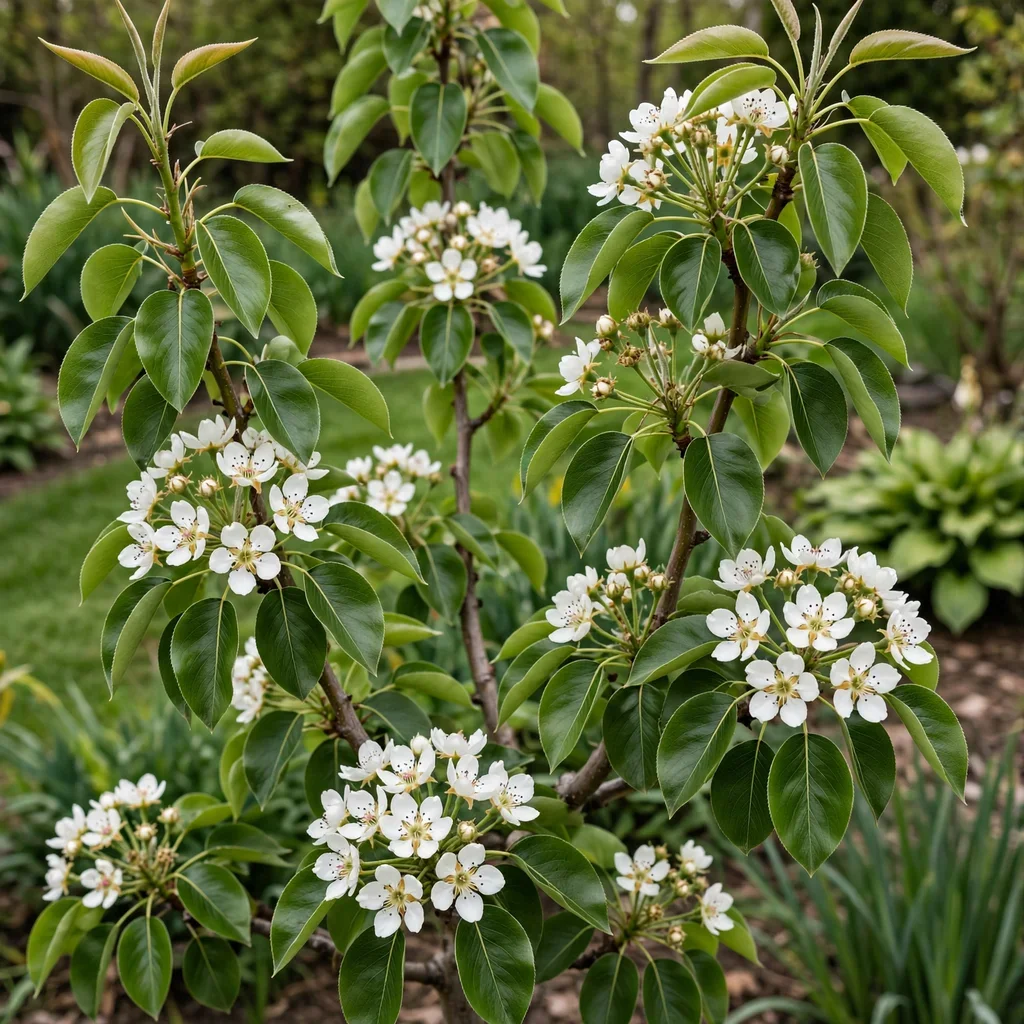
Apricot Sugar Pear
Pyrus communis 'Apricot Sugar Pearls Reachables'
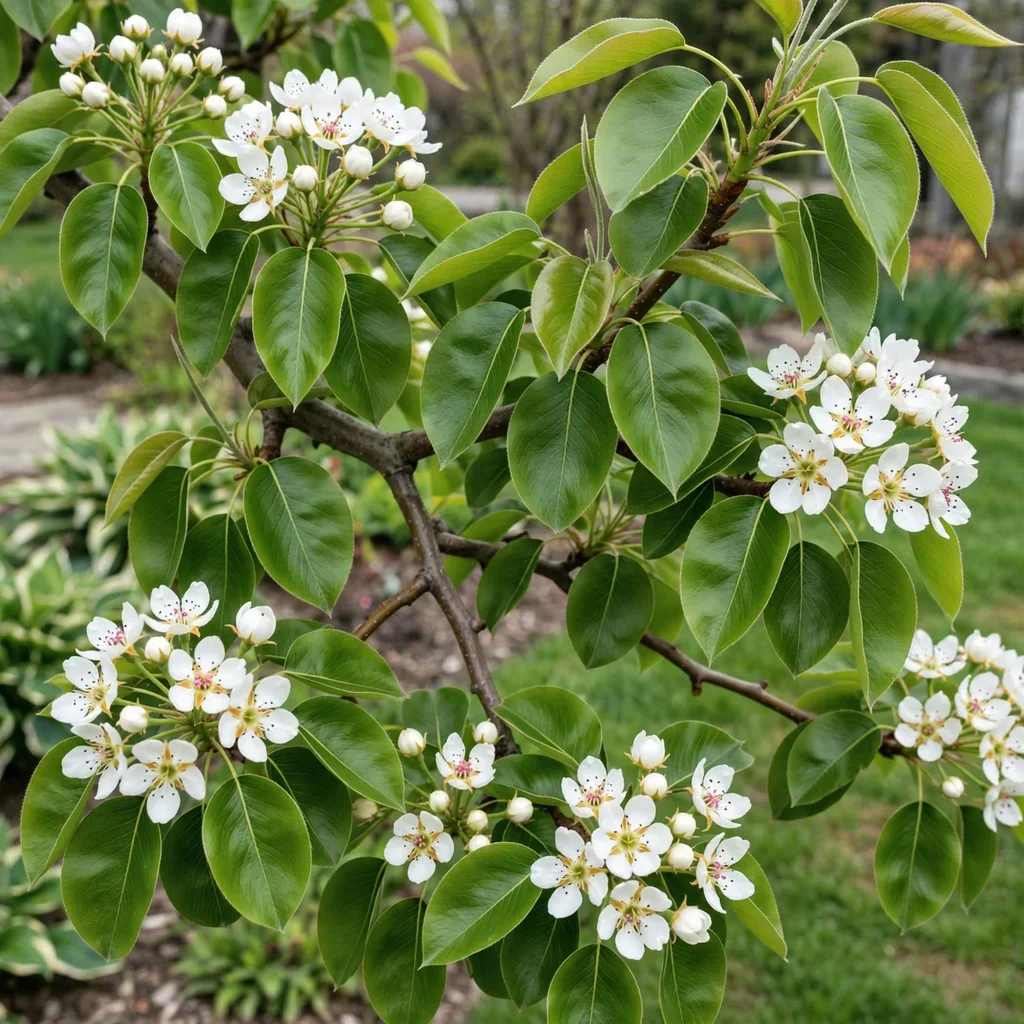
Crisp 'n Sweet Pear
Pyrus communis 'Crisp 'n Sweet'
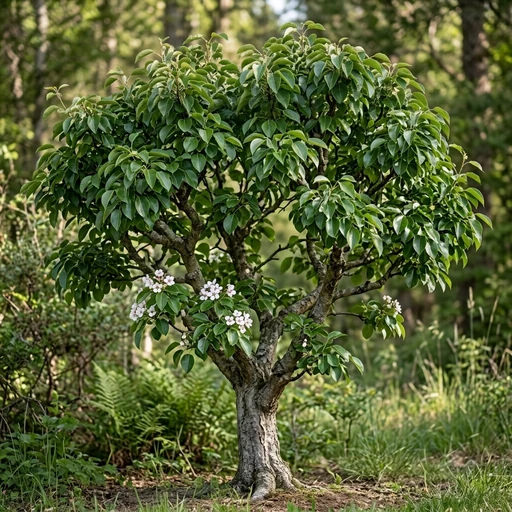
Kieffer Pear
Pyrus x hybrida 'Kieffer'
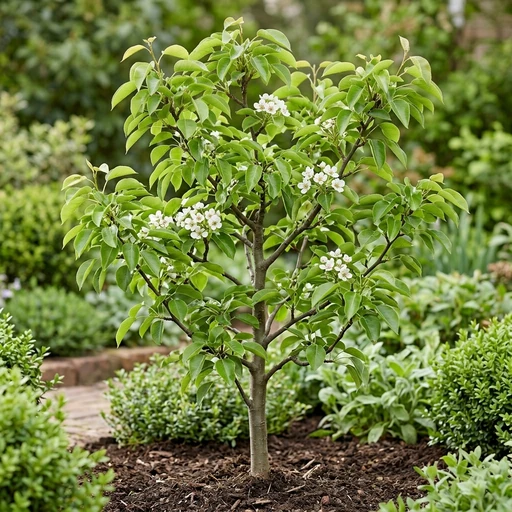
Hosui Asian Pear
Pyrus pyrifolia 'Hosui'
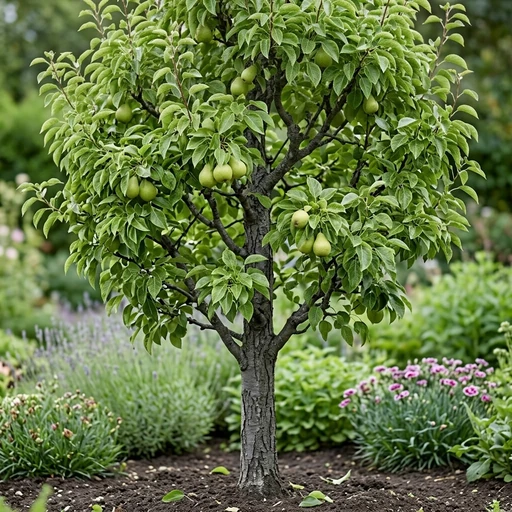
Moonglow Pear
Pyrus communis 'Moonglow'
Keep exploring
Explore the genus
Hardy in your zone?
Grow Bartlett Pear with confidence
See it in a design of your actual yard, get zone-matched care reminders, and track it season by season in your garden journal.