The Story
Plant Bio
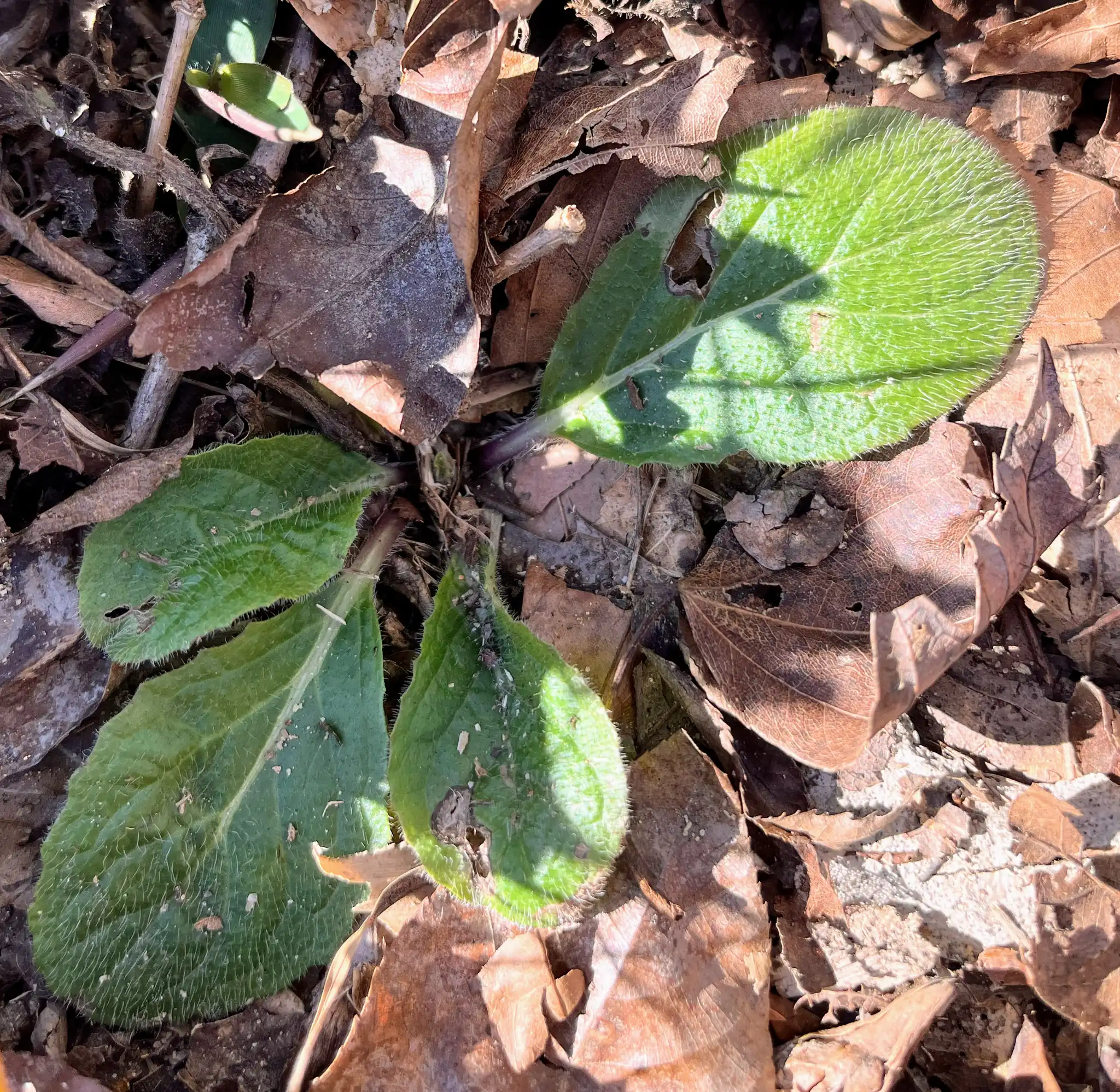
Salvia lyrata, commonly known as lyreleaf sage, is a hardy herbaceous perennial native to the eastern and central United States that forms a low, ground-hugging basal rosette. In spring, it sends up upright, square, hairy flowering stems bearing whorls of pale blue to lavender tubular flowers backed by purplish-brown calyces.
The deeply lobed basal leaves resemble a lyre and often feature dark purple veining that intensifies in color during the winter months. While the species foliage is dark green, selected cultivars display deep bronze or burgundy-purple leaves throughout the growing season.
Uses & Benefits:
Essentials
At a Glance
Plant Type
Perennial
Height
24"
Width
18"
Light
Full Sun, Partial Sun
Zones
5, 6, 7, 8, 9, 10
Water
Low to moderate
Humidity
High
Lifespan
Perennial
Native To
North America
Toxicity
Non-toxic
Bloom period
Spring – Early summer
In flower about 4 months of the year
Marketplace
Where to Buy
Shipping costs Year-round shipping Free shipping
Planting
How to Grow
- Select a site in full sun to partial shade with average, sandy, loamy, or clay soil.
- Space plants 12 to 18 inches apart to allow the basal rosettes room to spread.
- Water regularly after planting until the root system is fully established.
- Mow or shear back spent flower spikes in mid-summer if you wish to prevent self-seeding.
Pro Tip
Use this species deliberately as an ecological, traffic-tolerant turf alternative or rain-garden matrix plant; it tolerates light foot traffic and regular mowing while outcompeting weeds.
Keep It Thriving
Care Guide
Do
- Prune back spent flower spikes after the spring bloom to maintain a tidy rosette.
- Allow the plant to self-seed if you want to establish a naturalized groundcover.
- Clear away dead winter rosette leaves in early spring to refresh the foliage.
Don't
- Do not over-fertilize, as a light top-dressing of compost in spring is sufficient.
- Avoid planting in poorly drained, waterlogged soils where root rot can develop.
- Do not perform heavy annual hard-pruning into old, leafless woody stems.
Seasonal Care Calendar
| Task | Jan | Feb | Mar | Apr | May | Jun | Jul | Aug | Sep | Oct | Nov | Dec |
|---|---|---|---|---|---|---|---|---|---|---|---|---|
| Divide | ||||||||||||
| Pest Check | ||||||||||||
| Prune | ||||||||||||
| Spring Cleanup |
Watch Out For
Pests & Diseases
Common Pests
Common Diseases
In the Garden
Landscape Uses & Companions
Landscape Uses
Multiply
Propagation Methods
Good to Know
Common Questions
Lyreleaf Sage questions
What zones can Lyreleaf Sage grow in?
Lyreleaf Sage is hardy in USDA Zones 5–10. Inside that range it survives winter in the ground; outside it, grow it as an annual or a container plant you protect.
Is Lyreleaf Sage deer resistant?
Yes — Lyreleaf Sage is rated deer-resistant. Deer typically pass it over, though extreme hunger can override any plant's defenses.
When does Lyreleaf Sage bloom?
Lyreleaf Sage typically blooms in spring through early summer. Exact timing shifts a week or two with your zone — Sow's bloom calendar maps it to your garden.
Does Lyreleaf Sage need full sun?
Lyreleaf Sage does best in full sun to part shade. In hot climates, afternoon shade keeps blooms fresher longer.
Is Lyreleaf Sage drought tolerant?
Yes — once established (usually after the first full season), Lyreleaf Sage handles dry spells with minimal watering. Water deeply its first year to build the root system that makes that possible.
More Salvia to compare
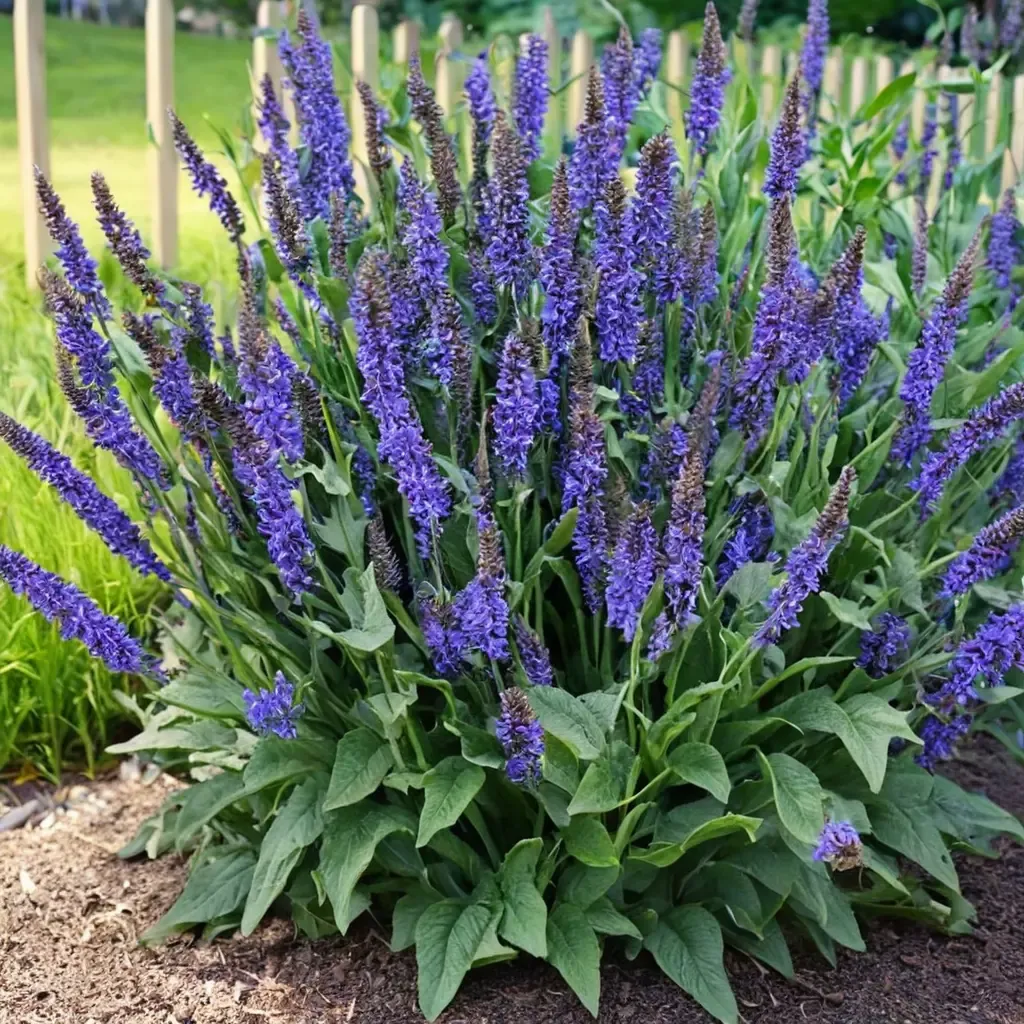
May Night Sage
Salvia nemorosa 'May Night'
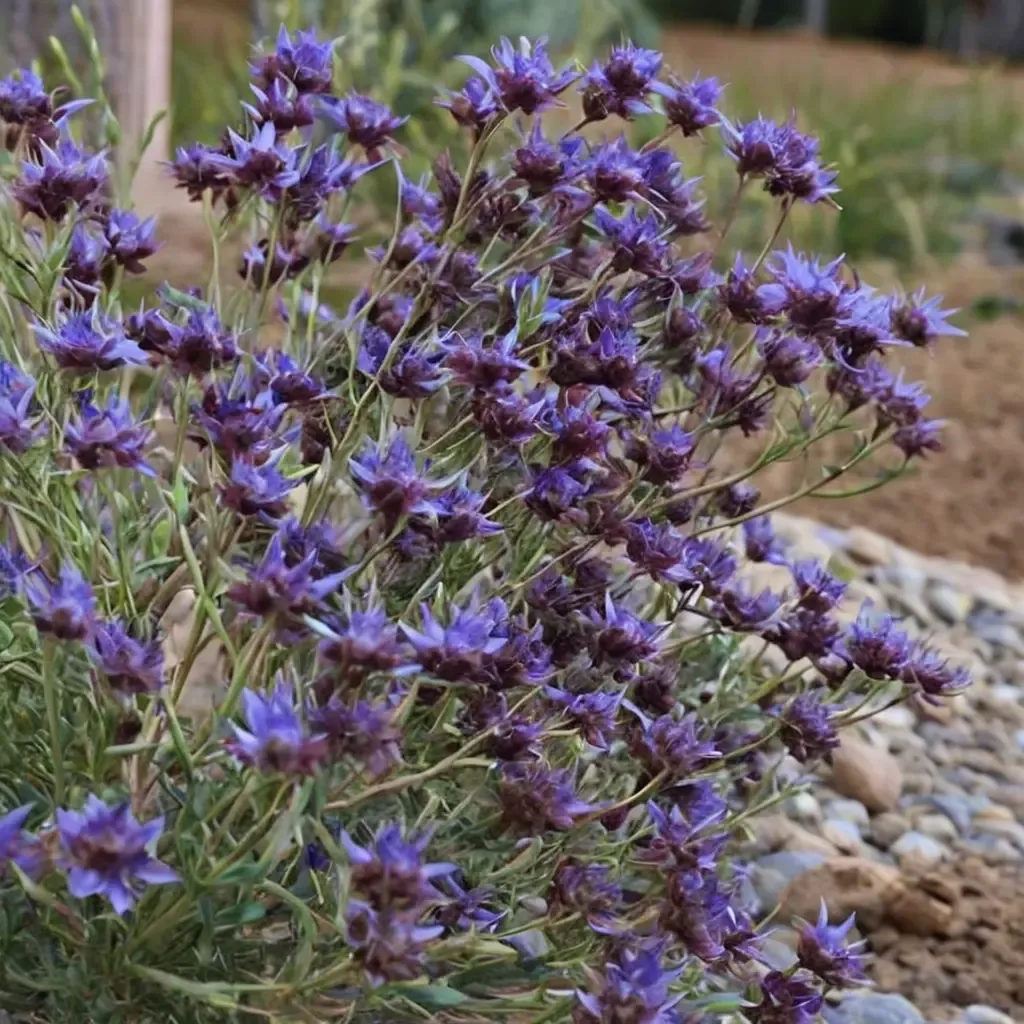
Celestial Blue Sage Wood Sage
Salvia nemorosa 'Celestial Blue'
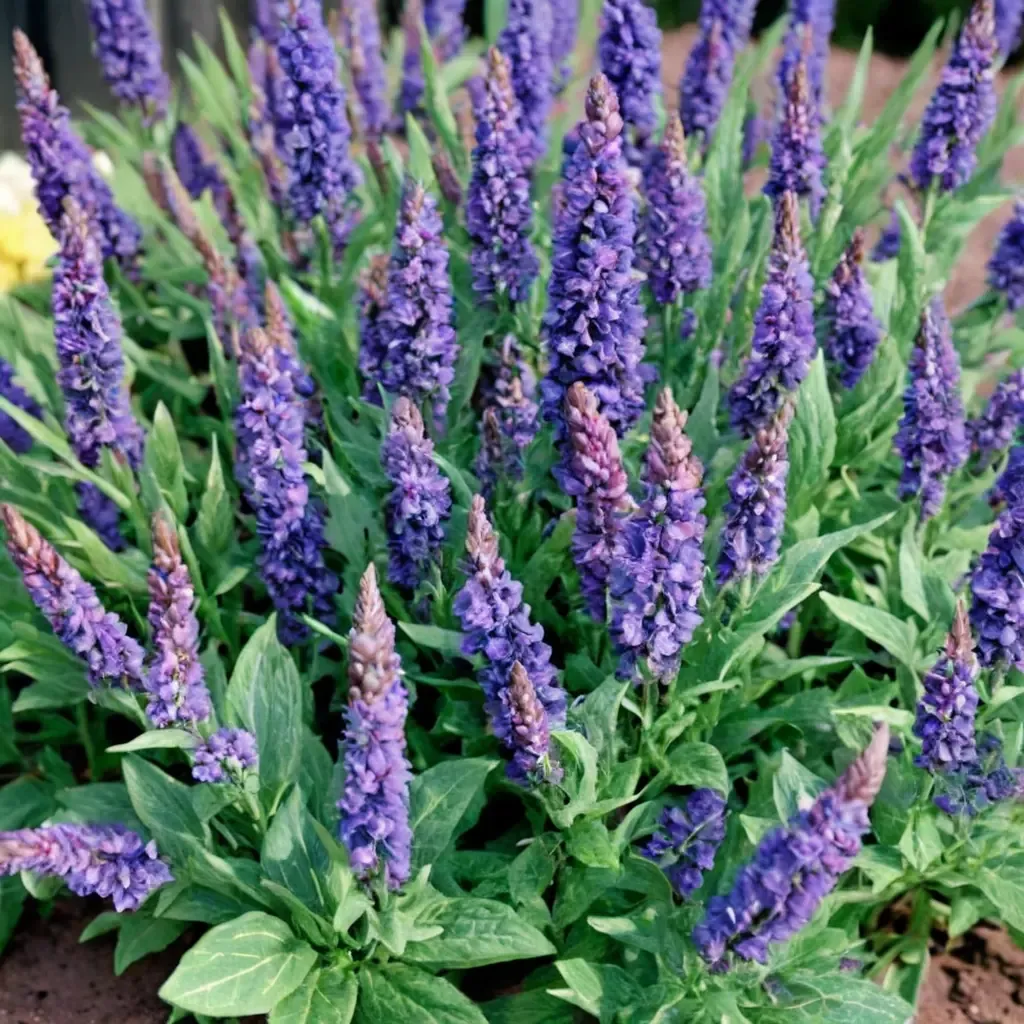
Marcus Woodland Sage
Salvia nemorosa 'Marcus'
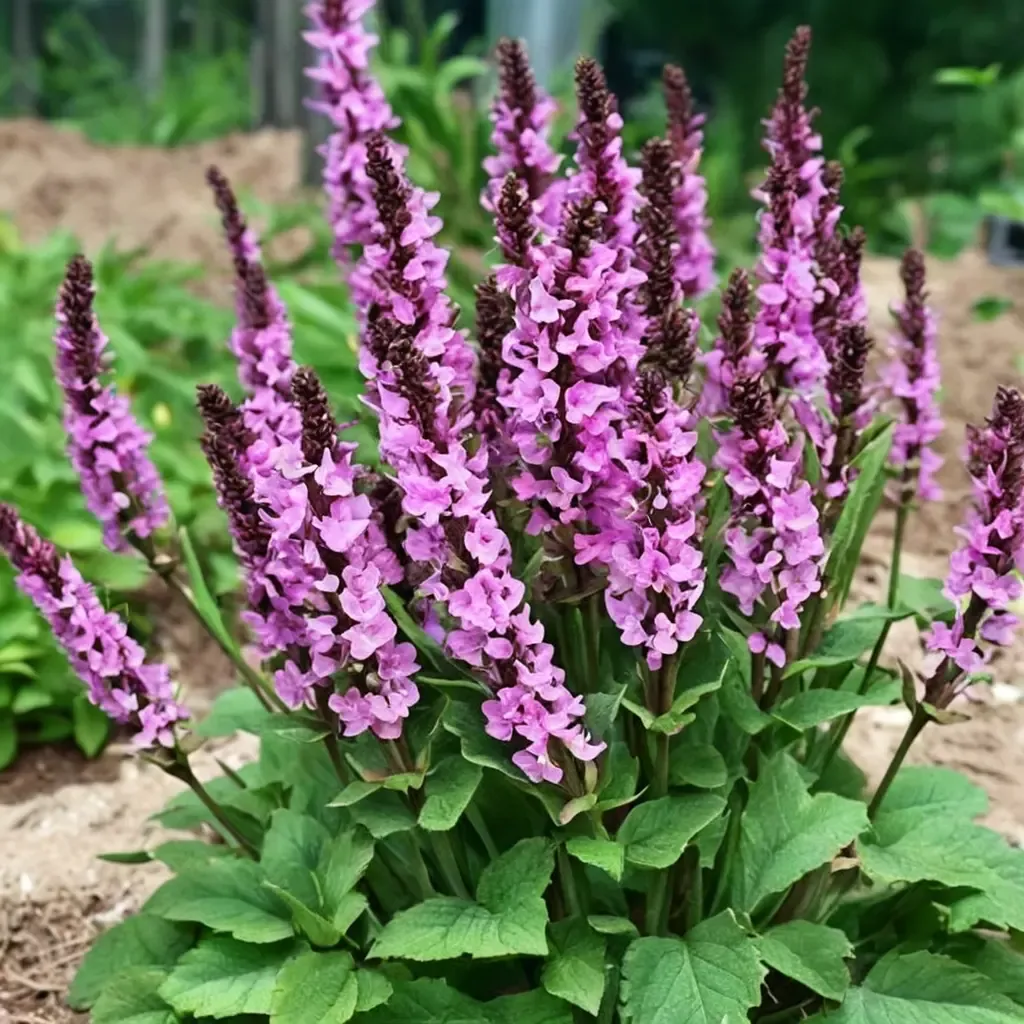
Rose Marvel Sage
Salvia nemorosa 'Rose Marvel'
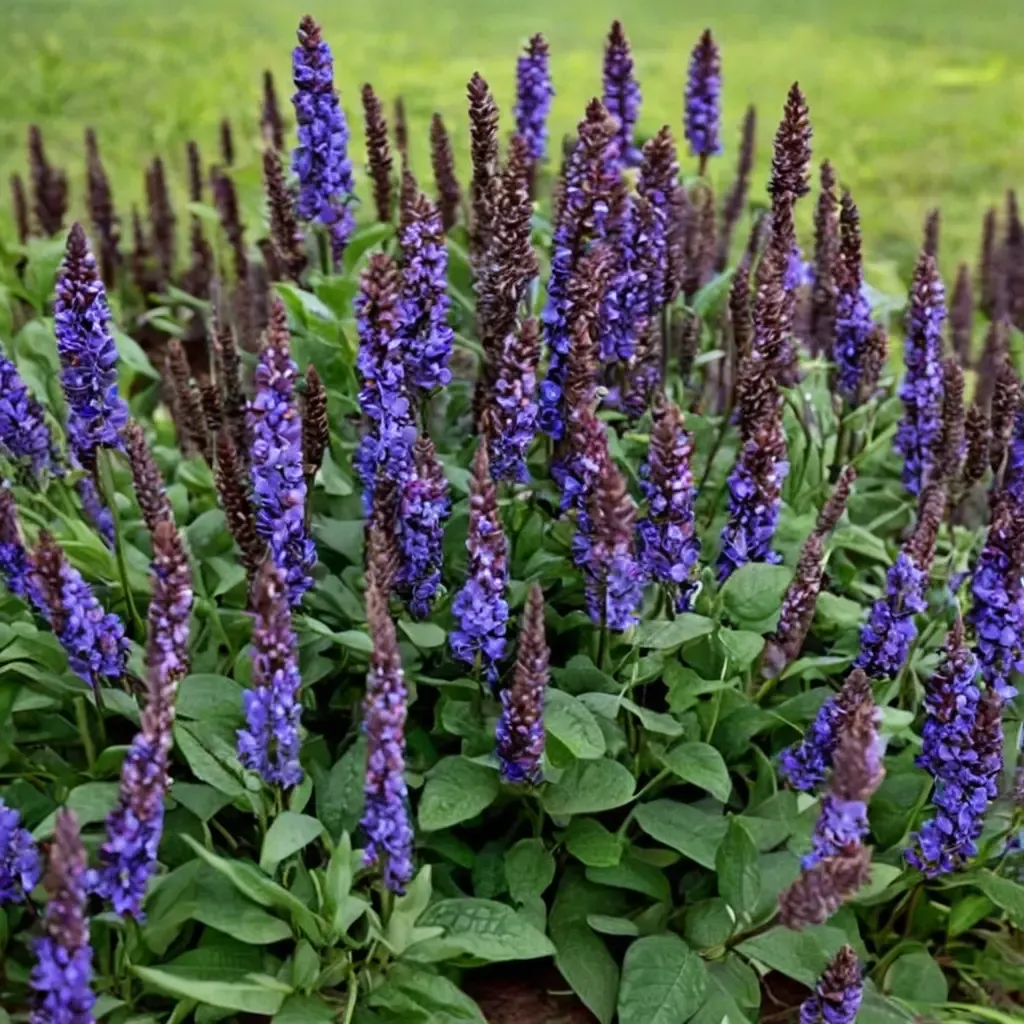
Bumbleblue Sage
Salvia nemorosa 'Bumbleblue'
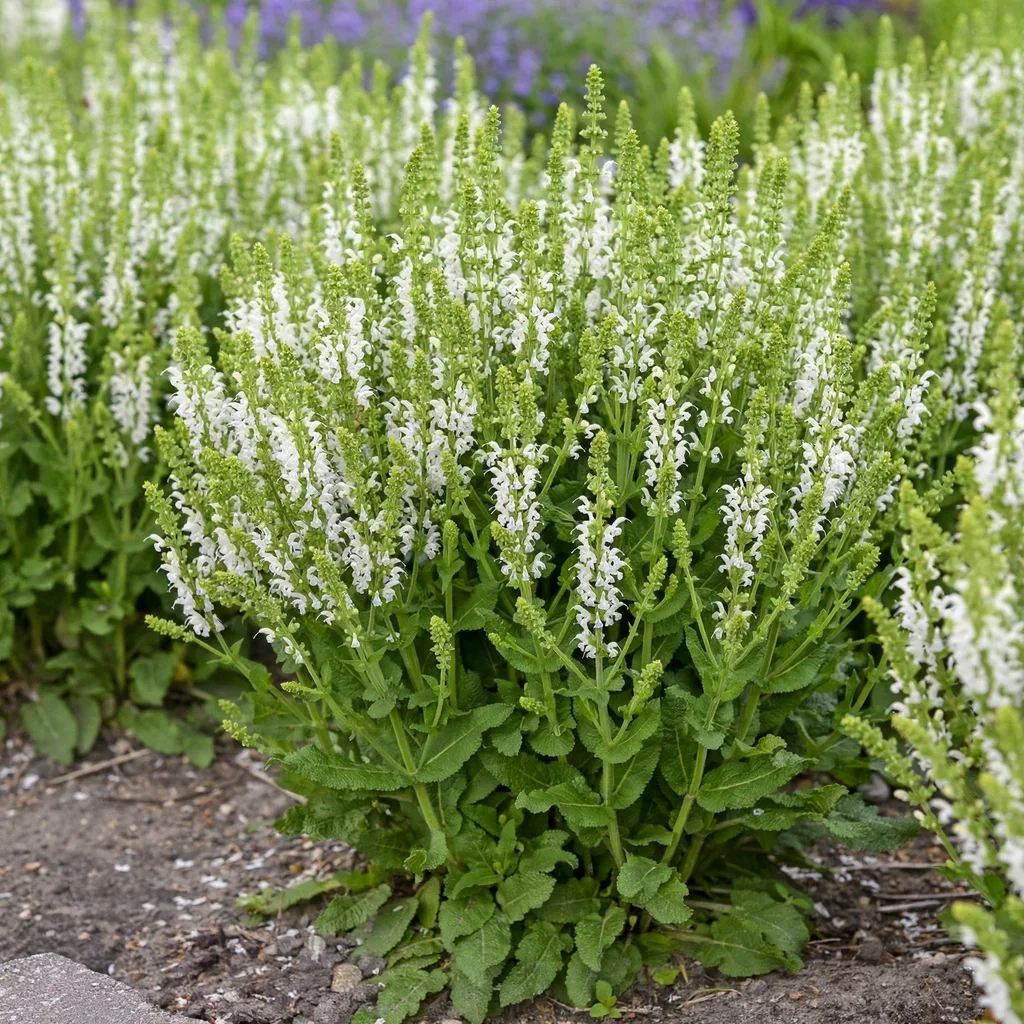
White Profusion Salvia
Salvia x hybrida 'White Profusion'
Keep exploring
Explore the genus
Grow Lyreleaf Sage with confidence
See it in a design of your actual yard, get zone-matched care reminders, and track it season by season in your garden journal.