
The Story
Plant Bio
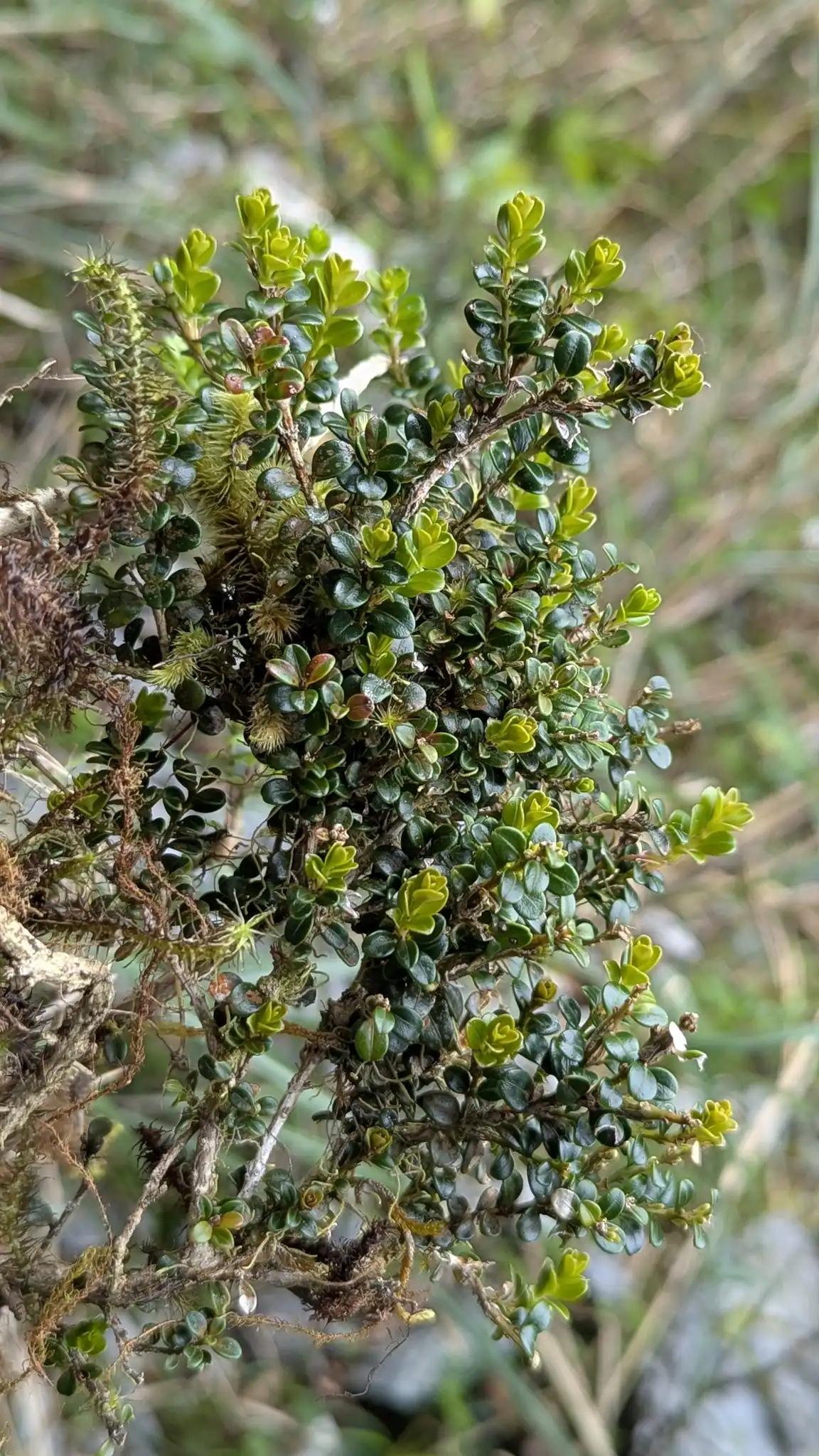
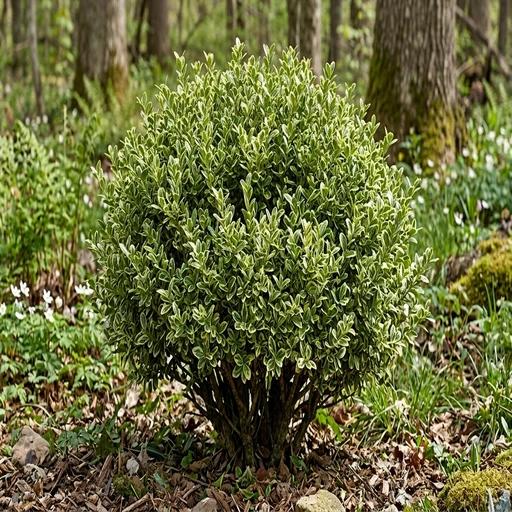
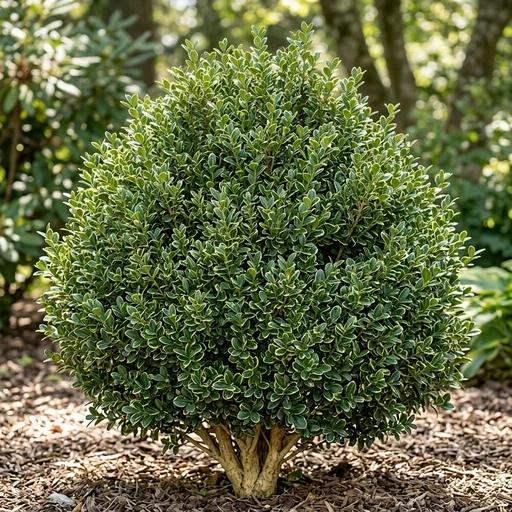
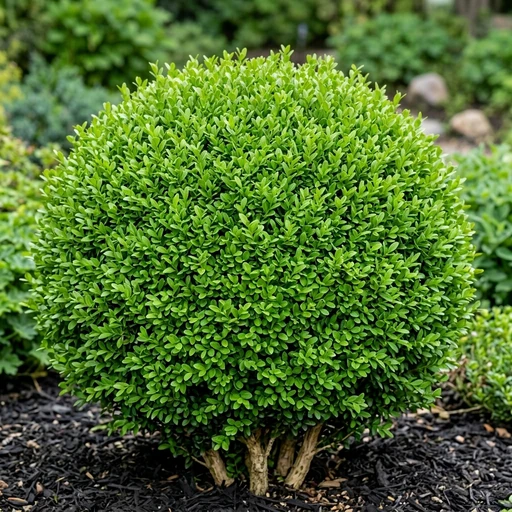
Korean boxwoods are known for their exceptional cold hardiness compared to other boxwood species. They typically have a more open habit and their foliage may take on a bronze cast in winter.
'Franklin's Gem' is a low-growing, spreading cultivar with excellent hardiness and a unique winter foliage color. The leaves turn an attractive olive-green to bronze in cold weather, reverting to bright green in spring.
Uses & Benefits:
Essentials
At a Glance
Plant Type
Shrub
Height
24"
Width
36"
Light
Full Sun, Partial Sun
Zones
5, 6, 7, 8, 9
Water
Moderate
Humidity
Average
Lifespan
Very long-lived shrub
Native To
Korea
Toxicity
Toxic if ingested
Bloom period
Early spring – Mid-spring
In flower about 2 months of the year
Planting
How to Grow
- Select a site with at least four hours of sun and well-drained soil.
- Dig a hole that is twice as wide as the container.
- Ensure the top of the root ball is level with or slightly above the soil.
- Backfill the hole with the excavated soil.
- Water deeply after planting to settle the soil.
- Apply mulch around the plant, keeping it away from the main stem.
Pro Tip
Embrace its natural spreading form for an informal look, or give it one light shearing after spring growth for a tighter mound.
Keep It Thriving
Care Guide
Do
- Provide good air circulation to prevent fungal diseases.
- Water during extended dry periods, especially in the first year.
- Protect from harsh, drying winter winds if bronzing is a concern.
- Test soil pH; boxwoods prefer neutral to slightly alkaline soil.
Don't
- Don't plant in poorly drained or constantly wet soil.
- Avoid piling mulch against the plant's stem, which can cause rot.
- Don't perform heavy pruning late in the season.
- Avoid using high-nitrogen fertilizers that can cause excessive, weak growth.
Seasonal Care Calendar
| Task | Jan | Feb | Mar | Apr | May | Jun | Jul | Aug | Sep | Oct | Nov | Dec |
|---|---|---|---|---|---|---|---|---|---|---|---|---|
| Fertilize | ||||||||||||
| Mulch | ||||||||||||
| Plant | ||||||||||||
| Prune |
Watch Out For
Pests & Diseases
Common Pests
Common Diseases
In the Garden
Landscape Uses & Companions
Landscape Uses
Multiply
Propagation Methods
Good to Know
Common Questions
Korean Boxwood questions
What zones can Korean Boxwood grow in?
Korean Boxwood is hardy in USDA Zones 5–9. Inside that range it survives winter in the ground; outside it, grow it as an annual or a container plant you protect.
Is Korean Boxwood deer resistant?
Yes — Korean Boxwood is rated deer-resistant. Deer typically pass it over, though extreme hunger can override any plant's defenses.
When does Korean Boxwood bloom?
Korean Boxwood typically blooms in early spring through mid-spring. Exact timing shifts a week or two with your zone — Sow's bloom calendar maps it to your garden.
Does Korean Boxwood need full sun?
Korean Boxwood does best in full sun to part shade. In hot climates, afternoon shade keeps blooms fresher longer.
Is Korean Boxwood drought tolerant?
Yes — once established (usually after the first full season), Korean Boxwood handles dry spells with minimal watering. Water deeply its first year to build the root system that makes that possible.
More Buxus to compare
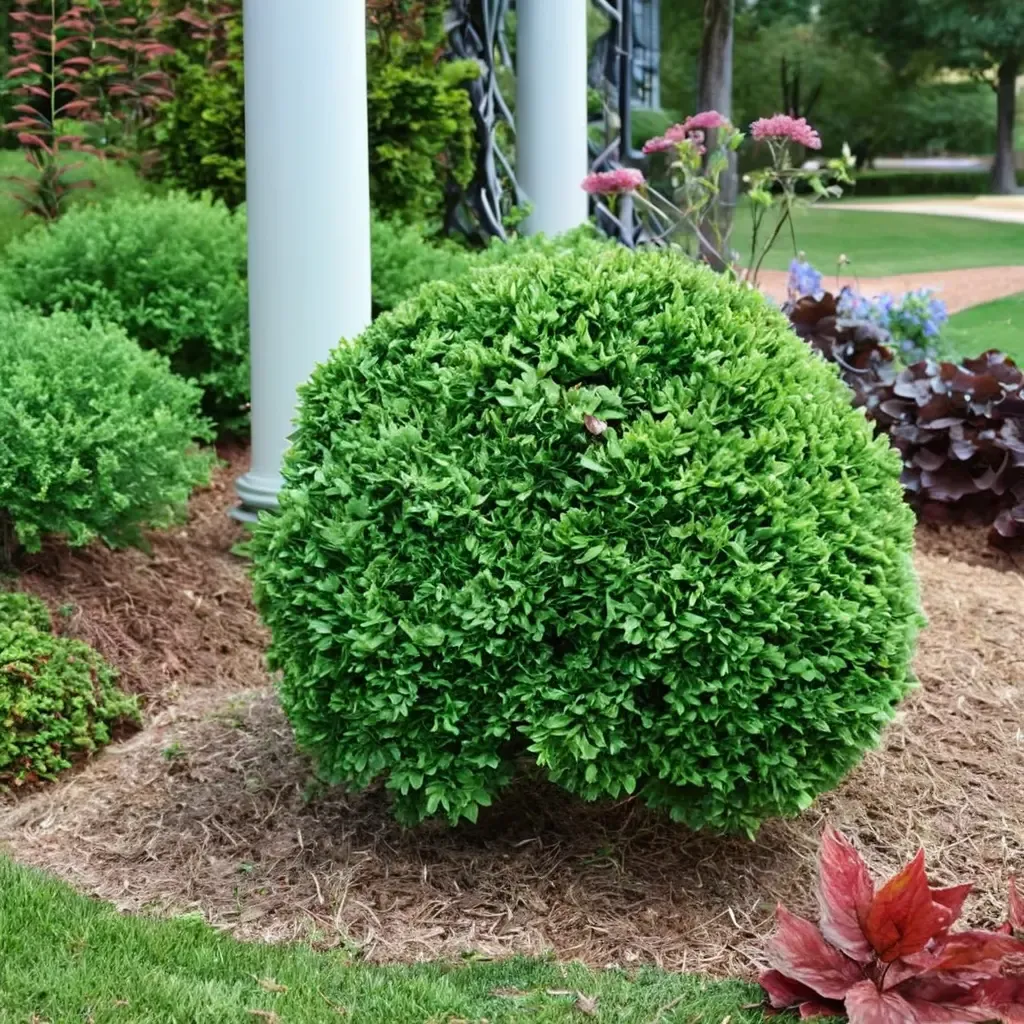
Green Velvet Boxwood
Buxus sempervirens 'Green Velvet'
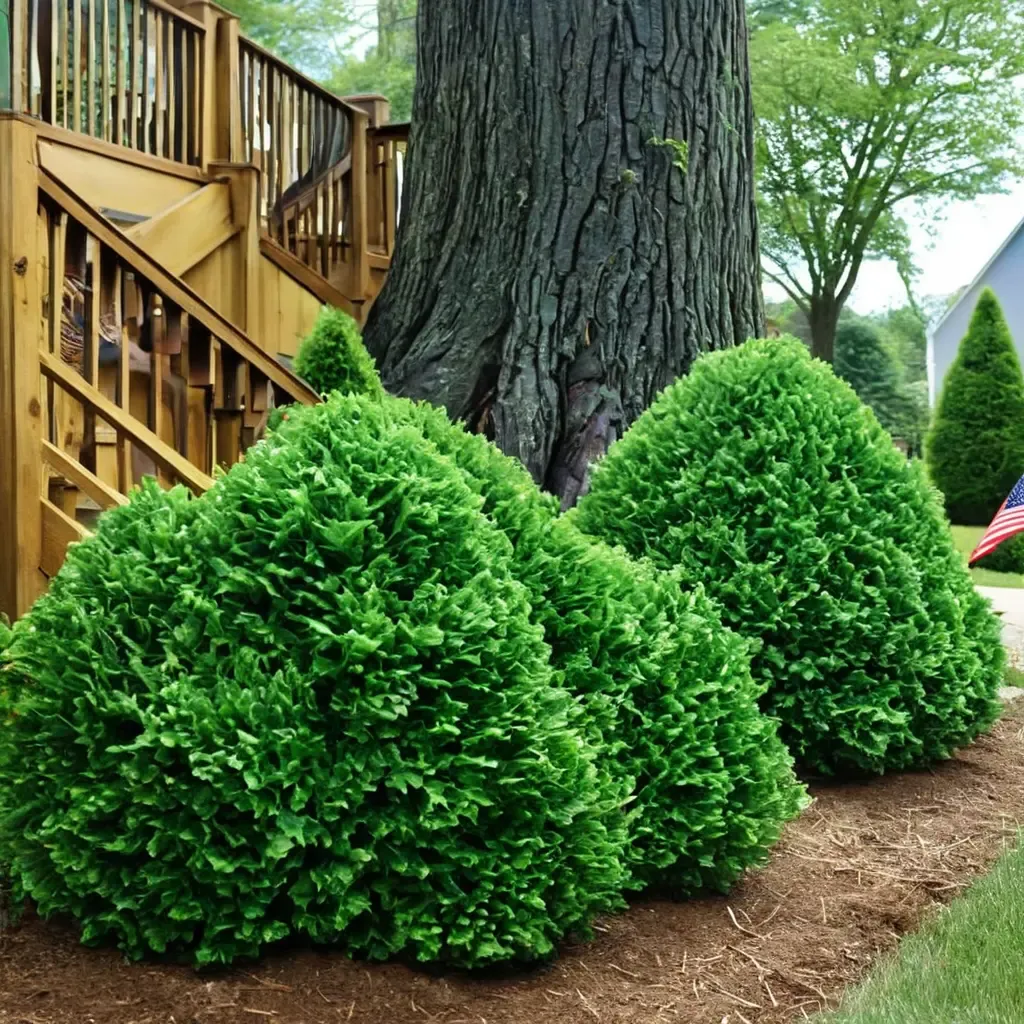
Green Mountain Boxwood
Buxus sempervirens 'Green Mountain'
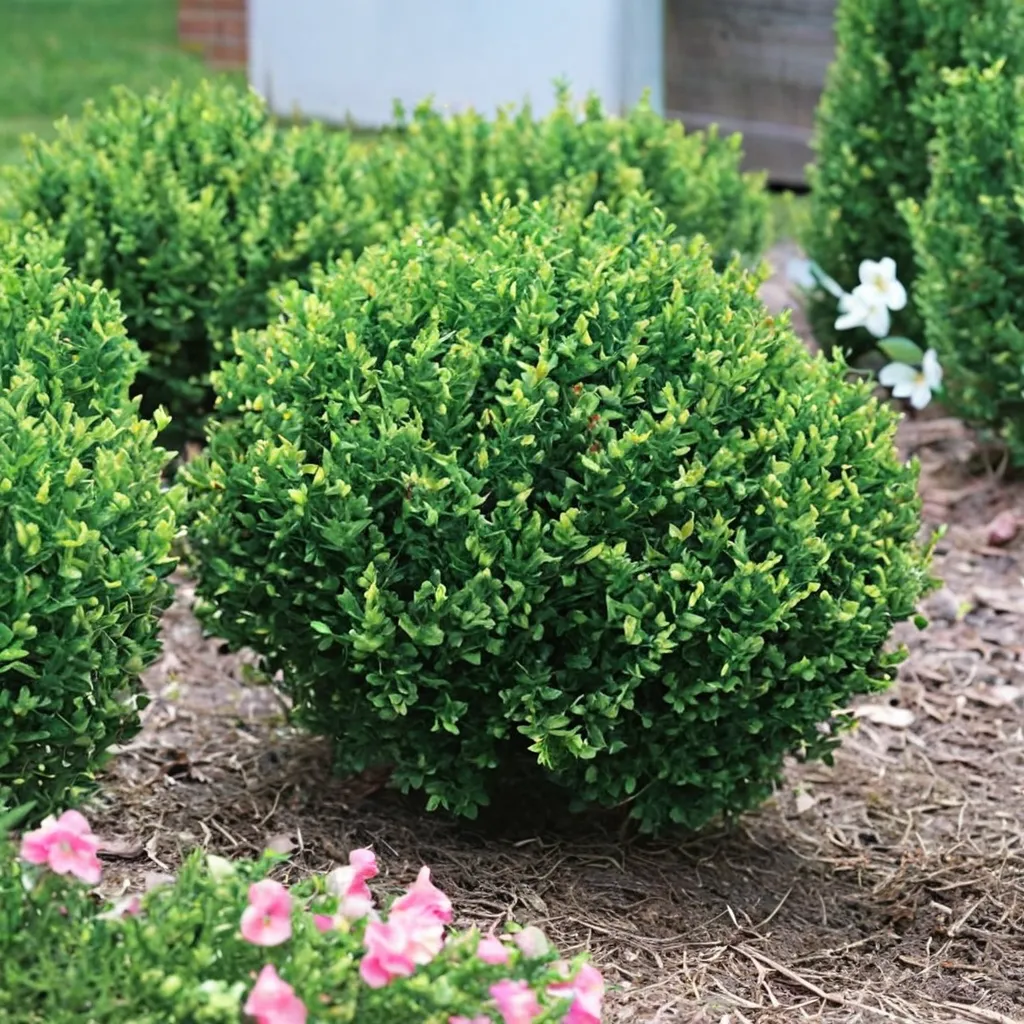
Boxwood Sprinter
Buxus x hybrida 'Sprinter'
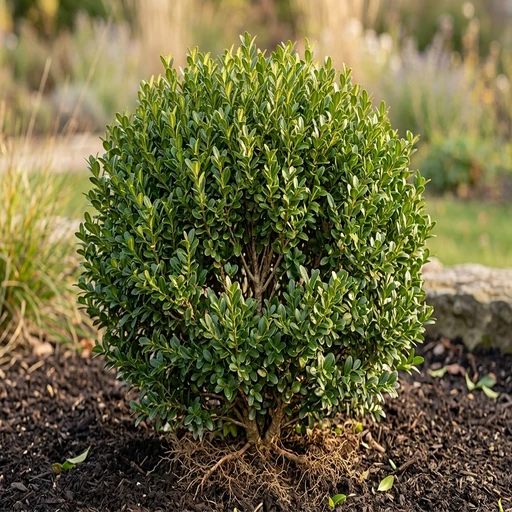
Winter Gem Boxwood
Buxus microphylla 'Winter Gem'
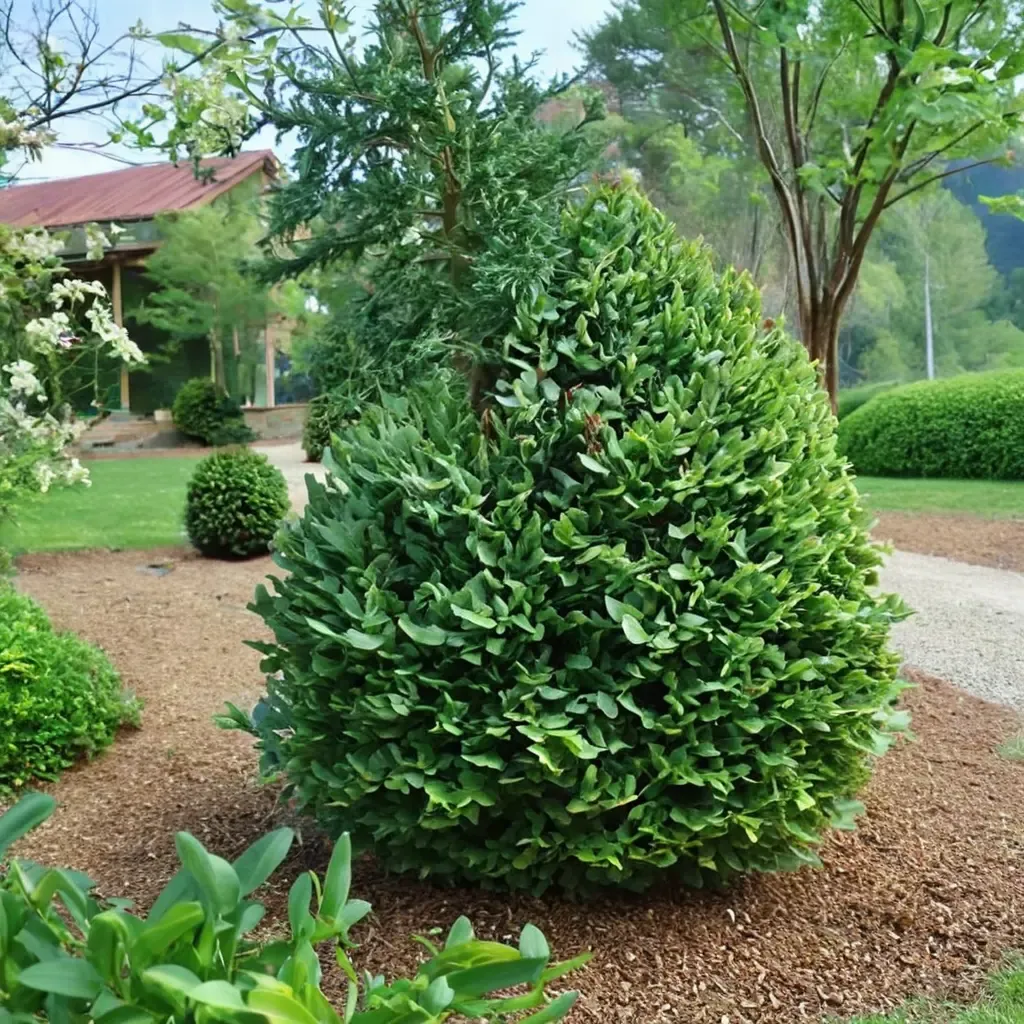
Common Boxwood
Buxus sempervirens
Wintergreen Boxwood
Buxus microphylla 'Wintergreen'
Keep exploring
Explore the genus
Hardy in your zone?
Grow Korean Boxwood with confidence
See it in a design of your actual yard, get zone-matched care reminders, and track it season by season in your garden journal.