
The Story
Plant Bio
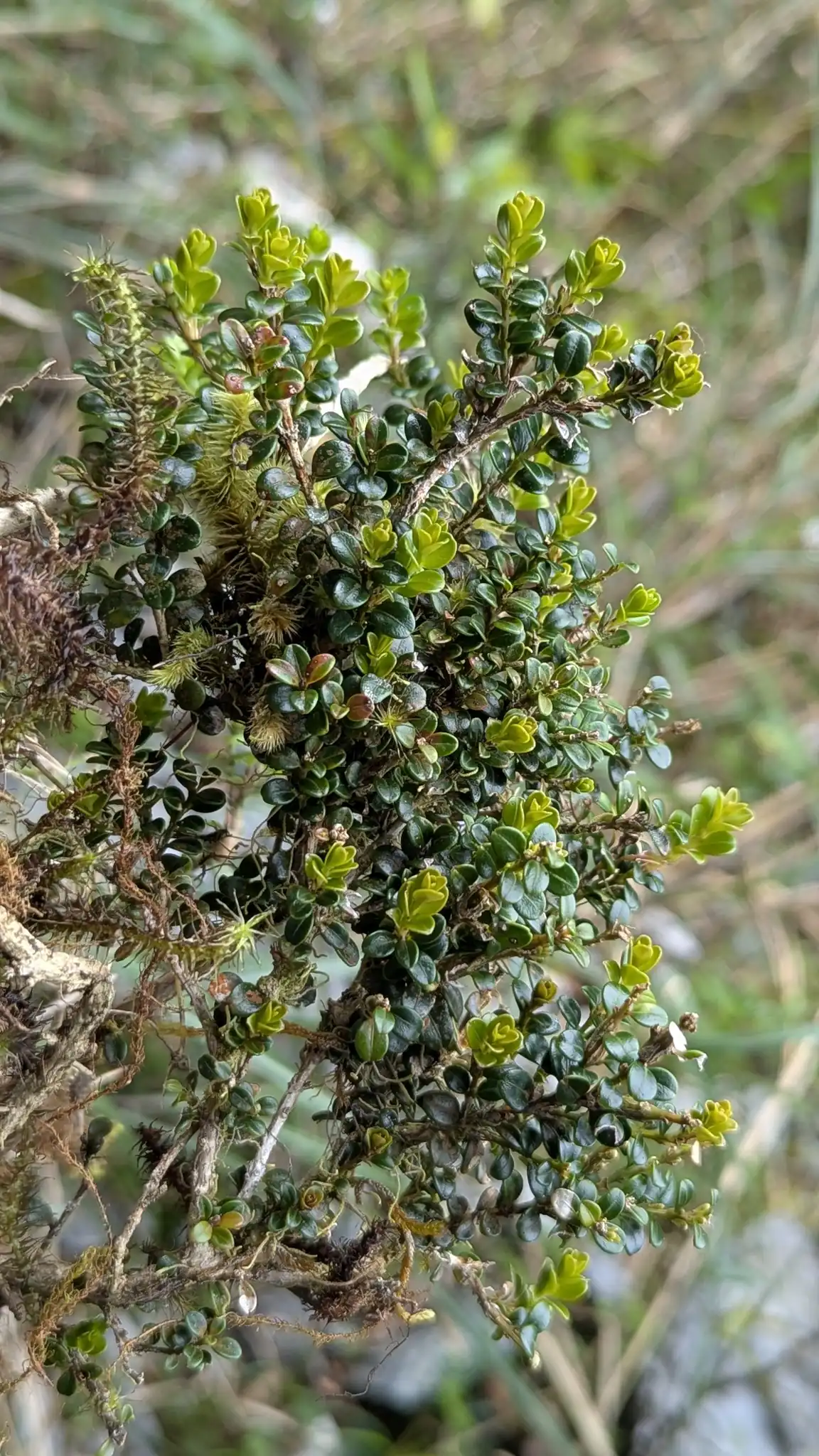
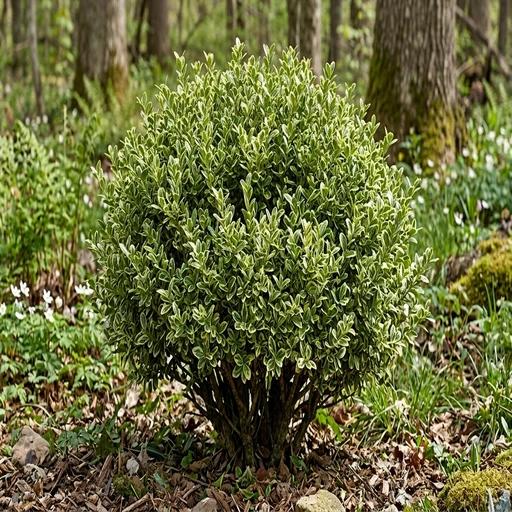
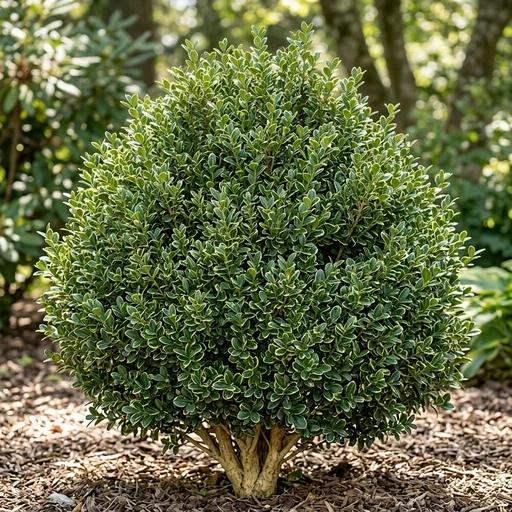
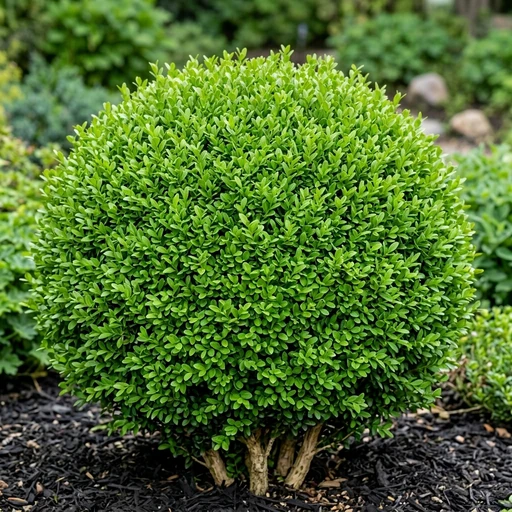
Buxus sinica, Chinese or Korean box, is a broadleaf evergreen shrub from China and Taiwan with an erect, spreading habit, reaching roughly 2 to 10 ft tall and considerably wider. Bright green lustrous oblong leaves about 1.5 in long sit closely on square-sectioned stems. Small green flowers open in spring and are barely noticeable.
It is the cold-hardiest box in common cultivation, which is why its Korean variety underpins so many hedging cultivars in northern gardens. The foliage often bronzes over winter and greens again in spring. Its stems are square in cross-section, an easy field distinction from other broadleaf evergreens of similar leaf.
Uses & Benefits:
Essentials
At a Glance
Plant Type
Shrub
Height
60"
Width
144"
Light
Full Sun, Partial Sun
Zones
5, 6, 7, 8, 9
Water
Low to medium; well-drained soil, dry foliage
Humidity
Dislikes prolonged leaf wetness and still humid air
Lifespan
Long-lived where blight is kept out
Native To
China and Taiwan
Toxicity
Foliage is toxic if eaten; not a food plant
Planting
How to Grow
- Choose full sun to partial shade with shelter from winter wind.
- Plant into well-drained soil of any pH; avoid heavy wet ground.
- Set the root ball slightly proud of grade rather than deep.
- Mulch thinly, keeping the mulch clear of the stems.
- Water at the base only, never over the foliage.
- Thin the interior each winter so light and air reach inside.
Pro Tip
Thin the interior rather than only shearing the surface; a dense outer shell holds moisture and is what lets blight take hold.
Keep It Thriving
Care Guide
Do
- Thin the interior each winter to open the plant up ✂️
- Water at soil level to keep the foliage dry 💧
- Clean tools between plants when pruning 🧼
- Quarantine new plants for a season before planting out 🪴
Don't
- Do not shear only the outer shell year after year ❌
- Do not water overhead or work in the plants when wet ❌
- Do not add boxwood clippings or leaf litter to compost ❌
Seasonal Care Calendar
| Task | Jan | Feb | Mar | Apr | May | Jun | Jul | Aug | Sep | Oct | Nov | Dec |
|---|---|---|---|---|---|---|---|---|---|---|---|---|
| Blight Inspection | ||||||||||||
| Interior Thinning |
Watch Out For
Pests & Diseases
Common Pests
Common Diseases
In the Garden
Landscape Uses & Companions
Landscape Uses
Companion Plants
Multiply
Propagation Methods
Good to Know
Common Questions
Korean Boxwood questions
What zones can Korean Boxwood grow in?
Korean Boxwood is hardy in USDA Zones 5–9. Inside that range it survives winter in the ground; outside it, grow it as an annual or a container plant you protect.
Is Korean Boxwood deer resistant?
Yes — Korean Boxwood is rated deer-resistant. Deer typically pass it over, though extreme hunger can override any plant's defenses.
When does Korean Boxwood bloom?
Korean Boxwood typically blooms in spring, small and inconspicuous through mid-spring. Exact timing shifts a week or two with your zone — Sow's bloom calendar maps it to your garden.
Does Korean Boxwood need full sun?
Korean Boxwood does best in full sun to part shade. In hot climates, afternoon shade keeps blooms fresher longer.
Is Korean Boxwood drought tolerant?
Yes — once established (usually after the first full season), Korean Boxwood handles dry spells with minimal watering. Water deeply its first year to build the root system that makes that possible.
More Buxus to compare
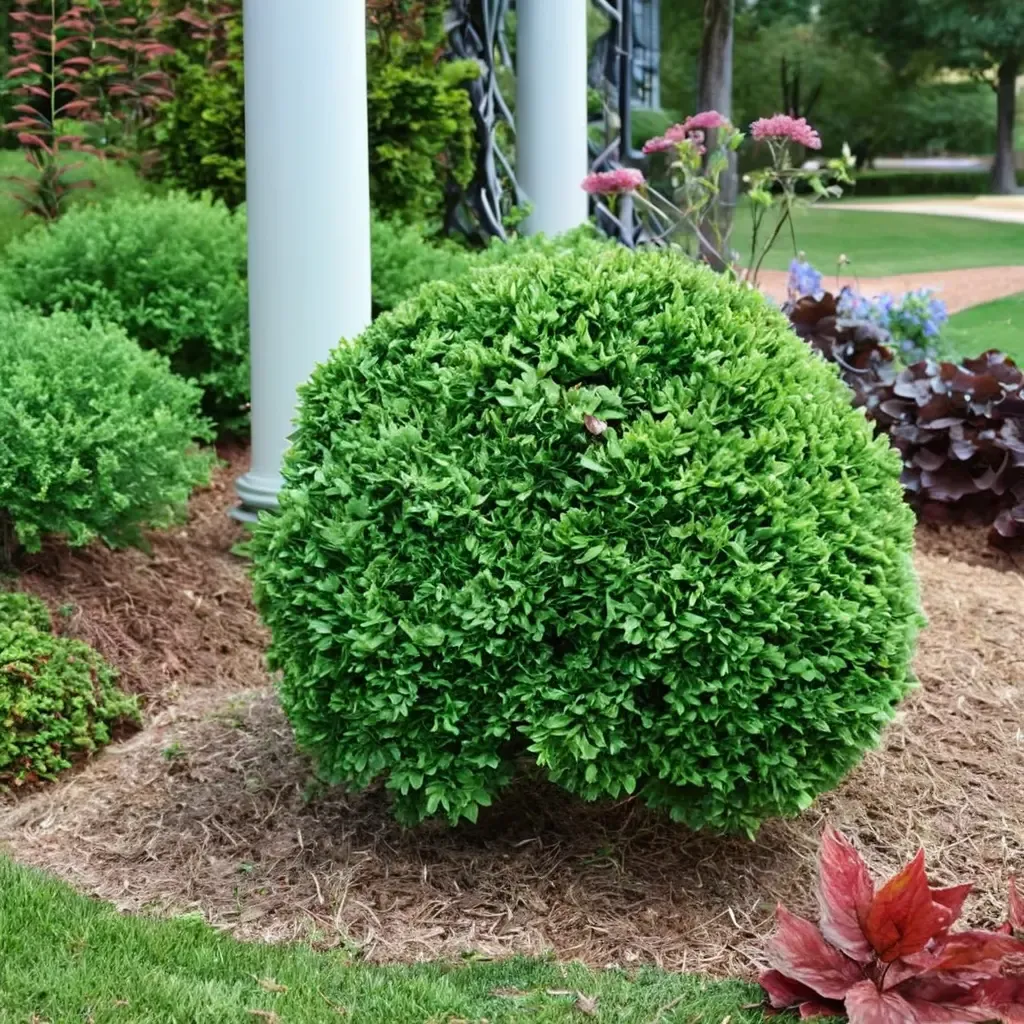
Green Velvet Boxwood
Buxus sempervirens 'Green Velvet'
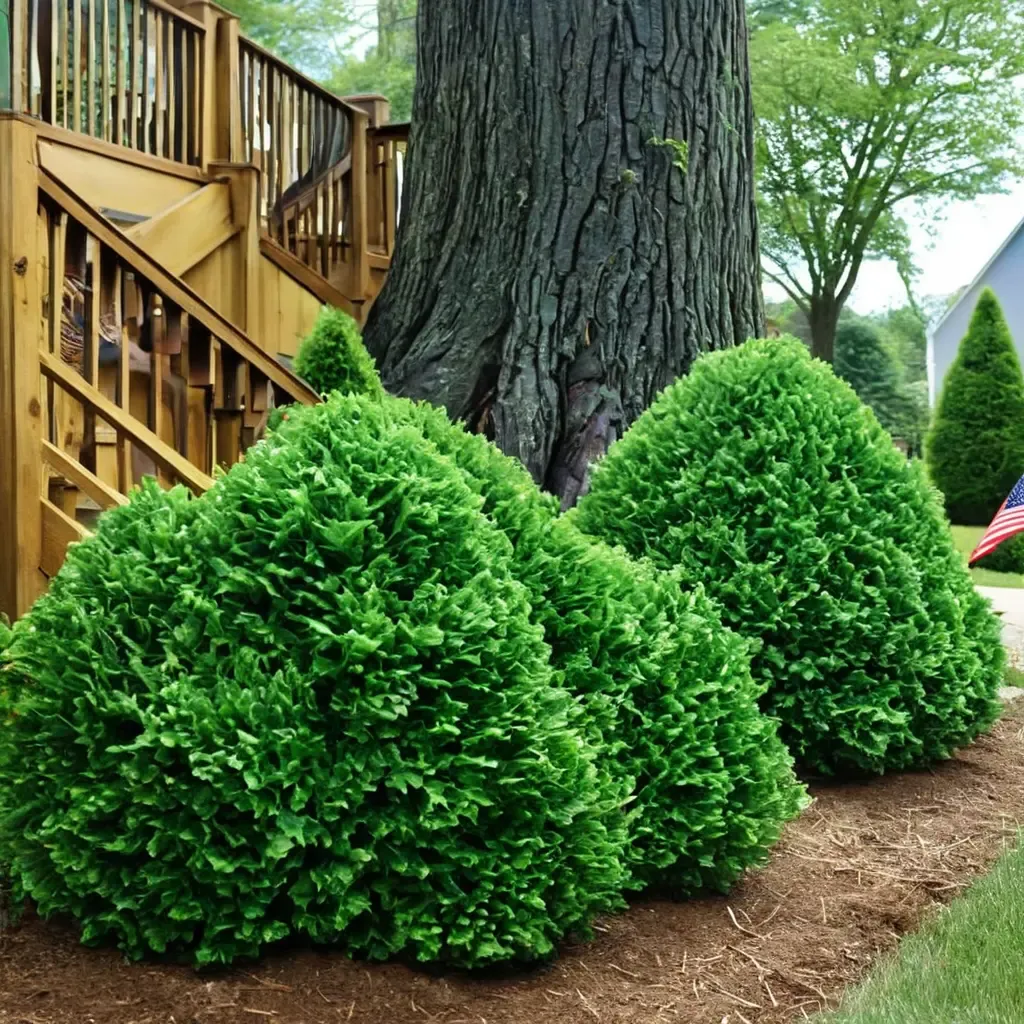
Green Mountain Boxwood
Buxus sempervirens 'Green Mountain'
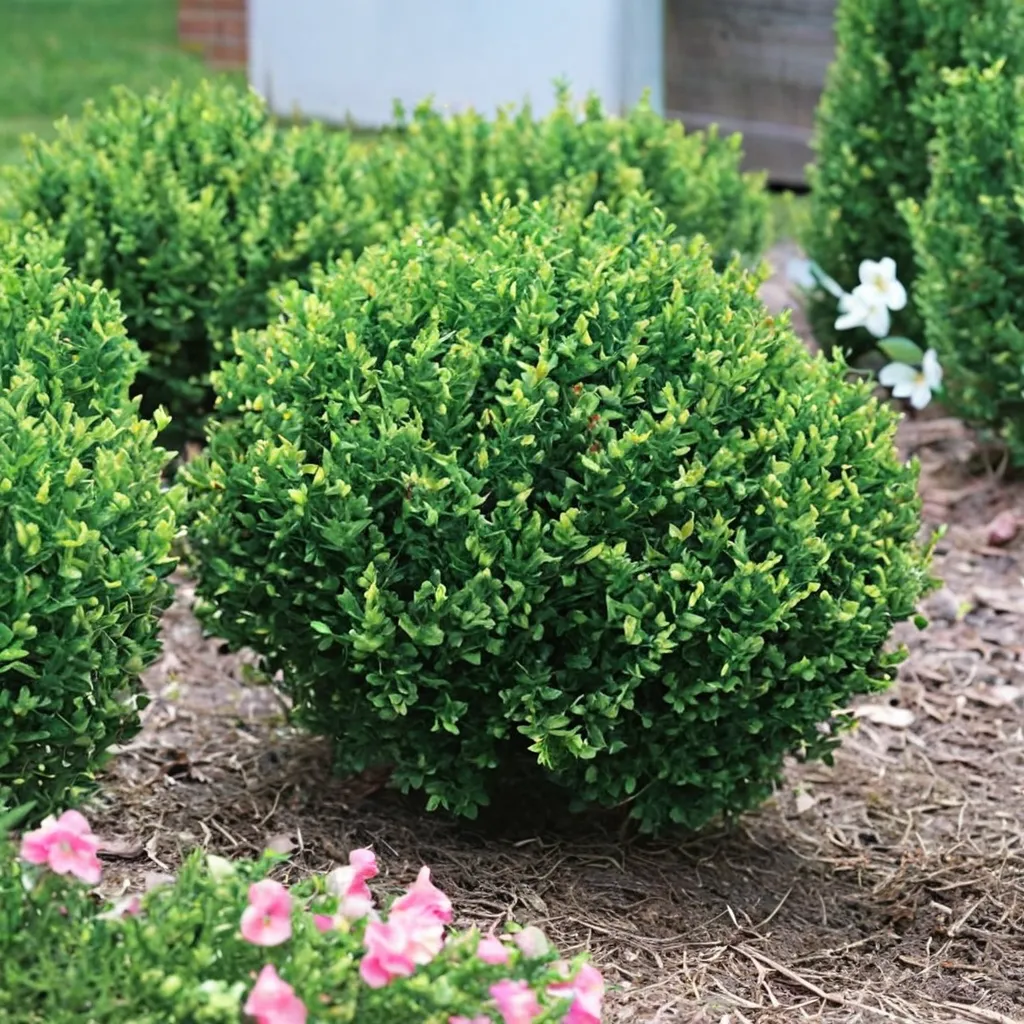
Boxwood Sprinter
Buxus x hybrida 'Sprinter'
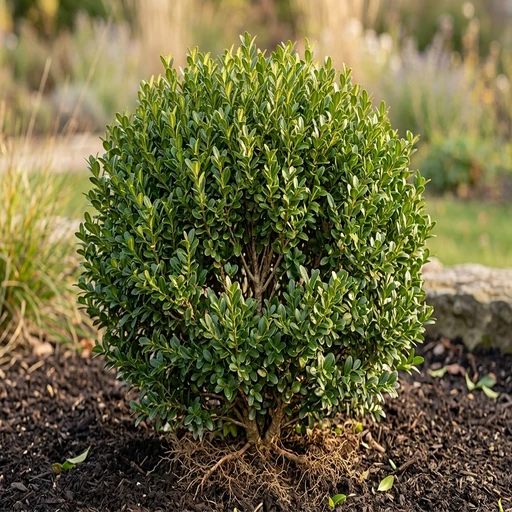
Winter Gem Boxwood
Buxus microphylla 'Winter Gem'
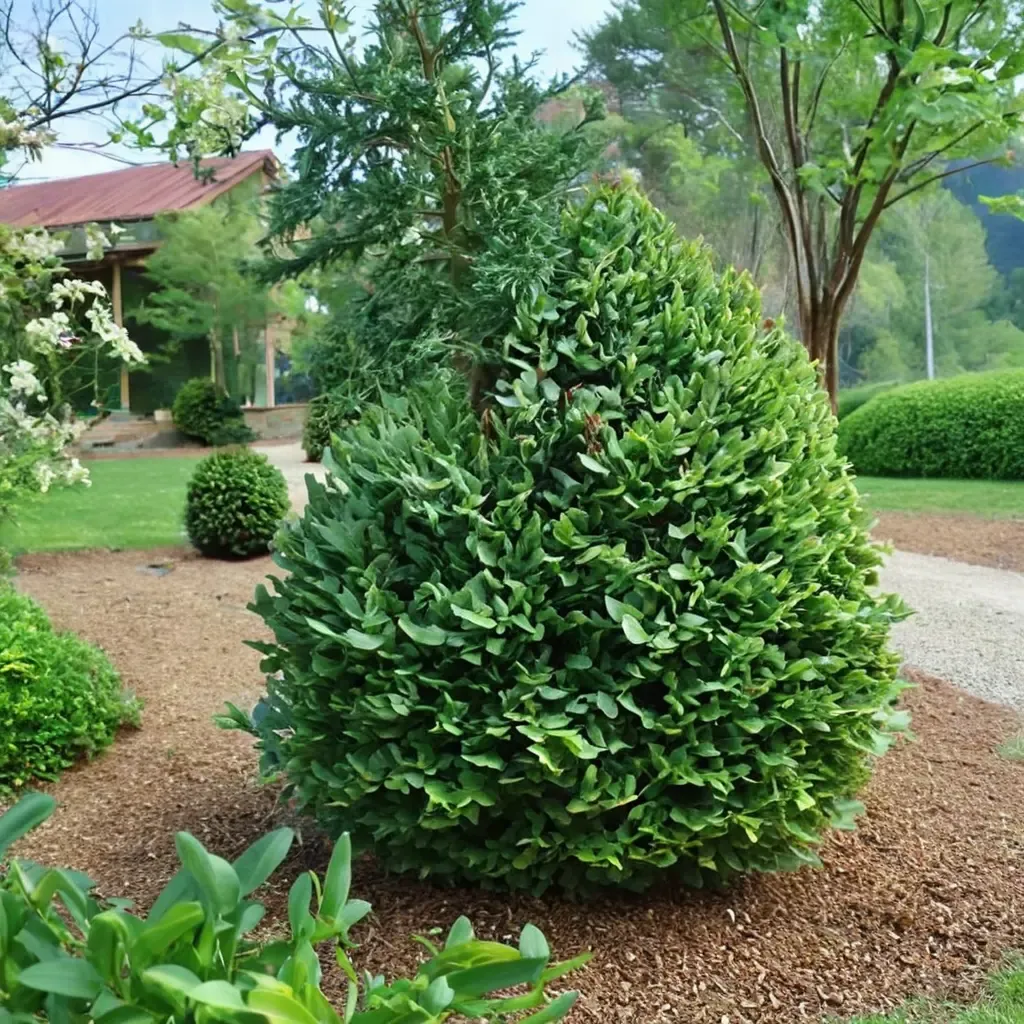
Common Boxwood
Buxus sempervirens
Wintergreen Boxwood
Buxus microphylla 'Wintergreen'
Keep exploring
Explore the genus
Hardy in your zone?
Grow Korean Boxwood with confidence
See it in a design of your actual yard, get zone-matched care reminders, and track it season by season in your garden journal.