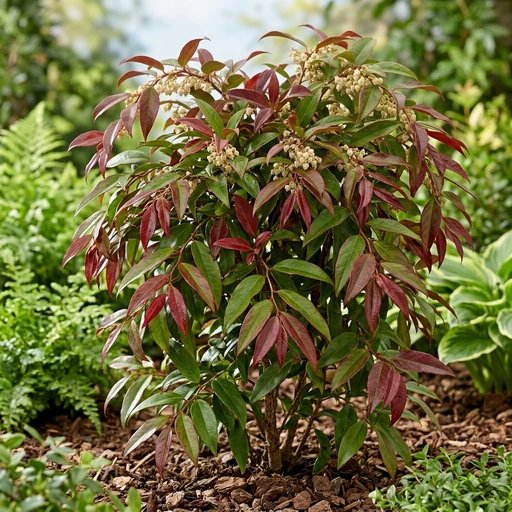
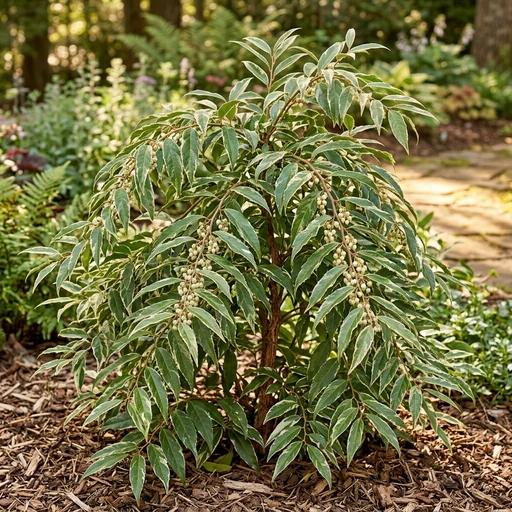


Scarletta Drooping Fetterbush
Leucothoe fontanesiana 'Scarletta Drooping'
The Story
Plant Bio
Leucothoe fontanesiana is a broadleaf evergreen shrub native to the southeastern U.S. It is prized for its graceful, arching branches and leathery, lance-shaped leaves, thriving in shady, moist, acidic conditions.
'Scarletta' (Zeblid) is a superb cultivar selected for its compact size and spectacular foliage color. New growth emerges a brilliant scarlet-red, maturing to a glossy deep green, then transforming to a rich burgundy-bronze for the fall and winter.
Uses & Benefits:
Essentials
At a Glance
Plant Type
Shrub
Height
24"
Width
48"
Light
Partial Sun, Shade
Zones
5, 6, 7, 8
Water
Medium to high
Humidity
Prefers high humidity
Lifespan
20+ years
Native To
Southeastern United States
Toxicity
All parts of the plant are toxic if ingested.
Bloom period
Mid-spring – Late spring
In flower about 2 months of the year
Planting
How to Grow
- Select a shady or partially shaded site with acidic soil.
- Amend the soil with compost or peat moss to increase organic matter.
- Dig a hole twice as wide as the root ball.
- Set the plant so its crown is level with the surrounding soil.
- Backfill with the amended soil and water thoroughly.
- Apply an acidic mulch like pine needles or shredded bark.
Pro Tip
Plant in a location protected from harsh winter winds and sun, which can cause leaf scorch and desiccation.
Keep It Thriving
Care Guide
Do
- Provide consistent moisture; do not let the soil dry out completely.
- Ensure the soil is acidic (pH 4.5-6.0) for best health.
- Use as a groundcover under large trees like oaks and pines.
- Appreciate its strong resistance to deer browsing.
Don't
- Do not plant in full sun, which will scorch the leaves.
- Avoid planting in alkaline (high pH) soils.
- Don't let it get too dry, especially in the summer.
- Refrain from heavy pruning, which will spoil its natural arching form.
Seasonal Care Calendar
| Task | Jan | Feb | Mar | Apr | May | Jun | Jul | Aug | Sep | Oct | Nov | Dec |
|---|---|---|---|---|---|---|---|---|---|---|---|---|
| Mulch | ||||||||||||
| Plant | ||||||||||||
| Prune |
Watch Out For
Pests & Diseases
Common Pests
Common Diseases
In the Garden
Landscape Uses & Companions
Landscape Uses
Multiply
Propagation Methods
Good to Know
Common Questions
Scarletta Drooping Fetterbush questions
What zones can Scarletta Drooping Fetterbush grow in?
Scarletta Drooping Fetterbush is hardy in USDA Zones 5–8. Inside that range it survives winter in the ground; outside it, grow it as an annual or a container plant you protect.
Is Scarletta Drooping Fetterbush deer resistant?
Yes — Scarletta Drooping Fetterbush is rated deer-resistant. Deer typically pass it over, though extreme hunger can override any plant's defenses.
When does Scarletta Drooping Fetterbush bloom?
Scarletta Drooping Fetterbush typically blooms in mid-spring through late spring. Exact timing shifts a week or two with your zone — Sow's bloom calendar maps it to your garden.
Does Scarletta Drooping Fetterbush need full sun?
Scarletta Drooping Fetterbush does best in part shade.
More Leucothoe to compare
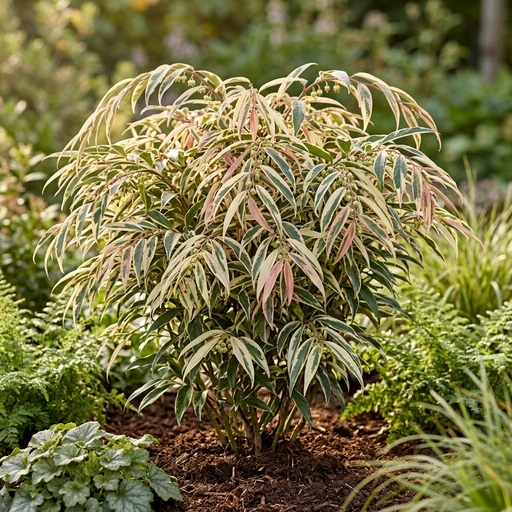
Rainbow Drooping Leucothoe
Leucothoe fontanesiana 'Rainbow'
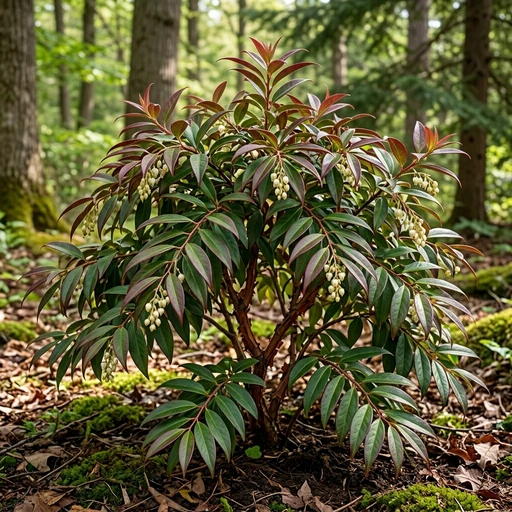
Scarletta Fetterbush
Leucothoe fontanesiana 'Zeblid'
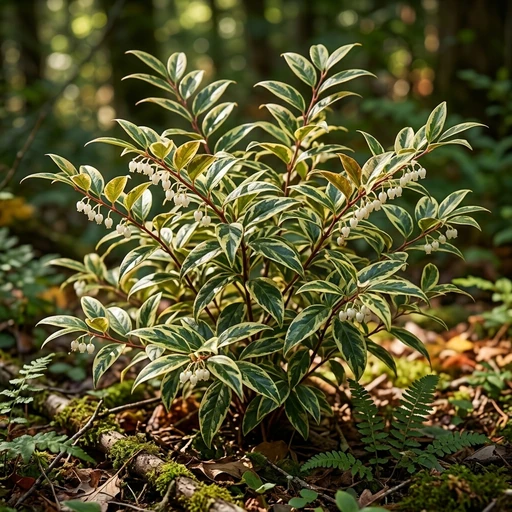
Coastal Leucothoe
Leucothoe axillaris
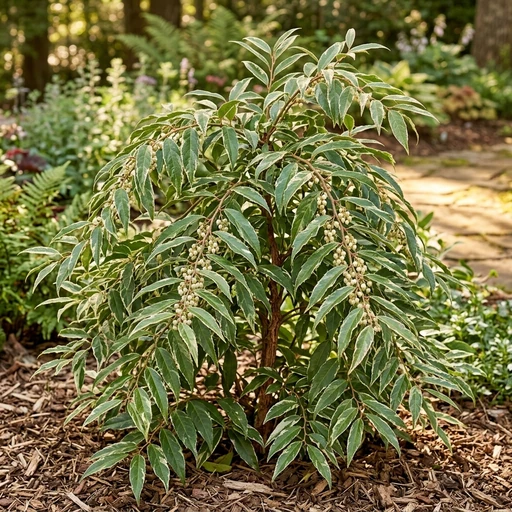
Drooping Leucothoe
Leucothoe fontanesiana
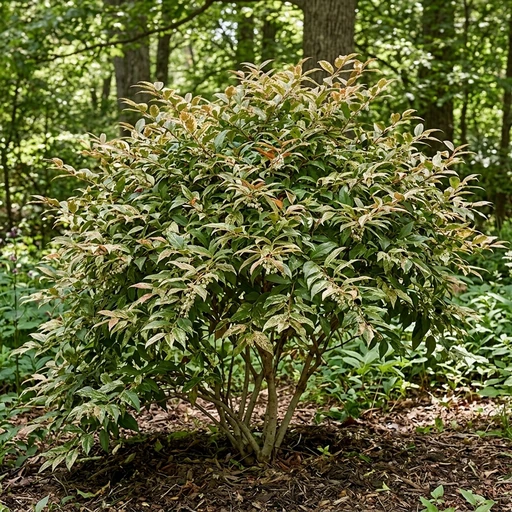
Margie Jenkins Coast Leucothoe
Leucothoe axillaris 'Margie Jenkins'
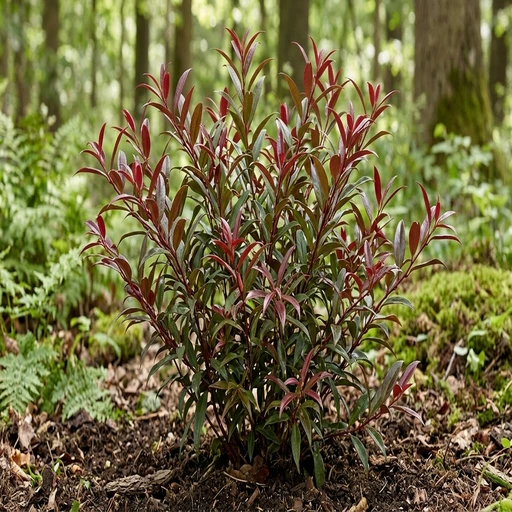
Burning Love Leucothoe
Leucothoe keiskei 'Burning Love'
Keep exploring
Explore the genus
Hardy in your zone?
Grow Scarletta Drooping Fetterbush with confidence
See it in a design of your actual yard, get zone-matched care reminders, and track it season by season in your garden journal.