Also known as Fetterbush · 120 saves
Leucothoe
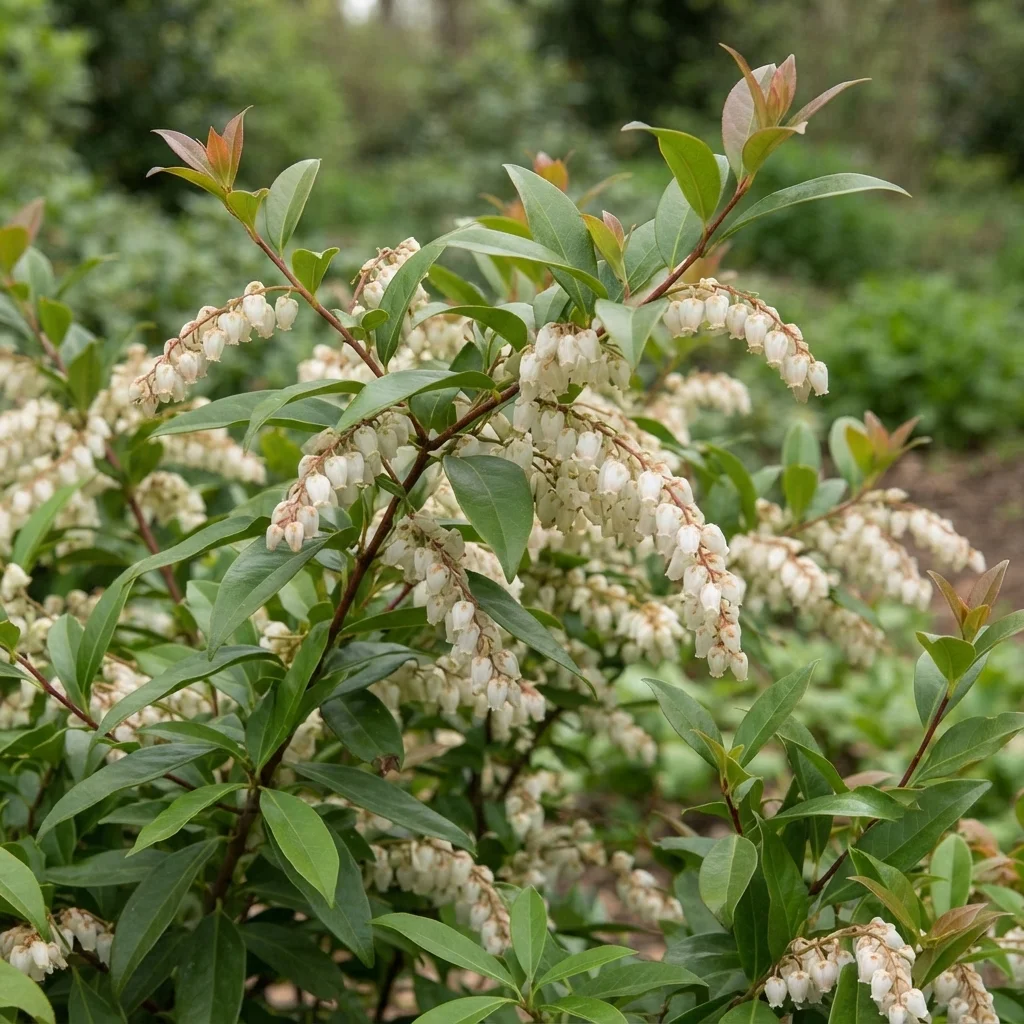
Leucothoe, the genus most gardeners know as fetterbush. We track 9 varieties; the ones most used by real gardeners.
The 9 most-saved Leucothoe varieties
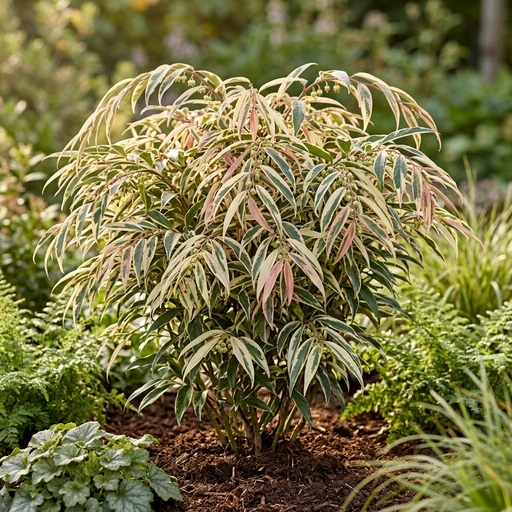
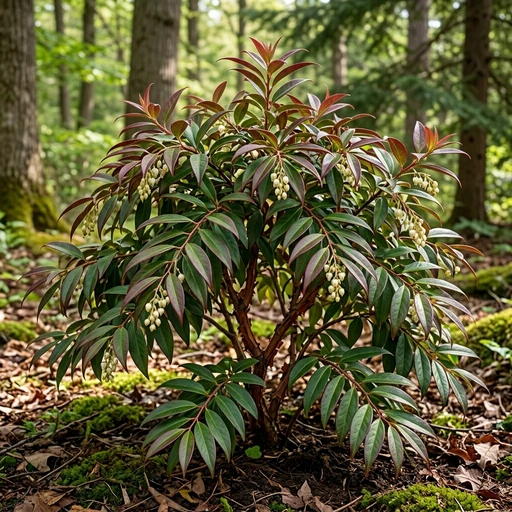
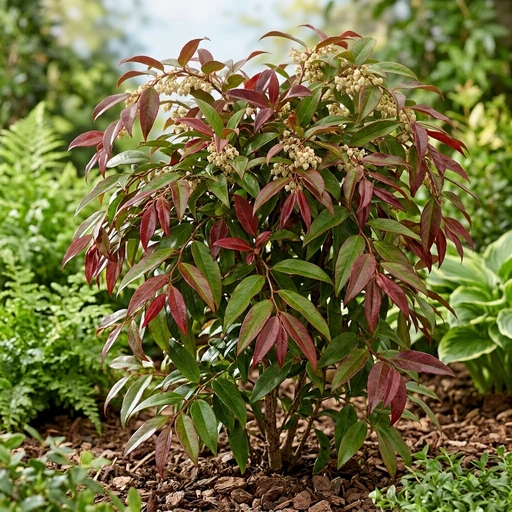
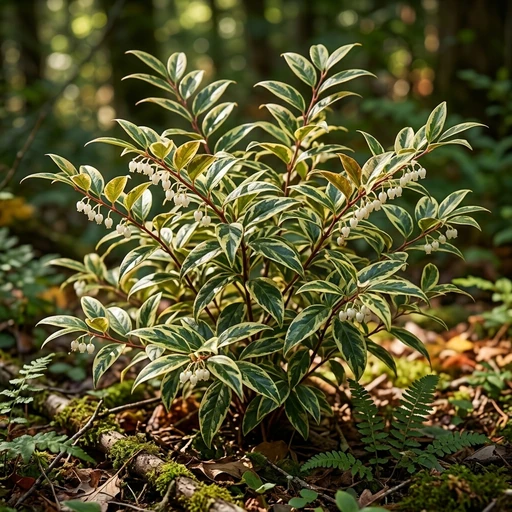
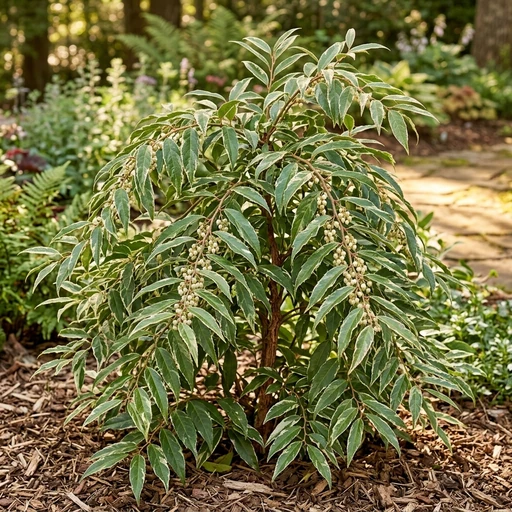
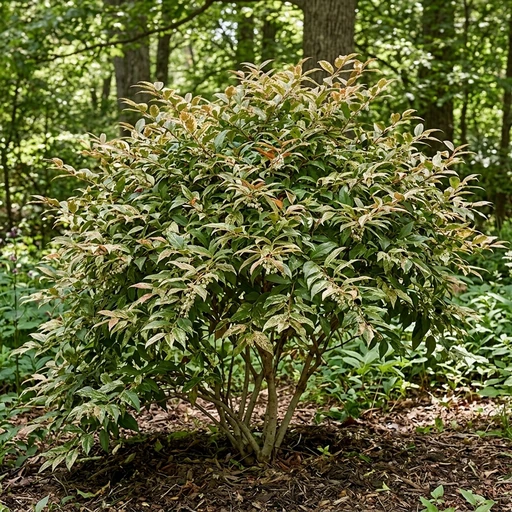
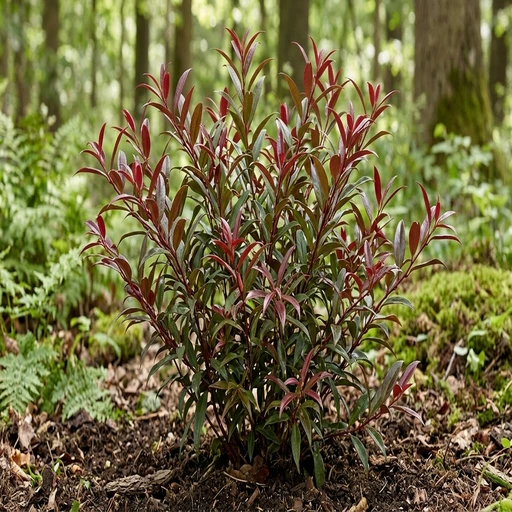
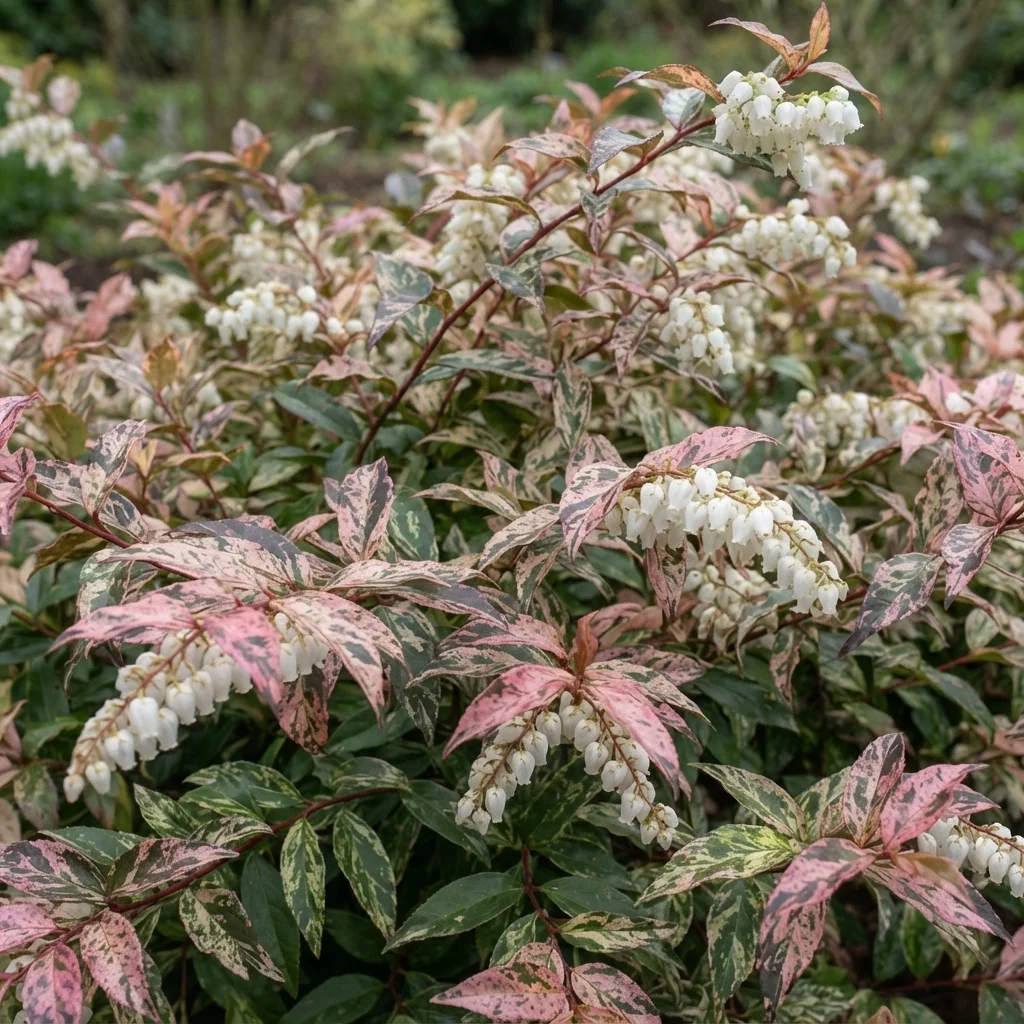
Species of Leucothoe
Each one is a parent of the varieties above.
Track your Leucothoe in Sow
Save the Leucothoe you grow and get care reminders timed to your zone.
How to grow Leucothoe
Whats common across all Leucothoe varieties in our catalog — drawn from the care records of the 9 most-grown of them.
The Leucothoe year
- MulchMay, November and December100% of varieties
Maintain a consistent layer of acidic mulch like pine straw or bark.
- PruneJune89% of varieties
Prune lightly after flowering to shape or remove any dead tips.
- PlantApril, May, October and November78% of varieties
Plant in spring or fall in moist, acidic, well-drained soil.
- FertilizeMarch and May44% of varieties
Apply a light application of a slow-release, acid-forming granular fertilizer once in early spring.


Do
- Provide consistent moisture; do not let the soil dry out completely.
- Ensure the soil is acidic (pH 4.5-6.0) for best health.
- Use as a groundcover under large trees like oaks and pines.
- Appreciate its strong resistance to deer browsing.
- Do maintain consistently moist soil, especially during dry summer spells.
Avoid
- Do not plant in full sun, which will scorch the leaves.
- Avoid planting in alkaline (high pH) soils.
- Don't let it get too dry, especially in the summer.
- Refrain from heavy pruning, which will spoil its natural arching form.
What goes wrong with Leucothoe
| Problem | What you'll see | What to do |
|---|---|---|
| Lace Bugs | Yellow or white stippling on the upper leaf surface; dark, varnish-like spots of excrement on the underside. | Encourage beneficial insects. Use insecticidal soap or horticultural oil, ensuring good coverage on the leaf undersides. |
| Scale Insects | Crusty bumps on stems, sticky honeydew, sooty mold. | Apply horticultural oil in early spring. For heavy infestations, use a systemic insecticide containing imidacloprid. |
| Aphids | Distorted new growth and sticky honeydew on foliage. | Wash off with a strong water jet or apply insecticidal soap. |
| Spider mites | Stippled leaves and fine webbing on leaf undersides. | Treat with horticultural oil or a miticide. |
| Fungal Leaf Spot | Brown or black spots on leaves, sometimes with a purple border. Can cause defoliation in severe cases. | Improve air circulation. Water at the base of the plant to keep foliage dry. Rake up and destroy fallen leaves. Apply a fungicide if necessary. |
| Root Rot | Wilting, poor growth, and leaf drop, caused by overly saturated, poorly drained soil. | Prevention is the only cure. Ensure the planting site has good drainage. Amend heavy clay soils before planting. |
| Powdery mildew | White powdery coating on foliage. | Improve air circulation and apply fungicidal sprays. |
Making more Leucothoe
Semi-hardwood Cuttings
- Take 4-6 inch cuttings in mid-summer from the current season's growth.
- Remove the lower leaves and wound the base slightly.
- Dip in rooting hormone and insert into a mix of peat and perlite.
- Keep in a humid environment; rooting takes 8-10 weeks.
Stem Cuttings
- Take semi-hardwood cuttings in summer from healthy, non-flowering shoots.
- Dip the cut ends in a rooting hormone to encourage root development.
- Insert cuttings into a moist, sterile, acidic propagation medium.
- Maintain high humidity and warmth under indirect light until roots establish, noting that unauthorized propagation of this patented cultivar is prohibited.
Leucothoe questions
How many types of Leucothoe are there?
The Sow catalog tracks 9 distinct Leucothoe varieties. The most popular — ranked by 120 real gardeners — are shown first above.
What zones does Leucothoe grow in?
Across its varieties, Leucothoe covers USDA Zones 5–9. Individual varieties differ — each plant page lists its exact range, and Sow filters the catalog to your zone automatically.
When does Leucothoe bloom?
Most Leucothoe varieties bloom in mid-spring, late spring, spring. Staggering early, mid, and late varieties extends the genus's season in one bed.
Which Leucothoe should I choose?
Start from the most-saved varieties above — popularity across thousands of gardens is a strong signal of reliability — then filter by your zone and sun. In the Sow app you can preview any of them in a photo of your actual yard before you buy.