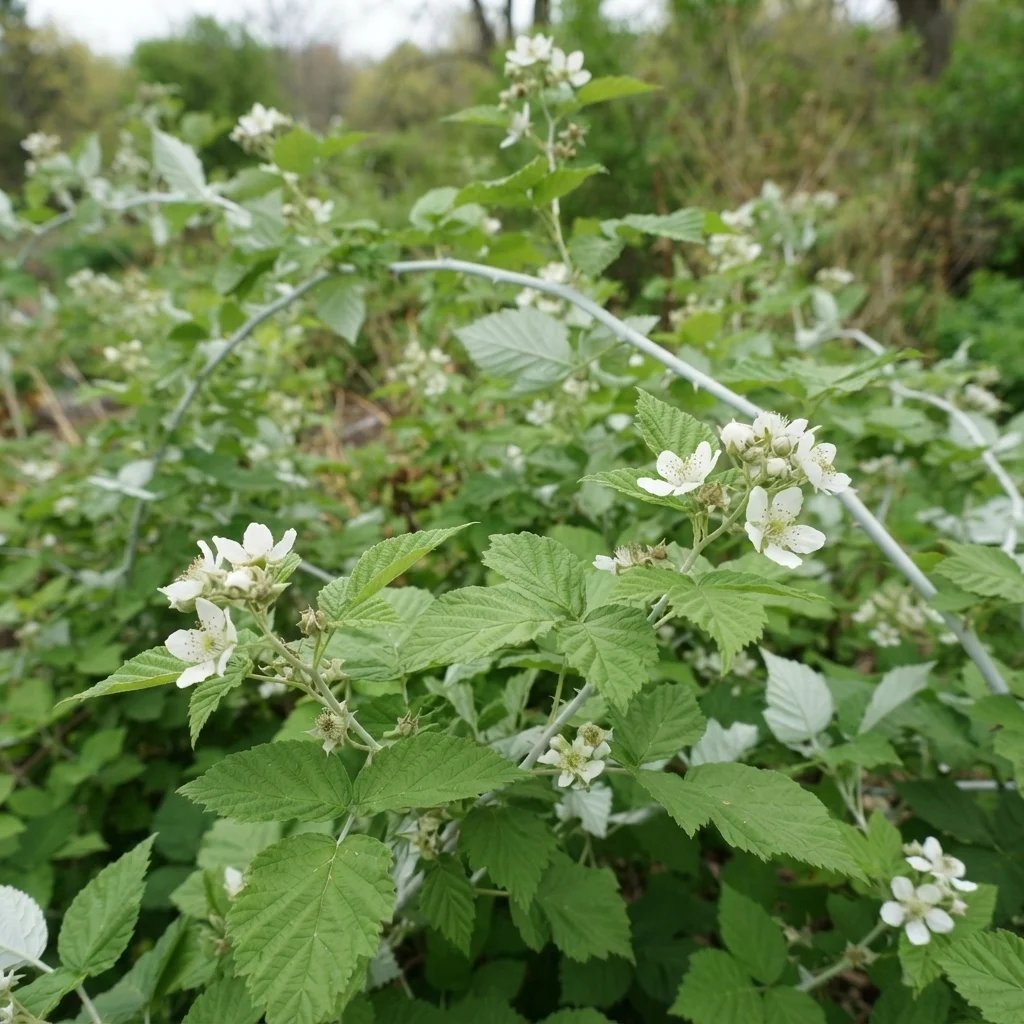
The Story
Plant Bio
Rubus occidentalis, the black raspberry, is a deciduous, multi-stemmed shrub native to eastern North America, producing arching biennial canes that reach three to eight feet in height. The stems feature a distinctive whitish-blue waxy bloom and curved prickles, bearing compound leaves with three to five leaflets that are pale white underneath.
This species is distinguished by its small, five-petaled white flowers in spring, followed by sweet, deep purple-black fruits that slip cleanly off the central receptacle when ripe. The arching canes naturally tip-layer when they contact the soil, allowing the plant to form broad, self-propagating colonies.
Uses & Benefits:
Essentials
At a Glance
Plant Type
Shrub
Height
96"
Width
144"
Light
Full Sun, Partial Sun
Zones
4, 5, 6, 7, 8
Water
Medium
Humidity
Moderate
Lifespan
Perennial
Native To
North America
Toxicity
Non-toxic
Bloom period
Spring
In flower about 3 months of the year
Planting
How to Grow
- Select a planting site in full sun with deep, organically rich, well-drained sandy or gravelly loam.
- Space plants three to four feet apart in rows, installing a trellis system to support the long, arching canes.
- Apply a two- to three-inch layer of organic mulch to conserve soil moisture and suppress weed competition.
- Water deeply and regularly during the first growing season to establish a robust root system, avoiding waterlogged conditions.
Pro Tip
Never cut all canes to the ground in winter; black raspberries fruit only on second-year wood (floricanes), and complete clearing will destroy the entire summer crop.
Keep It Thriving
Care Guide
Do
- Prune out all fruited floricanes down to ground level immediately after the summer harvest.
- Shorten lateral branches to twelve to eighteen inches in late winter to encourage strong fruiting wood.
- Apply a balanced organic fertilizer or compost layer annually in early spring before new growth begins.
- Wear heavy leather gloves when handling the canes to protect against the sharp, curved prickles.
Don't
- Do not plant in heavy, poorly drained clay soils, which promote devastating Phytophthora root rot.
- Do not over-fertilize with nitrogen, as this stimulates excessive vegetative growth that is highly susceptible to disease.
- Do not prune into old, leafless dormant wood that lacks visible, living buds.
- Do not plant near wild brambles to minimize the risk of transmitting systemic viral diseases.
Seasonal Care Calendar
| Task | Jan | Feb | Mar | Apr | May | Jun | Jul | Aug | Sep | Oct | Nov | Dec |
|---|---|---|---|---|---|---|---|---|---|---|---|---|
| Fertilize | ||||||||||||
| Mulch | ||||||||||||
| Pest Check | ||||||||||||
| Prune |
Watch Out For
Pests & Diseases
Common Pests
Common Diseases
In the Garden
Landscape Uses & Companions
Landscape Uses
Companion Plants
Multiply
Propagation Methods
Good to Know
Common Questions
Black Raspberry questions
What zones can Black Raspberry grow in?
Black Raspberry is hardy in USDA Zones 4–8. Inside that range it survives winter in the ground; outside it, grow it as an annual or a container plant you protect.
Is Black Raspberry deer resistant?
Not reliably. Deer may browse Black Raspberry, especially tender spring growth — plan on repellents or fencing where pressure is high.
When does Black Raspberry bloom?
Black Raspberry typically blooms in spring through spring. Exact timing shifts a week or two with your zone — Sow's bloom calendar maps it to your garden.
Does Black Raspberry need full sun?
Black Raspberry does best in full sun to part shade. In hot climates, afternoon shade keeps blooms fresher longer.
Is Black Raspberry drought tolerant?
Yes — once established (usually after the first full season), Black Raspberry handles dry spells with minimal watering. Water deeply its first year to build the root system that makes that possible.
More Rubus to compare
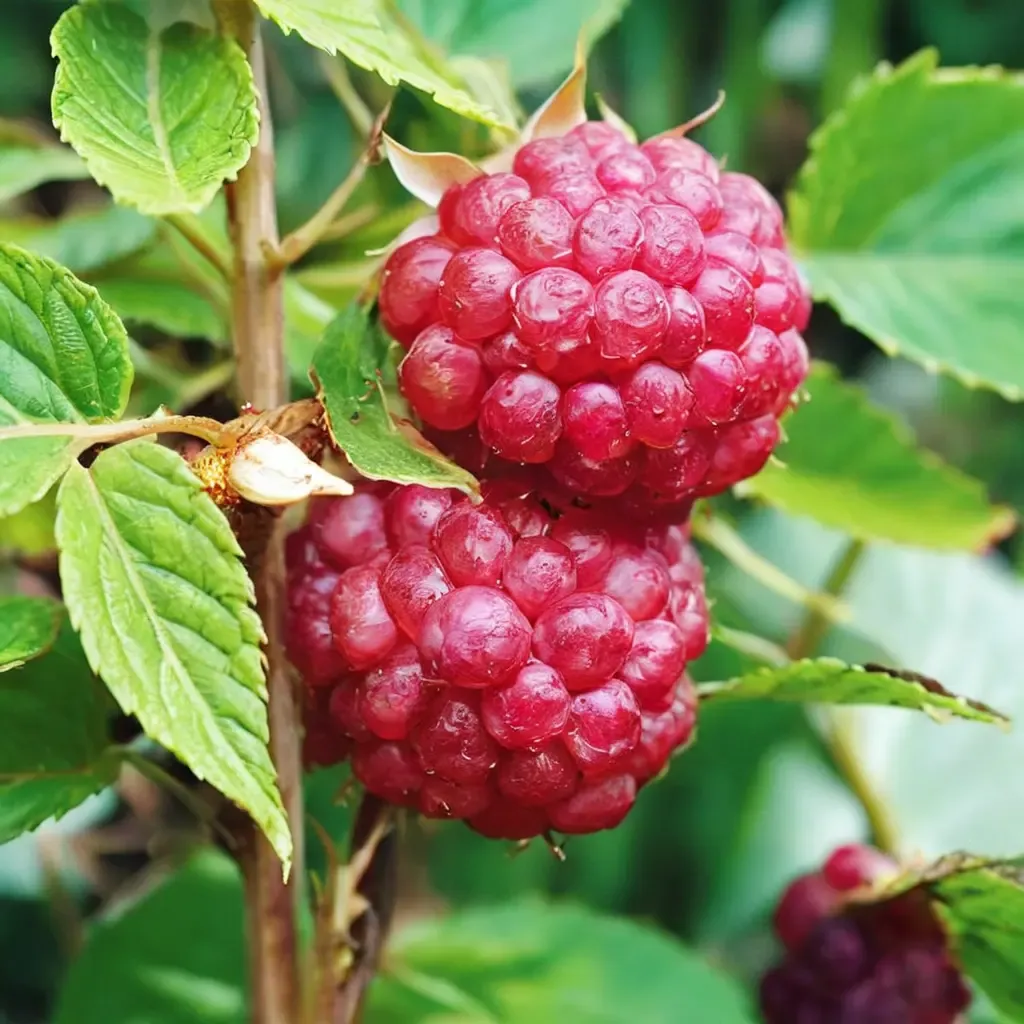
Mammoth Red Raspberry
Rubus idaeus 'Mammoth Red'
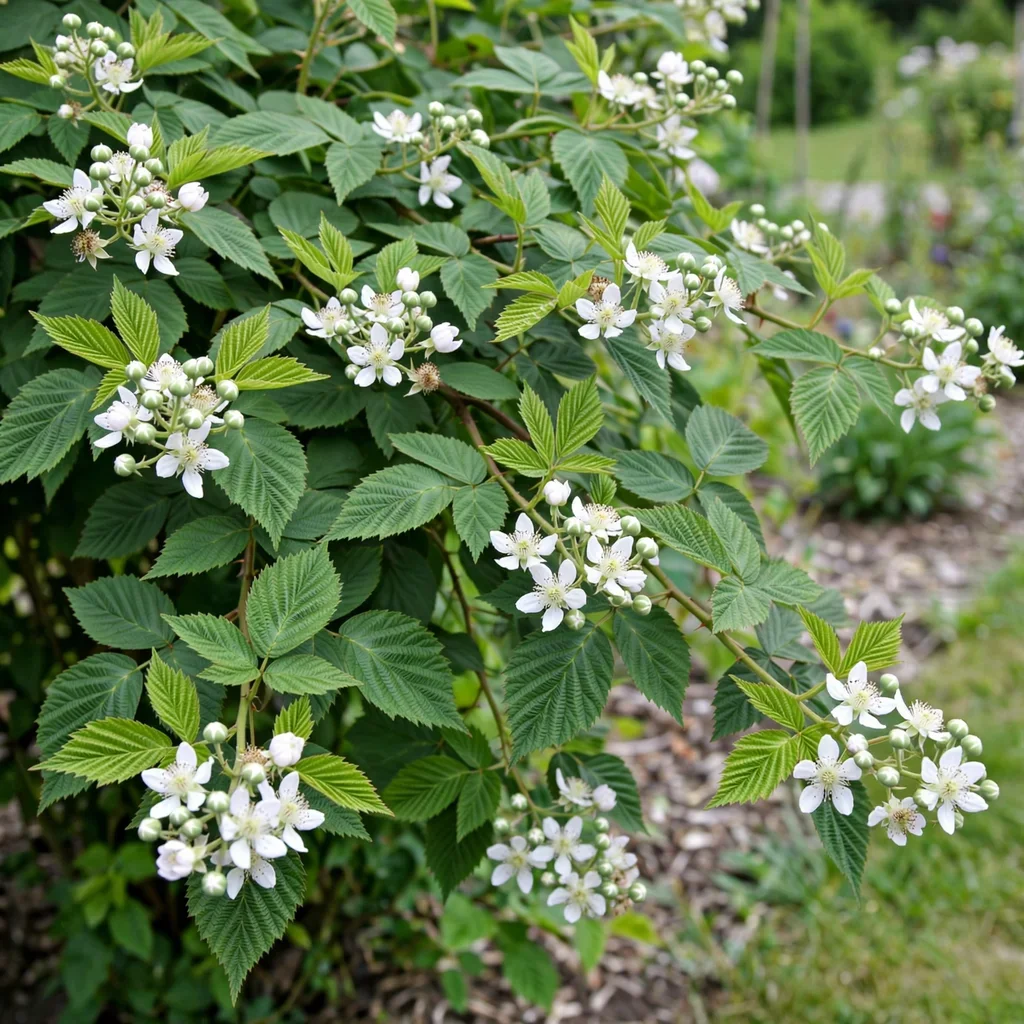
Triple Crown Blackberry
Rubus fruticosus 'Triple Crown'
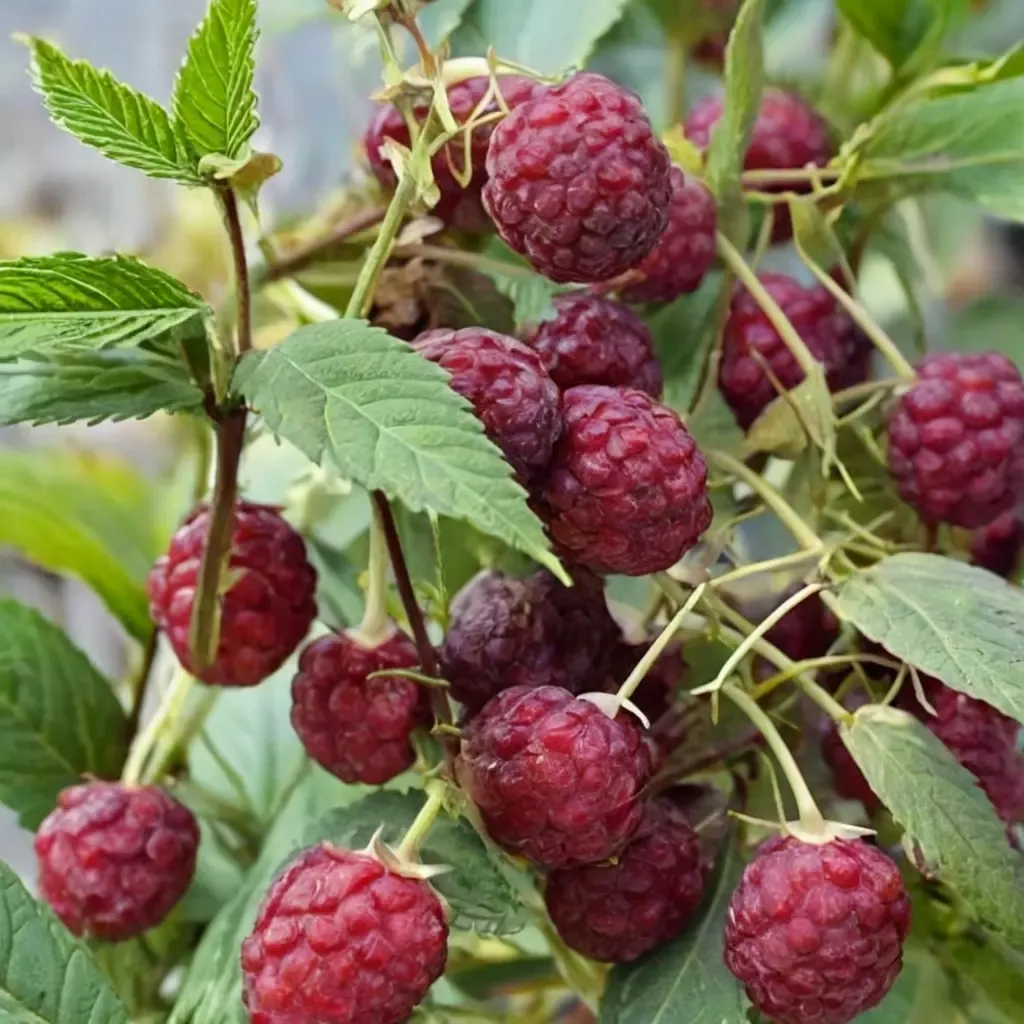
Crimson Night Raspberry
Rubus idaeus 'Crimson Night'
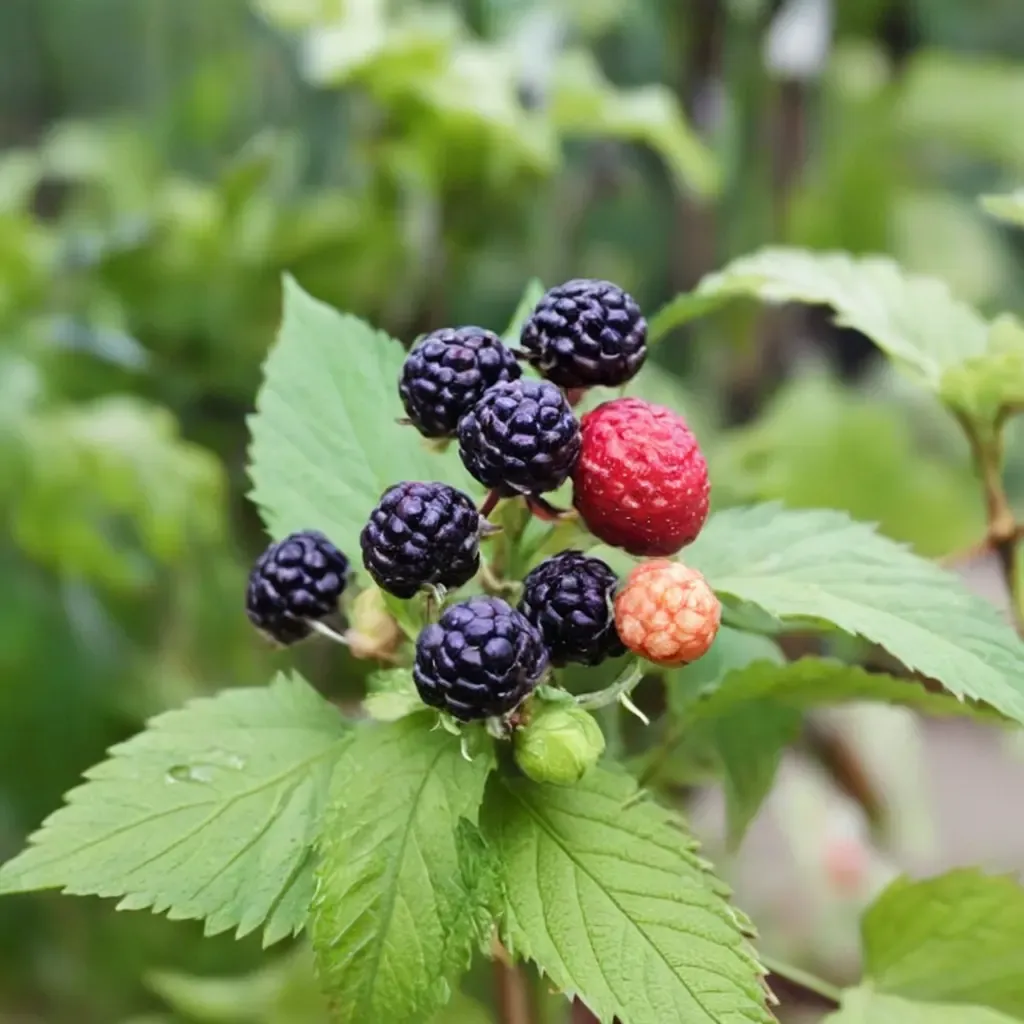
Jewel Black Raspberry
Rubus idaeus 'Jewel'
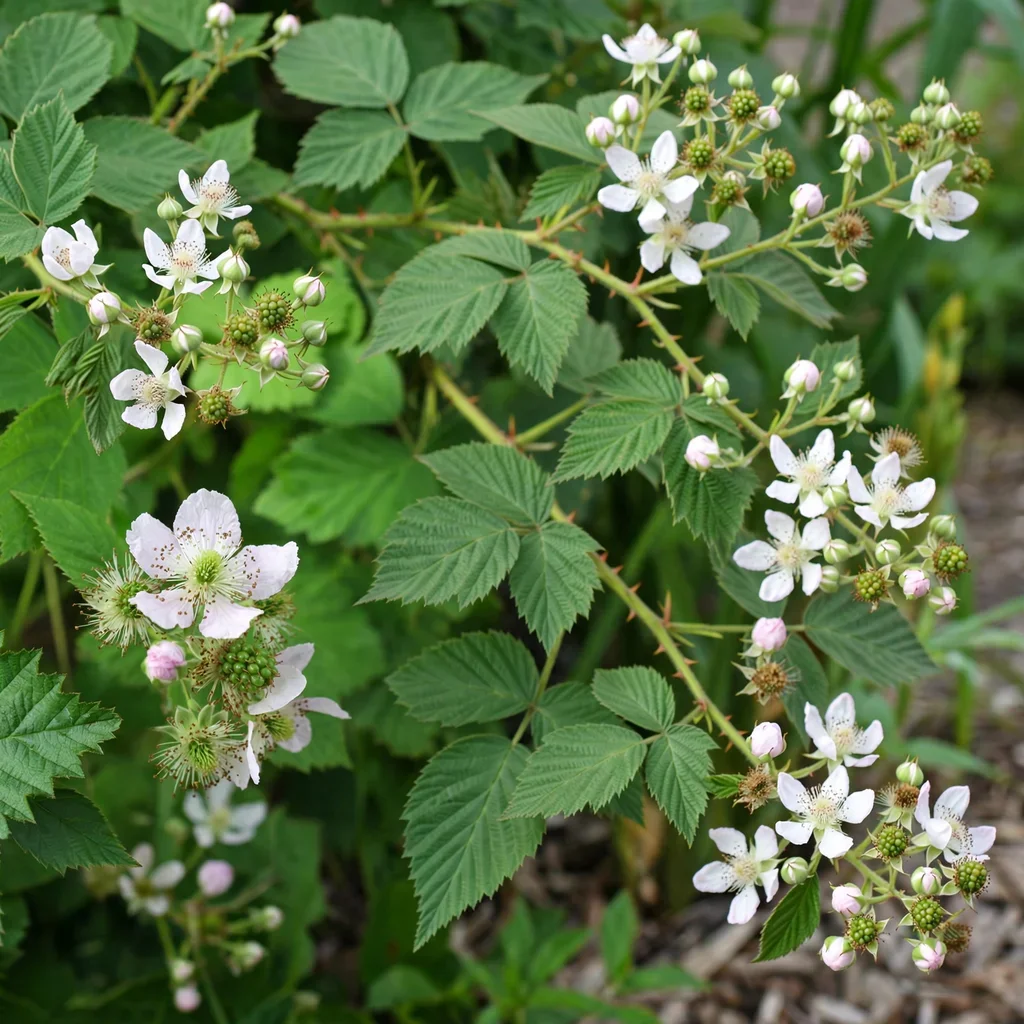
Apache Thornless Blackberry
Rubus fruticosus 'Apache Thornless'
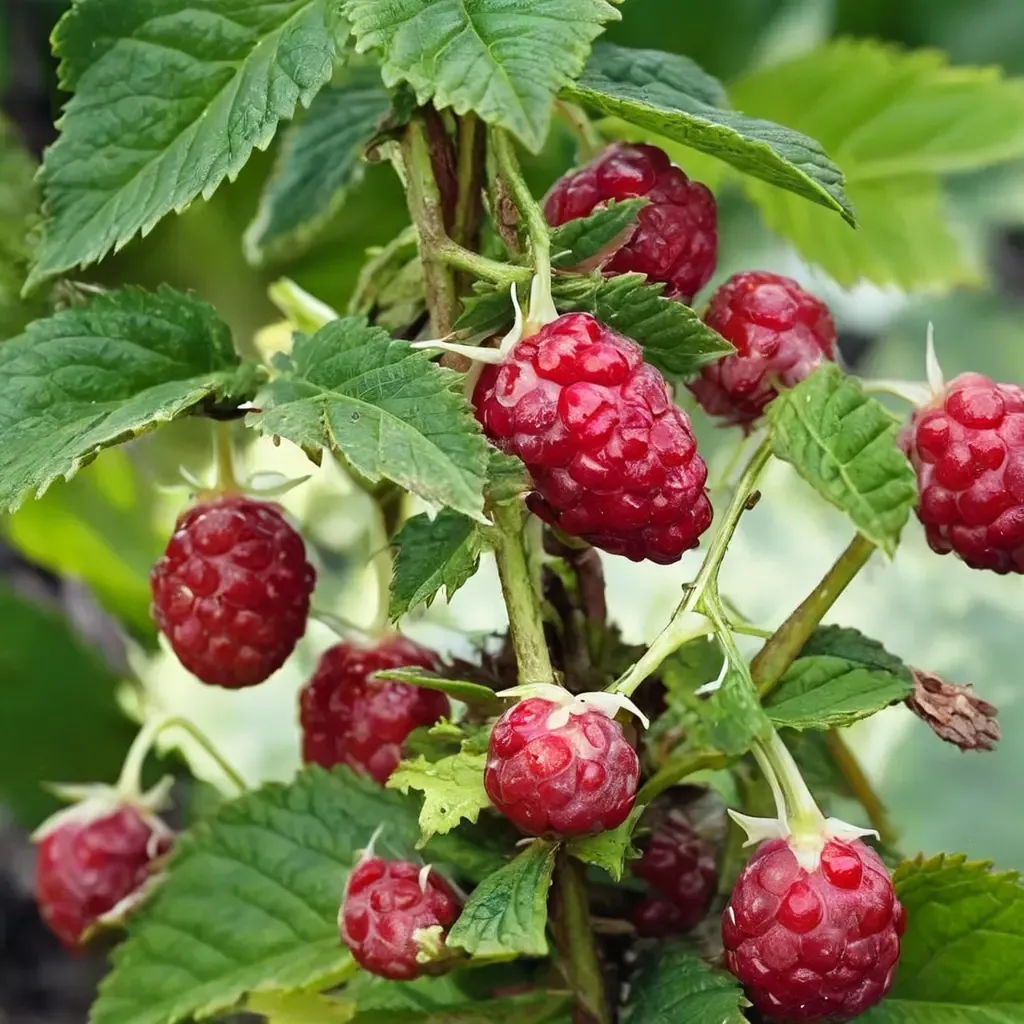
Canby raspberry
Rubus idaeus 'Canby'
Keep exploring
Explore the genus
Hardy in your zone?
Grow Black Raspberry with confidence
See it in a design of your actual yard, get zone-matched care reminders, and track it season by season in your garden journal.