Species
1 other cultivar
The Story
Plant Bio
The genus Correa comprises evergreen Australian shrubs valued for their nodding, tubular flowers and tolerance of dry, shaded conditions. These plants feature opposite leaves often covered in fine hairs and thrive in Mediterranean climates with excellent soil drainage.
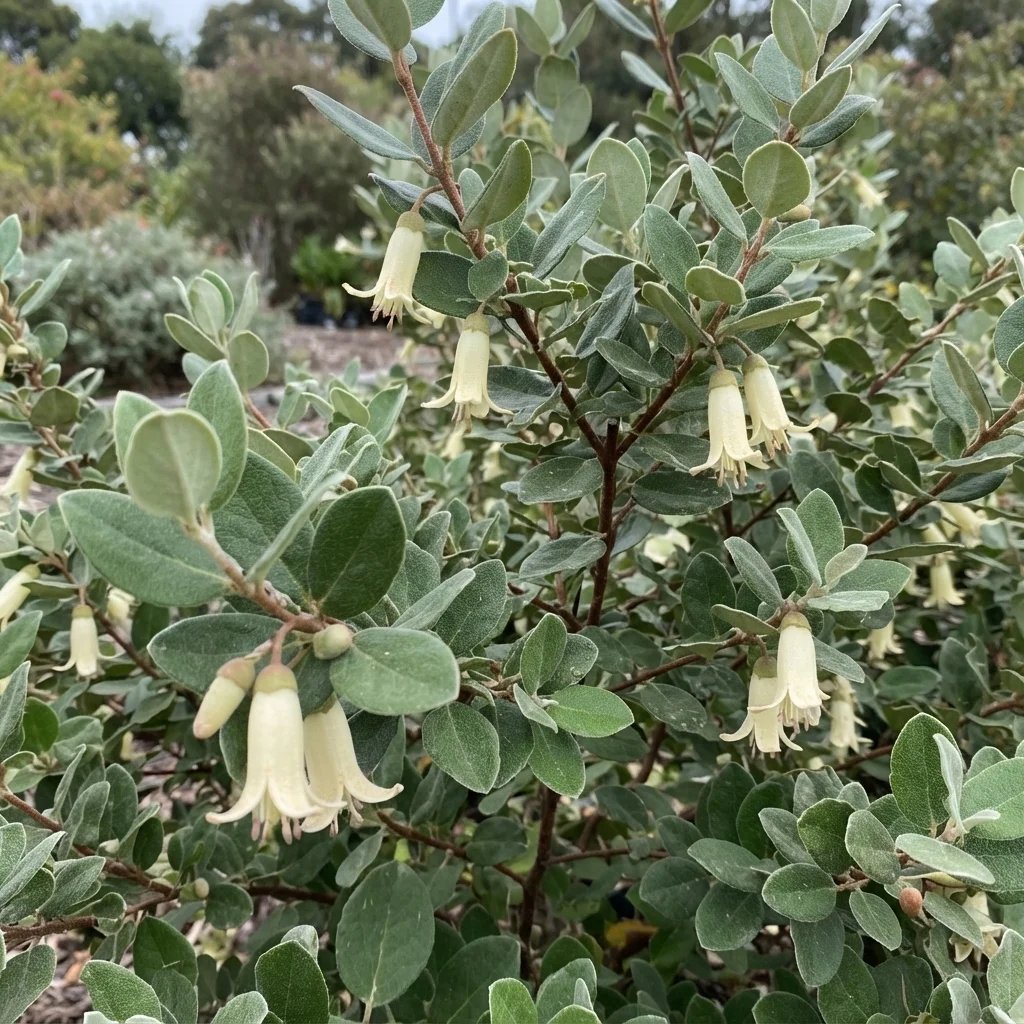
'Ivory Bells' is a dense, rounded hybrid that produces creamy-white, bell-shaped flowers from late fall through early spring. The oval, gray-green leaves have felted, pale undersides and are held on coppery-bronze young stems.
Uses & Benefits:
Essentials
At a Glance
Plant Type
Shrub
Height
60"
Width
60"
Light
Full Sun, Partial Sun, Shade
Zones
9, 10
Water
Low
Humidity
Moderate
Lifespan
10-15 years
Native To
Australia (cultivar origin USA)
Toxicity
Non-toxic
Bloom period
Late fall – Early spring
In flower about 5 months of the year
Planting
How to Grow
- Select a planting site with sandy, loamy, or rocky soil that drains rapidly.
- Position the plant in full sun along the coast, or in partial shade with protection from hot afternoon sun in inland regions.
- Dig a hole twice as wide as the root ball but no deeper, ensuring the crown sits slightly above the surrounding soil level.
- Water deeply at planting, then irrigate sparingly during the first summer until the root system is fully established.
Pro Tip
Avoid summer overwatering and heavy clay soils, which trigger fatal Phytophthora root rot. When shaping the shrub, only trim soft outer growth immediately after flowering; cutting back into old, leafless wood prevents regeneration.
Keep It Thriving
Care Guide
Do
- Plant in highly permeable soil to prevent waterlogging.
- Prune lightly right after the spring bloom finishes.
- Provide dry shade under native oaks where other shrubs struggle.
Don't
- Do not irrigate heavily during hot summer months once established.
- Do not shear hard into old, woody stems that lack leaves.
- Do not apply high-phosphorus fertilizers.
Seasonal Care Calendar
| Task | Jan | Feb | Mar | Apr | May | Jun | Jul | Aug | Sep | Oct | Nov | Dec |
|---|---|---|---|---|---|---|---|---|---|---|---|---|
| Fertilize | ||||||||||||
| Pest Check | ||||||||||||
| Propagate | ||||||||||||
| Prune |
Watch Out For
Pests & Diseases
Common Pests
Common Diseases
In the Garden
Landscape Uses & Companions
Landscape Uses
Companion Plants
Multiply
Propagation Methods
Good to Know
Common Questions
White Australian Fuchsia questions
What zones can White Australian Fuchsia grow in?
White Australian Fuchsia is hardy in USDA Zones 9–10. Inside that range it survives winter in the ground; outside it, grow it as an annual or a container plant you protect.
Is White Australian Fuchsia deer resistant?
Yes — White Australian Fuchsia is rated deer-resistant. Deer typically pass it over, though extreme hunger can override any plant's defenses.
When does White Australian Fuchsia bloom?
White Australian Fuchsia typically blooms in late fall through early spring. Exact timing shifts a week or two with your zone — Sow's bloom calendar maps it to your garden.
Does White Australian Fuchsia need full sun?
White Australian Fuchsia does best in full sun to part shade. In hot climates, afternoon shade keeps blooms fresher longer.
Is White Australian Fuchsia drought tolerant?
Yes — once established (usually after the first full season), White Australian Fuchsia handles dry spells with minimal watering. Water deeply its first year to build the root system that makes that possible.
More Correa to compare
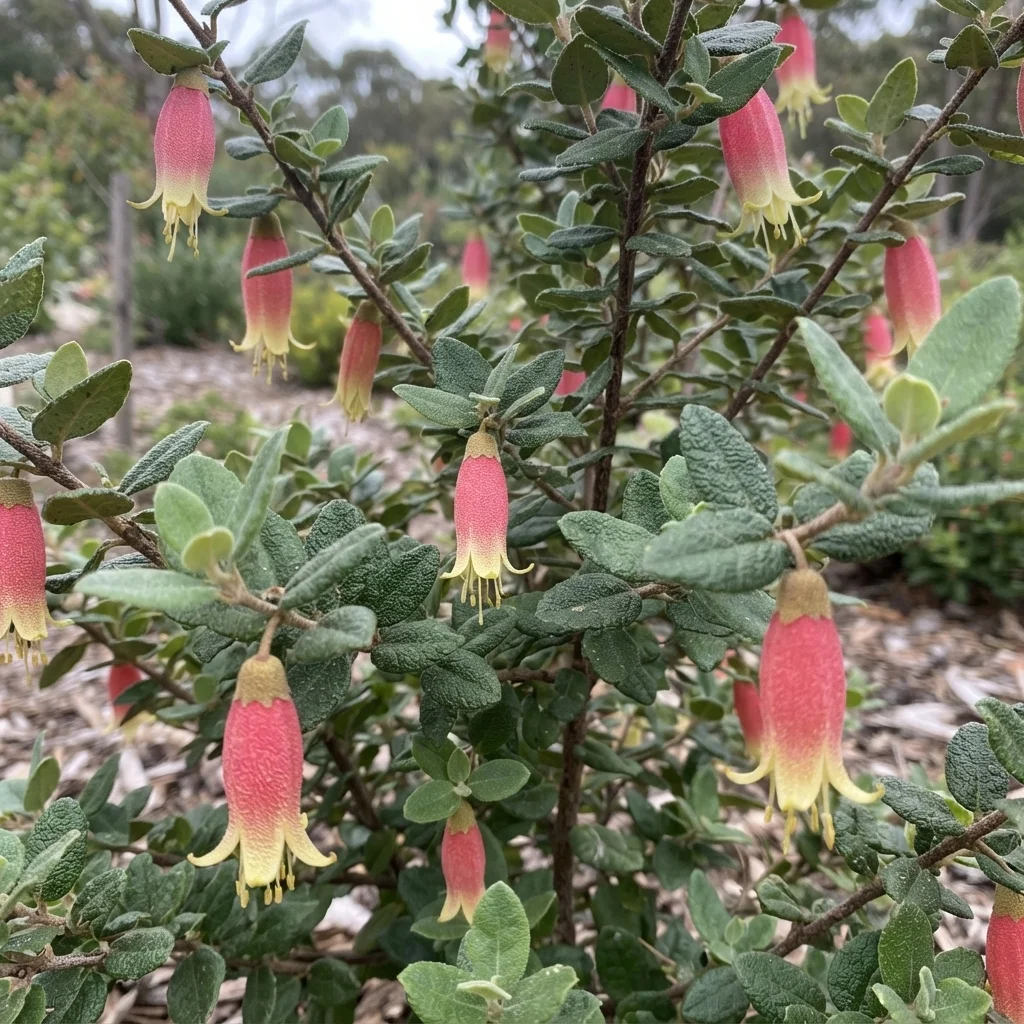
Australian Fuchsia
Correa x hybrida 'Federation Belle'
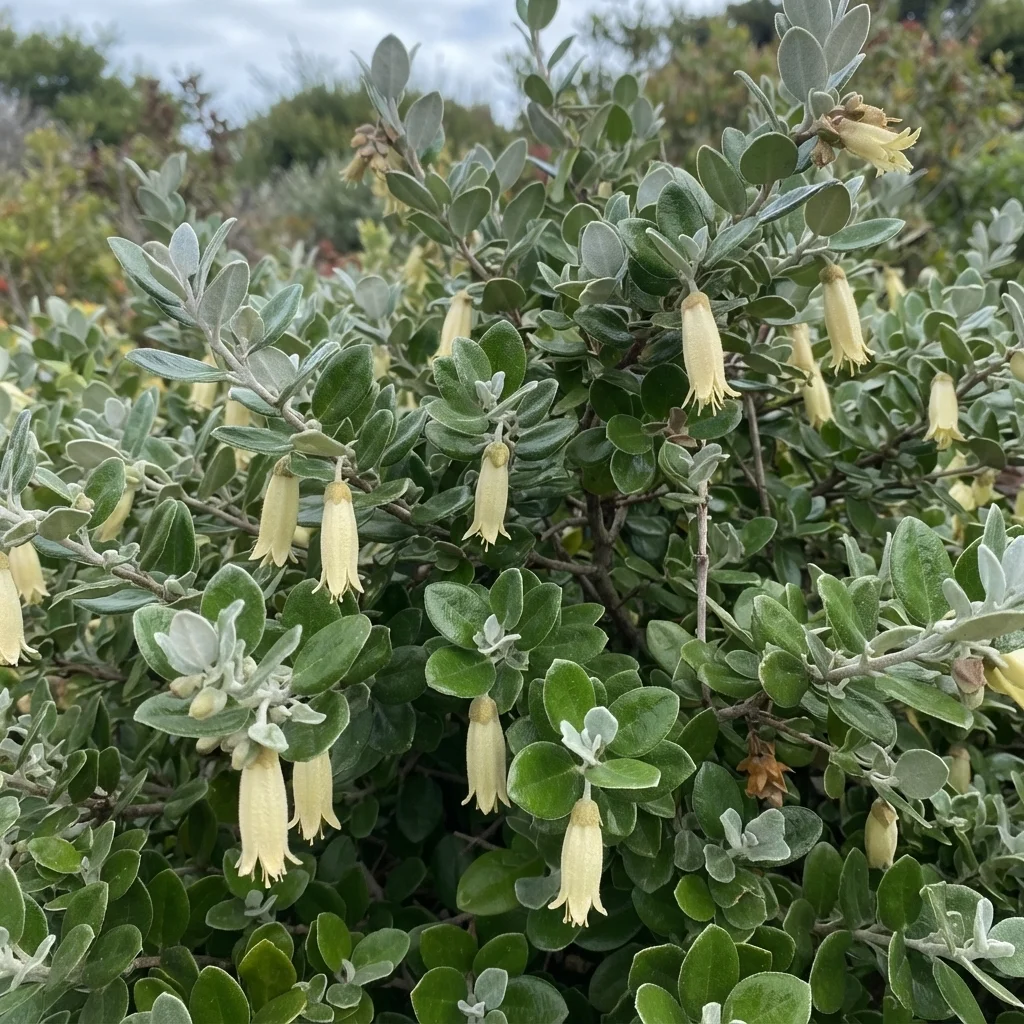
Coastal Correa
Correa backhouseana
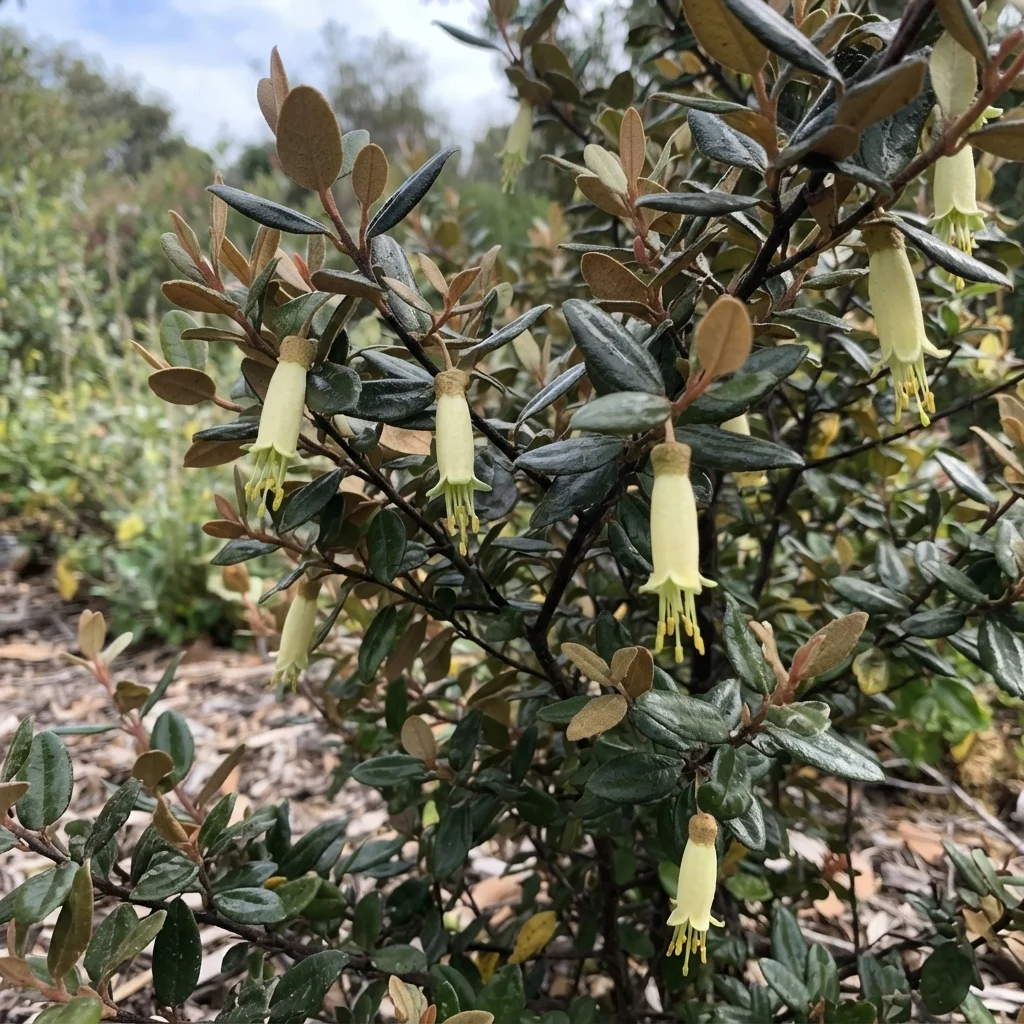
Mountain Correa
Correa lawrenceana
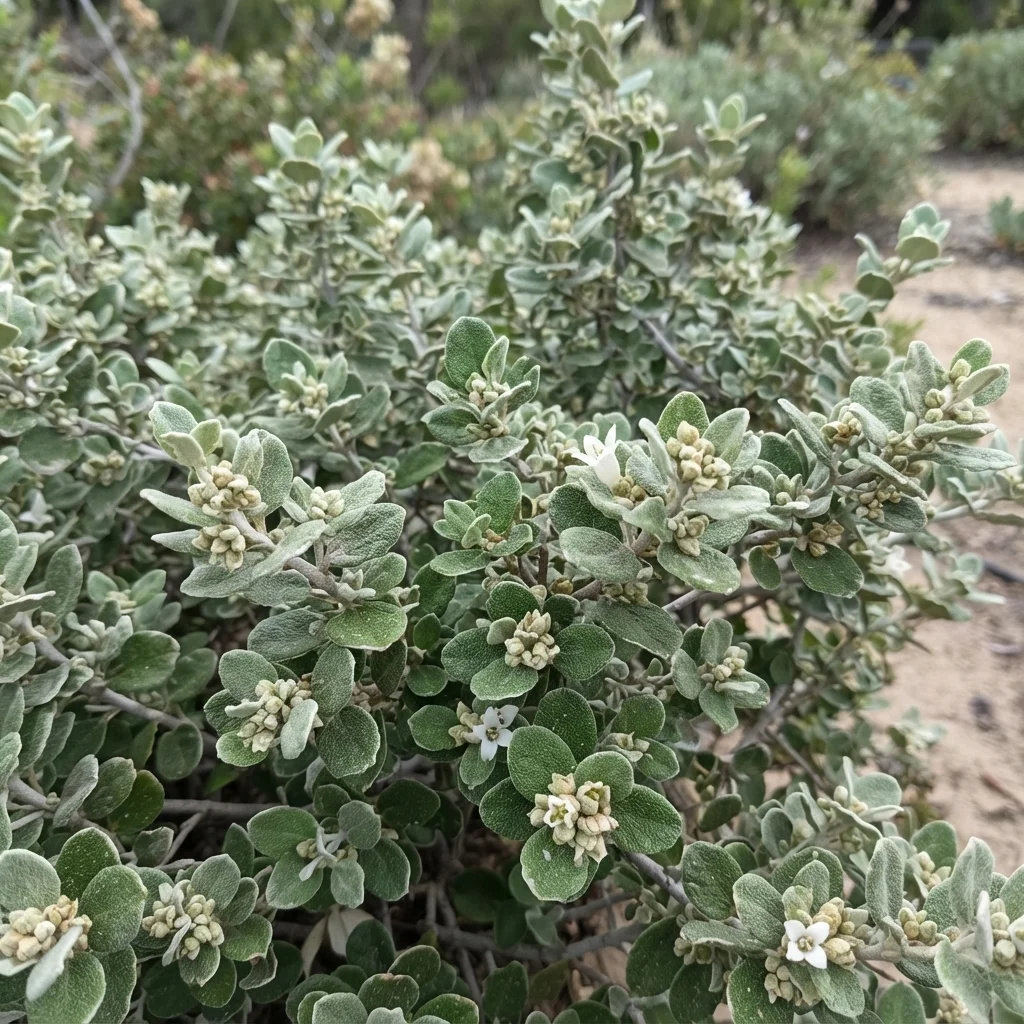
White Correa
Correa alba
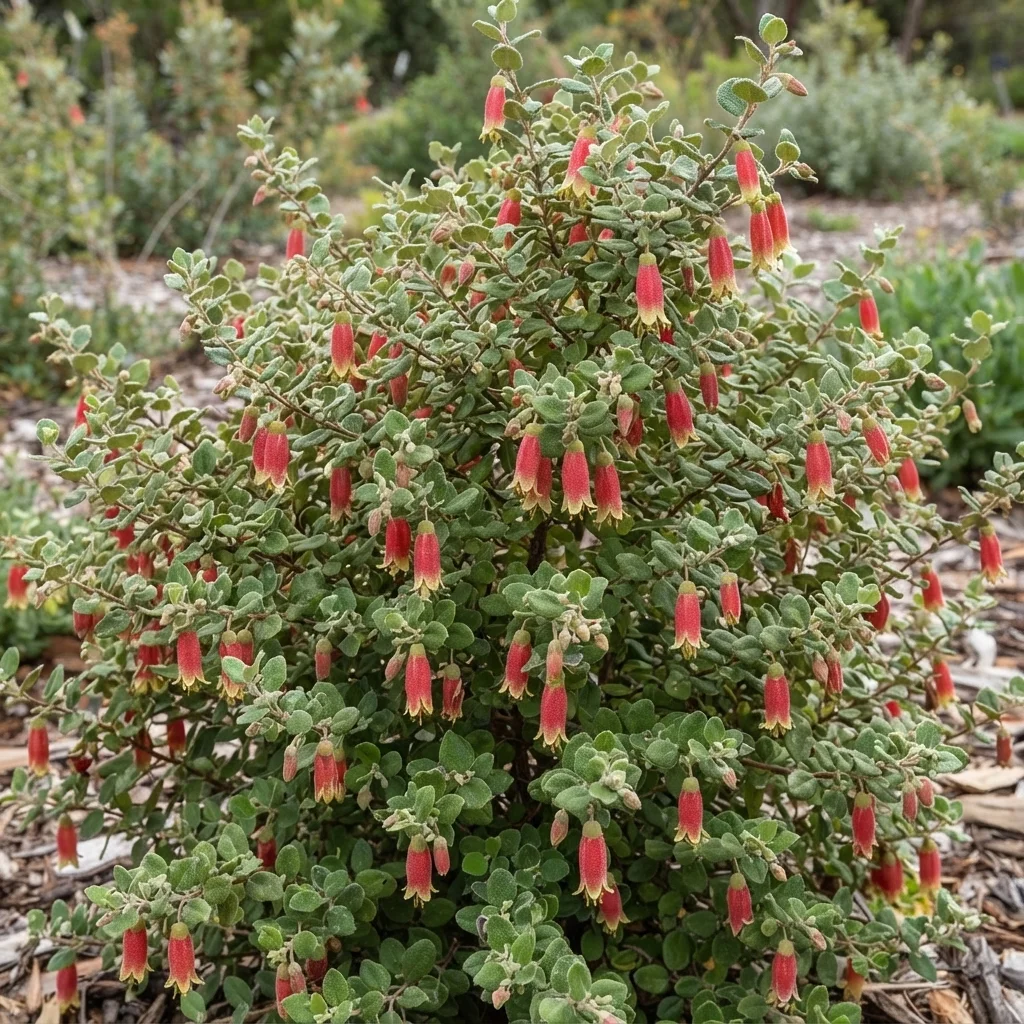
Canberra Bells Correa
Correa x hybrida 'Canberra Bells'
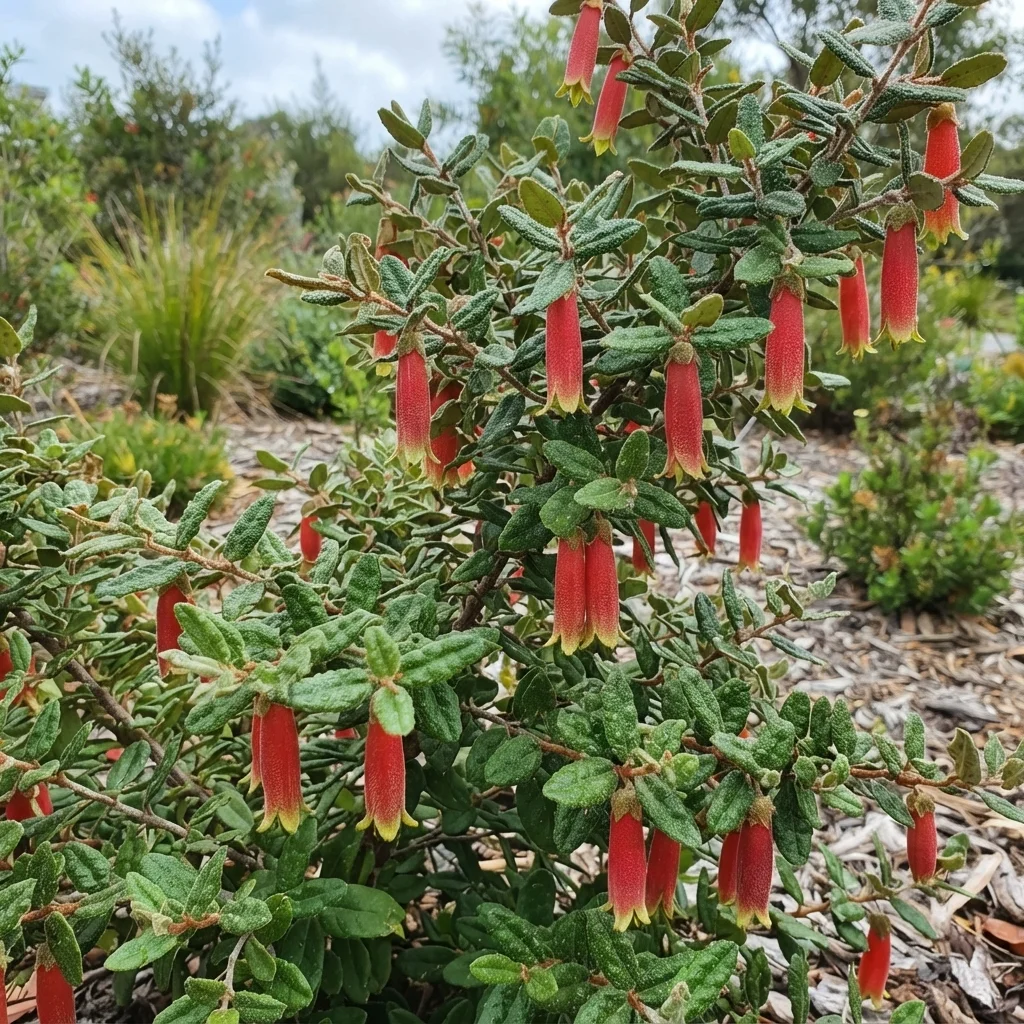
Common Correa
Correa reflexa
Keep exploring
Explore the genus
Hardy in your zone?
Grow White Australian Fuchsia with confidence
See it in a design of your actual yard, get zone-matched care reminders, and track it season by season in your garden journal.