
The Story
Plant Bio
Calystegia sepium, commonly known as hedge bindweed, is a vigorous perennial vine that climbs by twining its stems up to twelve feet over surrounding vegetation. It spreads via an extensive, brittle network of creeping underground rhizomes that make complete eradication difficult once established.
This species is distinguished from field bindweed by its larger white-to-pink funnel-shaped flowers, which are enclosed at the base by two prominent, leafy green bracteoles. The smooth, arrowhead-shaped leaves emerge light green in spring and provide dense, scrambling cover throughout the summer.
Uses & Benefits:
Essentials
At a Glance
Plant Type
Vine
Height
140"
Width
118"
Light
Full Sun, Partial Sun
Zones
4, 5, 6, 7, 8, 9
Water
Moderate
Humidity
High
Lifespan
Perennial
Native To
Eurasia
Toxicity
Toxic if ingested
Bloom period
Summer – Autumn
In flower about 6 months of the year
Planting
How to Grow
- Choose a planting location in full sun to partial shade with moist, adaptable soil.
- Install a strong trellis, fence, or support system before planting to guide the twining stems.
- Plant bare-root or plug specimens in spring, placing the root crown just below the soil surface.
- Water deeply immediately after planting to settle the soil around the root system.
Pro Tip
Never attempt to control this vine by pulling the top growth alone; the brittle rhizomes fracture easily when disturbed, and any remaining fragment will rapidly regenerate into a new plant.
Keep It Thriving
Care Guide
Do
- Prune regularly to keep the vigorous climbing stems under control.
- Remove the entire root system when weeding to prevent regeneration from fragments.
- Provide a strong, dedicated support structure if growing intentionally.
Don't
- Do not leave root fragments in the soil when digging up the plant.
- Do not allow the vine to climb over and smother desirable garden plants.
- Do not plant near agricultural fields or managed natural areas where it can escape.
Seasonal Care Calendar
| Task | Jan | Feb | Mar | Apr | May | Jun | Jul | Aug | Sep | Oct | Nov | Dec |
|---|---|---|---|---|---|---|---|---|---|---|---|---|
| Pest Check | ||||||||||||
| Propagate | ||||||||||||
| Prune |
Watch Out For
Pests & Diseases
Common Pests
Common Diseases
In the Garden
Landscape Uses & Companions
Landscape Uses
Companion Plants
Multiply
Propagation Methods
Good to Know
Common Questions
Hedge Bindweed questions
What zones can Hedge Bindweed grow in?
Hedge Bindweed is hardy in USDA Zones 4–9. Inside that range it survives winter in the ground; outside it, grow it as an annual or a container plant you protect.
Is Hedge Bindweed deer resistant?
Not reliably. Deer may browse Hedge Bindweed, especially tender spring growth — plan on repellents or fencing where pressure is high.
When does Hedge Bindweed bloom?
Hedge Bindweed typically blooms in summer through autumn. Exact timing shifts a week or two with your zone — Sow's bloom calendar maps it to your garden.
Does Hedge Bindweed need full sun?
Hedge Bindweed does best in full sun to part shade. In hot climates, afternoon shade keeps blooms fresher longer.
Is Hedge Bindweed drought tolerant?
Yes — once established (usually after the first full season), Hedge Bindweed handles dry spells with minimal watering. Water deeply its first year to build the root system that makes that possible.
More Convolvulus to compare
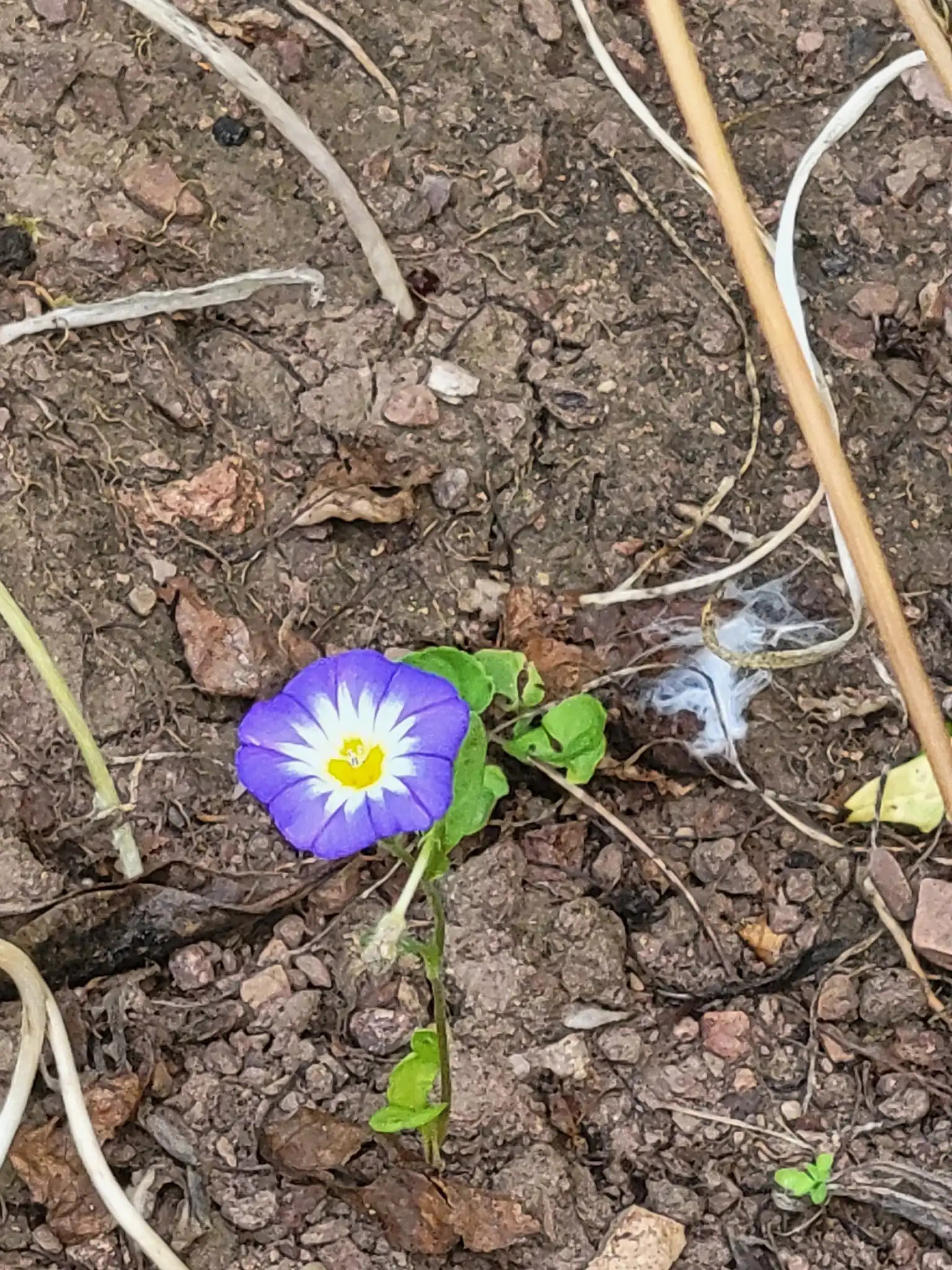
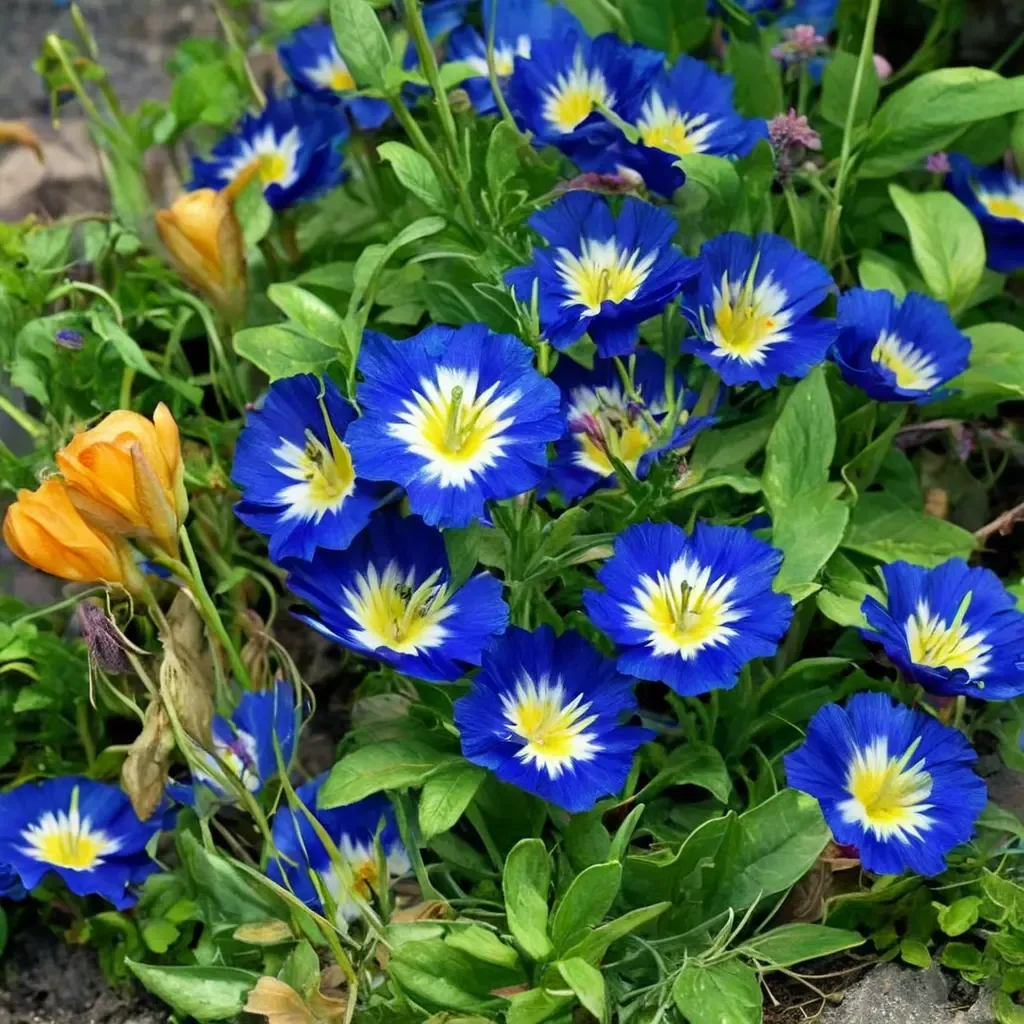
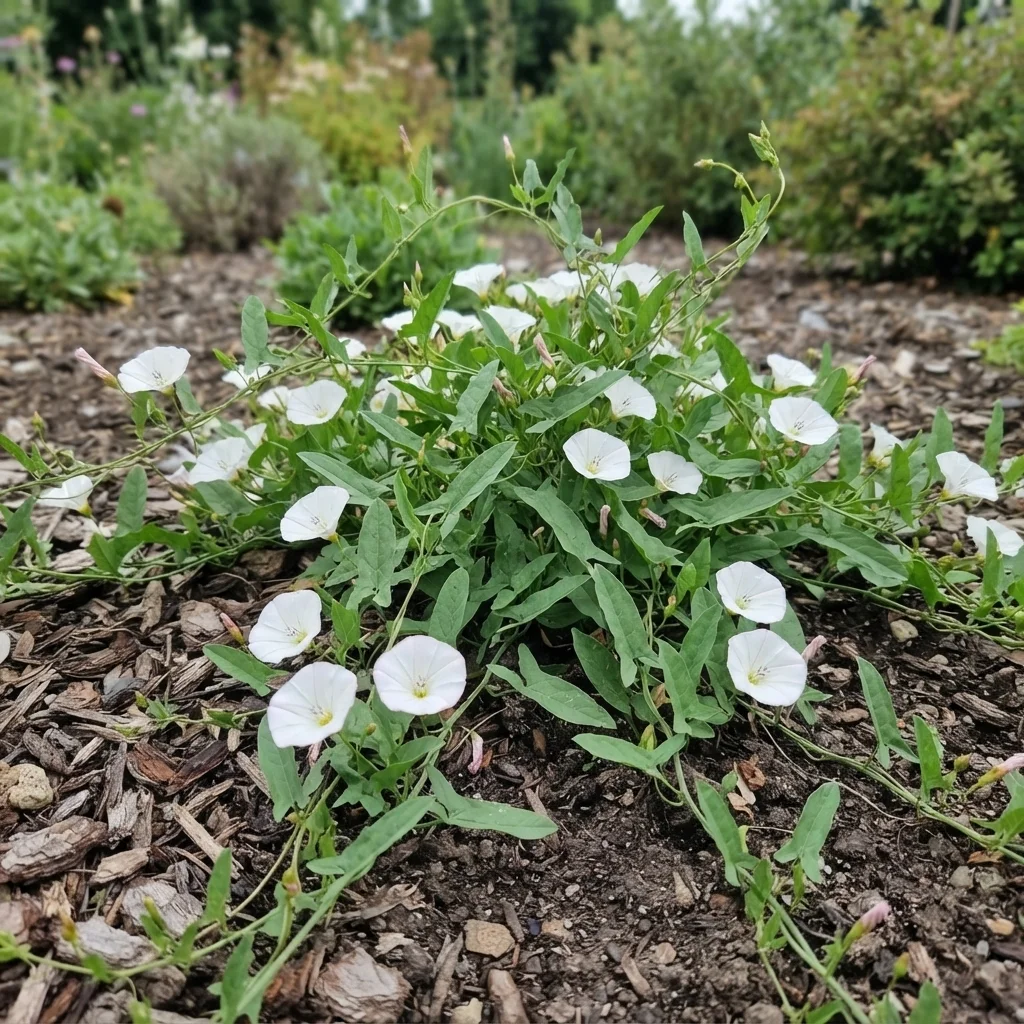
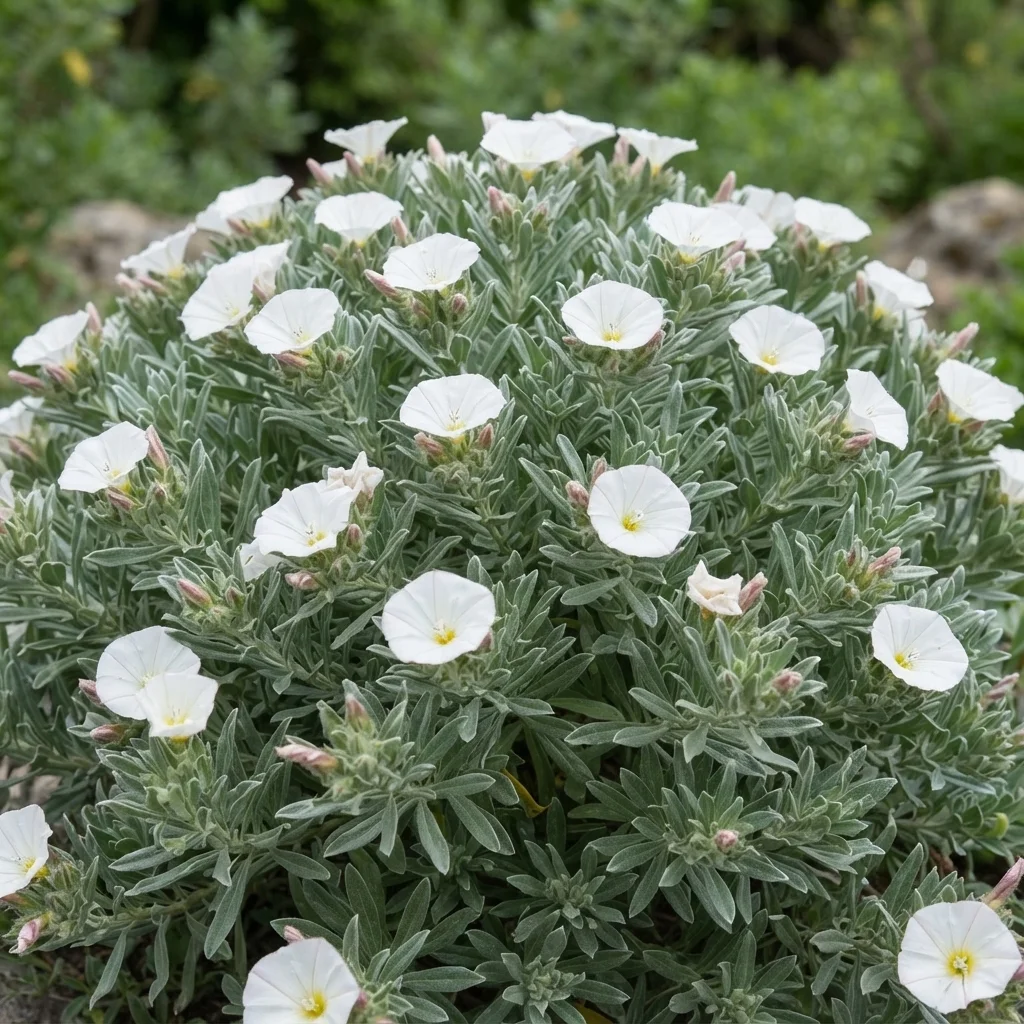
Keep exploring
Explore the genus
Grow Hedge Bindweed with confidence
See it in a design of your actual yard, get zone-matched care reminders, and track it season by season in your garden journal.