The Story
Plant Bio
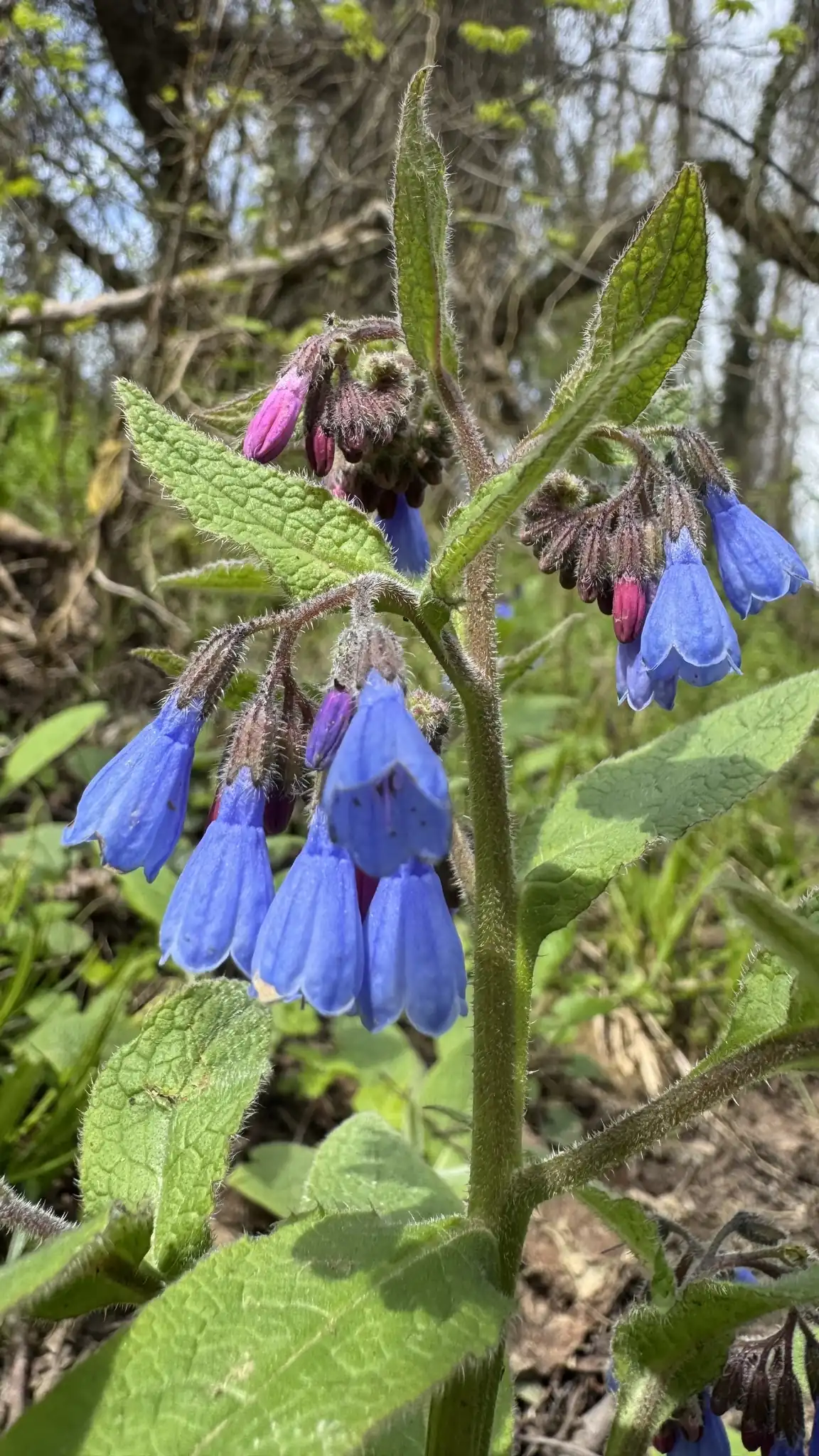
Symphytum asperum is a coarse, clump-forming perennial herb native to the Caucasus region, characterized by its upright habit and stiffly bristly, hairy stems and foliage. The plant produces small tubular flowers in scorpioid cymes that open rose-pink and mature to sky blue from spring through late summer.
This species is distinguished from common comfrey by its non-decurrent leaf bases and significantly rougher, more prickly foliage. Once established, its deep, fleshy root system provides moderate drought resistance but makes the plant exceptionally difficult to eradicate, as any remaining root fragment will regenerate.
Uses & Benefits:
Essentials
At a Glance
Plant Type
Perennial
Height
48"
Width
30"
Light
Full Sun, Partial Sun, Shade
Zones
4, 5, 6, 7, 8
Water
Moderate
Humidity
Moderate to high
Lifespan
Perennial
Native To
Caucasus region to northern Iran
Toxicity
Toxic if ingested; skin irritant
Bloom period
Late spring – Late summer
In flower about 4 months of the year
Planting
How to Grow
- Select a site in full sun to partial shade with organically rich, moist, well-drained soil.
- Dig a hole twice the width of the root ball and plant the crown just below the soil surface.
- Water thoroughly after planting and maintain consistent moisture until the deep root system is established.
- Apply an annual top-dressing of compost in spring to eliminate the need for supplemental chemical fertilizers.
Pro Tip
Trim spent flower stems immediately after the first bloom flush to trigger secondary flowering and prevent self-seeding in areas where it behaves invasively.
Keep It Thriving
Care Guide
Do
- Wear gloves when handling the foliage to avoid skin irritation from the stiff, prickly hairs.
- Cut dead foliage cleanly to the ground in late winter to prepare for fresh spring growth.
- Plant in heavy clay or sandy soils where other perennials struggle, provided there is reasonable drainage.
Don't
- Do not attempt to relocate established plants, as fragmented roots left in the soil will sprout new growth.
- Avoid planting near pristine natural areas or waterways where escaped seeds and rhizomes can establish wild populations.
- Do not ingest any part of the plant due to toxic pyrrolizidine alkaloids that cause liver damage.
Seasonal Care Calendar
| Task | Jan | Feb | Mar | Apr | May | Jun | Jul | Aug | Sep | Oct | Nov | Dec |
|---|---|---|---|---|---|---|---|---|---|---|---|---|
| Deadhead | ||||||||||||
| Pest Check | ||||||||||||
| Propagate | ||||||||||||
| Spring Cleanup |
Watch Out For
Pests & Diseases
Common Pests
Common Diseases
In the Garden
Landscape Uses & Companions
Landscape Uses
Companion Plants
Multiply
Propagation Methods
Good to Know
Common Questions
Prickly Comfrey questions
What zones can Prickly Comfrey grow in?
Prickly Comfrey is hardy in USDA Zones 4–8. Inside that range it survives winter in the ground; outside it, grow it as an annual or a container plant you protect.
Is Prickly Comfrey deer resistant?
Not reliably. Deer may browse Prickly Comfrey, especially tender spring growth — plan on repellents or fencing where pressure is high.
When does Prickly Comfrey bloom?
Prickly Comfrey typically blooms in late spring through late summer. Exact timing shifts a week or two with your zone — Sow's bloom calendar maps it to your garden.
Does Prickly Comfrey need full sun?
Prickly Comfrey does best in full sun to part shade. In hot climates, afternoon shade keeps blooms fresher longer.
Is Prickly Comfrey drought tolerant?
Yes — once established (usually after the first full season), Prickly Comfrey handles dry spells with minimal watering. Water deeply its first year to build the root system that makes that possible.
More Symphytum to compare
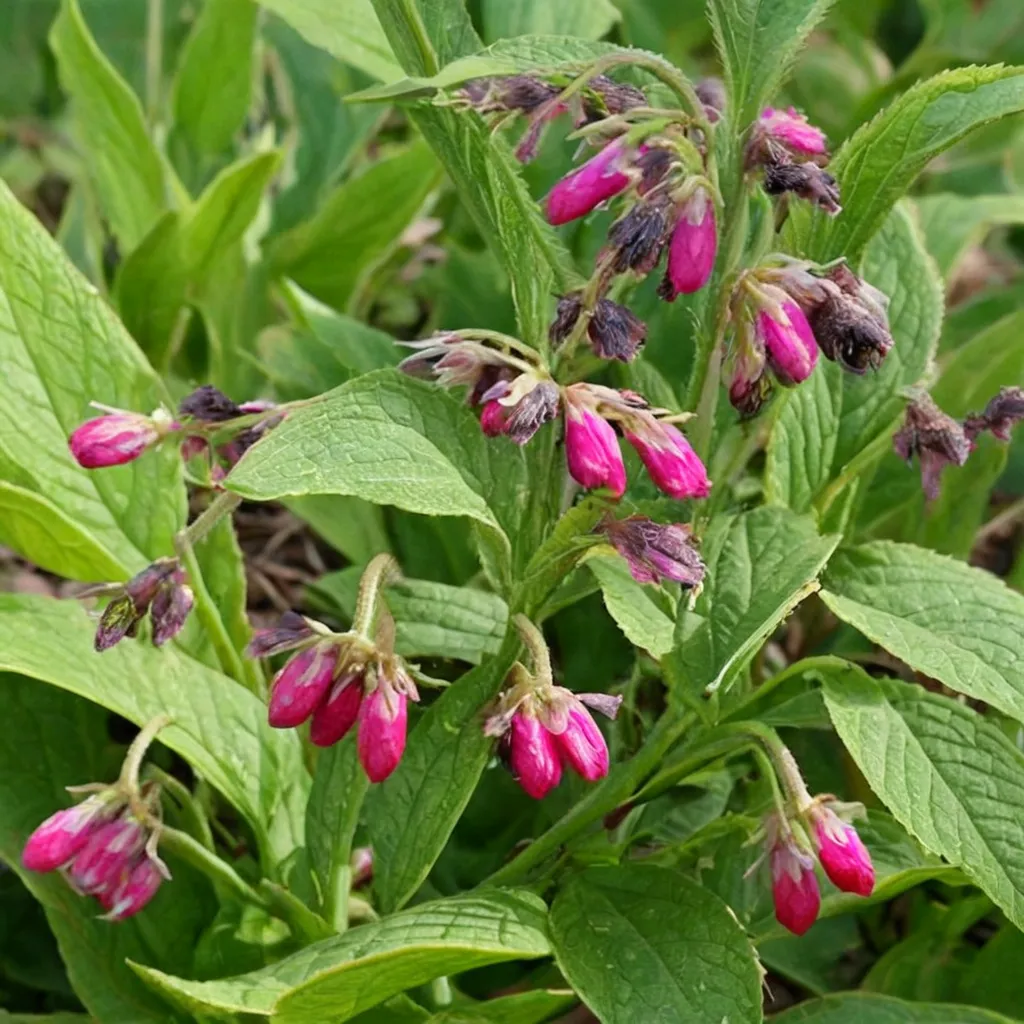
Red Comfrey
Symphytum x hybrida 'Rubrum'
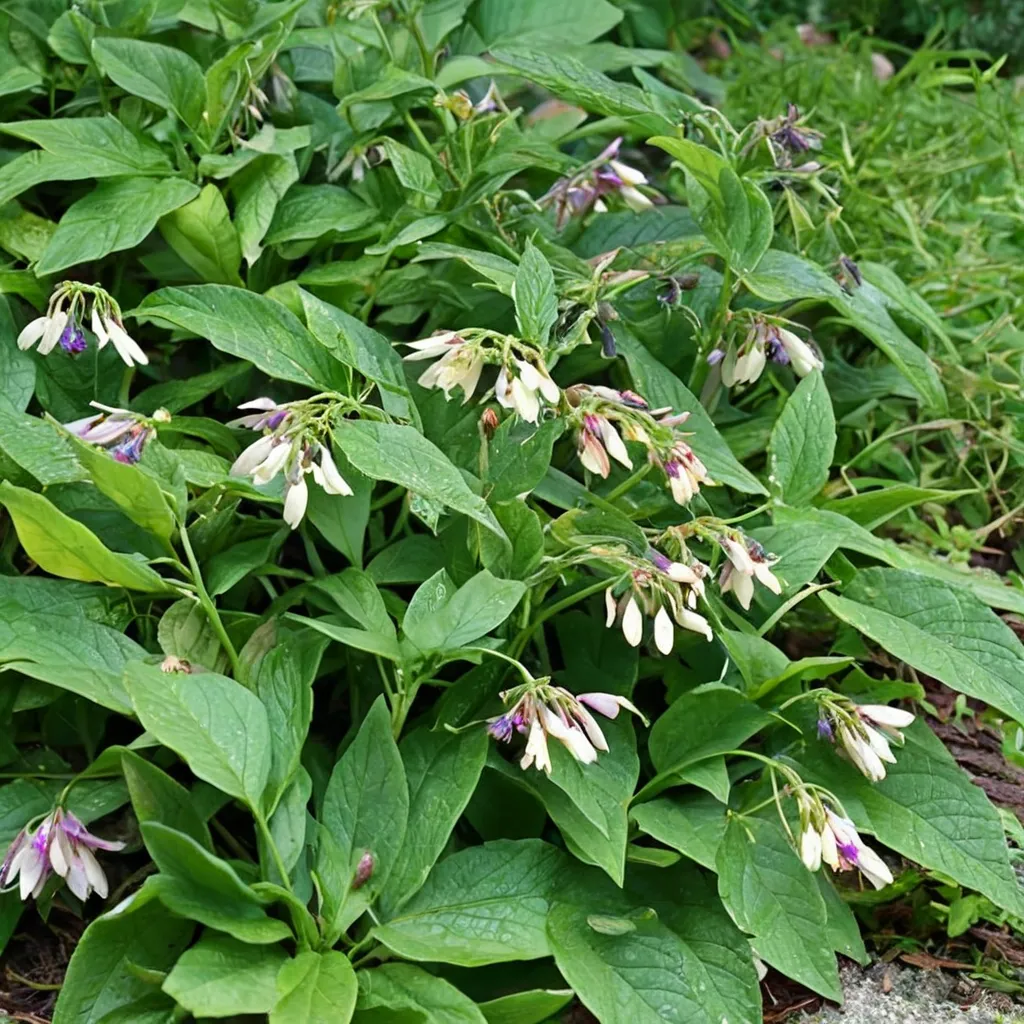
Creeping Comfrey
Symphytum grandiflorum
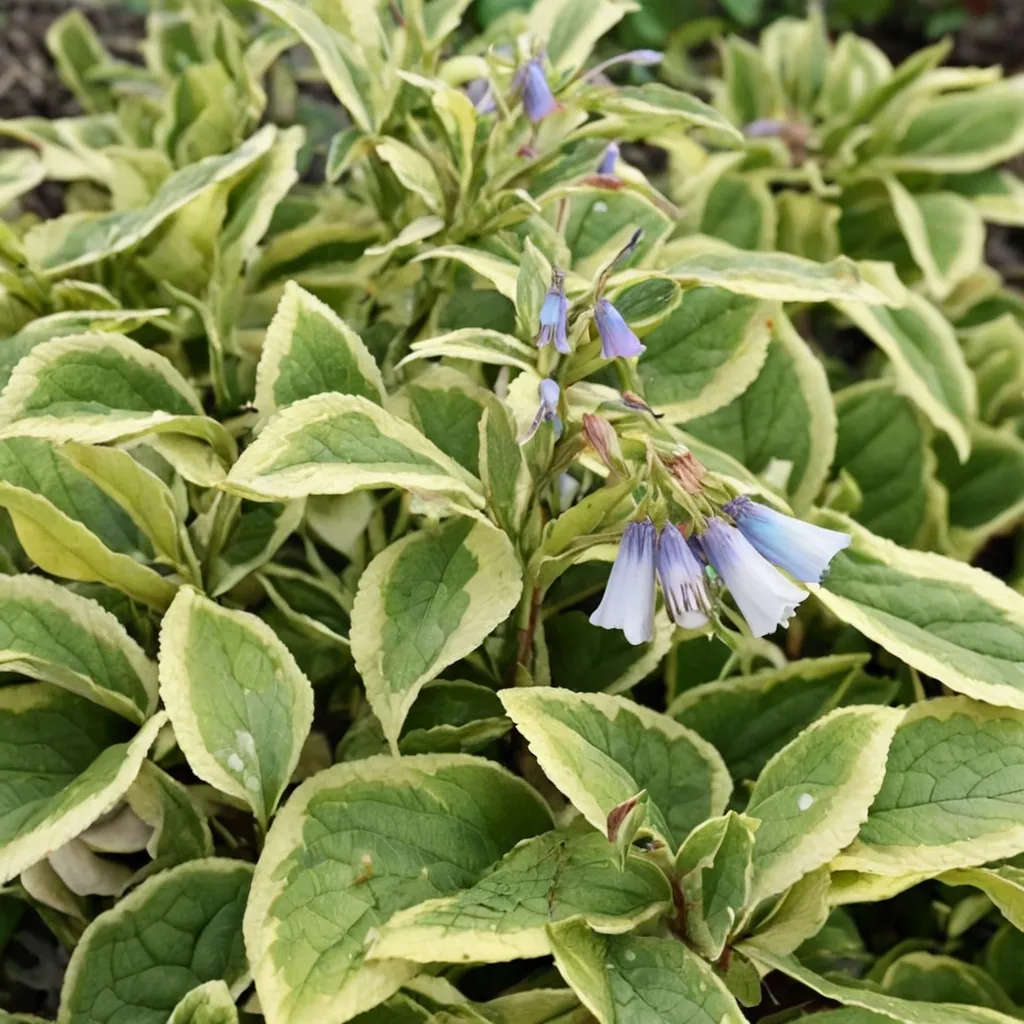
Common Comfrey Variegata
Symphytum grandiflorum 'Variegata'
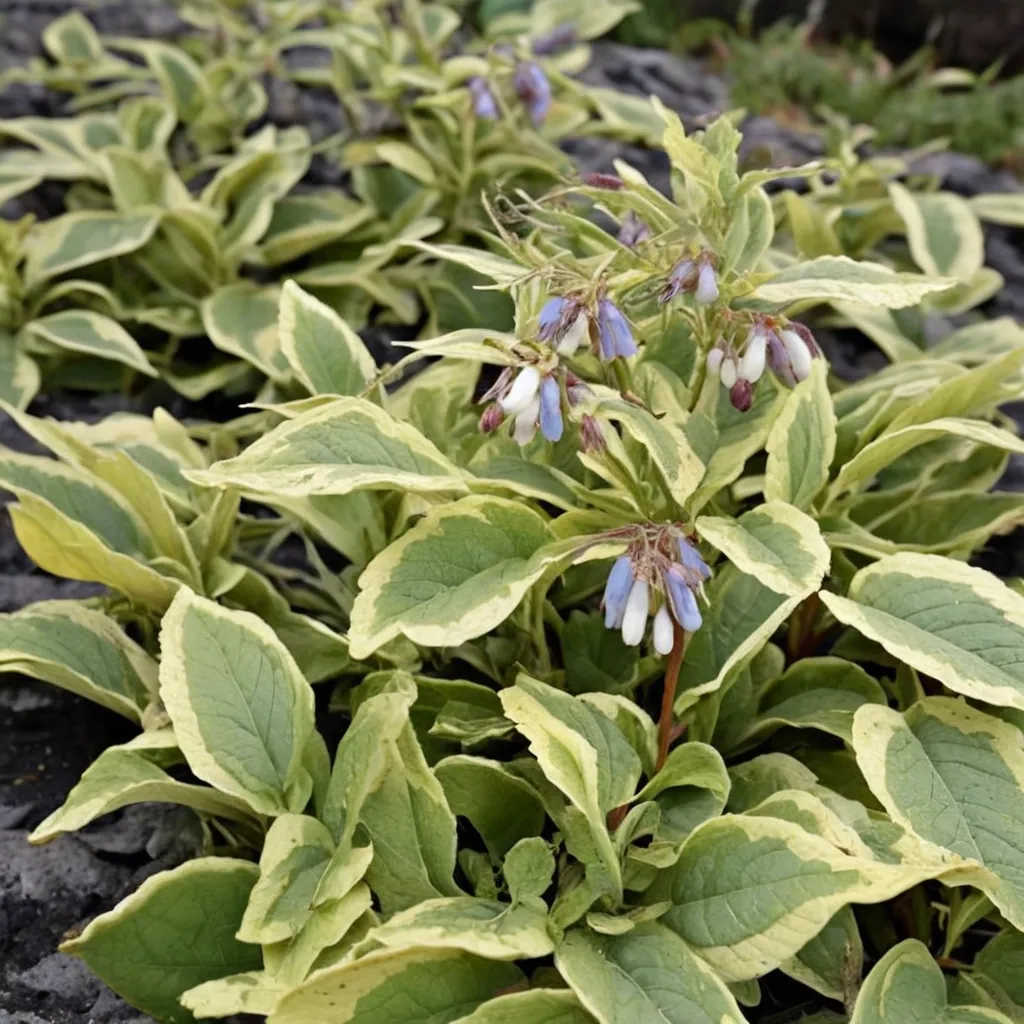
Goldsmith Variegated Comfrey
Symphytum grandiflorum 'Goldsmith'
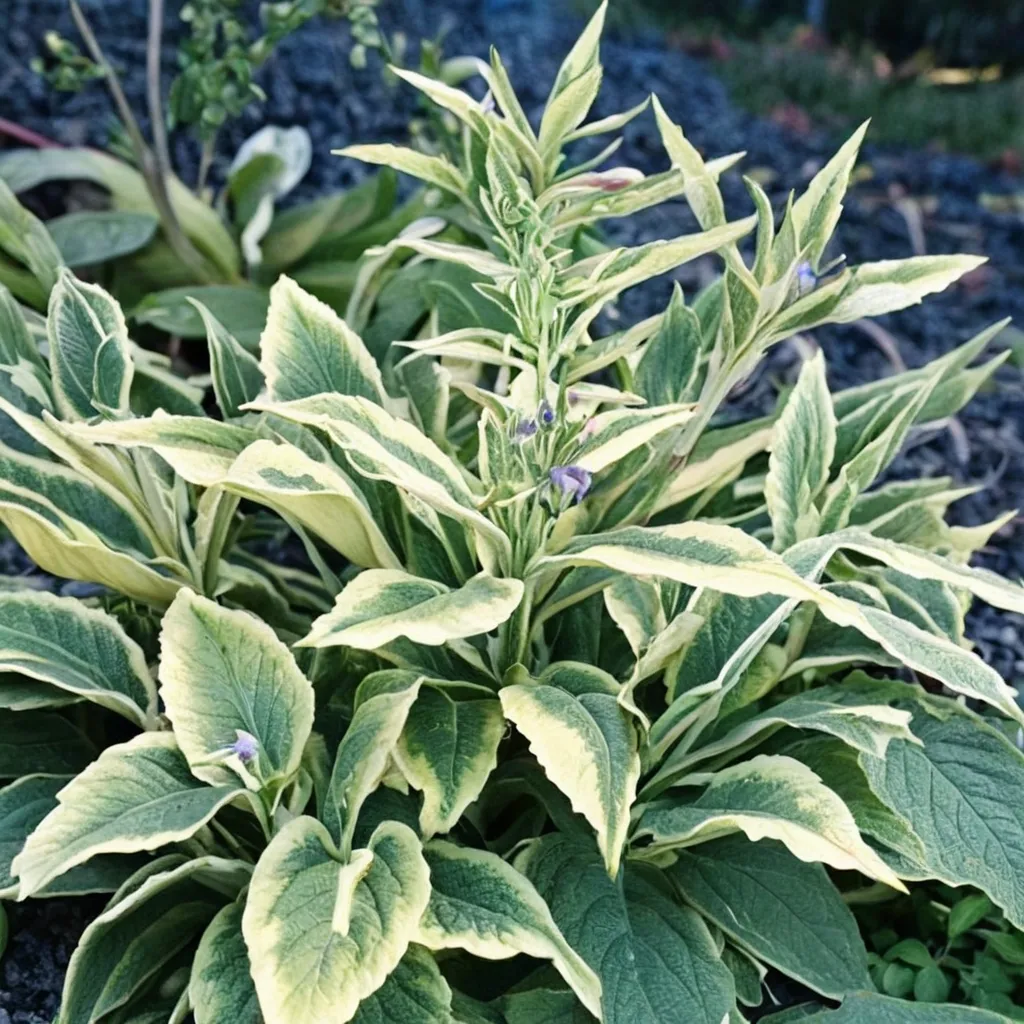
Variegated Russian Comfrey
Symphytum x uplandicum 'Variegatum'
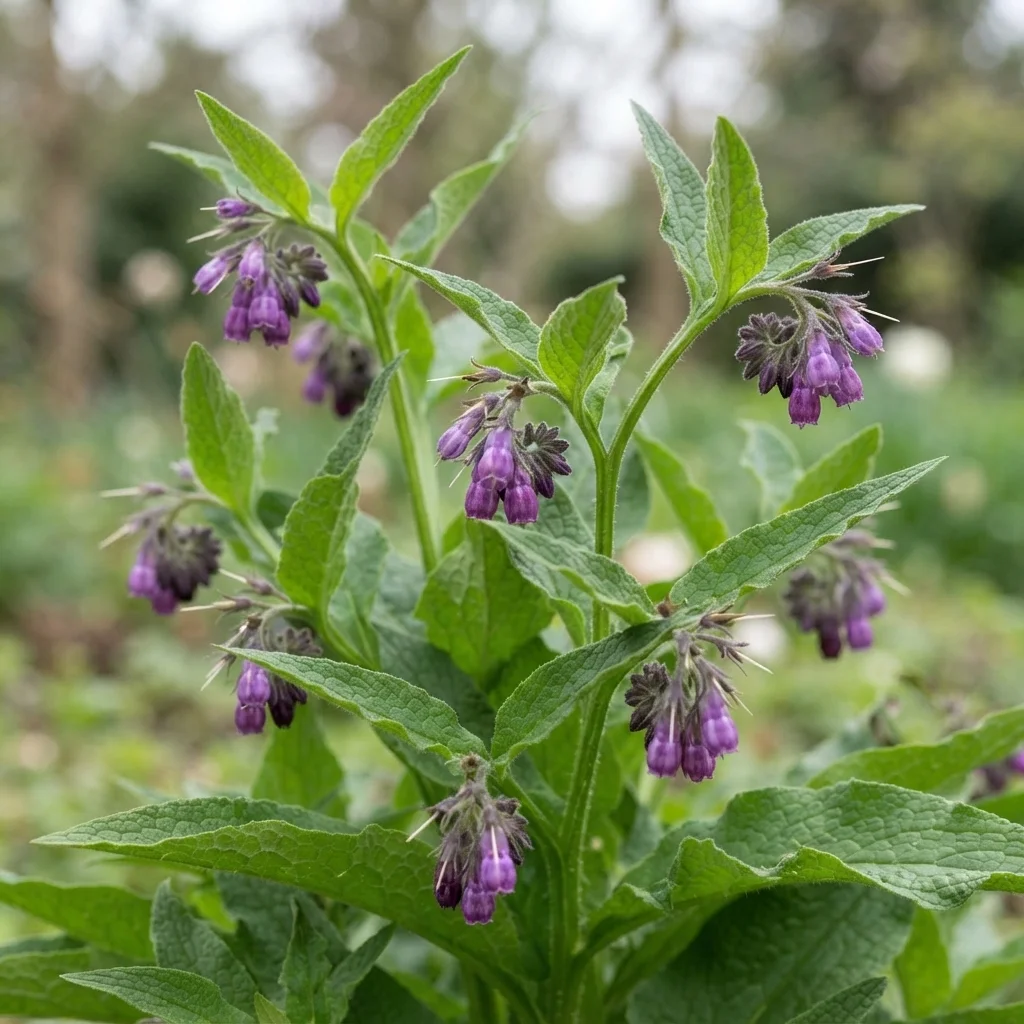
Common Comfrey
Symphytum officinale
Keep exploring
Explore the genus
Hardy in your zone?
Grow Prickly Comfrey with confidence
See it in a design of your actual yard, get zone-matched care reminders, and track it season by season in your garden journal.