
Species
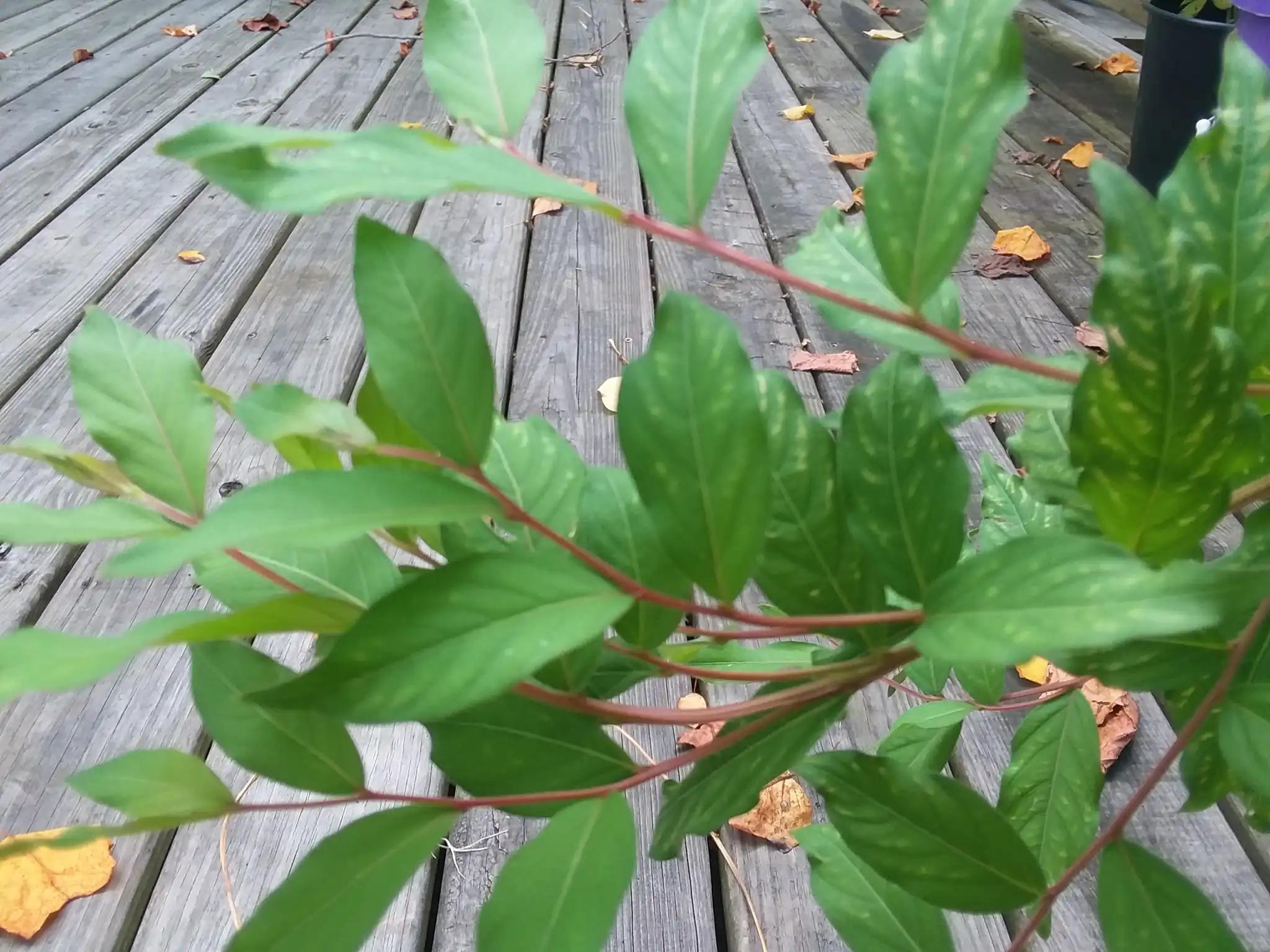 Lagerstroemia indicaCrape Myrtle
43 other cultivars
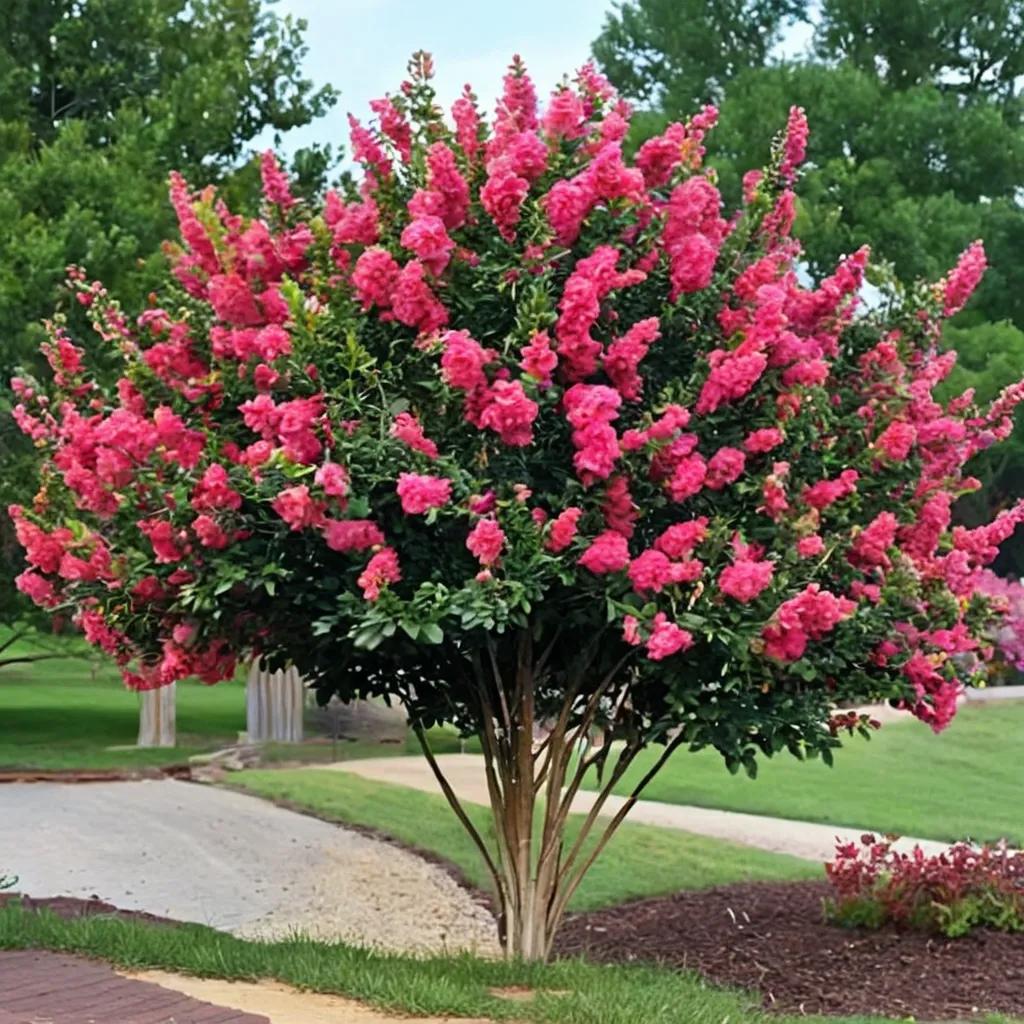 ‘Tonto’Indian Crapemyrtle
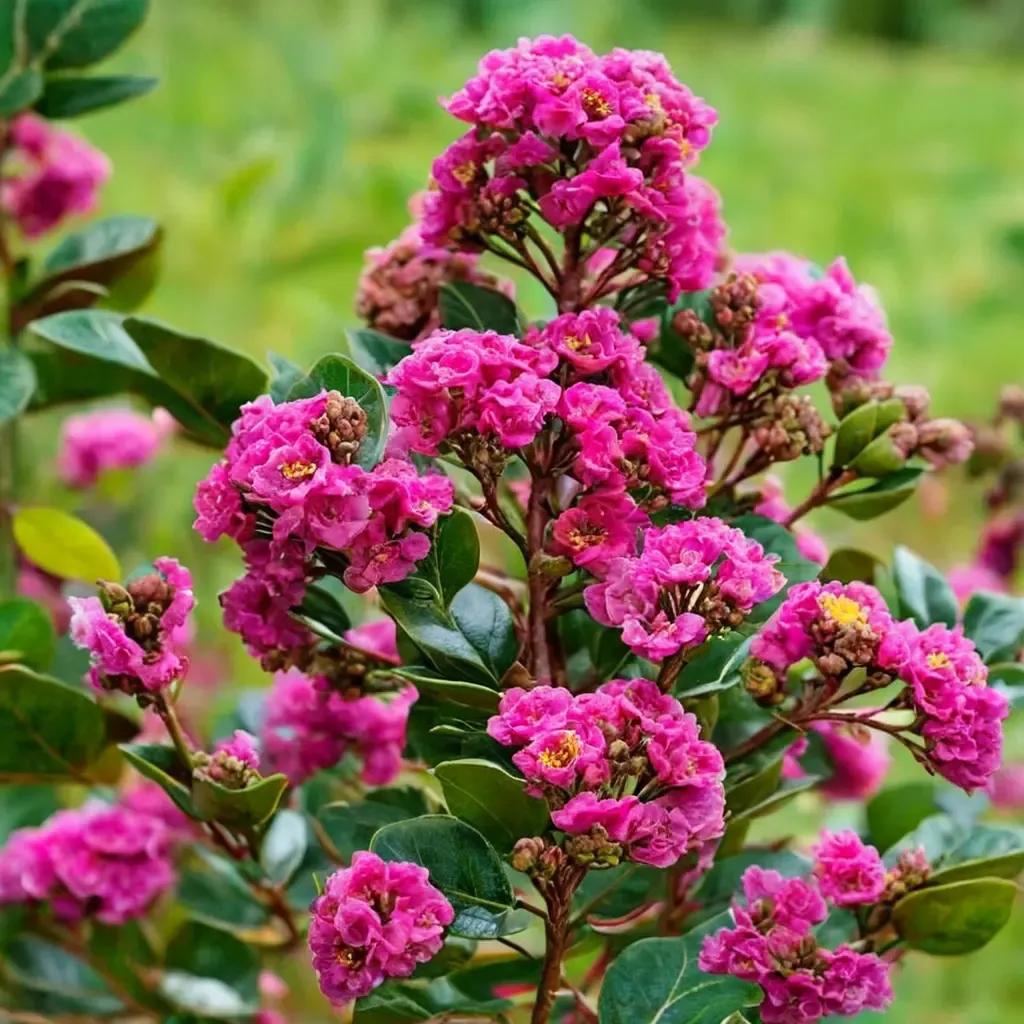 ‘Northern Belle’Northern Belle Crape Myrtle
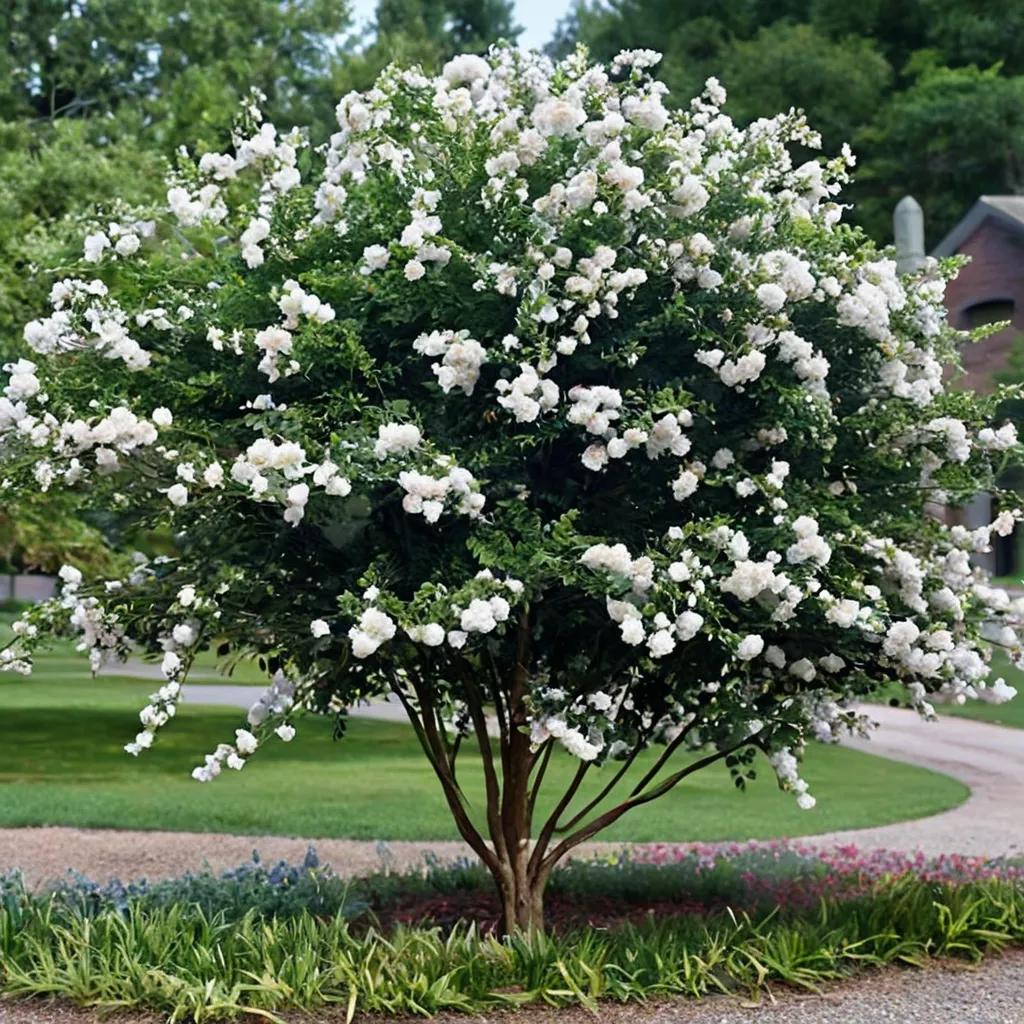 ‘Acoma’Acoma Crepe Myrtle
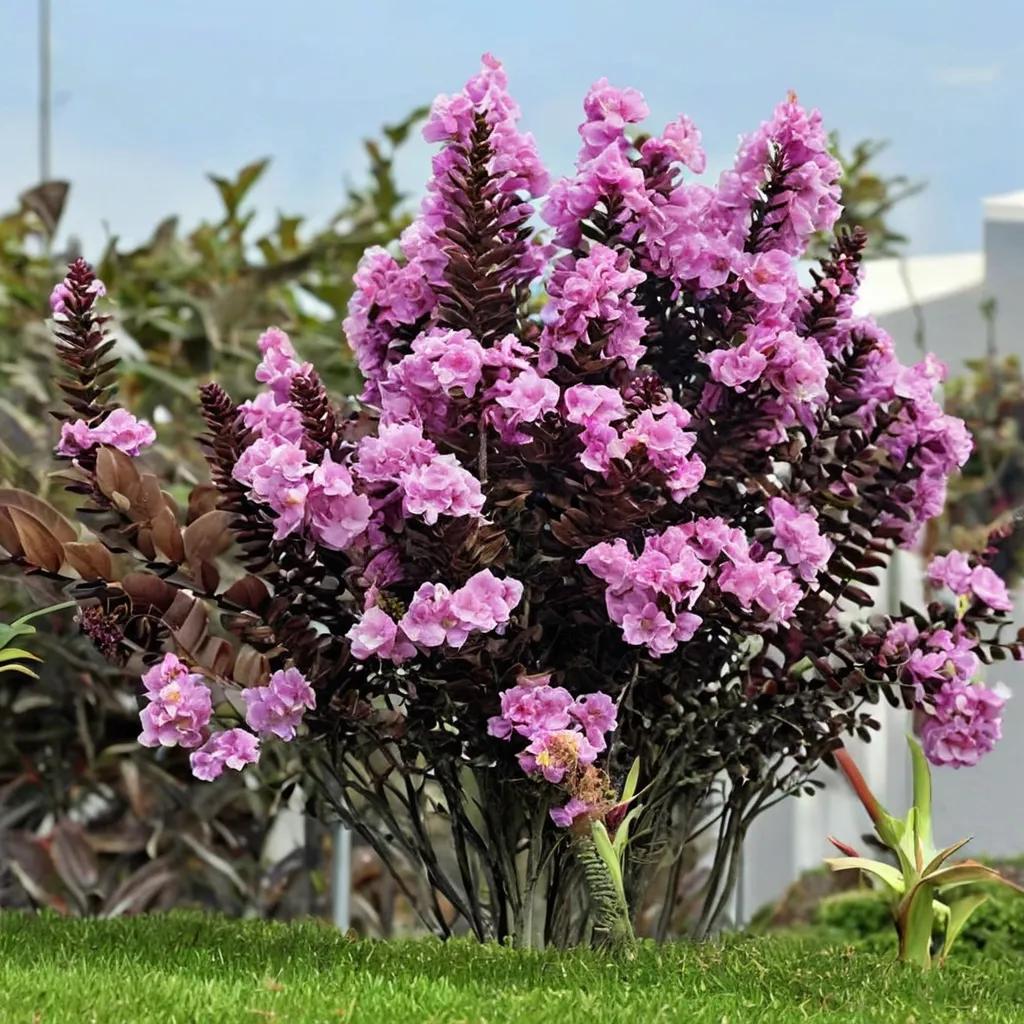 ‘Delta Eclipse’Crape Myrtle Delta Eclipse
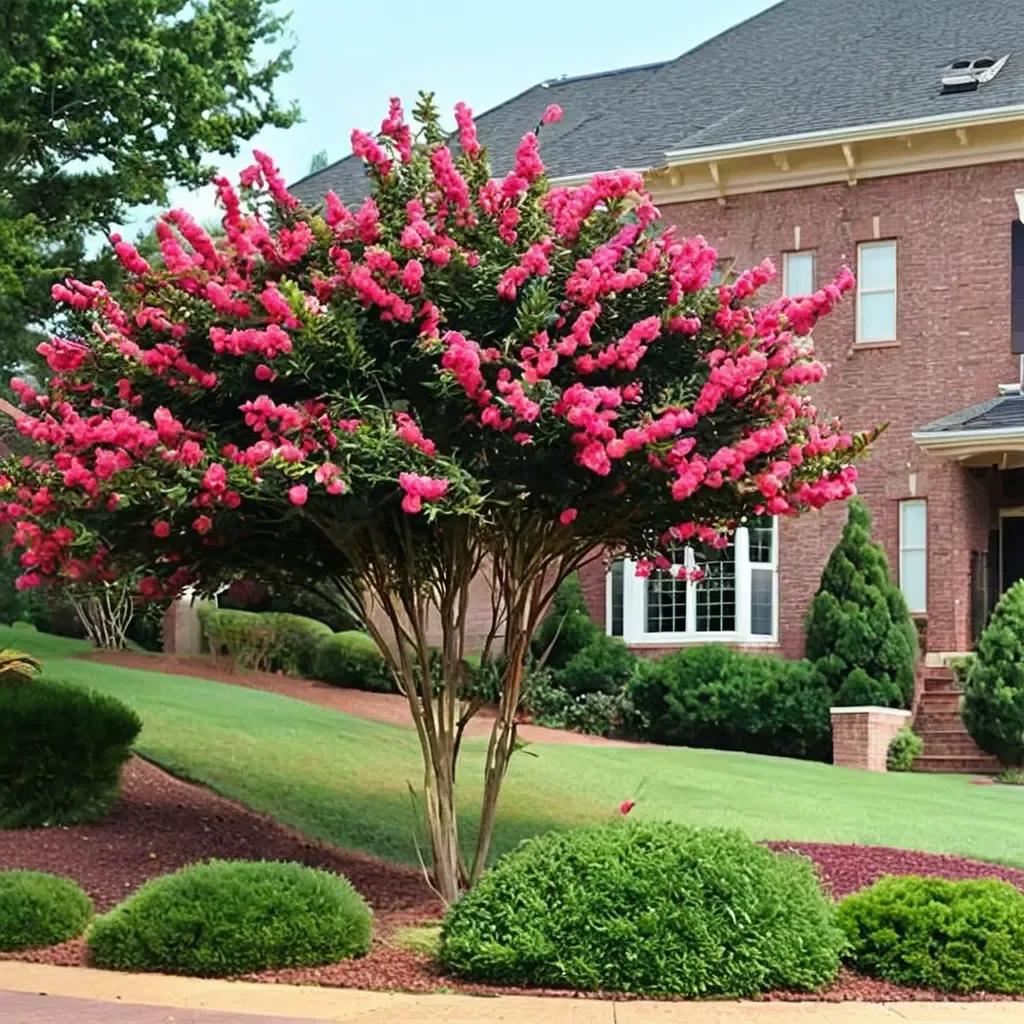 ‘Tonto Hardy’Tonto Crape Myrtle
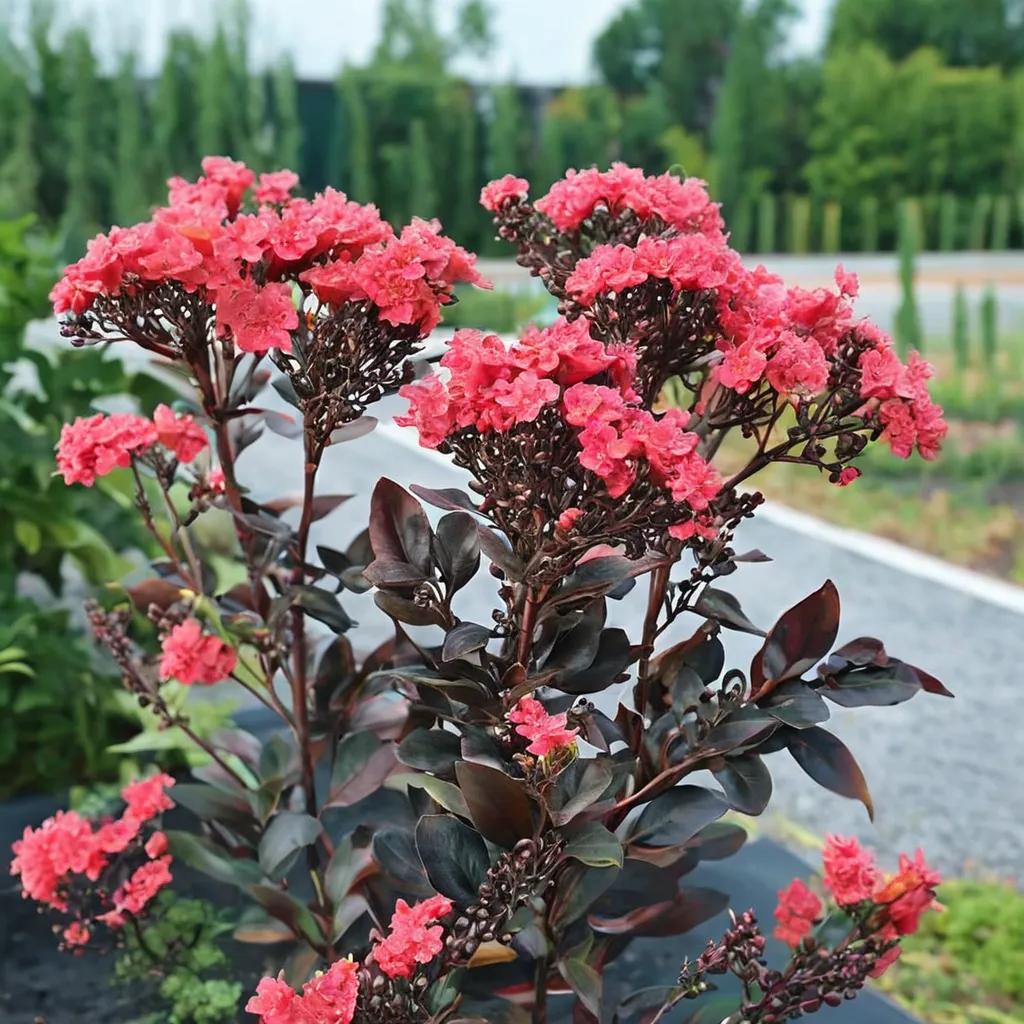 ‘Center Stage Pink’Center Stage Pink Crape Myrtle
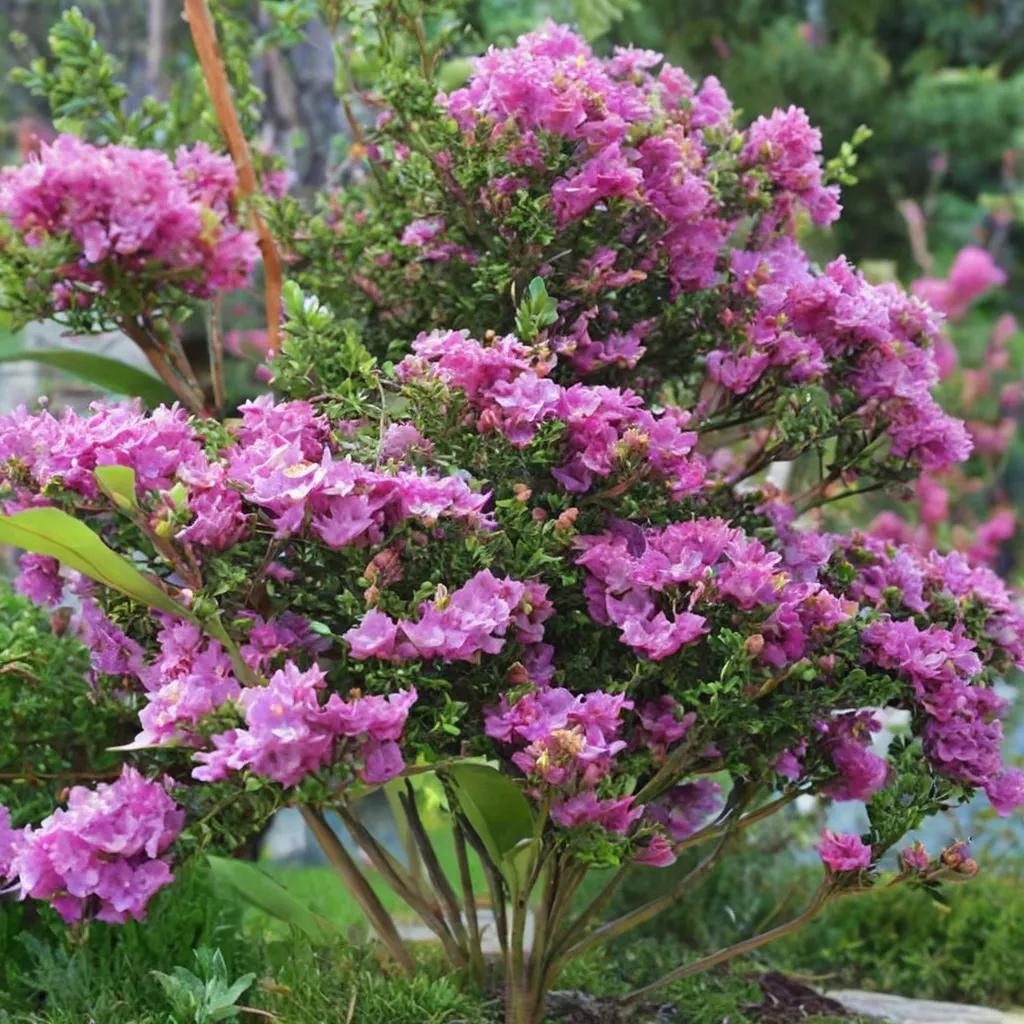 ‘Zuni’Crape Myrtle Zuni
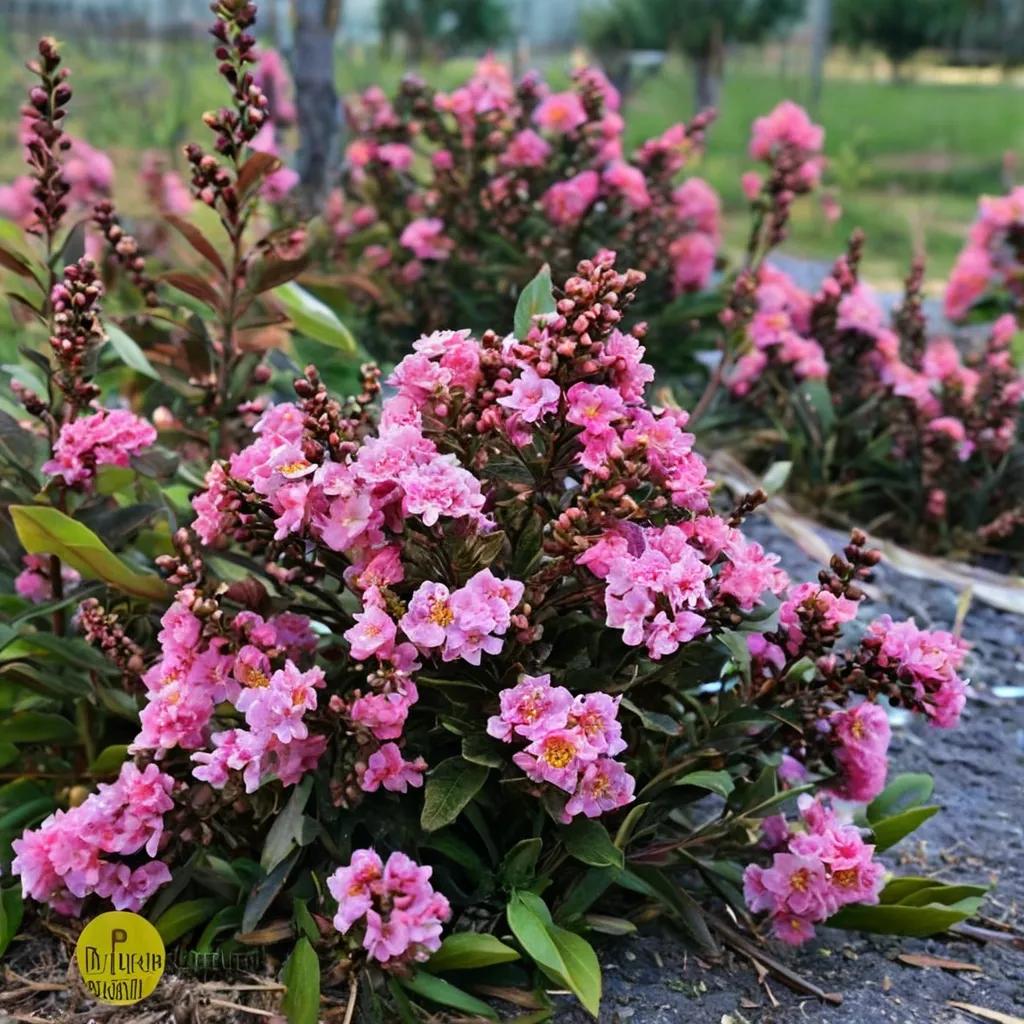 ‘Dark Roast’Crape Myrtle Dark Roast
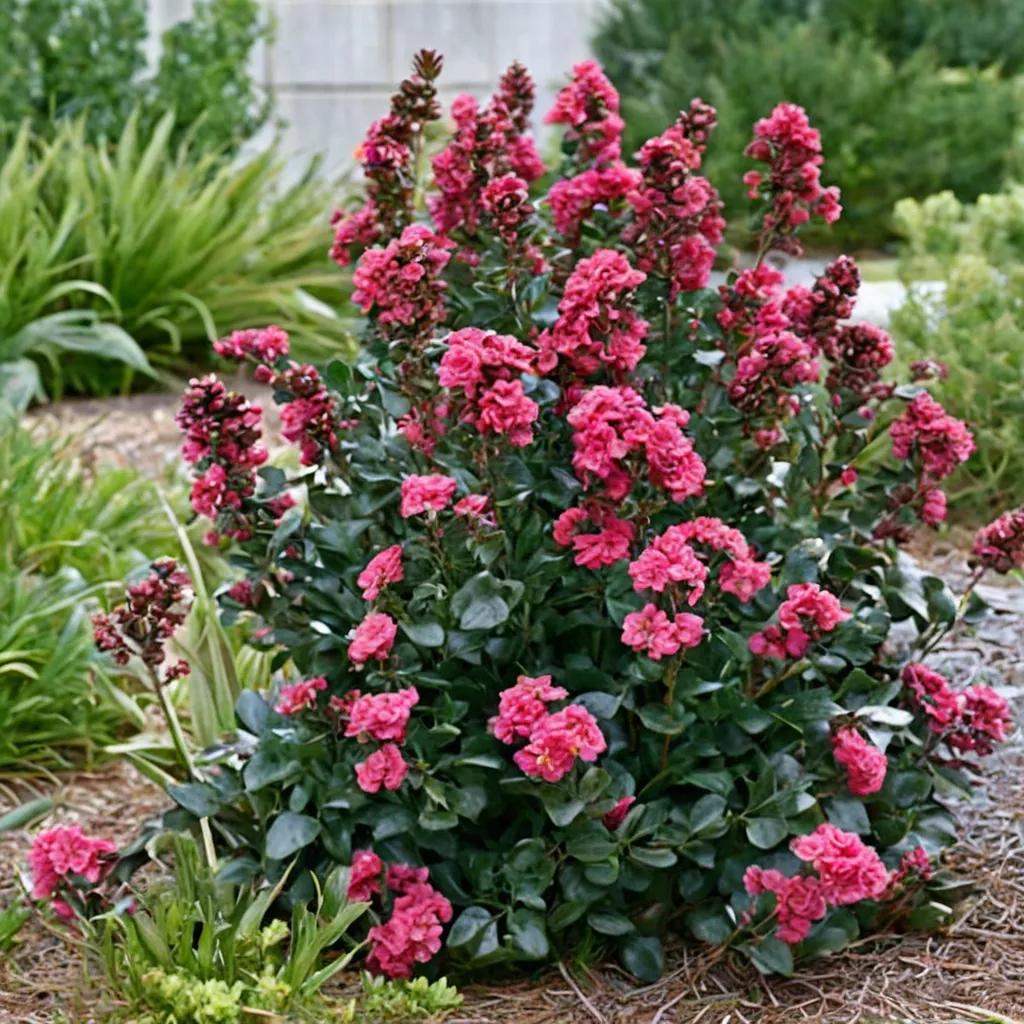 ‘Cherry Mocha’Cherry Mocha Crape Myrtle
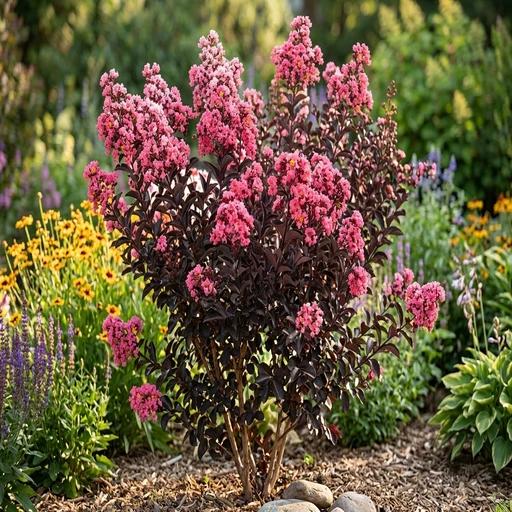 ‘Center Stage Coral’Center Stage Coral Crapemyrtle
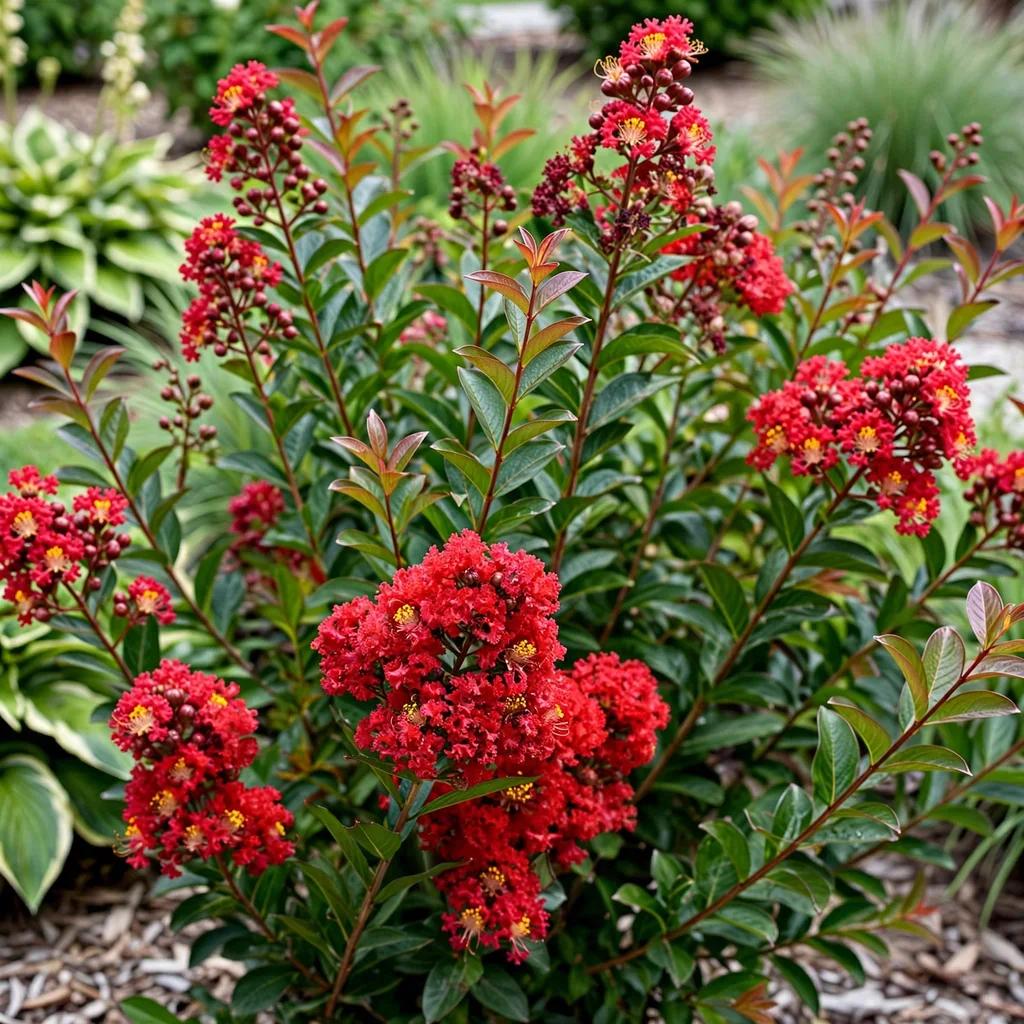 ‘Enduring Summer’Enduring Summer Crape Myrtle
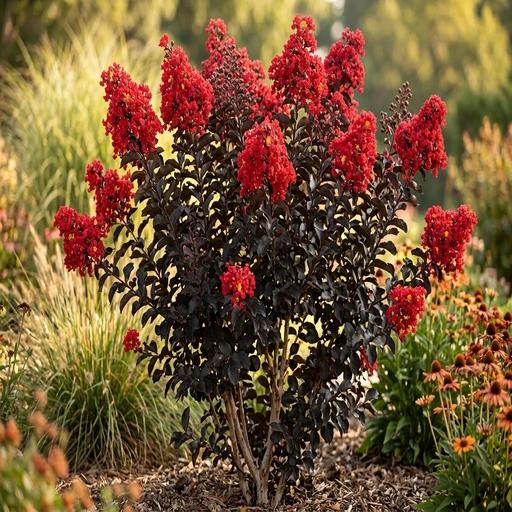 ‘Best Red’Black Diamond Best Red Crape Myrtle
 ‘Miss Frances’Miss Frances Crape Myrtle
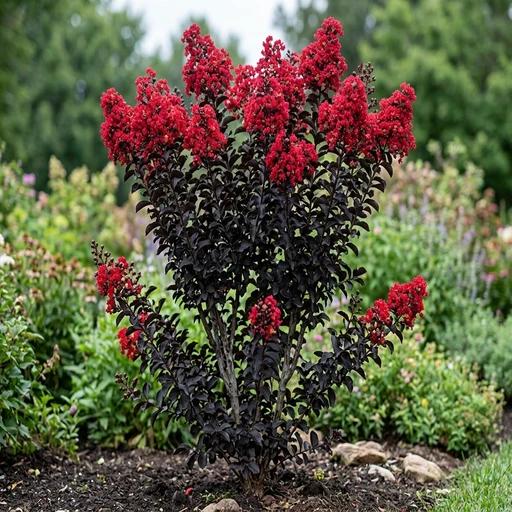 ‘Center Stage Red’Center Stage Red Crapemyrtle
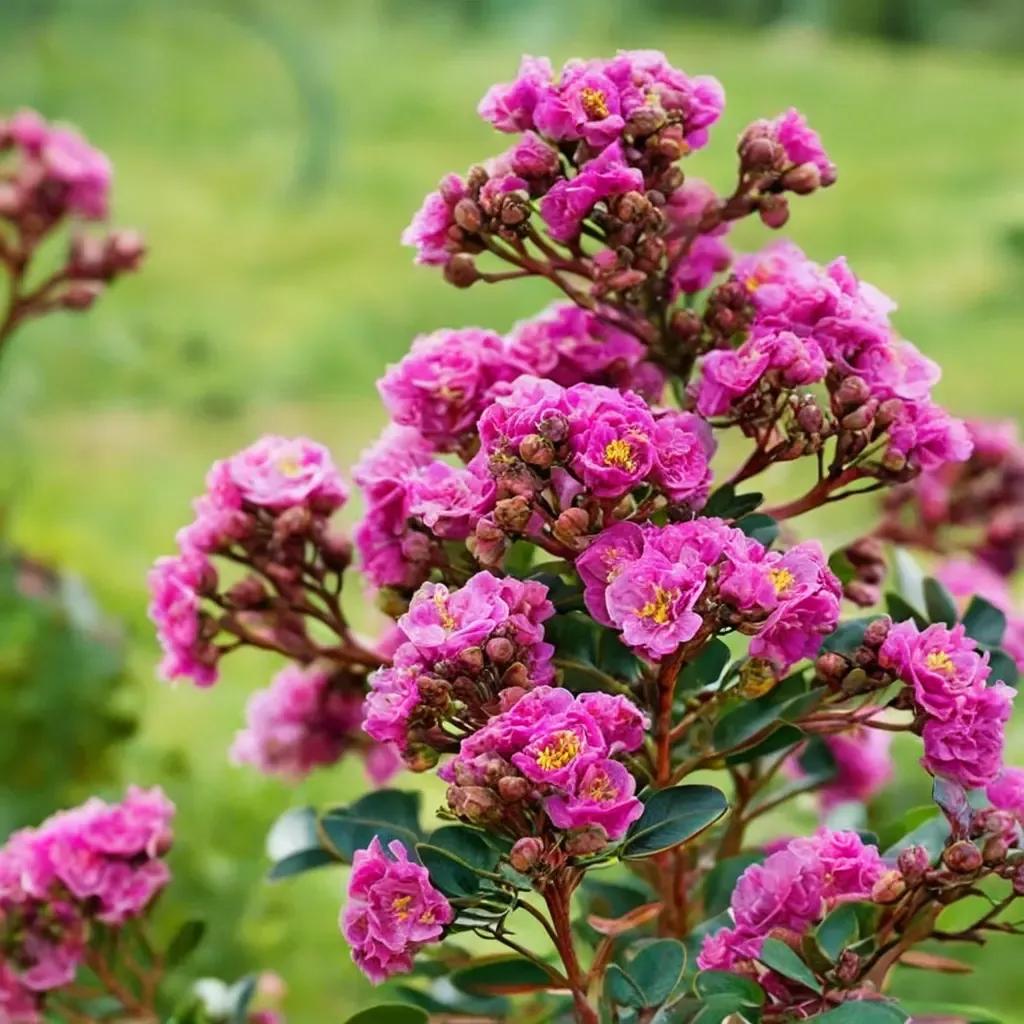 ‘Northern Belle Hardy Hot Pink’Northern Belle Crape Myrtle
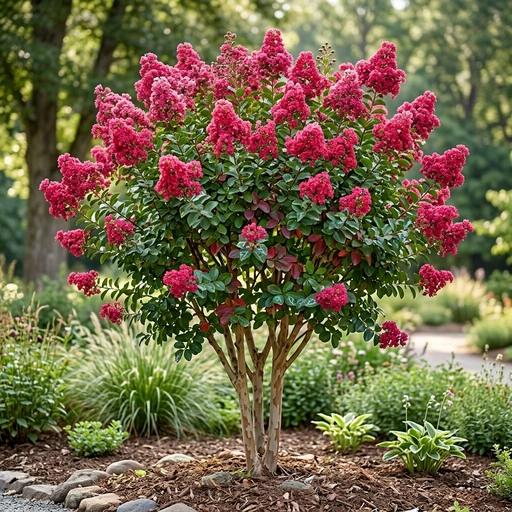 ‘Hopi’Hopi Crape Myrtle
 ‘Moonlight Magic’Moonlight Magic Crape Myrtle
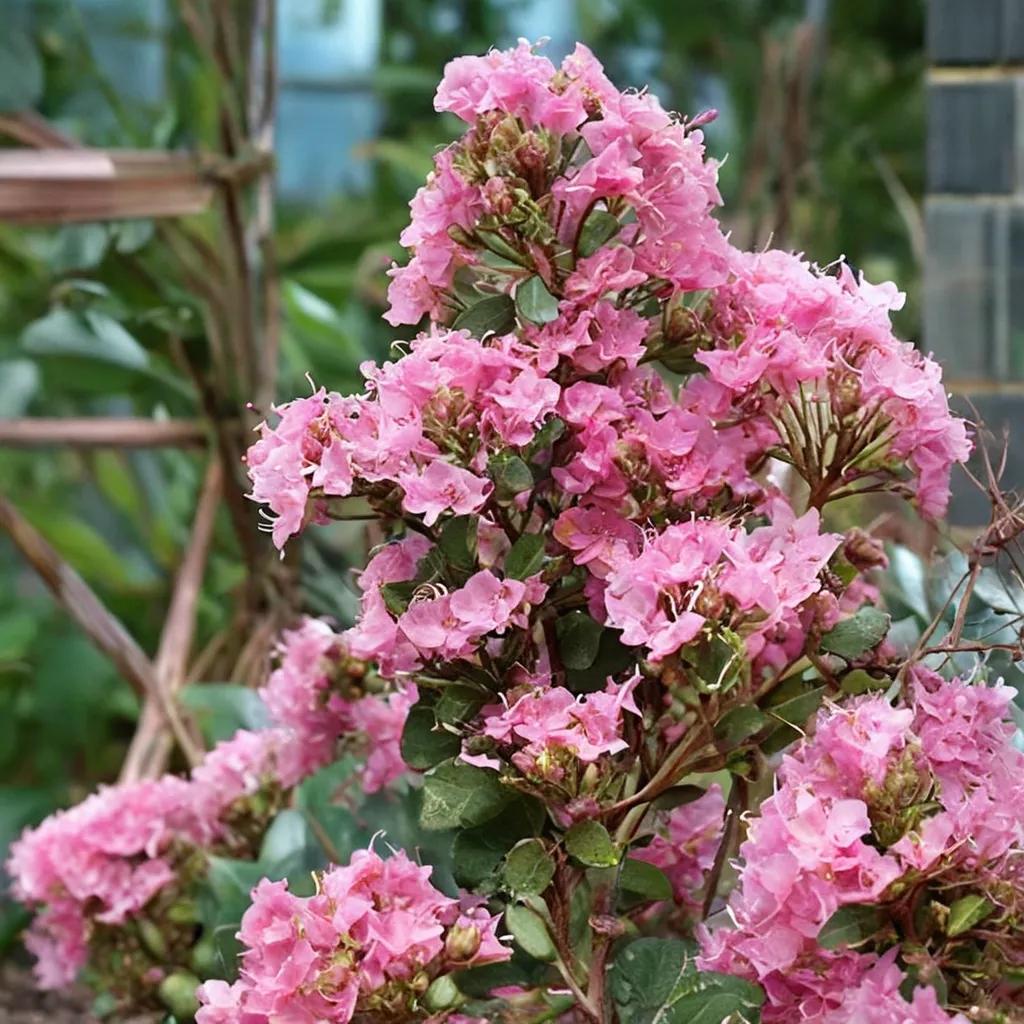 ‘Potomac’Potomac Crape Myrtle
 ‘Whit Iv’Whit Iv Pink Velour Crapemyrtle
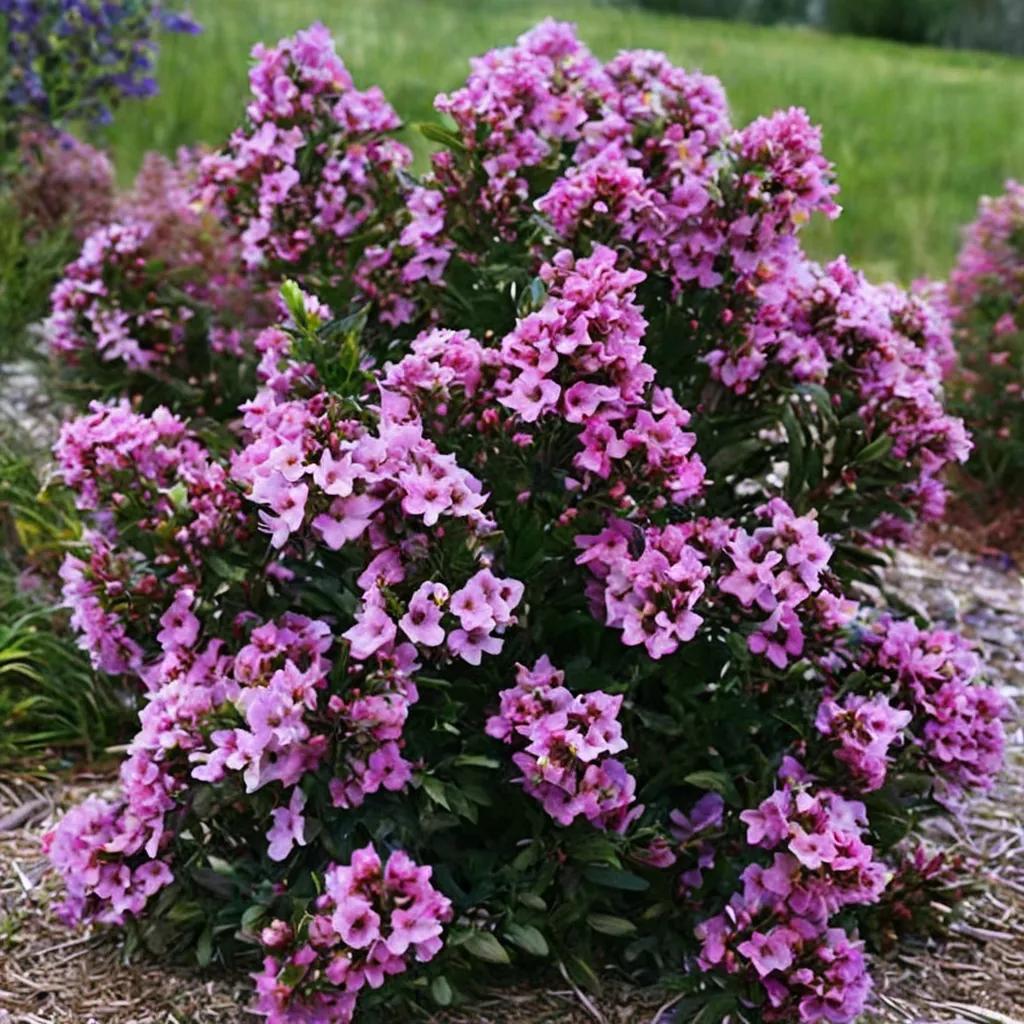 ‘Perky Pink’Perky Pink Crape Myrtle
 ‘Ebony And Ivory’Ebony and Ivory Crape Myrtle
 ‘Thunderstruck Lavender Skies’Thunderstruck Lavender Skies Crapemyrtle
 ‘Pocomoke’Pocomoke Crape Myrtle
 ‘Jm4’Jm4 Mesmerizing Magenta Crape Myrtle
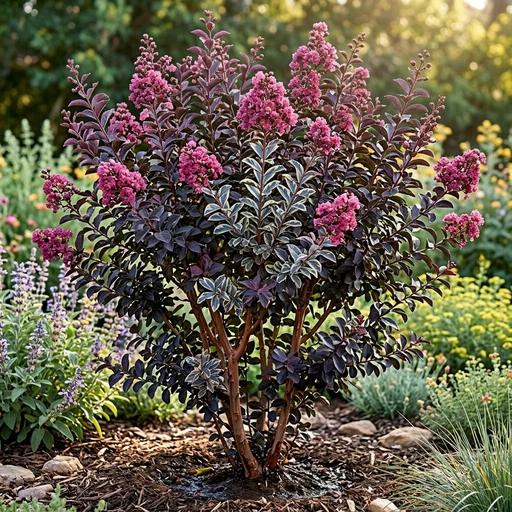 ‘Midnight Magic’Midnight Magic Crape Myrtle
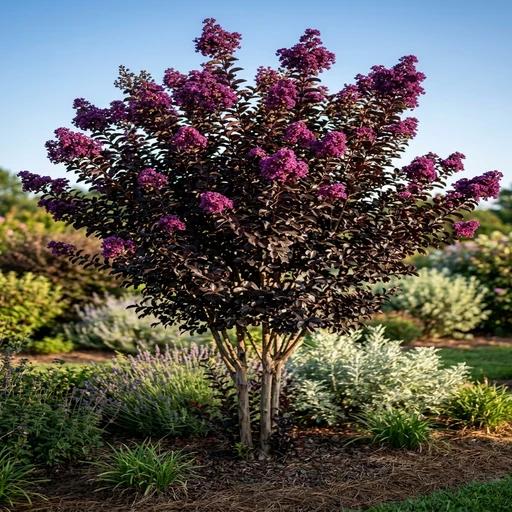 ‘Purely Purple’Black Diamond Purely Purple Crape Myrtle
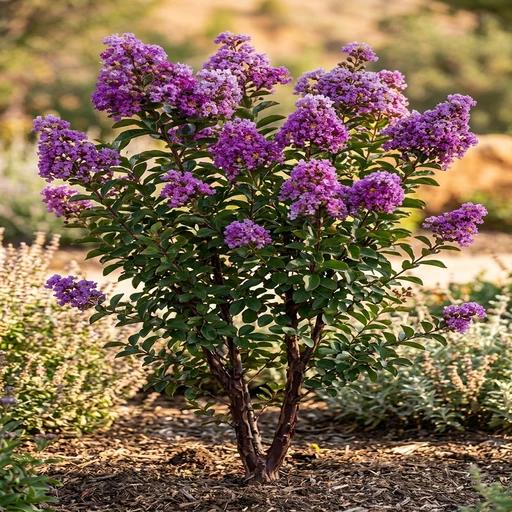 ‘Purple Magic’Purple Magic Crapemyrtle
 ‘Catawba’Catawba Crape Myrtle
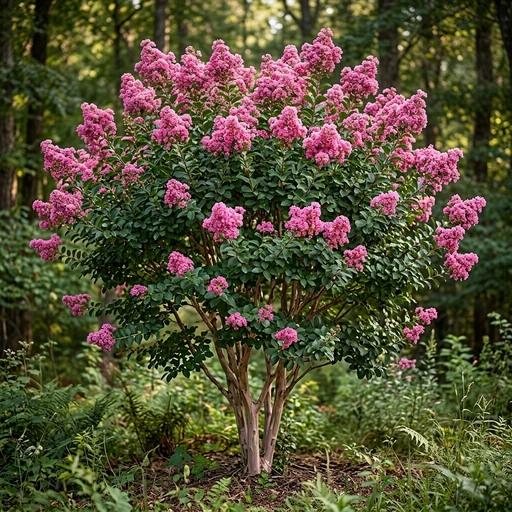 ‘Rhapsody In Pink’Rhapsody in Pink Crape Myrtle
 ‘Twilight’Twilight Crape Myrtle
 ‘Autaugaville Purple’Autaugaville Purple Crape Myrtle
 ‘Jm1’Jm1 Mesmerizing Magenta Crapemyrtle
 ‘Whit Ii’Dynamite Crape Myrtle
 ‘Whit Iii’Whit Iii Pink Velour Crapemyrtle
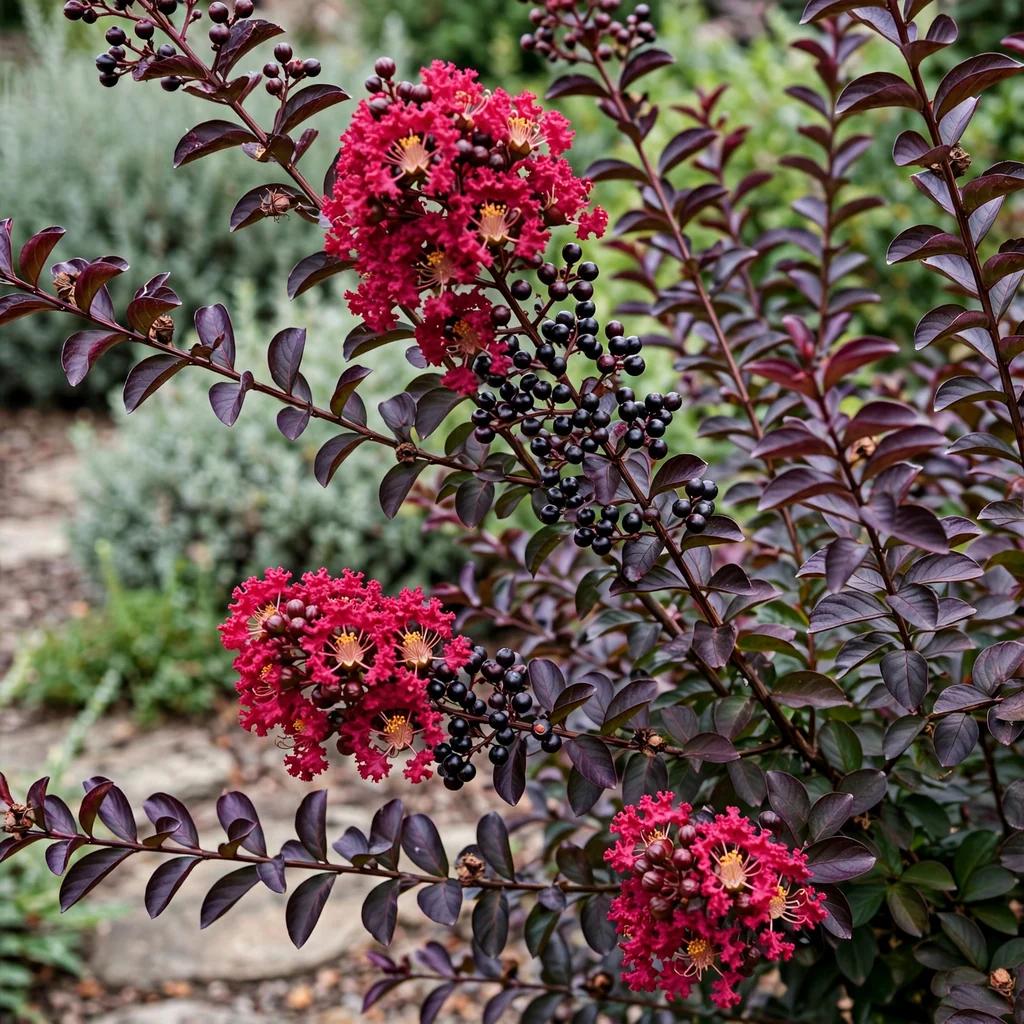 ‘Double Feature’Crape Myrtle
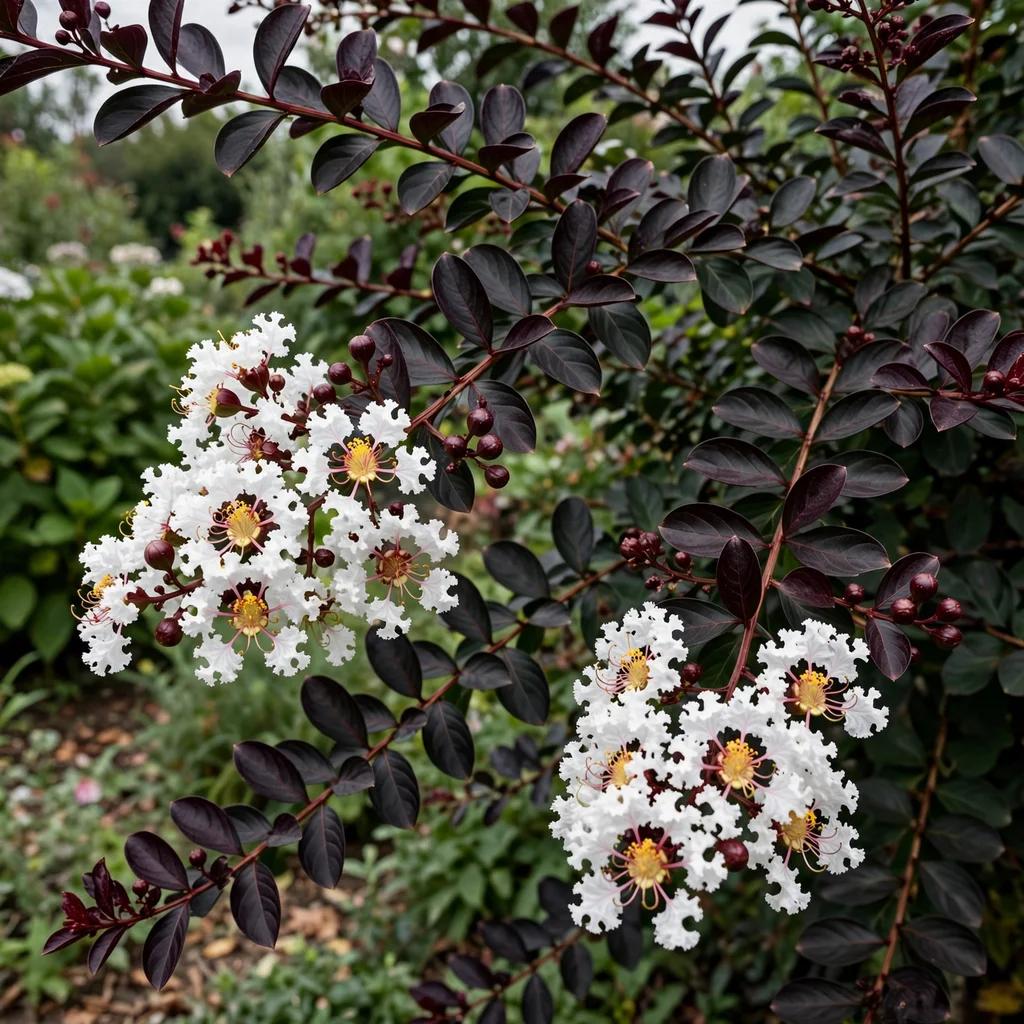 ‘Pure White’Crape Myrtle
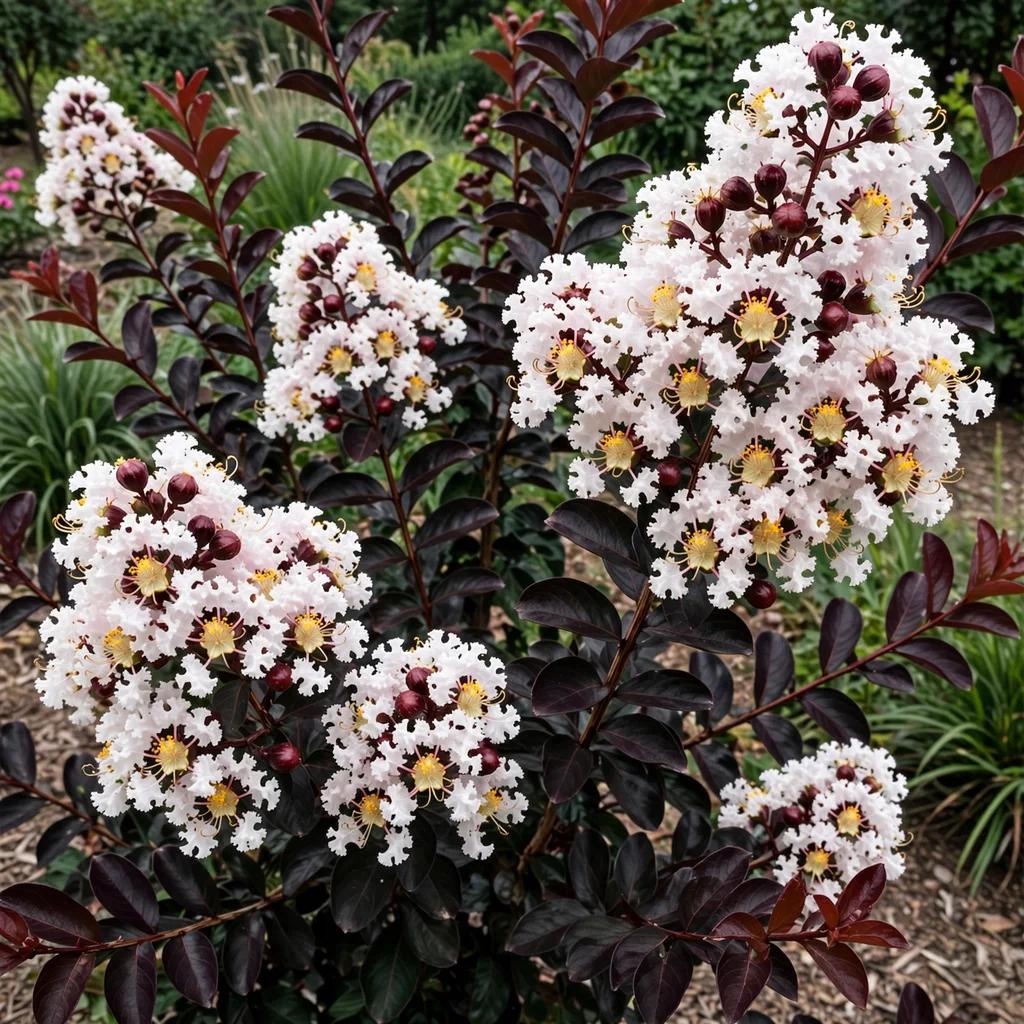 ‘Blush’Crape Myrtle
 ‘Shell Pink’Crape Myrtle 'Shell Pink'
 ‘Red Hot’Crape Myrtle
 ‘Mystic Magenta’Crape Myrtle
 ‘Hardy Lavender’Crape Myrtle
 ‘Carolina Beauty’Crape Myrtle
 ‘Colorama Scarlet’Crape Myrtle
The Story
Plant Bio
Lagerstroemia, or crape myrtle, is a genus of deciduous shrubs and small trees prized for their long-lasting, showy summer flowers, attractive exfoliating bark, and good drought tolerance.
'Sarah's Favorite' is a vigorous hybrid noted for its pure white, large flower trusses, exceptional resistance to powdery mildew, and beautiful cinnamon-colored bark.
Uses & Benefits:
Essentials
At a Glance
Plant Type
Shrub
Height
240"
Width
180"
Light
Full Sun
Zones
6, 7, 8, 9
Water
Low to moderate
Humidity
Tolerates high humidity
Lifespan
Long-lived deciduous shrub
Native To
Asia (species)
Toxicity
Non-toxic
Bloom period
Mid-summer – Early fall
In flower about 3 months of the year
Planting
How to Grow
- Choose a location receiving at least 6 hours of direct sun daily.
- Dig a hole two to three times wider than the root ball.
- Amend heavy clay or poor soil with compost for better drainage.
- Place the plant so the top of the root ball is level with the soil.
- Backfill the hole, gently firming the soil around the roots.
- Water thoroughly after planting and weekly during the first year.
Pro Tip
Plant in full sun for best flowering and disease resistance; six hours is the minimum.
Keep It Thriving
Care Guide
Do
- Provide full sun for maximum blooms.
- Water deeply but infrequently once established.
- Prune to enhance natural form, removing crossing branches and suckers.
- Allow for good air circulation to prevent disease.
Don't
- Do not over-fertilize, which can promote leaves over flowers.
- Avoid severe topping, known as 'crape murder', which ruins the plant's structure.
- Don't plant in shady or wet locations.
- Avoid overhead watering late in the day.
Seasonal Care Calendar
| Task | Jan | Feb | Mar | Apr | May | Jun | Jul | Aug | Sep | Oct | Nov | Dec |
|---|---|---|---|---|---|---|---|---|---|---|---|---|
| Fertilize | ||||||||||||
| Mulch | ||||||||||||
| Pest Check | ||||||||||||
| Prune |
Watch Out For
Pests & Diseases
Common Pests
Common Diseases
In the Garden
Landscape Uses & Companions
Landscape Uses
Multiply
Propagation Methods
Good to Know
Common Questions
Crape Myrtle questions
What zones can Crape Myrtle grow in?
Crape Myrtle is hardy in USDA Zones 6–9. Inside that range it survives winter in the ground; outside it, grow it as an annual or a container plant you protect.
Is Crape Myrtle deer resistant?
Yes — Crape Myrtle is rated deer-resistant. Deer typically pass it over, though extreme hunger can override any plant's defenses.
When does Crape Myrtle bloom?
Crape Myrtle typically blooms in mid-summer through early fall. Exact timing shifts a week or two with your zone — Sow's bloom calendar maps it to your garden.
Does Crape Myrtle need full sun?
Crape Myrtle does best in full sun (6+ hours).
Is Crape Myrtle drought tolerant?
Yes — once established (usually after the first full season), Crape Myrtle handles dry spells with minimal watering. Water deeply its first year to build the root system that makes that possible.
More Lagerstroemia to compare
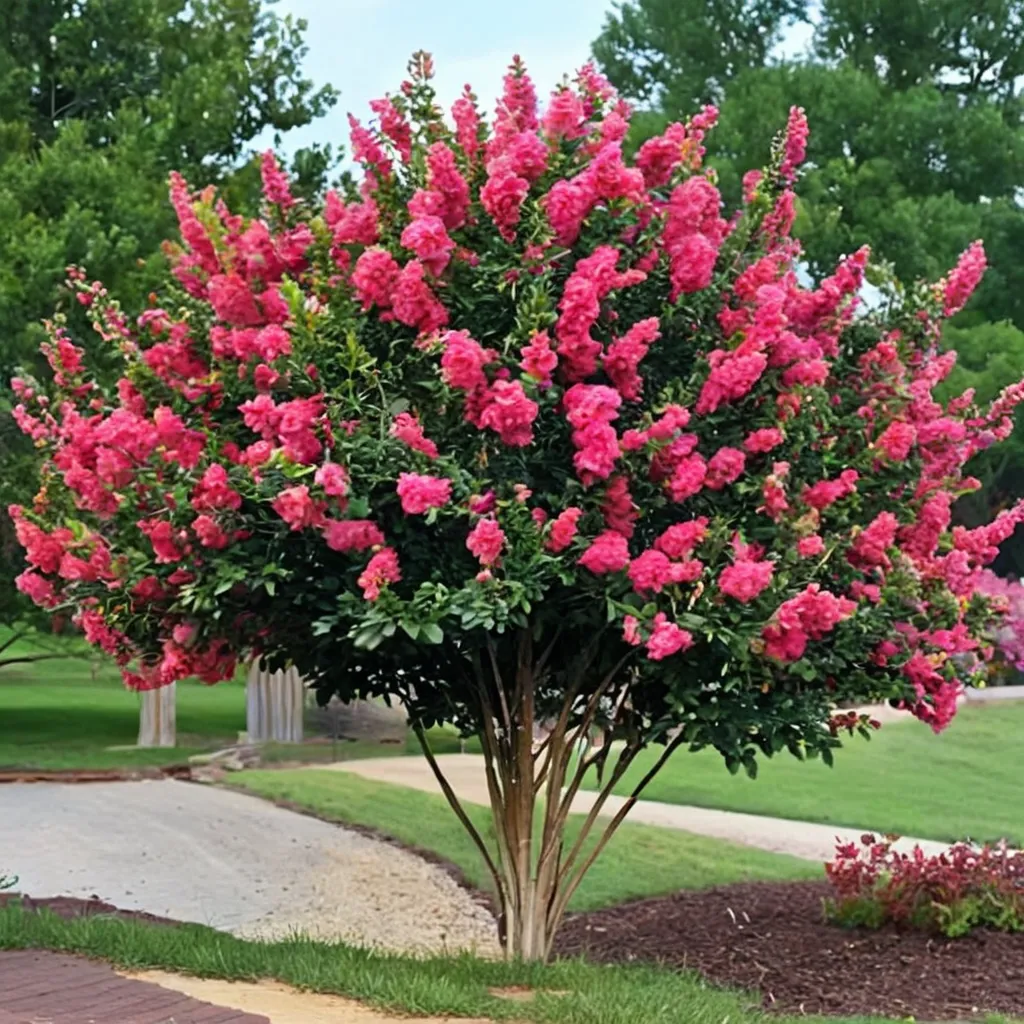
Indian Crapemyrtle
Lagerstroemia indica 'Tonto'
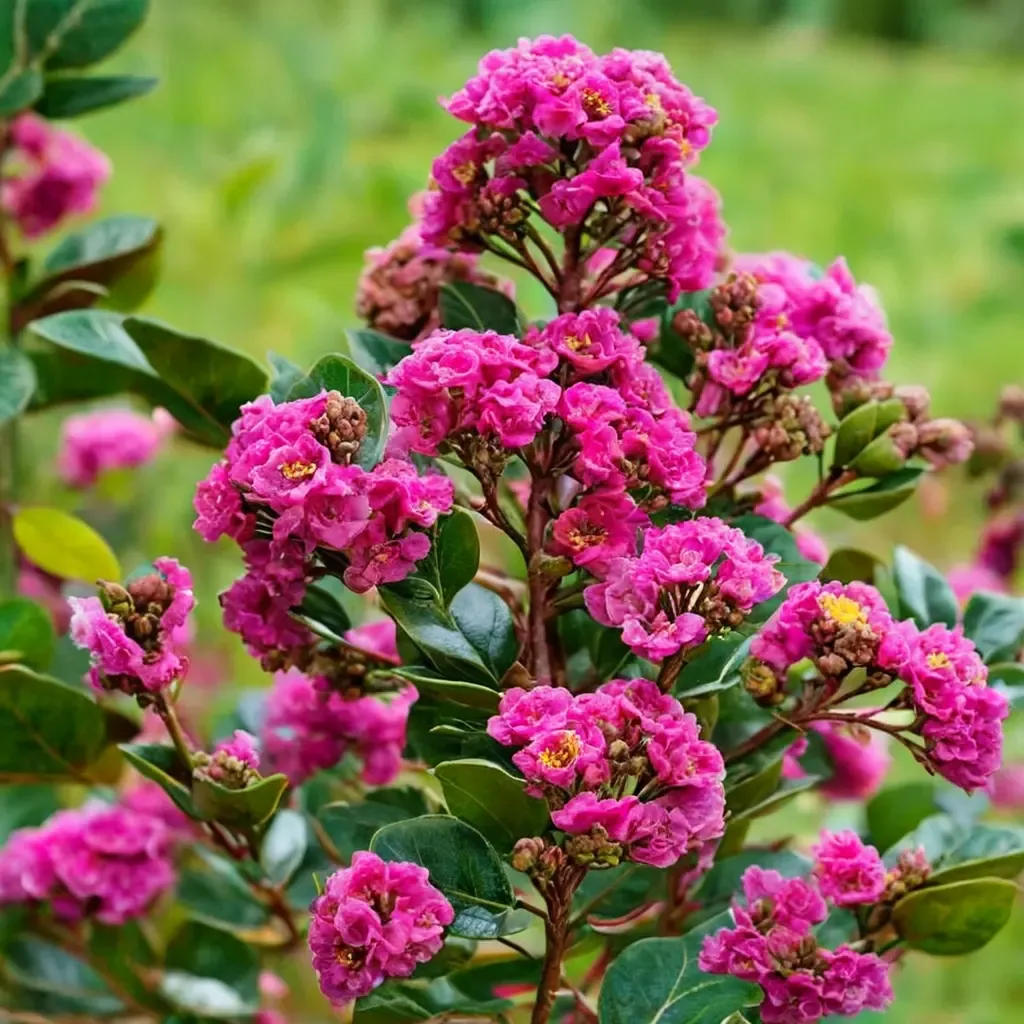
Northern Belle Crape Myrtle
Lagerstroemia indica 'Northern Belle'
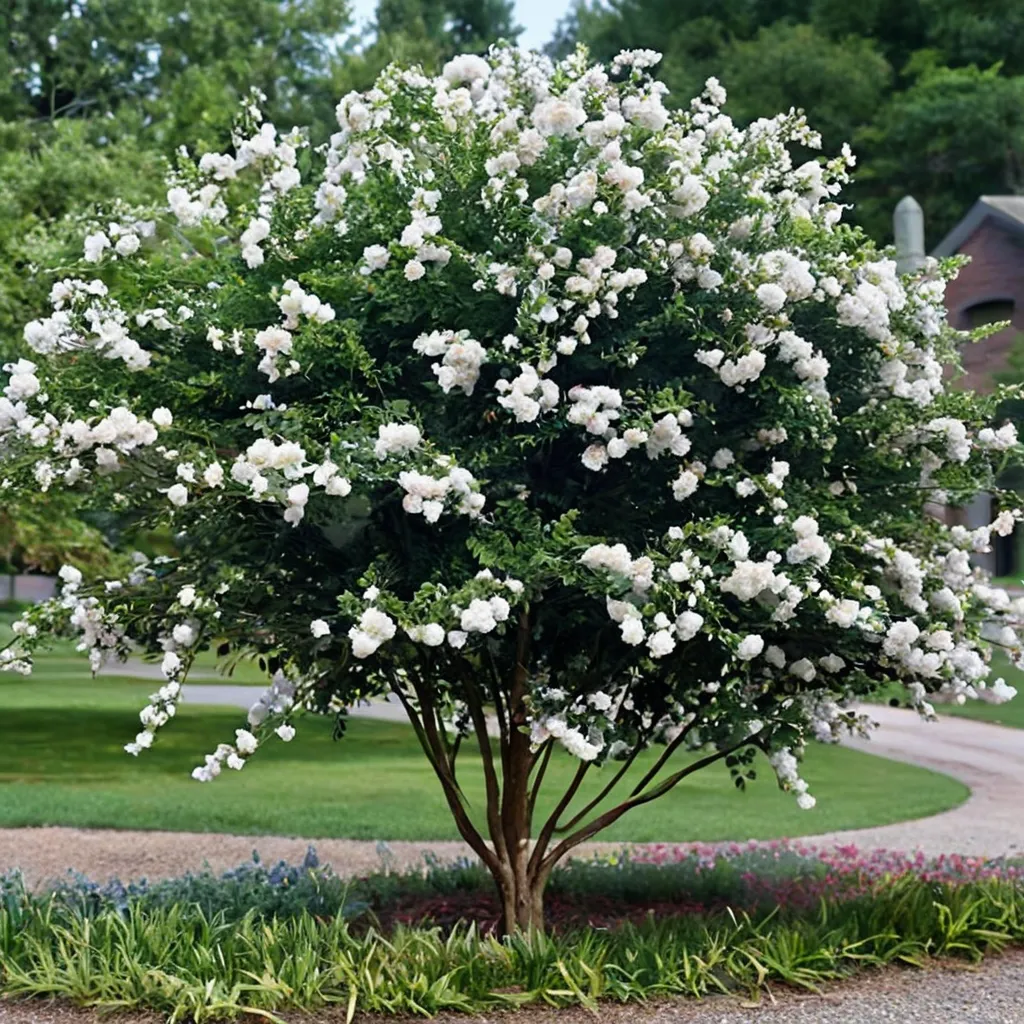
Acoma Crepe Myrtle
Lagerstroemia indica 'Acoma'
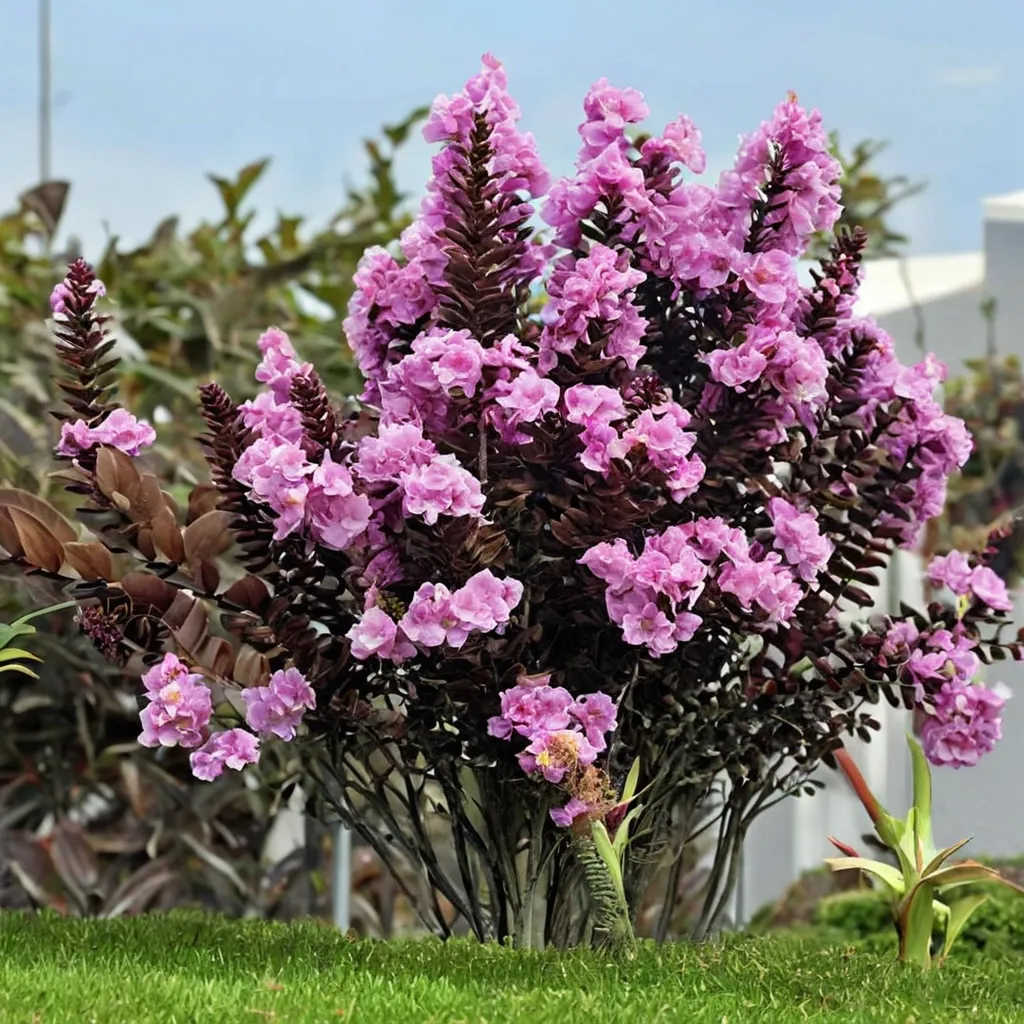
Crape Myrtle Delta Eclipse
Lagerstroemia indica 'Delta Eclipse'
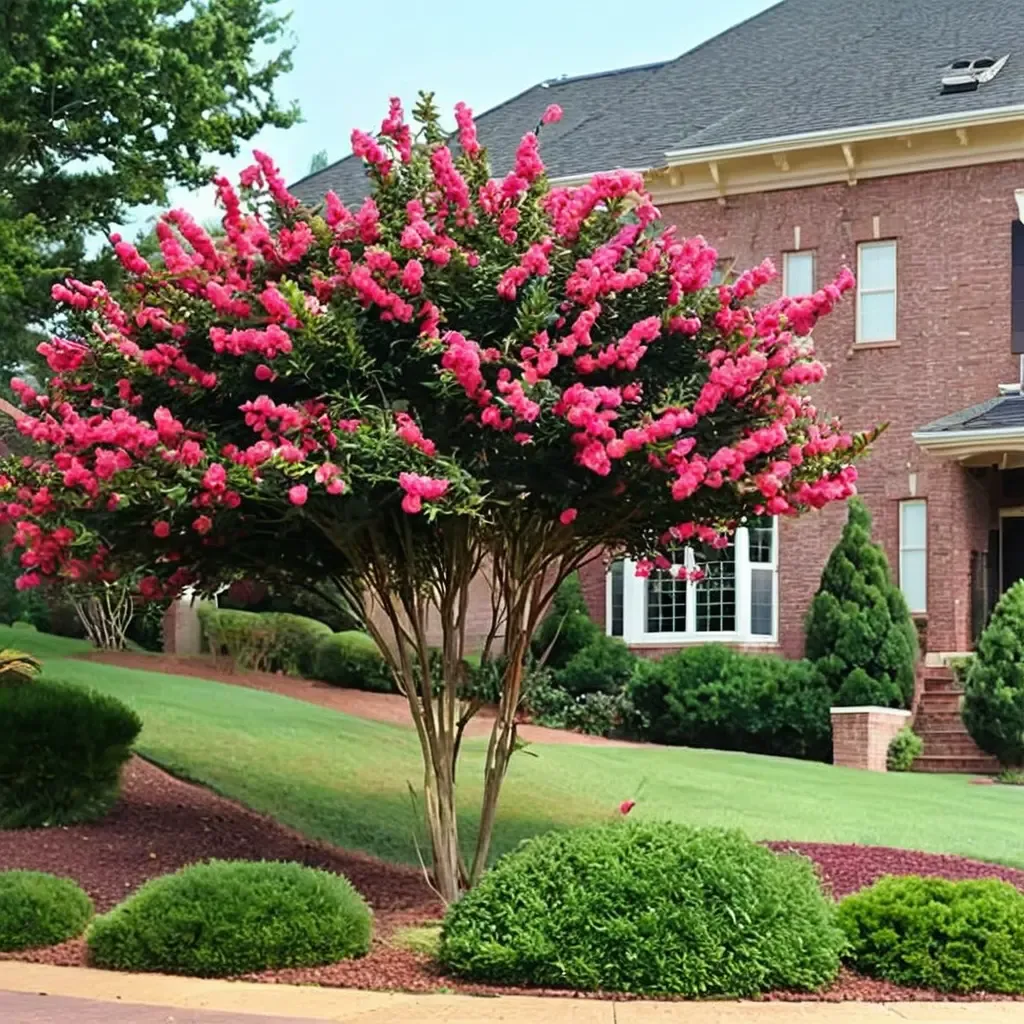
Tonto Crape Myrtle
Lagerstroemia indica 'Tonto Hardy'
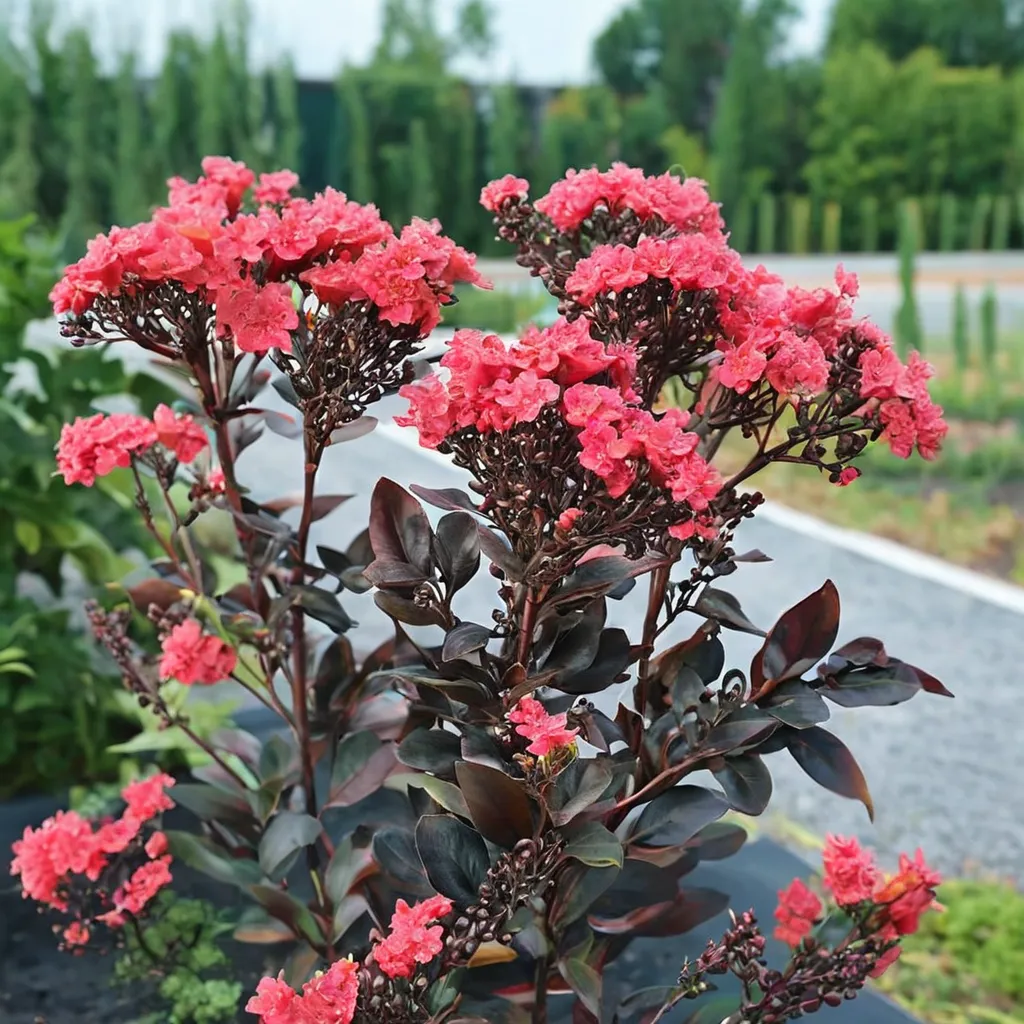
Center Stage Pink Crape Myrtle
Lagerstroemia indica 'Center Stage Pink'
Keep exploring
Explore the genus
Hardy in your zone?
Grow Crape Myrtle with confidence
See it in a design of your actual yard, get zone-matched care reminders, and track it season by season in your garden journal.