Species
43 other cultivars
- ‘Tonto’Tonto Indian Crapemyrtle
- ‘Northern Belle’Northern Belle Crape Myrtle
- ‘Acoma’Acoma Crepe Myrtle
- ‘Delta Eclipse’Crape Myrtle Delta Eclipse
- ‘Tonto Hardy’Tonto Crape Myrtle
- ‘Center Stage Pink’Center Stage Pink Crape Myrtle
- ‘Dark Roast’Crape Myrtle Dark Roast
- ‘Zuni’Crape Myrtle Zuni
- ‘Cherry Mocha’Cherry Mocha Crape Myrtle
- ‘Center Stage Coral’Center Stage Coral Crapemyrtle
- ‘Enduring Summer’Enduring Summer Crape Myrtle
- ‘Best Red’Black Diamond Best Red Crape Myrtle
- ‘Moonlight Magic’Moonlight Magic Crape Myrtle
- ‘Miss Frances’Miss Frances Crape Myrtle
- ‘Center Stage Red’Center Stage Red Crapemyrtle
- ‘Northern Belle Hardy Hot Pink’Northern Belle Crape Myrtle
- ‘Potomac’Potomac Crape Myrtle
- ‘Whit Iv’Whit Iv Pink Velour Crapemyrtle
- ‘Hopi’Hopi Crape Myrtle
- ‘Pocomoke’Pocomoke Crape Myrtle
- ‘Perky Pink’Perky Pink Crape Myrtle
- ‘Purely Purple’Black Diamond Purely Purple Crape Myrtle
- ‘Jm4’Jm4 Mesmerizing Magenta Crape Myrtle
- ‘Twilight’Twilight Crape Myrtle
- ‘Thunderstruck Lavender Skies’Thunderstruck Lavender Skies Crapemyrtle
- ‘Ebony And Ivory’Ebony and Ivory Crape Myrtle
- ‘Catawba’Catawba Crape Myrtle
- ‘Purple Magic’Purple Magic Crapemyrtle
- ‘Midnight Magic’Midnight Magic Crape Myrtle
- ‘Rhapsody In Pink’Rhapsody in Pink Crape Myrtle
- ‘Sarah’Sarah Crape Myrtle
- ‘Jm1’Jm1 Mesmerizing Magenta Crapemyrtle
- ‘Autaugaville Purple’Autaugaville Purple Crape Myrtle
- ‘Colorama Scarlet’Colorama Scarlet Crape Myrtle
- ‘Whit Ii’Dynamite Crape Myrtle
- ‘Whit Iii’Whit Iii Pink Velour Crapemyrtle
- ‘Mystic Magenta’Mystic Magenta Crape Myrtle
- ‘Hardy Lavender’Hardy Lavender Crape Myrtle
- ‘Shell Pink’Crape Myrtle 'Shell Pink'
- ‘Pure White’Pure White Crape Myrtle
- ‘Blush’Blush Crape Myrtle
- ‘Carolina Beauty’Carolina Beauty Crape Myrtle
- ‘Red Hot’Red Hot Crape Myrtle
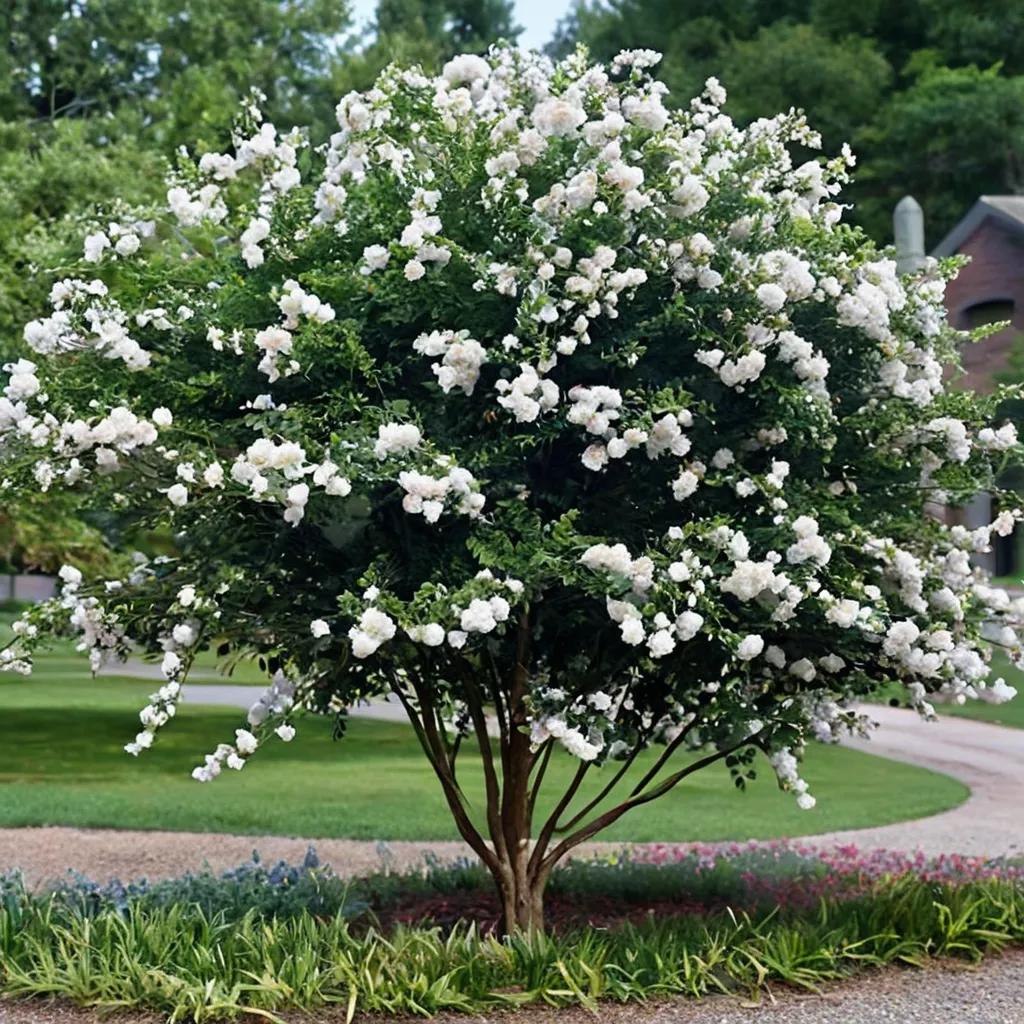
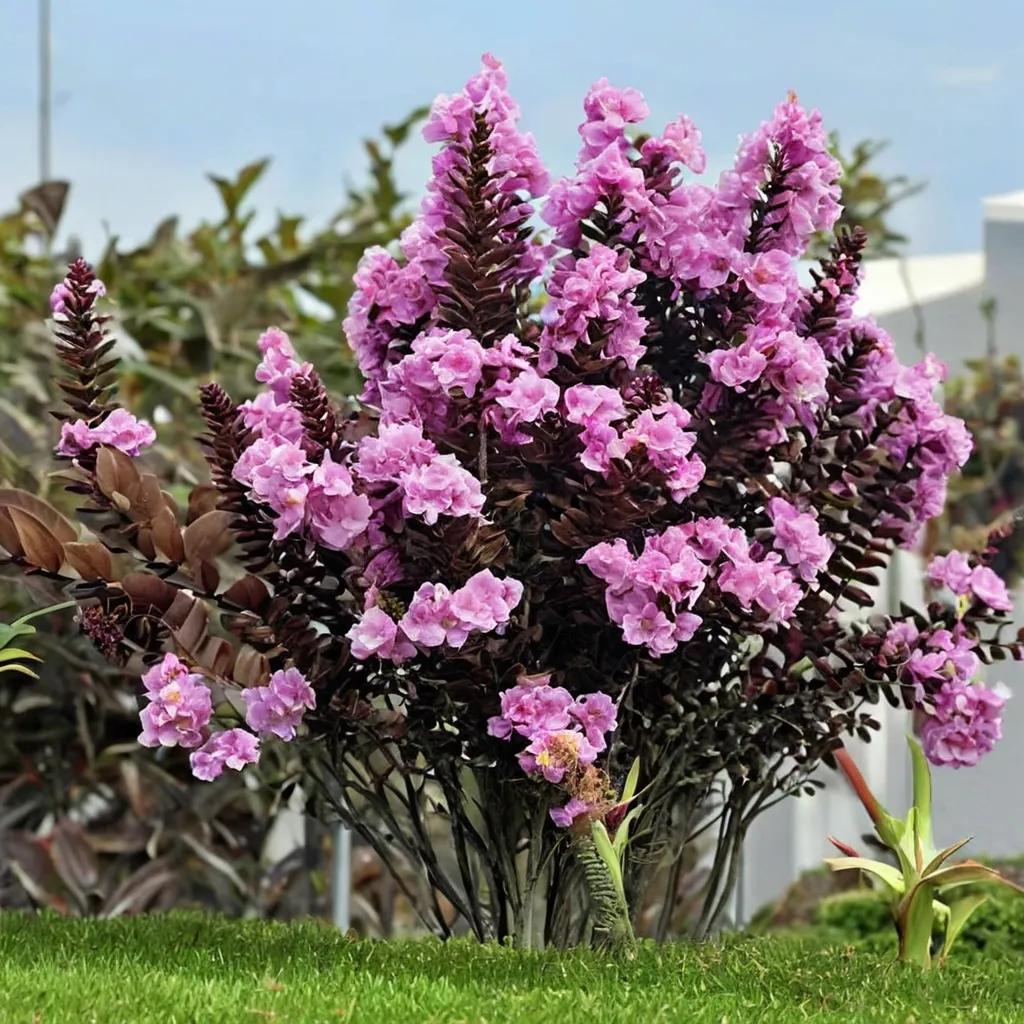
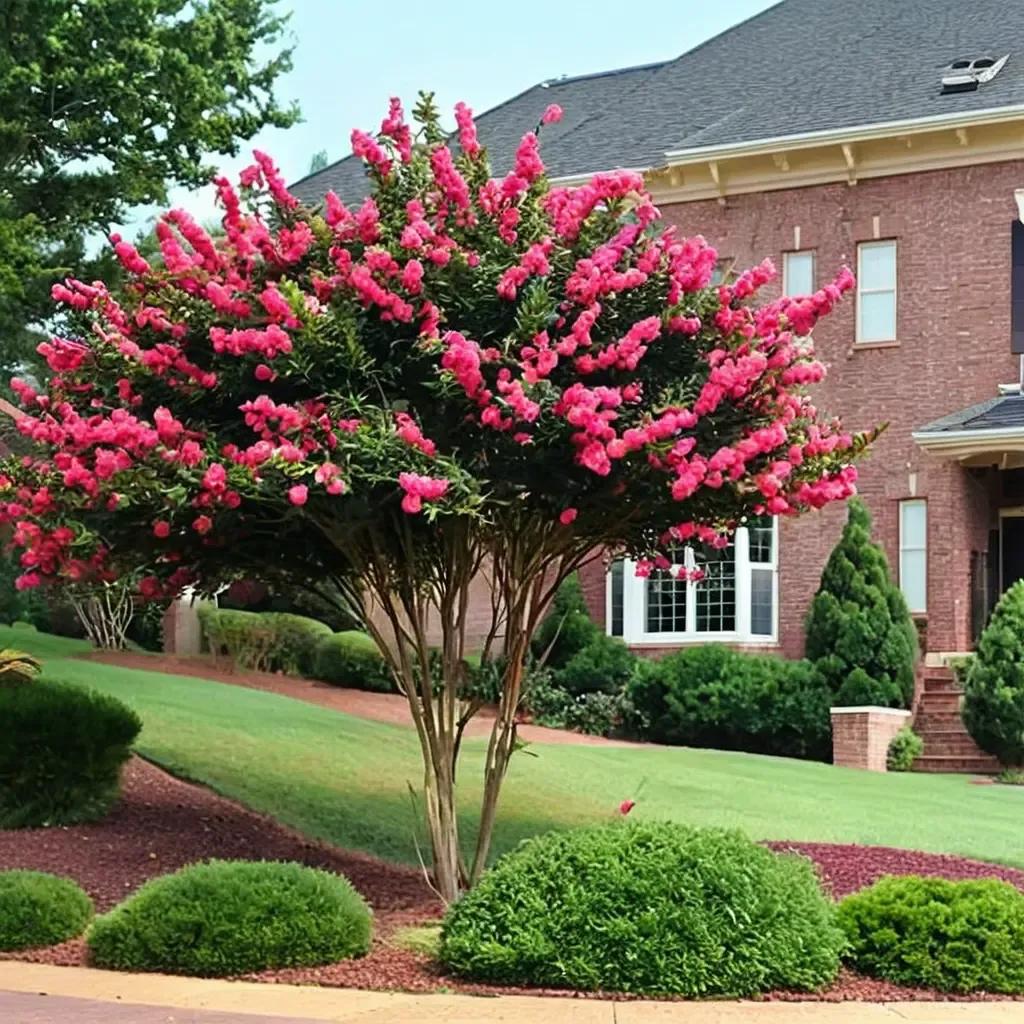


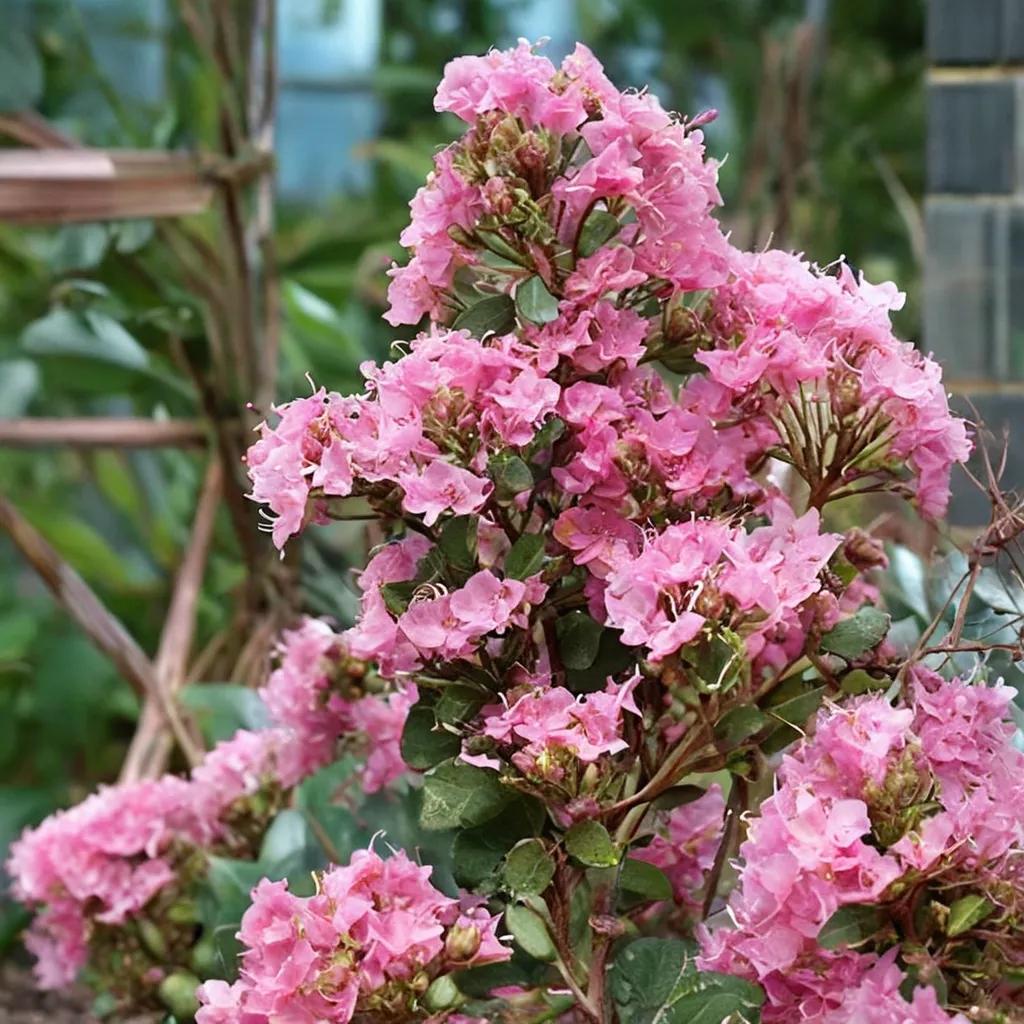


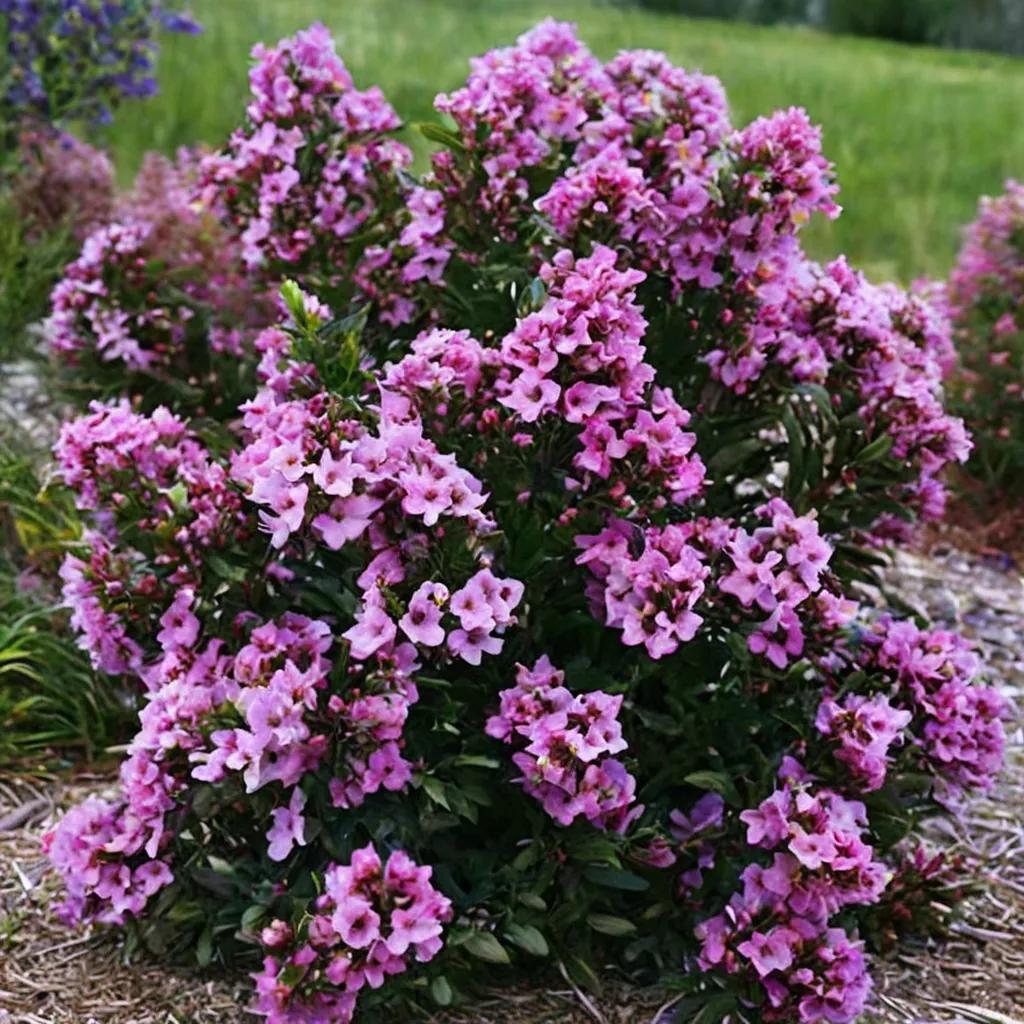
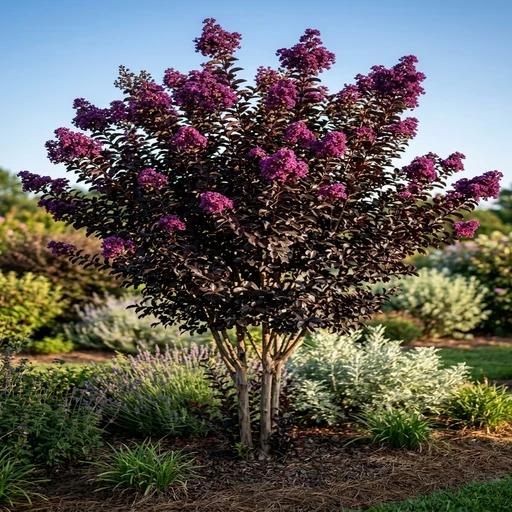


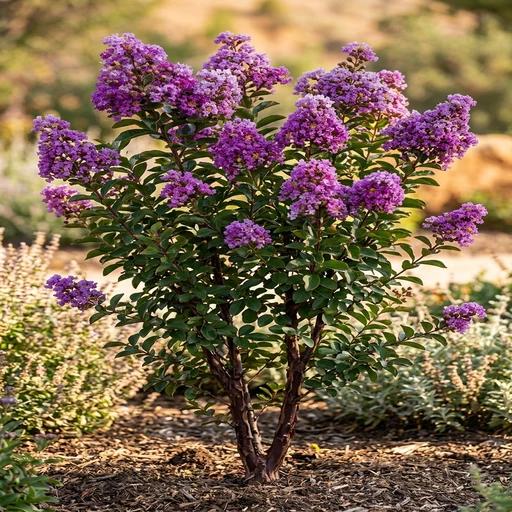
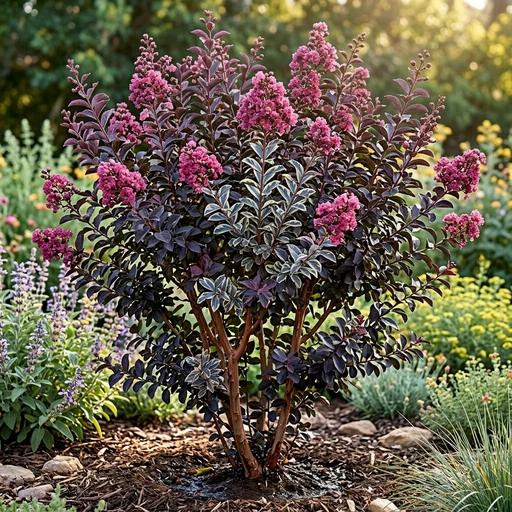
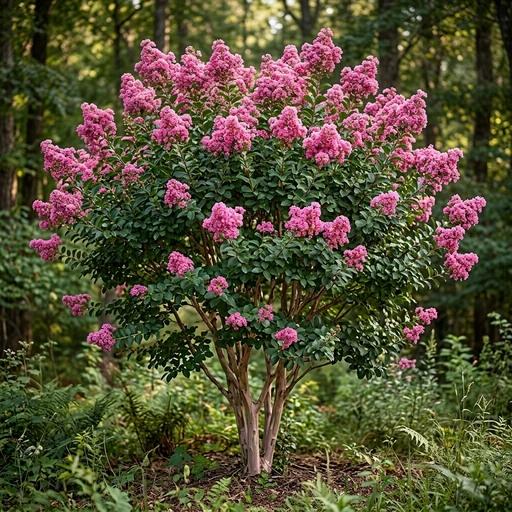




The Story
Plant Bio
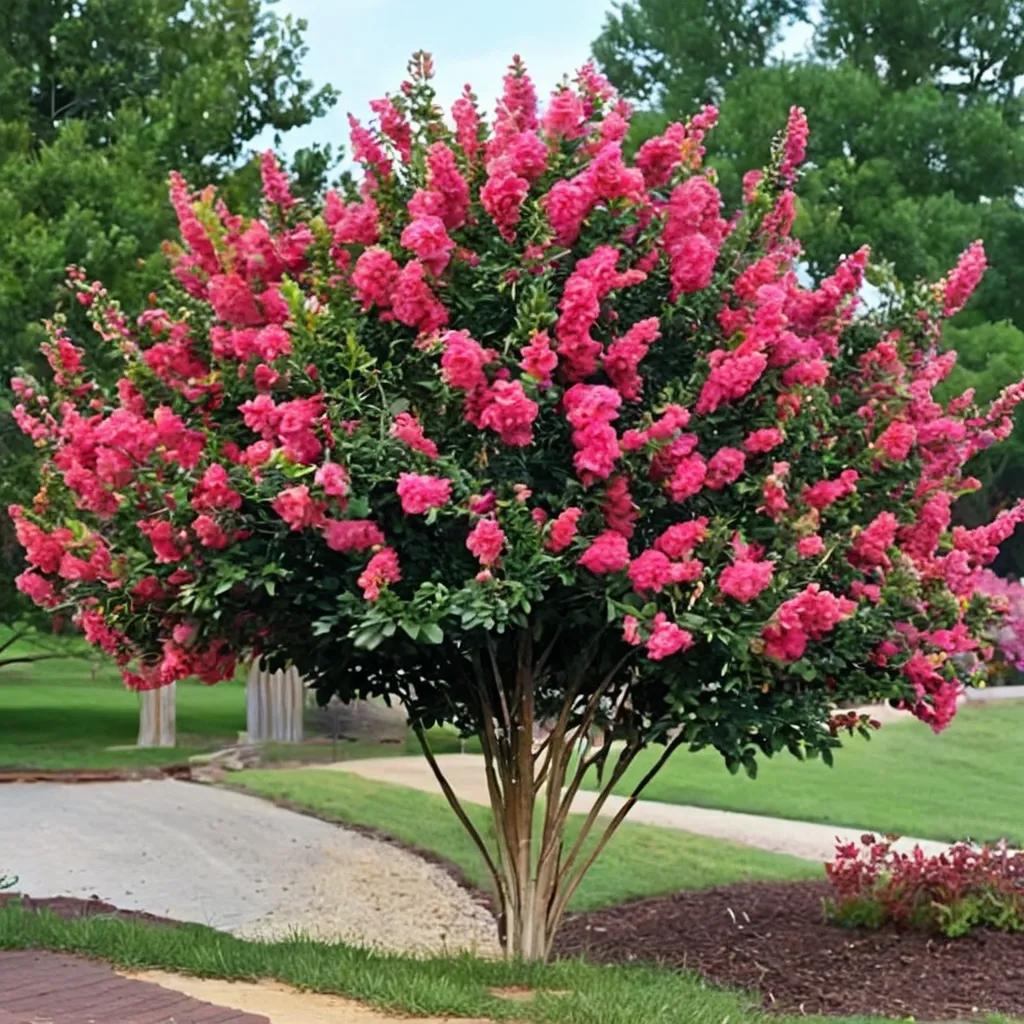
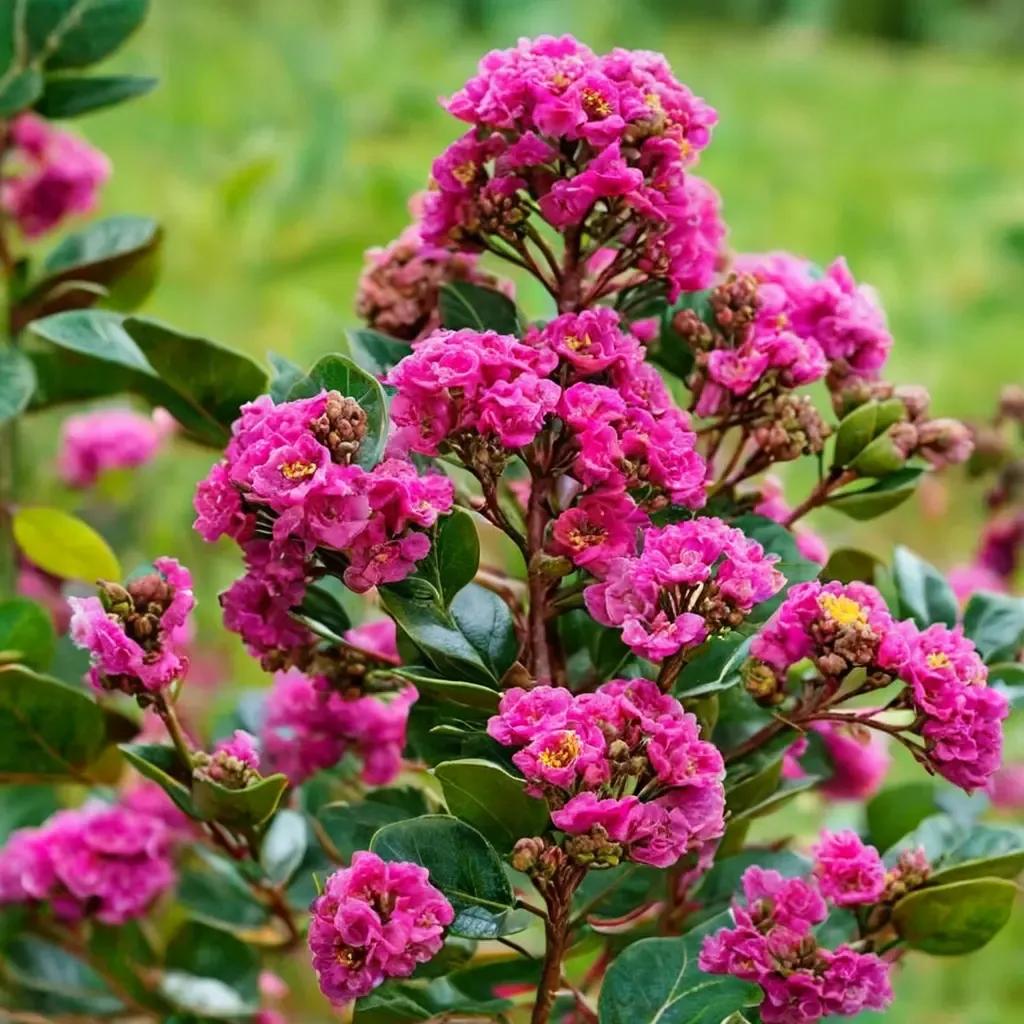
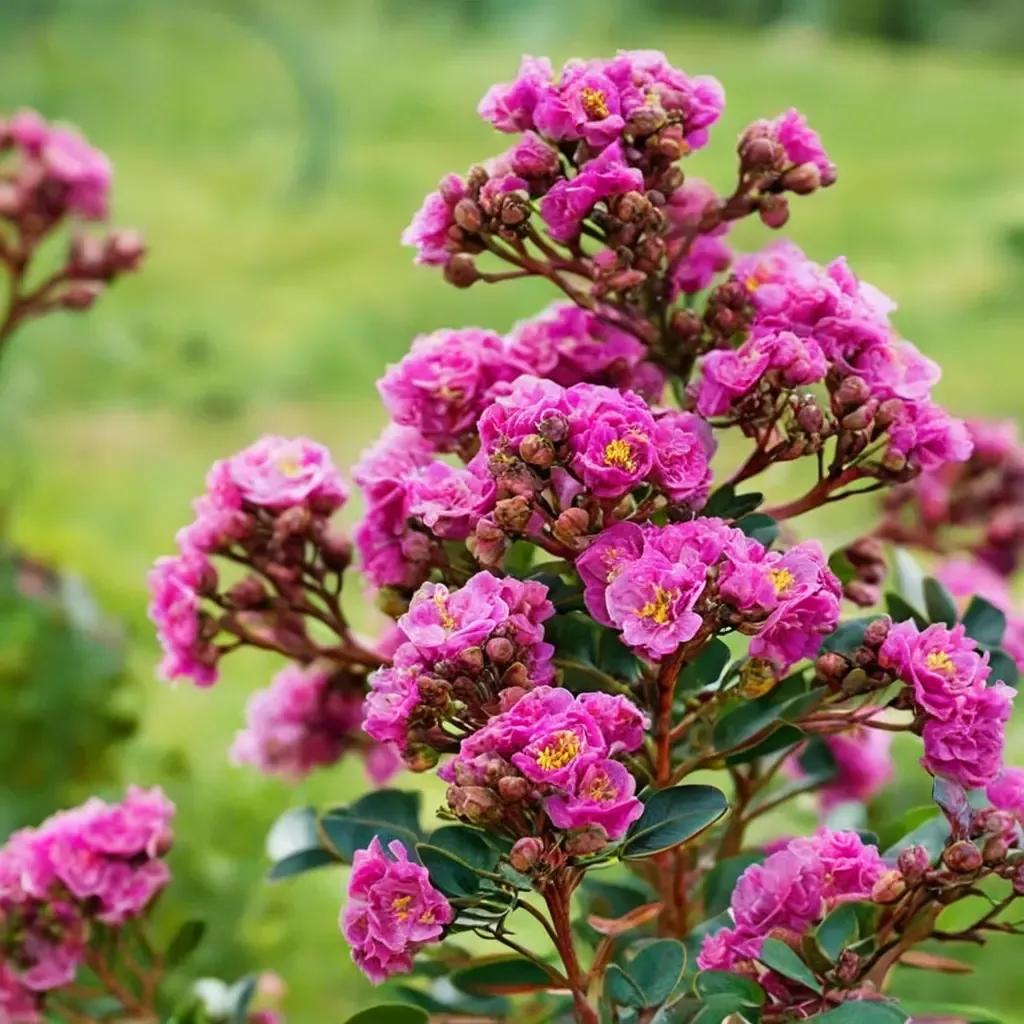
Lagerstroemia indica, commonly known as crape myrtle, is a multi-stemmed deciduous shrub native to Asia. It features smooth bark and produces large terminal panicles of crinkled, paper-like blossoms throughout the hottest months of the year.
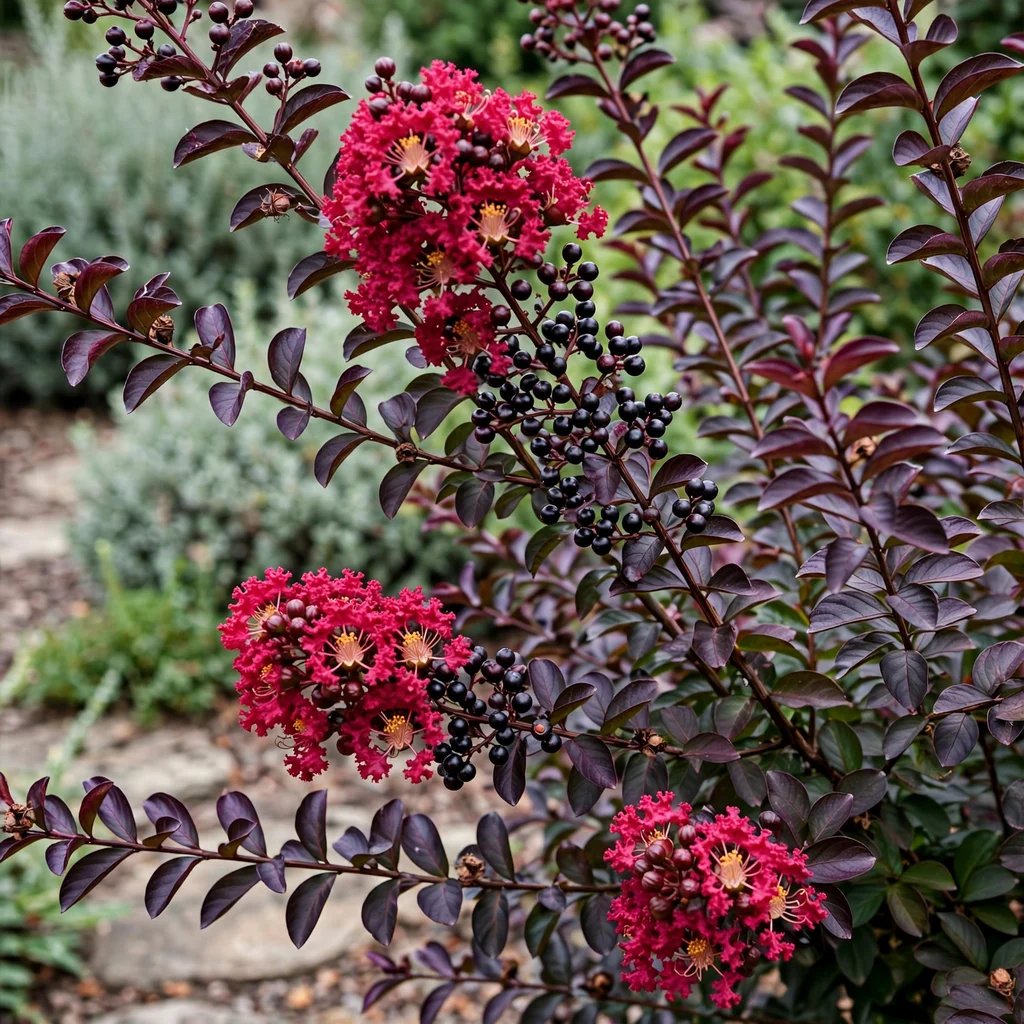
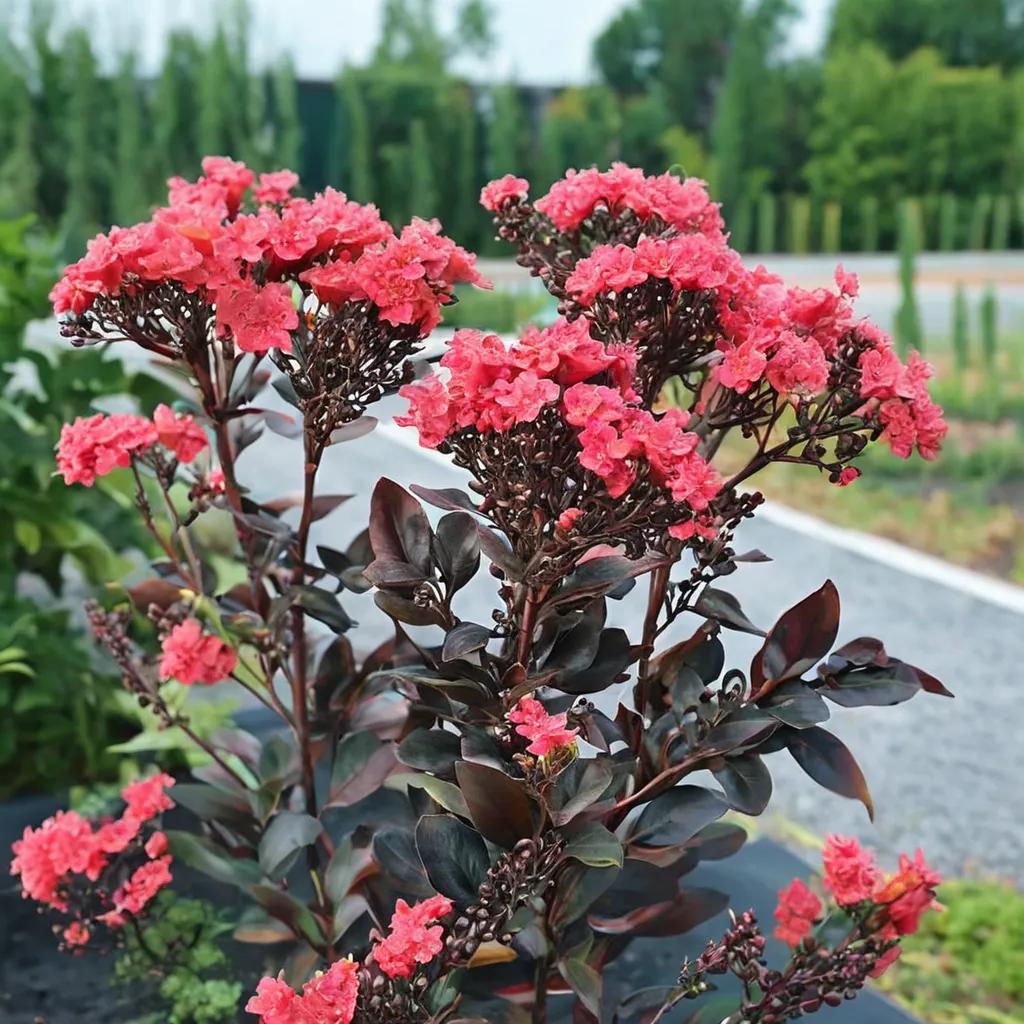
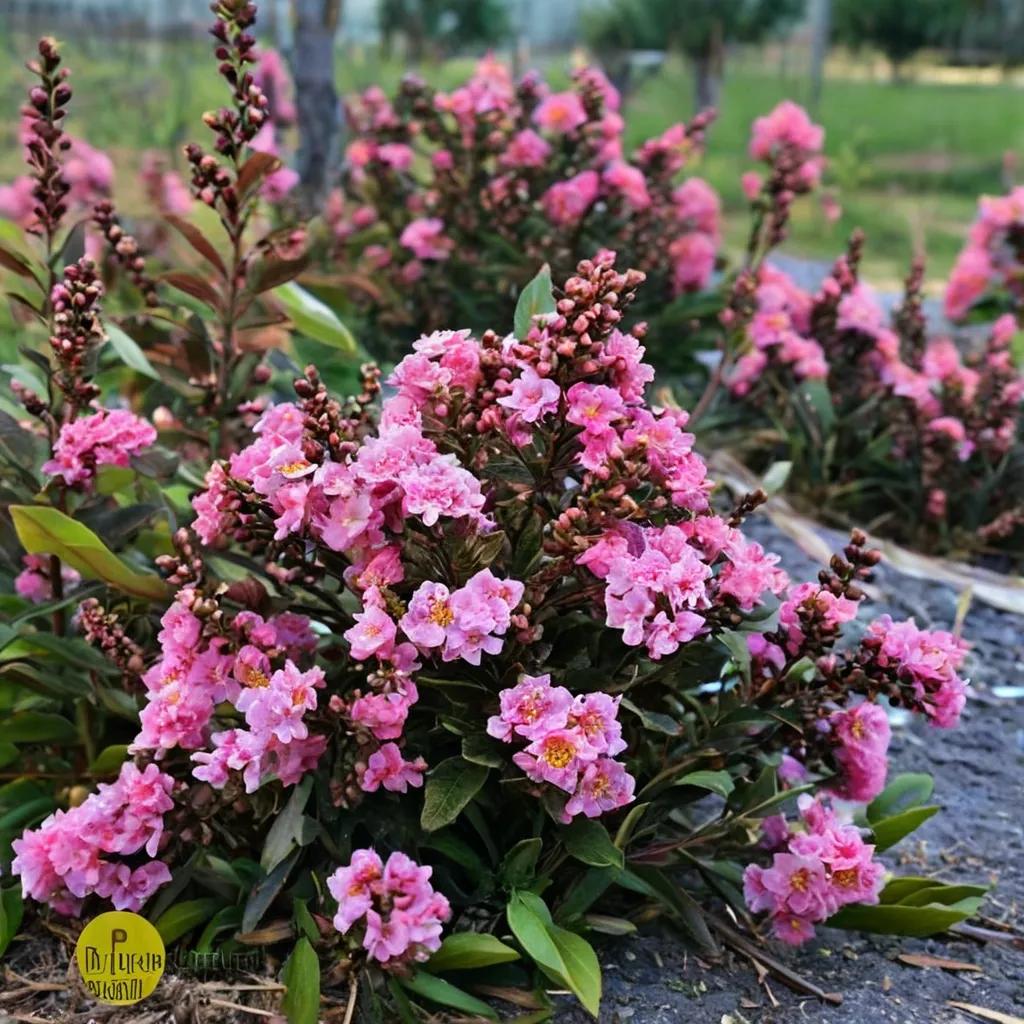
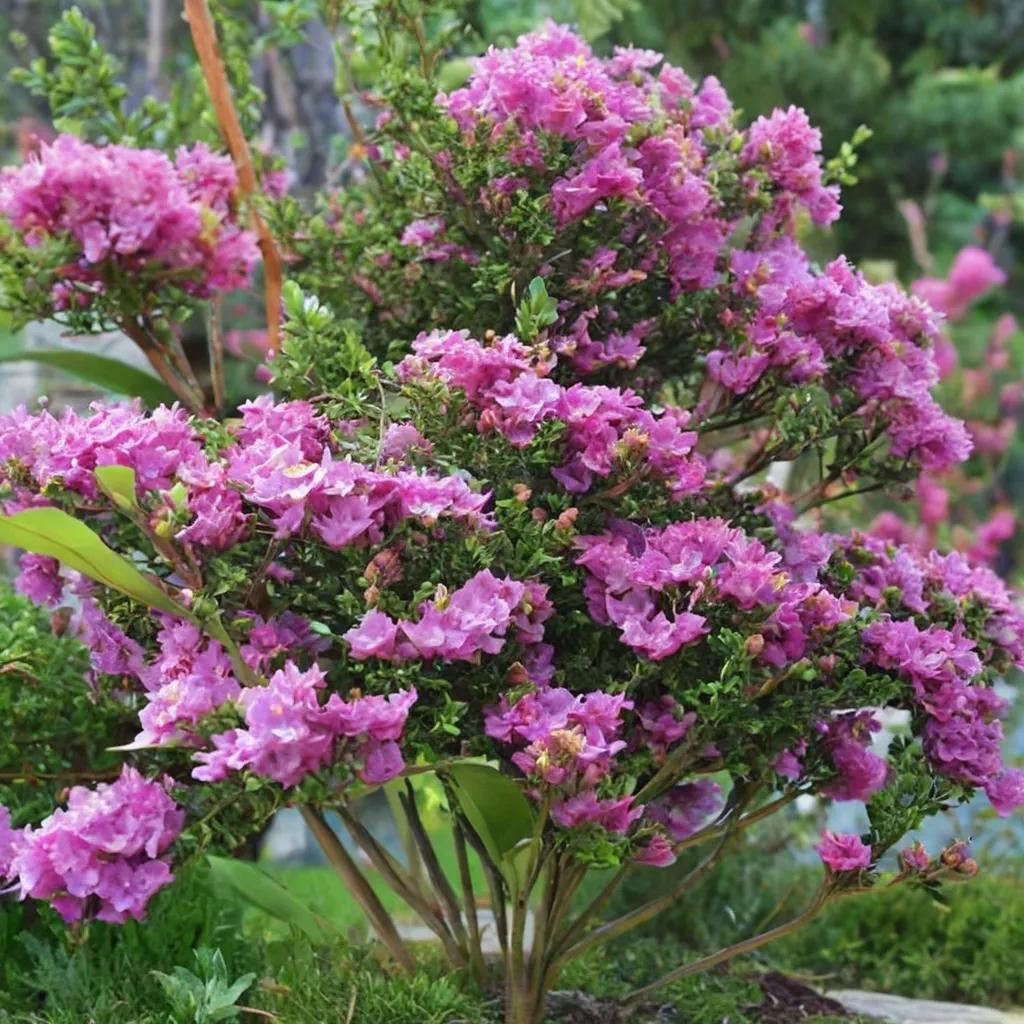
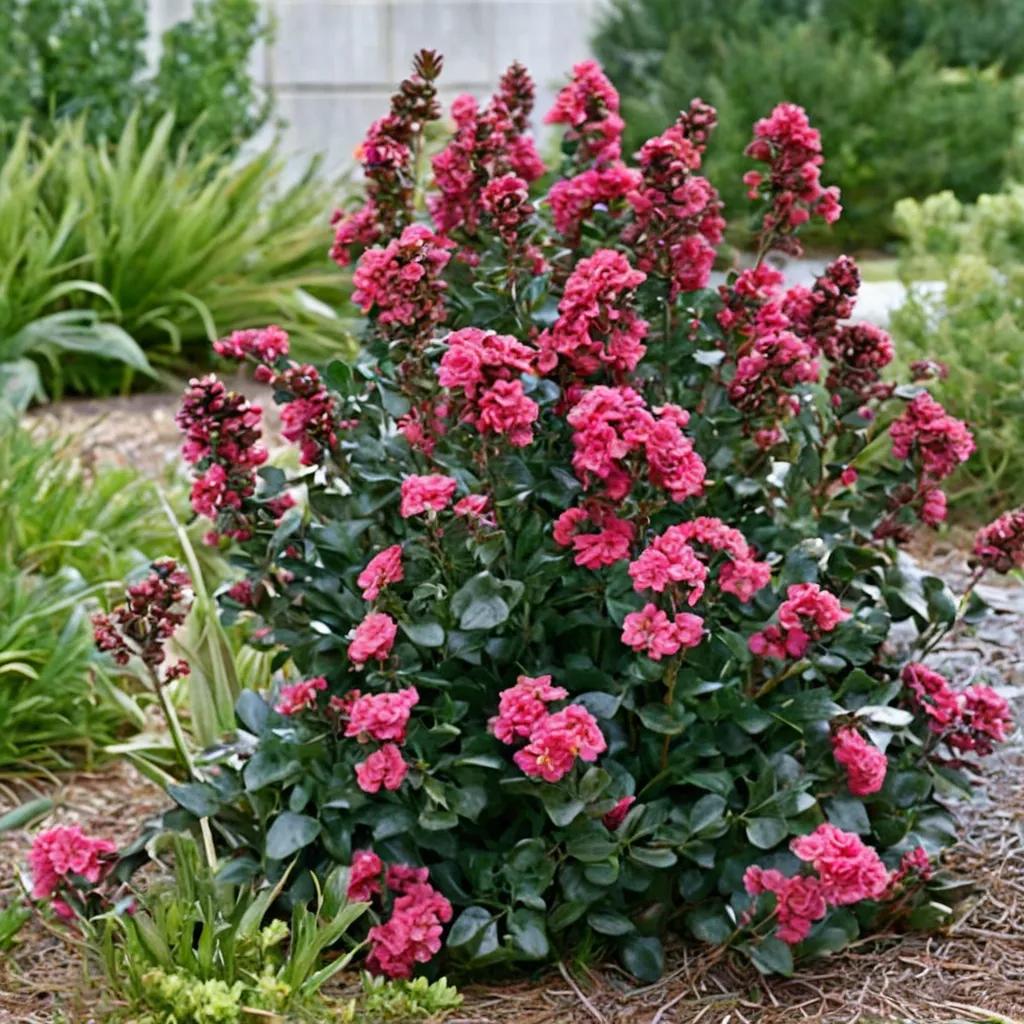
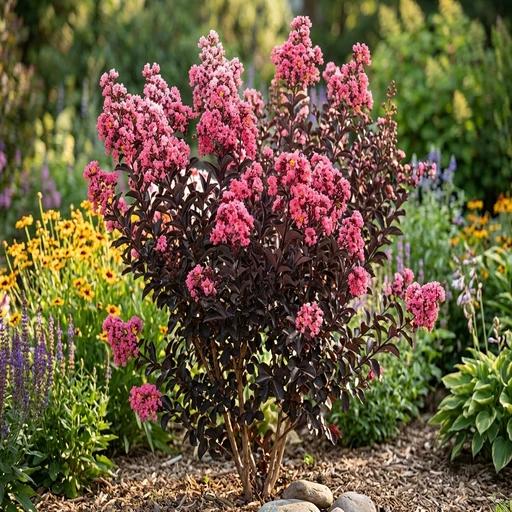
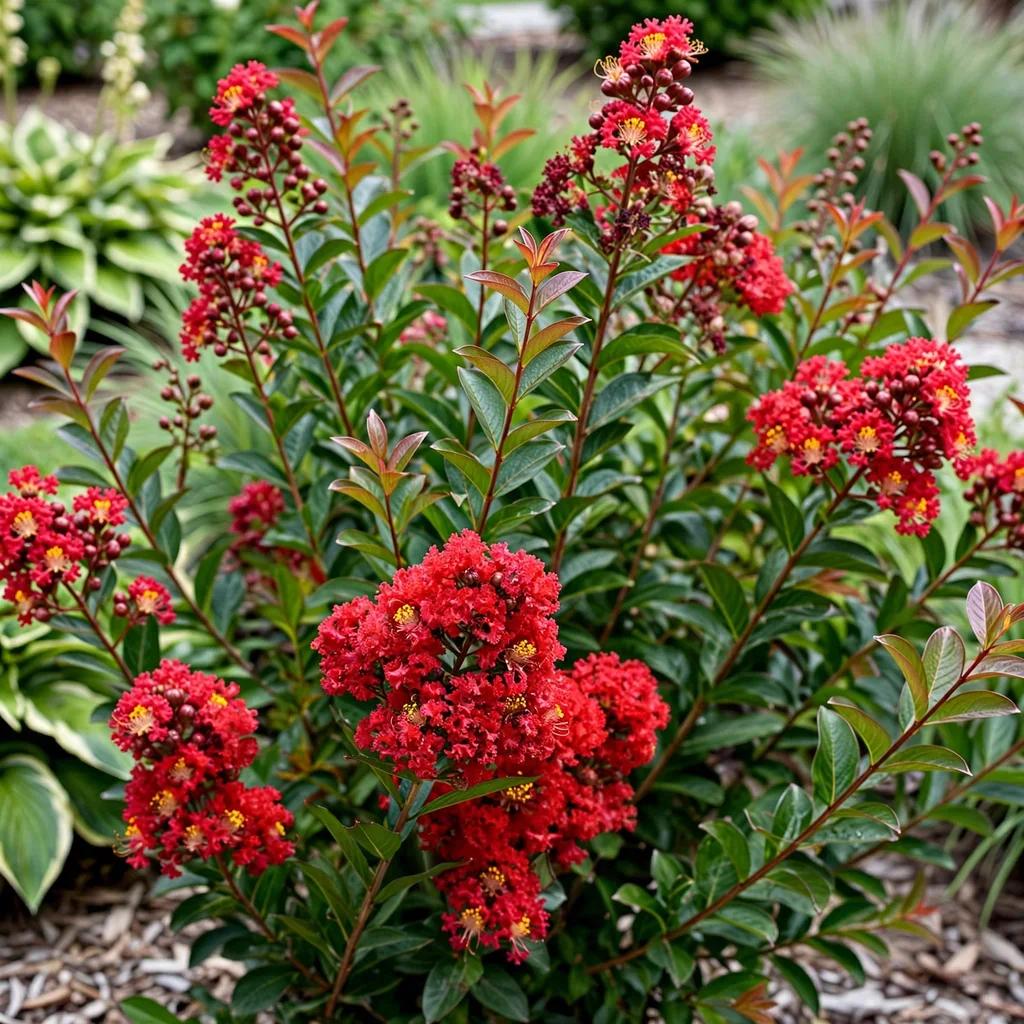
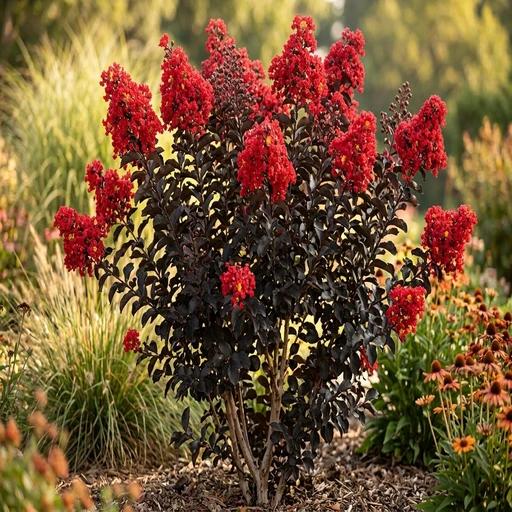
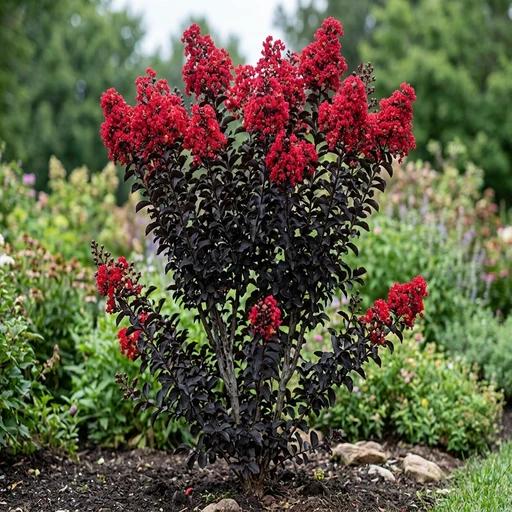
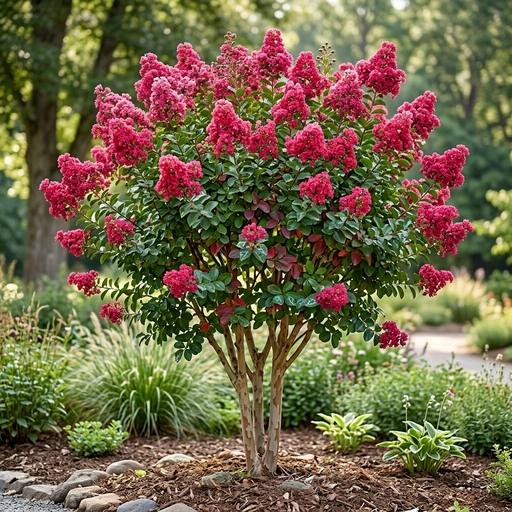
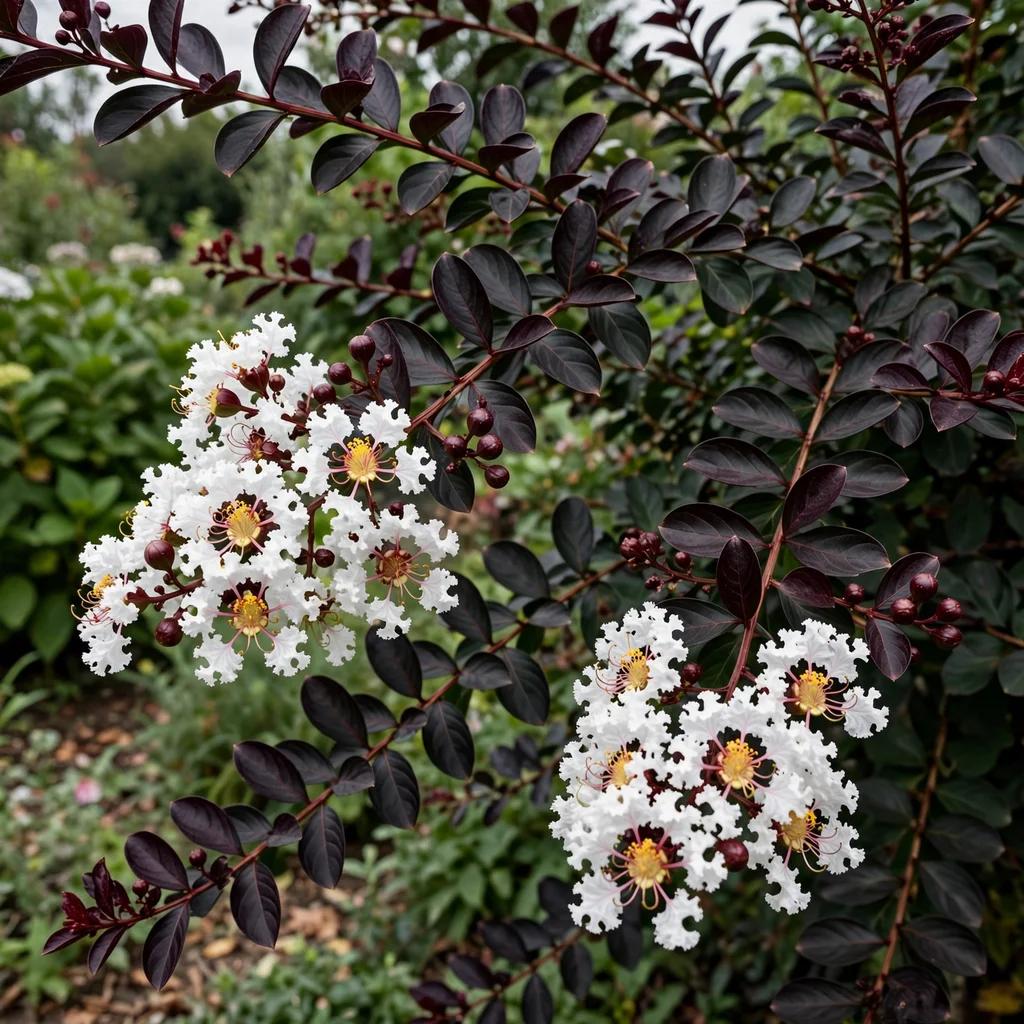
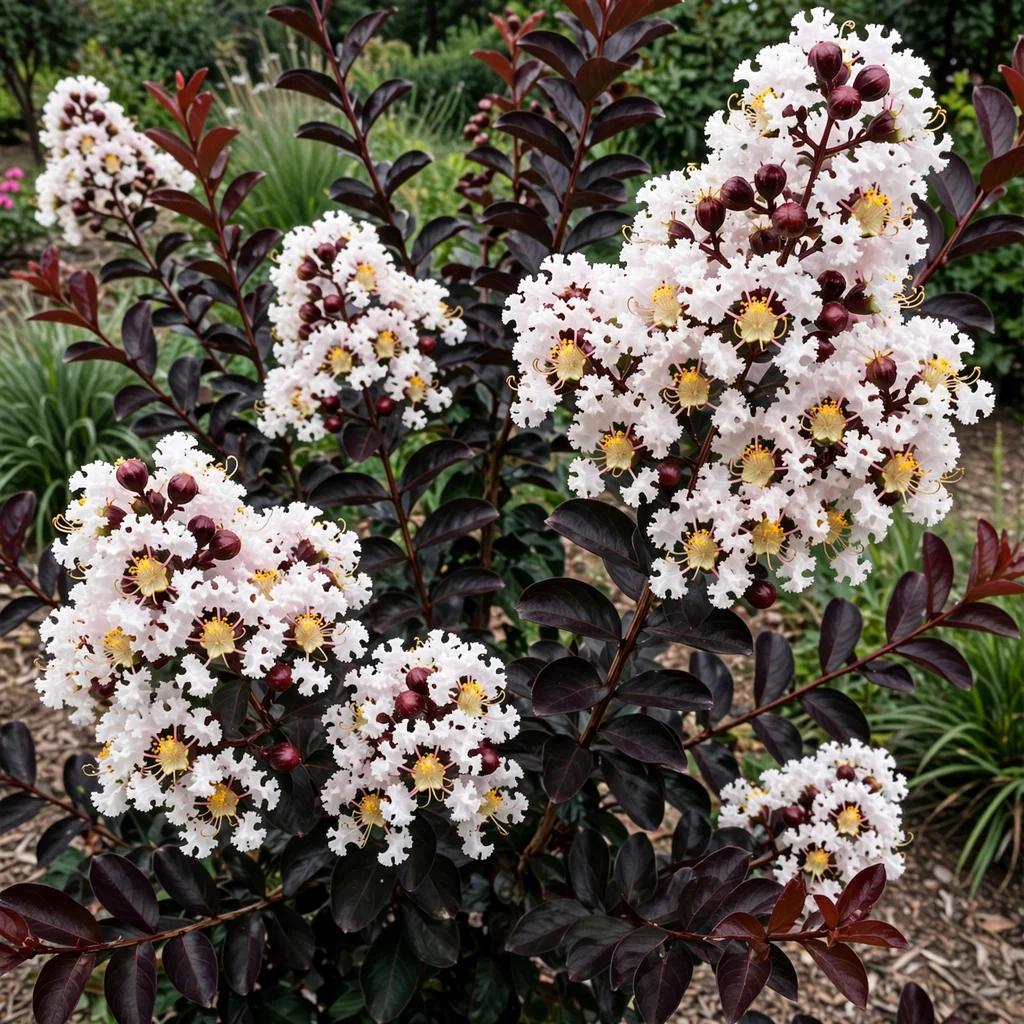
'Double Feature' is a compact, multi-stemmed shrub whose dark green foliage emerges in dark tones before maturing. It produces rich cranberry-red flower panicles continuously through summer and fall without setting seed.
Uses & Benefits:
Essentials
At a Glance
Plant Type
Shrub
Height
62"
Width
66"
Light
Full Sun
Zones
6, 7, 8, 9
Water
Low to Moderate
Humidity
High
Lifespan
Perennial
Native To
Asia
Toxicity
Non-toxic
Bloom period
Summer – Fall
In flower about 6 months of the year
Marketplace
Where to Buy
Shipping costs Year-round shipping Free shipping
Planting
How to Grow
- Select a site in full sun with fertile, well-draining soil.
- Dig a hole twice as wide as the root ball and set the crown level with the soil surface.
- Backfill with native soil, press firmly, and water deeply to settle the roots.
- Apply a two-inch layer of organic mulch around the base, keeping it clear of the main stems.
- Water regularly during the first growing season until the root system is established.
Pro Tip
Avoid severe topping or trunk hacking; removing structural limbs creates weak water sprouts and delays flowering, so restrict pruning to removing interior dead wood in late winter.
Keep It Thriving
Care Guide
Do
- Plant in a location that receives at least six hours of direct full sun daily.
- Prune minimally in late winter to shape or remove dead and crossing branches.
- Apply a balanced, slow-release fertilizer sparingly in early spring.
Don't
- Never cut main structural trunks back to thick knobs, which ruins the shrub framework.
- Do not plant in wet or waterlogged soil where roots will rot.
- Avoid heavy high-nitrogen fertilizers that promote weak leafy growth at the expense of bloom.
Seasonal Care Calendar
| Task | Jan | Feb | Mar | Apr | May | Jun | Jul | Aug | Sep | Oct | Nov | Dec |
|---|---|---|---|---|---|---|---|---|---|---|---|---|
| Fertilize | ||||||||||||
| Mulch | ||||||||||||
| Pest Check | ||||||||||||
| Prune |
Watch Out For
Pests & Diseases
Common Pests
Common Diseases
In the Garden
Landscape Uses & Companions
Landscape Uses
Multiply
Propagation Methods
Good to Know
Common Questions
Double Feature Crape Myrtle questions
What zones can Double Feature Crape Myrtle grow in?
Double Feature Crape Myrtle is hardy in USDA Zones 6–9: in that range it survives winter in the ground. Colder than Zone 6, grow it in a container you can move to shelter for the winter. Warmer than Zone 9, winter isn't the problem: it prefers colder winters, and summer heat can shorten its life.
Is Double Feature Crape Myrtle deer resistant?
Not reliably. Deer may browse Double Feature Crape Myrtle, especially tender spring growth — plan on repellents or fencing where pressure is high.
When does Double Feature Crape Myrtle bloom?
Double Feature Crape Myrtle typically blooms from summer to fall. Exact timing shifts a week or two with your zone — Sow's bloom calendar maps it to your garden.
Does Double Feature Crape Myrtle need full sun?
Double Feature Crape Myrtle does best in full sun (6+ hours).
Is Double Feature Crape Myrtle drought tolerant?
Yes — once established (usually after the first full season), Double Feature Crape Myrtle handles dry spells with minimal watering. Water deeply its first year to build the root system that makes that possible.
More Lagerstroemia to compare
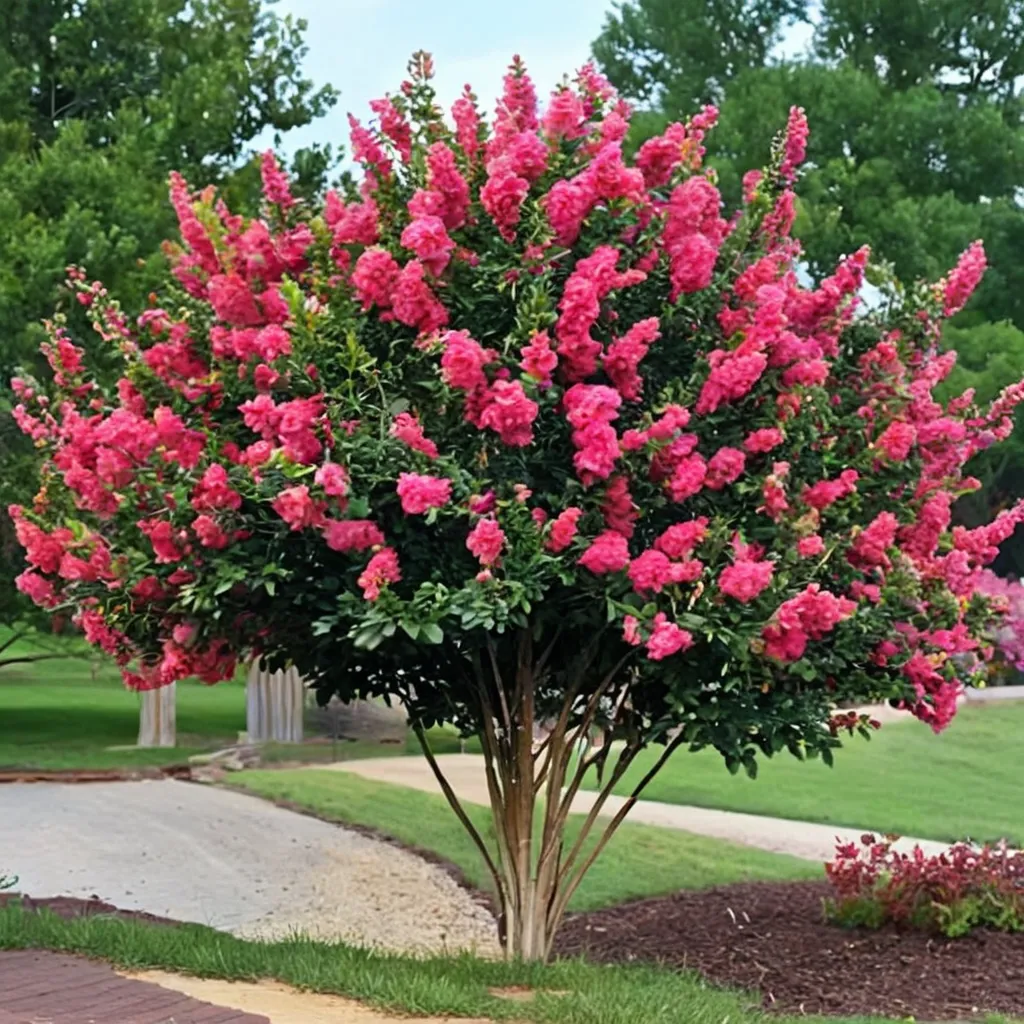
Tonto Indian Crapemyrtle
Lagerstroemia indica 'Tonto'
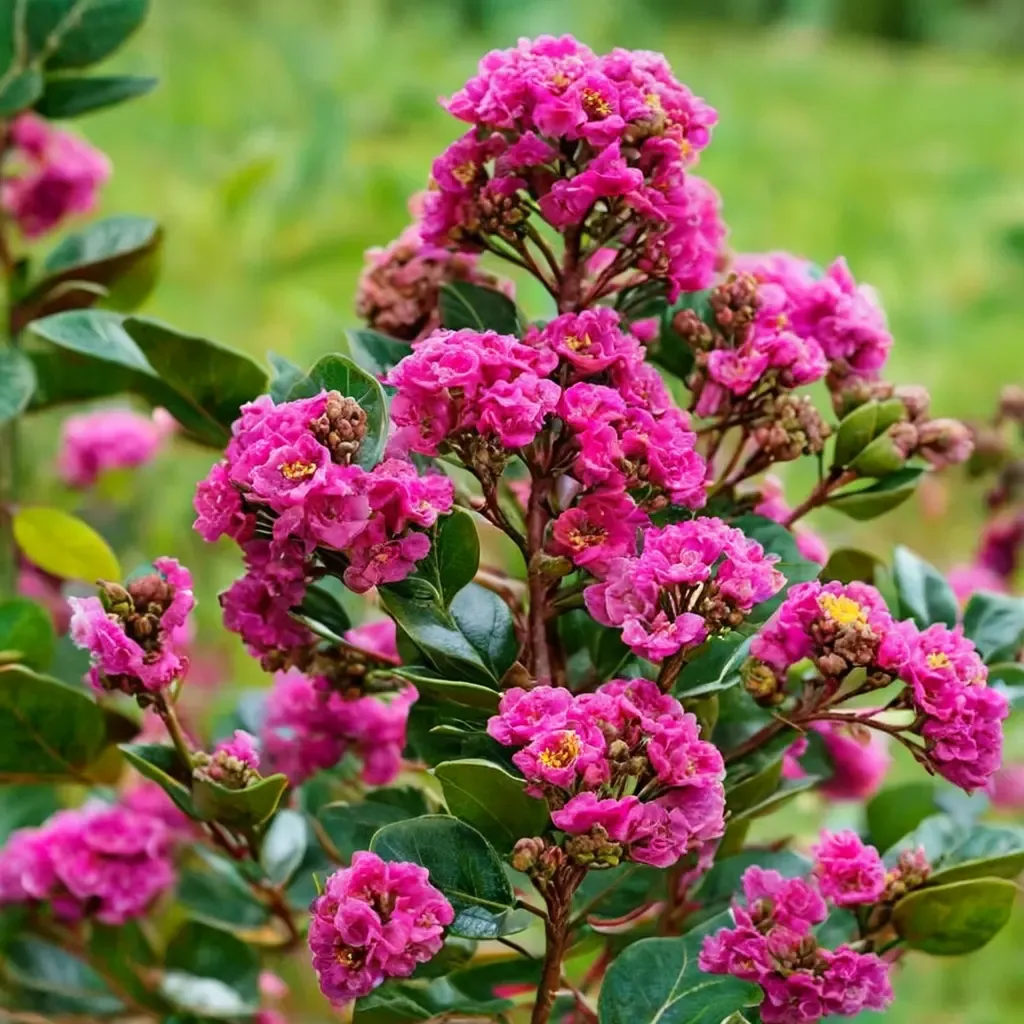
Northern Belle Crape Myrtle
Lagerstroemia indica 'Northern Belle'
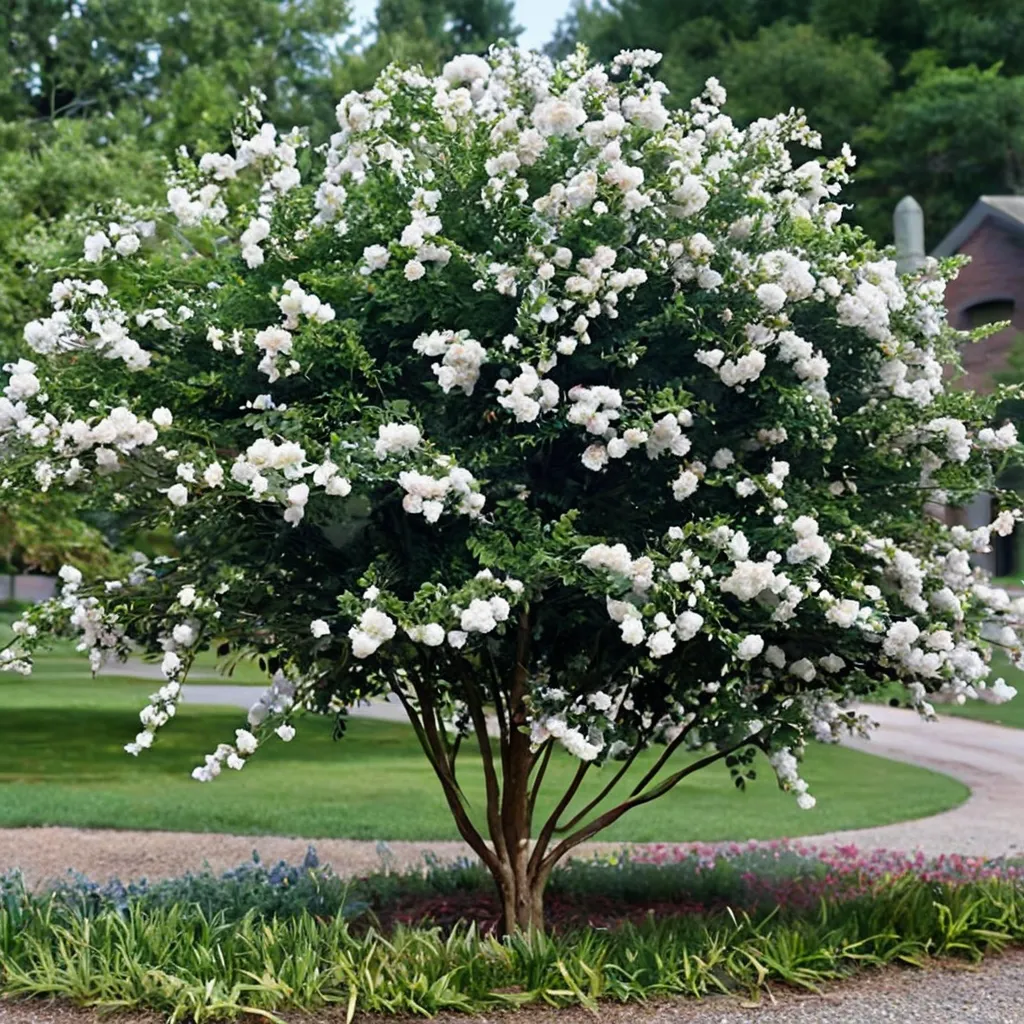
Acoma Crepe Myrtle
Lagerstroemia indica 'Acoma'
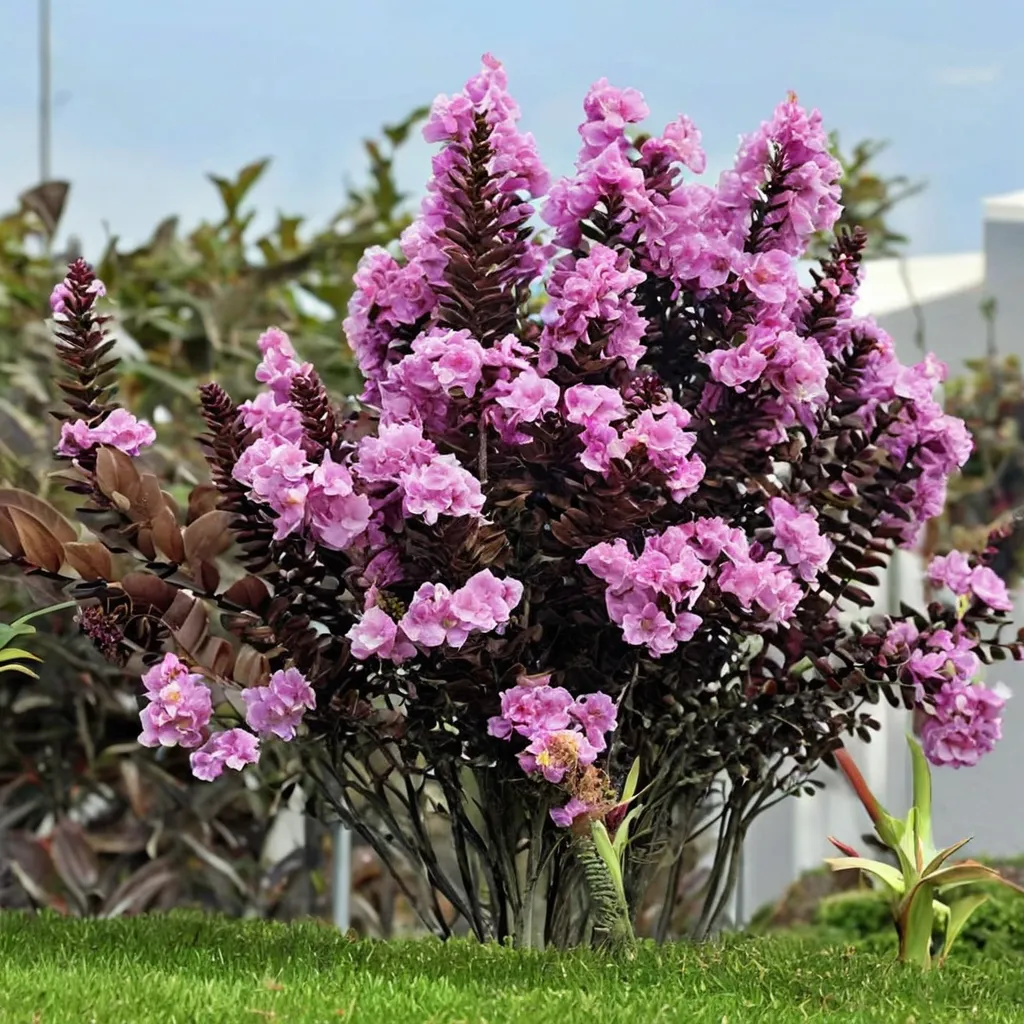
Crape Myrtle Delta Eclipse
Lagerstroemia indica 'Delta Eclipse'
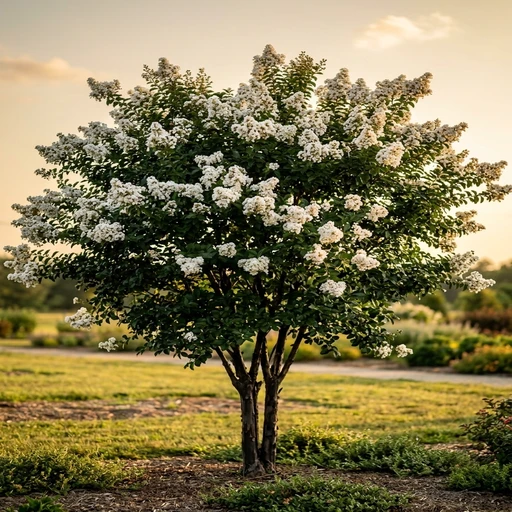
Natchez Crape Myrtle
Lagerstroemia x hybrida 'Natchez'
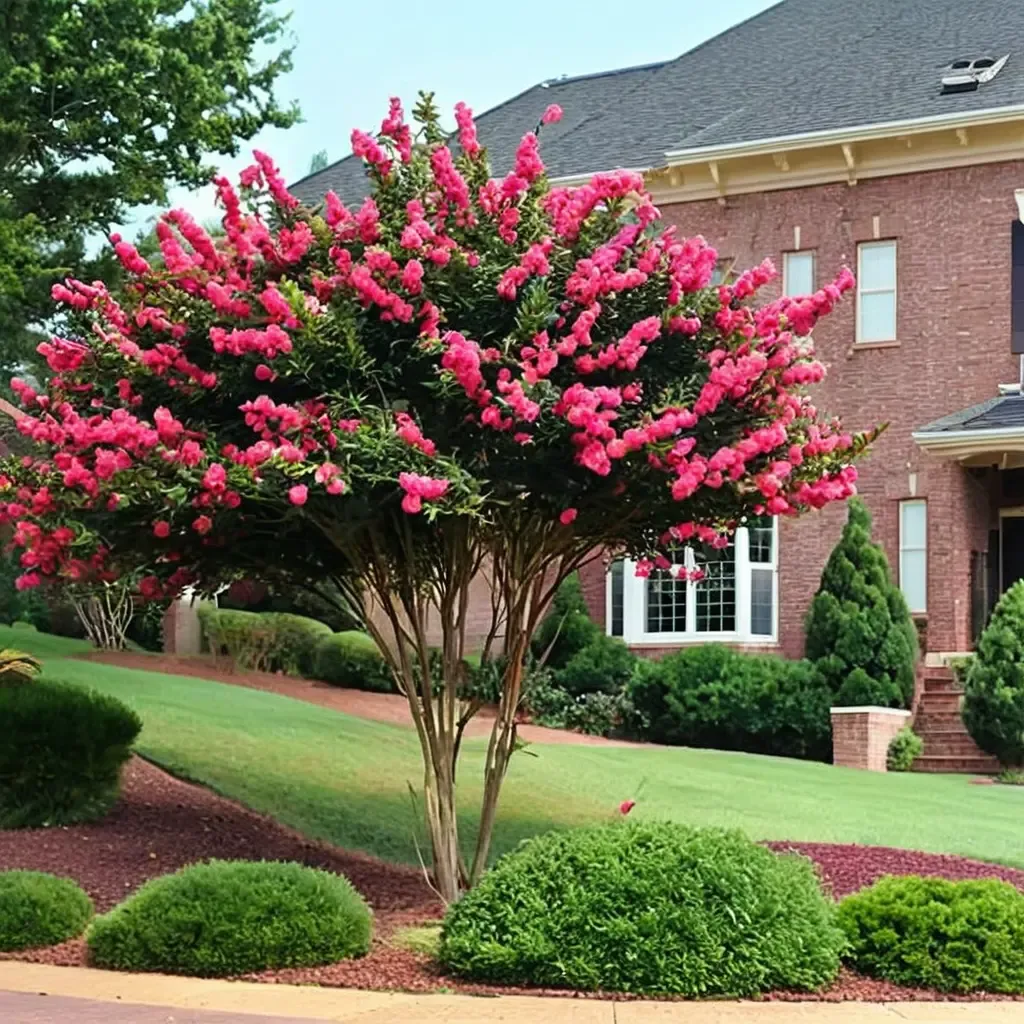
Tonto Crape Myrtle
Lagerstroemia indica 'Tonto Hardy'
Keep exploring
Explore the genus
Hardy in your zone?
Grow Double Feature Crape Myrtle with confidence
See it in a design of your actual yard, get zone-matched care reminders, and track it season by season in your garden journal.