
Species
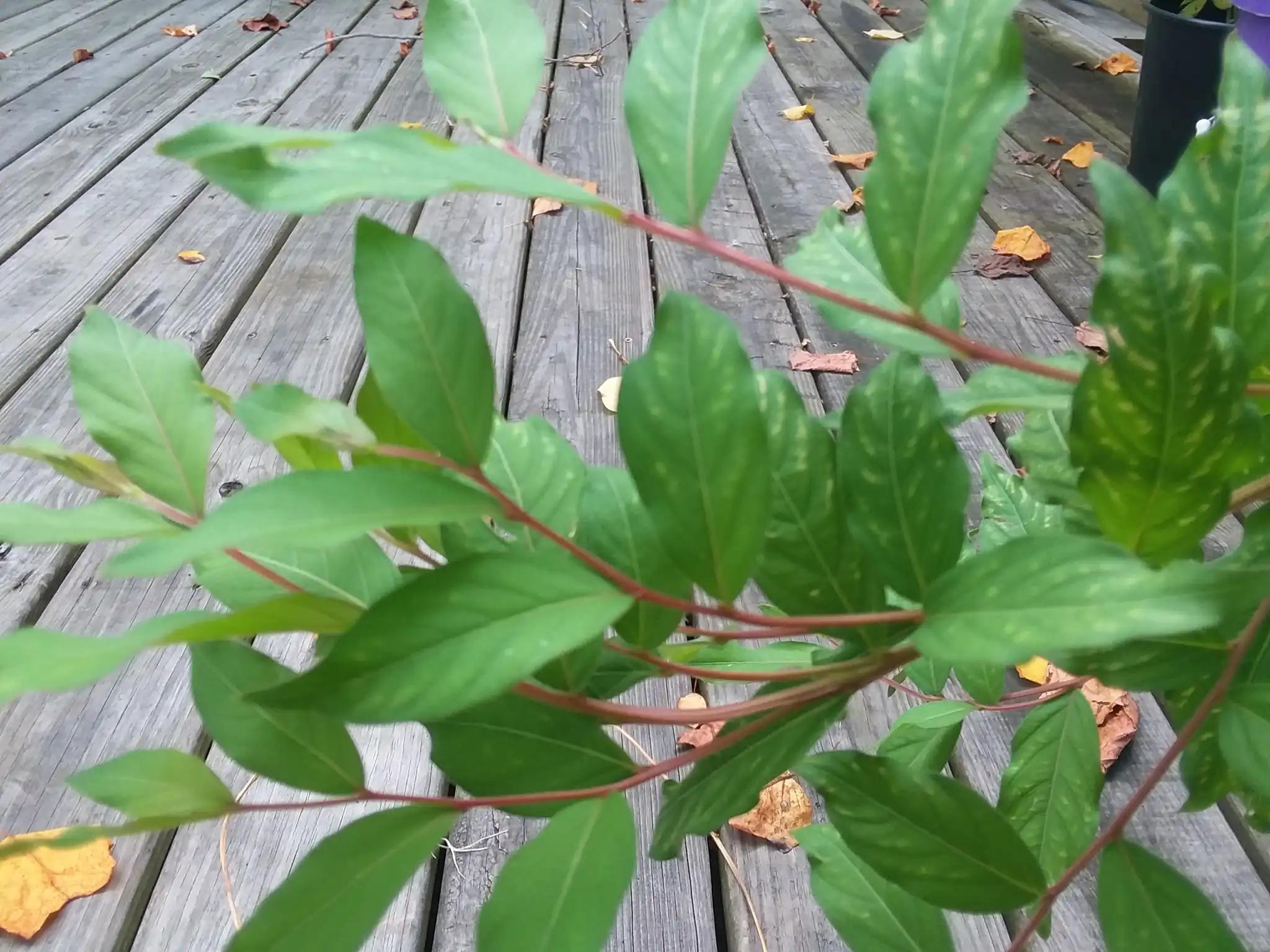 Lagerstroemia indicaCrape Myrtle
43 other cultivars
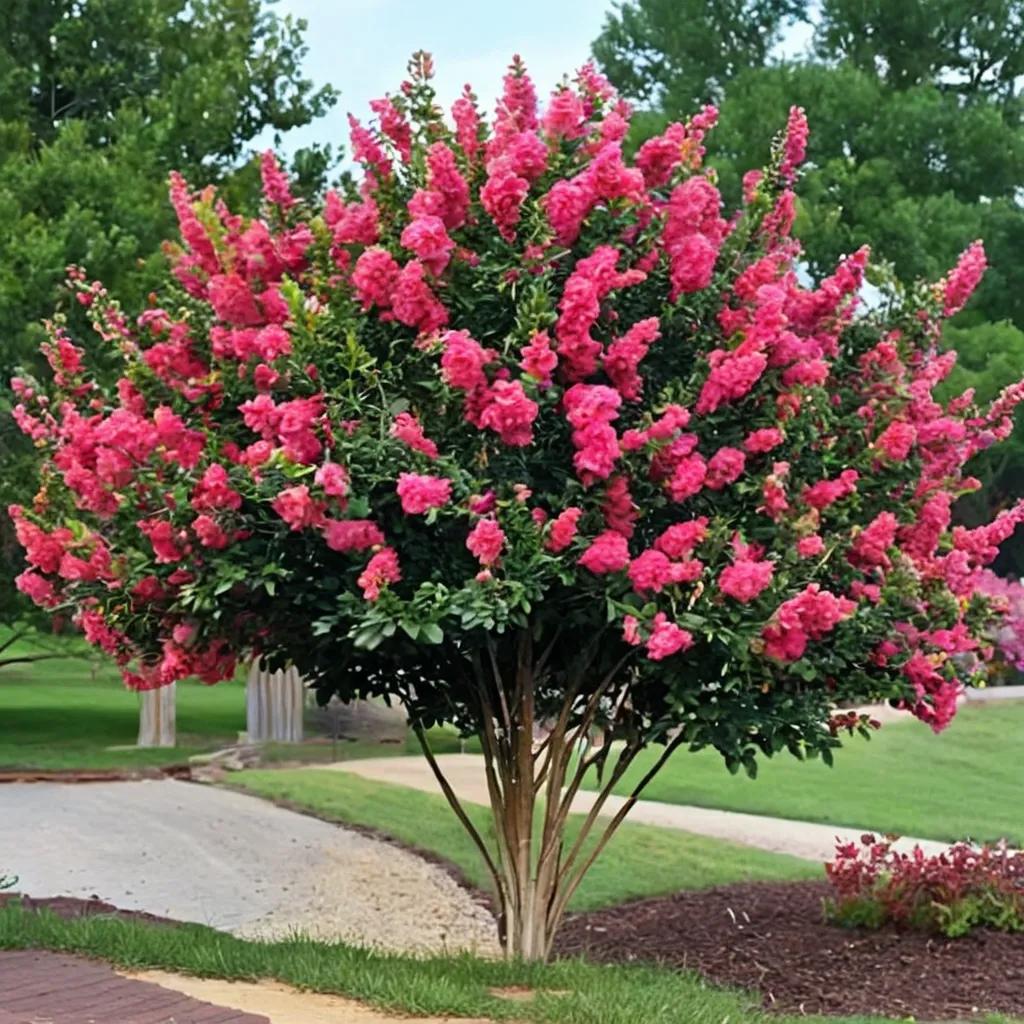 ‘Tonto’Indian Crapemyrtle
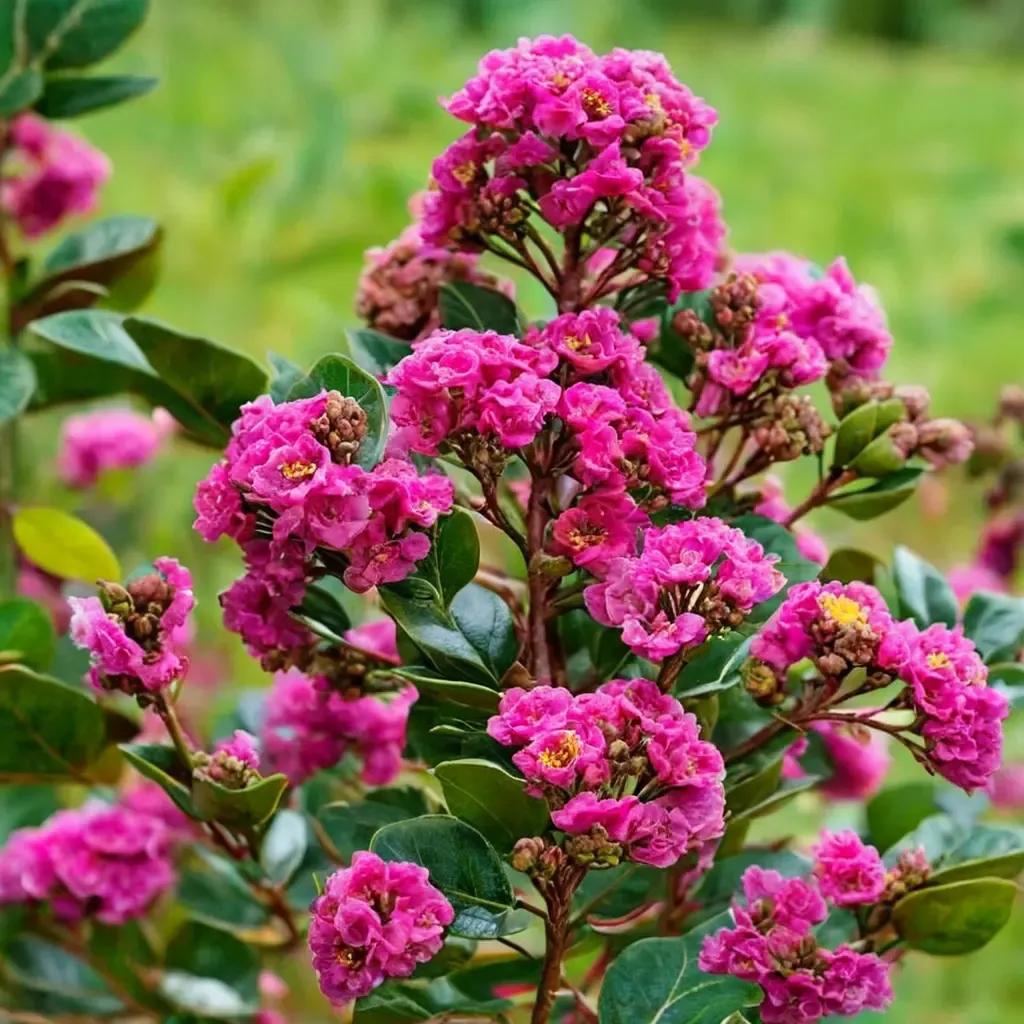 ‘Northern Belle’Northern Belle Crape Myrtle
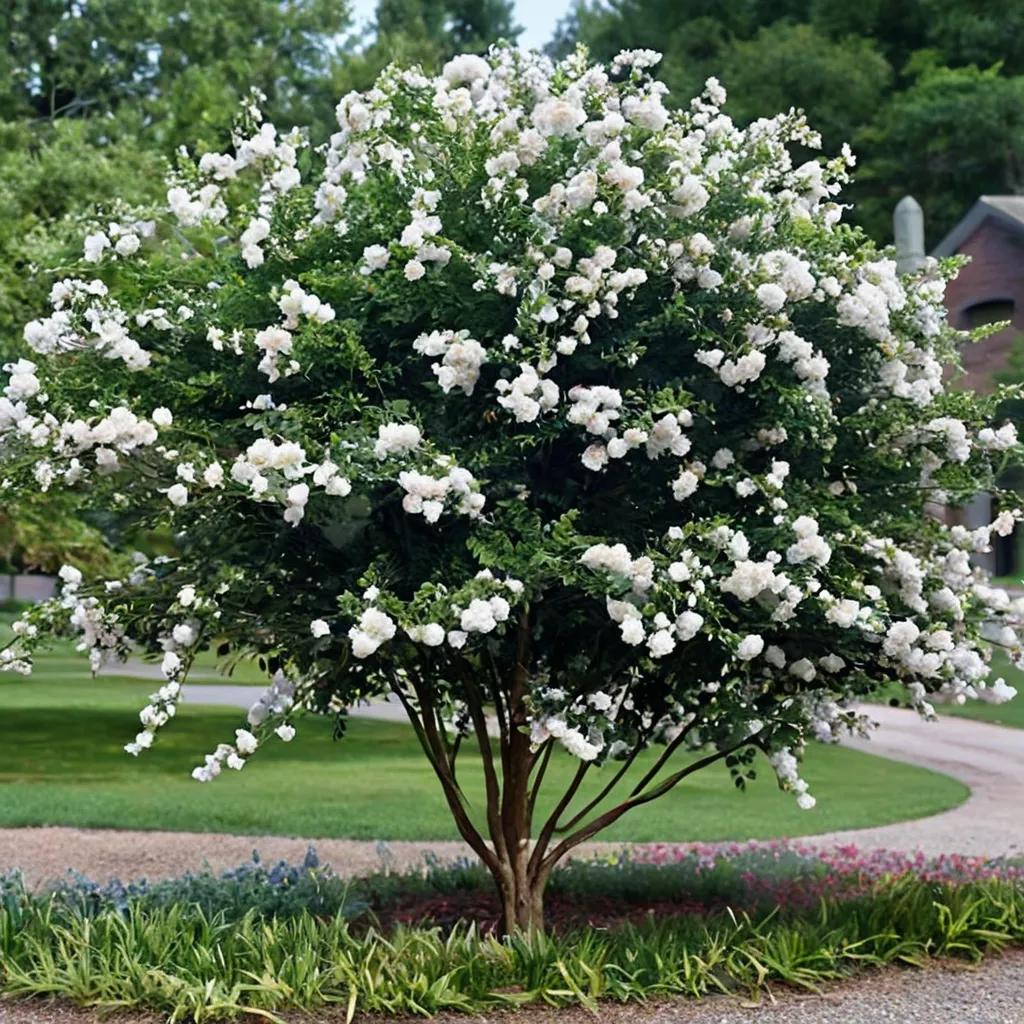 ‘Acoma’Acoma Crepe Myrtle
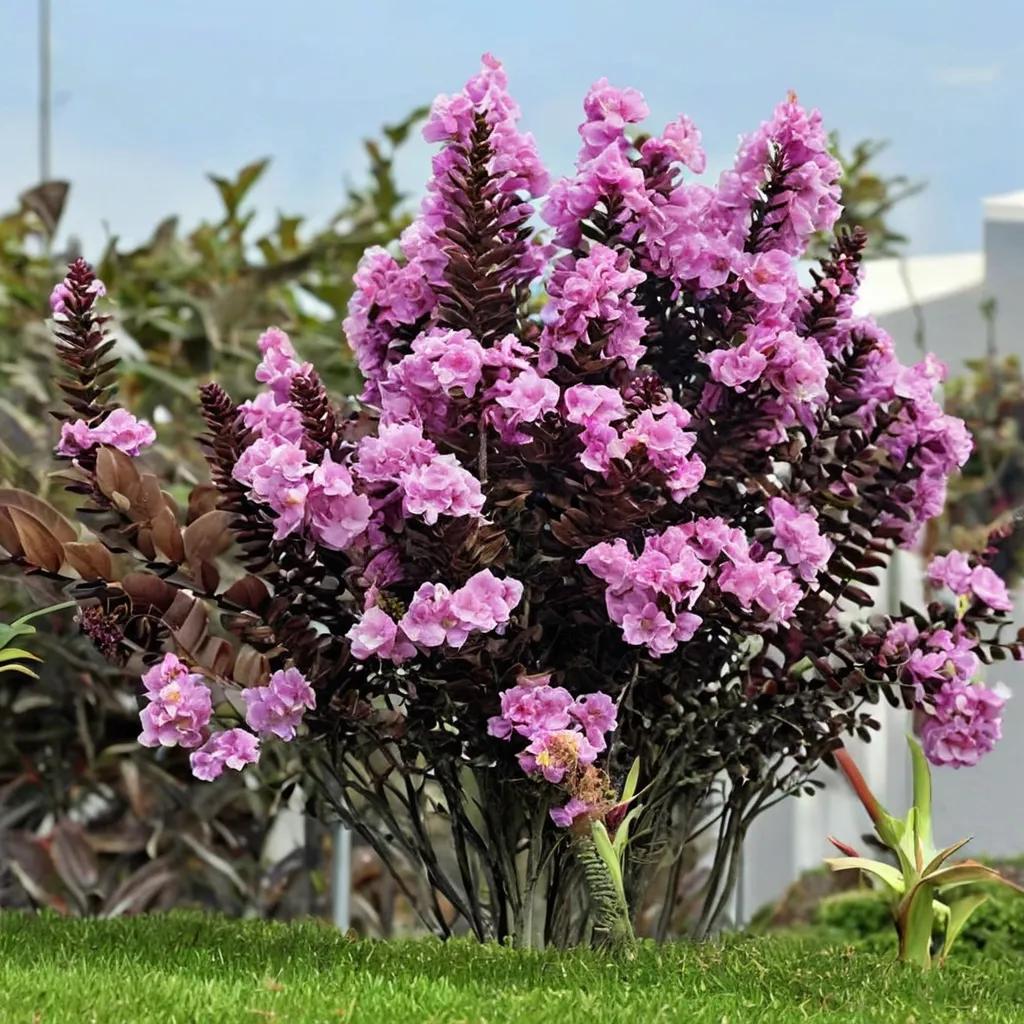 ‘Delta Eclipse’Crape Myrtle Delta Eclipse
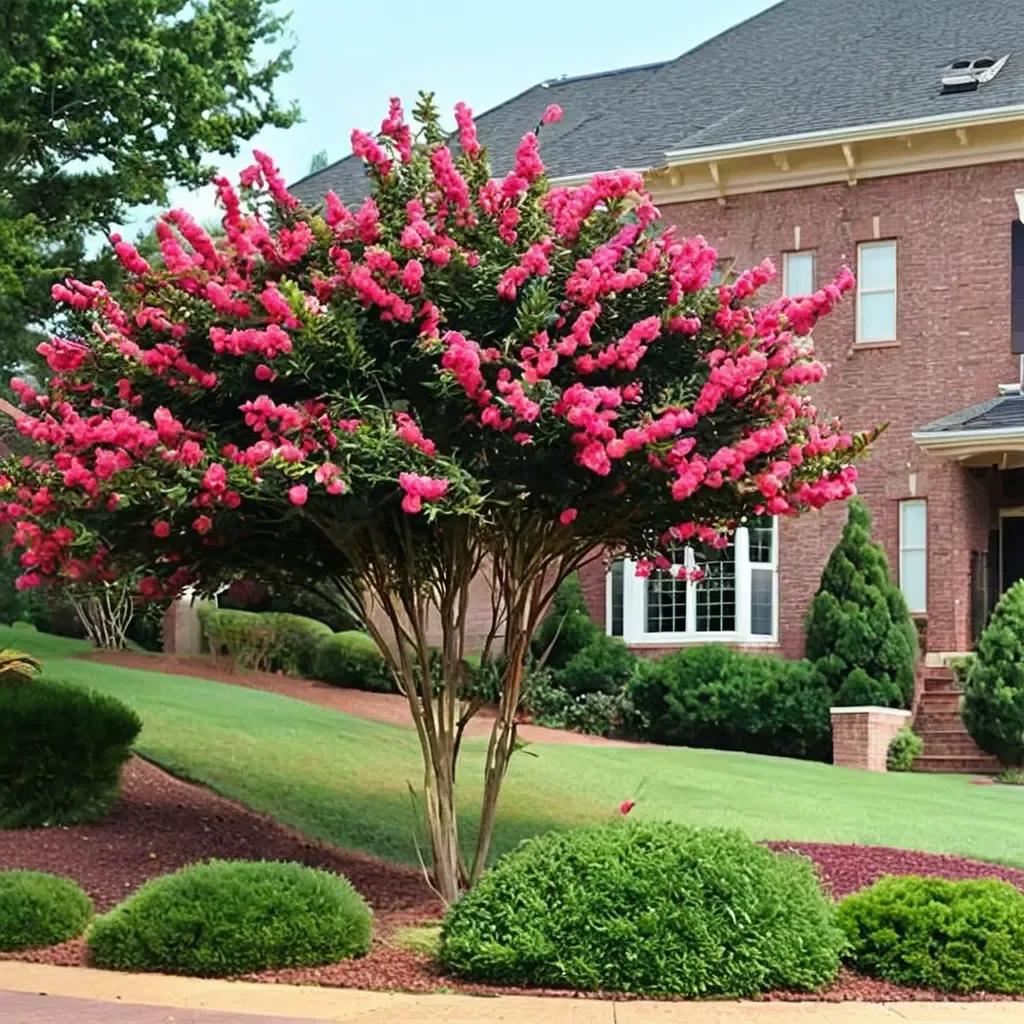 ‘Tonto Hardy’Tonto Crape Myrtle
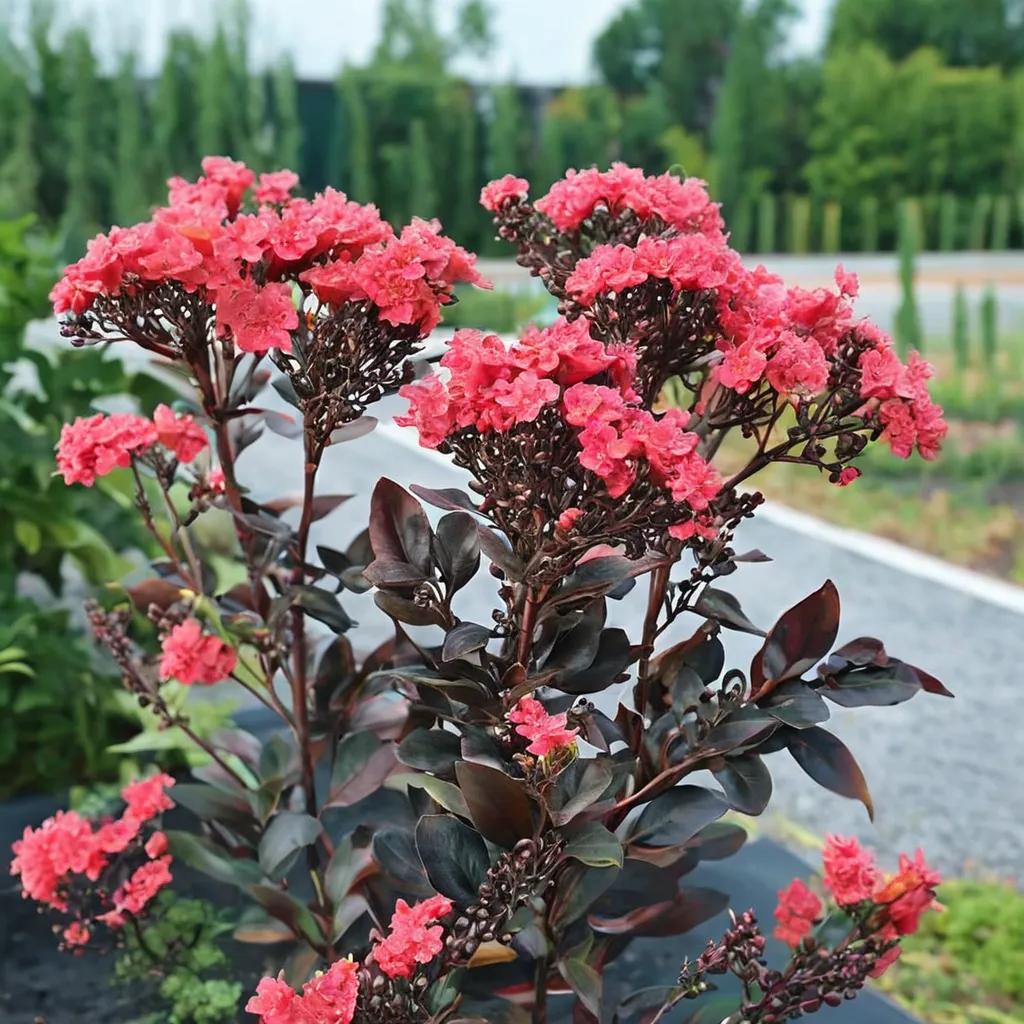 ‘Center Stage Pink’Center Stage Pink Crape Myrtle
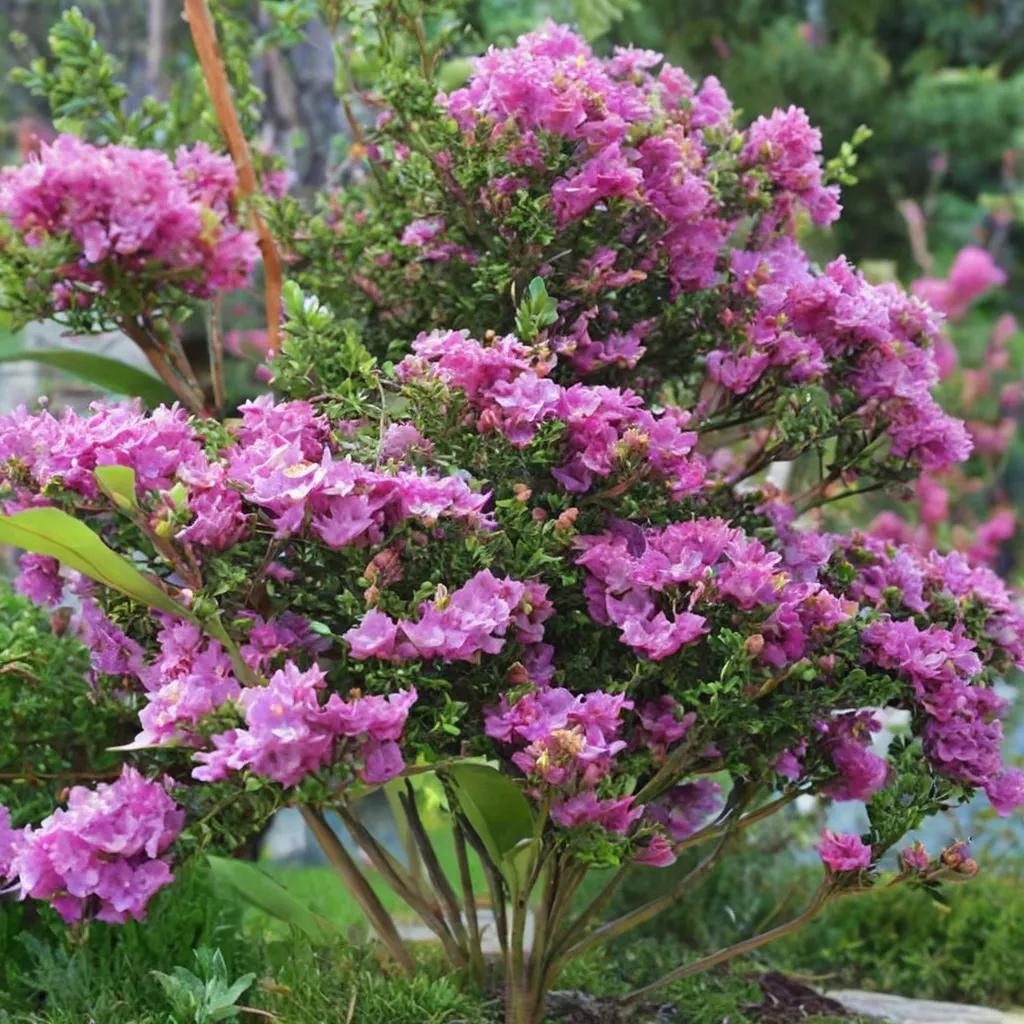 ‘Zuni’Crape Myrtle Zuni
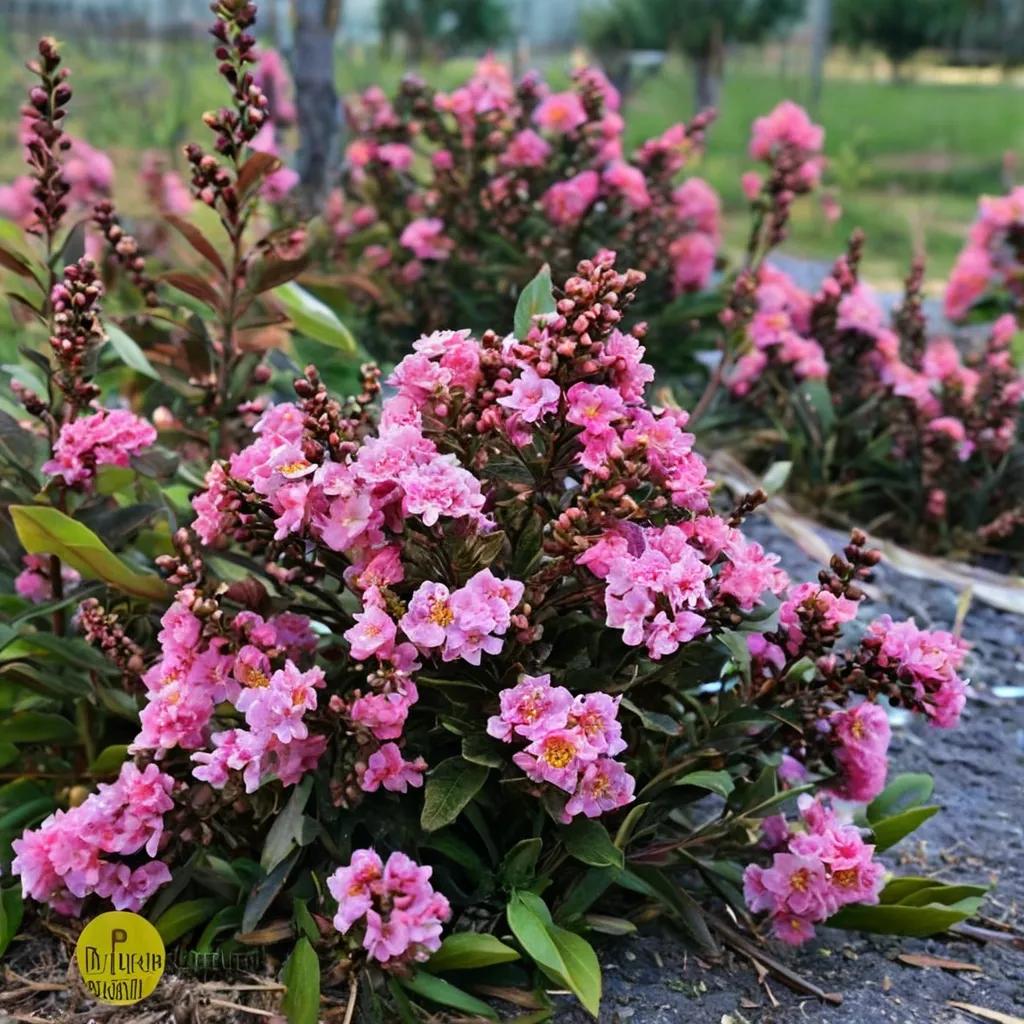 ‘Dark Roast’Crape Myrtle Dark Roast
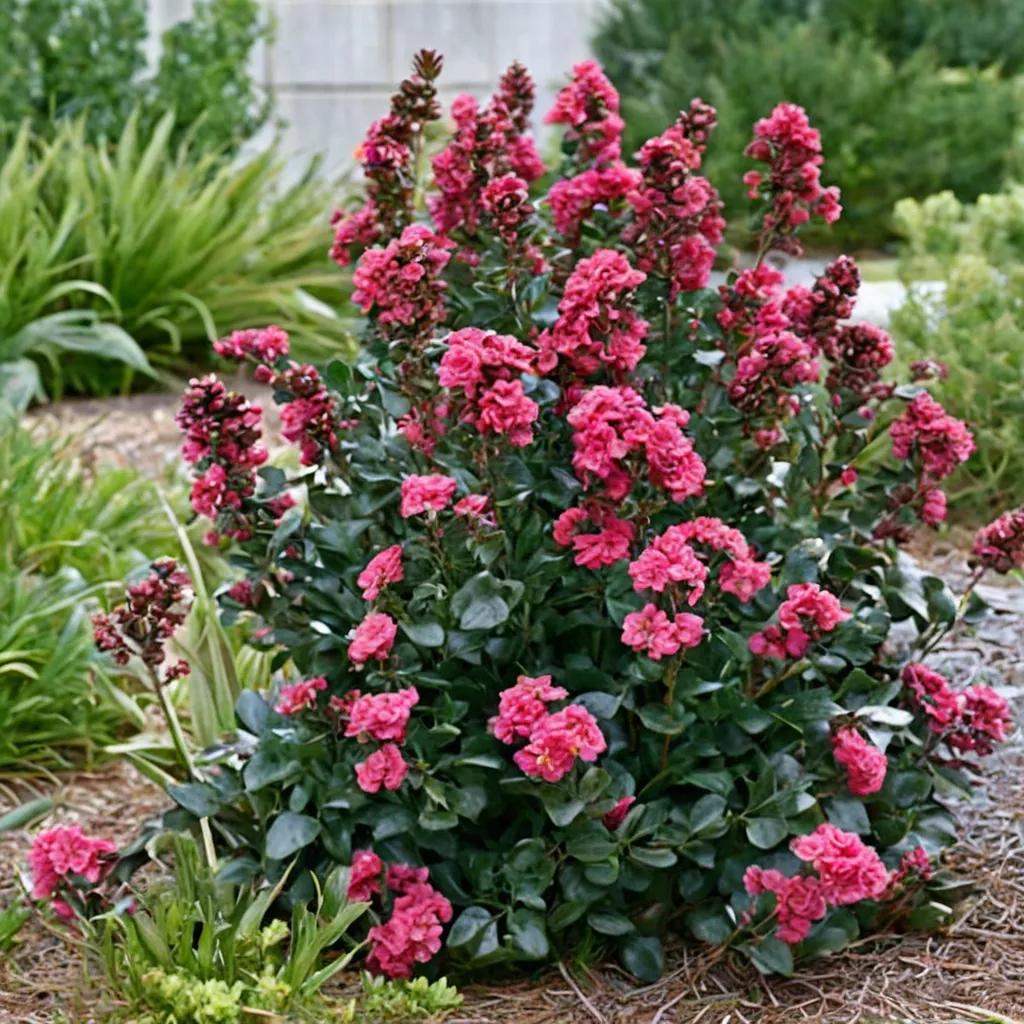 ‘Cherry Mocha’Cherry Mocha Crape Myrtle
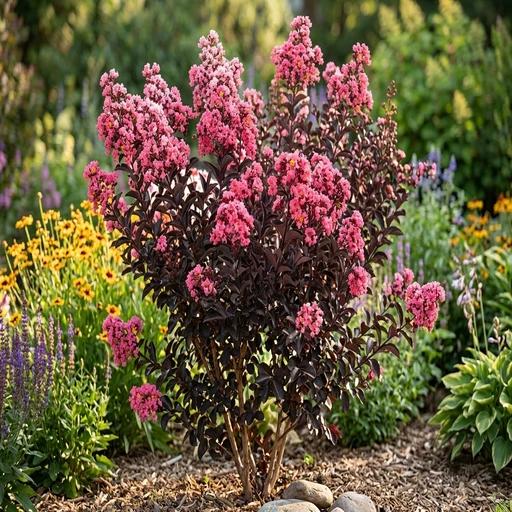 ‘Center Stage Coral’Center Stage Coral Crapemyrtle
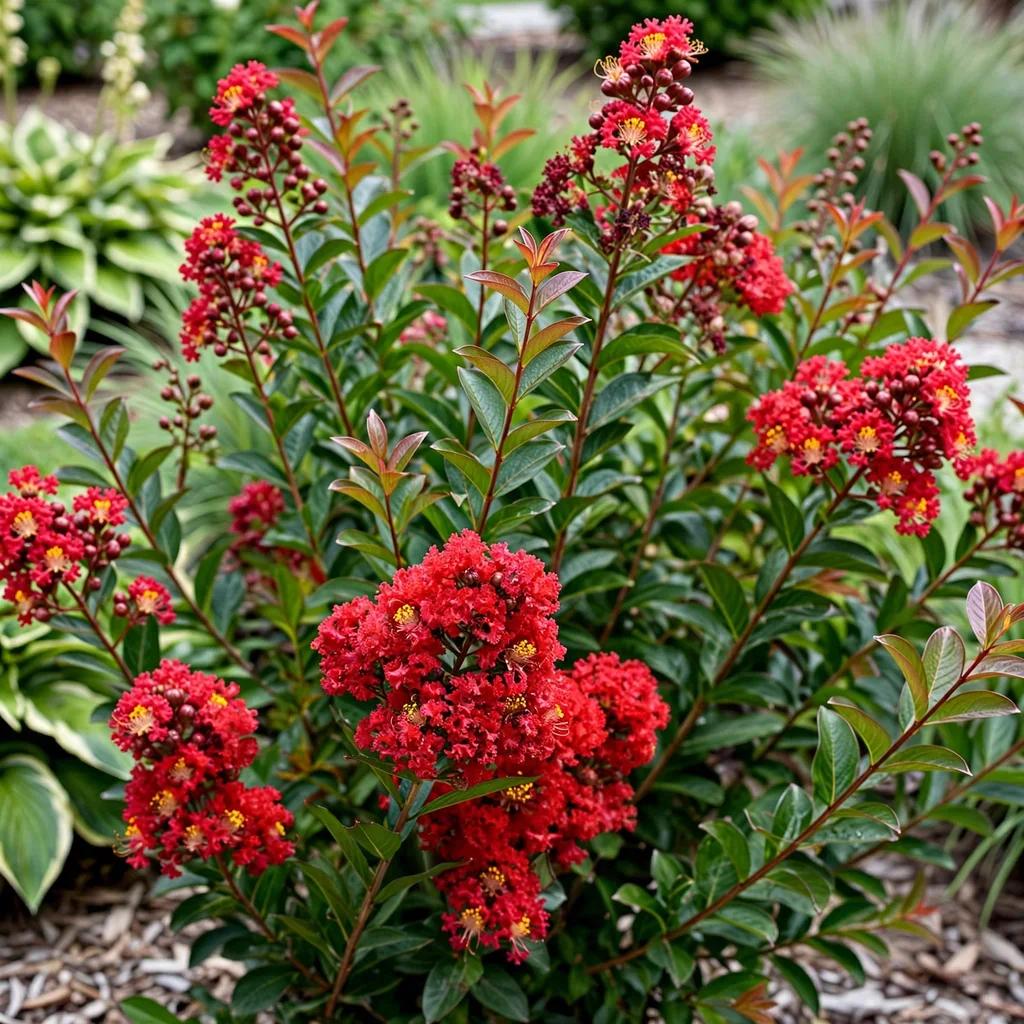 ‘Enduring Summer’Enduring Summer Crape Myrtle
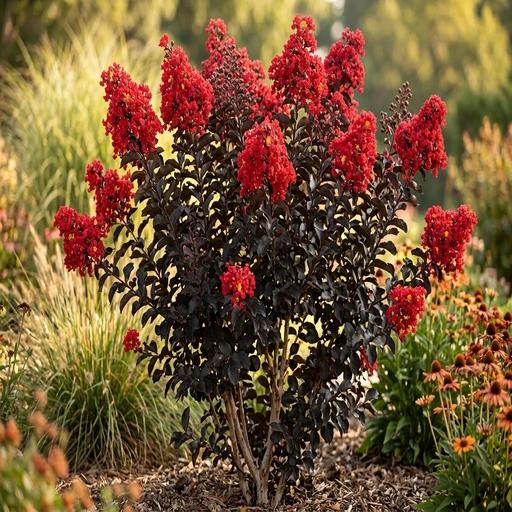 ‘Best Red’Black Diamond Best Red Crape Myrtle
 ‘Miss Frances’Miss Frances Crape Myrtle
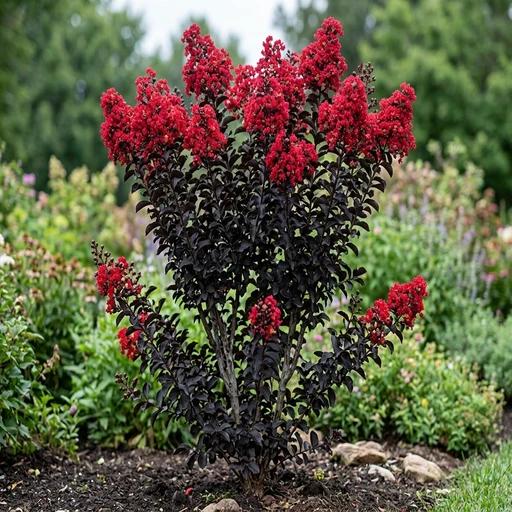 ‘Center Stage Red’Center Stage Red Crapemyrtle
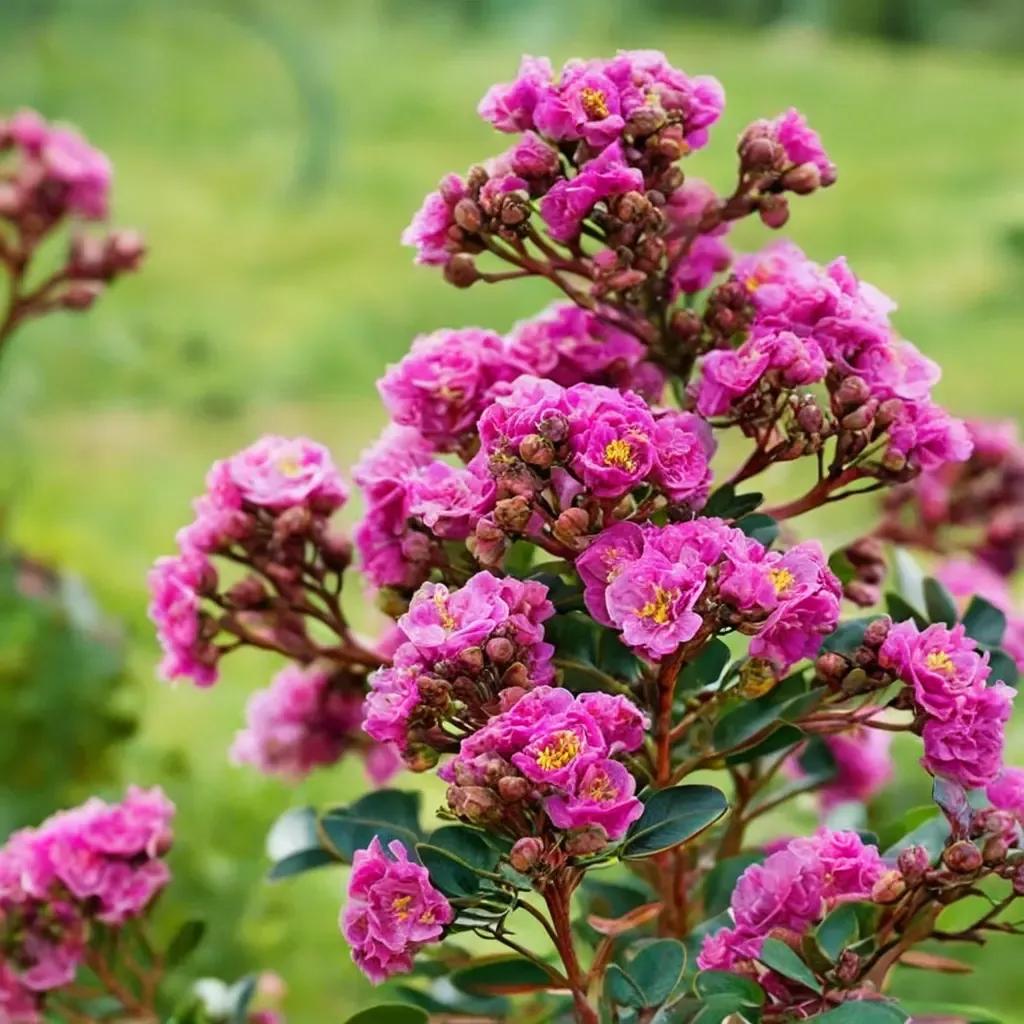 ‘Northern Belle Hardy Hot Pink’Northern Belle Crape Myrtle
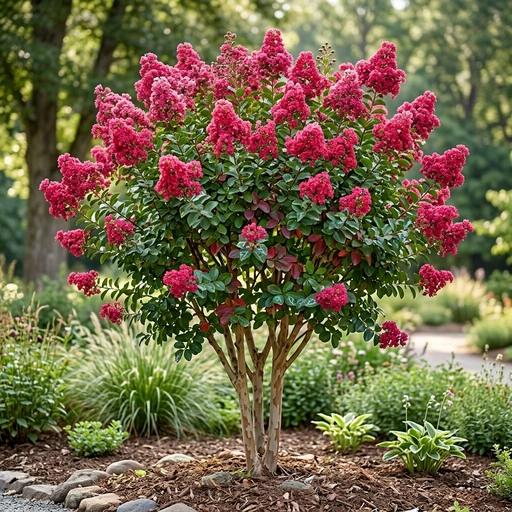 ‘Hopi’Hopi Crape Myrtle
 ‘Moonlight Magic’Moonlight Magic Crape Myrtle
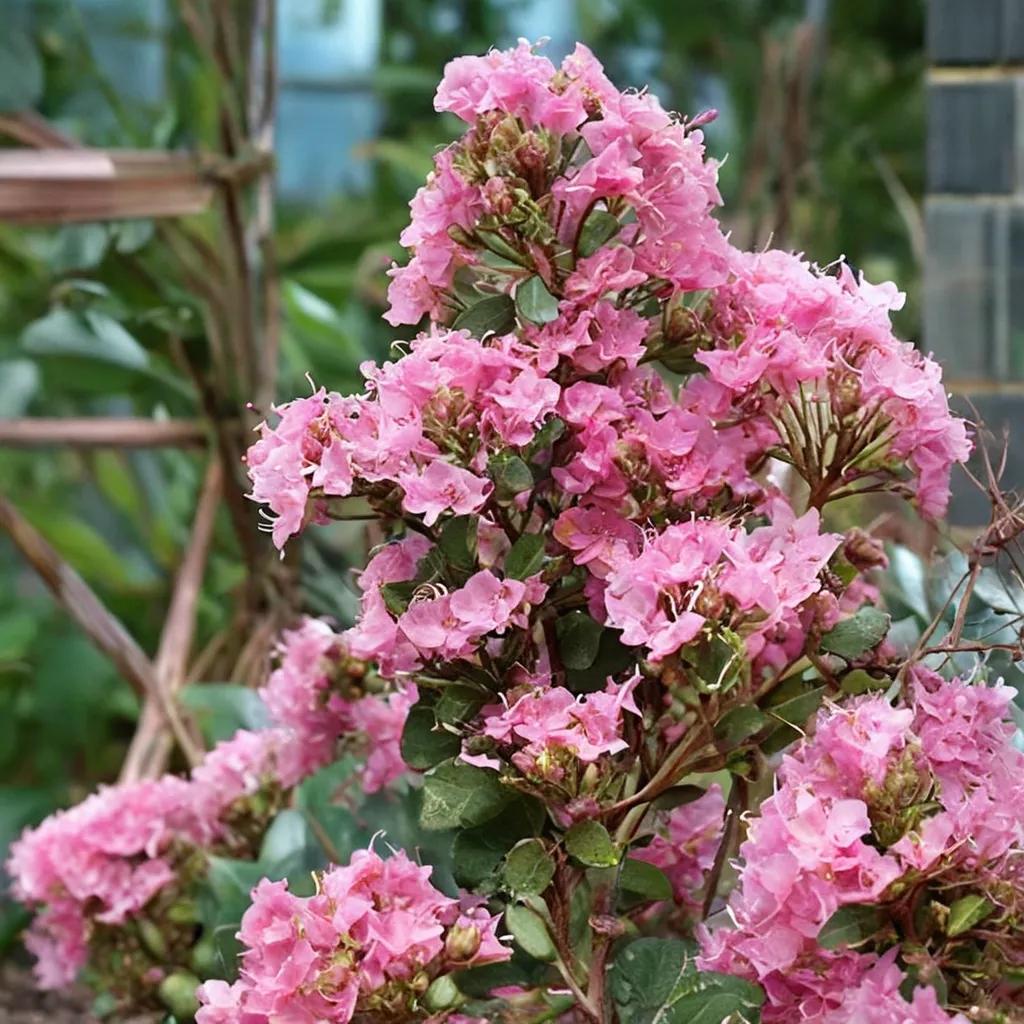 ‘Potomac’Potomac Crape Myrtle
 ‘Whit Iv’Whit Iv Pink Velour Crapemyrtle
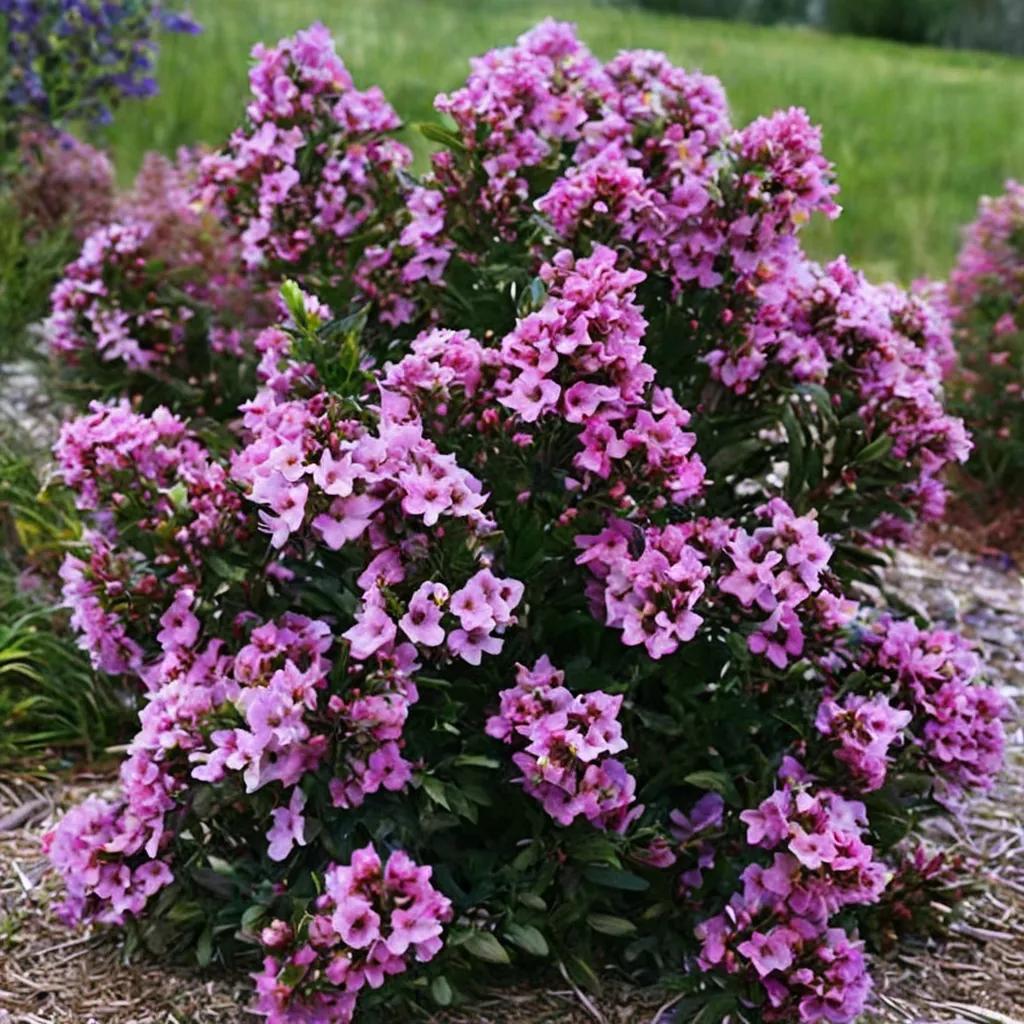 ‘Perky Pink’Perky Pink Crape Myrtle
 ‘Ebony And Ivory’Ebony and Ivory Crape Myrtle
 ‘Thunderstruck Lavender Skies’Thunderstruck Lavender Skies Crapemyrtle
 ‘Pocomoke’Pocomoke Crape Myrtle
 ‘Jm4’Jm4 Mesmerizing Magenta Crape Myrtle
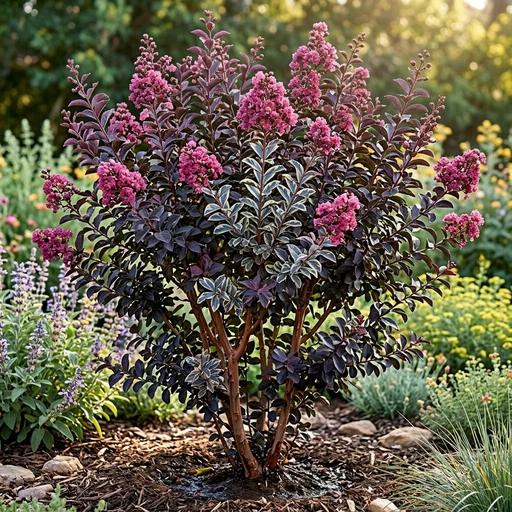 ‘Midnight Magic’Midnight Magic Crape Myrtle
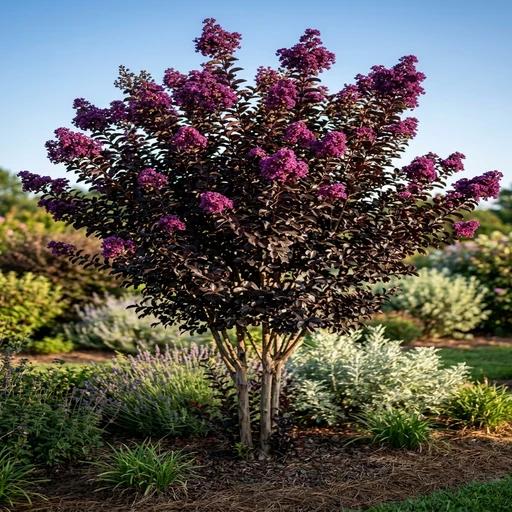 ‘Purely Purple’Black Diamond Purely Purple Crape Myrtle
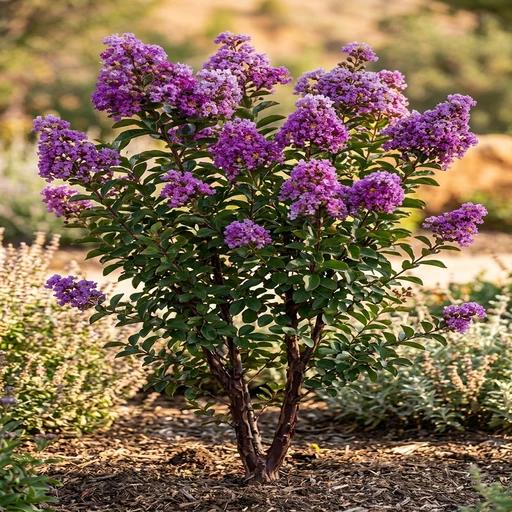 ‘Purple Magic’Purple Magic Crapemyrtle
 ‘Catawba’Catawba Crape Myrtle
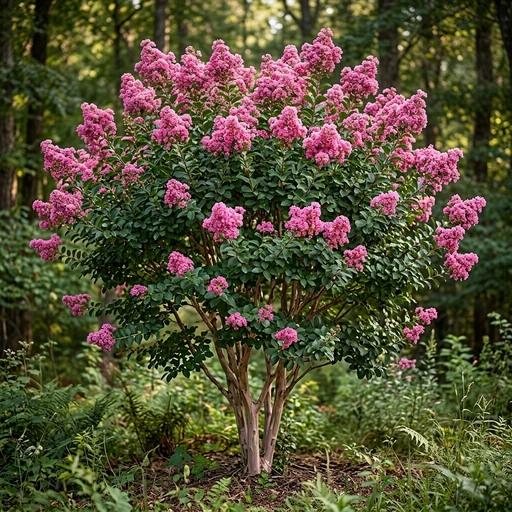 ‘Rhapsody In Pink’Rhapsody in Pink Crape Myrtle
 ‘Sarah’Crape Myrtle
 ‘Twilight’Twilight Crape Myrtle
 ‘Autaugaville Purple’Autaugaville Purple Crape Myrtle
 ‘Jm1’Jm1 Mesmerizing Magenta Crapemyrtle
 ‘Whit Ii’Dynamite Crape Myrtle
 ‘Whit Iii’Whit Iii Pink Velour Crapemyrtle
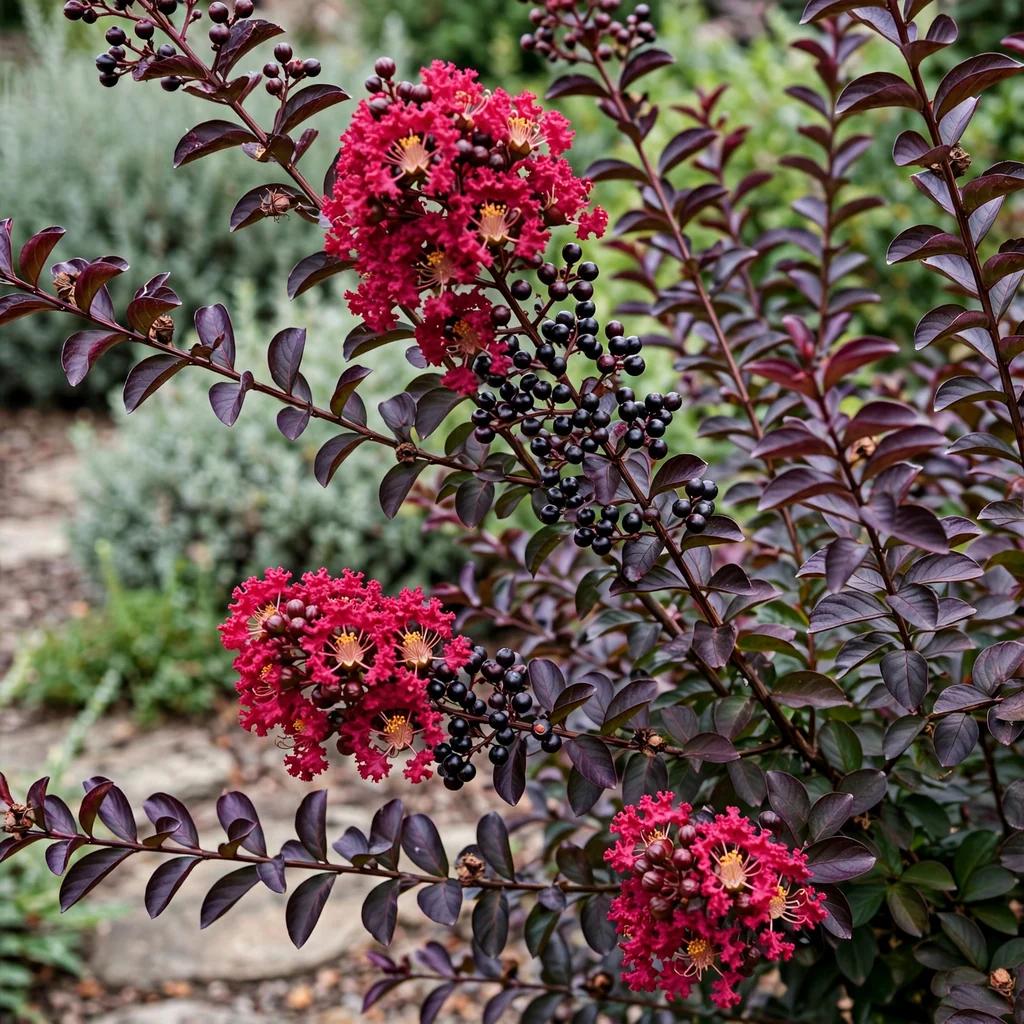 ‘Double Feature’Crape Myrtle
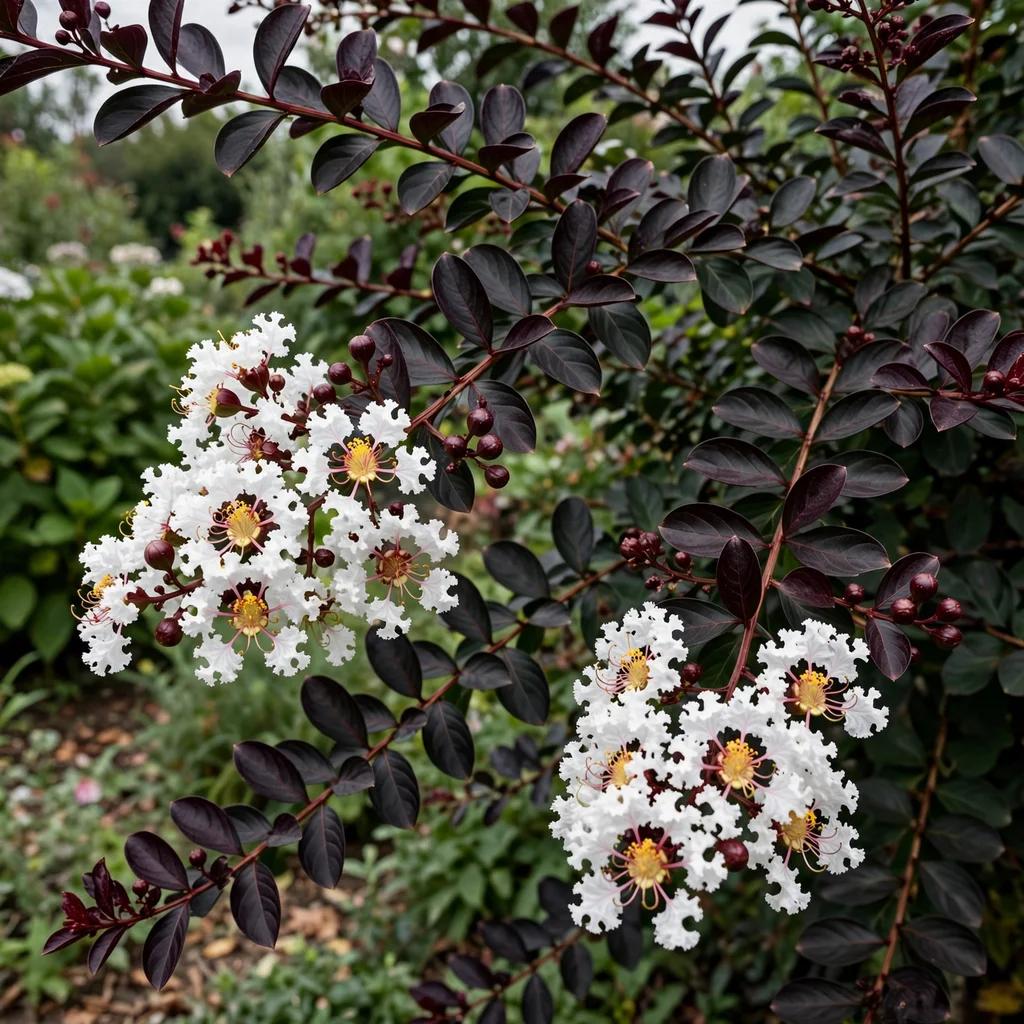 ‘Pure White’Crape Myrtle
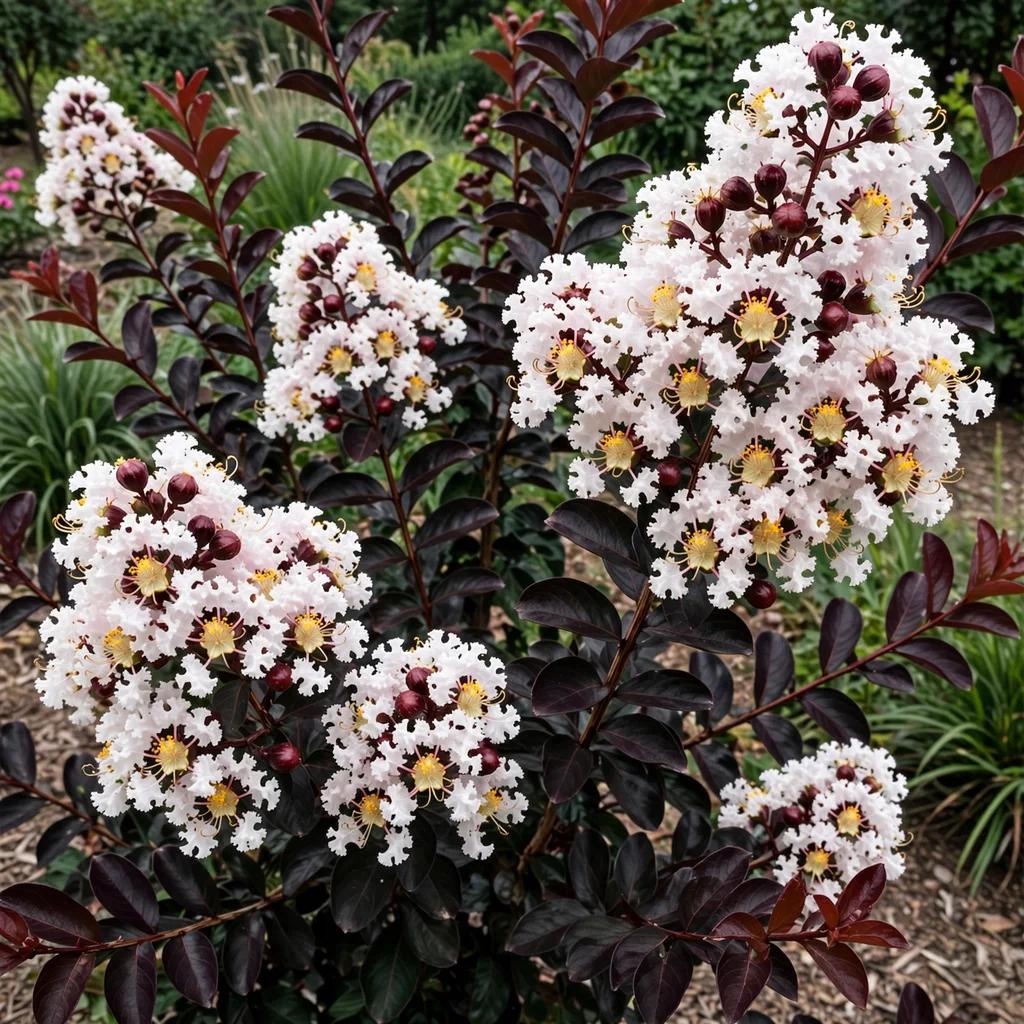 ‘Blush’Crape Myrtle
 ‘Shell Pink’Crape Myrtle 'Shell Pink'
 ‘Mystic Magenta’Crape Myrtle
 ‘Hardy Lavender’Crape Myrtle
 ‘Carolina Beauty’Crape Myrtle
 ‘Colorama Scarlet’Crape Myrtle
The Story
Plant Bio
Lagerstroemia indica is a deciduous, multi-stemmed shrub or small tree native to Asia, characterized by a dense, vase-shaped or rounded growth habit. The species is widely naturalized in the southern United States, where it is valued for its smooth bark and long-lasting summer blooms.
'Red Hot' is distinguished by its intense, deep burgundy-black to jet-black foliage that maintains its dark coloration throughout the entire growing season. In summer, large terminal panicles of crinkled, vibrant fiery red flowers emerge, creating a stark contrast against the dark leaves.
Uses & Benefits:
Essentials
At a Glance
Plant Type
Shrub
Height
144"
Width
96"
Light
Full Sun
Zones
6, 7, 8, 9
Water
Low
Humidity
High
Lifespan
Long-lived
Native To
Asia
Toxicity
Non-toxic
Bloom period
Summer – Autumn
In flower about 6 months of the year
Planting
How to Grow
- Select a planting site in full sun with well-drained loamy, sandy, or clay soil.
- Dig a hole twice as wide as the root ball and of equal depth to ensure proper root establishment.
- Backfill with native soil, press firmly to eliminate air pockets, and water deeply.
- Apply a layer of organic mulch around the base, keeping it clear of the main stems to prevent rot.
Pro Tip
To maintain the intense jet-black foliage pigmentation, plant in a site that receives full, unshaded sun; partial shade causes the leaves to revert to a muddy greenish-bronze.
Keep It Thriving
Care Guide
Do
- Prune lightly in late winter to remove dead, crossing, or weak branches and maintain a vase shape.
- Apply a balanced, slow-release granular fertilizer in early spring as new growth begins.
- Water deeply and regularly during the first growing season to establish a deep root system.
Don't
- Do not top the plant or hack back major structural branches, which ruins the natural form and weakens new growth.
- Avoid overwatering or planting in low-lying areas prone to standing water.
- Do not apply high-nitrogen fertilizers, which stimulate excessive foliage at the expense of flower production.
Seasonal Care Calendar
| Task | Jan | Feb | Mar | Apr | May | Jun | Jul | Aug | Sep | Oct | Nov | Dec |
|---|---|---|---|---|---|---|---|---|---|---|---|---|
| Fertilize | ||||||||||||
| Pest Check | ||||||||||||
| Prune | ||||||||||||
| Spring Cleanup |
Watch Out For
Pests & Diseases
Common Pests
Common Diseases
In the Garden
Landscape Uses & Companions
Landscape Uses
Companion Plants
Multiply
Propagation Methods
Good to Know
Common Questions
Crape Myrtle questions
What zones can Crape Myrtle grow in?
Crape Myrtle is hardy in USDA Zones 6–9. Inside that range it survives winter in the ground; outside it, grow it as an annual or a container plant you protect.
Is Crape Myrtle deer resistant?
Not reliably. Deer may browse Crape Myrtle, especially tender spring growth — plan on repellents or fencing where pressure is high.
When does Crape Myrtle bloom?
Crape Myrtle typically blooms in summer through autumn. Exact timing shifts a week or two with your zone — Sow's bloom calendar maps it to your garden.
Does Crape Myrtle need full sun?
Crape Myrtle does best in full sun (6+ hours).
Is Crape Myrtle drought tolerant?
Yes — once established (usually after the first full season), Crape Myrtle handles dry spells with minimal watering. Water deeply its first year to build the root system that makes that possible.
More Lagerstroemia to compare
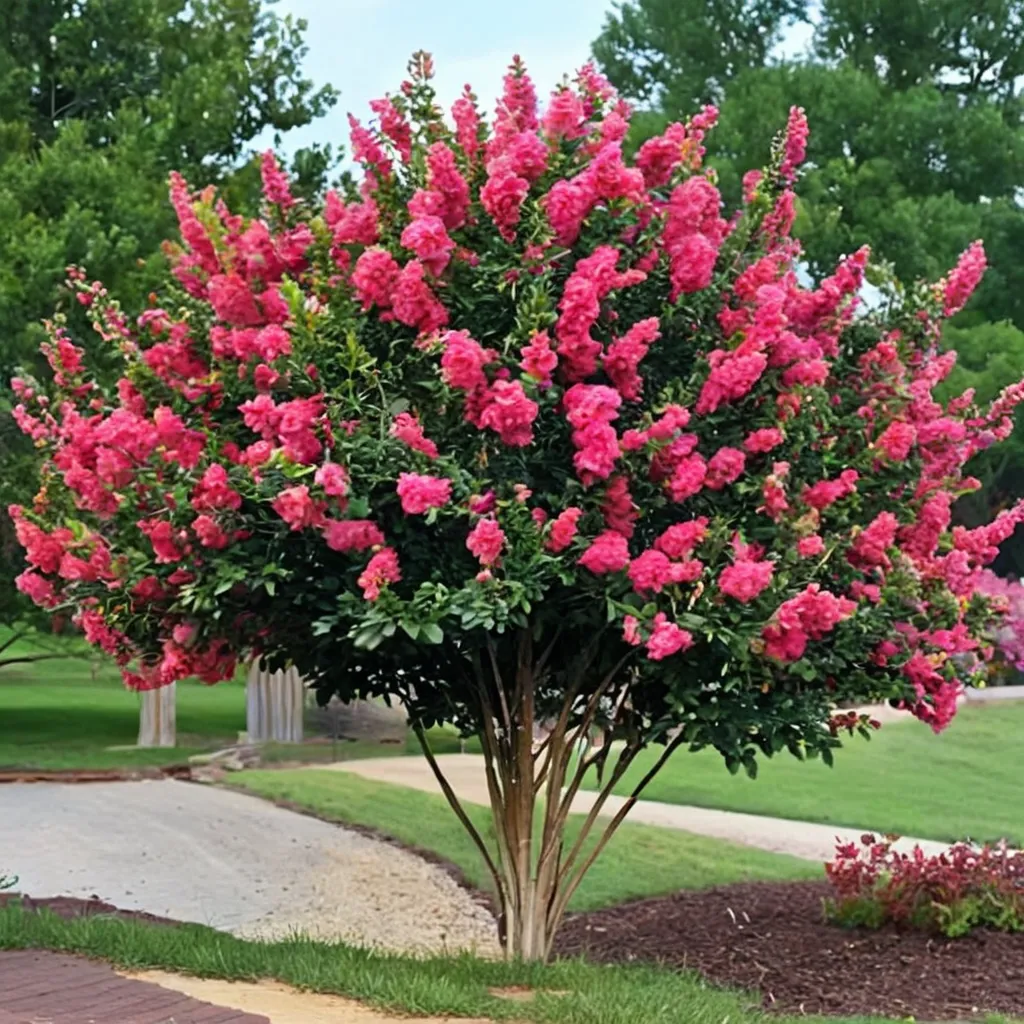
Indian Crapemyrtle
Lagerstroemia indica 'Tonto'
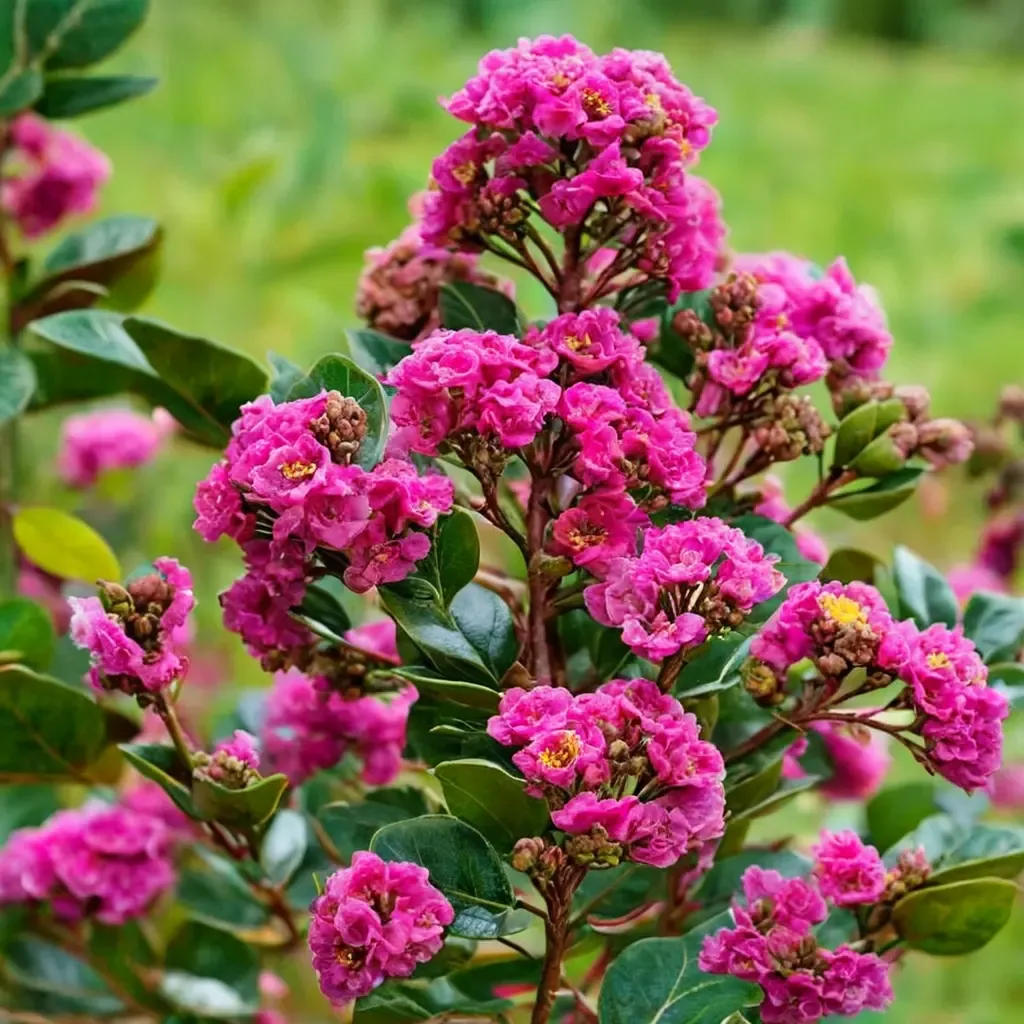
Northern Belle Crape Myrtle
Lagerstroemia indica 'Northern Belle'
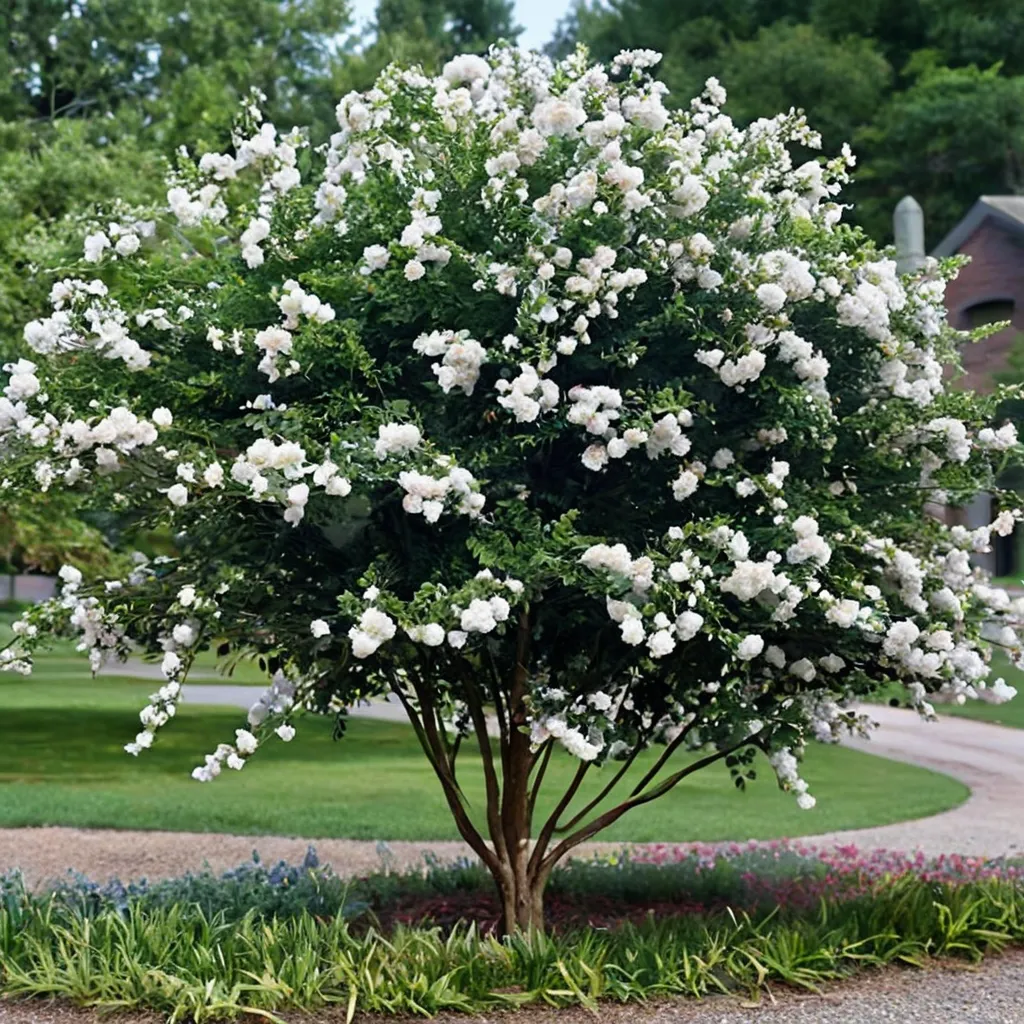
Acoma Crepe Myrtle
Lagerstroemia indica 'Acoma'
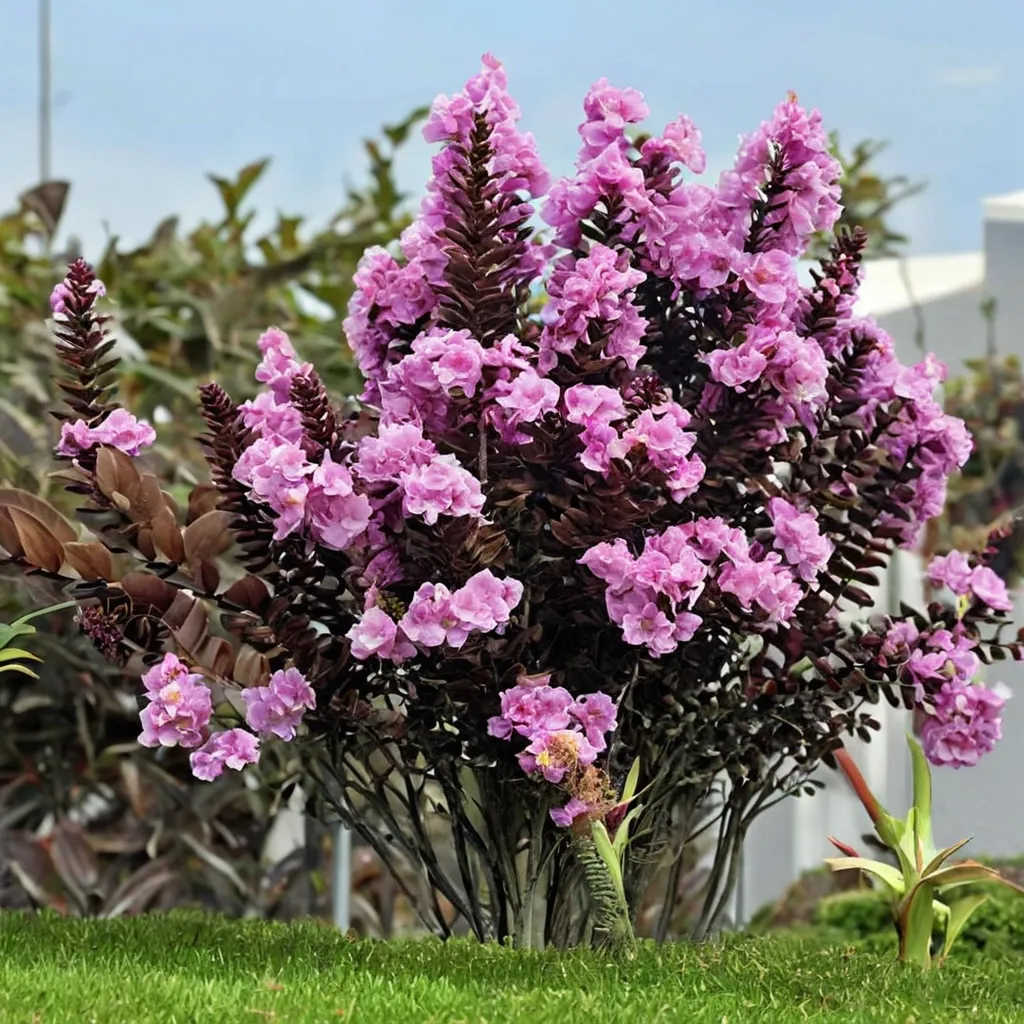
Crape Myrtle Delta Eclipse
Lagerstroemia indica 'Delta Eclipse'
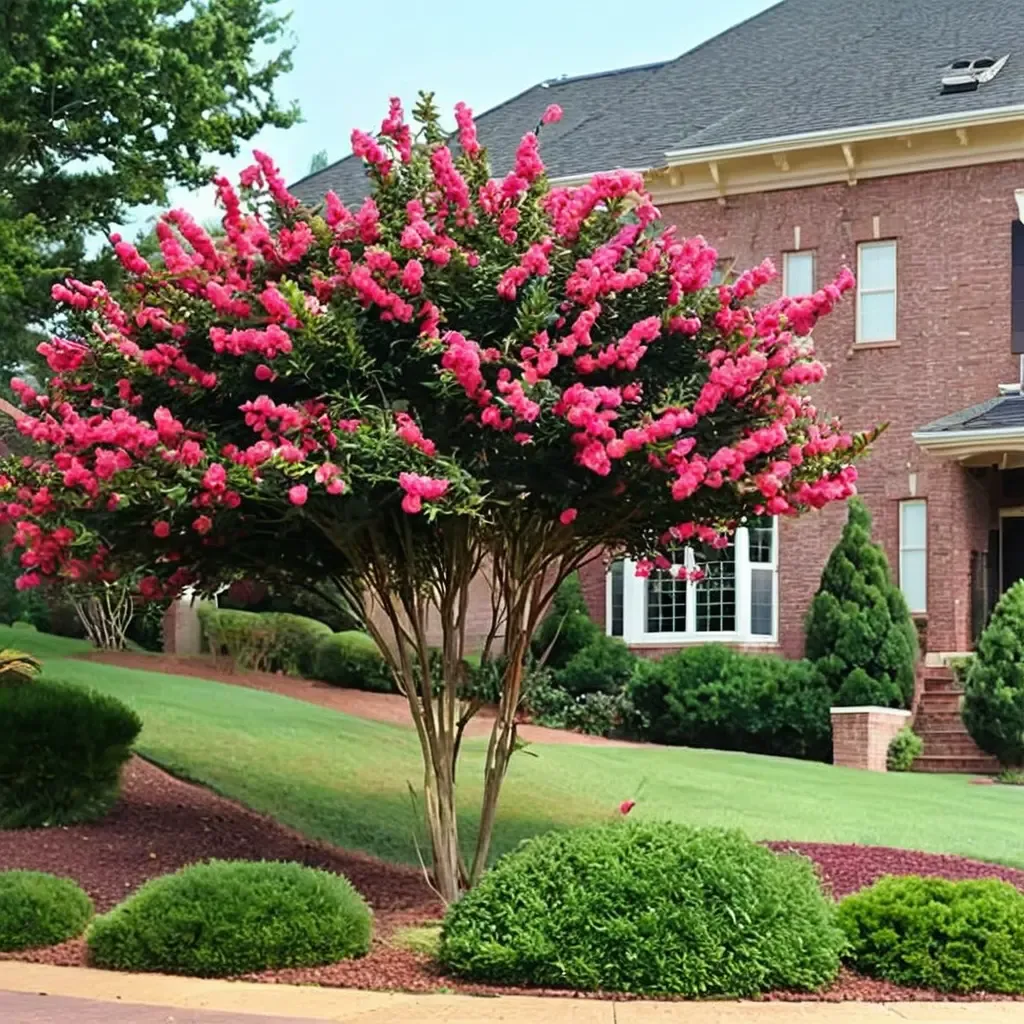
Tonto Crape Myrtle
Lagerstroemia indica 'Tonto Hardy'
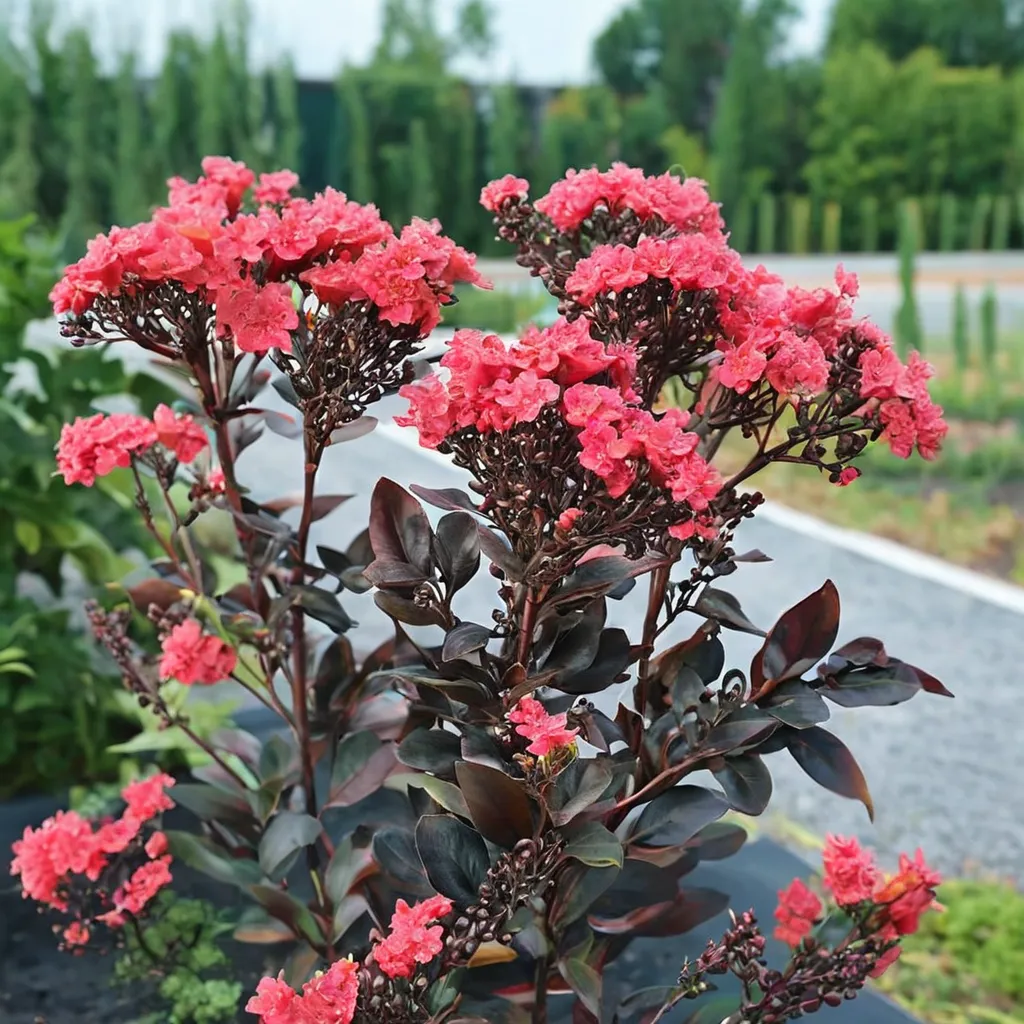
Center Stage Pink Crape Myrtle
Lagerstroemia indica 'Center Stage Pink'
Keep exploring
Explore the genus
Hardy in your zone?
Grow Crape Myrtle with confidence
See it in a design of your actual yard, get zone-matched care reminders, and track it season by season in your garden journal.