Species
 Spinacia oleraceaSpinach
1 other cultivar
The Story
Plant Bio
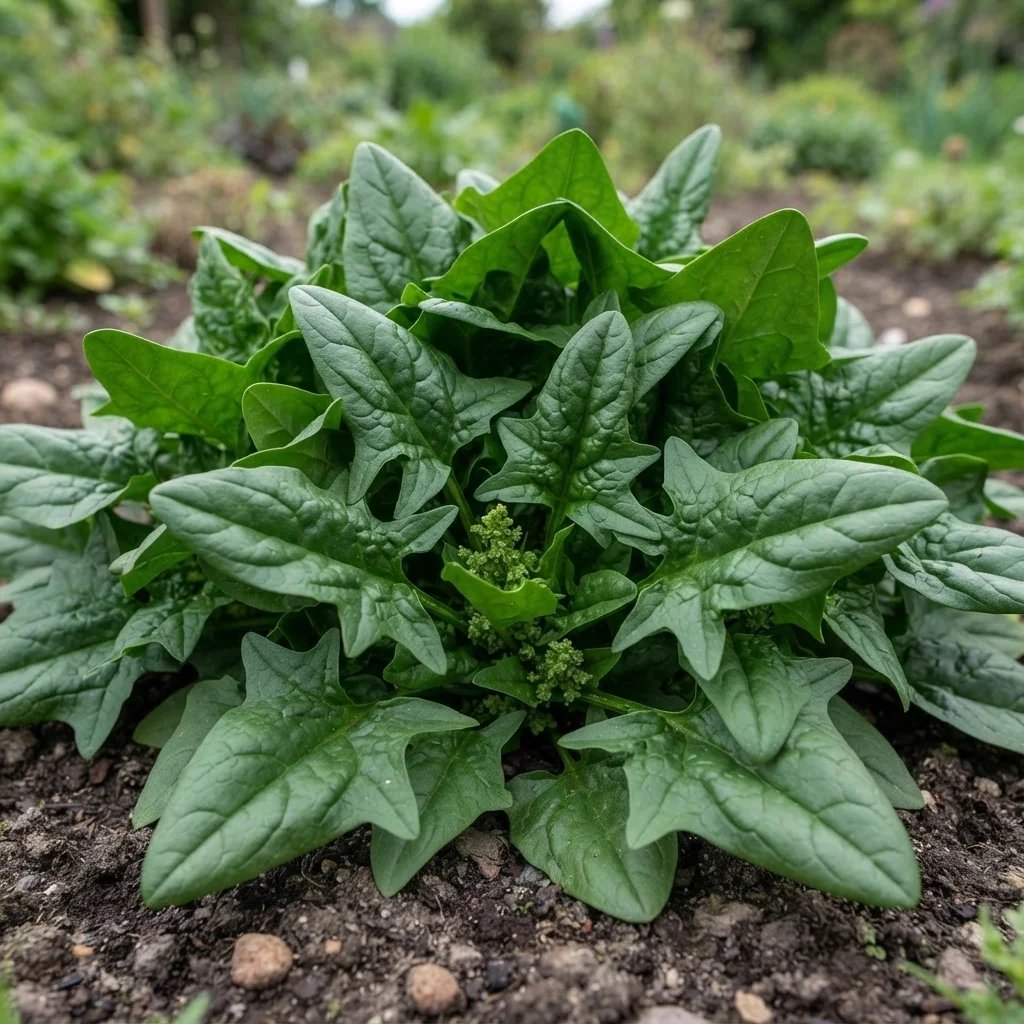
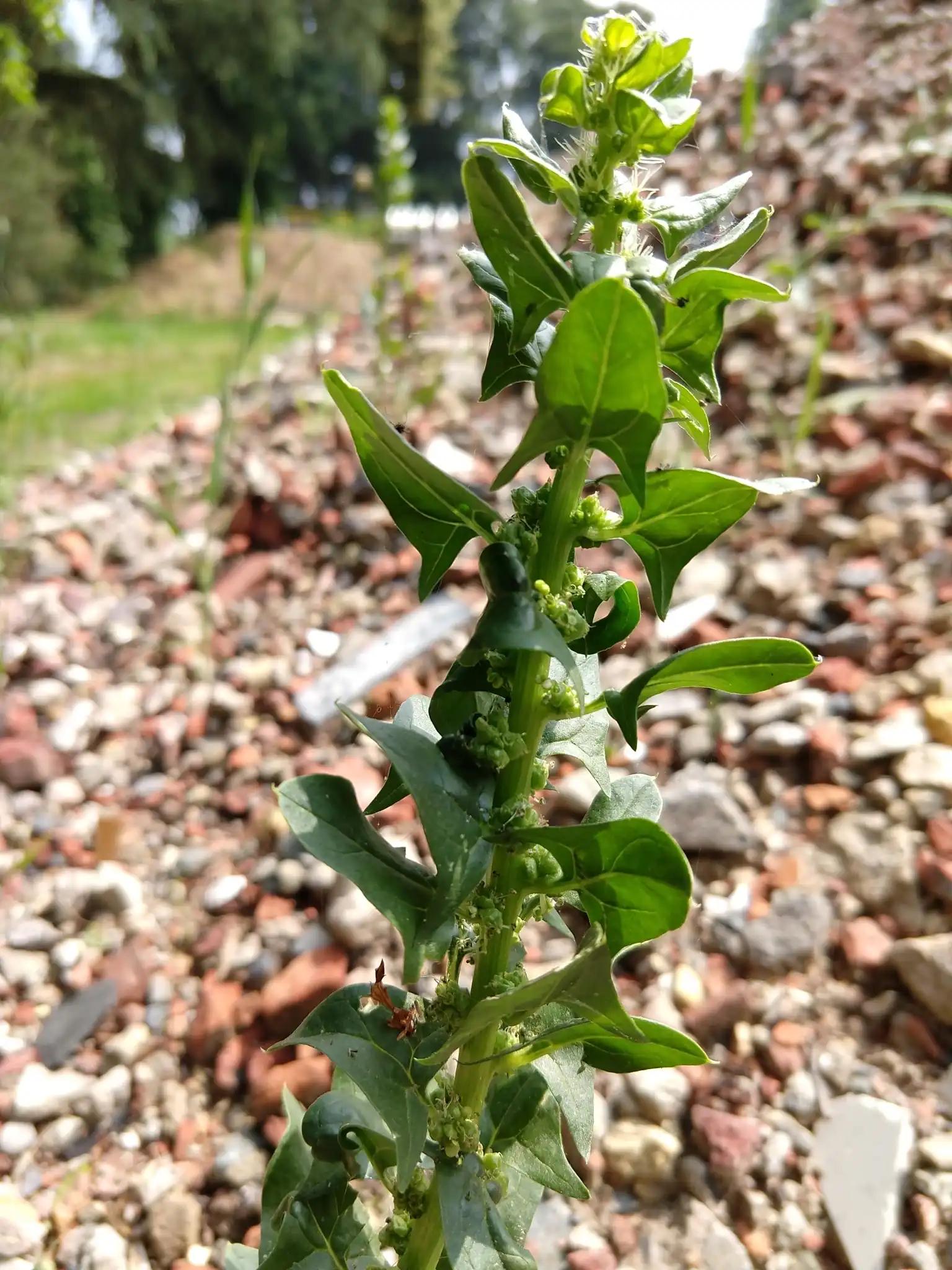
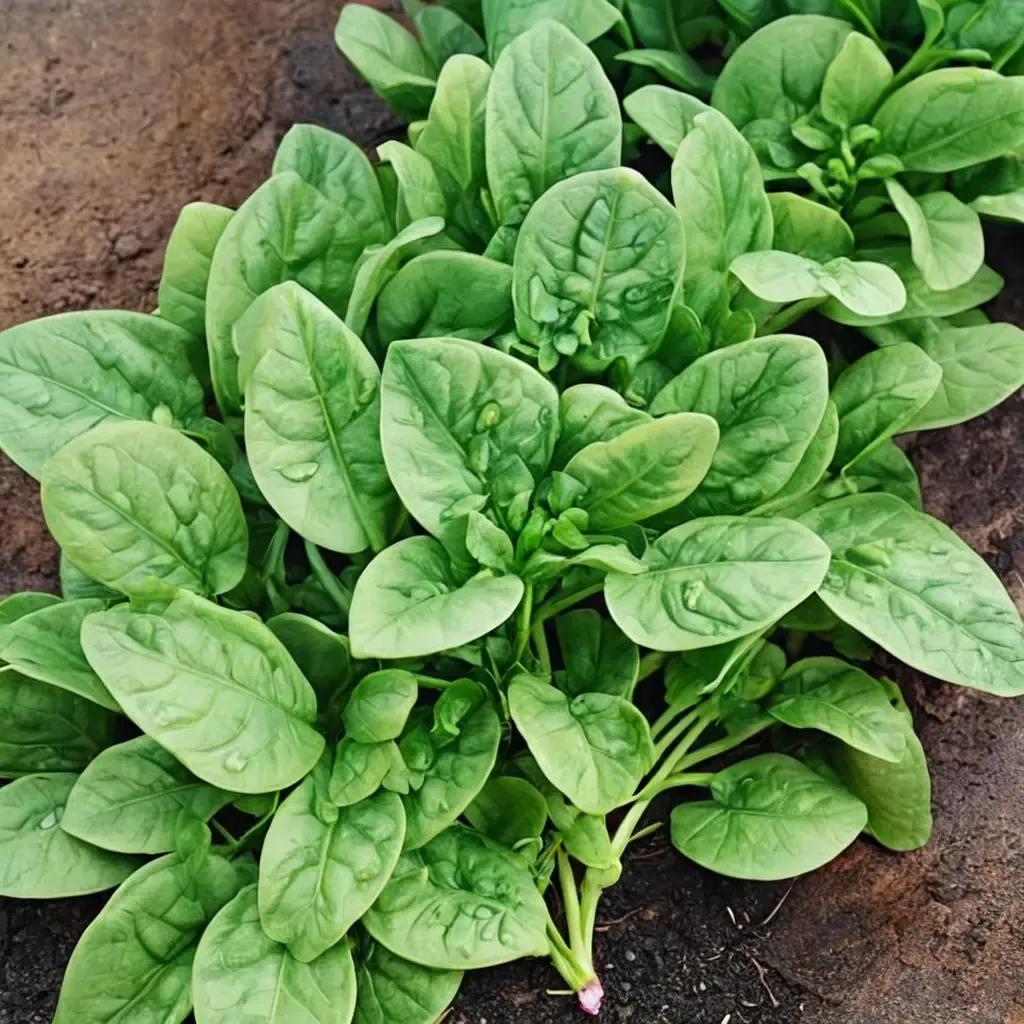
Spinacia oleracea is an erect, rosette-forming annual or short-lived biennial herb native to Central and Southwestern Asia. The plant produces simple, alternate, succulent leaves that emerge in a vibrant green and form a compact, clumping habit.
'Perpetual' is a selected strain of true spinach cultivated to provide a continuous harvest of tender, triangular-hastate leaves. Unlike common leaf beets often sold under the same trade name, this cultivar retains the true flavor and texture of culinary spinach.
Uses & Benefits:
Essentials
At a Glance
Plant Type
Fruit Vegetable
Height
12"
Width
16"
Light
Full Sun, Partial Sun
Zones
4, 5, 6, 7, 8, 9, 10
Water
Consistent moisture
Humidity
Moderate
Lifespan
Annual
Native To
Central and Southwestern Asia
Toxicity
Non-toxic (contains oxalic acid)
Bloom period
Late winter – Spring
In flower about 4 months of the year
Planting
How to Grow
- Sow seeds directly into fertile, well-drained loam at a depth of half an inch during cool spring or autumn weather.
- Thin emerging seedlings to stand four to six inches apart to ensure adequate air circulation and leaf development.
- Maintain consistent soil moisture through regular watering, as dry conditions trigger premature bolting.
- Apply a nitrogen-rich organic fertilizer every two to three weeks to sustain rapid, succulent leaf production.
Pro Tip
Harvest only the outer leaves continuously to prolong vegetative growth; once the central stem elongates and initiates flowering, the foliage immediately becomes bitter and unpalatable.
Keep It Thriving
Care Guide
Do
- Keep the soil consistently moist to prevent drought-induced bolting.
- Harvest outer leaves regularly to encourage continuous new growth.
- Provide partial shade during warmer spells to delay flowering.
Don't
- Do not allow the soil to dry out completely, which ruins leaf quality.
- Do not overwater or plant in heavy, waterlogged soils prone to rot.
- Do not harvest more than one-third of the foliage at a single time.
Seasonal Care Calendar
| Task | Jan | Feb | Mar | Apr | May | Jun | Jul | Aug | Sep | Oct | Nov | Dec |
|---|---|---|---|---|---|---|---|---|---|---|---|---|
| Fertilize | ||||||||||||
| Harvest | ||||||||||||
| Pest Check | ||||||||||||
| Plant |
Watch Out For
Pests & Diseases
Common Pests
Common Diseases
In the Garden
Landscape Uses & Companions
Landscape Uses
Companion Plants
Multiply
Propagation Methods
Good to Know
Common Questions
Spinach questions
What zones can Spinach grow in?
Spinach is hardy in USDA Zones 4–10. Inside that range it survives winter in the ground; outside it, grow it as an annual or a container plant you protect.
Is Spinach deer resistant?
Not reliably. Deer may browse Spinach, especially tender spring growth — plan on repellents or fencing where pressure is high.
When does Spinach bloom?
Spinach typically blooms in late winter through spring. Exact timing shifts a week or two with your zone — Sow's bloom calendar maps it to your garden.
Does Spinach need full sun?
Spinach does best in full sun to part shade. In hot climates, afternoon shade keeps blooms fresher longer.
More Spinacia to compare
Keep exploring
Explore the genus
Grow Spinach with confidence
See it in a design of your actual yard, get zone-matched care reminders, and track it season by season in your garden journal.