2 named cultivars

The Story
Plant Bio
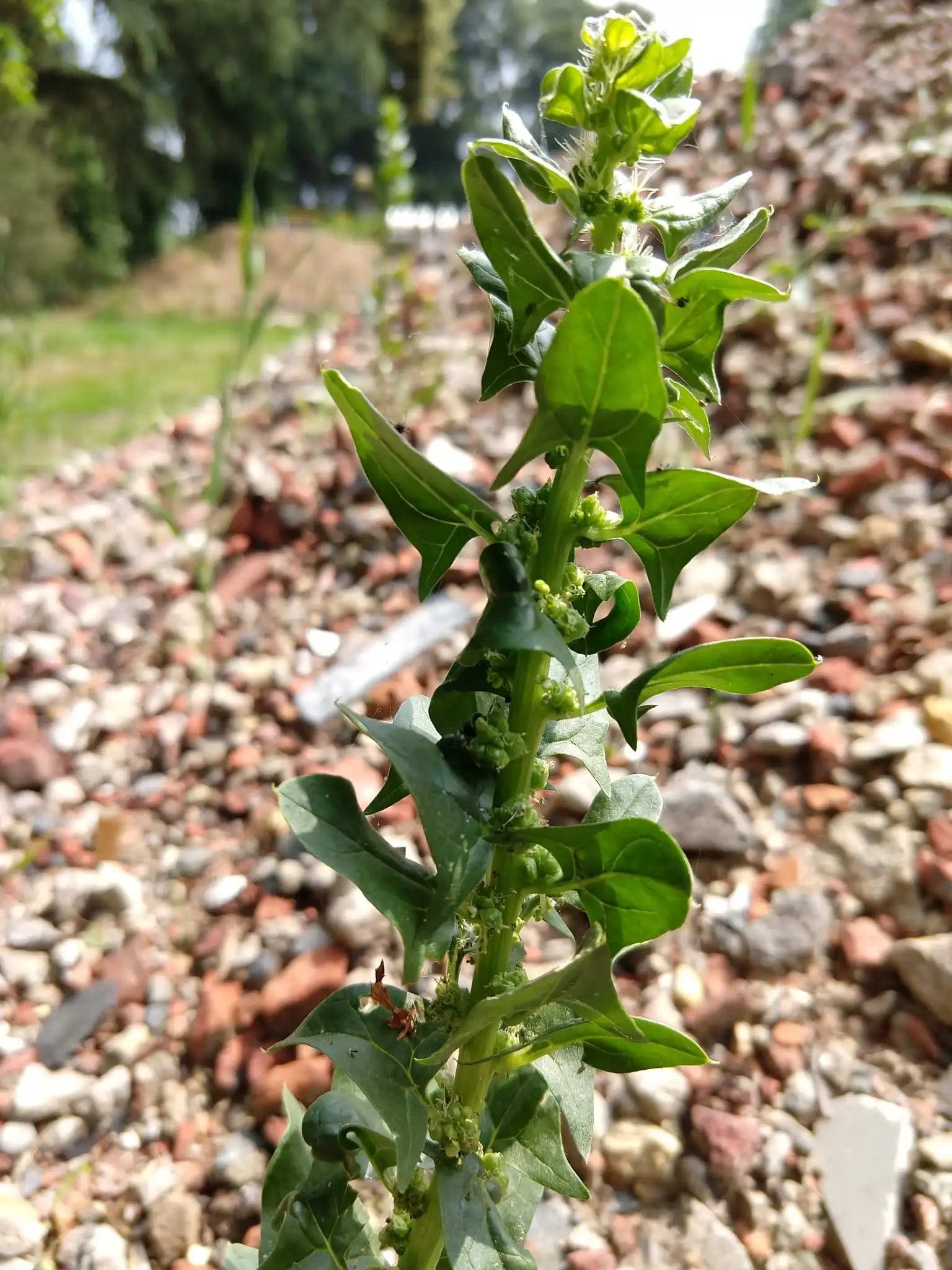
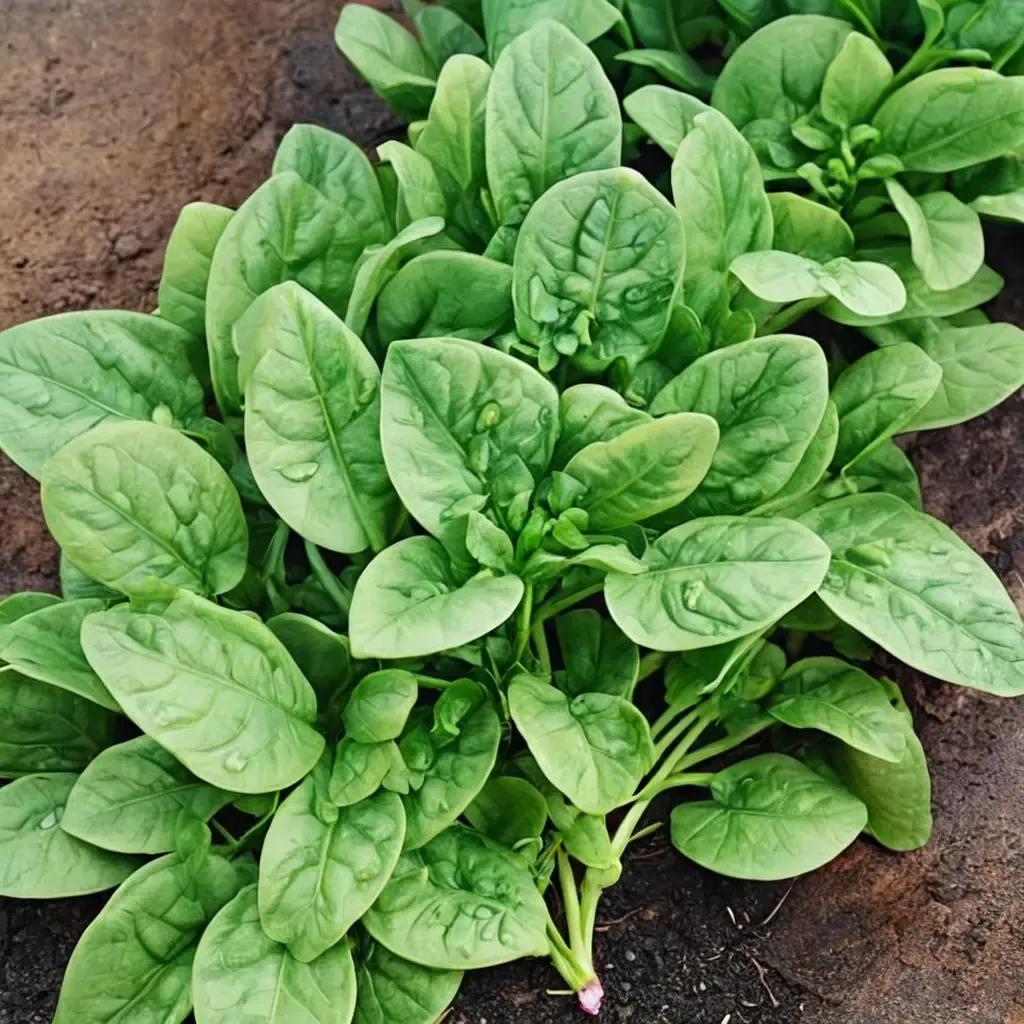
Spinacia oleracea, spinach, is an erect cool-season annual from central Asia and southwestern Siberia, six to twelve inches high and about as wide. It forms a rosette of edible leaves before running up to a panicle of insignificant yellow-green flowers in summer, and the fruit is a small spiny husk.
It bolts on daylength rather than heat, so a spring sowing runs to seed as the days lengthen no matter how cool the weather stays — which is why autumn sowings crop far longer than spring ones. It germinates in cold soil that stops most crops, and a sowing made in late summer will overwinter and stand right through to spring.
Uses & Benefits:
Essentials
At a Glance
Plant Type
Fruit Vegetable
Height
10"
Width
12"
Light
Full Sun, Partial Sun
Zones
4, 5, 6, 7, 8, 9, 10
Water
Moderate
Humidity
Moderate
Lifespan
Annual
Native To
Central Asia to southwest Siberia
Toxicity
Edible
Planting
How to Grow
- Sow direct in cool soil; it dislikes transplanting.
- Sow in late summer for the longest cropping.
- Thin seedlings to three or four inches apart.
- Keep the soil evenly moist to delay bolting.
- Pick outer leaves and let the centre grow on.
- Pull plants once they run to seed.
Pro Tip
Sow in late summer rather than spring — spinach bolts on lengthening days, so an autumn crop stands for months where a spring one runs to seed in weeks.
Keep It Thriving
Care Guide
Do
- Sow direct into cool soil 🌱
- Sow in late summer for a long crop 🍂
- Keep the soil evenly moist 💧
- Pick the outer leaves 🥬
Don't
- Transplant seedlings ❌
- Let the soil dry out ❌
- Sow into hot summer ground ❌
Seasonal Care Calendar
| Task | Jan | Feb | Mar | Apr | May | Jun | Jul | Aug | Sep | Oct | Nov | Dec |
|---|---|---|---|---|---|---|---|---|---|---|---|---|
| Harvest | ||||||||||||
| Sow |
Watch Out For
Pests & Diseases
Common Pests
Common Diseases
In the Garden
Landscape Uses & Companions
Landscape Uses
Companion Plants
Multiply
Propagation Methods
Good to Know
Common Questions
Spinach questions
What zones can Spinach grow in?
Spinach is hardy in USDA Zones 4–10. Inside that range it survives winter in the ground; outside it, grow it as an annual or a container plant you protect.
Is Spinach deer resistant?
Yes — Spinach is rated deer-resistant. Deer typically pass it over, though extreme hunger can override any plant's defenses.
When does Spinach bloom?
Spinach typically blooms in summer, when bolting through late spring. Exact timing shifts a week or two with your zone — Sow's bloom calendar maps it to your garden.
Does Spinach need full sun?
Spinach does best in full sun to part shade. In hot climates, afternoon shade keeps blooms fresher longer.
More Spinacia to compare
Keep exploring
Explore the genus
Grow Spinach with confidence
See it in a design of your actual yard, get zone-matched care reminders, and track it season by season in your garden journal.