The Story
Plant Bio
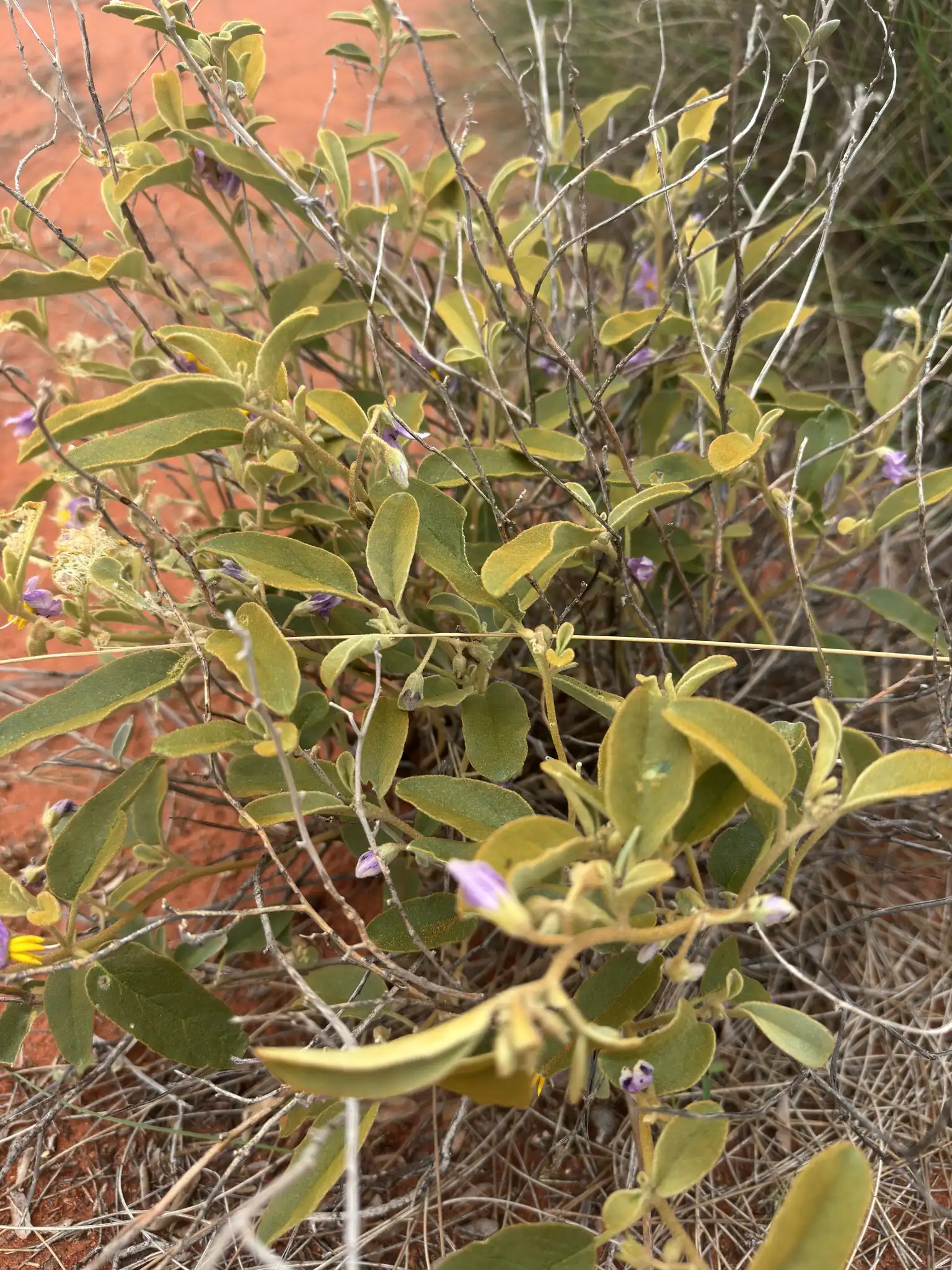
Solanum centrale, known as the Australian desert raisin, is a low-growing perennial shrub native to the arid interior of Australia. It features pale yellow-green to grey-green foliage covered in dense, fine stellate hairs and produces star-shaped purple flowers with bright yellow stamens in summer.
This species is highly adapted to extreme desert conditions, developing a deep suckering root system that allows it to survive prolonged drought by dying back completely and re-sprouting. The stems and flower calyces are armed with sharp prickles, and the plant produces small fruits that dry on the vine to resemble raisins.
Uses & Benefits:
Essentials
At a Glance
Plant Type
Shrub
Height
20"
Width
12"
Light
Full Sun
Zones
9, 10
Water
Low
Humidity
Low
Lifespan
Perennial
Native To
Australia
Toxicity
Toxic if unripe fruit, leaves, or stems are ingested; stems have sharp spines
Bloom period
Summer
In flower about 3 months of the year
Planting
How to Grow
- Select a planting site with maximum solar exposure and exceptionally sharp, fast-draining, gravelly or sandy soil.
- Sow seeds using smoke treatment or smoked vermiculite combined with physical scarification to break seed coat dormancy.
- Water sparingly during the active summer growing season, allowing the substrate to dry out completely between waterings.
- Withhold water entirely during cold winter months or periods of dormancy to prevent root rot.
Pro Tip
Do not treat this desert native like a standard garden tomato; rich soil, regular watering, and fertilizer will rot the roots and kill the plant.
Keep It Thriving
Care Guide
Do
- Grow in a container with a highly porous, gritty potting mix if local soils are heavy or wet.
- Ensure maximum sun exposure to mimic its native arid desert environment.
- Allow the plant to enter its natural dry dormancy cycle without forcing growth with water.
Don't
- Do not apply standard garden fertilizers or organic compost, which promote fungal diseases.
- Do not overwater or allow the roots to sit in standing water or heavy clay.
- Do not ingest the green, unripe fruit, leaves, or stems, as they contain toxic glycoalkaloids.
Seasonal Care Calendar
| Task | Jan | Feb | Mar | Apr | May | Jun | Jul | Aug | Sep | Oct | Nov | Dec |
|---|---|---|---|---|---|---|---|---|---|---|---|---|
| Harvest | ||||||||||||
| Pest Check | ||||||||||||
| Plant | ||||||||||||
| Winter Prep |
Watch Out For
Pests & Diseases
Common Pests
Common Diseases
In the Garden
Landscape Uses & Companions
Landscape Uses
Companion Plants
Multiply
Propagation Methods
Good to Know
Common Questions
Australian Desert Raisin questions
What zones can Australian Desert Raisin grow in?
Australian Desert Raisin is hardy in USDA Zones 9–10. Inside that range it survives winter in the ground; outside it, grow it as an annual or a container plant you protect.
When does Australian Desert Raisin bloom?
Australian Desert Raisin typically blooms in summer through summer. Exact timing shifts a week or two with your zone — Sow's bloom calendar maps it to your garden.
Does Australian Desert Raisin need full sun?
Australian Desert Raisin does best in full sun (6+ hours).
Is Australian Desert Raisin drought tolerant?
Yes — once established (usually after the first full season), Australian Desert Raisin handles dry spells with minimal watering. Water deeply its first year to build the root system that makes that possible.
More Solanum to compare
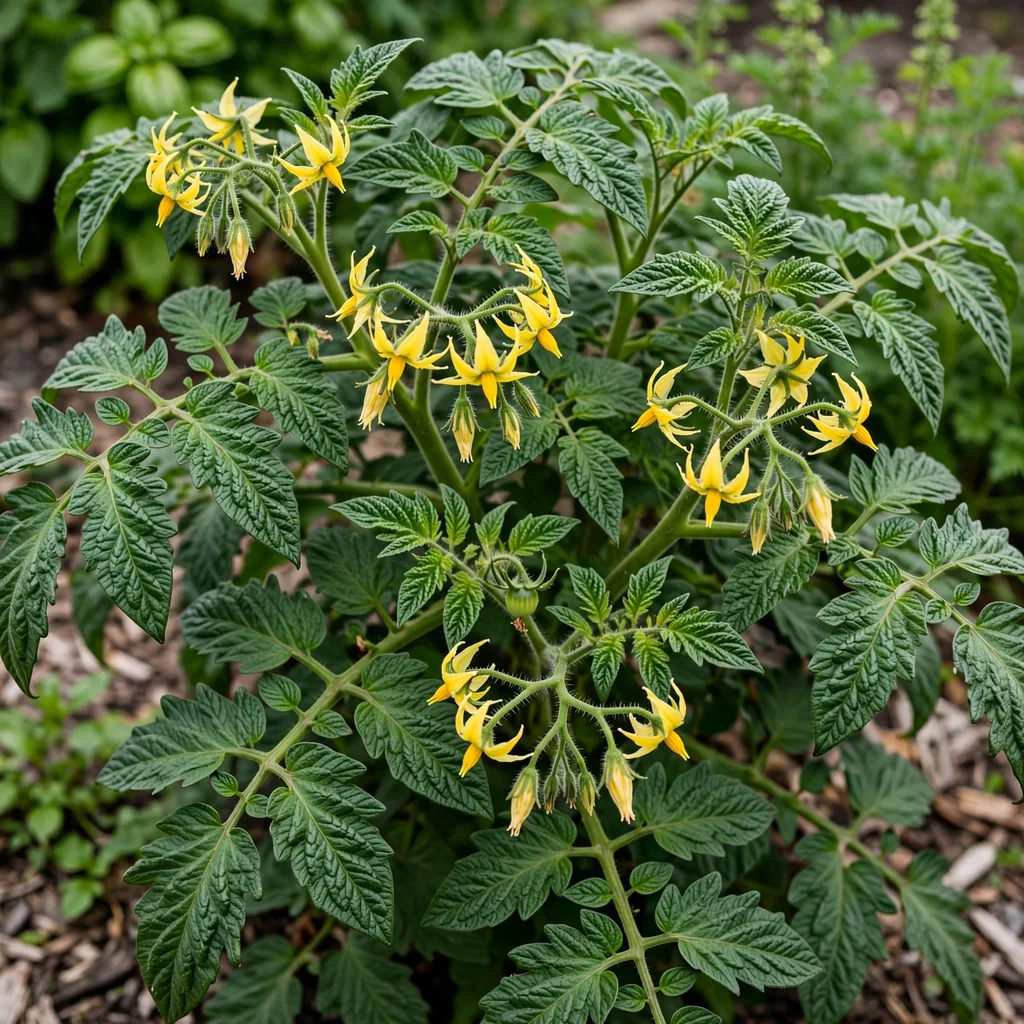
Martino's Roma Tomato
Solanum lycopersicum 'Martino's Roma'
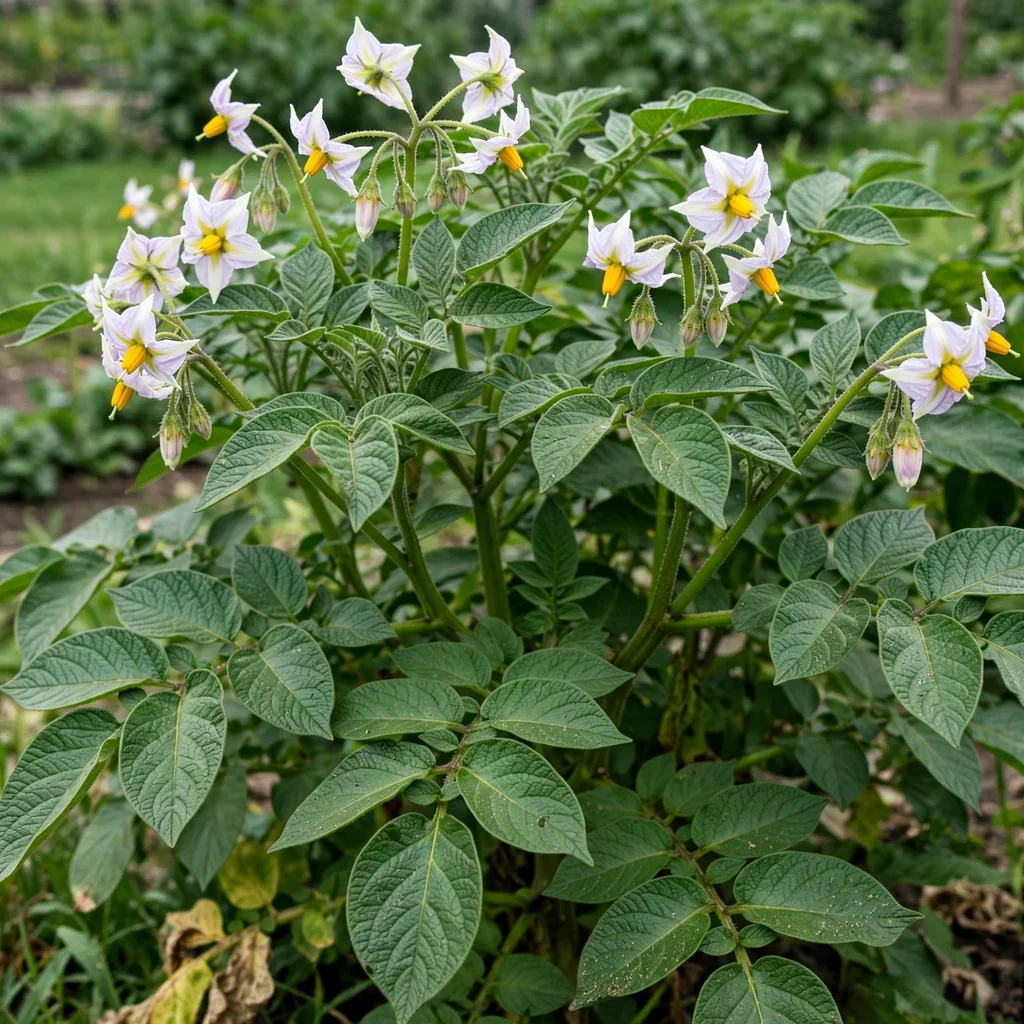
Yukon Gold Potato
Solanum tuberosum 'Yukon Gold'
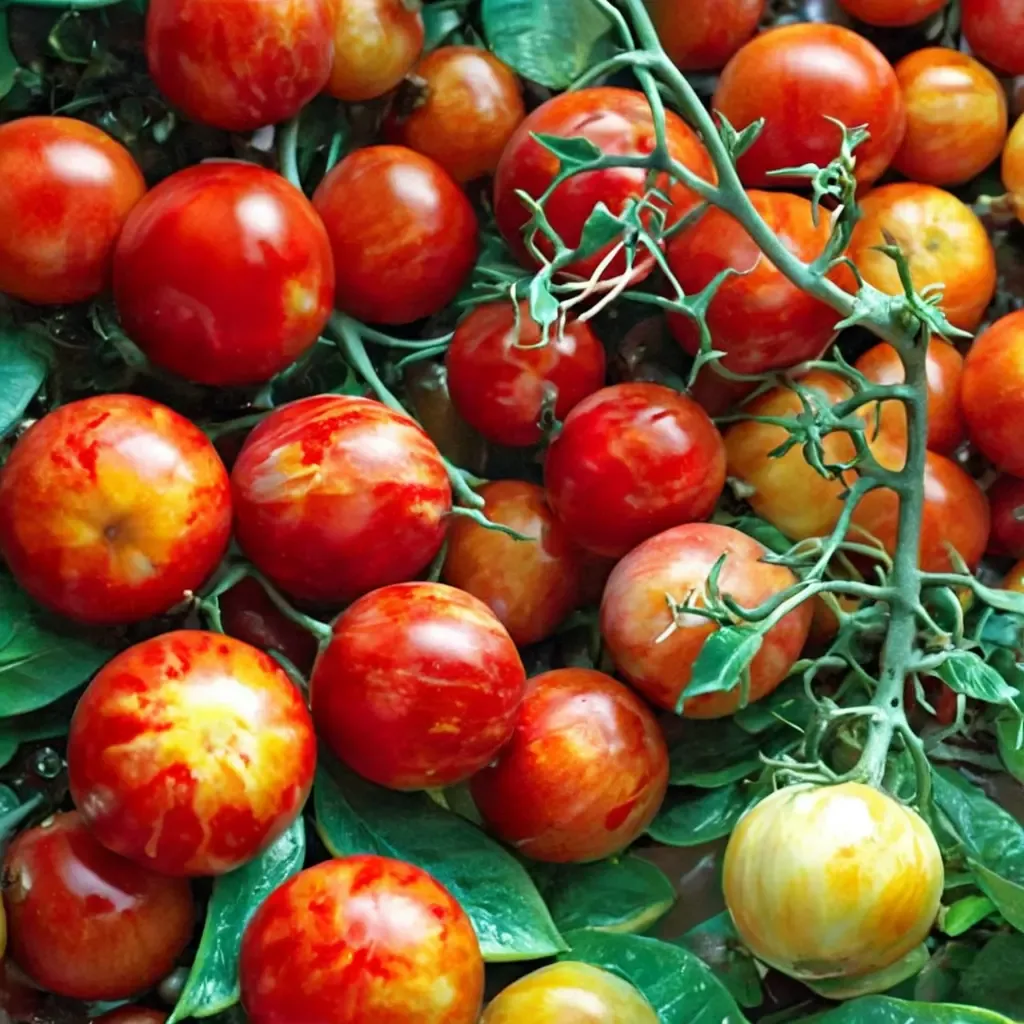
Sweet Tomato
Solanum lycopersicum 'Sweet'
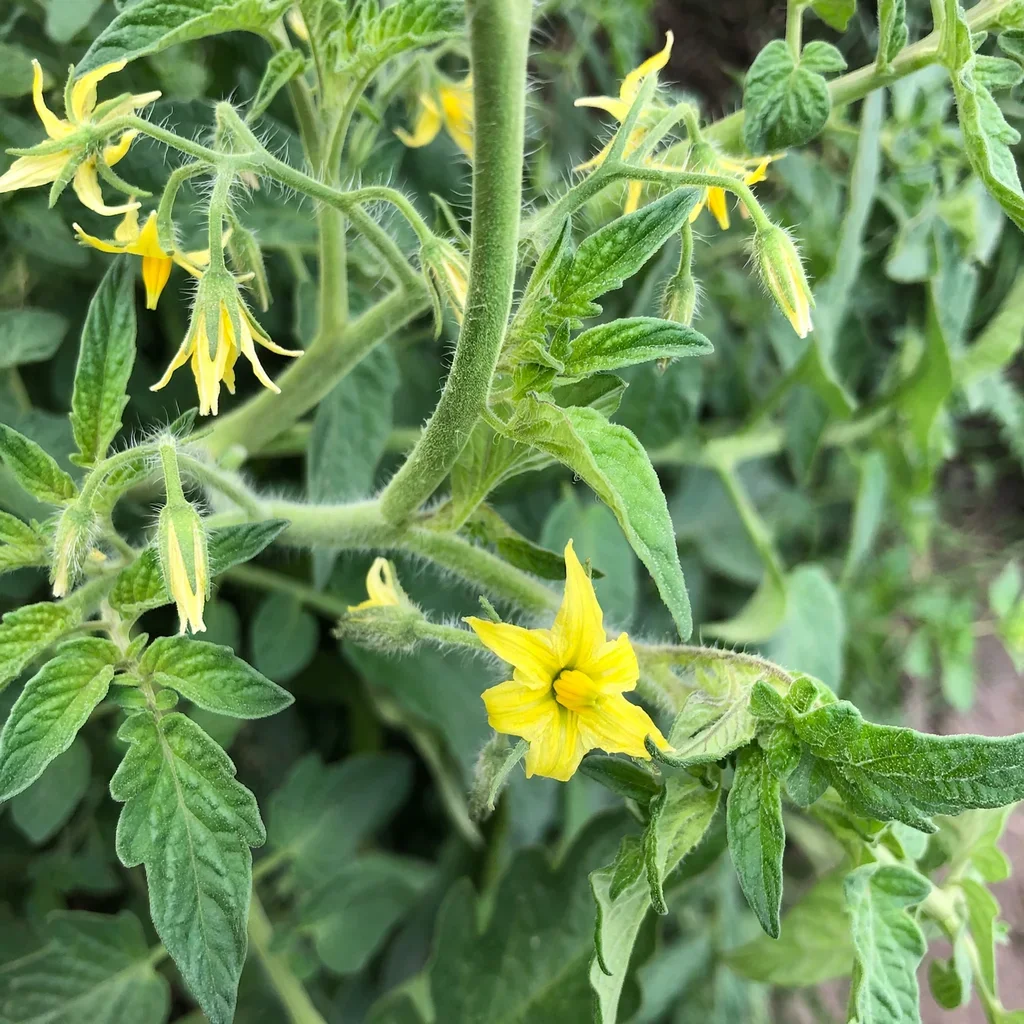
Napa Rose Tomato
Solanum lycopersicum 'Napa Rose'
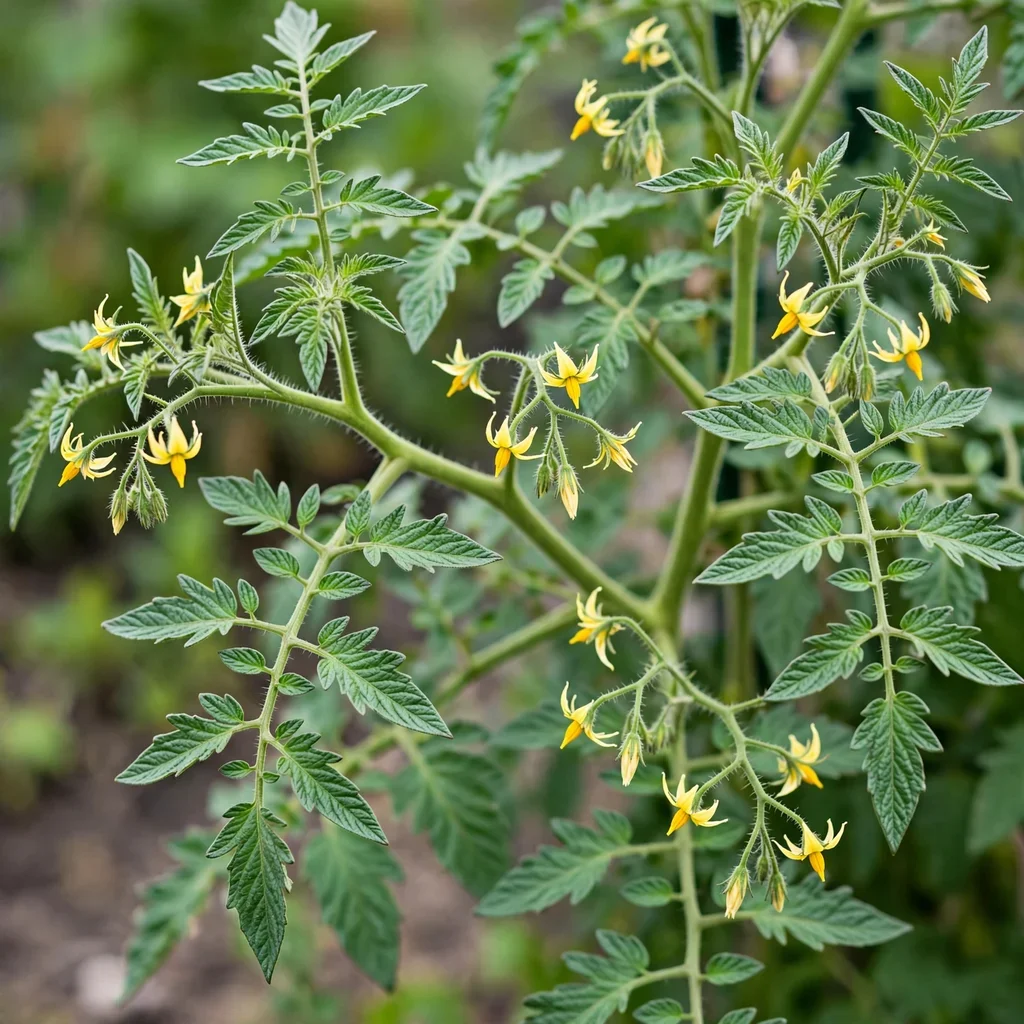
Red Currant Tomato
Solanum lycopersicum 'Red Currant'
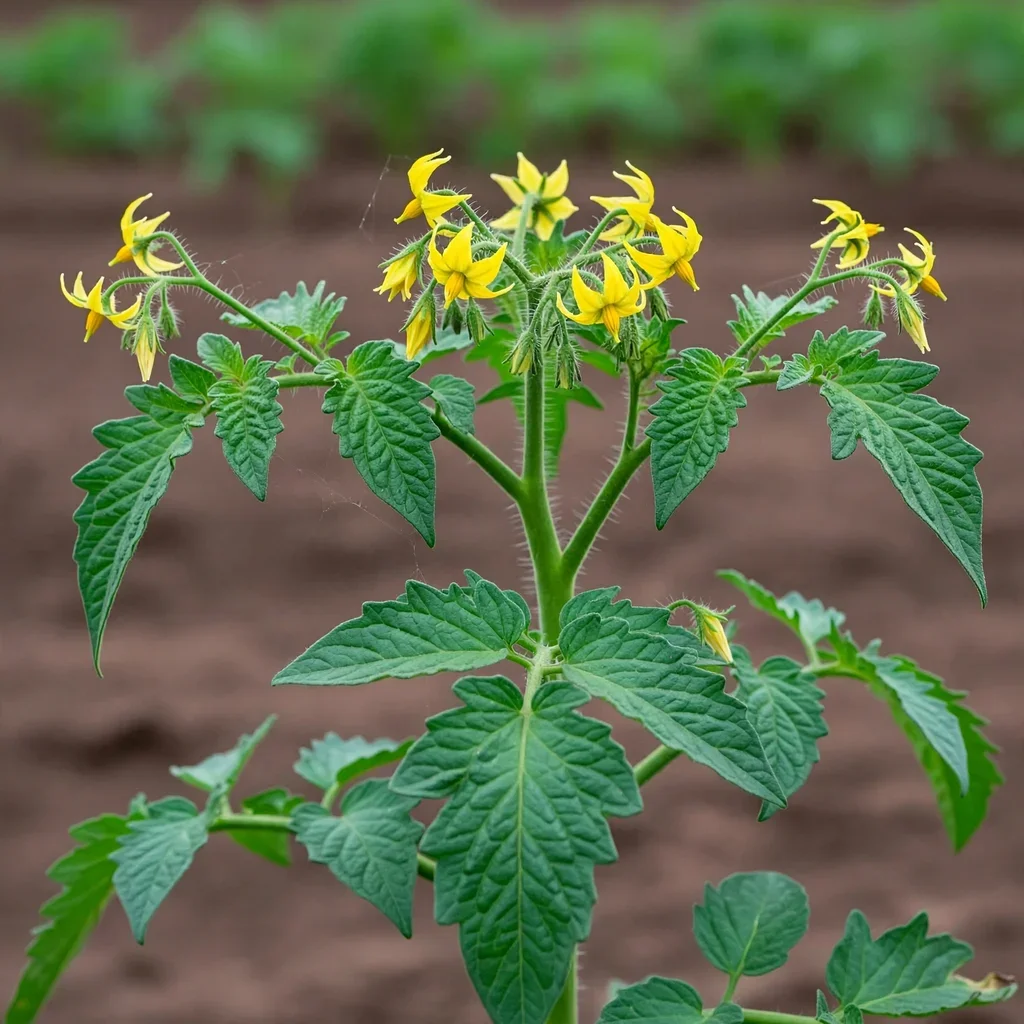
Gold Medal Tomato
Solanum lycopersicum 'Gold Medal'
Keep exploring
Explore the genus
Hardy in your zone?
Grow Australian Desert Raisin with confidence
See it in a design of your actual yard, get zone-matched care reminders, and track it season by season in your garden journal.