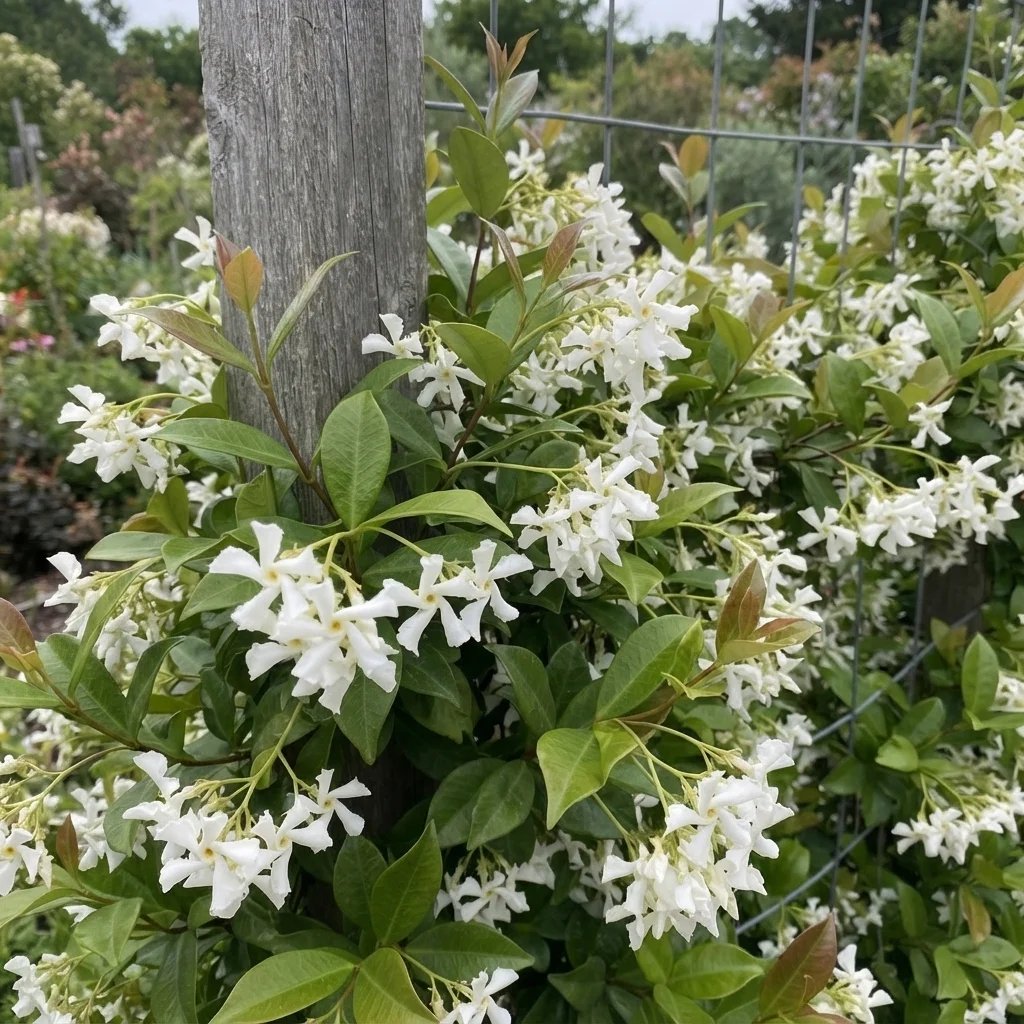
Species
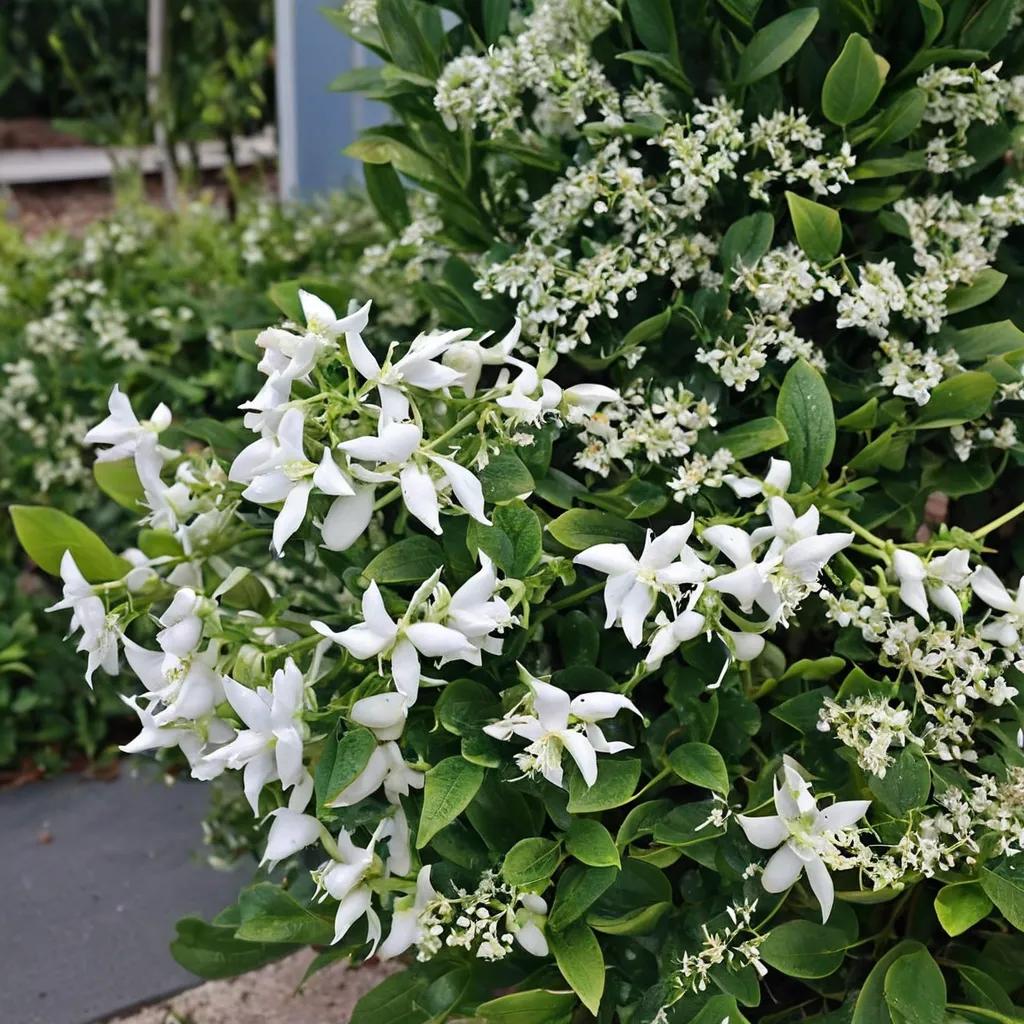 Trachelospermum jasminoidesStar Jasmine
2 other cultivars


The Story
Plant Bio
Trachelospermum jasminoides is an evergreen, woody, twining climber native to China and Japan that lacks aerial roots and requires physical support to grow vertically. The species produces leathery, dark green leaves and highly fragrant, star-shaped white flowers from late spring through summer.
'Madison' is a cold-hardy selection that reliably tolerates winter temperatures down to USDA Zone 7. It is distinguished by its robust growth habit and new foliage that emerges with bronze-red tones before maturing to deep green.
Uses & Benefits:
Essentials
At a Glance
Plant Type
Vine
Height
240"
Width
144"
Light
Full Sun, Partial Sun
Zones
7, 8, 9, 10
Water
Moderate
Humidity
High
Lifespan
Perennial
Native To
China and Japan
Toxicity
Mildly toxic if ingested; sap causes skin irritation
Bloom period
Late spring – Summer
In flower about 4 months of the year
Planting
How to Grow
- Select a planting site in full sun to partial shade with well-drained soil.
- Install a trellis, arbor, or wire support system before planting to guide the twining stems.
- Dig a hole twice as wide as the root ball and set the plant at the same depth as its container.
- Water deeply at the base to settle the soil, avoiding overhead watering to minimize disease risk.
- Tie the main stems loosely to the support structure to initiate upward climbing.
Pro Tip
Provide a sturdy trellis or wire framework for the twining stems to wrap around, as this vine cannot self-adhere to flat masonry walls.
Keep It Thriving
Care Guide
Do
- Prune immediately after the main spring flowering wave to shape and control size.
- Apply a balanced, slow-release fertilizer in early spring if soil fertility is low.
- Wear gloves when pruning to protect skin from the irritating milky latex sap.
Don't
- Do not prune heavily into old, bare woody stems, as they regenerate poorly.
- Do not plant in heavy, poorly drained clay or low spots prone to standing water.
- Do not over-fertilize, which stimulates excessive foliage at the expense of flowers.
Seasonal Care Calendar
| Task | Jan | Feb | Mar | Apr | May | Jun | Jul | Aug | Sep | Oct | Nov | Dec |
|---|---|---|---|---|---|---|---|---|---|---|---|---|
| Fertilize | ||||||||||||
| Pest Check | ||||||||||||
| Propagate | ||||||||||||
| Prune |
Watch Out For
Pests & Diseases
Common Pests
Common Diseases
In the Garden
Landscape Uses & Companions
Landscape Uses
Companion Plants
Multiply
Propagation Methods
Good to Know
Common Questions
Star Jasmine questions
What zones can Star Jasmine grow in?
Star Jasmine is hardy in USDA Zones 7–10. Inside that range it survives winter in the ground; outside it, grow it as an annual or a container plant you protect.
Is Star Jasmine deer resistant?
Yes — Star Jasmine is rated deer-resistant. Deer typically pass it over, though extreme hunger can override any plant's defenses.
When does Star Jasmine bloom?
Star Jasmine typically blooms in late spring through summer. Exact timing shifts a week or two with your zone — Sow's bloom calendar maps it to your garden.
Does Star Jasmine need full sun?
Star Jasmine does best in full sun to part shade. In hot climates, afternoon shade keeps blooms fresher longer.
Is Star Jasmine drought tolerant?
Yes — once established (usually after the first full season), Star Jasmine handles dry spells with minimal watering. Water deeply its first year to build the root system that makes that possible.
More Trachelospermum to compare
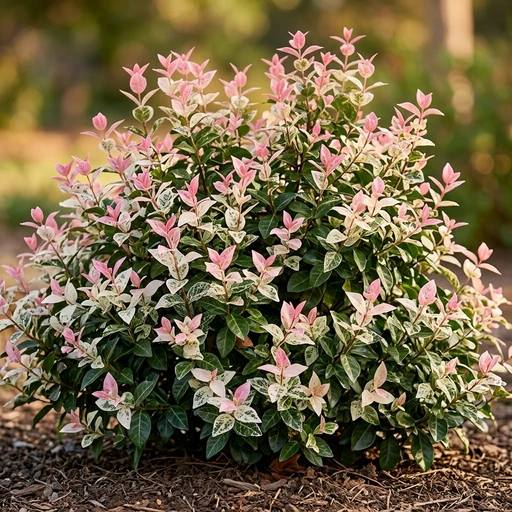
Snow-N-Summer Asiatic Jasmine
Trachelospermum asiaticum 'Snow-N-Summer'
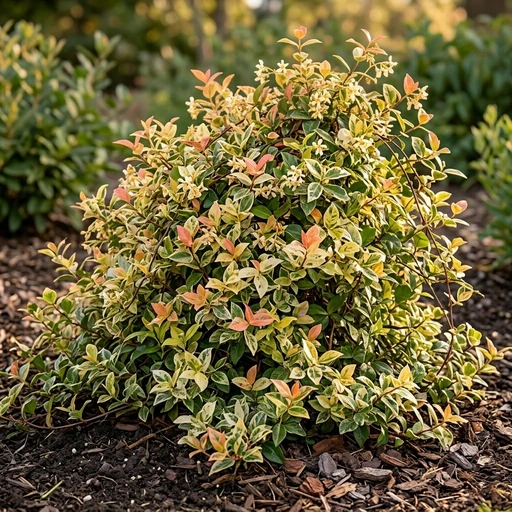
Summer Sunset Asian Jasmine
Trachelospermum asiaticum 'Summer Sunset'
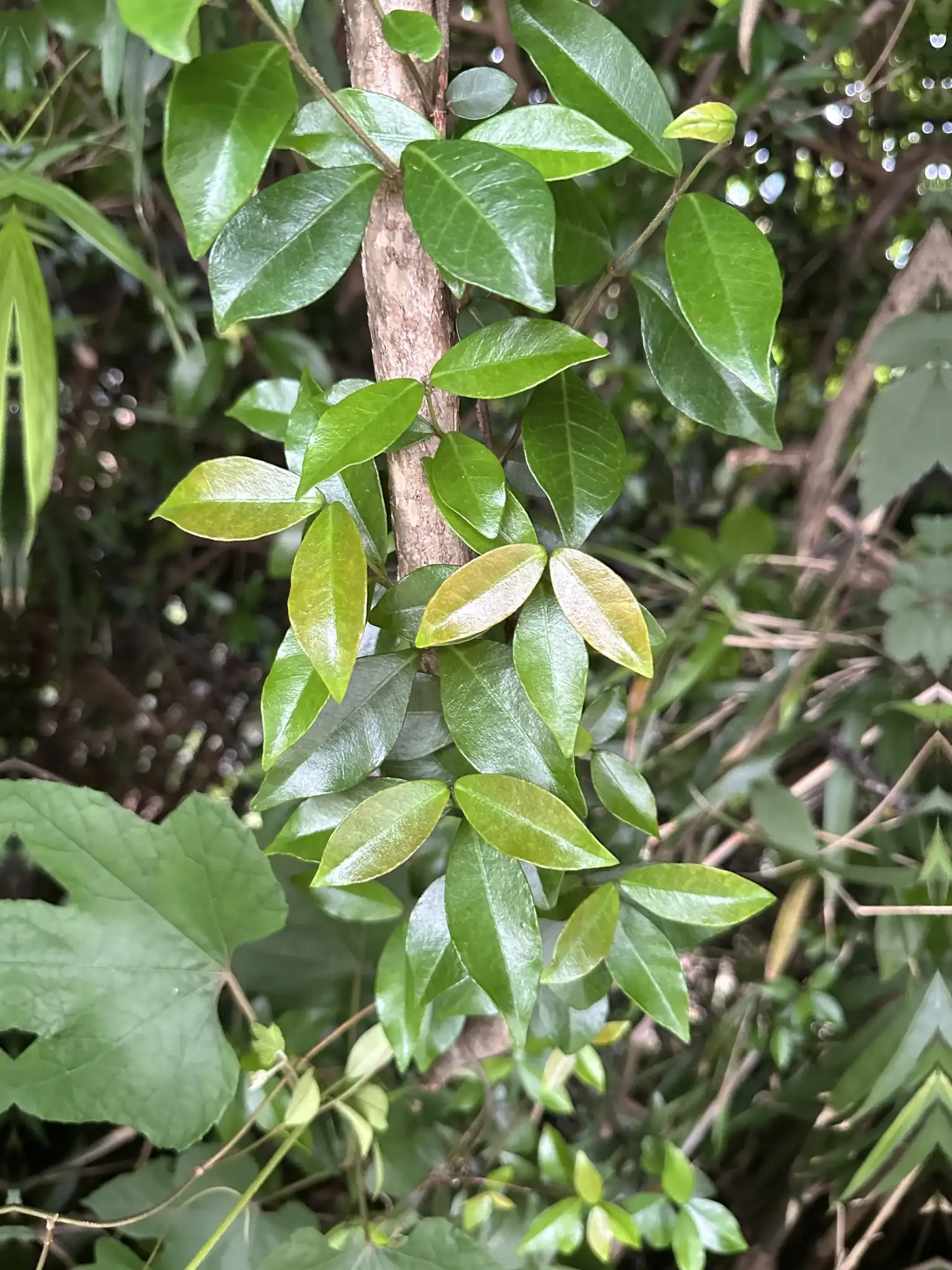
Asiatic Jasmine
Trachelospermum asiaticum
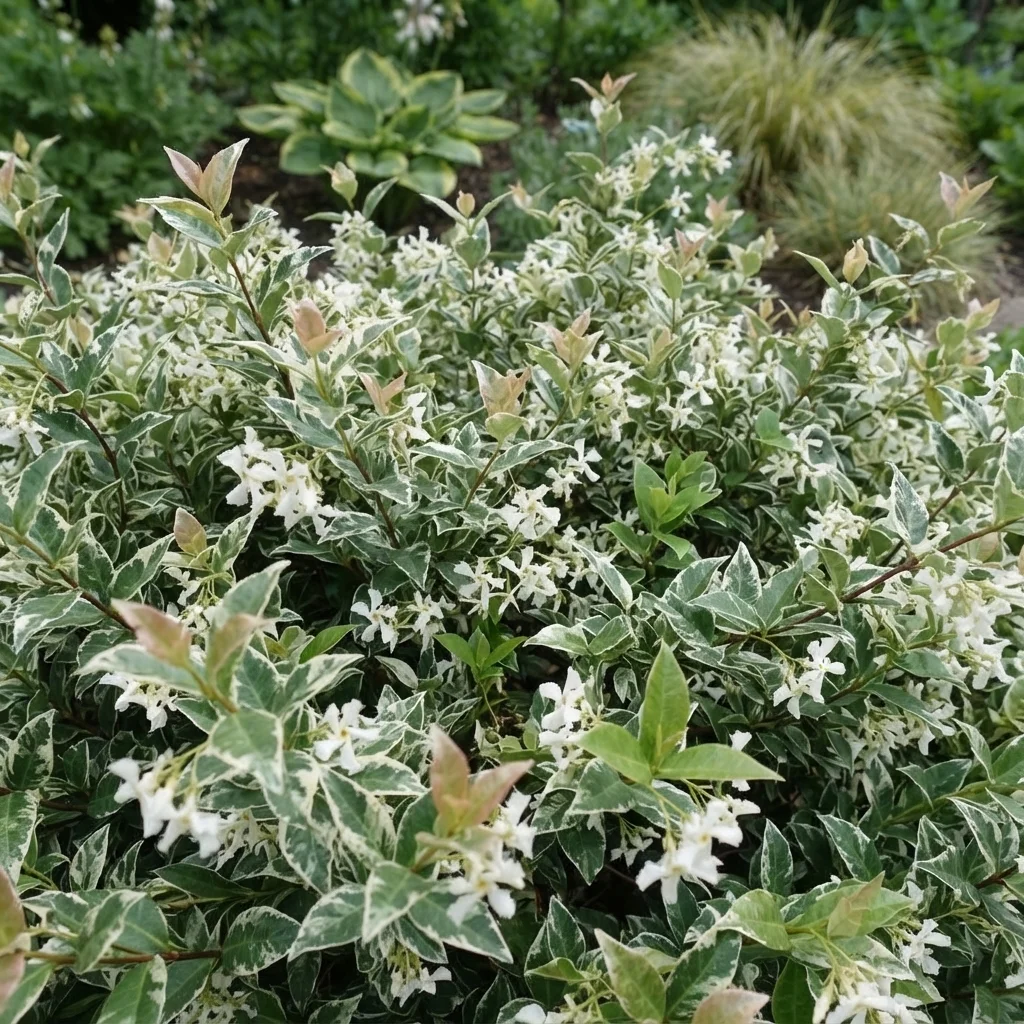
Variegated Star Jasmine
Trachelospermum jasminoides 'Variegatum'
Keep exploring
Explore the genus
Hardy in your zone?
Grow Star Jasmine with confidence
See it in a design of your actual yard, get zone-matched care reminders, and track it season by season in your garden journal.