The Story
Plant Bio
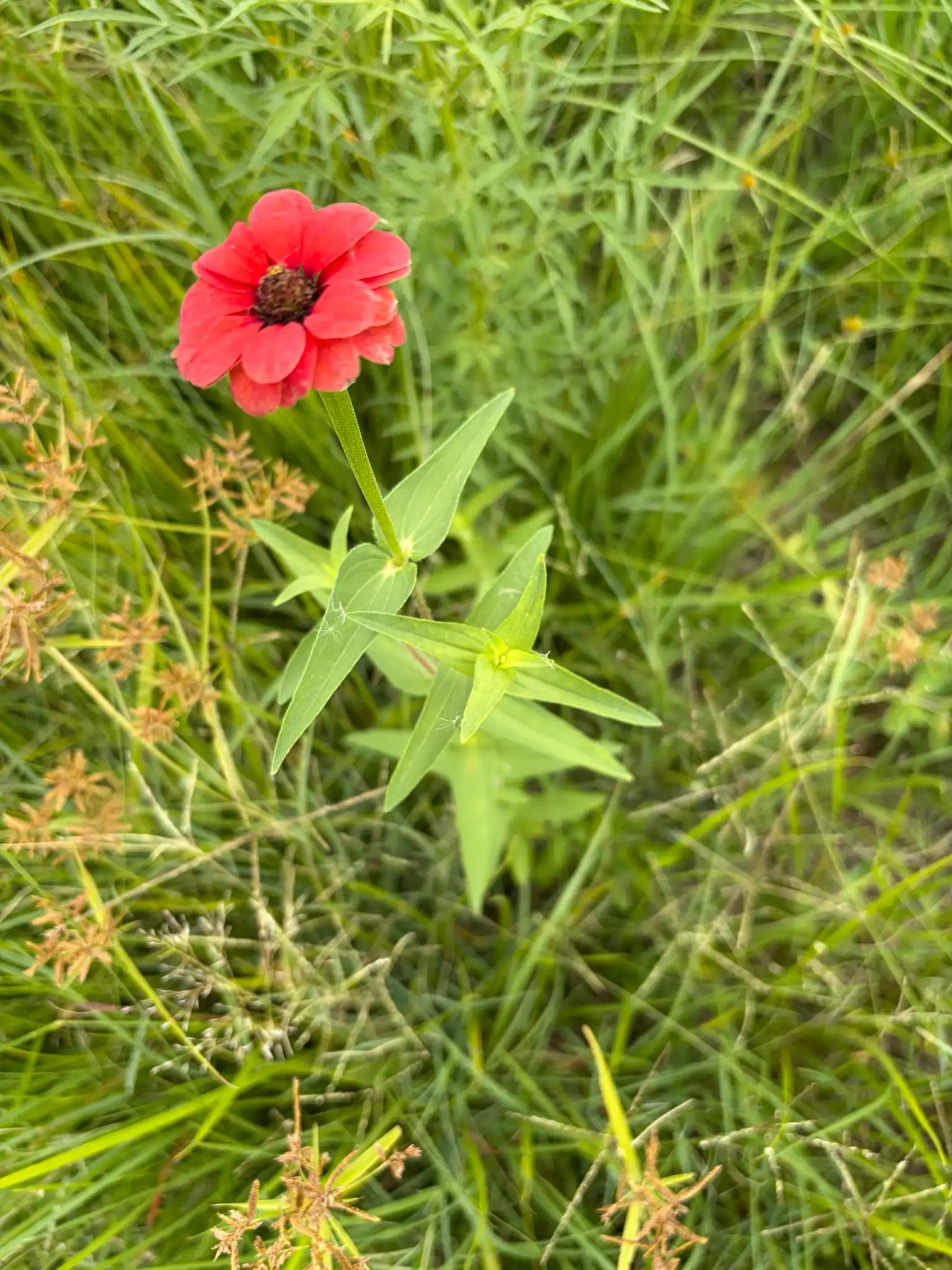
Zinnia peruviana, the Peruvian zinnia, is a fast-growing, upright annual herb native to the American Southwest, Mexico, and South America. Stems are rough and stiffly hairy, emerging green and turning yellow or purplish with age, bearing simple, opposite, clasping leaves with a scabrid surface.
This species is distinguished by its terminal composite heads featuring 6 to 21 ray florets in shades of red, yellow, or orange surrounding a central cluster of yellow disc florets. Unlike highly bred modern cultivars, it retains a wild, open branching habit and exceptional drought tolerance once established.
Uses & Benefits:
Essentials
At a Glance
Plant Type
Annual
Height
36"
Width
24"
Light
Full Sun
Zones
4, 5, 6, 7, 8, 9, 10
Water
Low
Humidity
Moderate
Lifespan
Annual
Native To
North and South America
Toxicity
Non-toxic
Bloom period
Summer – Autumn
In flower about 6 months of the year
Planting
How to Grow
- Sow seeds directly into well-drained soil after the last spring frost, or start indoors four to six weeks earlier in biodegradable pots.
- Select a site receiving at least six hours of direct sunlight daily to ensure strong stems and abundant blooms.
- Water deeply but infrequently, allowing the top few inches of soil to dry completely to prevent root rot.
- Space plants twelve inches apart to maximize air circulation and reduce the risk of powdery mildew.
Pro Tip
Plant in lean, fast-draining soil and strictly avoid heavy fertilizers; excessive nitrogen produces weak, leggy stems and reduces flower production.
Keep It Thriving
Care Guide
Do
- Deadhead spent flowers regularly to stimulate continuous blooming through the fall.
- Water at the base of the plant to keep the foliage dry and prevent fungal diseases.
- Grow in poor to average, sharply drained soil to maintain a compact, upright habit.
Don't
- Do not over-fertilize, as rich soil and high nitrogen lead to weak, floppy growth and fewer flowers.
- Do not plant in heavy, wet clay soils that hold moisture around the woody taproot.
- Do not crowd plants closely together, which restricts airflow and invites powdery mildew.
Seasonal Care Calendar
| Task | Jan | Feb | Mar | Apr | May | Jun | Jul | Aug | Sep | Oct | Nov | Dec |
|---|---|---|---|---|---|---|---|---|---|---|---|---|
| Deadhead | ||||||||||||
| Pest Check | ||||||||||||
| Plant | ||||||||||||
| Propagate |
Watch Out For
Pests & Diseases
Common Pests
Common Diseases
In the Garden
Landscape Uses & Companions
Landscape Uses
Companion Plants
Multiply
Propagation Methods
Good to Know
Common Questions
Peruvian Zinnia questions
What zones can Peruvian Zinnia grow in?
Peruvian Zinnia is hardy in USDA Zones 4–10. Inside that range it survives winter in the ground; outside it, grow it as an annual or a container plant you protect.
When does Peruvian Zinnia bloom?
Peruvian Zinnia typically blooms in summer through autumn. Exact timing shifts a week or two with your zone — Sow's bloom calendar maps it to your garden.
Does Peruvian Zinnia need full sun?
Peruvian Zinnia does best in full sun (6+ hours).
Is Peruvian Zinnia drought tolerant?
Yes — once established (usually after the first full season), Peruvian Zinnia handles dry spells with minimal watering. Water deeply its first year to build the root system that makes that possible.
More Zinnia to compare
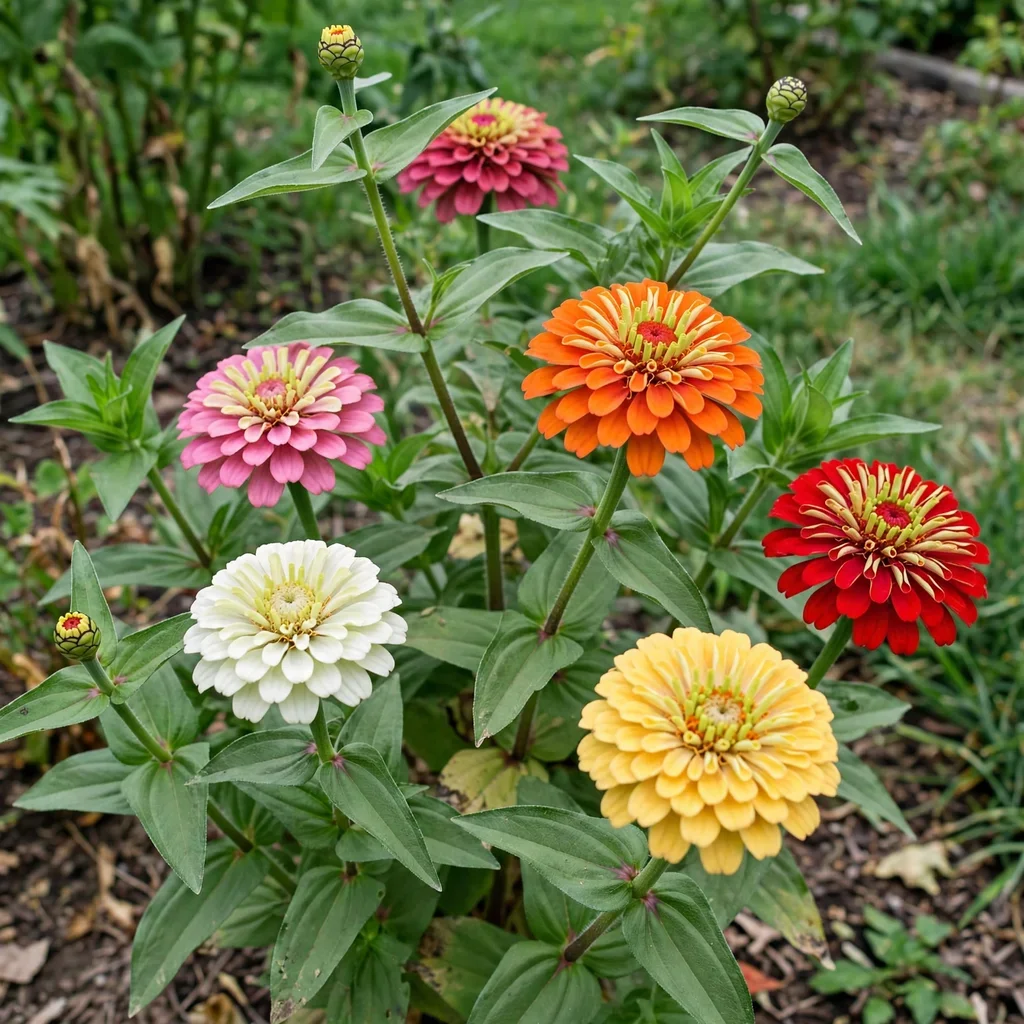
Zinnia Raggedy Ann
Zinnia elegans 'Raggedy Ann'
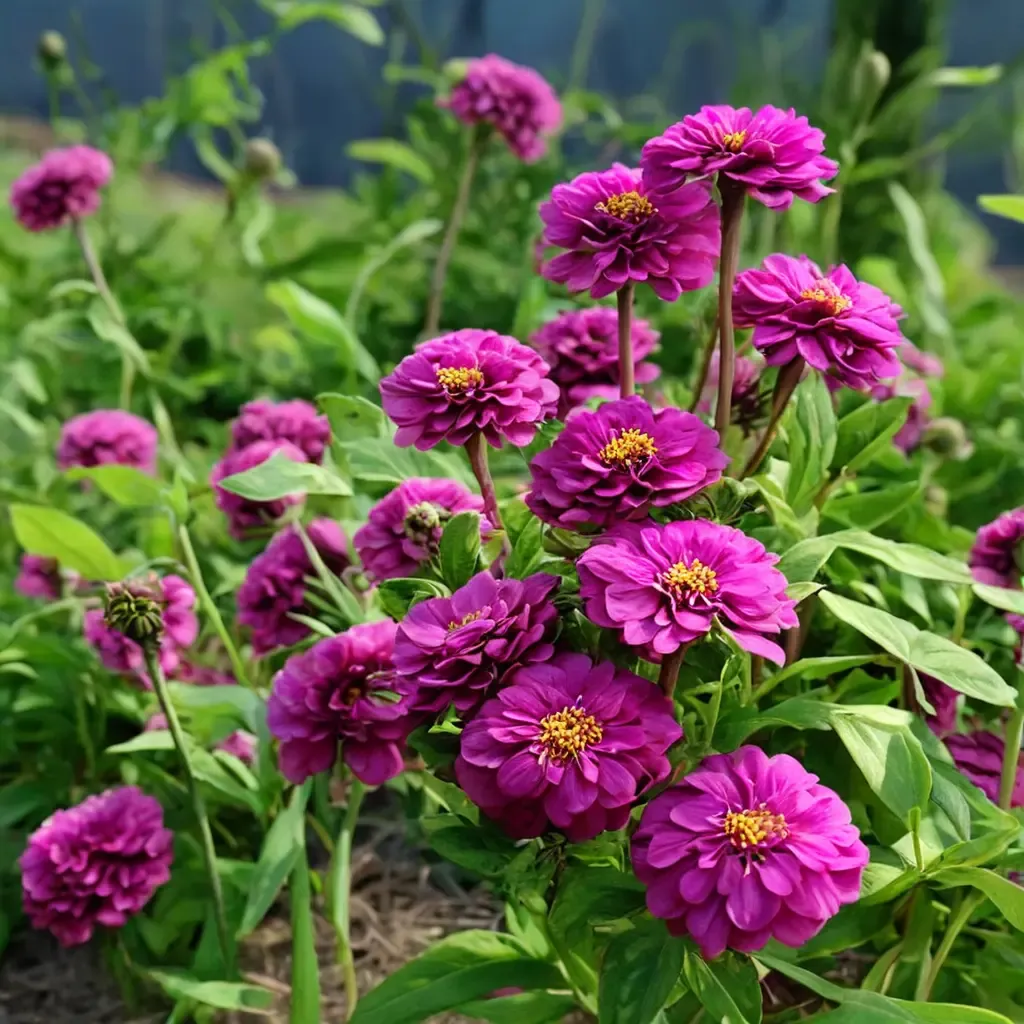
Giant Violet Queen Zinnia
Zinnia elegans 'Giant Violet Queen'
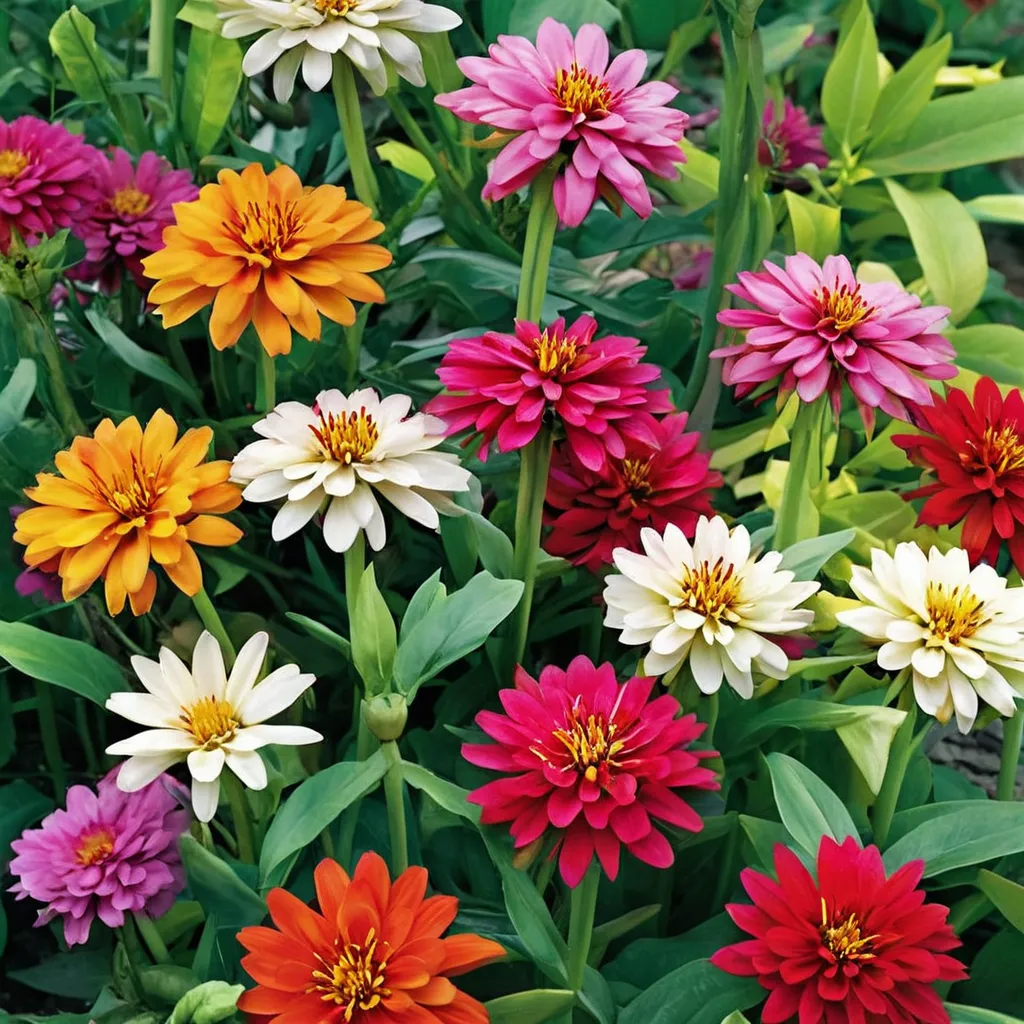
Zinnia Mix
Zinnia x hybrida 'Mix'
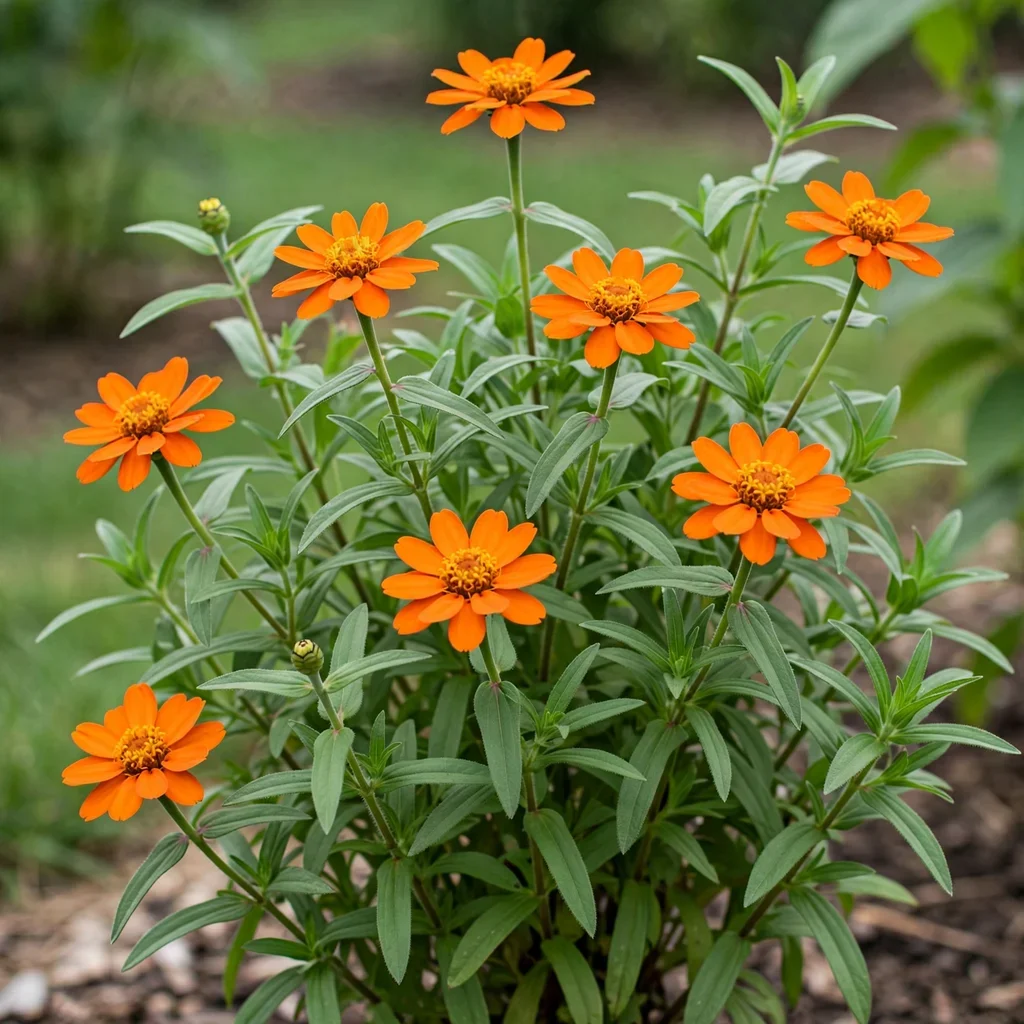
Profusion Zinnia
Zinnia elegans 'Profusion'
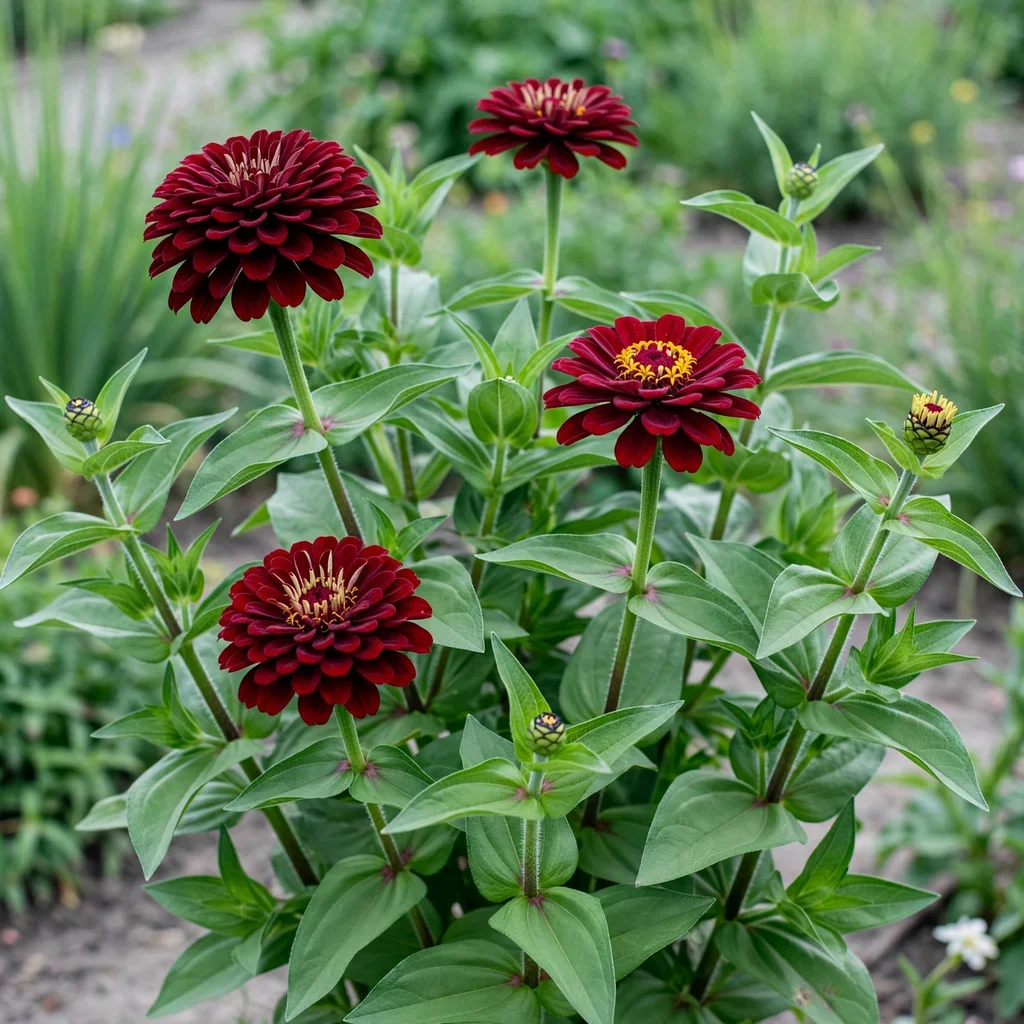
Benary's Giant Wine Zinnia
Zinnia elegans 'Benary's Giant Wine'
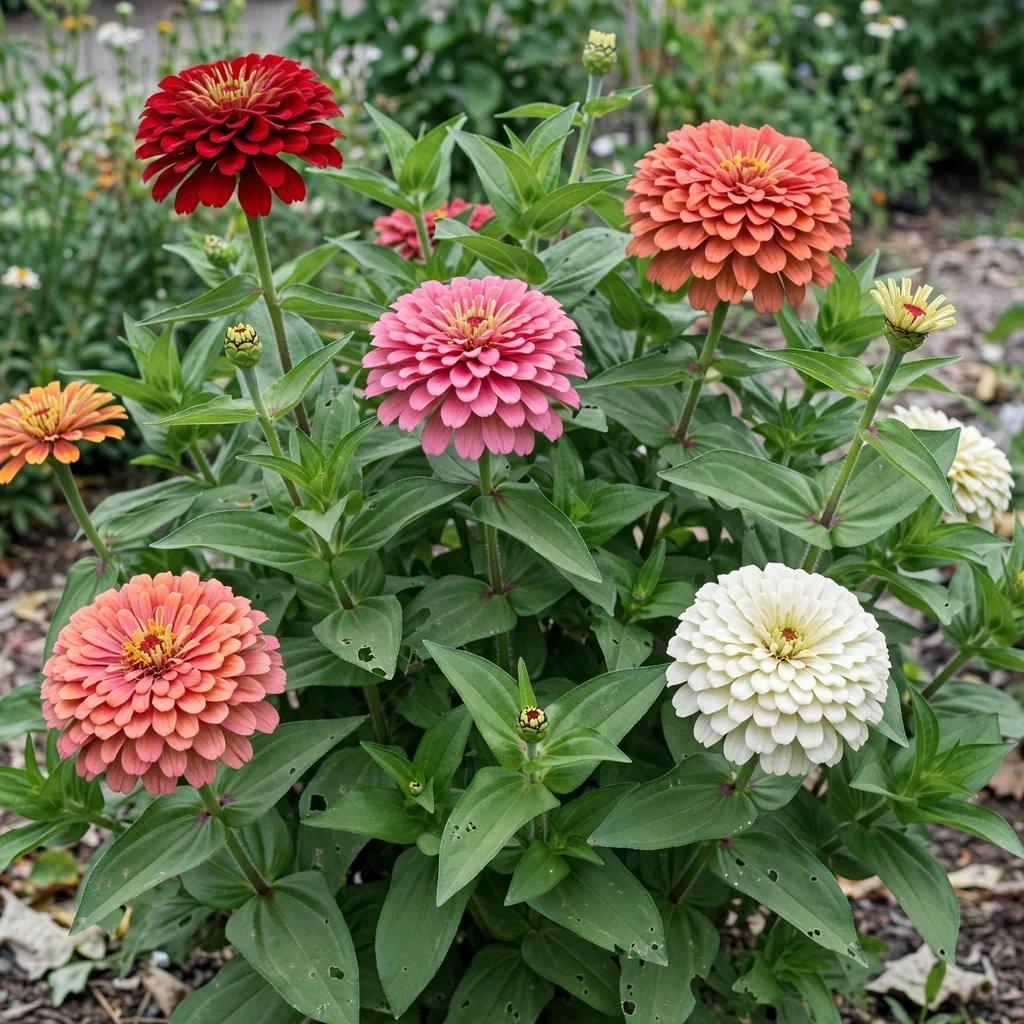
Benary's Giant Zinnia
Zinnia elegans 'Benary'
Keep exploring
Explore the genus
Grow Peruvian Zinnia with confidence
See it in a design of your actual yard, get zone-matched care reminders, and track it season by season in your garden journal.