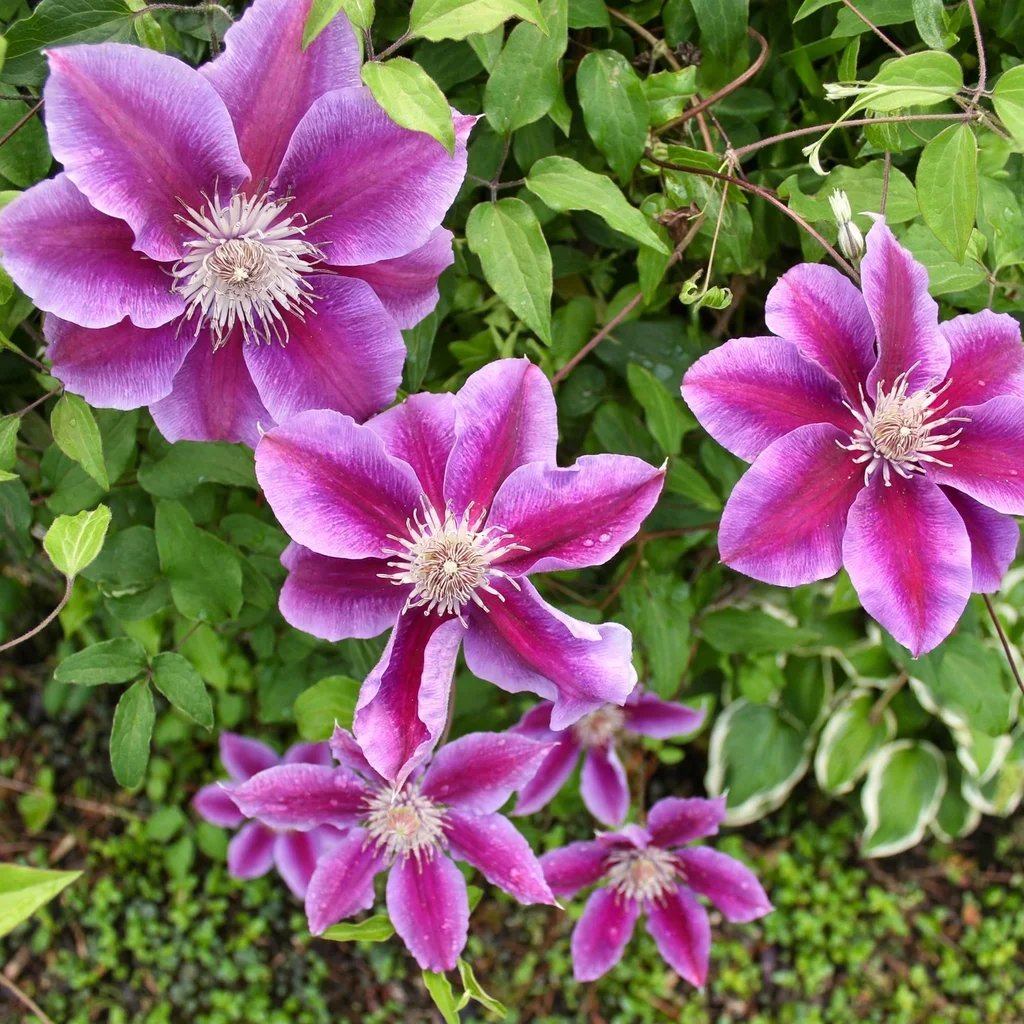
Garden hybrid
 Clematis x hybridaClematis
43 other cultivars
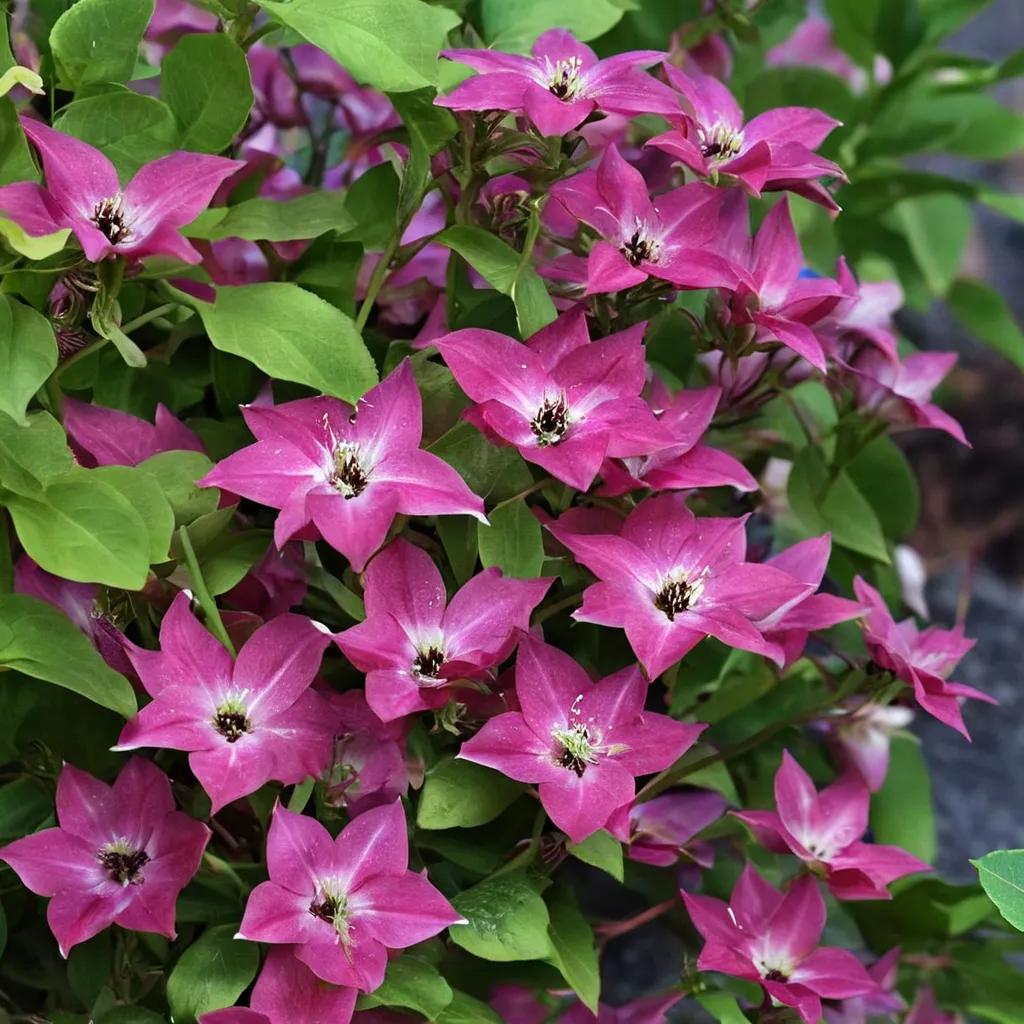 ‘Viva Polonia’Viva Polonia Clematis
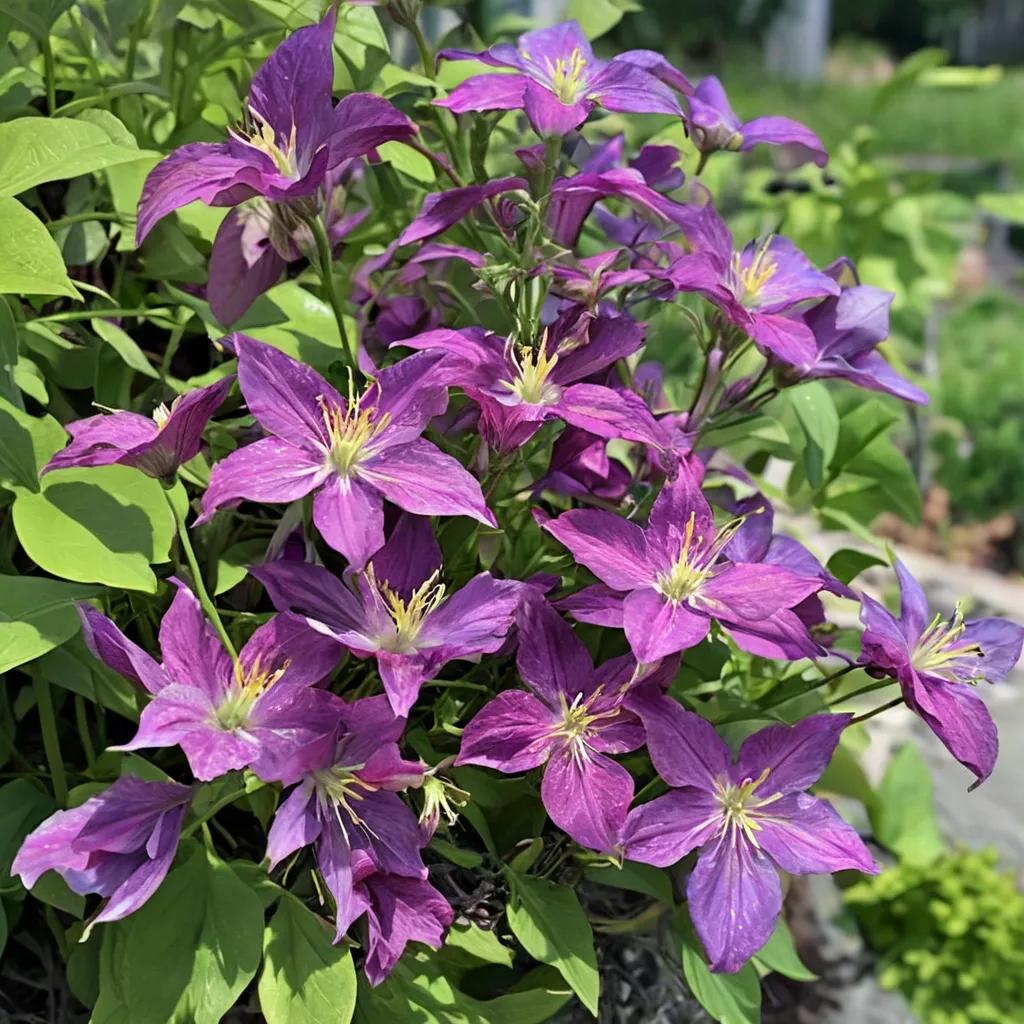 ‘Jolly Good’Clematis Jolly Good
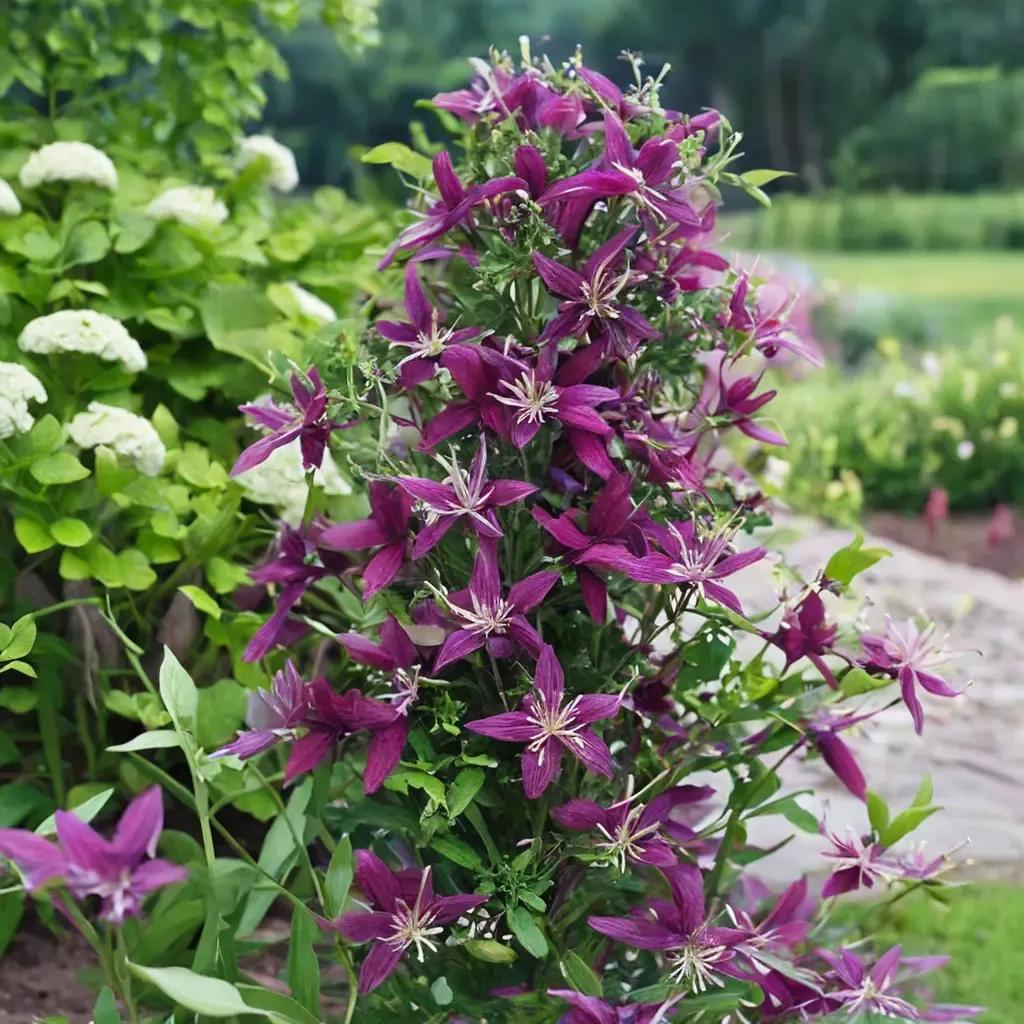 ‘Sweet Summer Love’Sweet Summer Love Clematis
 ‘Rebecca’Rebecca Clematis
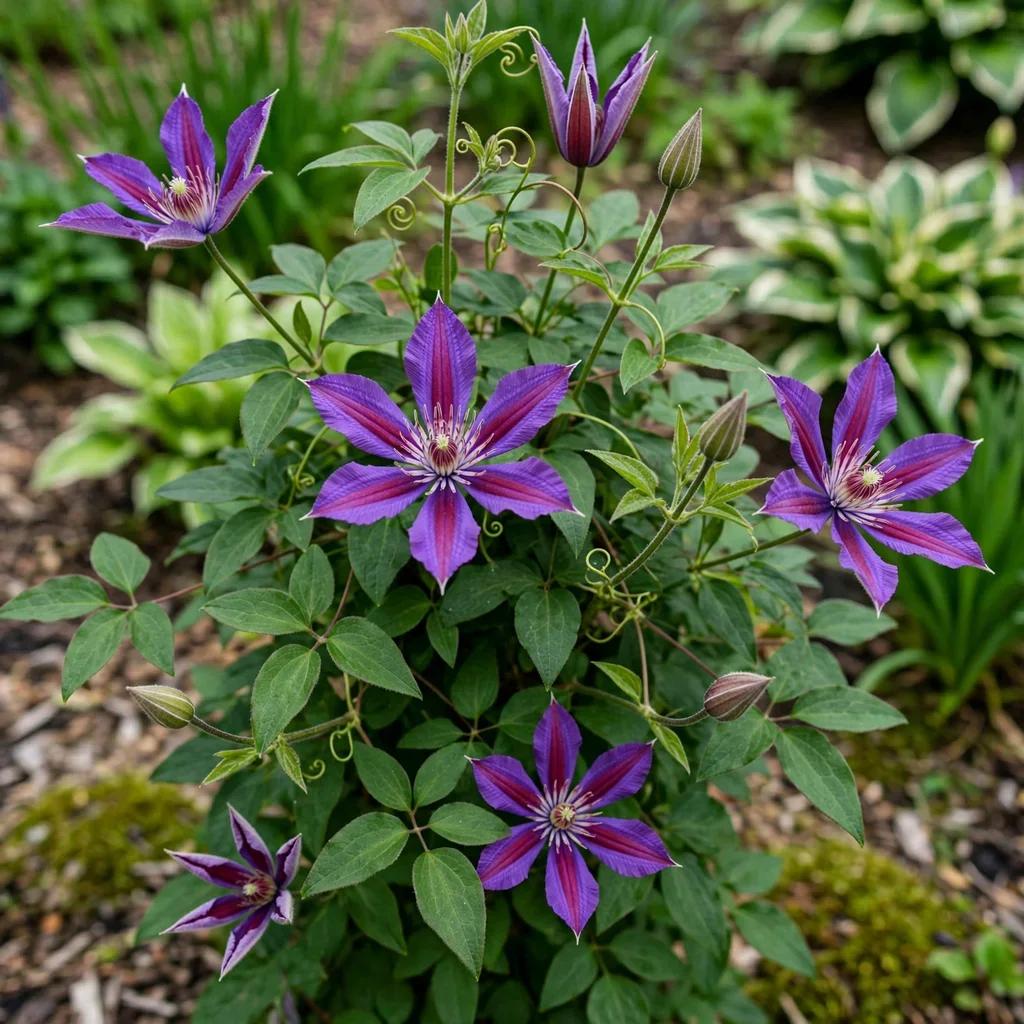 ‘Edda’Clematis Edda
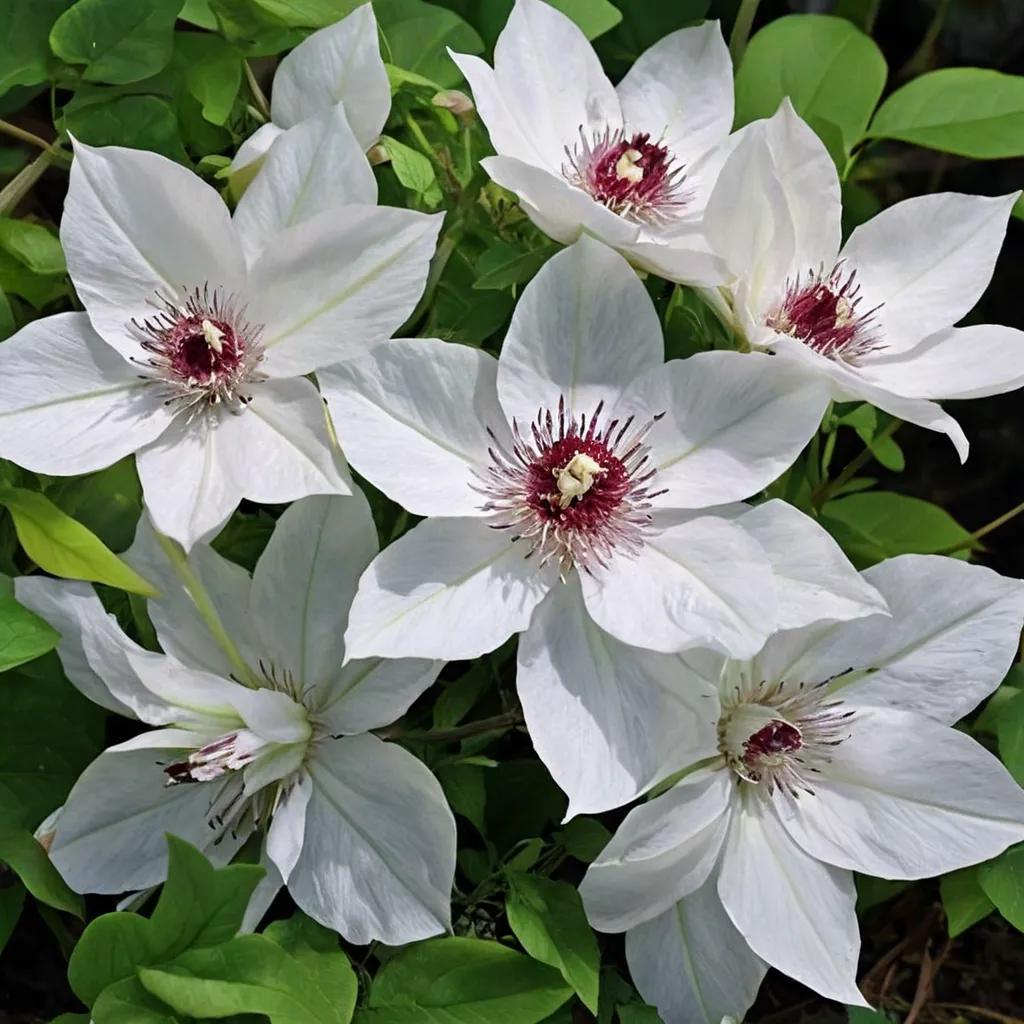 ‘Miss Bateman’Miss Bateman Clematis
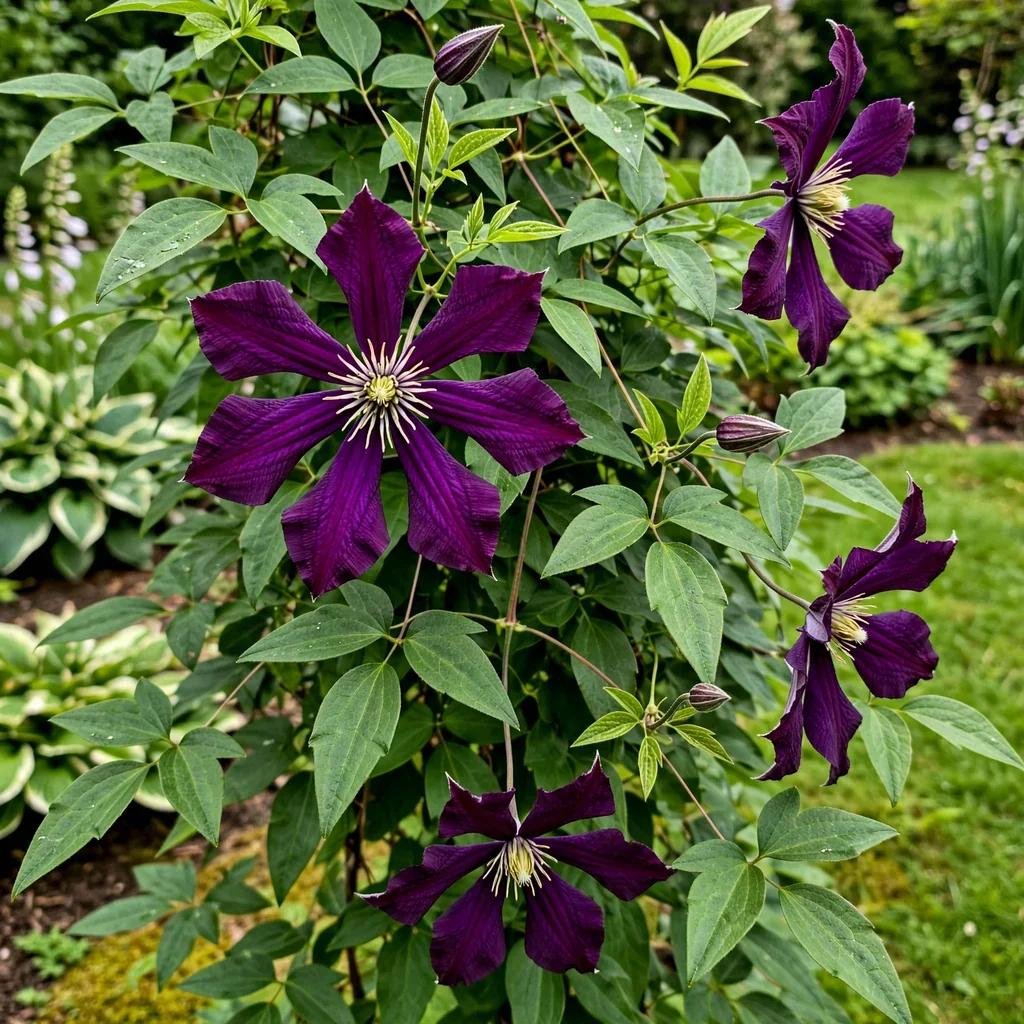 ‘China Purple’China Purple Clematis
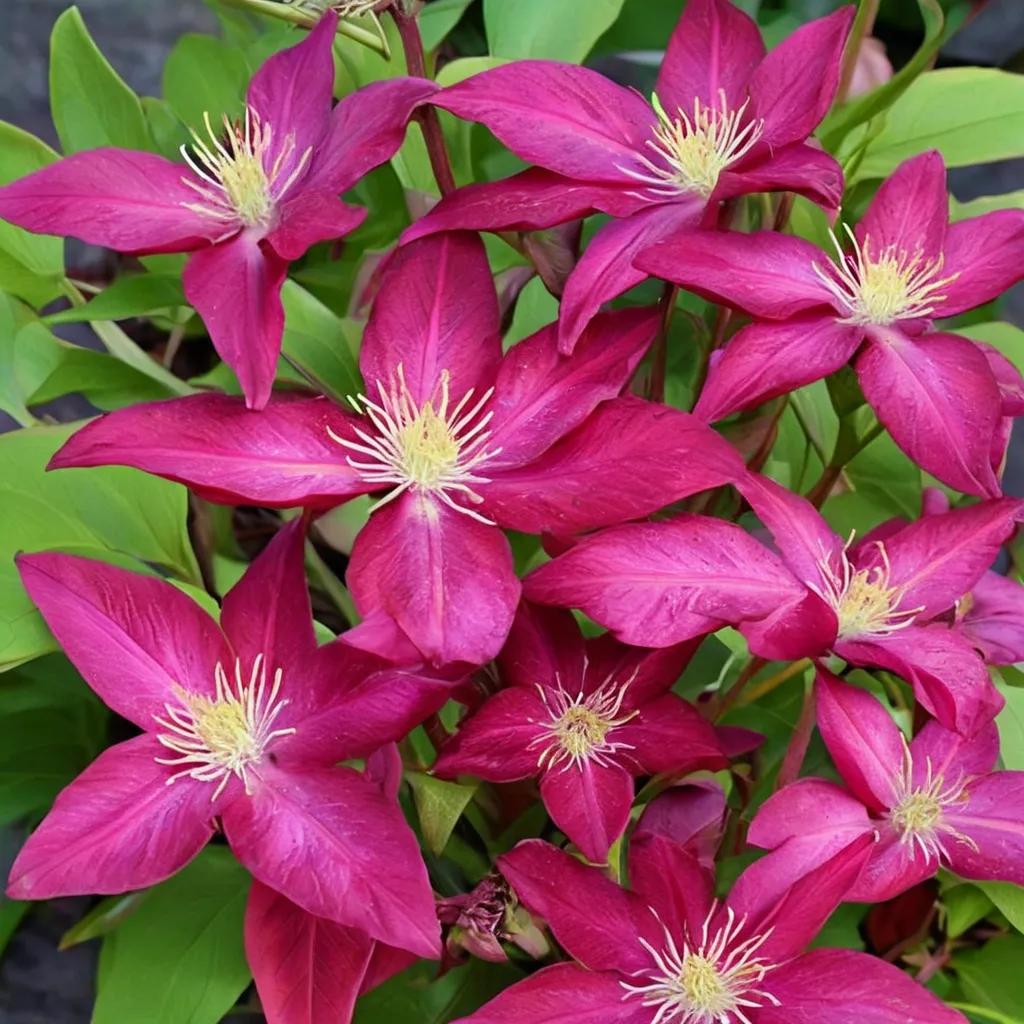 ‘Bourbon’Clematis Bourbon
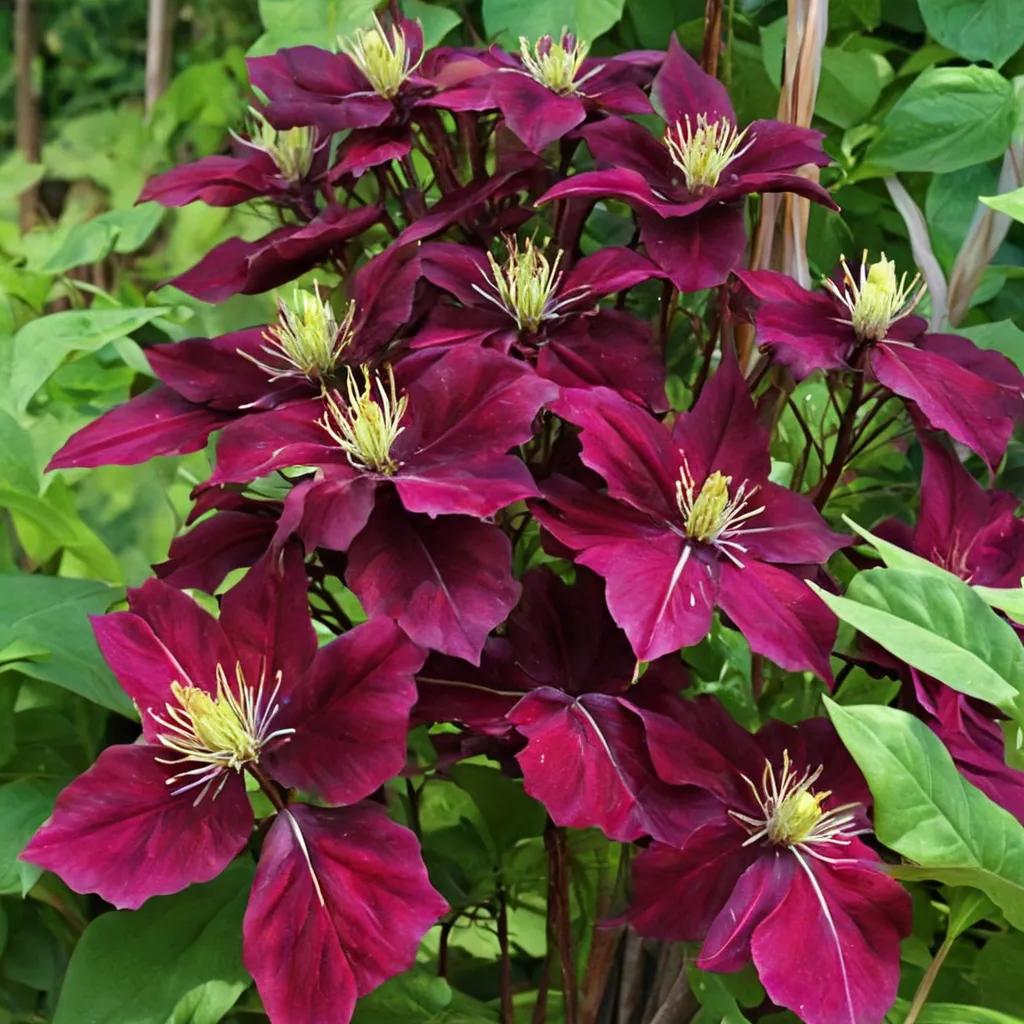 ‘Niobe’Clematis Niobe
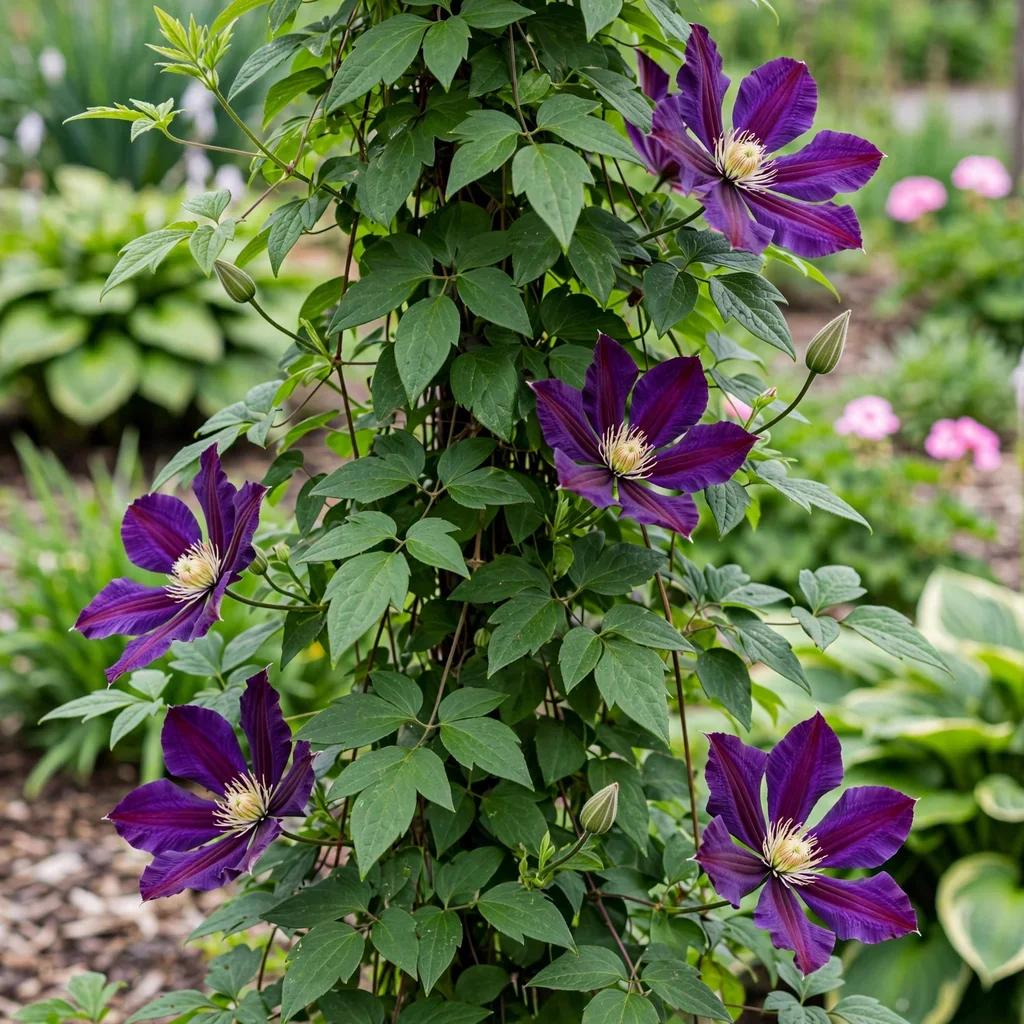 ‘The Vagabond’Clematis The Vagabond
 ‘Rooguchi’Roguchi Clematis
 ‘Kasugai’Kasugai Clematis
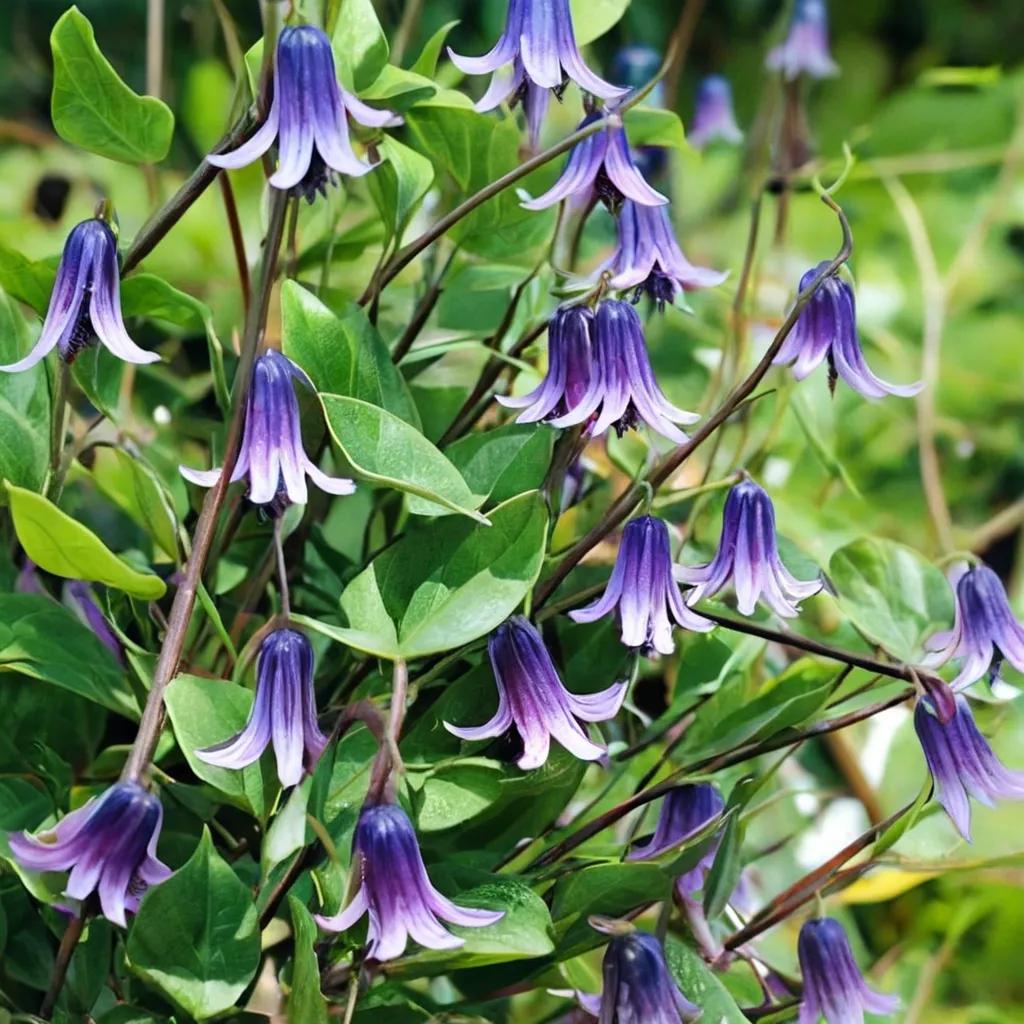 ‘Roguchi’Roguchi Clematis
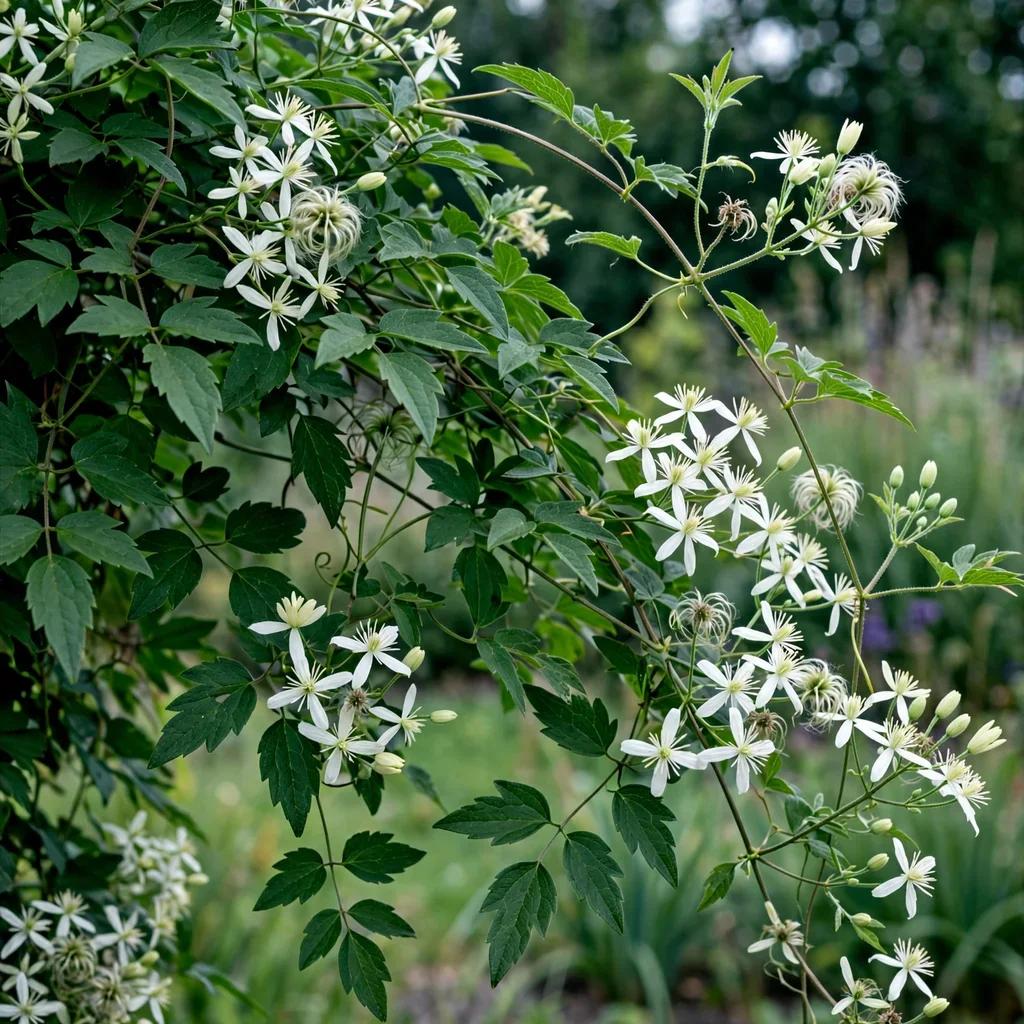 ‘Ristimagi’Ristimagi Old Man's Beard Clematis
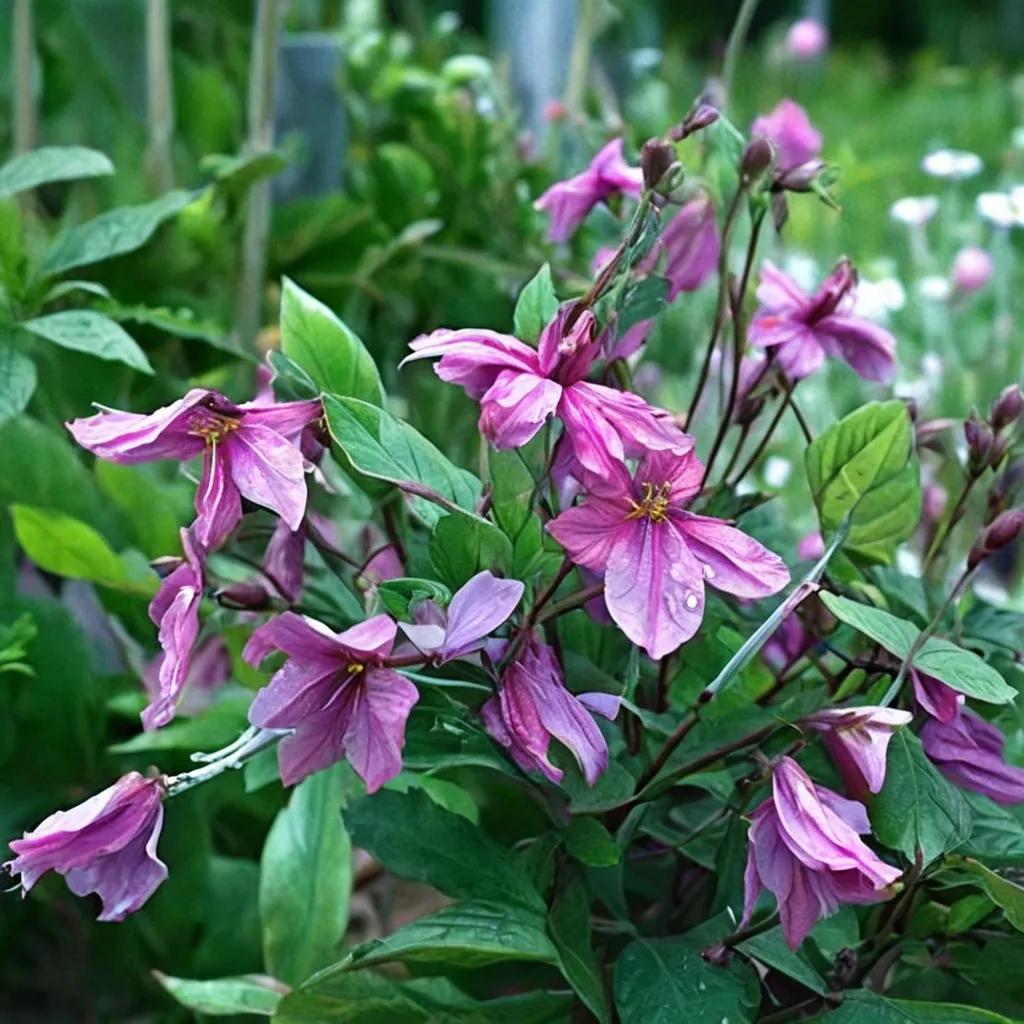 ‘Alionushka’Clematis Alionushka
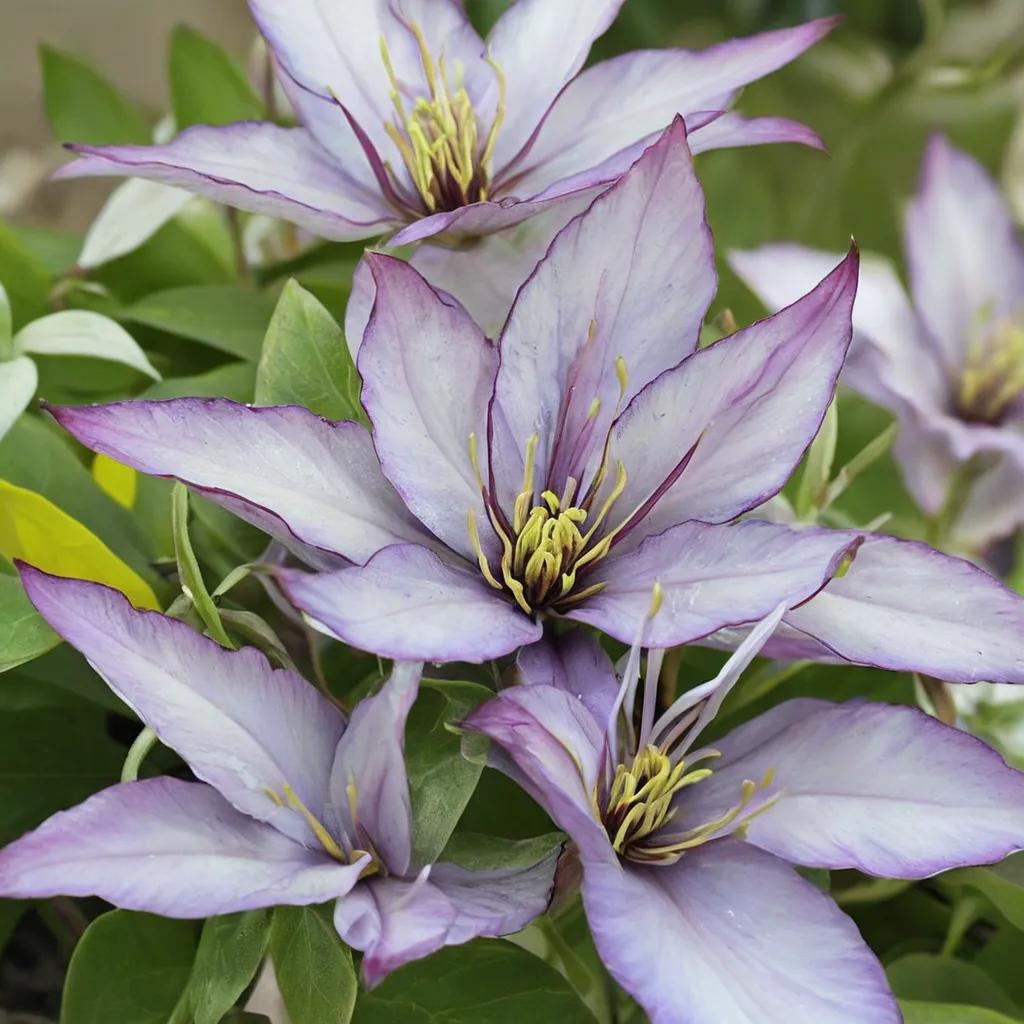 ‘Samaritan Jo’Samaritan Jo Clematis
 ‘Sapphire Indigo’Clematis Sapphire Indigo
 ‘Nubia’Nubia Clematis
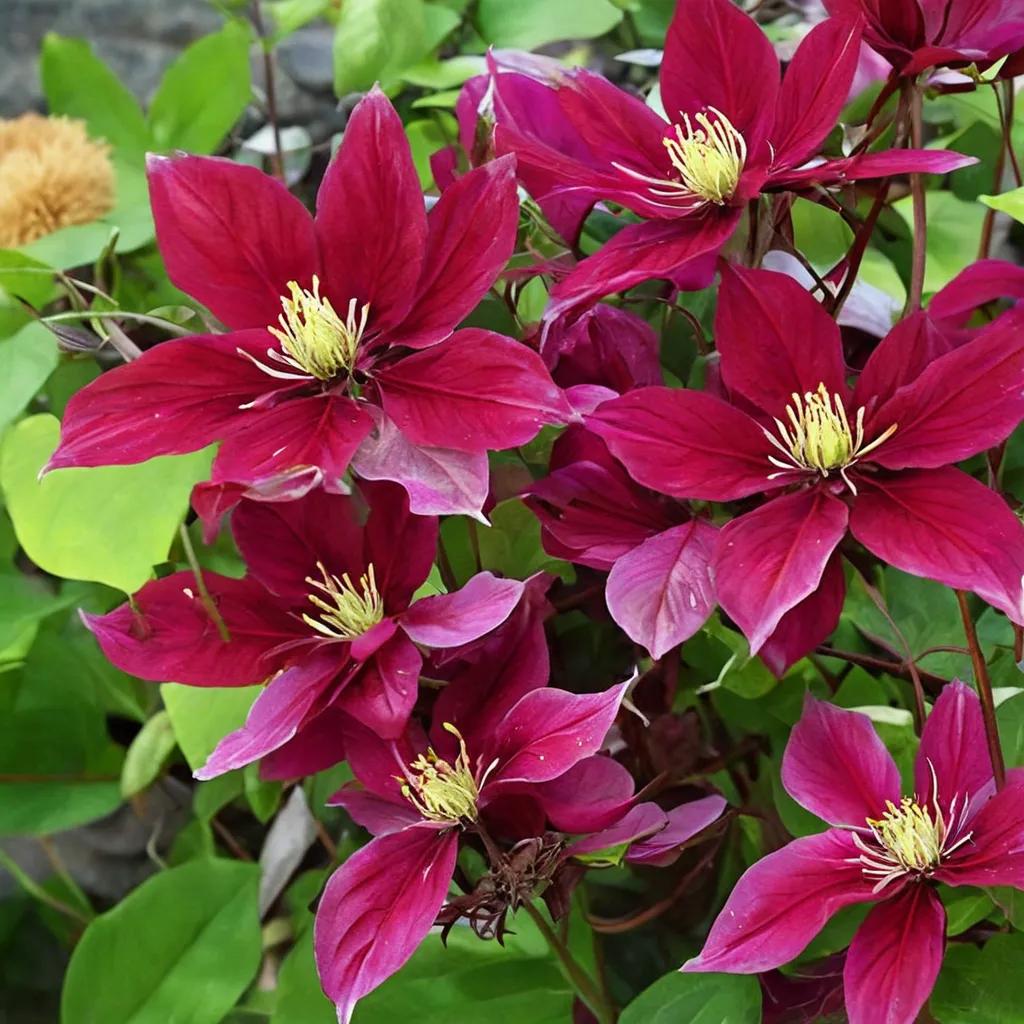 ‘Rosemoor’Clematis Rosemoor
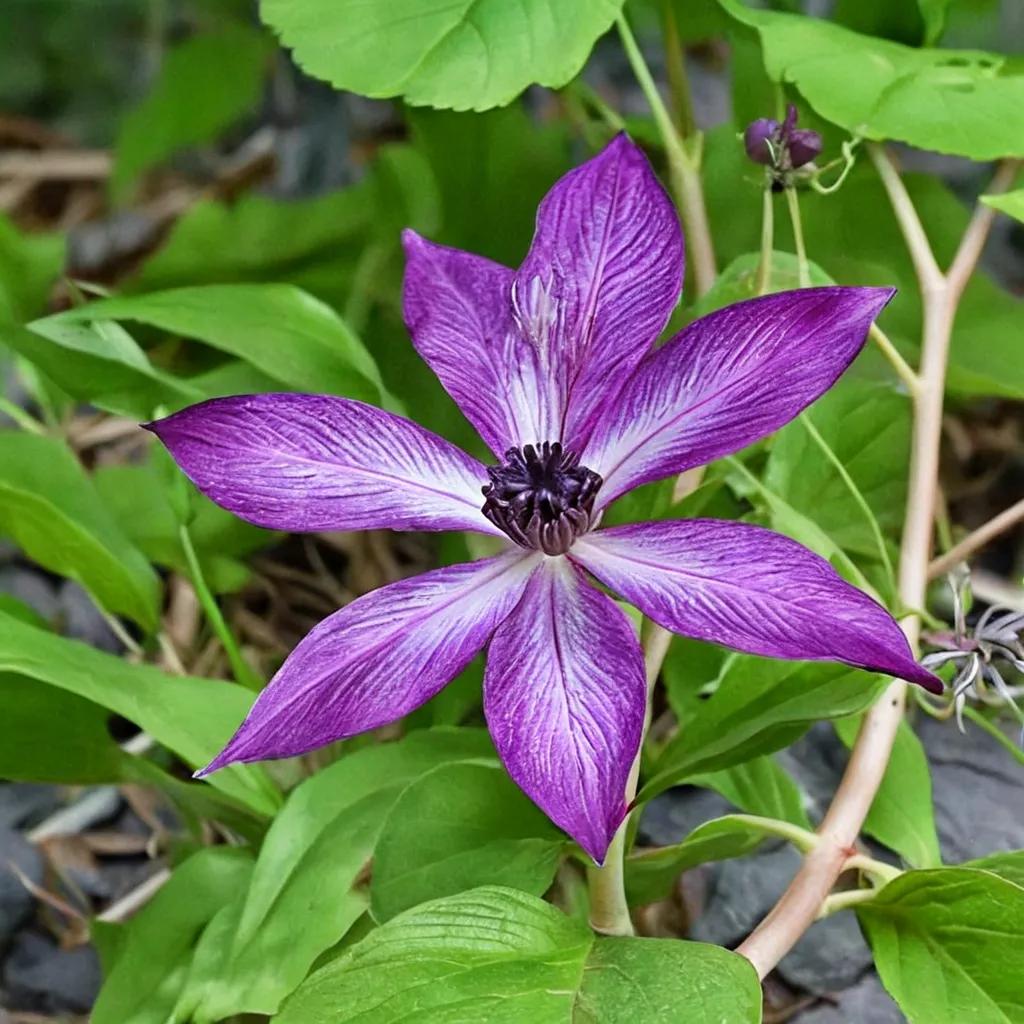 ‘Amaranthine’Clematis Amaranthine
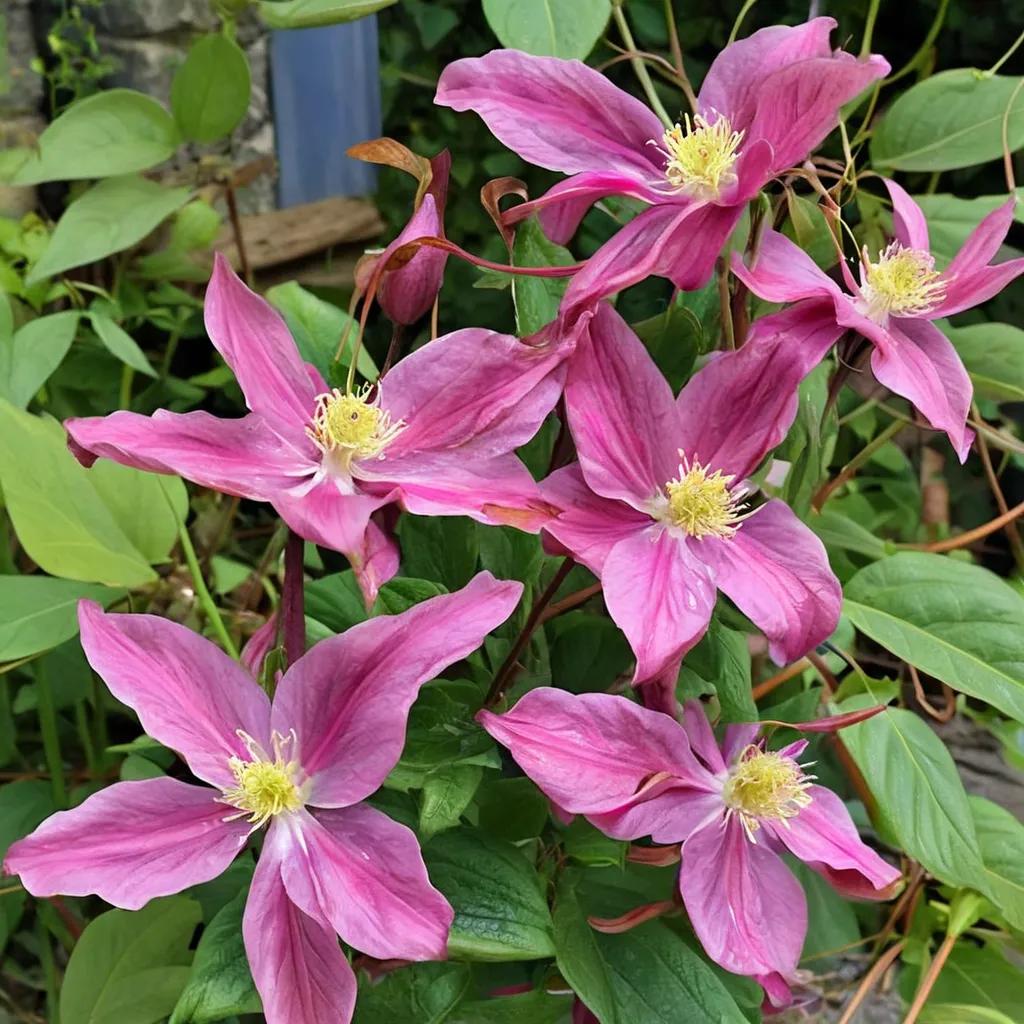 ‘Inspiration’'Inspiration' Clematis
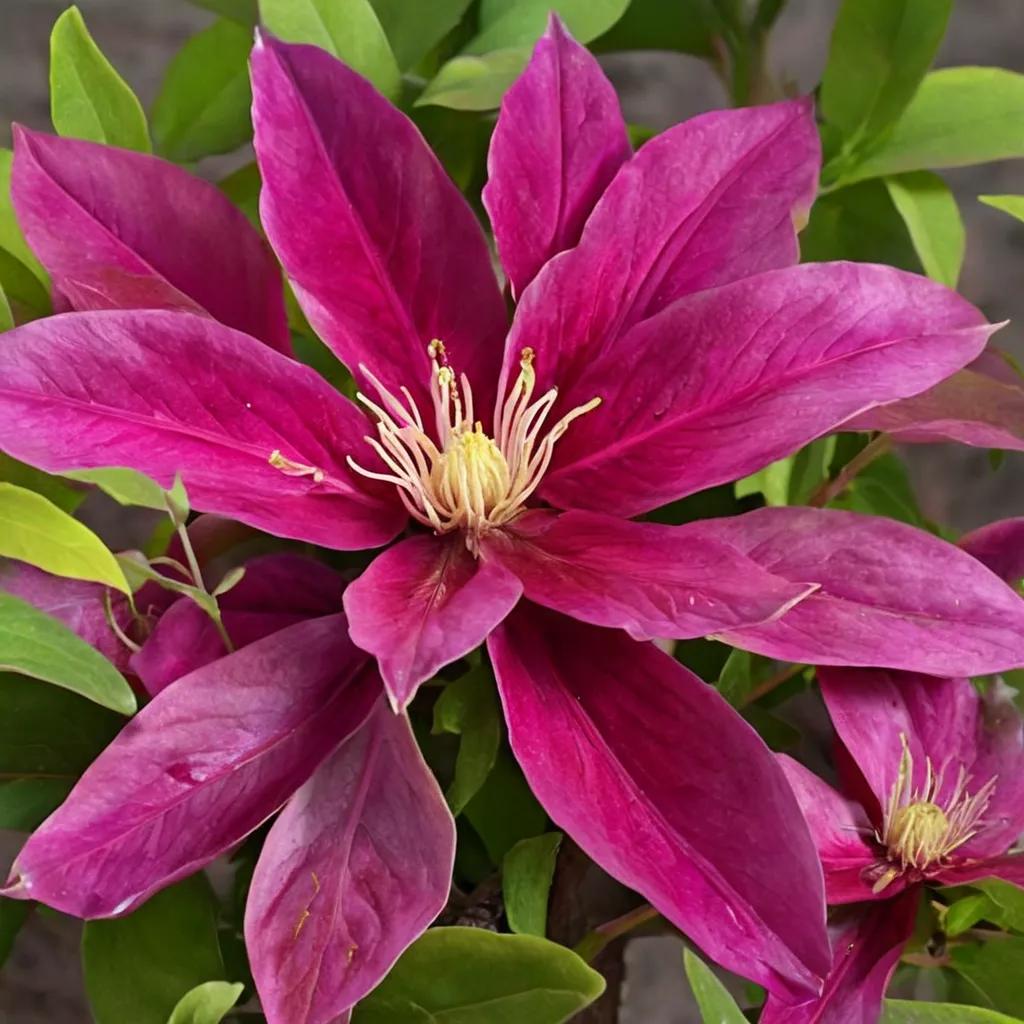 ‘Acropolis’Clematis Acropolis
 ‘Josephine’Clematis Josephine
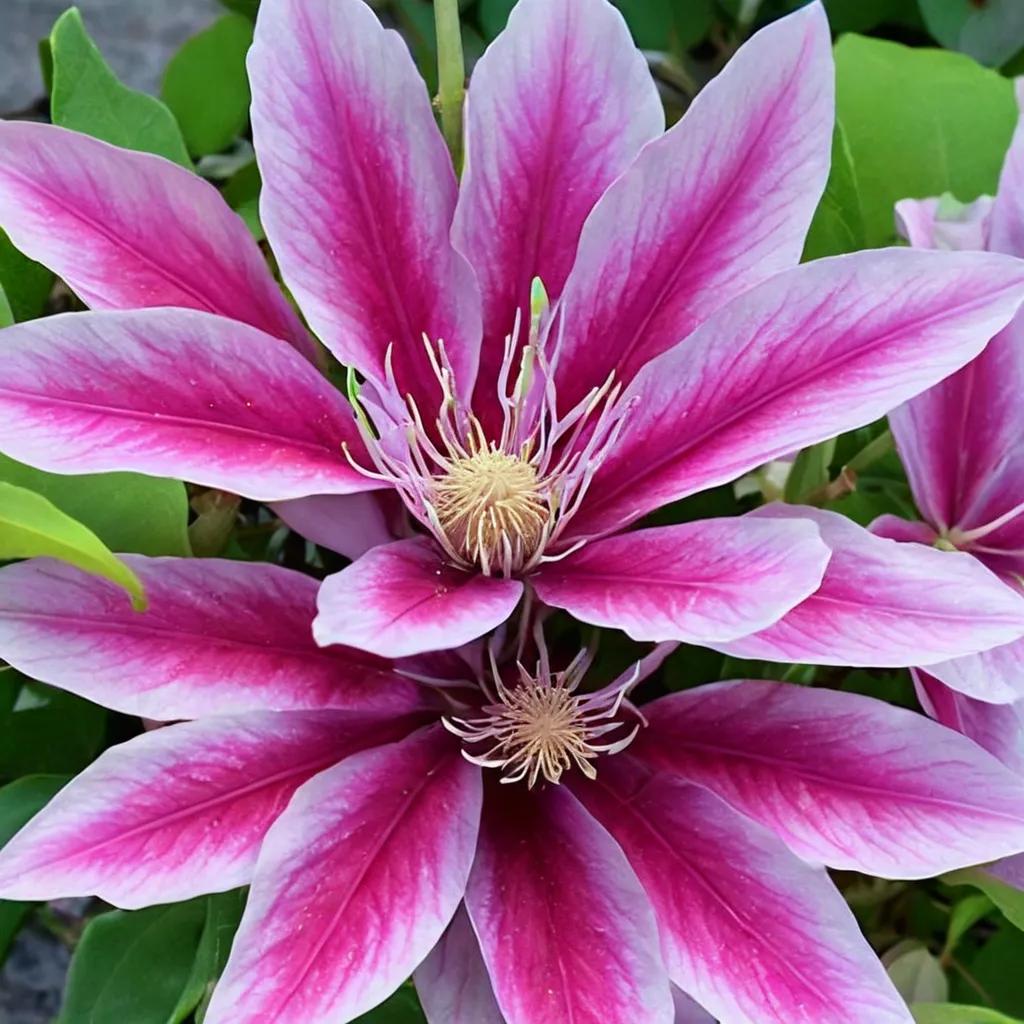 ‘Poseidon’Clematis Poseidon
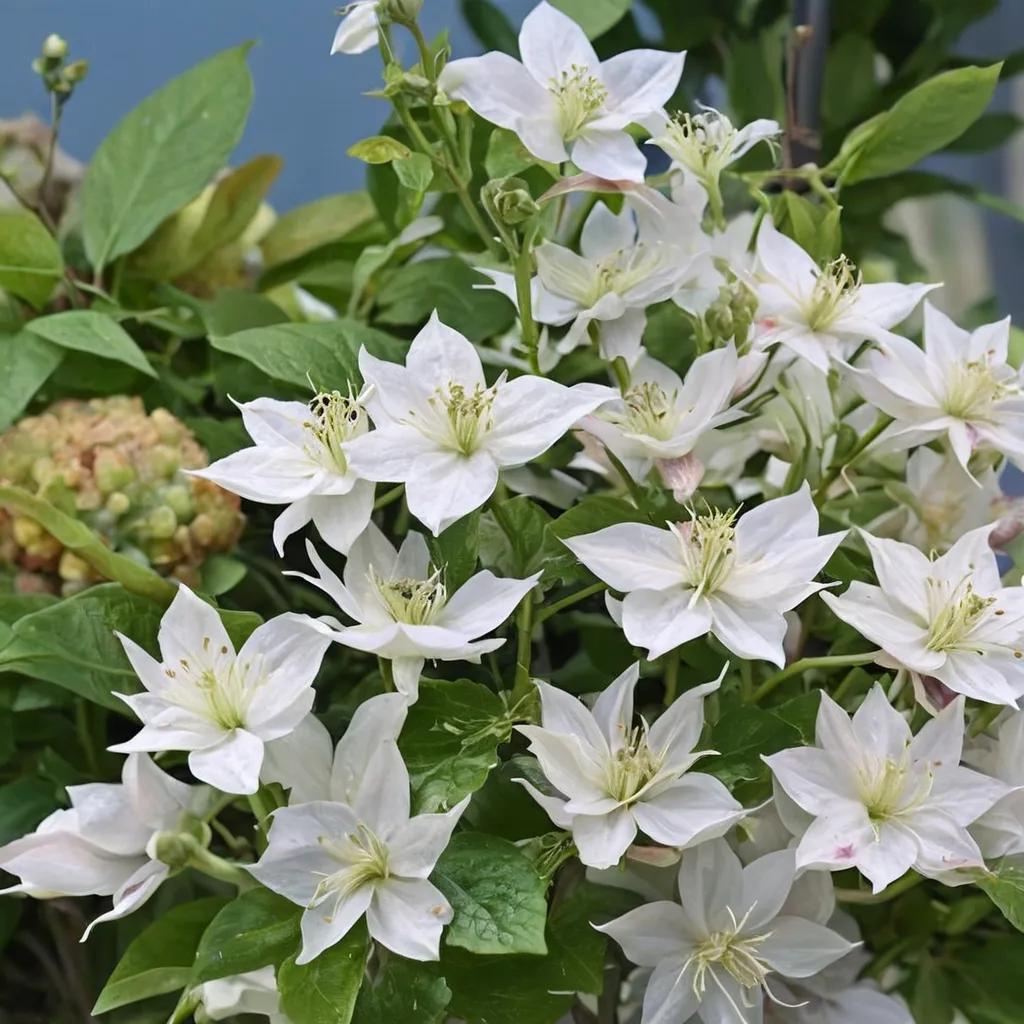 ‘China White’China White Clematis
 ‘Kimi'idera’Kimi'idera Clematis
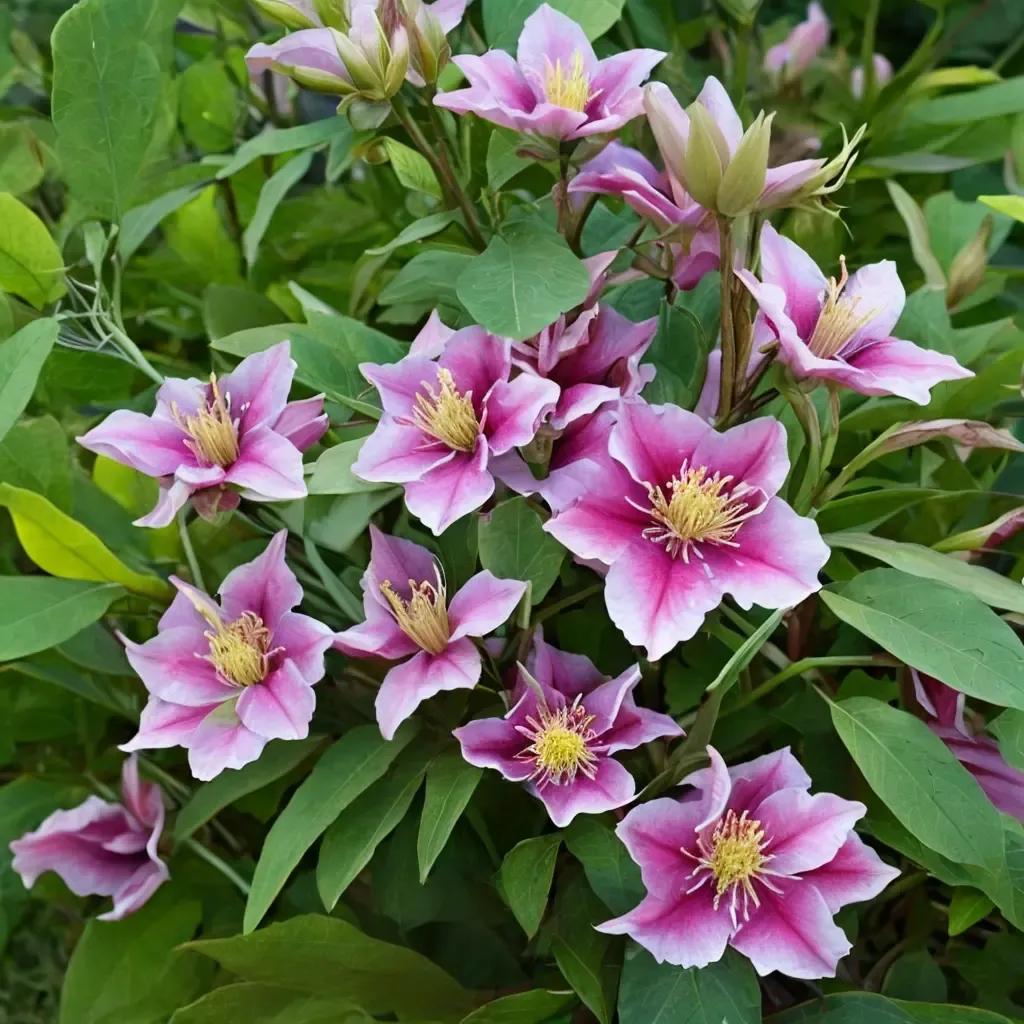 ‘Piilu’Piilu Clematis
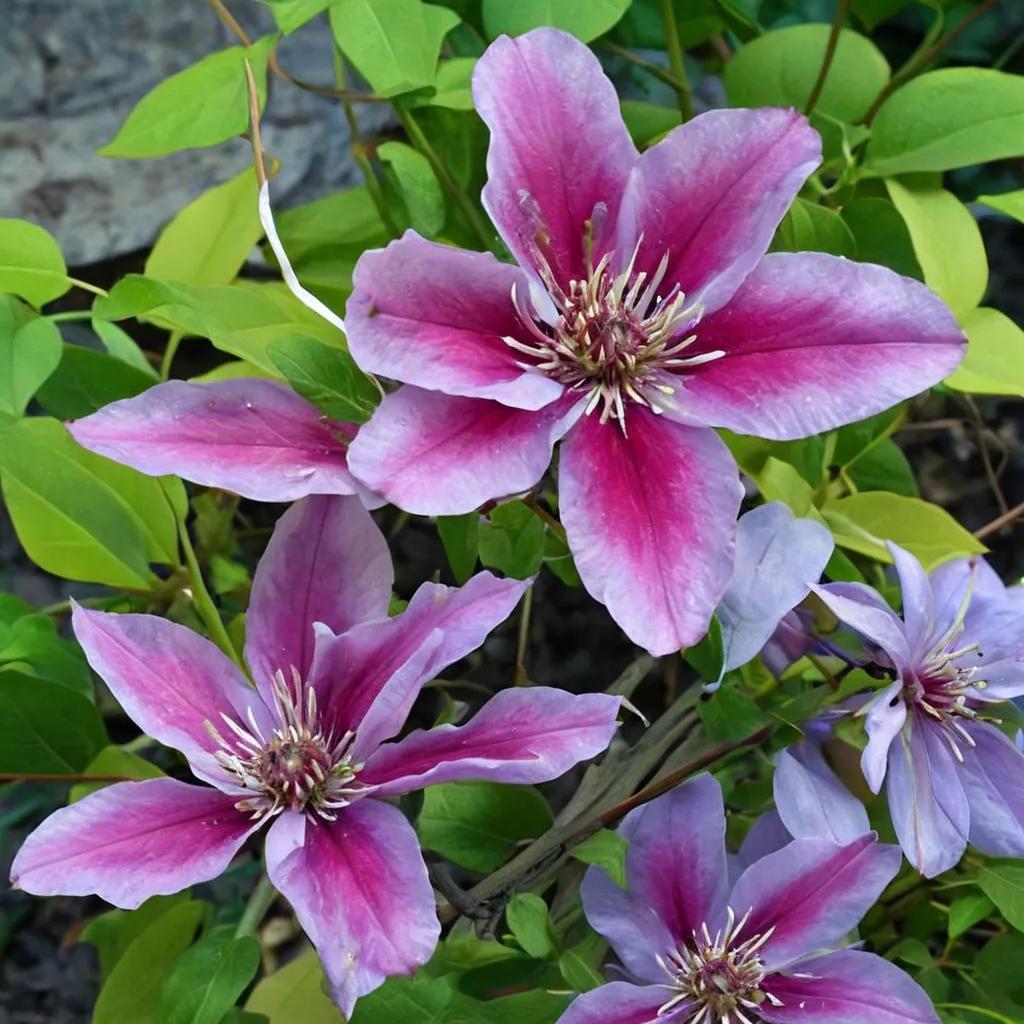 ‘Fireworks’Clematis Fireworks
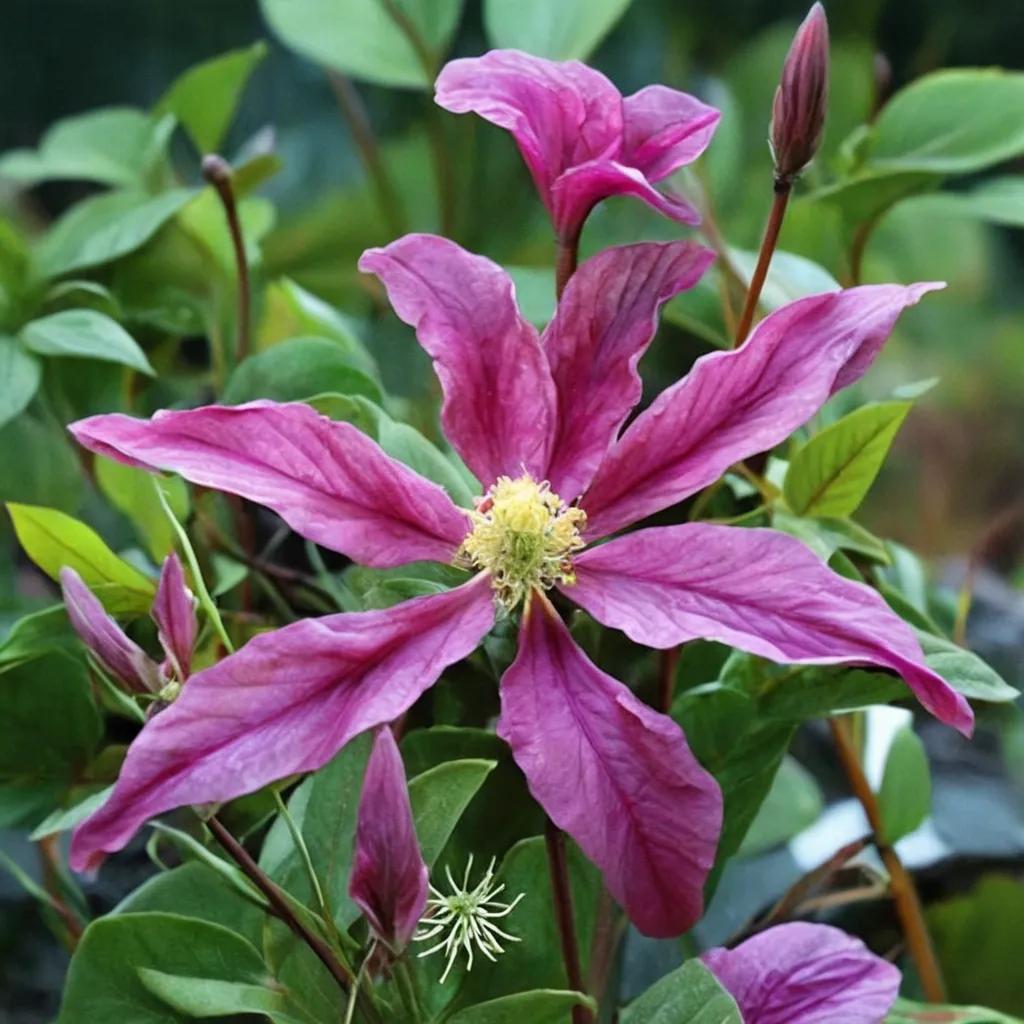 ‘Zoin’Zoin Inspiration Clematis
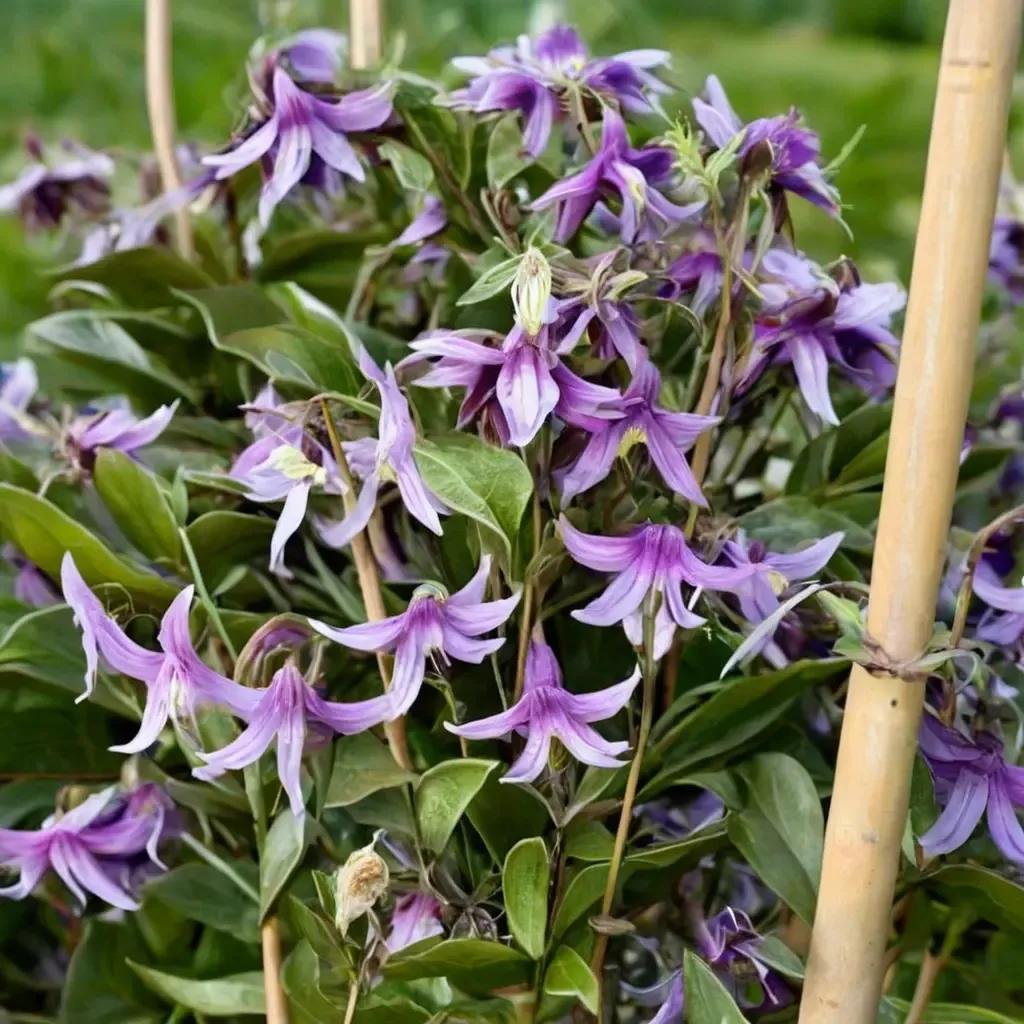 ‘Stand By Me Pink’Stand By Me Pink Clematis
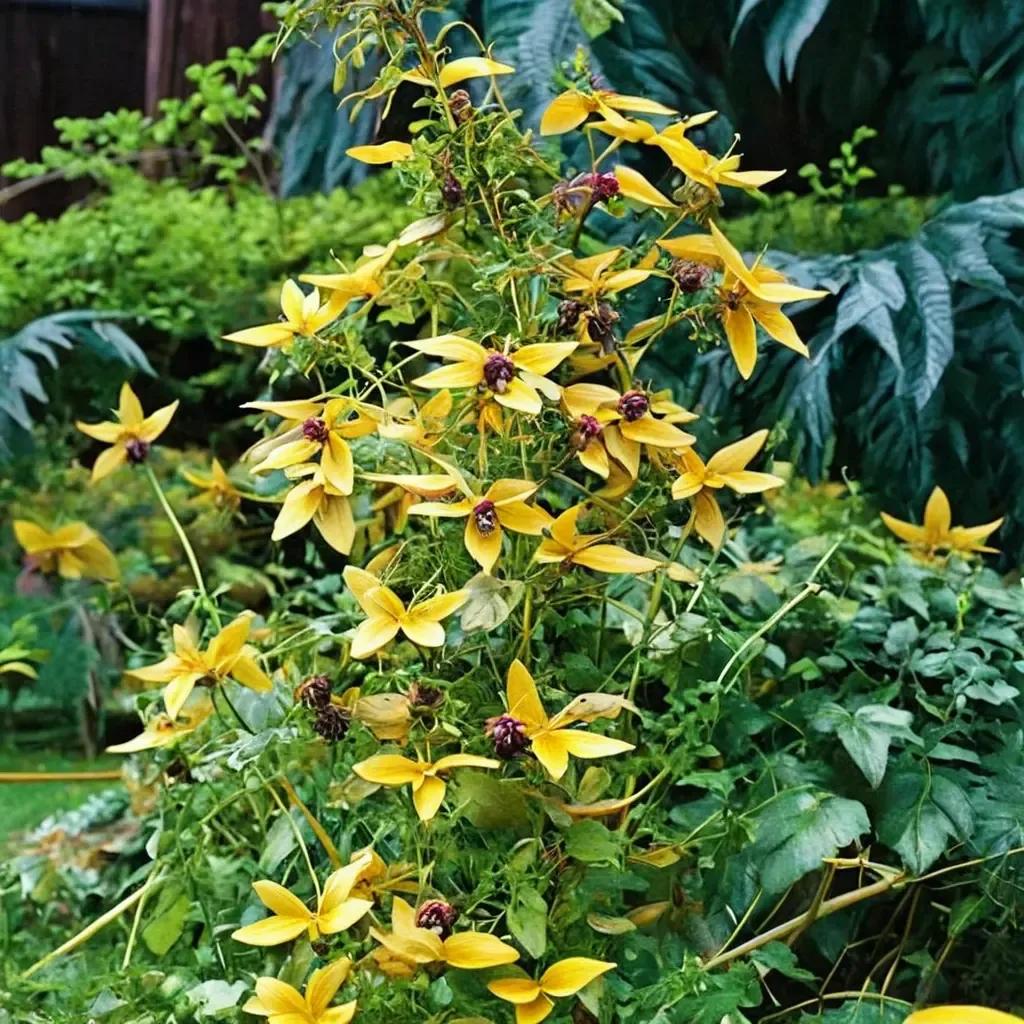 ‘Golden Tiara’Golden Tiara Clematis
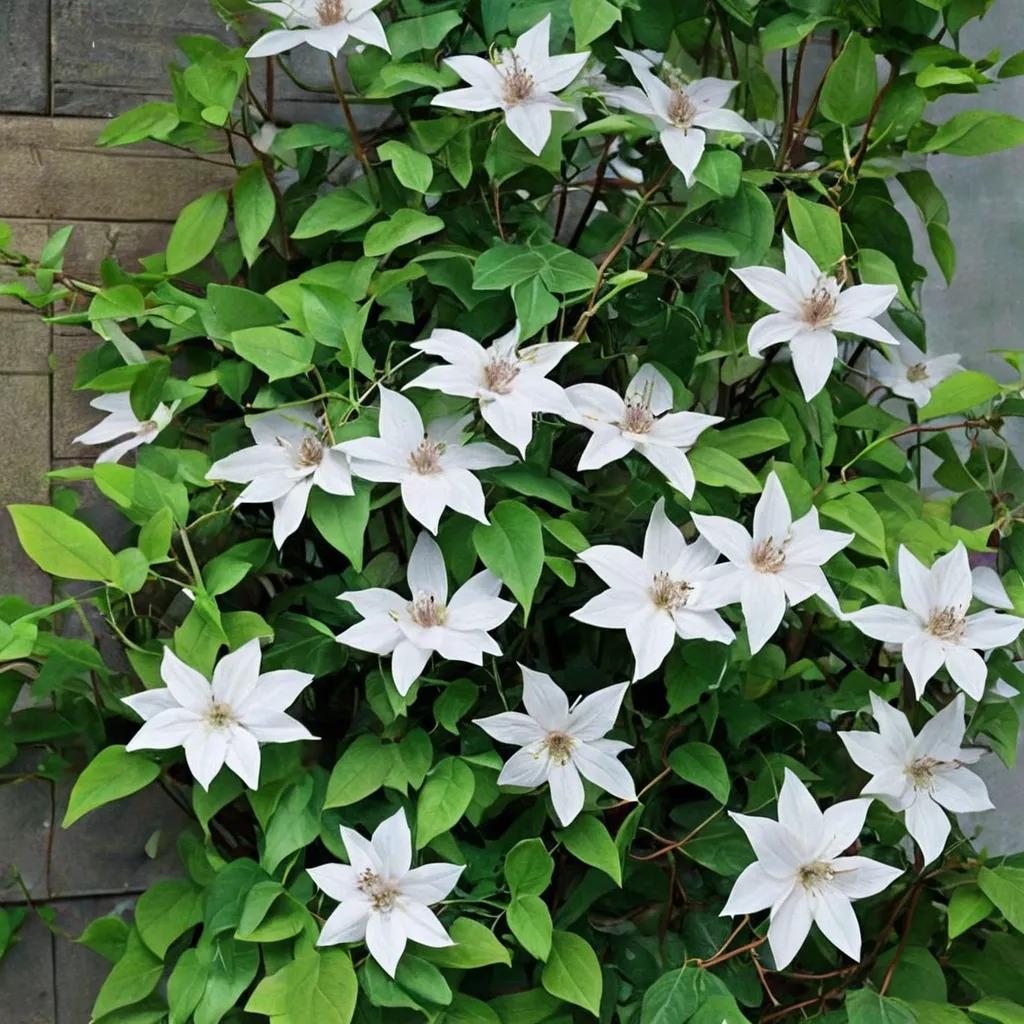 ‘Henryi’Clematis Henryi
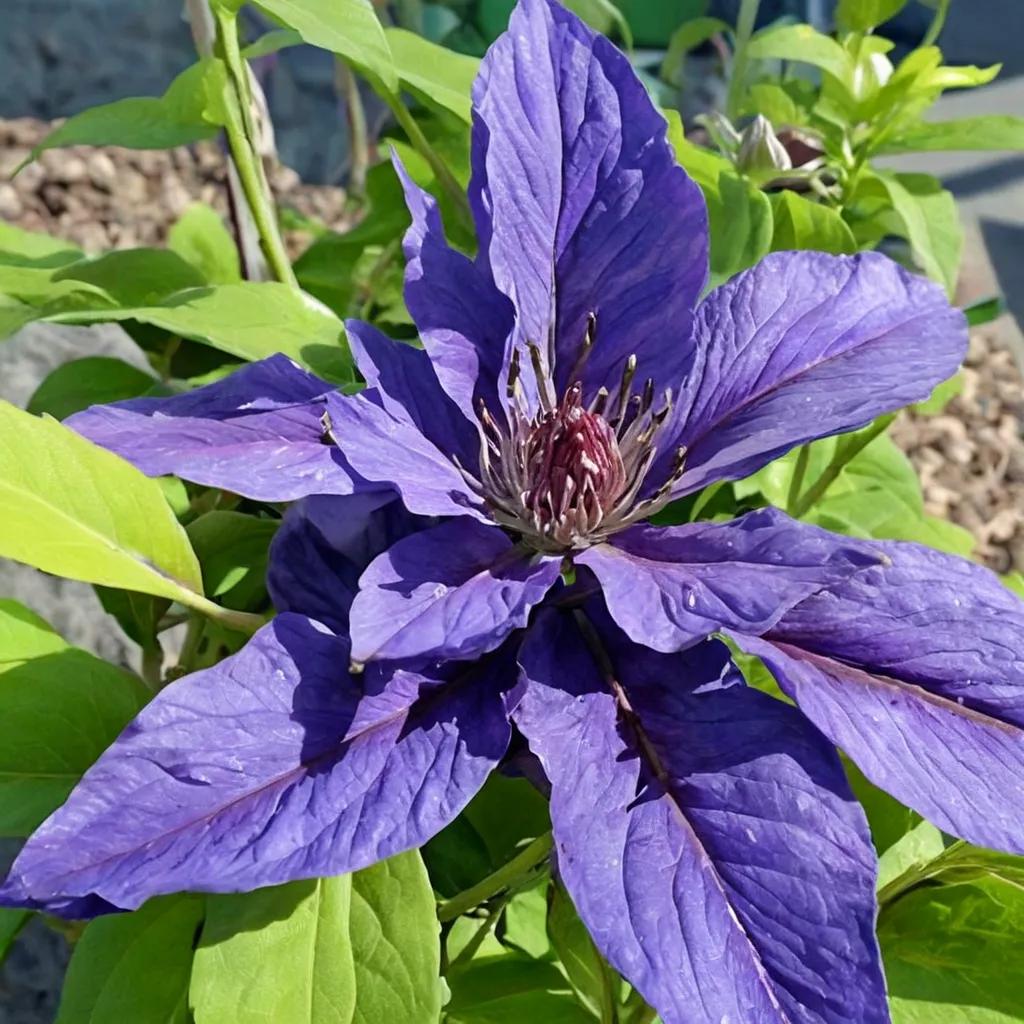 ‘Lindsay’Lindsay Clematis
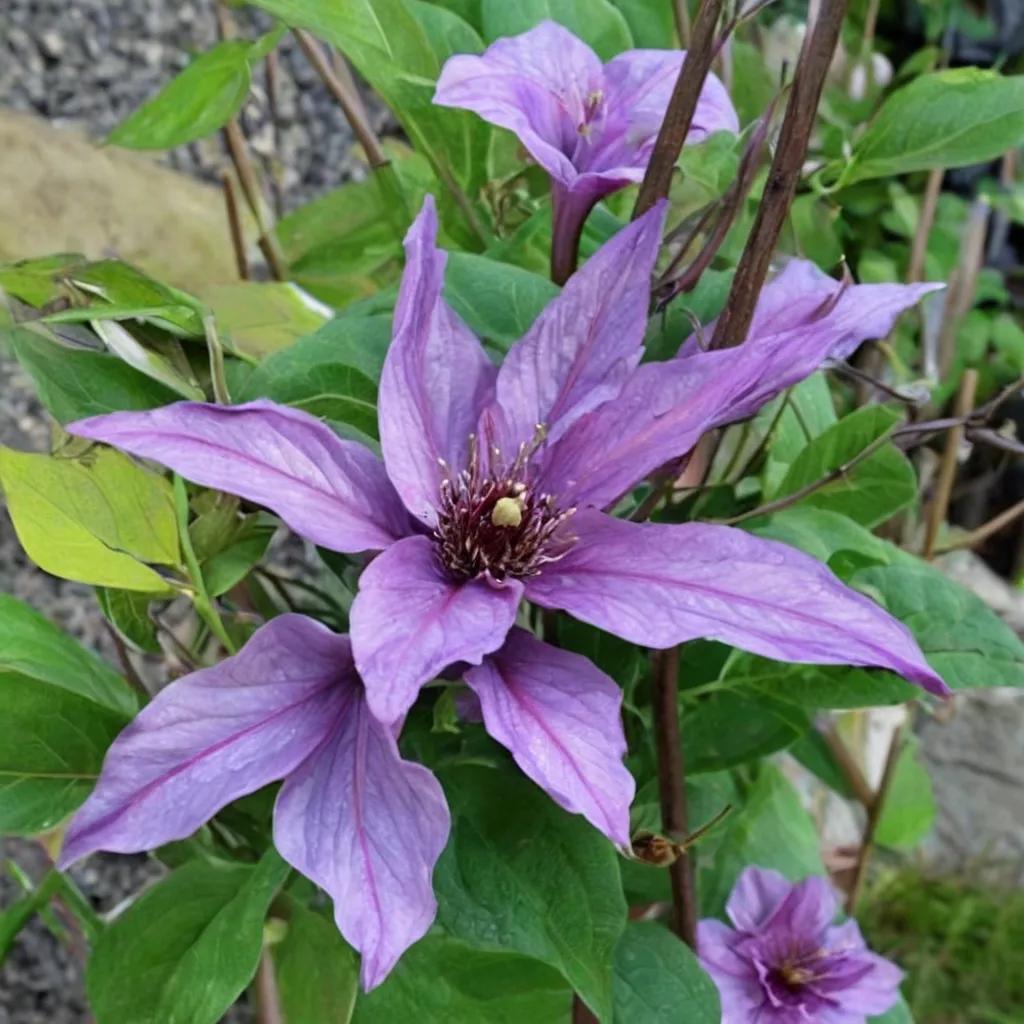 ‘Purple Climador’Clematis 'Purple Climador'
 ‘Stand By Me Lavender’Stand By Me Bush Clematis
 ‘Astra Nova’Astra Nova clematis
 ‘Pink Climador’Pink Climador Clematis
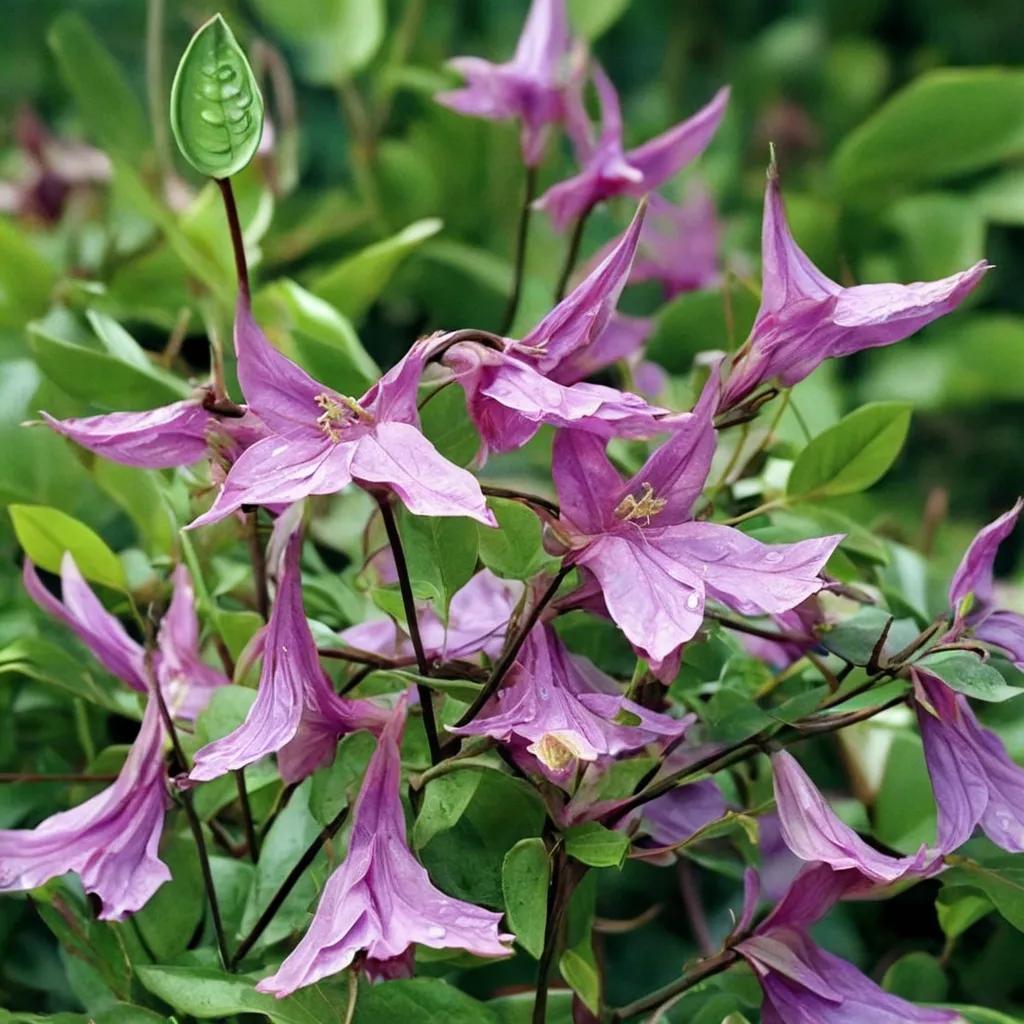 ‘Hendryetta’Hendryetta Clematis
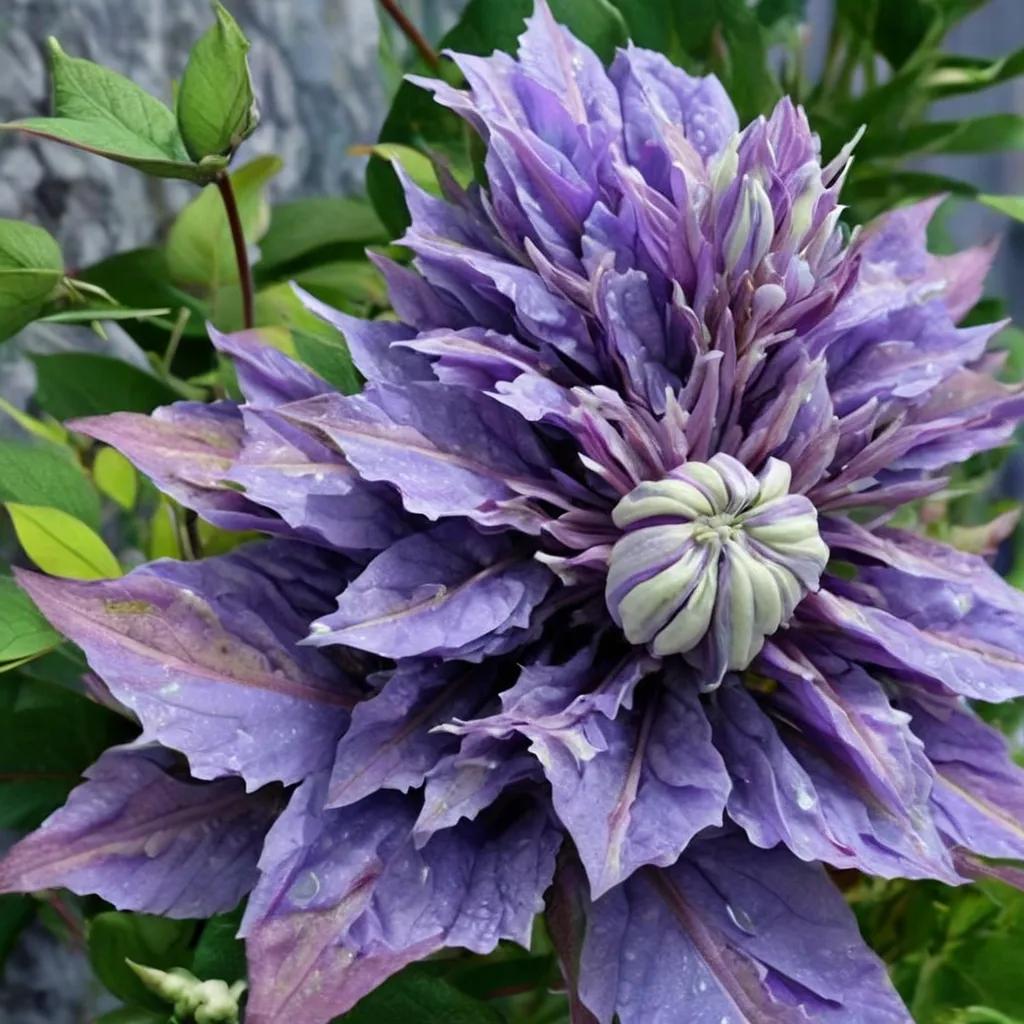 ‘Diamantina’Clematis Diamantina
 ‘Huldine’Clematis Huldine
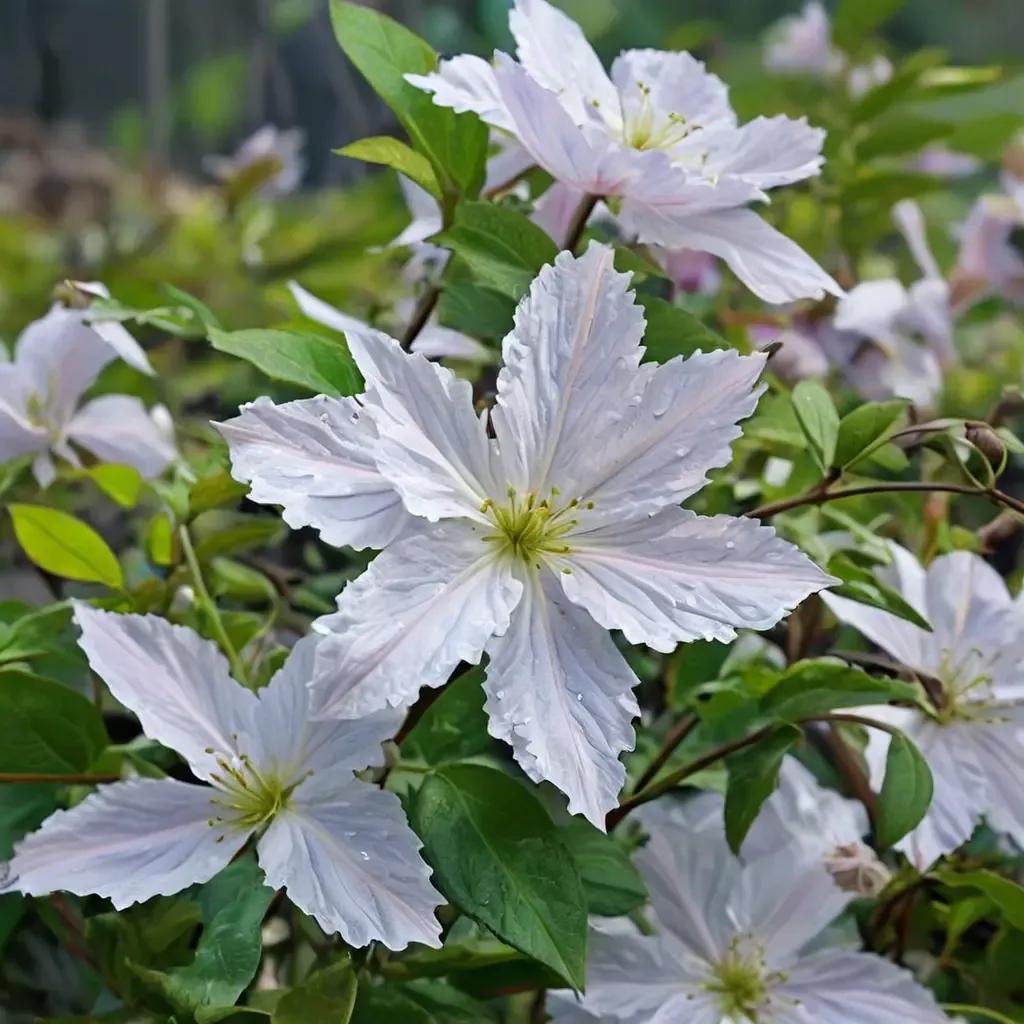 ‘Prince George’Prince George Clematis
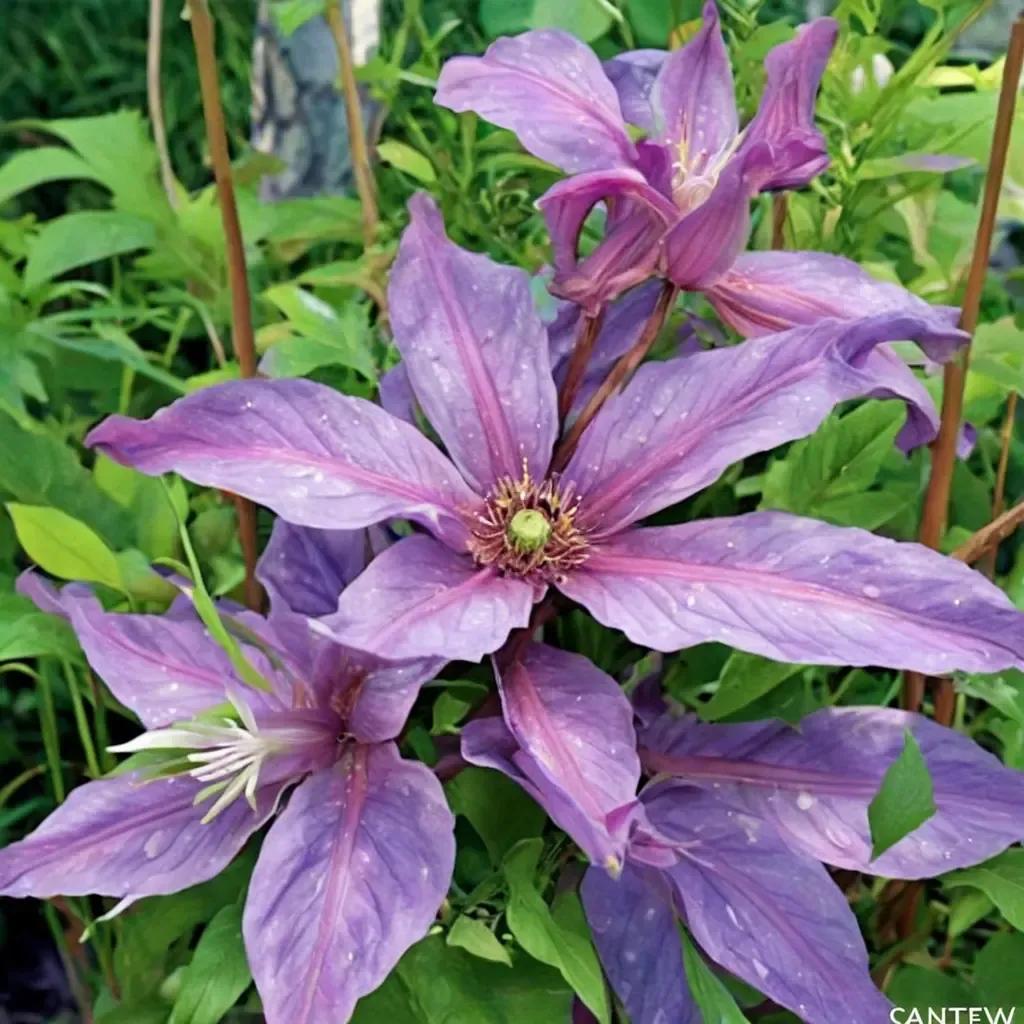 ‘Horn Of Plenty’Horn of Plenty Clematis
 ‘Reiman’
The Story
Plant Bio
Clematis is a genus of climbing vines in the buttercup family, native primarily to temperate regions across the northern and southern hemispheres. These vines climb by twining petioles and are grown for large, petalless blossoms whose visual display comes from broad, colorful sepals.
'Kilian Donahue' produces five-inch star-shaped blossoms featuring white anthers tipped with burgundy. Early blooms open deep ruby-red before shifting to fuchsia with orchid-pink edges, later aging to pink-lavender to create a multi-toned canopy throughout the summer.
Uses & Benefits:
Essentials
At a Glance
Plant Type
Vine
Height
120"
Width
48"
Light
Full Sun, Partial Sun
Zones
4, 5, 6, 7, 8, 9
Water
Medium
Humidity
Moderate
Lifespan
Perennial
Native To
Garden origin
Toxicity
Toxic to humans and pets
Bloom period
Late spring – Late summer
In flower about 4 months of the year
Planting
How to Grow
- Select a site receiving five to six hours of daily sun with deep, moisture-retentive, well-drained soil.
- Dig a planting hole twice the width of the root ball and install vertical support such as a trellis or wire matrix.
- Set the plant into the hole so the nursery soil line sits two to four inches beneath the ground surface.
- Backfill with native soil mixed with compost, drench thoroughly, and apply a three-inch layer of organic mulch around the base while keeping it away from the stems.
Pro Tip
Plant the crown two to four inches below the surrounding soil line to encourage secondary stem production from dormant subterranean buds and protect against clematis wilt.
Keep It Thriving
Care Guide
Do
- Shade the root zone using thick organic mulch or low-growing companion perennials.
- Provide consistent moisture during hot spells and active flowering periods.
- Prune lightly in early spring down to strong leaf buds before new growth commences.
Don't
- Do not allow the root zone to dry out completely during summer heat.
- Do not perform severe cutbacks deep into old, leafless woody stem tissue.
- Do not plant in deep shade where light falls under five hours daily, as flower color will dull.
Seasonal Care Calendar
| Task | Jan | Feb | Mar | Apr | May | Jun | Jul | Aug | Sep | Oct | Nov | Dec |
|---|---|---|---|---|---|---|---|---|---|---|---|---|
| Fertilize | ||||||||||||
| Mulch | ||||||||||||
| Prune | ||||||||||||
| Winter Prep |
Watch Out For
Pests & Diseases
Common Pests
Common Diseases
In the Garden
Landscape Uses & Companions
Landscape Uses
Multiply
Propagation Methods
Good to Know
Common Questions
Kilian Donahue Clematis questions
What zones can Kilian Donahue Clematis grow in?
Kilian Donahue Clematis is hardy in USDA Zones 4–9. Inside that range it survives winter in the ground; outside it, grow it as an annual or a container plant you protect.
Is Kilian Donahue Clematis deer resistant?
Yes — Kilian Donahue Clematis is rated deer-resistant. Deer typically pass it over, though extreme hunger can override any plant's defenses.
When does Kilian Donahue Clematis bloom?
Kilian Donahue Clematis typically blooms in late spring through late summer. Exact timing shifts a week or two with your zone — Sow's bloom calendar maps it to your garden.
Does Kilian Donahue Clematis need full sun?
Kilian Donahue Clematis does best in full sun to part shade. In hot climates, afternoon shade keeps blooms fresher longer.
More Clematis to compare
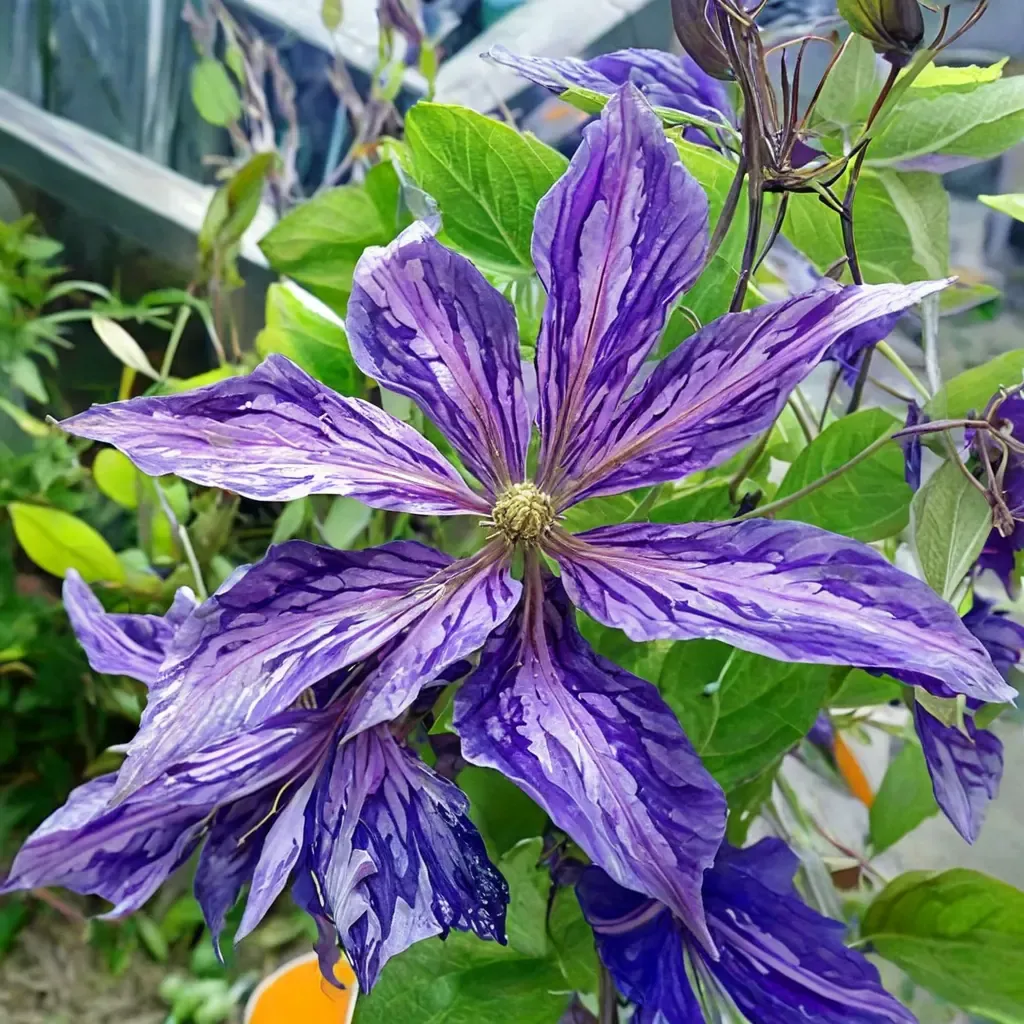
Tie Dye Clematis
Clematis viticella 'Tie Dye'
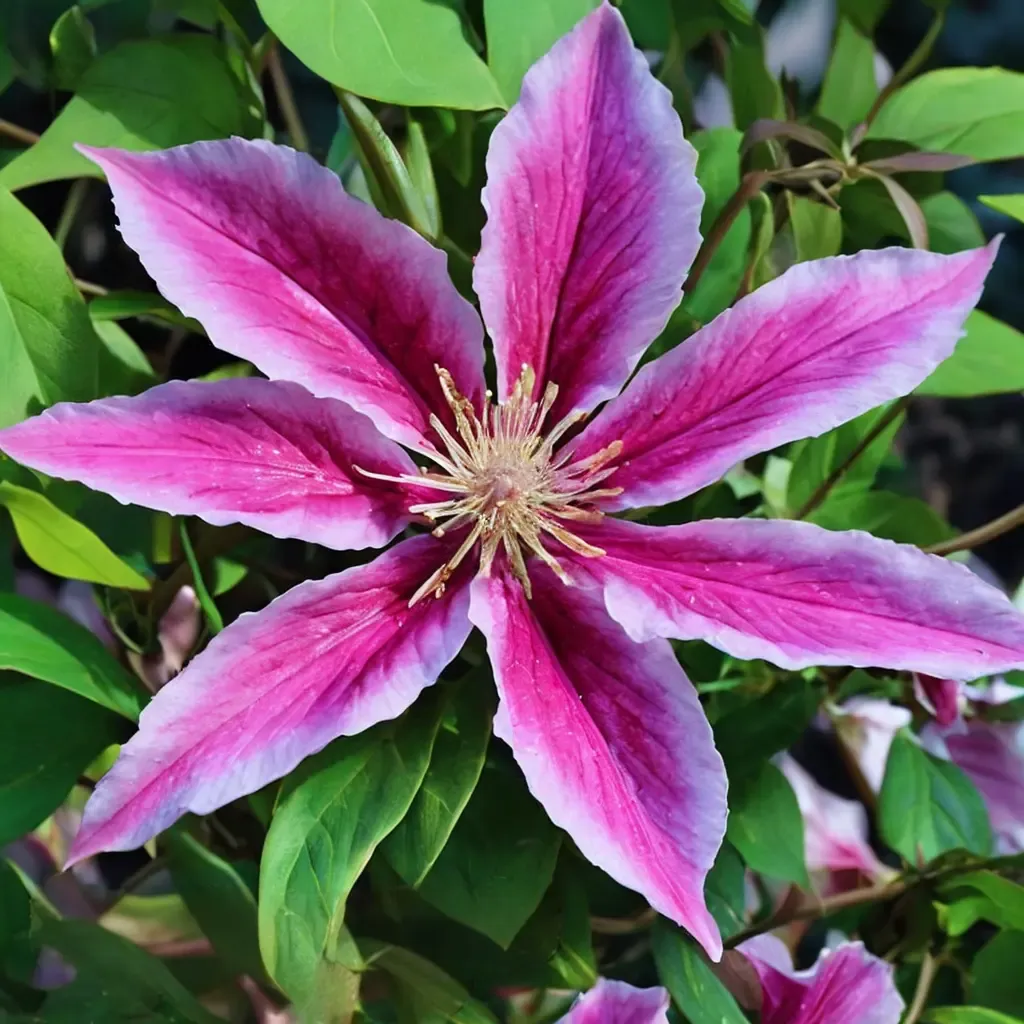
Dr. Ruppel Clematis
Clematis x jackmanii 'Dr Ruppel'
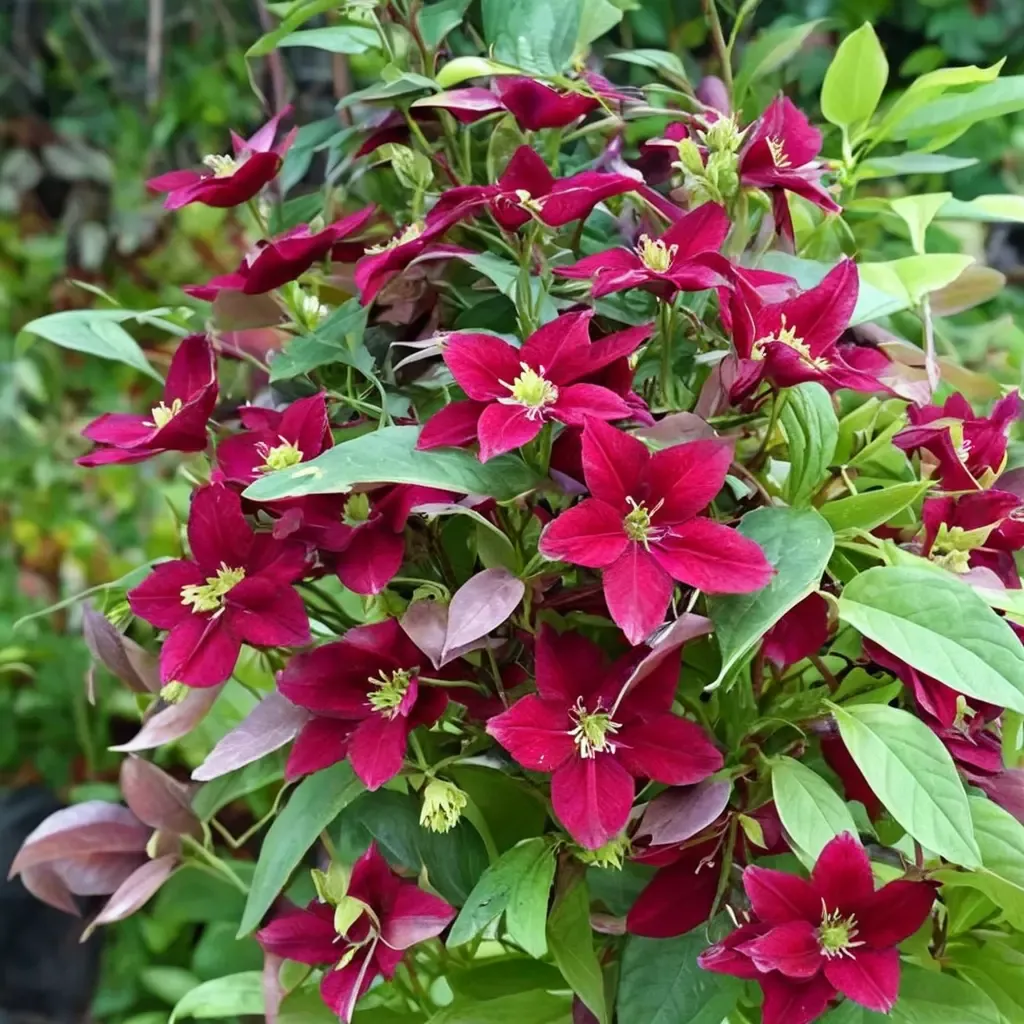
Burning Love Clematis
Clematis x cartmanii 'Burning Love'
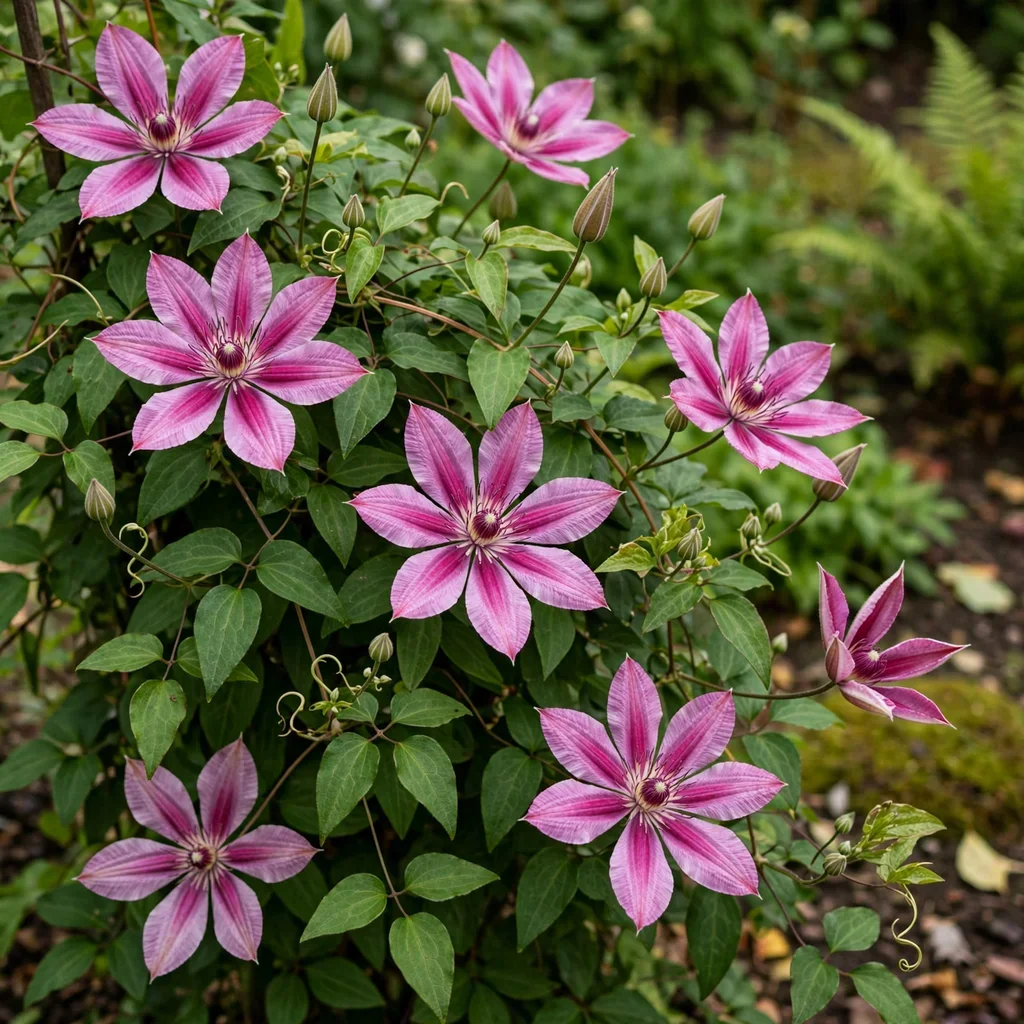
Yuan Clematis
Clematis viticella 'Yuan'
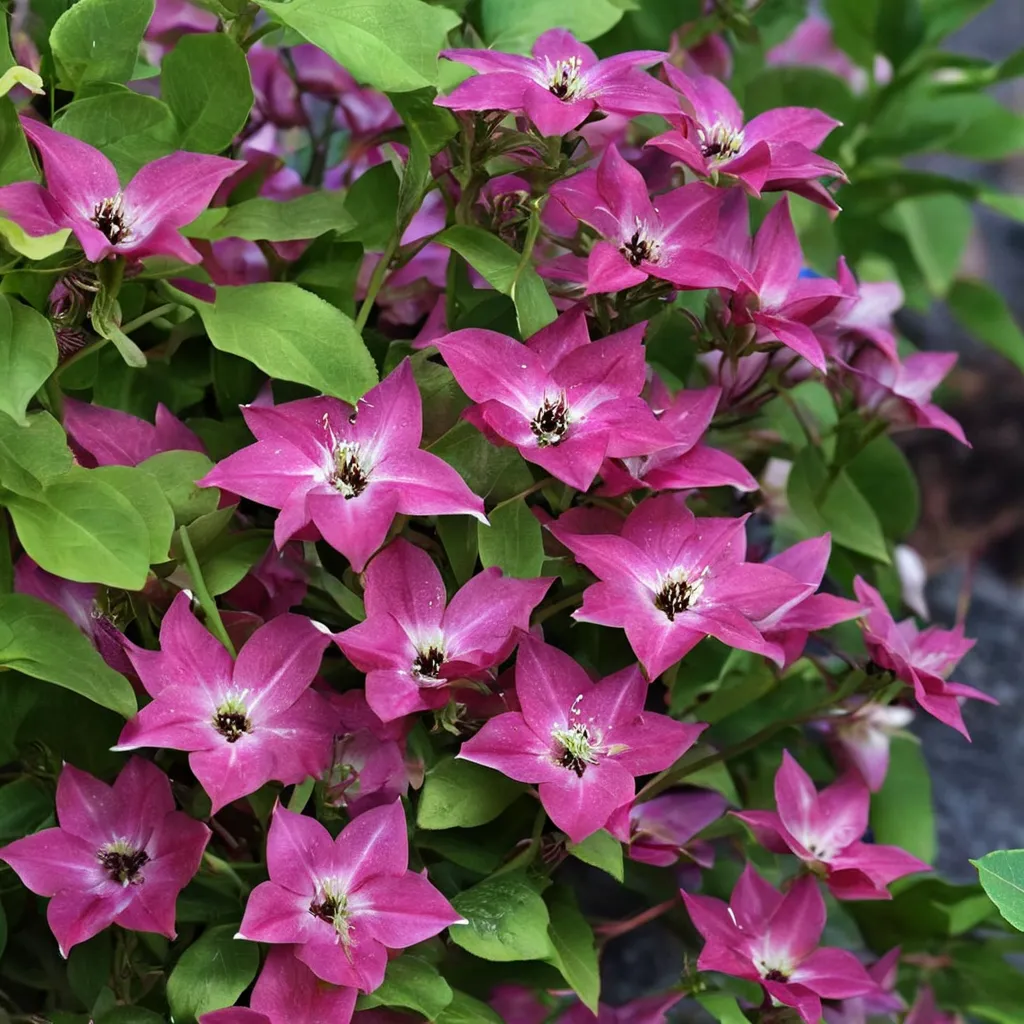
Viva Polonia Clematis
Clematis x hybrida 'Viva Polonia'
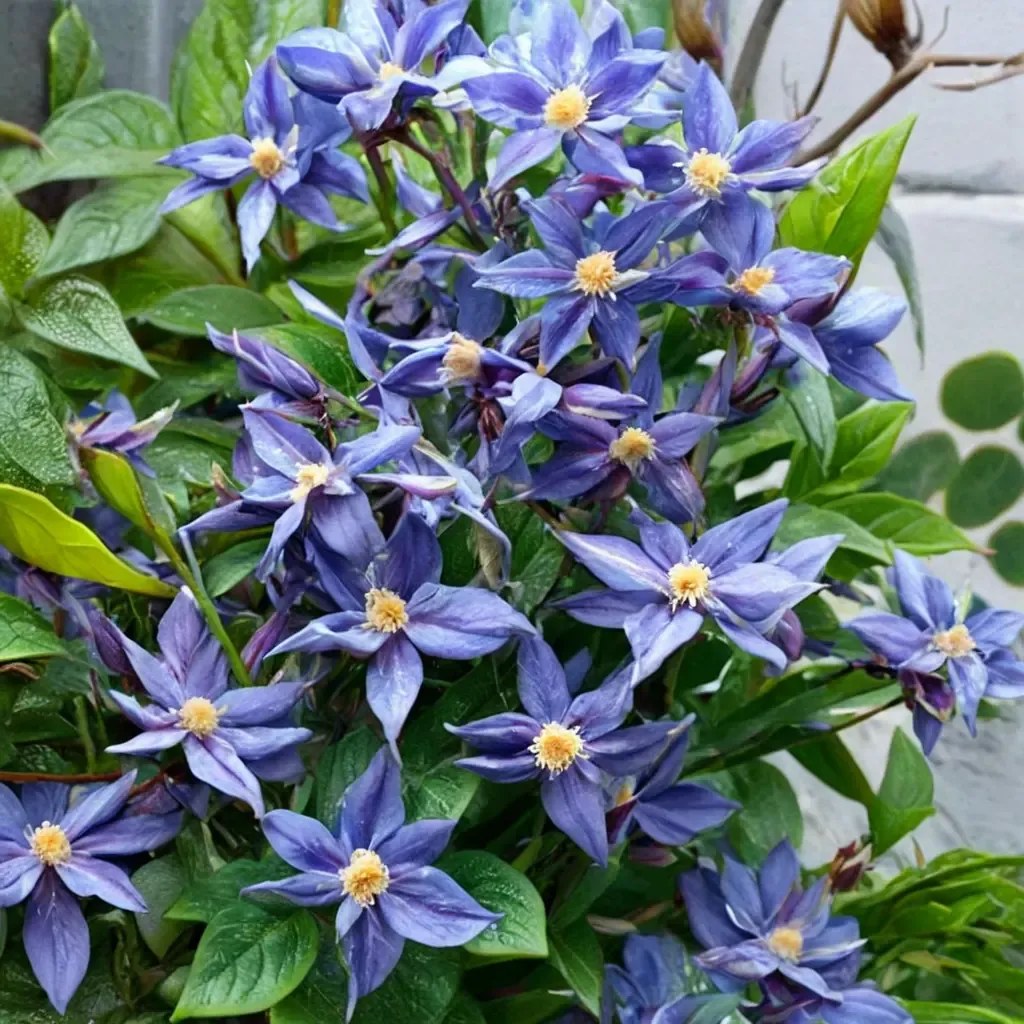
Tsukiko Clematis
Clematis x durandii 'Tsukiko'
Keep exploring
Explore the genus
Grow Kilian Donahue Clematis with confidence
See it in a design of your actual yard, get zone-matched care reminders, and track it season by season in your garden journal.