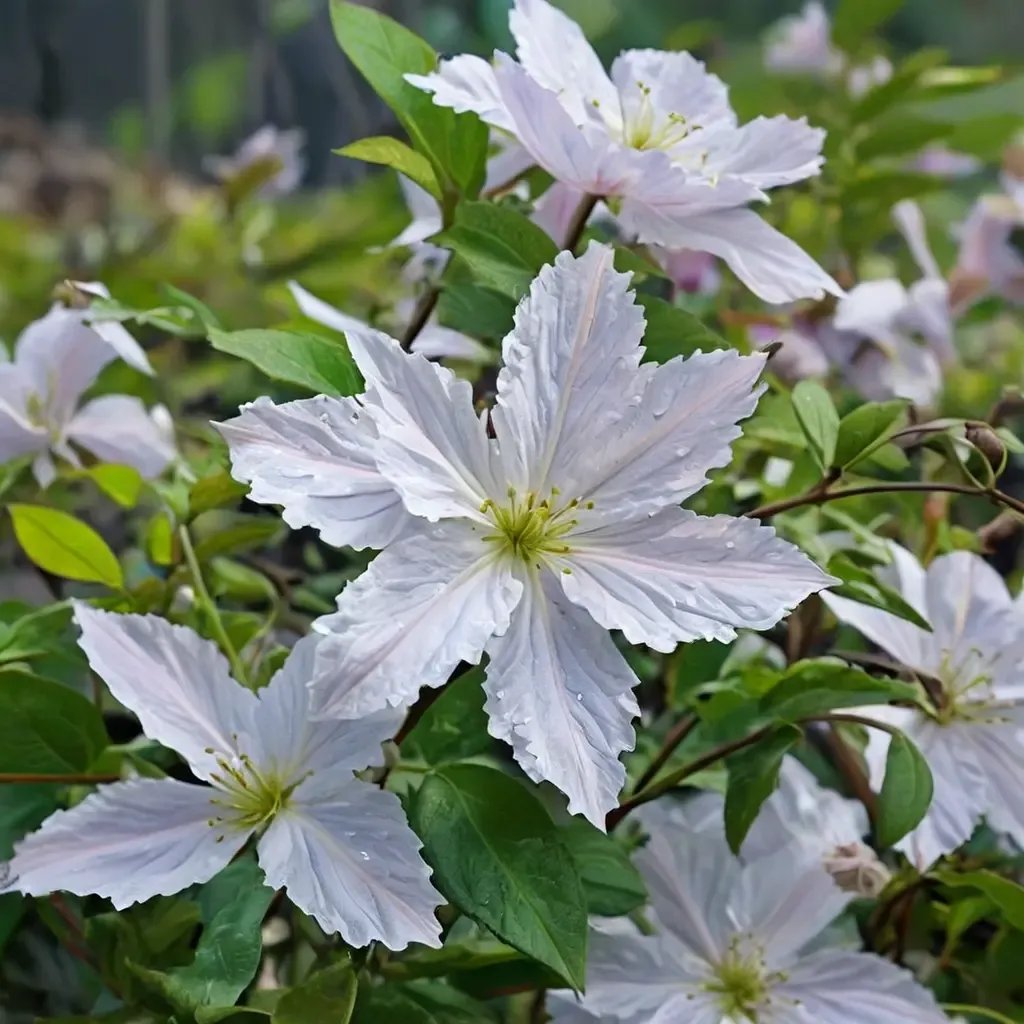
Garden hybrid
 Clematis x hybridaClematis
43 other cultivars
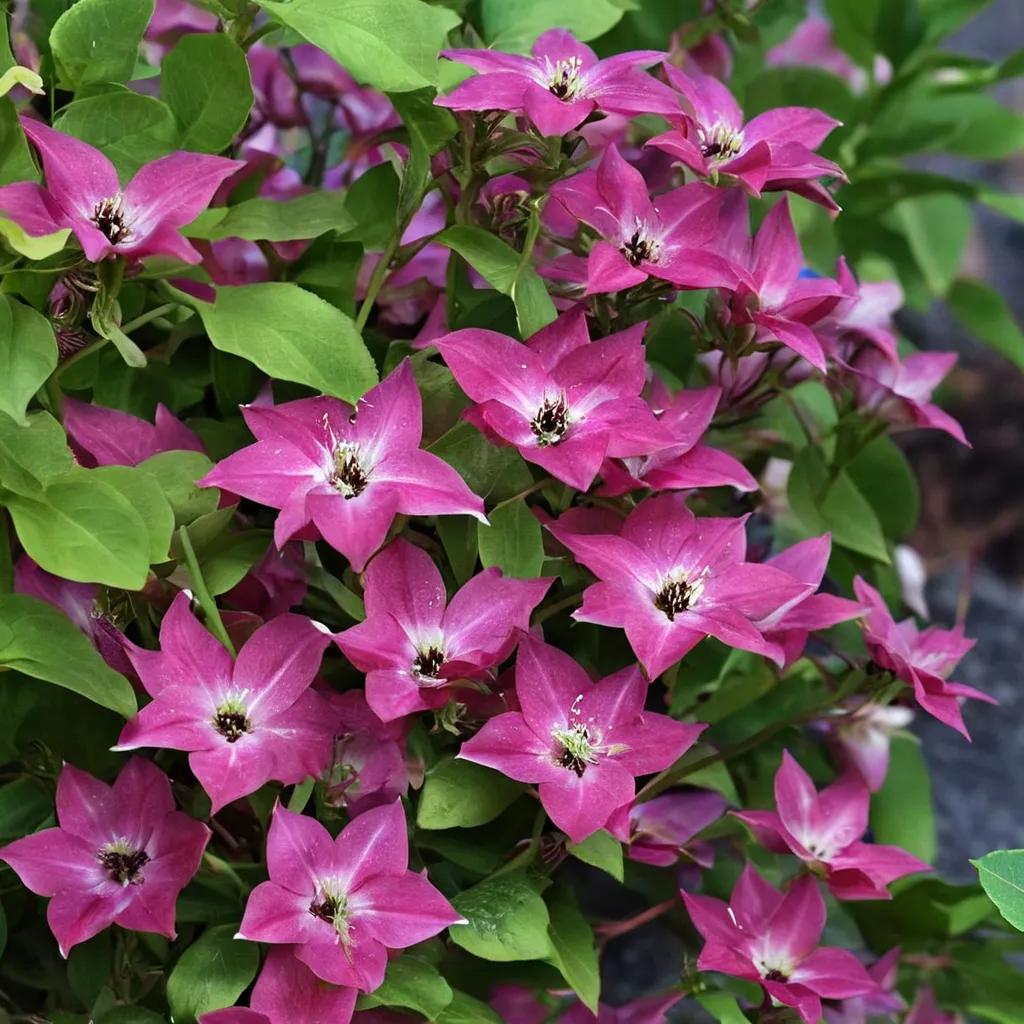 ‘Viva Polonia’Viva Polonia Clematis
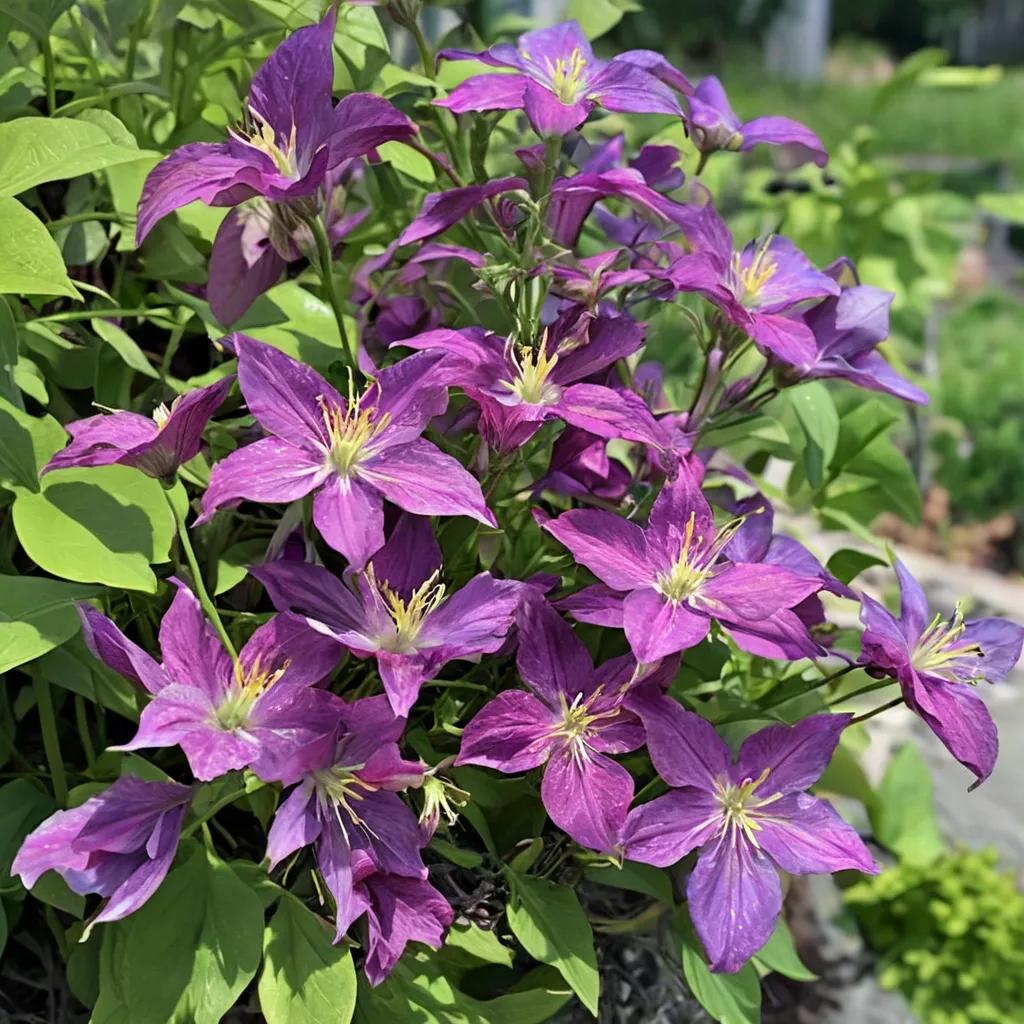 ‘Jolly Good’Clematis Jolly Good
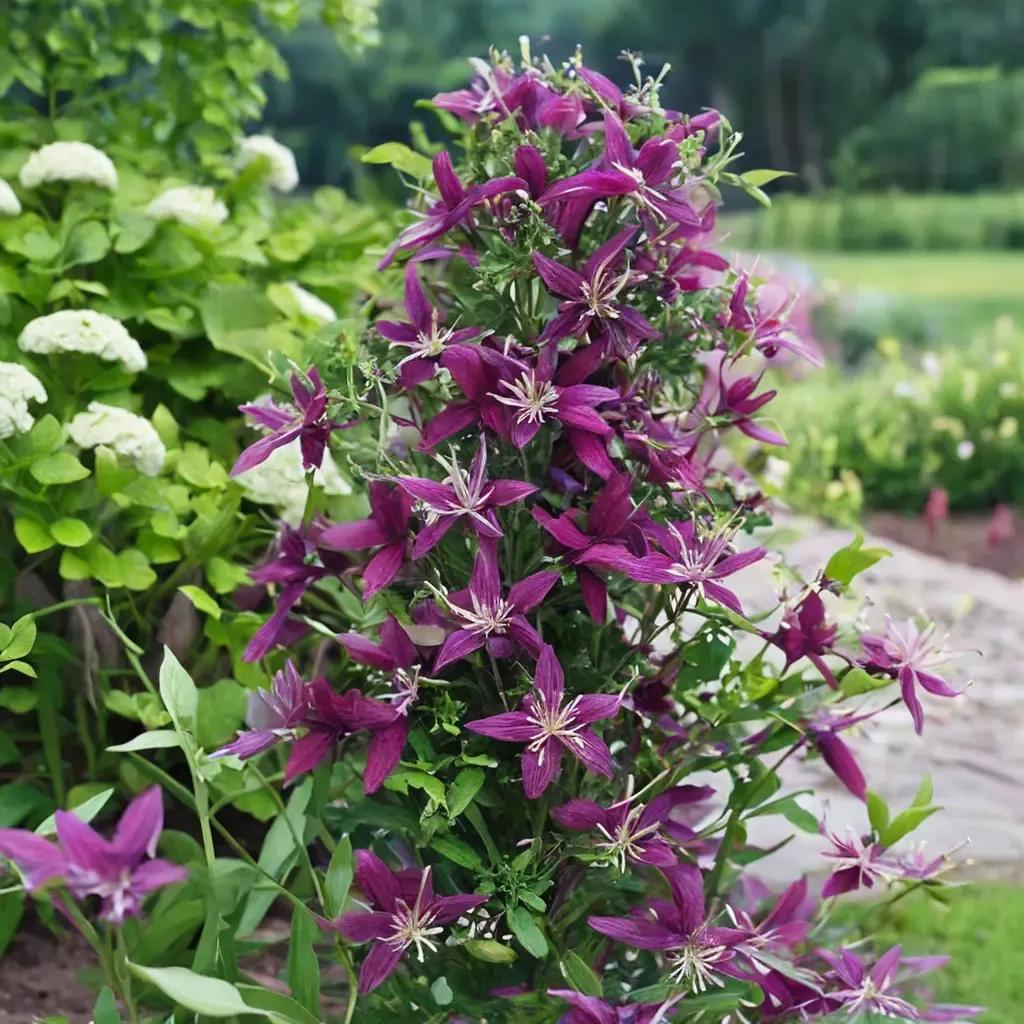 ‘Sweet Summer Love’Sweet Summer Love Clematis
 ‘Rebecca’Rebecca Clematis
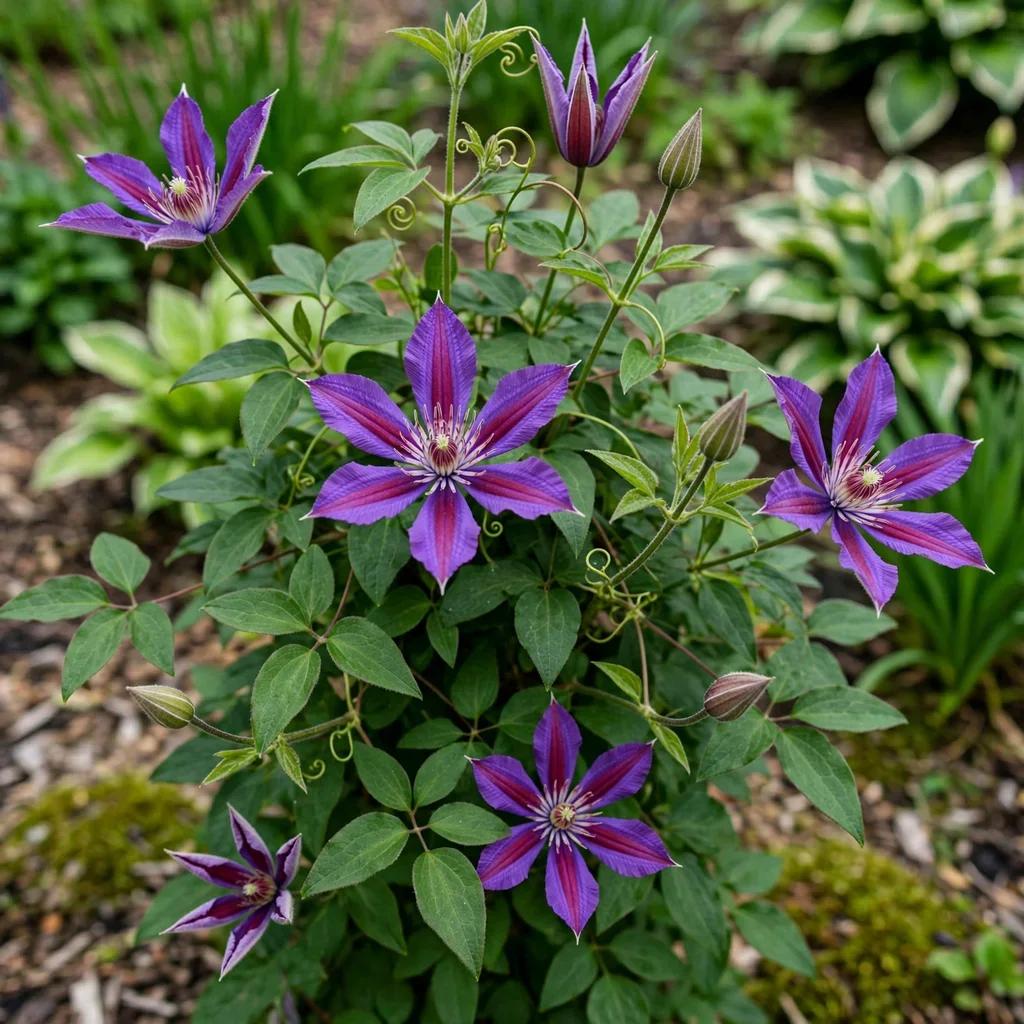 ‘Edda’Clematis Edda
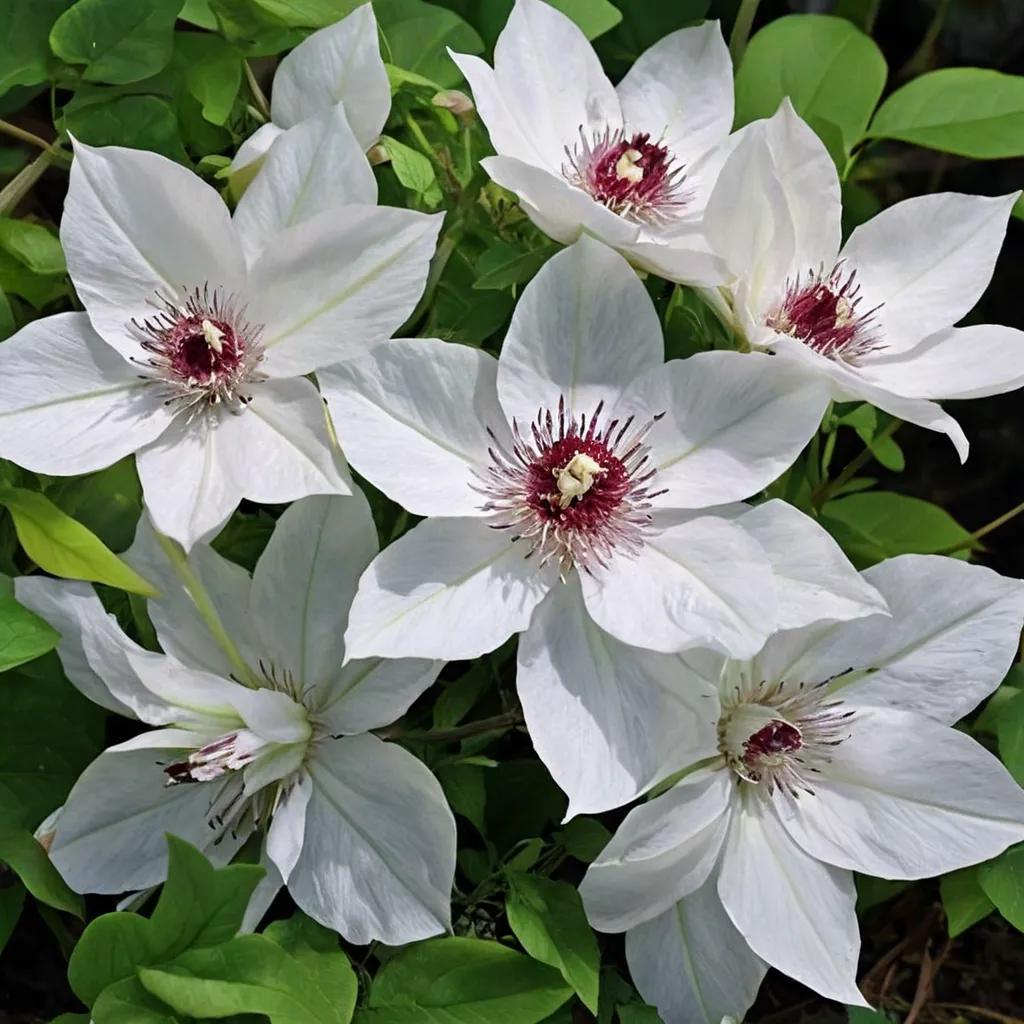 ‘Miss Bateman’Miss Bateman Clematis
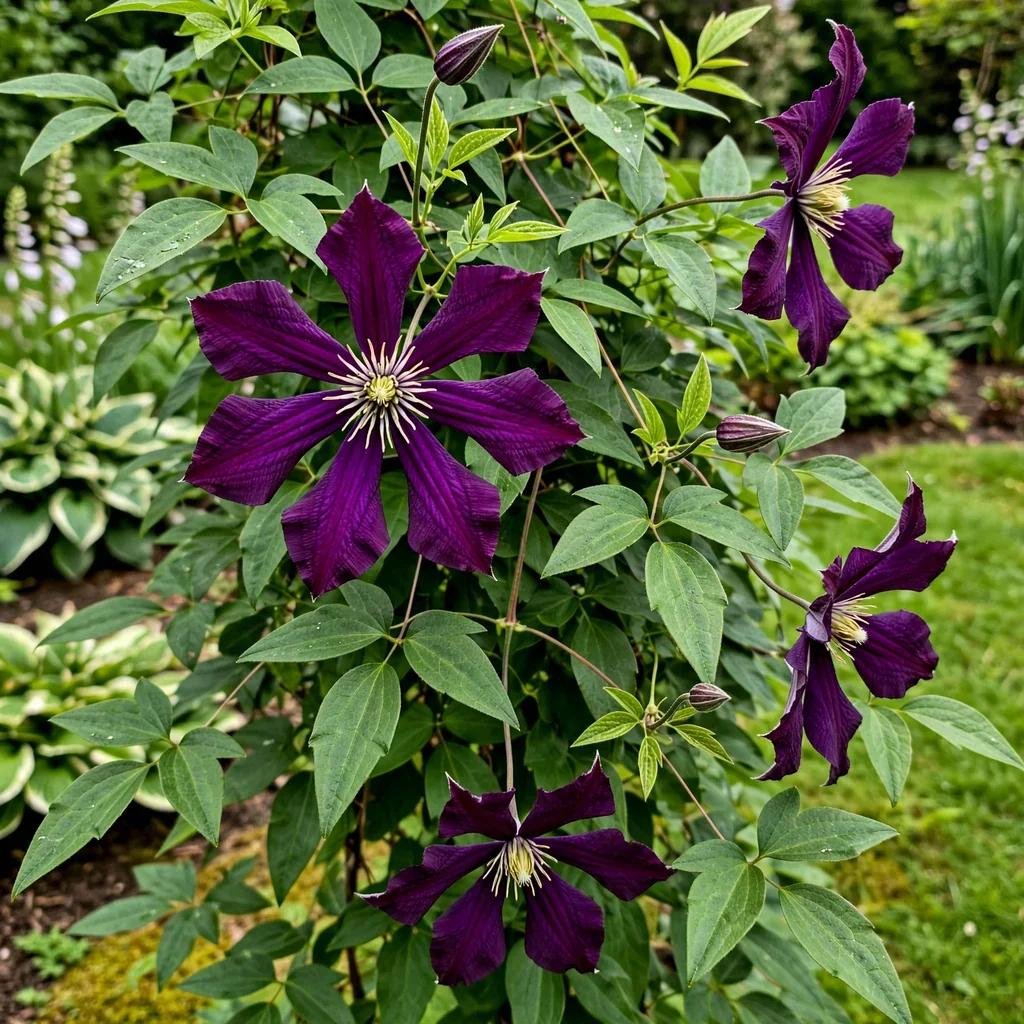 ‘China Purple’China Purple Clematis
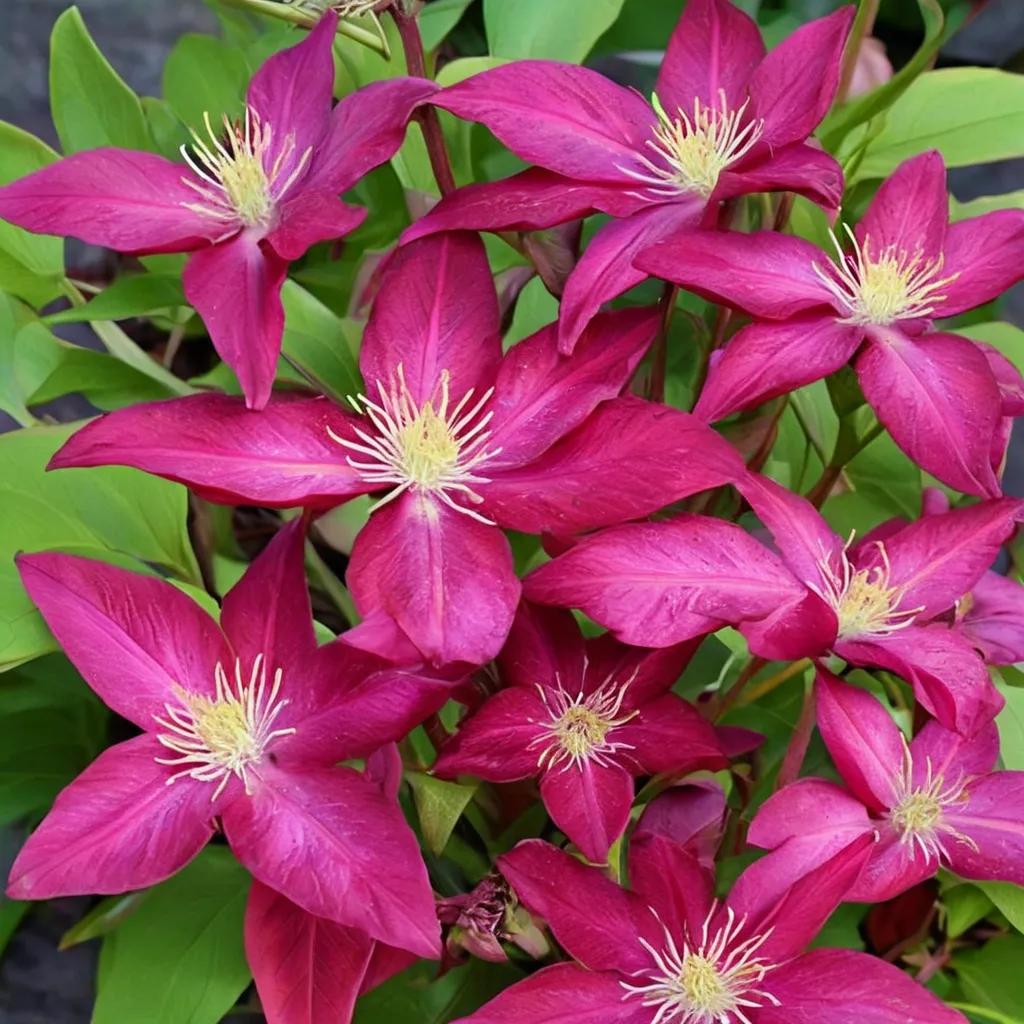 ‘Bourbon’Clematis Bourbon
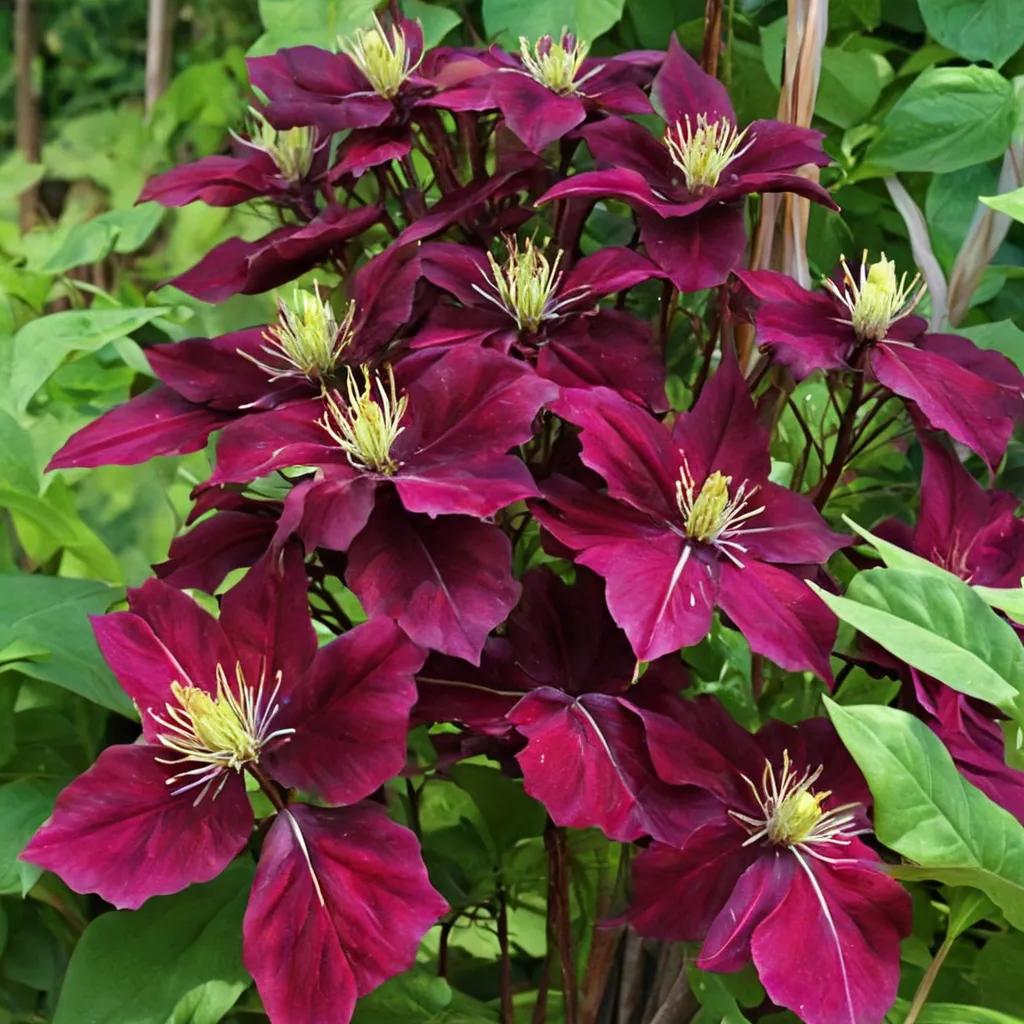 ‘Niobe’Clematis Niobe
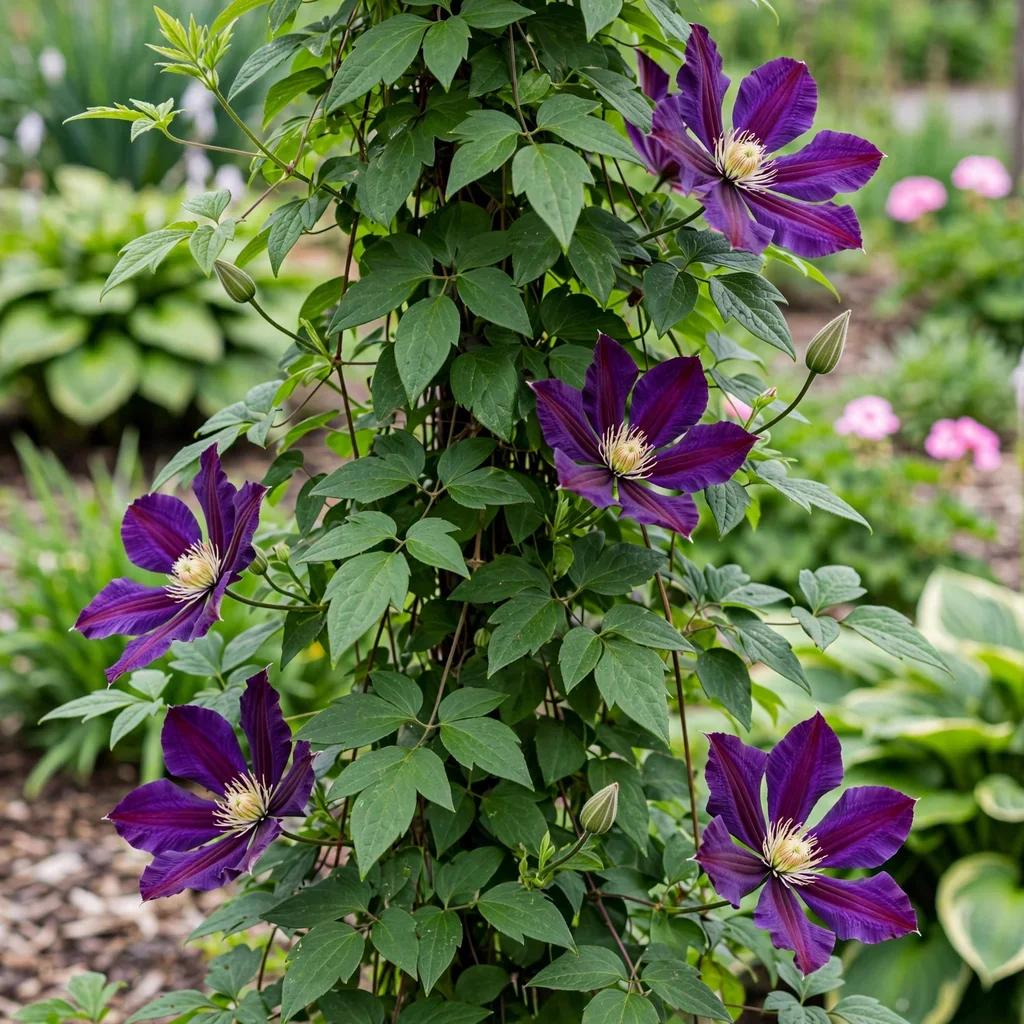 ‘The Vagabond’Clematis The Vagabond
 ‘Rooguchi’Roguchi Clematis
 ‘Kasugai’Kasugai Clematis
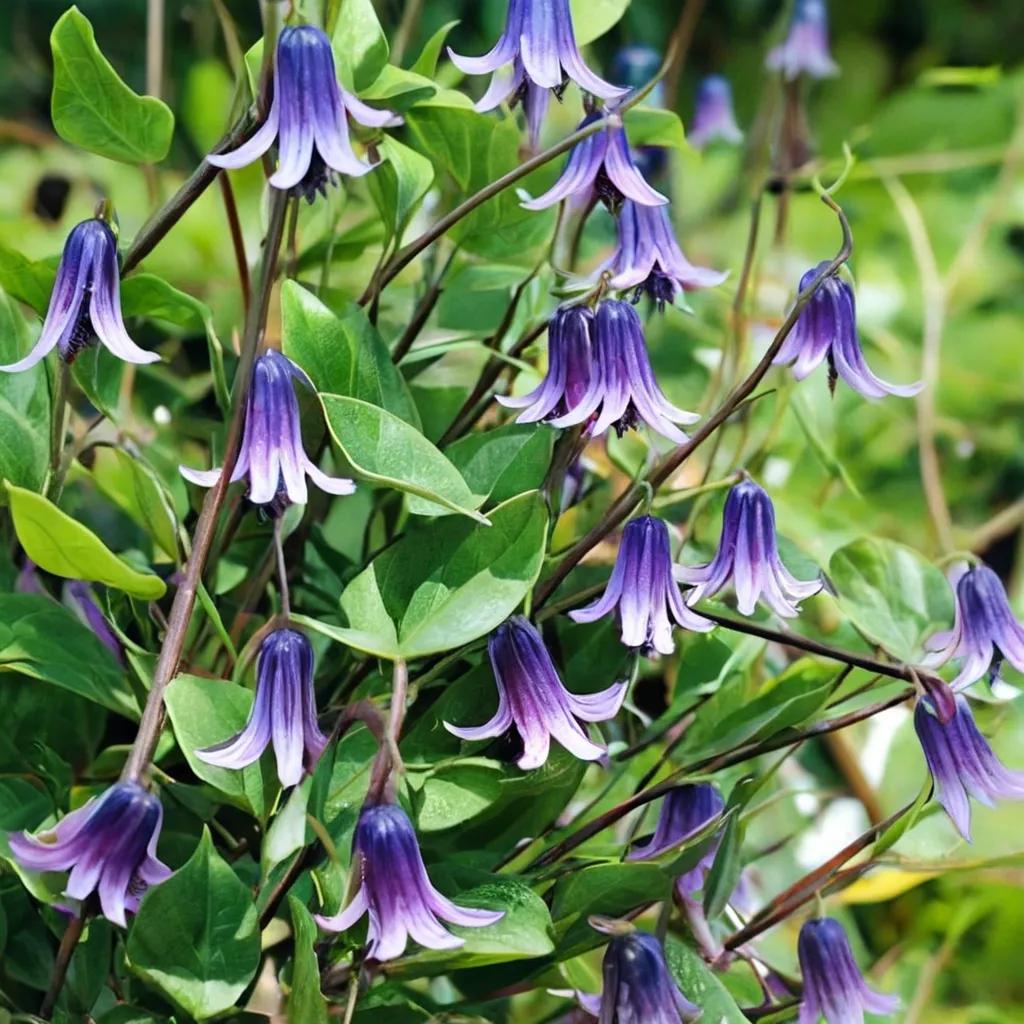 ‘Roguchi’Roguchi Clematis
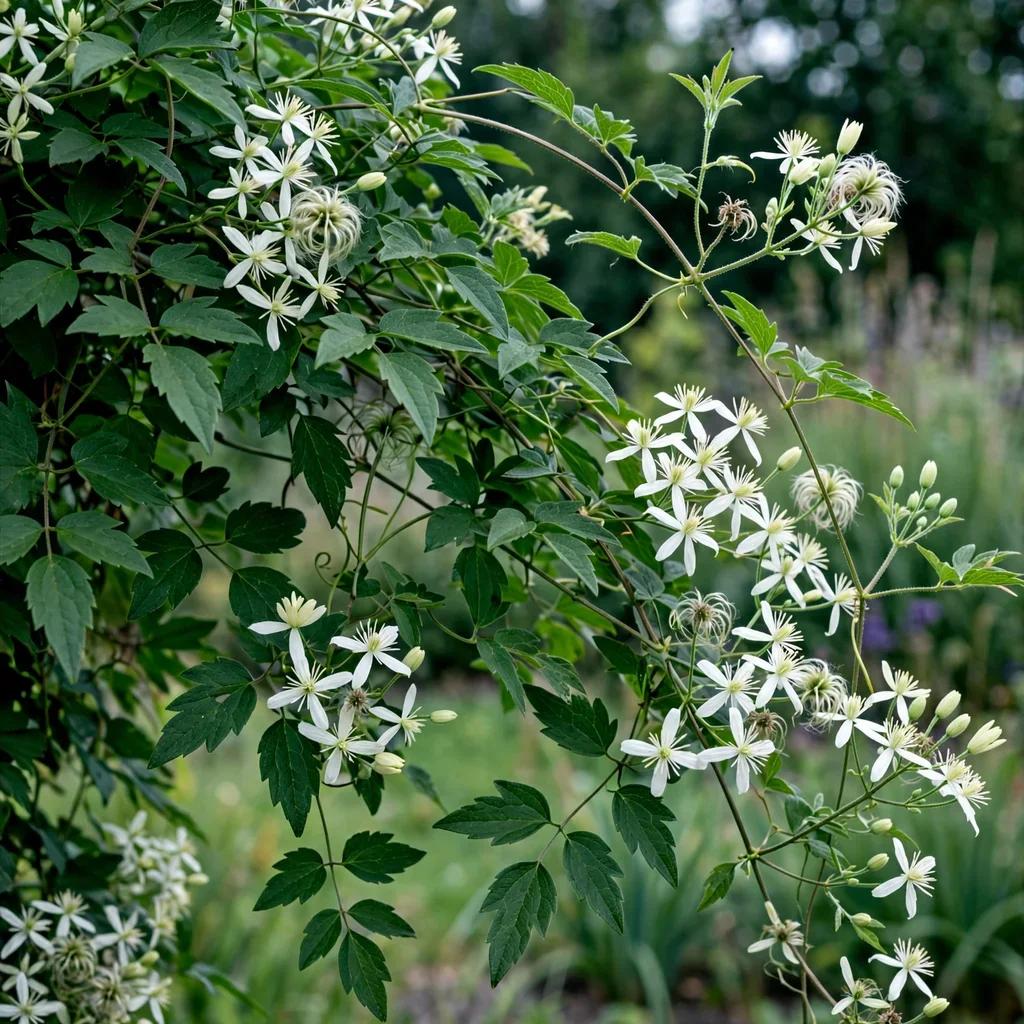 ‘Ristimagi’Ristimagi Old Man's Beard Clematis
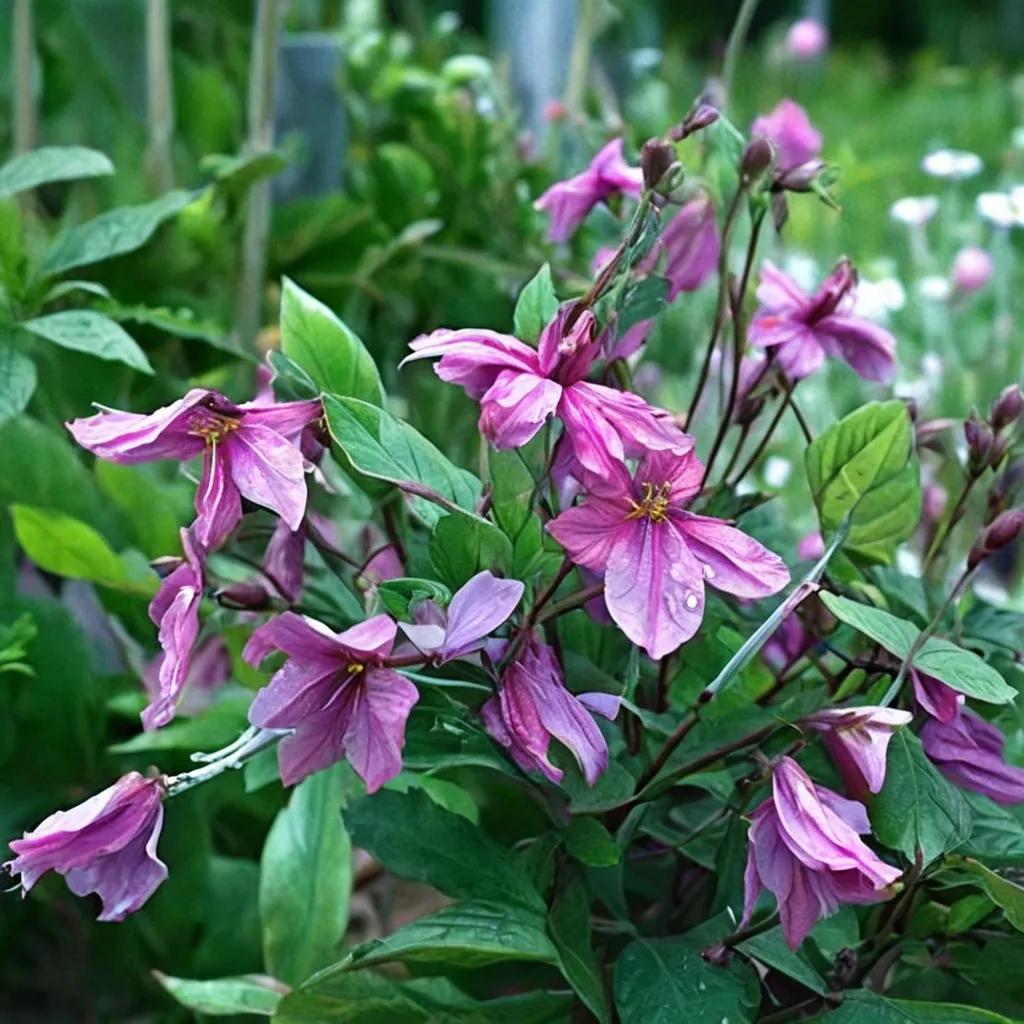 ‘Alionushka’Clematis Alionushka
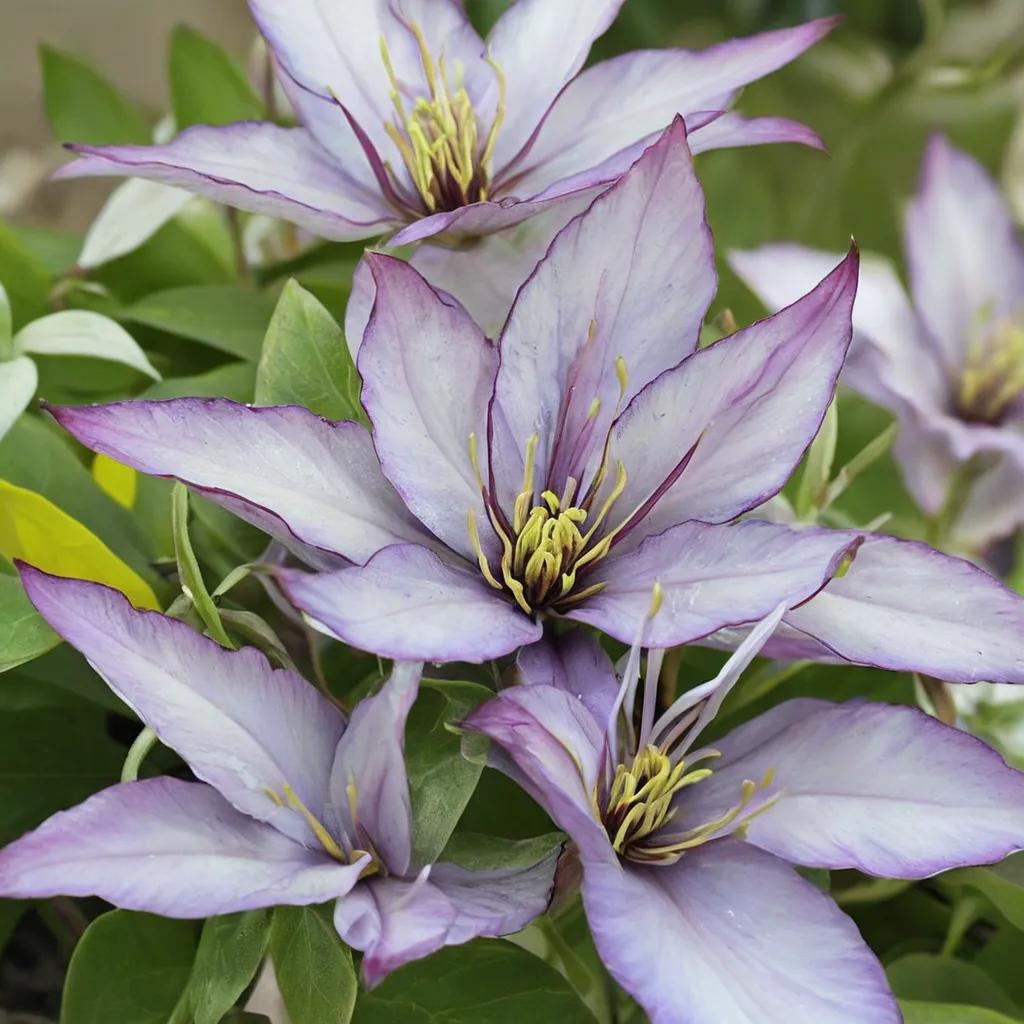 ‘Samaritan Jo’Samaritan Jo Clematis
 ‘Sapphire Indigo’Clematis Sapphire Indigo
 ‘Nubia’Nubia Clematis
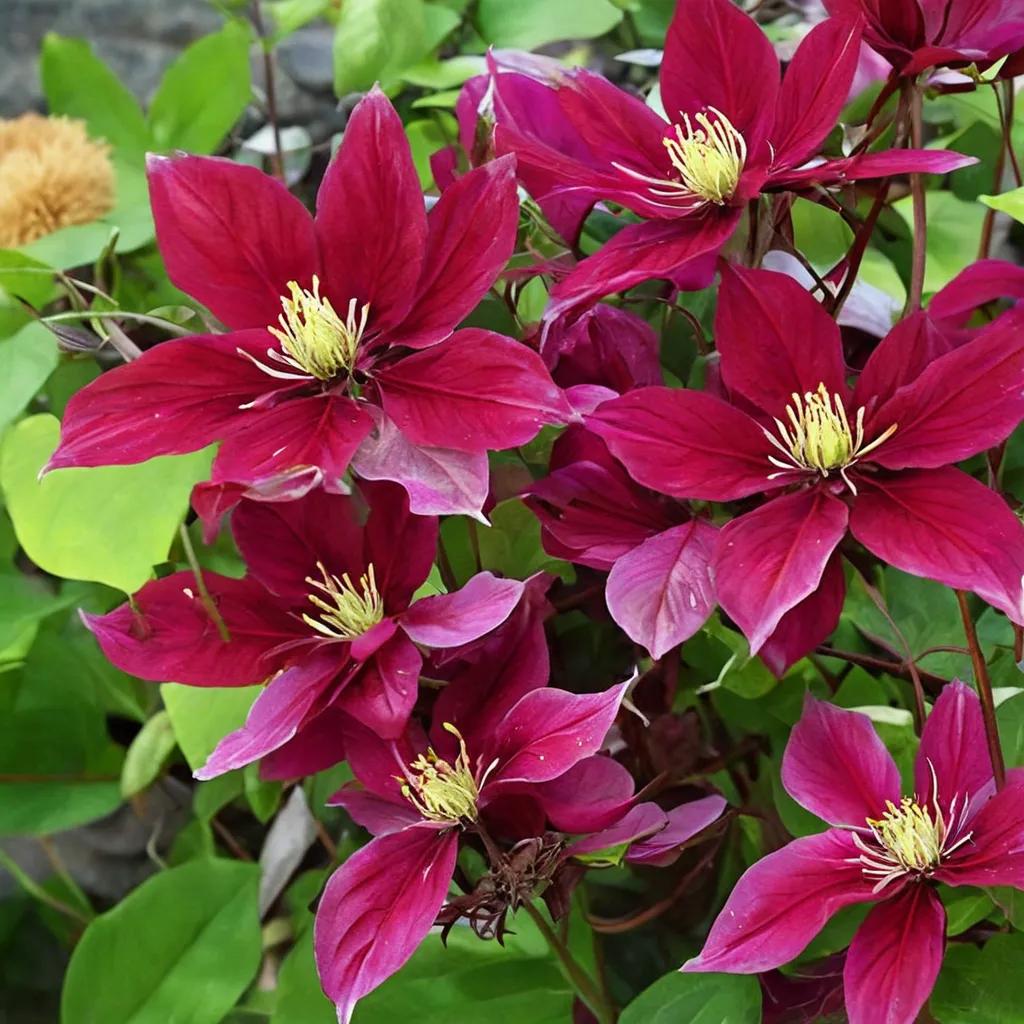 ‘Rosemoor’Clematis Rosemoor
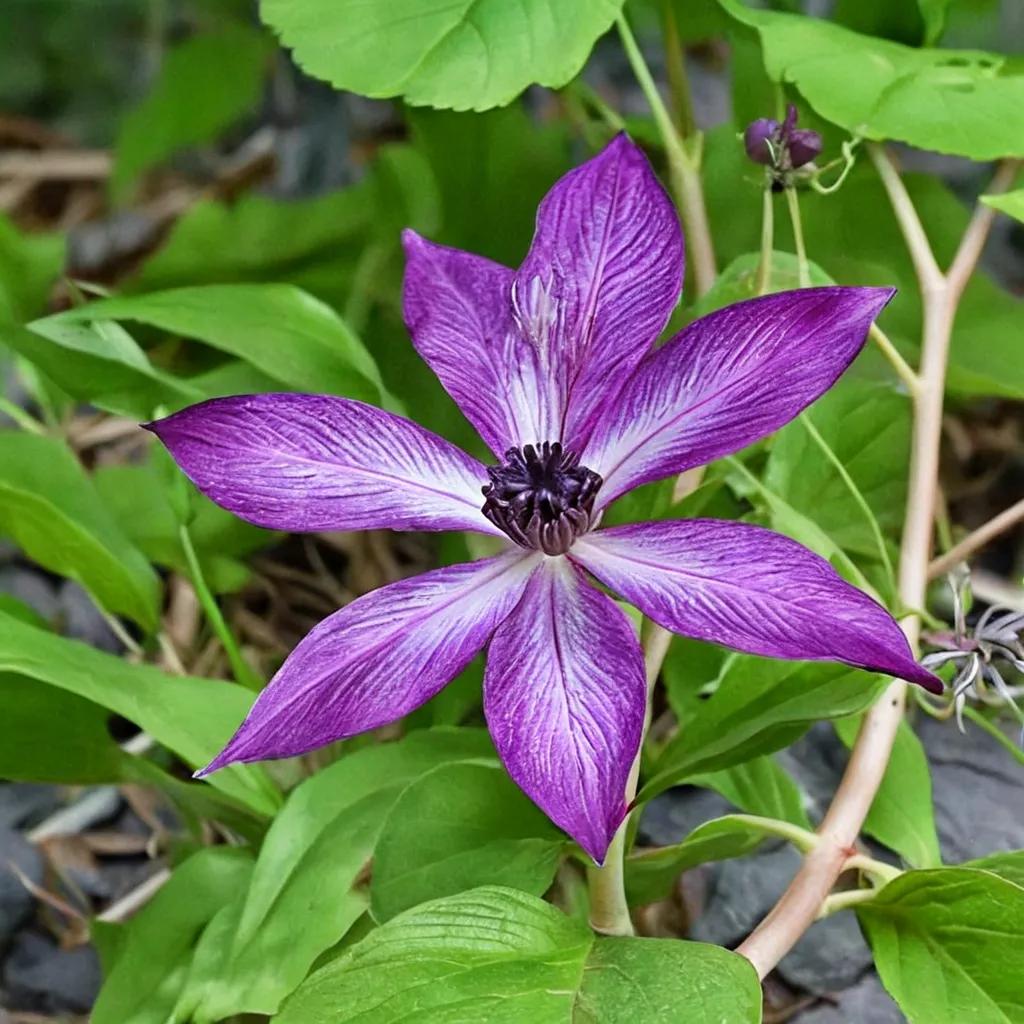 ‘Amaranthine’Clematis Amaranthine
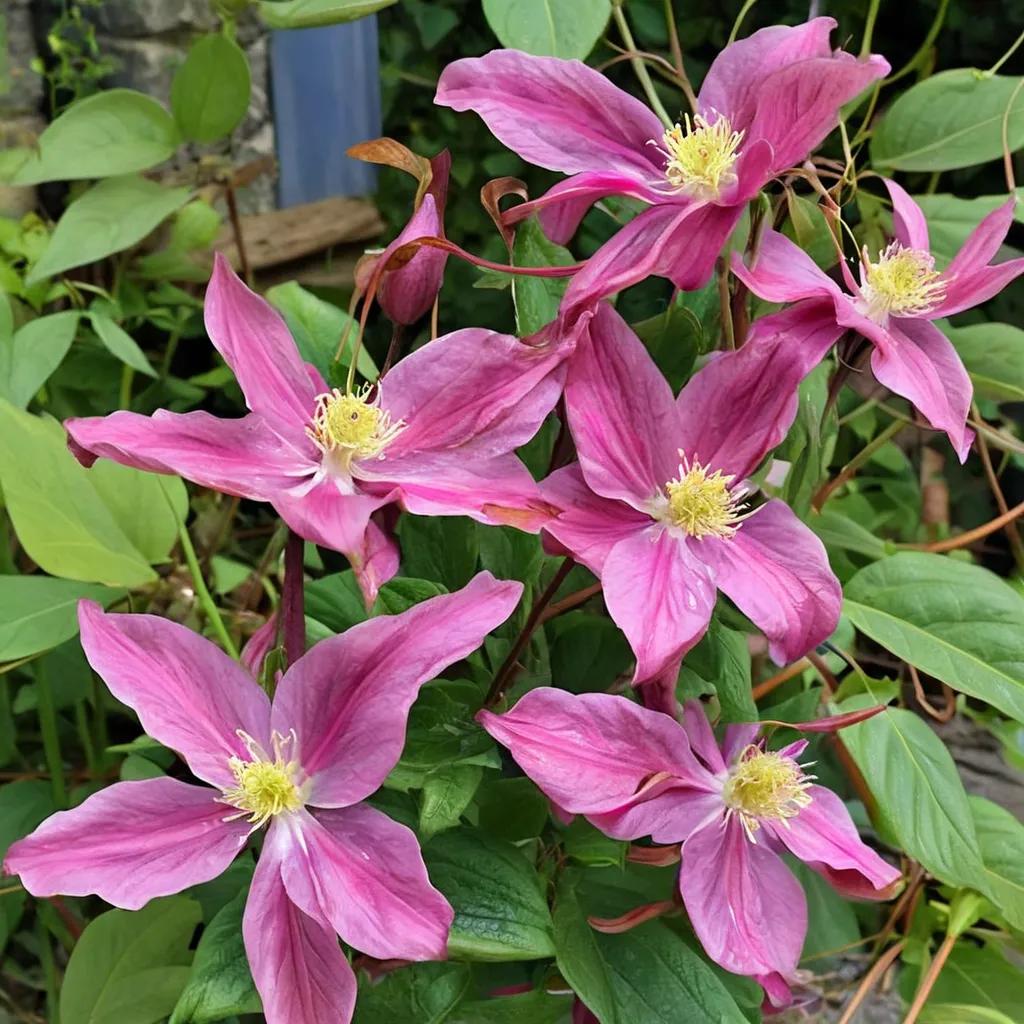 ‘Inspiration’'Inspiration' Clematis
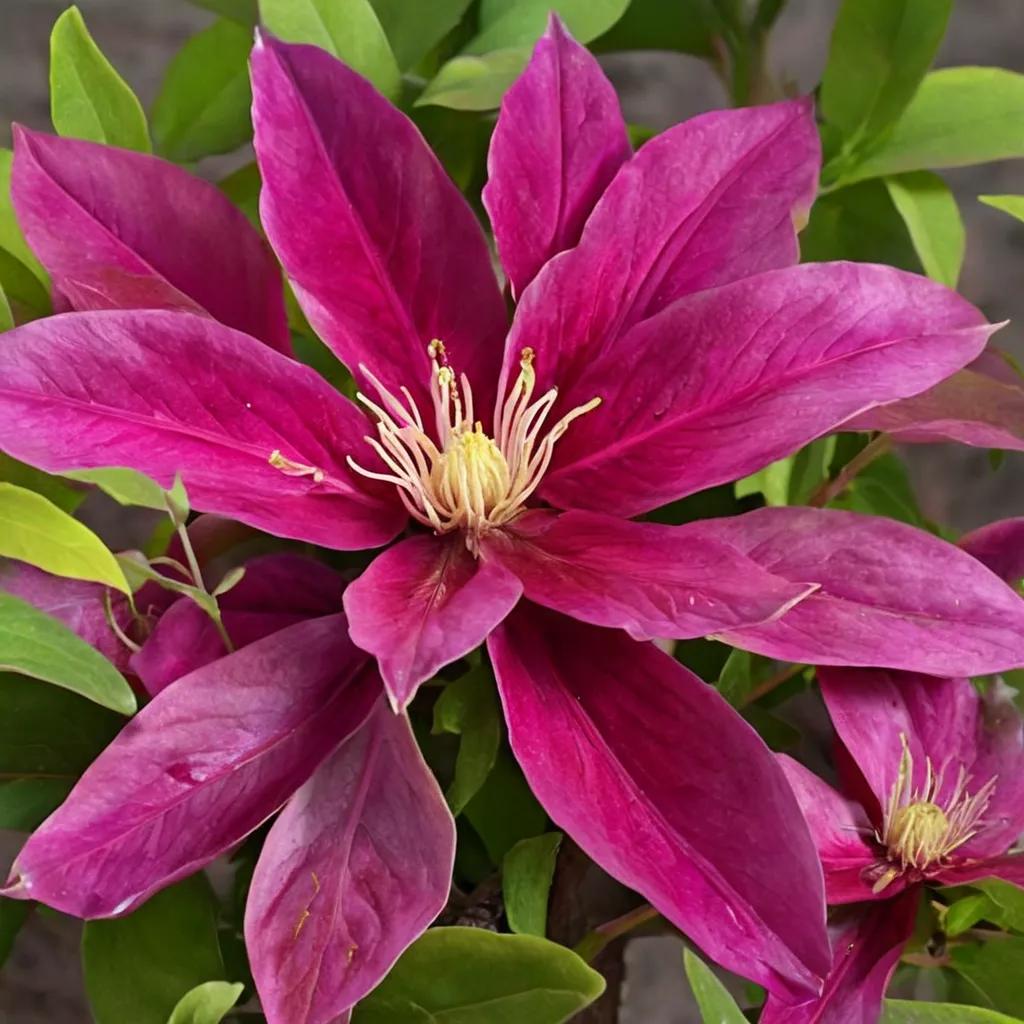 ‘Acropolis’Clematis Acropolis
 ‘Josephine’Clematis Josephine
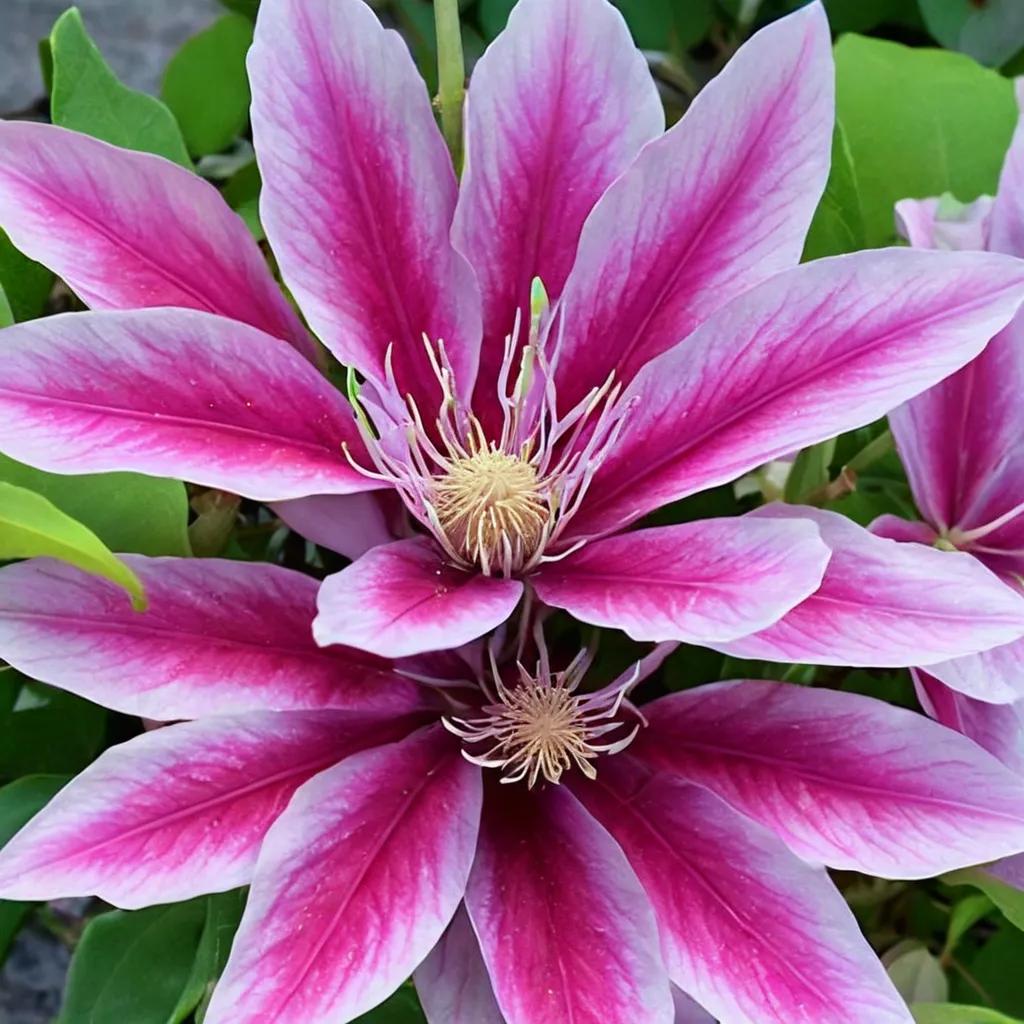 ‘Poseidon’Clematis Poseidon
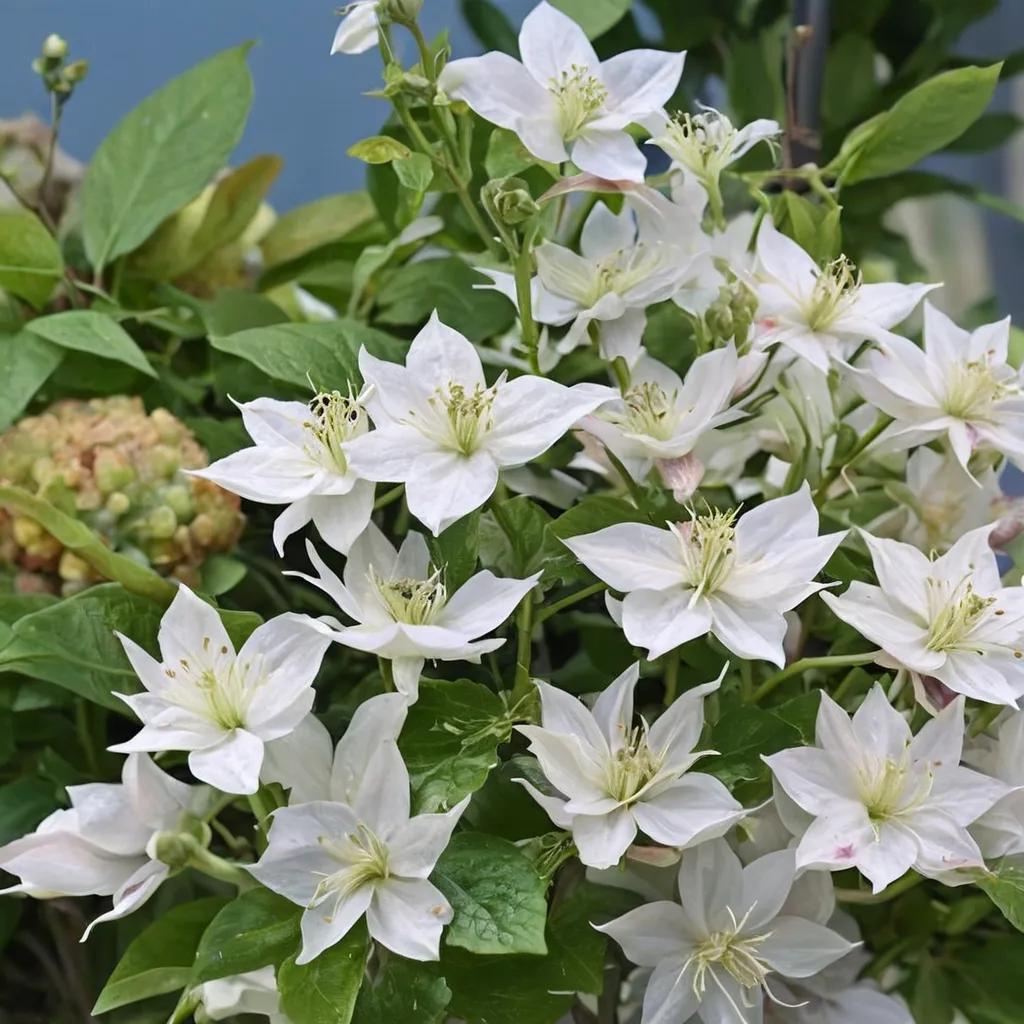 ‘China White’China White Clematis
 ‘Kimi'idera’Kimi'idera Clematis
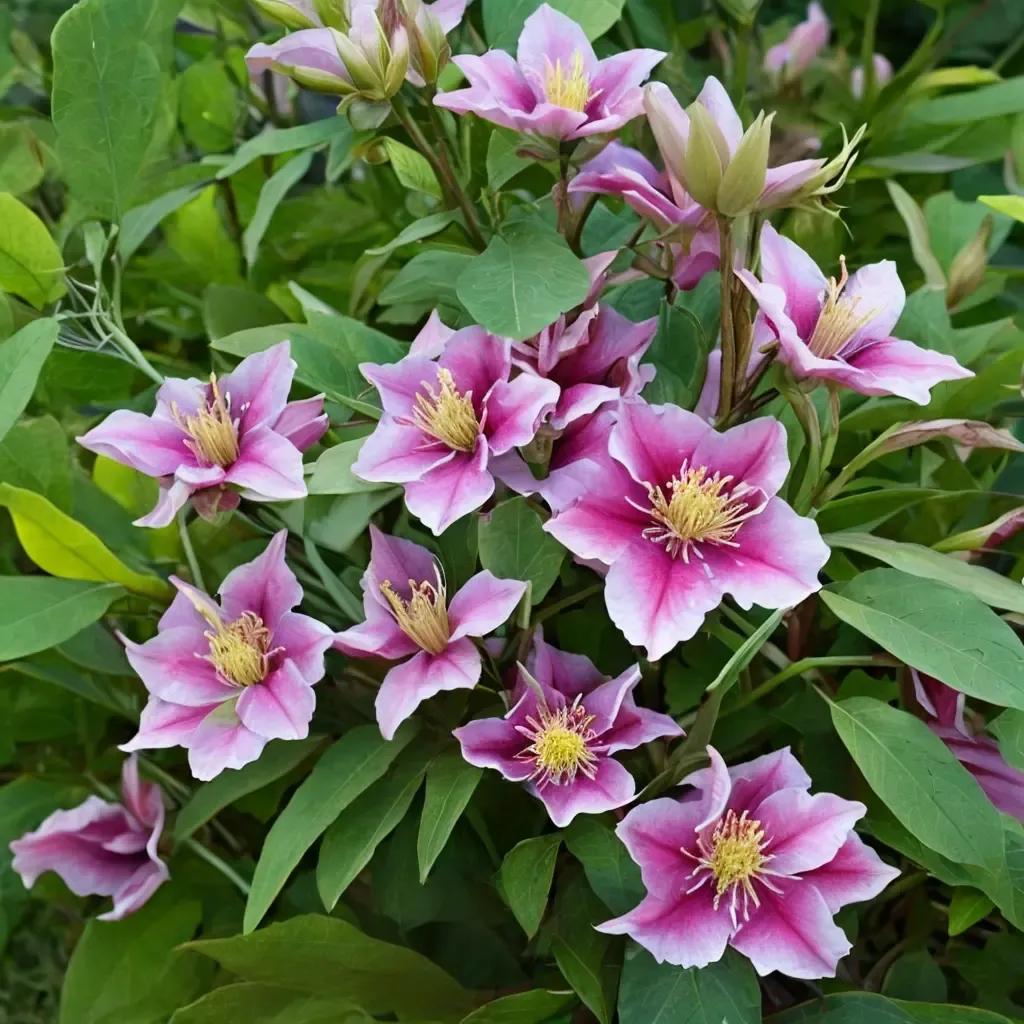 ‘Piilu’Piilu Clematis
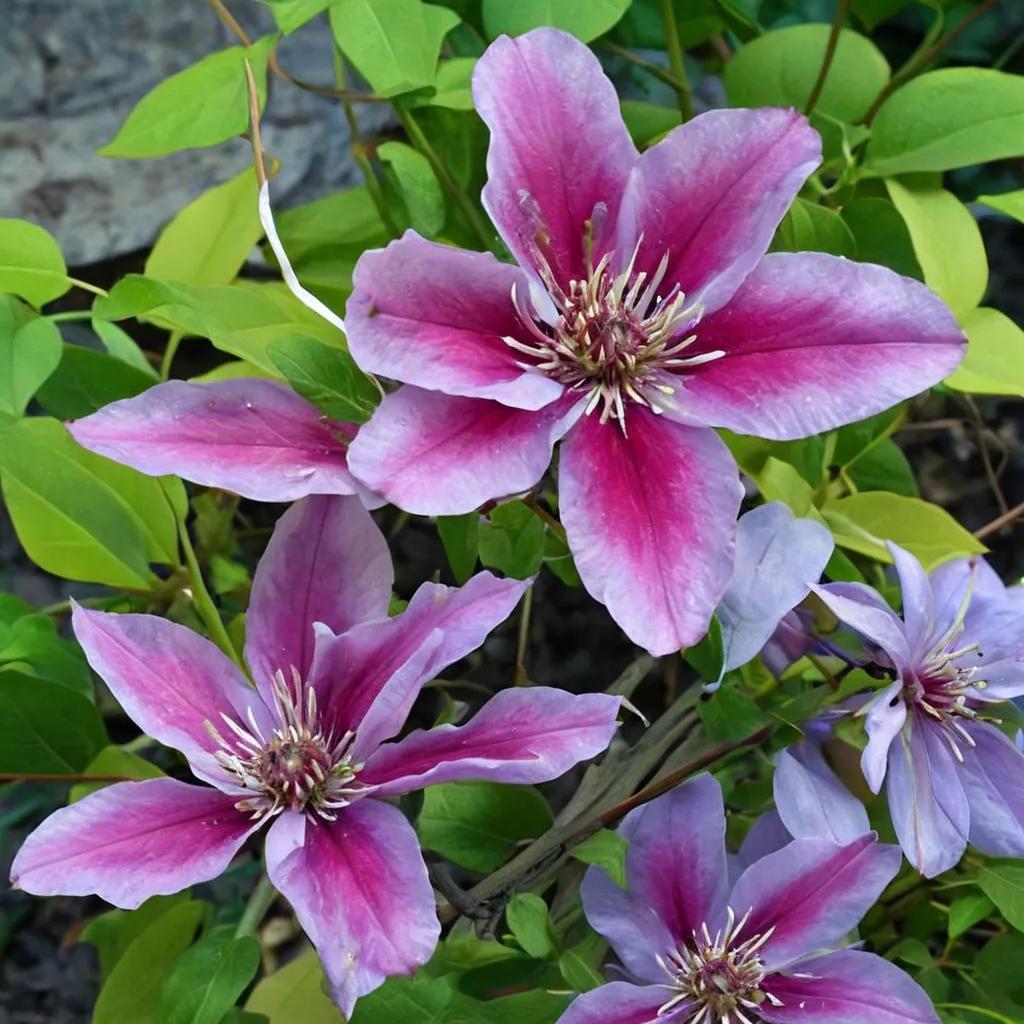 ‘Fireworks’Clematis Fireworks
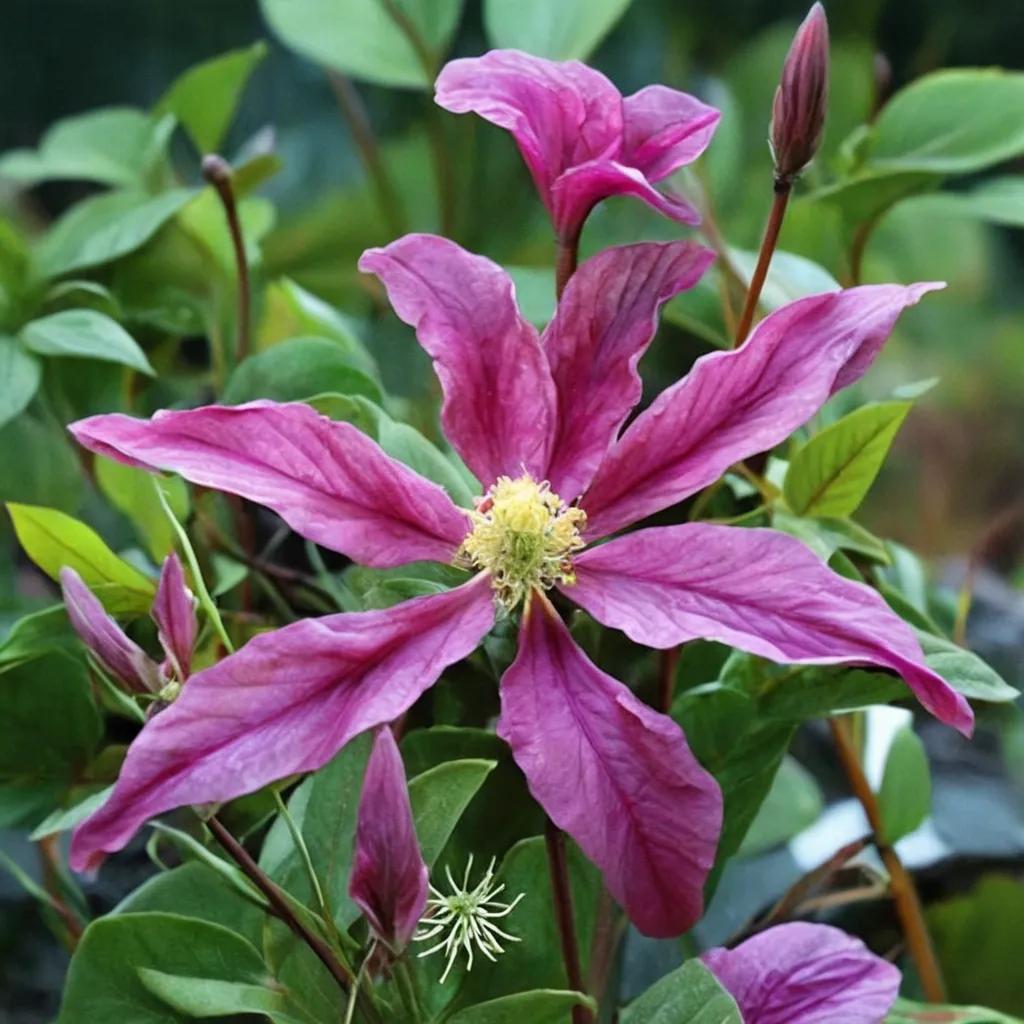 ‘Zoin’Zoin Inspiration Clematis
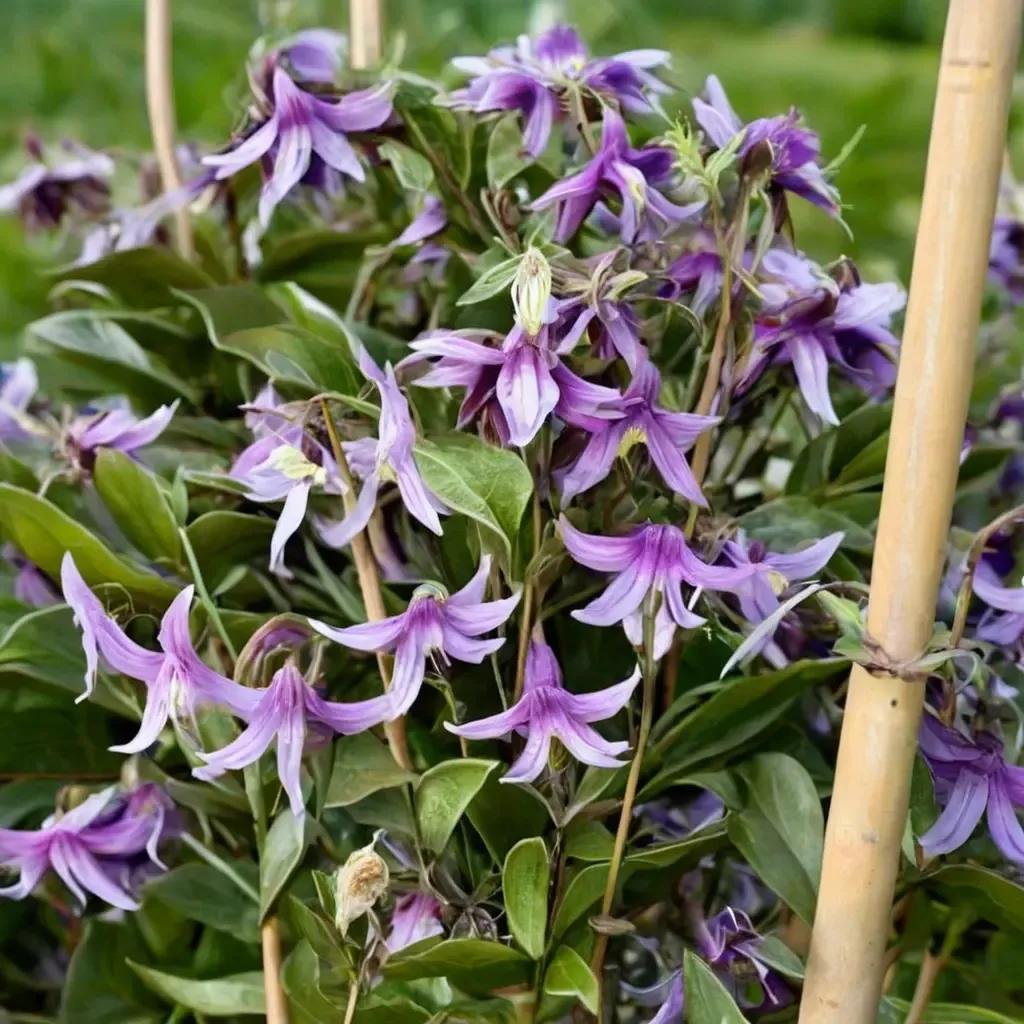 ‘Stand By Me Pink’Stand By Me Pink Clematis
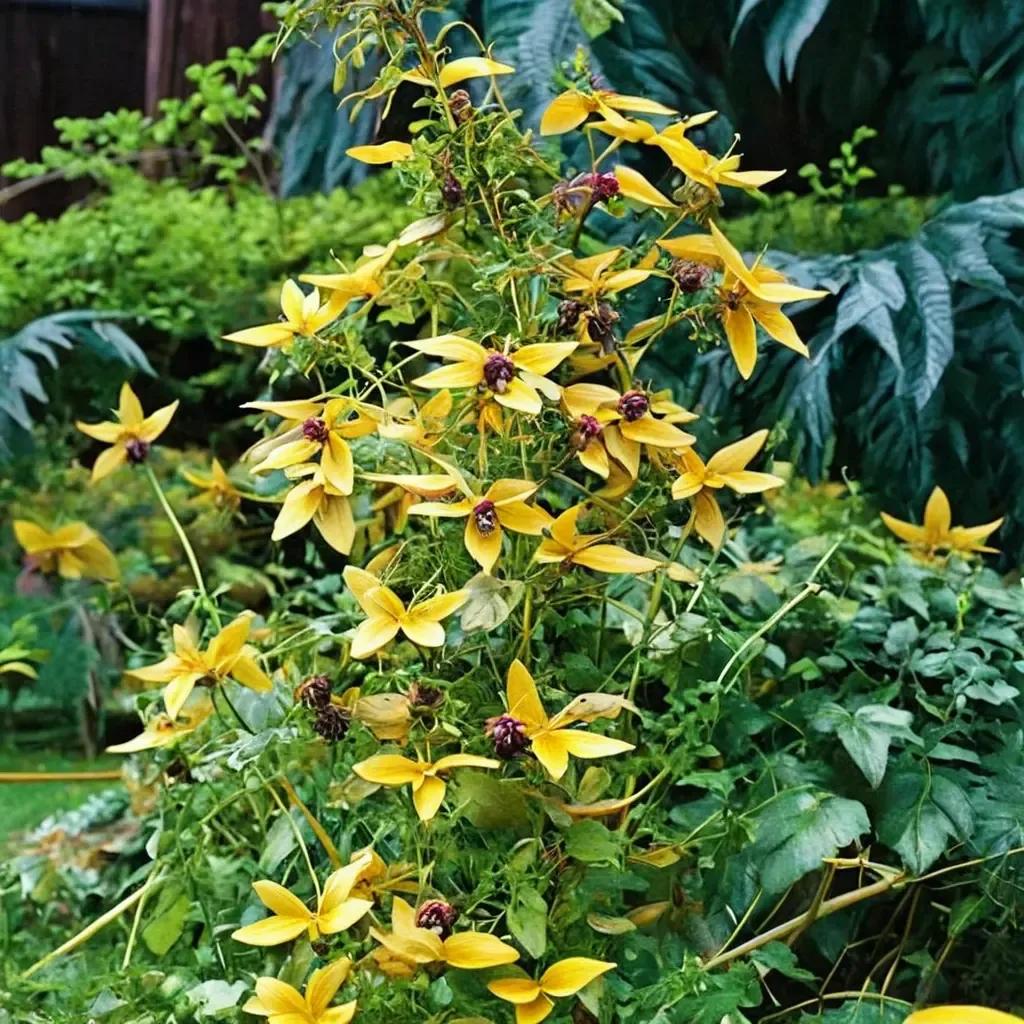 ‘Golden Tiara’Golden Tiara Clematis
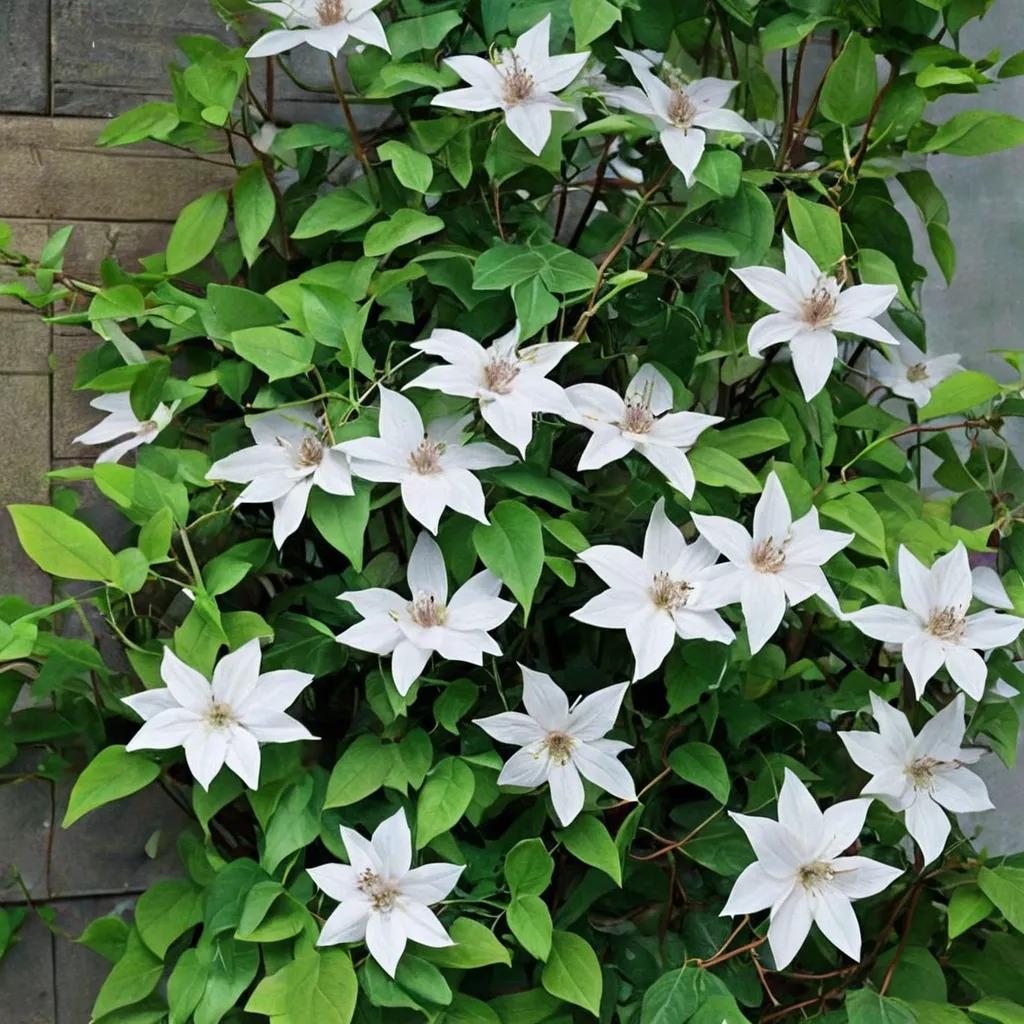 ‘Henryi’Clematis Henryi
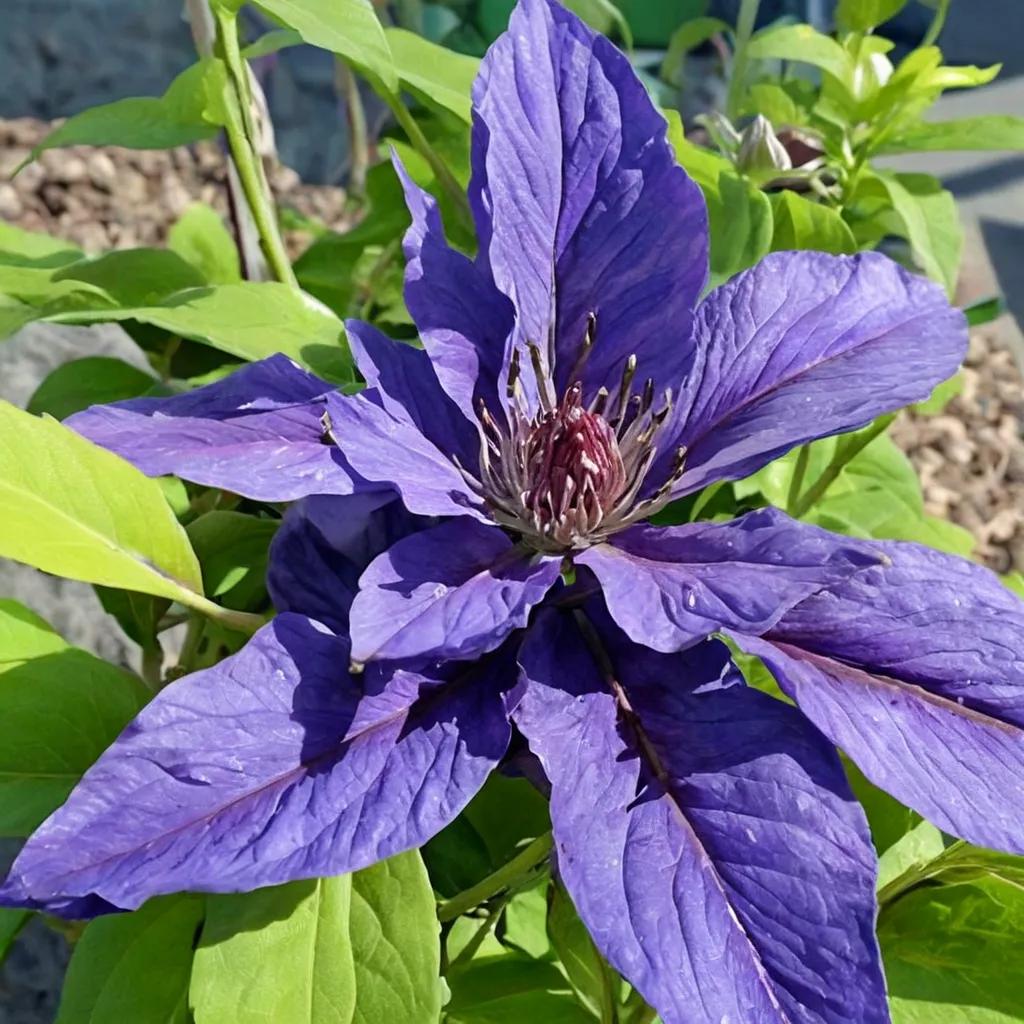 ‘Lindsay’Lindsay Clematis
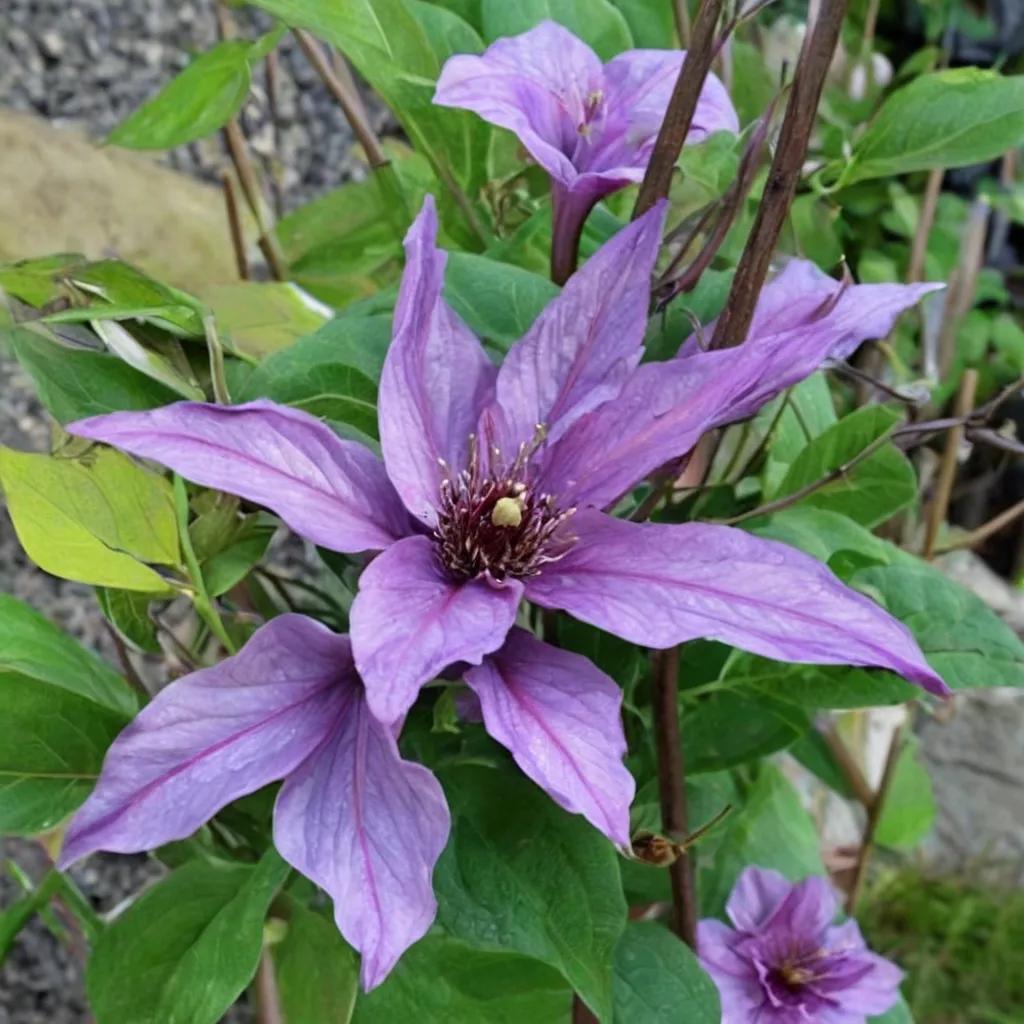 ‘Purple Climador’Clematis 'Purple Climador'
 ‘Stand By Me Lavender’Stand By Me Bush Clematis
 ‘Astra Nova’Astra Nova clematis
 ‘Pink Climador’Pink Climador Clematis
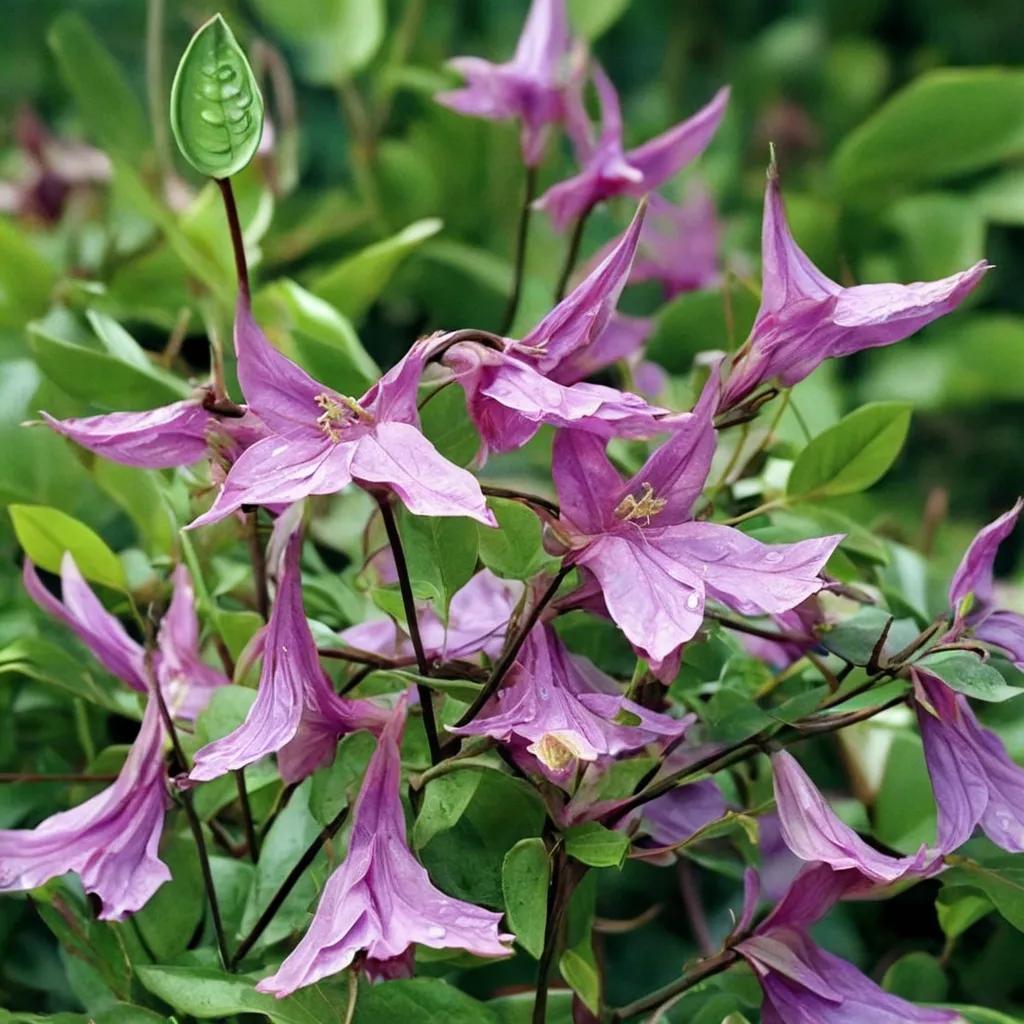 ‘Hendryetta’Hendryetta Clematis
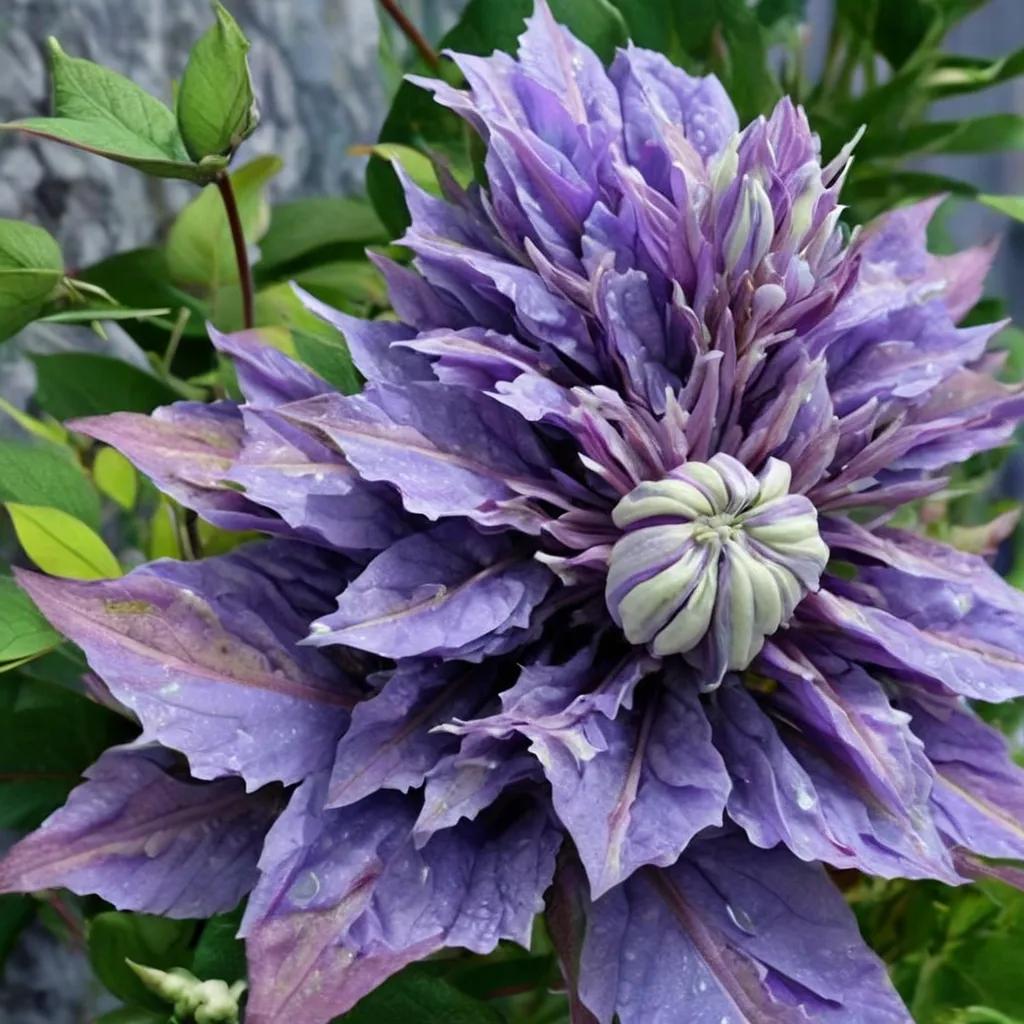 ‘Diamantina’Clematis Diamantina
 ‘Huldine’Clematis Huldine
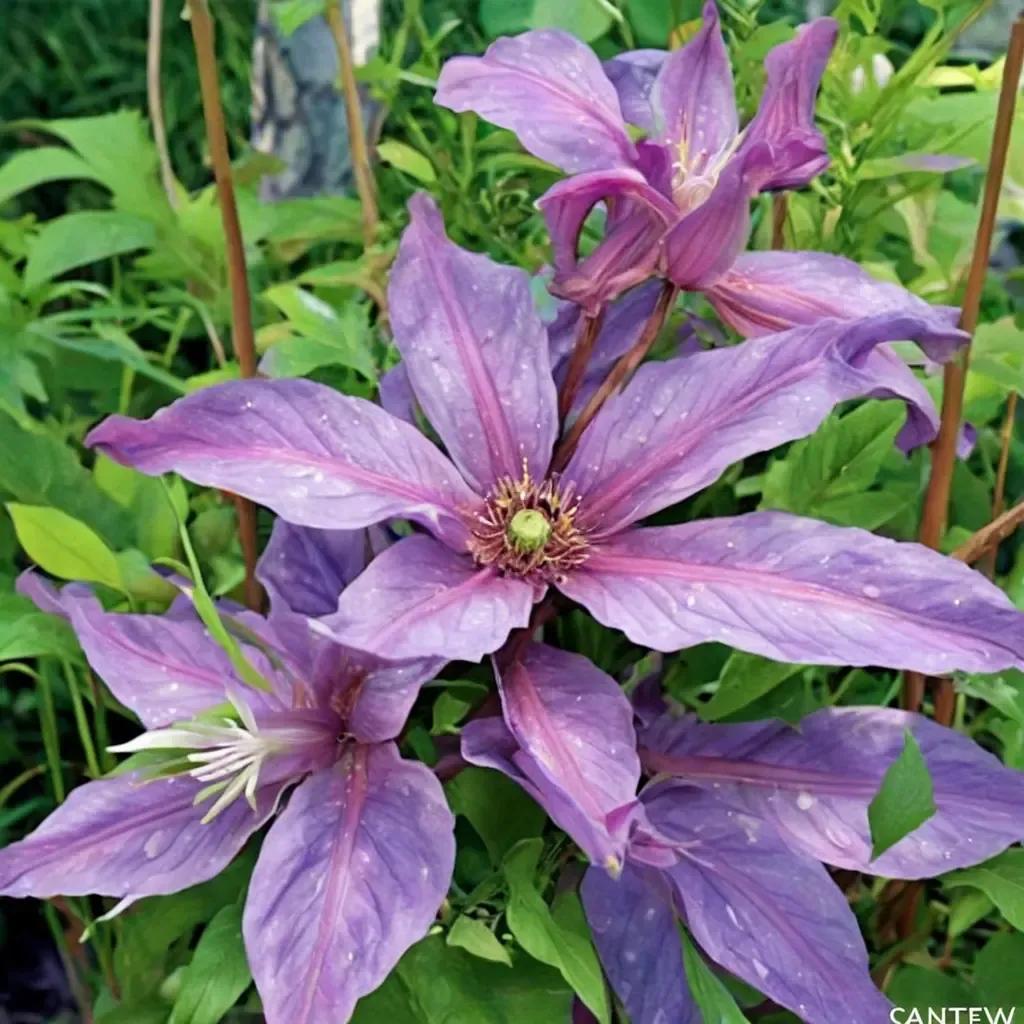 ‘Horn Of Plenty’Horn of Plenty Clematis
 ‘Reiman’
 ‘Kilian Donahue’Kilian Donahue Clematis
The Story
Plant Bio
Clematis x hybrida 'Prince George' is a vigorous climber known for its large, pure white flowers with crimped, wavy margins and a long blooming period.
This cultivar is recognized for its ability to bloom profusely and remain attractive throughout the summer and into the fall.
Uses & Benefits:
Essentials
At a Glance
Plant Type
Vine
Height
120"
Width
36"
Light
Full Sun, Partial Sun
Zones
4, 5, 6, 7, 8, 9
Water
Moderate, keep soil moist
Humidity
Prefers moderate humidity
Lifespan
Perennial
Native To
Europe and Asia
Toxicity
Toxic if ingested; sap can cause skin irritation
Bloom period
Mid-summer to fall – Late summer
In flower about 2 months of the year
Planting
How to Grow
- Tuck young vines into a sturdy trellis or fence for support.
- Mist cuttings regularly to maintain humidity during propagation.
- Prune after flowering to encourage vigorous growth and flowering.
- Apply a balanced fertilizer in early spring for healthy development.
- Water deeply once a week during dry spells, especially in summer.
- Mulch around the base to conserve moisture and suppress weeds.
Pro Tip
Train Clematis viticella Prince George along supports for optimal flowering display.
Keep It Thriving
Care Guide
Do
- Provide well-drained, fertile soil with organic matter 🌱
- Water consistently during dry periods 💧
- Prune annually to maintain shape and promote flowering
- Support with a trellis or arbor for climbing
- Feed with a balanced fertilizer in spring
Don't
- Avoid waterlogging, which can cause root rot ❌
- Don’t prune in late summer or fall; prune after flowering instead
- Never plant in poorly drained soil
- Avoid excessive fertilization that promotes foliage at the expense of flowers
- Don’t forget to mulch to retain soil moisture
Seasonal Care Calendar
| Task | Jan | Feb | Mar | Apr | May | Jun | Jul | Aug | Sep | Oct | Nov | Dec |
|---|---|---|---|---|---|---|---|---|---|---|---|---|
| Fertilize | ||||||||||||
| Mulch | ||||||||||||
| Prune |
Watch Out For
Pests & Diseases
Common Pests
Common Diseases
In the Garden
Landscape Uses & Companions
Landscape Uses
Companion Plants
Multiply
Propagation Methods
Good to Know
Common Questions
Prince George Clematis questions
What zones can Prince George Clematis grow in?
Prince George Clematis is hardy in USDA Zones 4–9. Inside that range it survives winter in the ground; outside it, grow it as an annual or a container plant you protect.
Is Prince George Clematis deer resistant?
Yes — Prince George Clematis is rated deer-resistant. Deer typically pass it over, though extreme hunger can override any plant's defenses.
When does Prince George Clematis bloom?
Prince George Clematis typically blooms in mid-summer to fall through late summer. Exact timing shifts a week or two with your zone — Sow's bloom calendar maps it to your garden.
Does Prince George Clematis need full sun?
Prince George Clematis does best in full sun to part shade. In hot climates, afternoon shade keeps blooms fresher longer.
More Clematis to compare
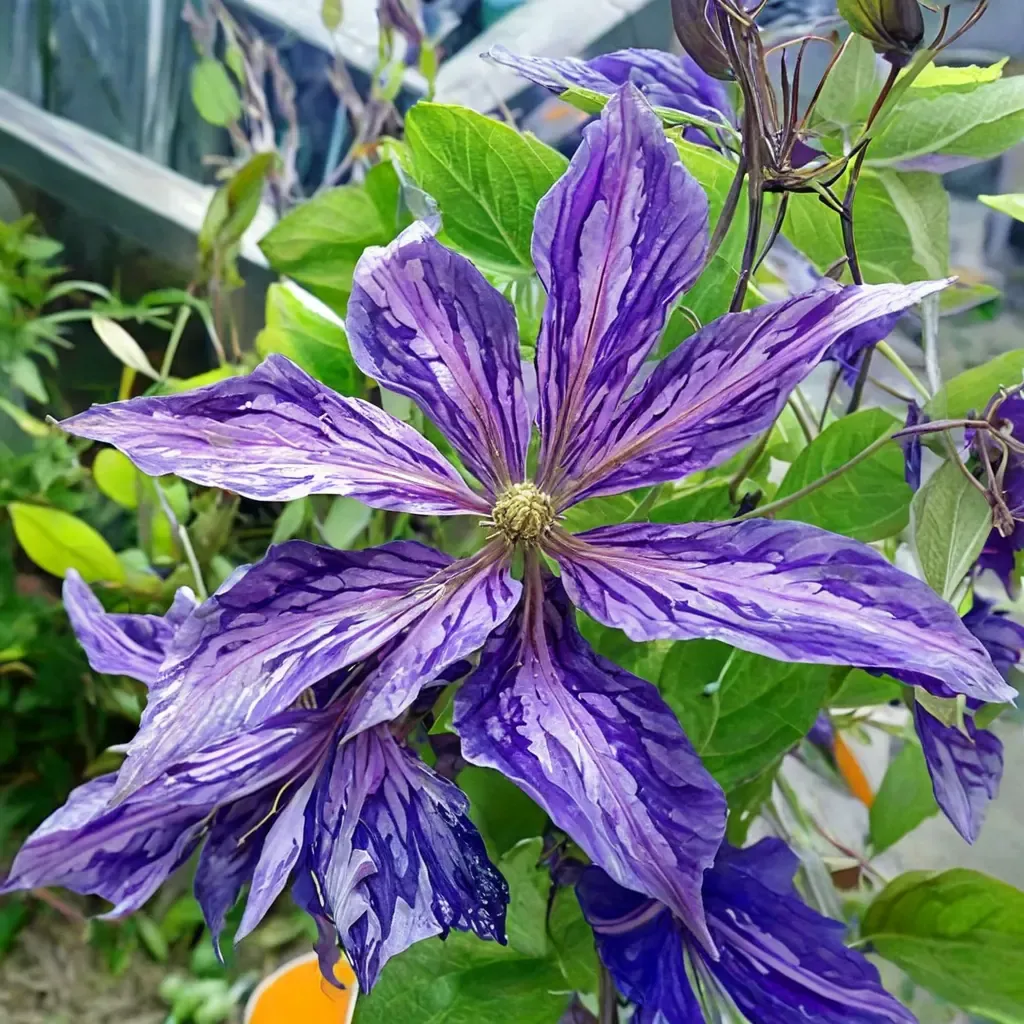
Tie Dye Clematis
Clematis viticella 'Tie Dye'
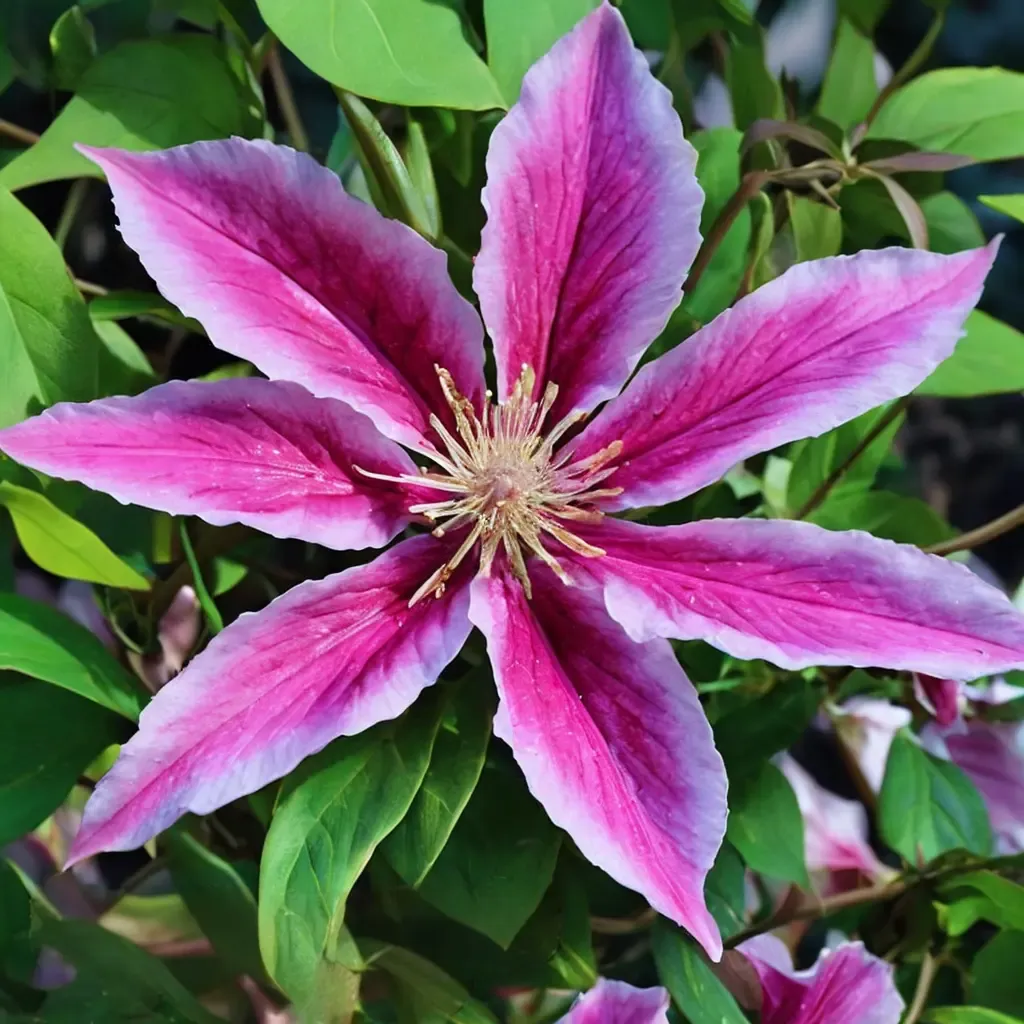
Dr. Ruppel Clematis
Clematis x jackmanii 'Dr Ruppel'
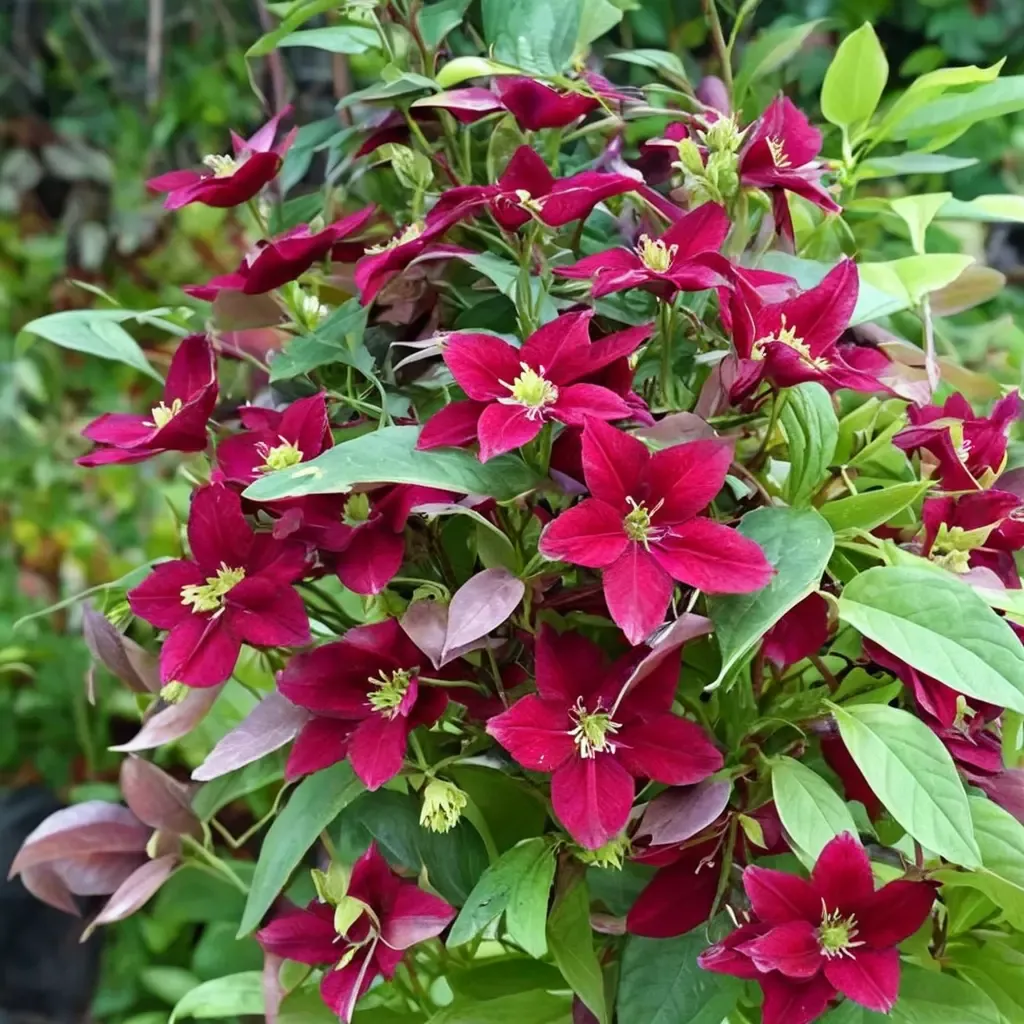
Burning Love Clematis
Clematis x cartmanii 'Burning Love'
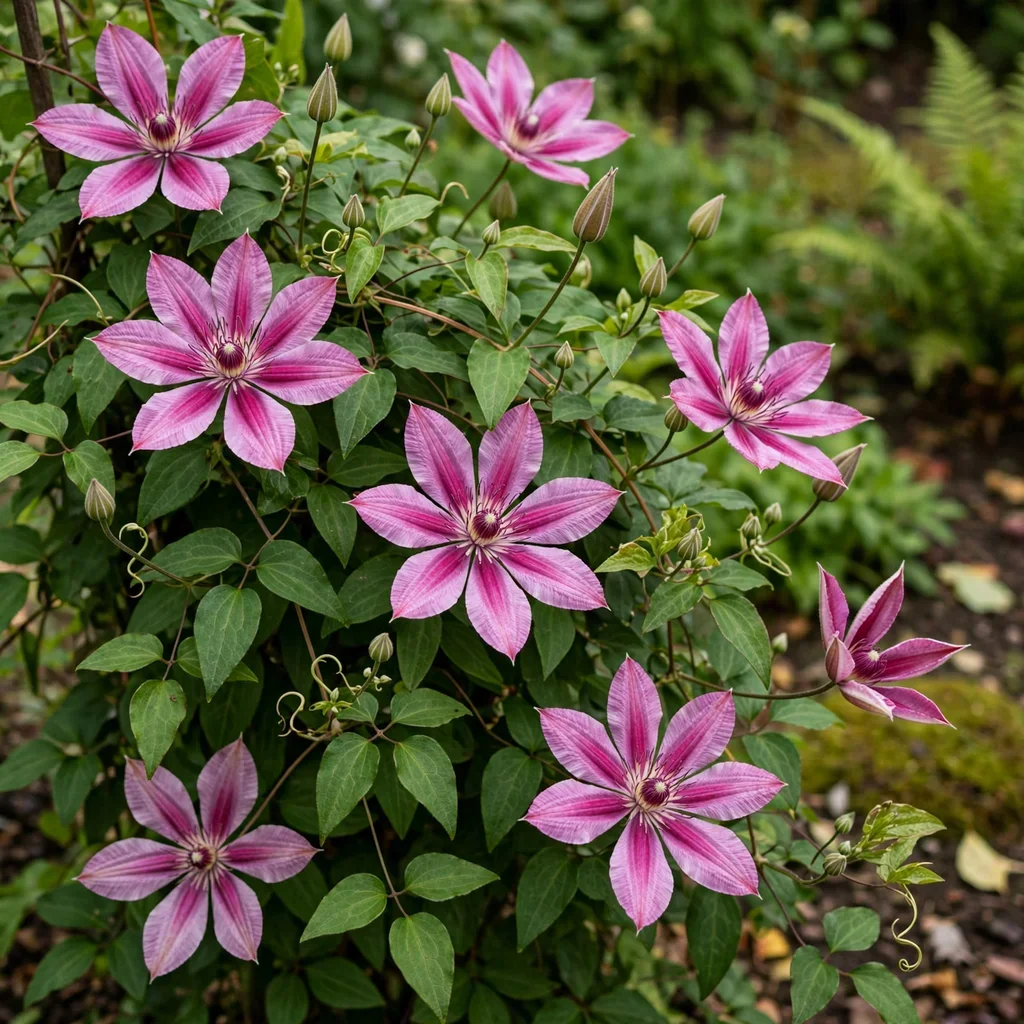
Yuan Clematis
Clematis viticella 'Yuan'
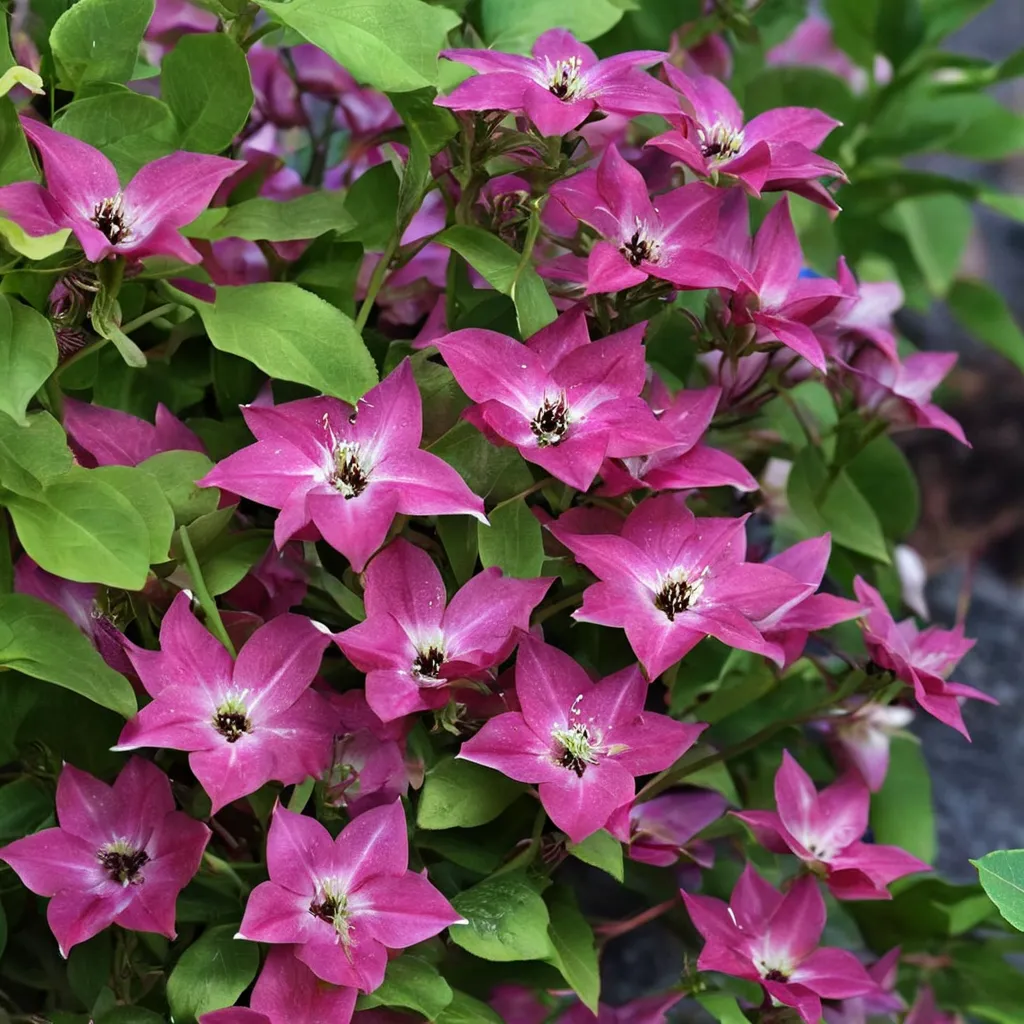
Viva Polonia Clematis
Clematis x hybrida 'Viva Polonia'
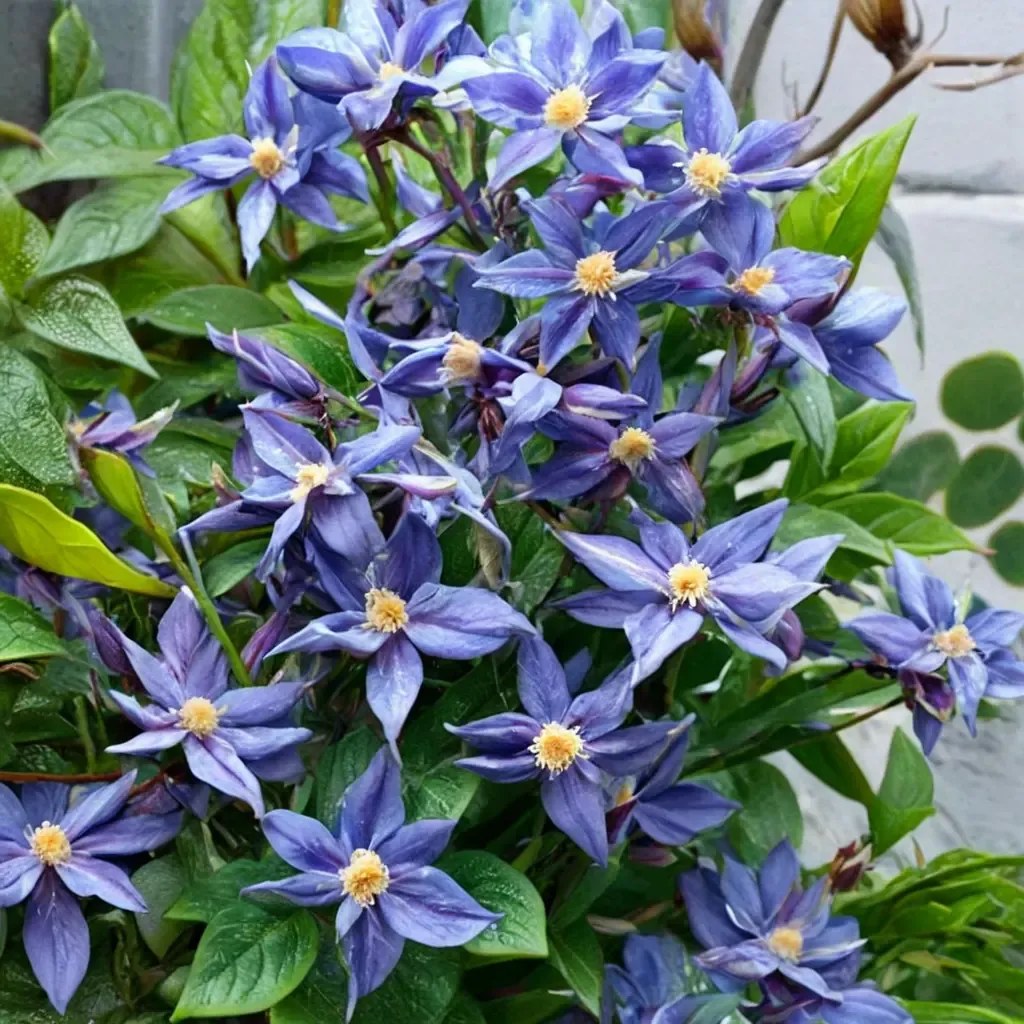
Tsukiko Clematis
Clematis x durandii 'Tsukiko'
Keep exploring
Explore the genus
Grow Prince George Clematis with confidence
See it in a design of your actual yard, get zone-matched care reminders, and track it season by season in your garden journal.