


The Story
Plant Bio
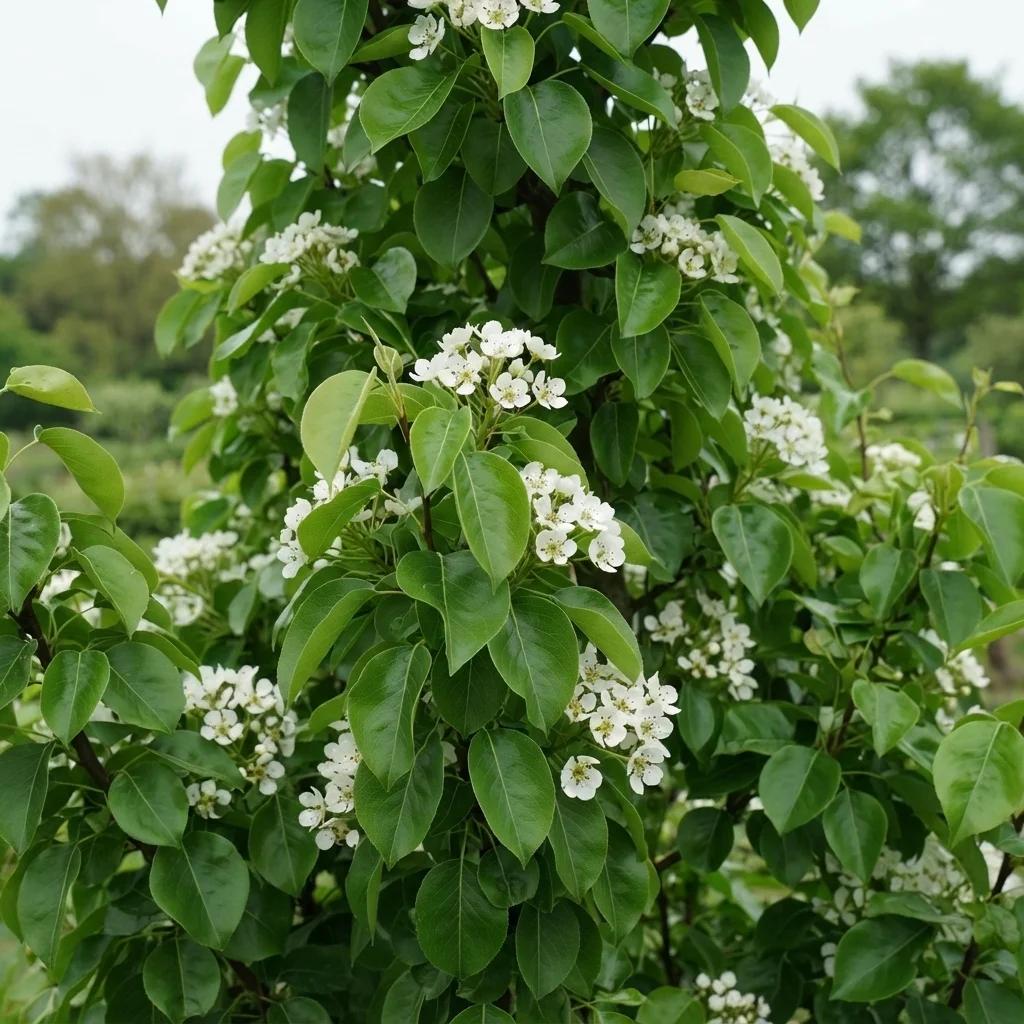
Pyrus calleryana is a deciduous tree native to Asia, widely planted for its profuse spring blossoms and tolerance of urban conditions. However, it has become a notorious invasive species in many parts of North America.
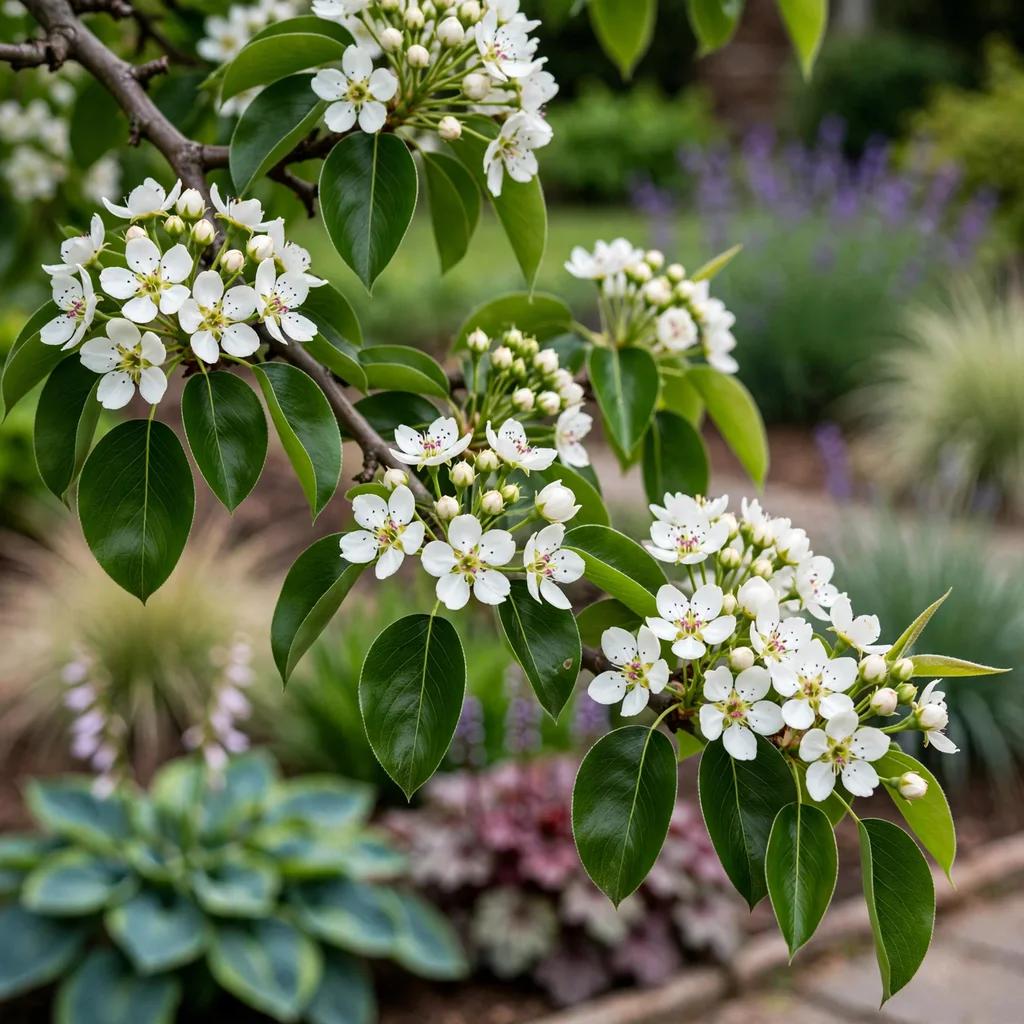
'Aristocrat' is selected for its broad, pyramidal form and stronger branch structure, which is less prone to splitting than the infamous 'Bradford' pear. It offers a beautiful display of white flowers in spring and reliable reddish-purple fall color.
Uses & Benefits:
Essentials
At a Glance
Plant Type
Tree
Height
480"
Width
300"
Light
Full Sun
Zones
5, 6, 7, 8, 9
Water
Low to moderate
Humidity
Adaptable
Lifespan
25-50 years
Native To
China, Vietnam
Toxicity
Non-toxic, but fruit is inedible
Bloom period
Early spring – Mid-spring
In flower about 2 months of the year
Planting
How to Grow
- Select a site in full sun with ample room to grow.
- Dig a planting hole two to three times wider than the root ball.
- Set the tree in the hole so the root flare is at or slightly above ground level.
- Backfill with the original soil, gently tamping to remove air pockets.
- Water deeply and consistently for the first year to establish roots.
- Apply a 2-3 inch layer of mulch around the base, avoiding the trunk.
Pro Tip
Select native alternatives like Amelanchier or Cercis to avoid the invasive problems associated with all Callery pears.
Keep It Thriving
Care Guide
Do
- Provide full sun for best flowering and fall color.
- Water deeply during prolonged dry spells.
- Prune young trees to develop a strong structure.
- Monitor for fire blight, especially in wet spring weather.
Don't
- Do not plant where its invasive seedlings can spread to natural areas.
- Avoid heavy nitrogen fertilizer, which can encourage weak, fast growth.
- Do not allow narrow, V-shaped branch unions to develop.
- Avoid planting near other Callery pear cultivars to reduce cross-pollination.
Seasonal Care Calendar
| Task | Jan | Feb | Mar | Apr | May | Jun | Jul | Aug | Sep | Oct | Nov | Dec |
|---|---|---|---|---|---|---|---|---|---|---|---|---|
| Fertilize | ||||||||||||
| Pest Check | ||||||||||||
| Prune |
Watch Out For
Pests & Diseases
Common Pests
Common Diseases
In the Garden
Landscape Uses & Companions
Landscape Uses
Multiply
Propagation Methods
Good to Know
Common Questions
Callery Pear questions
What zones can Callery Pear grow in?
Callery Pear is hardy in USDA Zones 5–9. Inside that range it survives winter in the ground; outside it, grow it as an annual or a container plant you protect.
Is Callery Pear deer resistant?
Yes — Callery Pear is rated deer-resistant. Deer typically pass it over, though extreme hunger can override any plant's defenses.
When does Callery Pear bloom?
Callery Pear typically blooms in early spring through mid-spring. Exact timing shifts a week or two with your zone — Sow's bloom calendar maps it to your garden.
Does Callery Pear need full sun?
Callery Pear does best in full sun (6+ hours).
Is Callery Pear drought tolerant?
Yes — once established (usually after the first full season), Callery Pear handles dry spells with minimal watering. Water deeply its first year to build the root system that makes that possible.
More Pyrus to compare
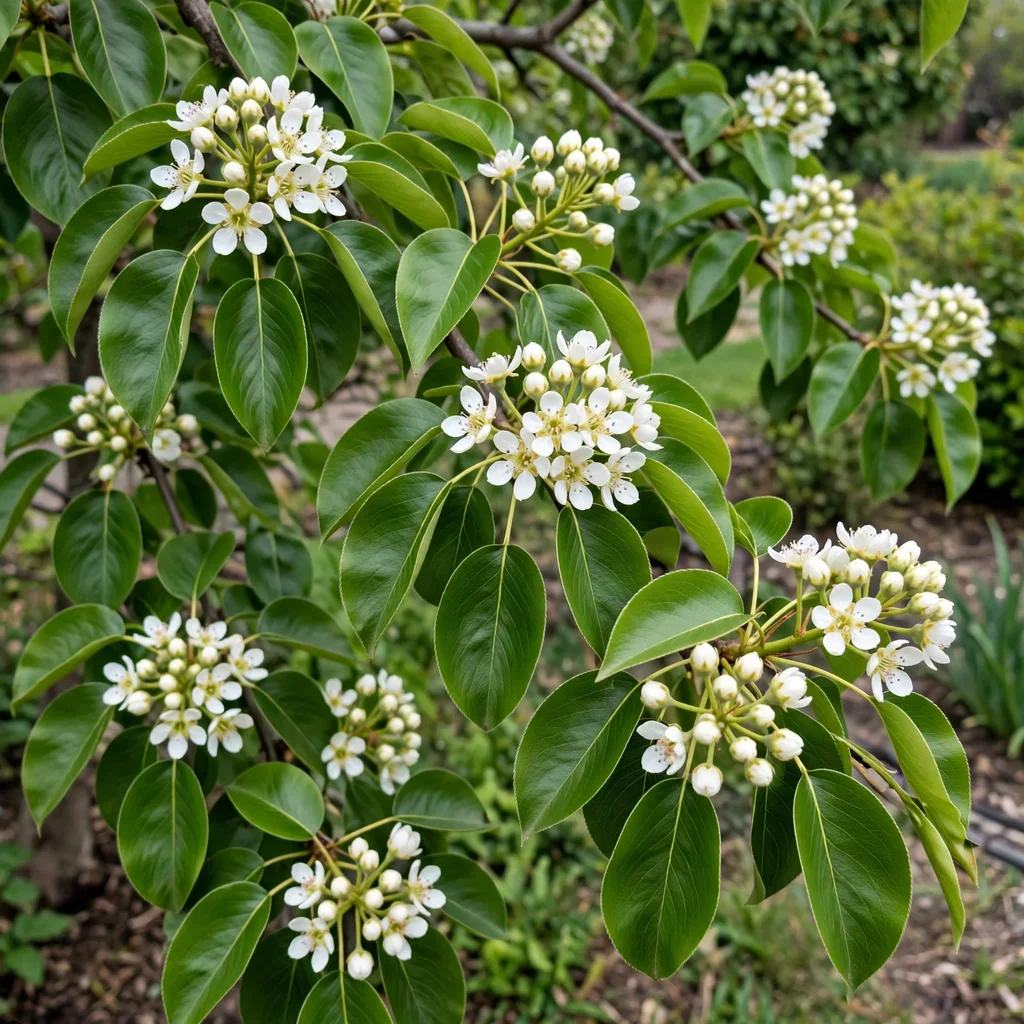
Drippin' Honey Pear
Pyrus calleryana 'Drippin' Honey'
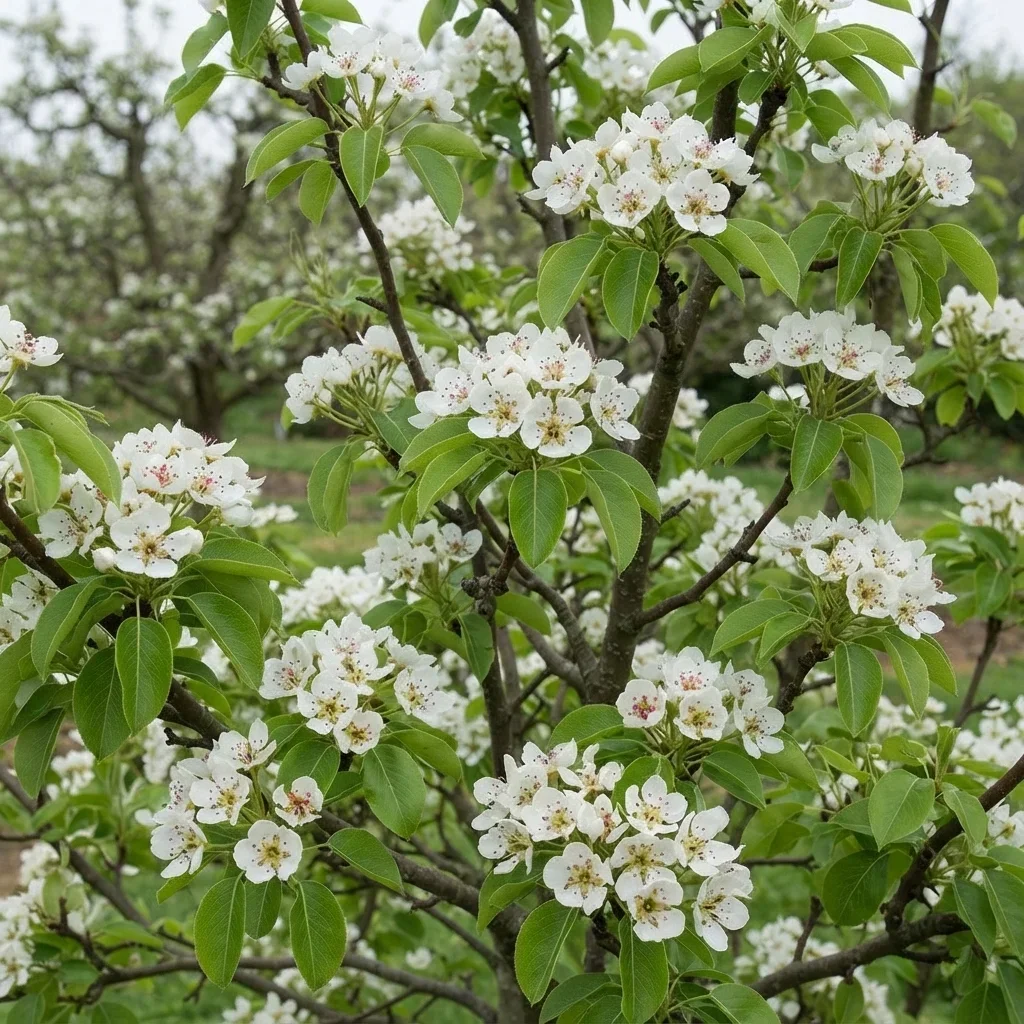
Bartlett Pear
Pyrus communis 'Bartlett'
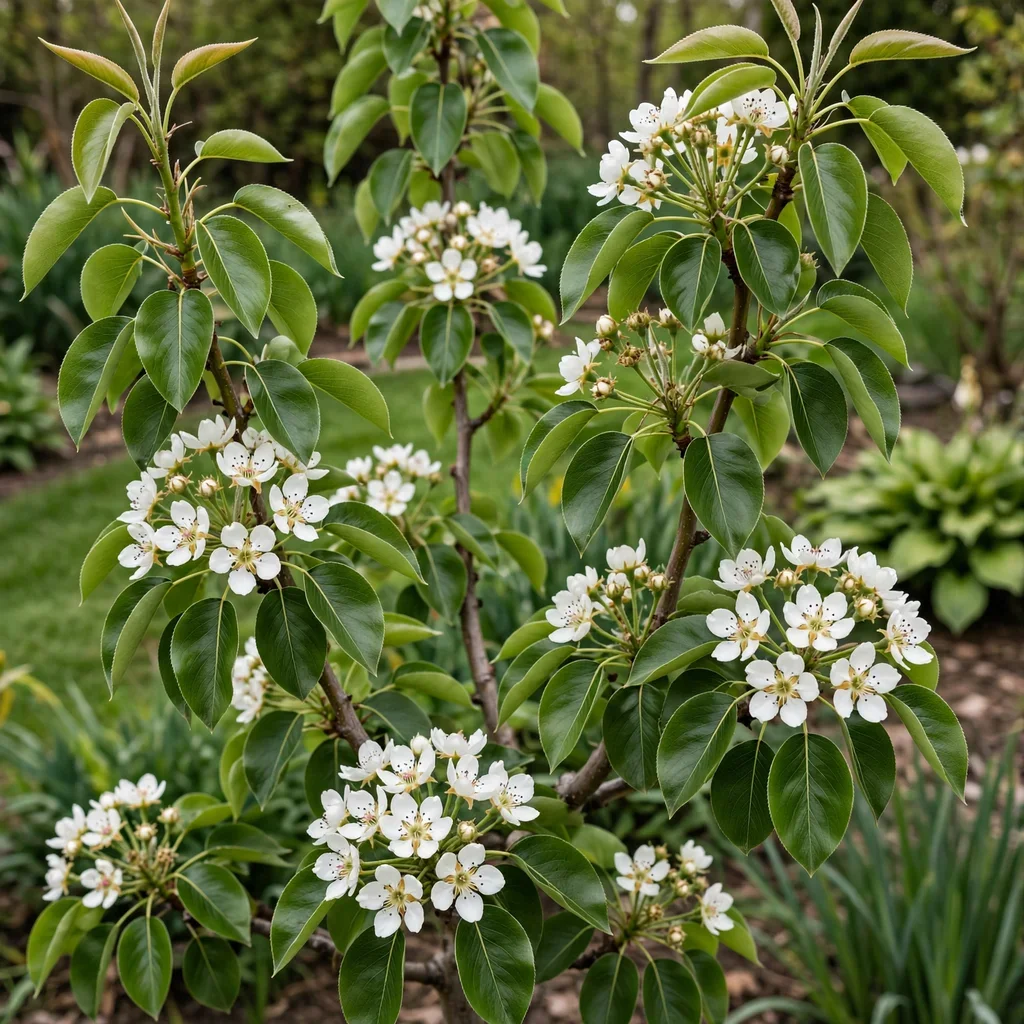
Apricot Sugar Pear
Pyrus communis 'Apricot Sugar Pearls Reachables'
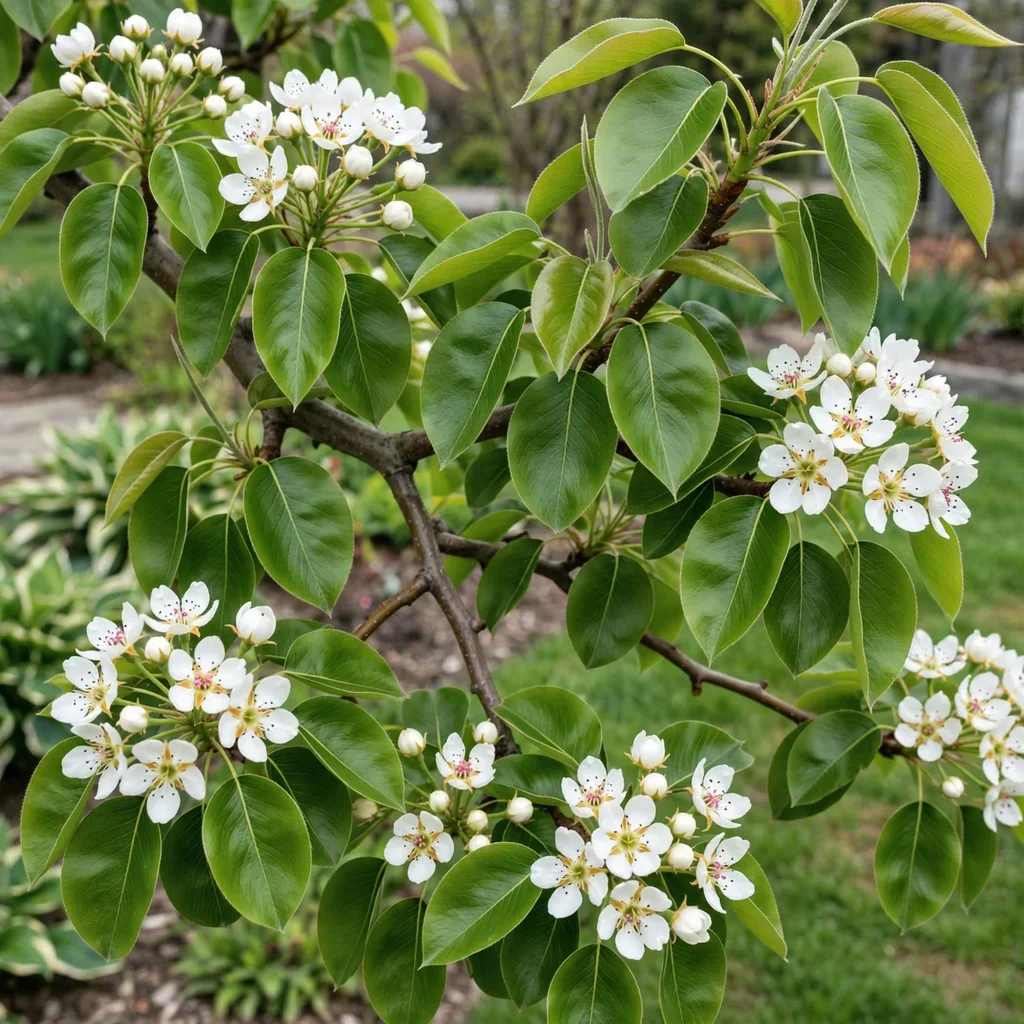
Crisp 'n Sweet Pear
Pyrus communis 'Crisp 'n Sweet'
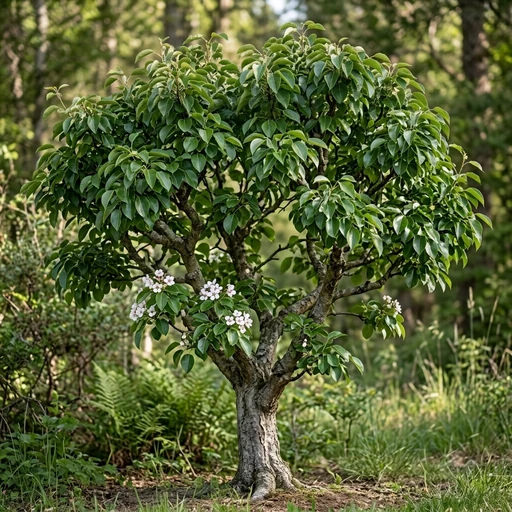
Kieffer Pear
Pyrus x hybrida 'Kieffer'
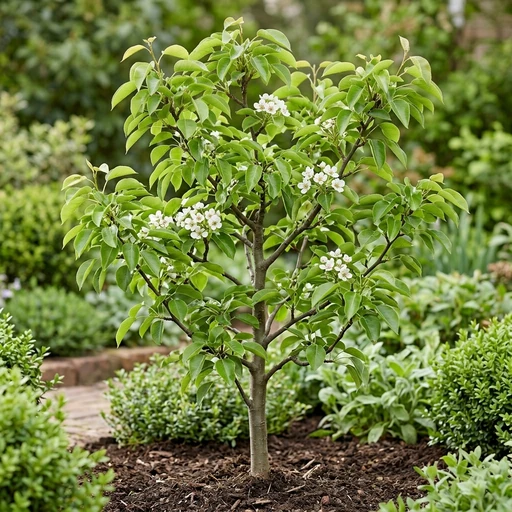
Hosui Asian Pear
Pyrus pyrifolia 'Hosui'
Keep exploring
Explore the genus
Hardy in your zone?
Grow Callery Pear with confidence
See it in a design of your actual yard, get zone-matched care reminders, and track it season by season in your garden journal.