


The Story
Plant Bio
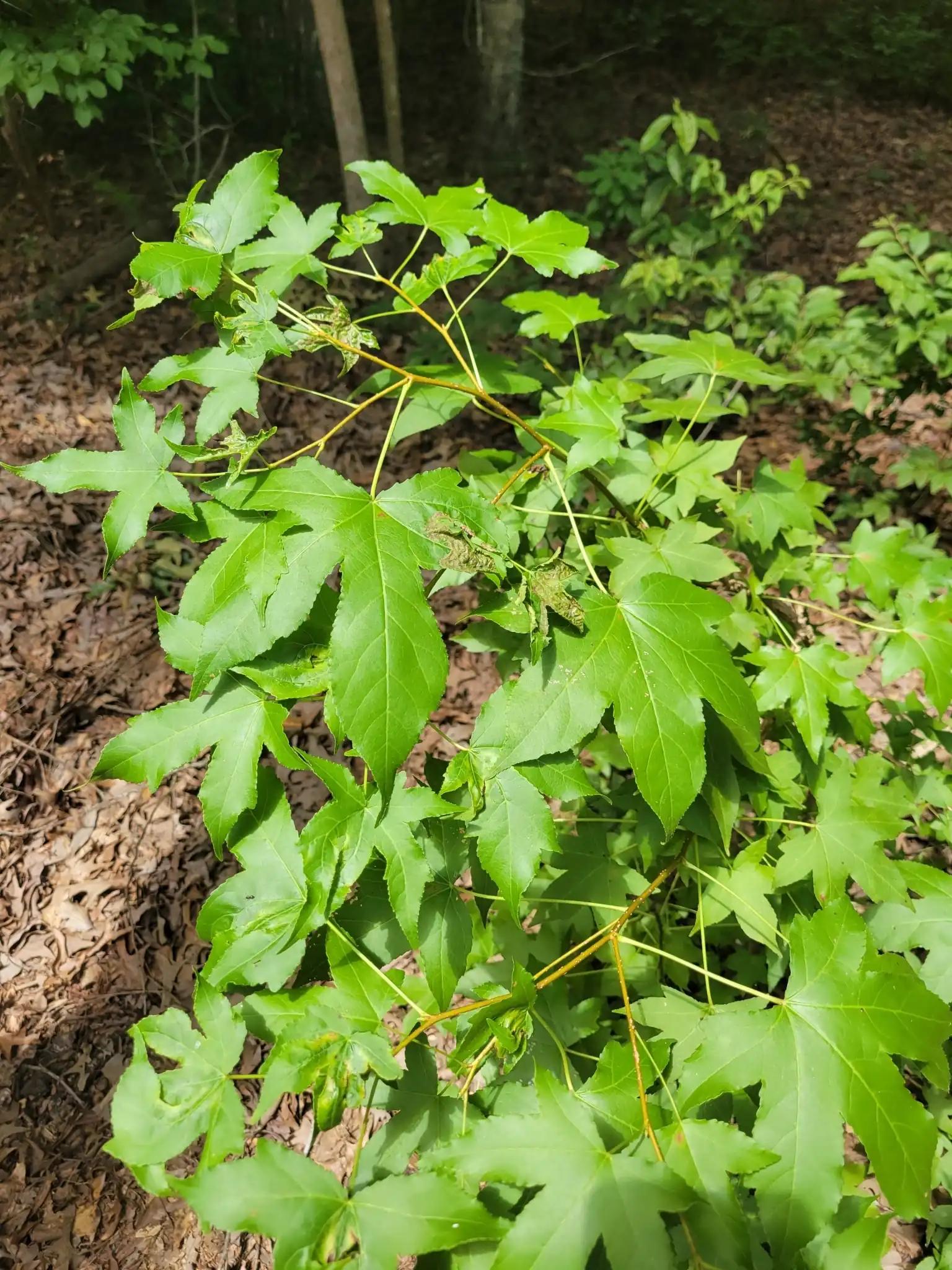
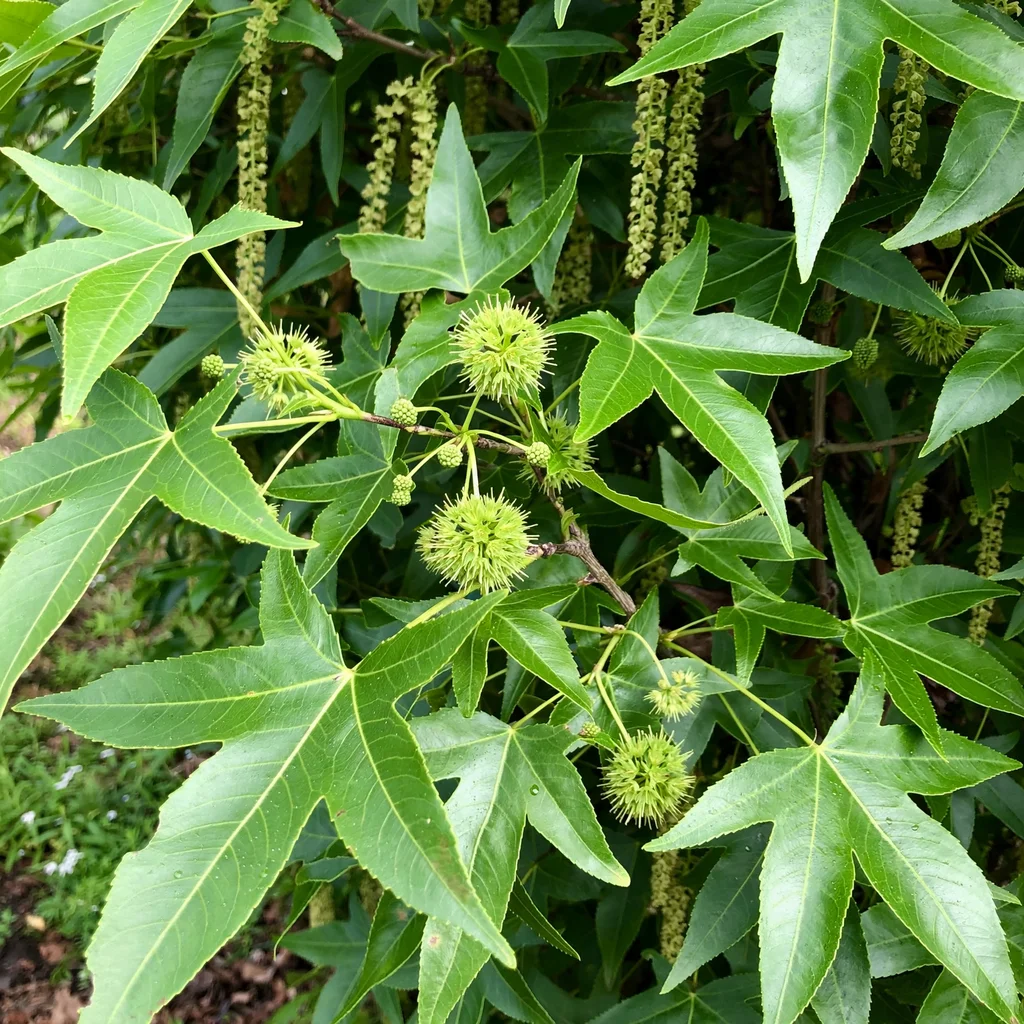
Liquidambar styraciflua is a large, deciduous North American native tree known for its star-shaped leaves, corky bark, and brilliant, long-lasting fall color.
'Moraine' is a superior cultivar selected for its upright, uniform pyramidal habit, faster growth rate, and consistently spectacular fall color display of yellow, orange, red, and purple.
Uses & Benefits:
Essentials
At a Glance
Plant Type
Tree
Height
720"
Width
480"
Light
Full Sun
Zones
5, 6, 7, 8, 9
Water
Moderate to high
Humidity
Adaptable
Lifespan
Long-lived deciduous tree
Native To
Eastern North America
Toxicity
Non-toxic
Bloom period
Mid-spring
In flower about 1 month of the year
Planting
How to Grow
- Choose a large, open site in full sun.
- This tree prefers moist, acidic, well-drained loams.
- Dig a hole at least twice the width of the root ball.
- Set the tree so the root flare is at or slightly above ground level.
- Backfill with native soil and water thoroughly.
- Mulch a wide area around the tree to protect the roots.
Pro Tip
For the most vibrant fall color, plant in a location that receives full sun and has acidic soil.
Keep It Thriving
Care Guide
Do
- Provide ample space for its large mature size.
- Water consistently after planting and during droughts.
- Prune when young to develop a good structure.
- Allow the lower branches to remain for a few years to build trunk caliper.
Don't
- Do not plant near sidewalks, driveways, or septic systems due to its roots.
- Avoid planting in high pH (alkaline) soils, which can cause chlorosis.
- Don't plant in small yards or under power lines.
- Avoid heavy foot traffic over the root zone.
Seasonal Care Calendar
| Task | Jan | Feb | Mar | Apr | May | Jun | Jul | Aug | Sep | Oct | Nov | Dec |
|---|---|---|---|---|---|---|---|---|---|---|---|---|
| Fertilize | ||||||||||||
| Plant | ||||||||||||
| Prune |
Watch Out For
Pests & Diseases
Common Pests
Common Diseases
In the Garden
Landscape Uses & Companions
Landscape Uses
Multiply
Propagation Methods
Good to Know
Common Questions
Moraine Sweetgum questions
What zones can Moraine Sweetgum grow in?
Moraine Sweetgum is hardy in USDA Zones 5–9. Inside that range it survives winter in the ground; outside it, grow it as an annual or a container plant you protect.
Is Moraine Sweetgum deer resistant?
Yes — Moraine Sweetgum is rated deer-resistant. Deer typically pass it over, though extreme hunger can override any plant's defenses.
When does Moraine Sweetgum bloom?
Moraine Sweetgum typically blooms in mid-spring through mid-spring. Exact timing shifts a week or two with your zone — Sow's bloom calendar maps it to your garden.
Does Moraine Sweetgum need full sun?
Moraine Sweetgum does best in full sun (6+ hours).
More Liquidambar to compare
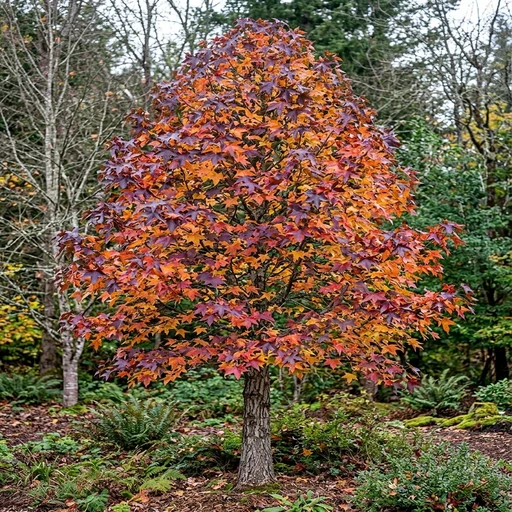
Worplesdon Sweetgum
Liquidambar styraciflua 'Worplesdon'
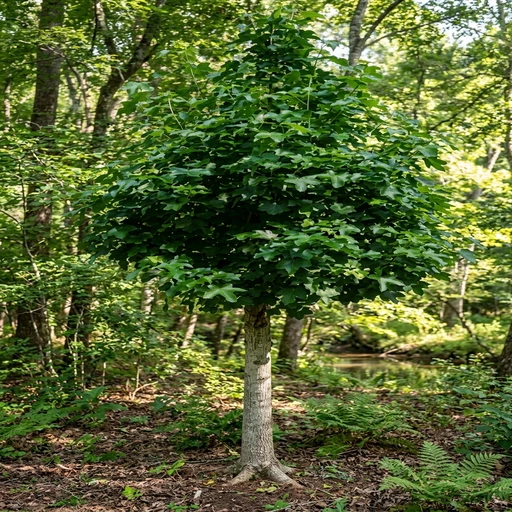
Rotundiloba Sweetgum
Liquidambar styraciflua 'Rotundiloba'
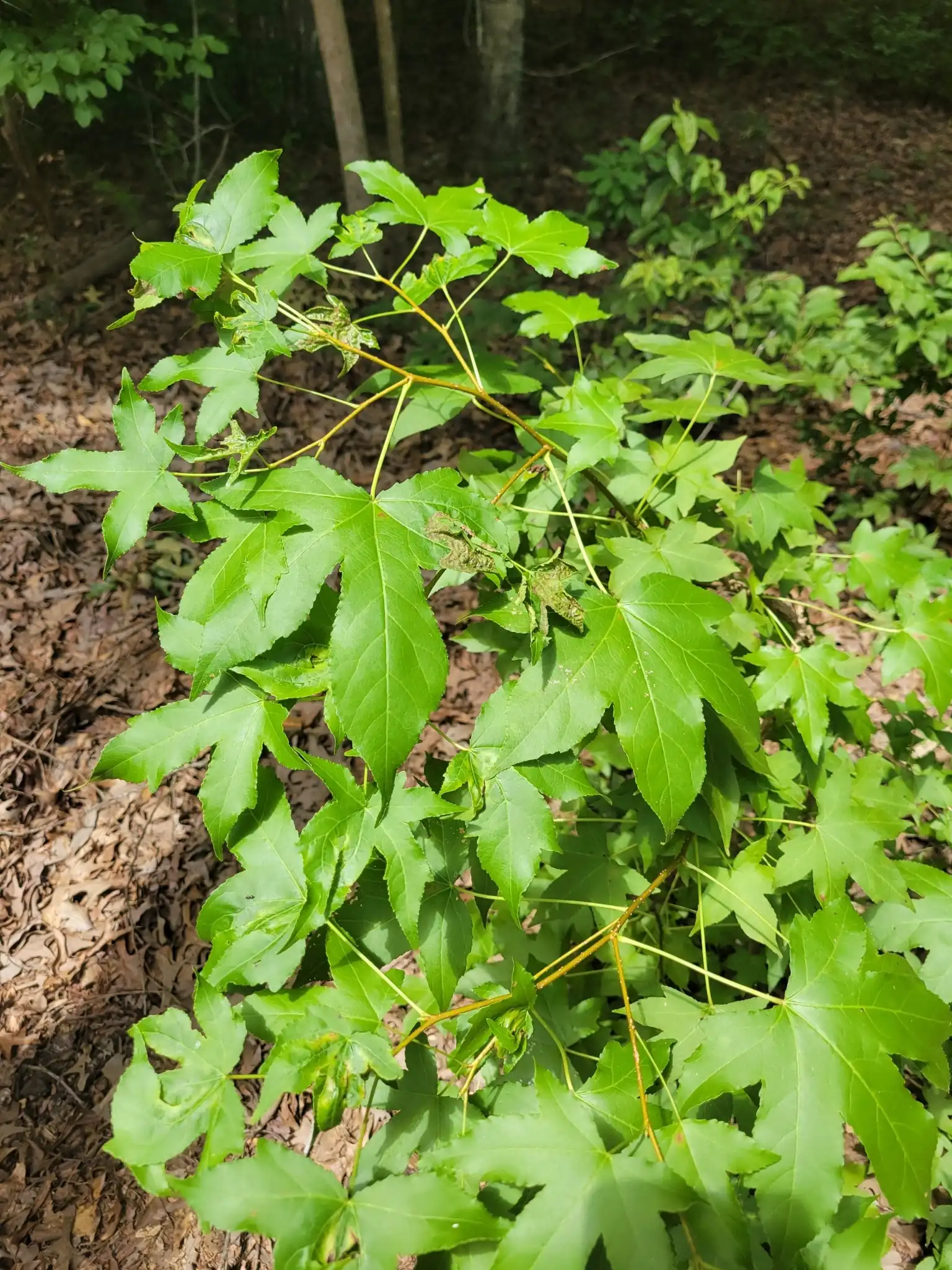
Sweetgum
Liquidambar styraciflua
Slender Silhouette Sweetgum
Liquidambar styraciflua 'Slender Silhouette'
Keep exploring
Explore the genus
Hardy in your zone?
Grow Moraine Sweetgum with confidence
See it in a design of your actual yard, get zone-matched care reminders, and track it season by season in your garden journal.