Also known as Sweetgum · 57 saves
Liquidambar
Liquidambar, the genus most gardeners know as sweetgum. We track 5 varieties; the ones most used by real gardeners.
The 5 most-saved Liquidambar varieties
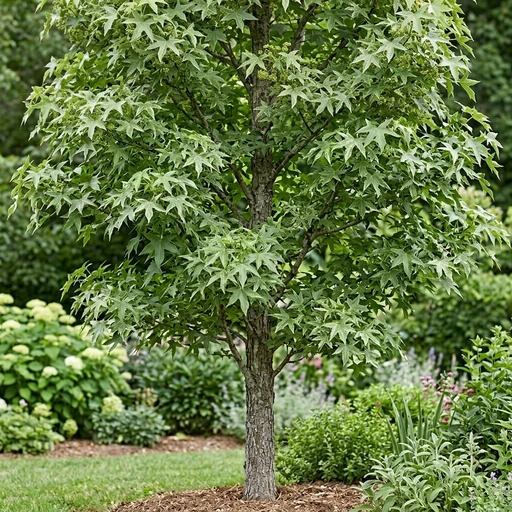
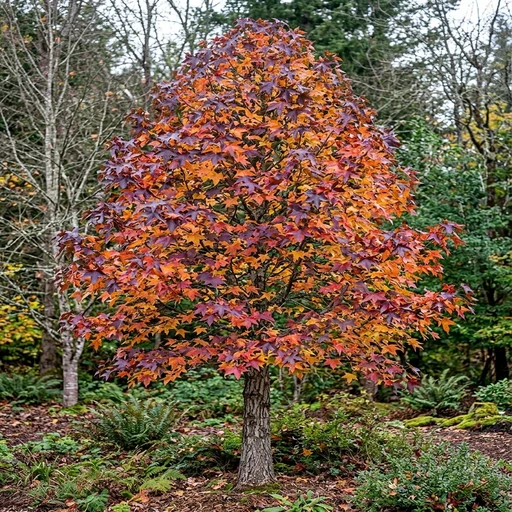
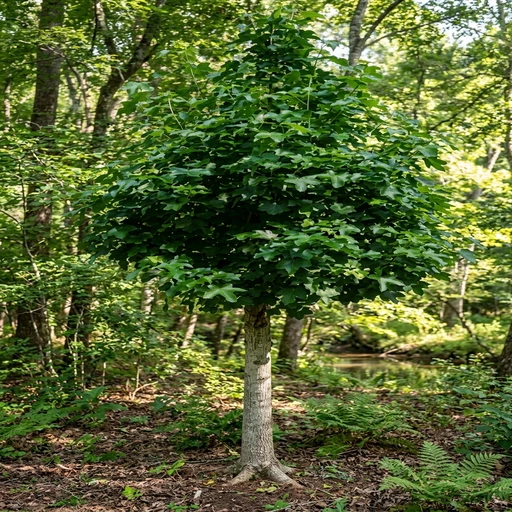
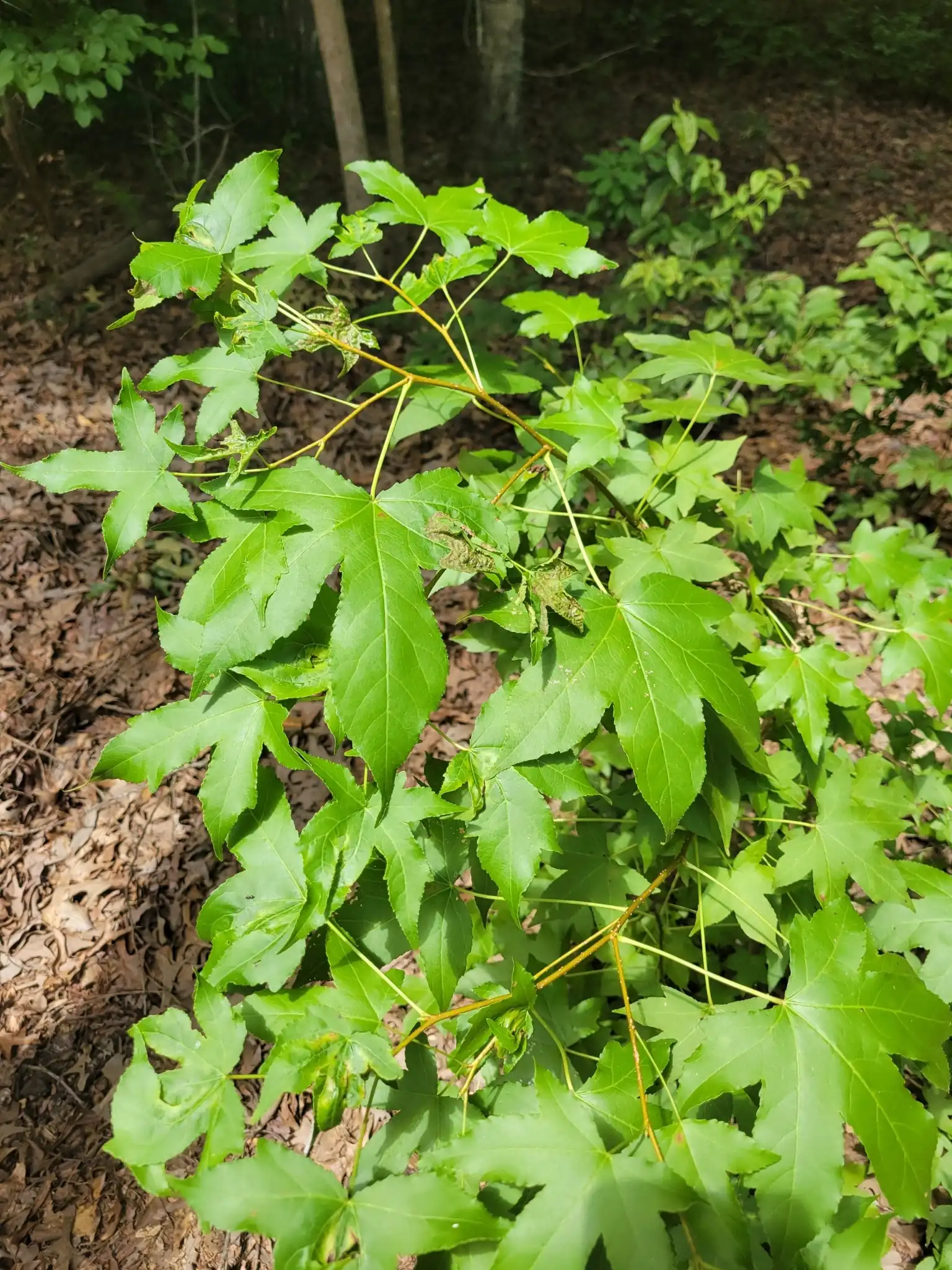
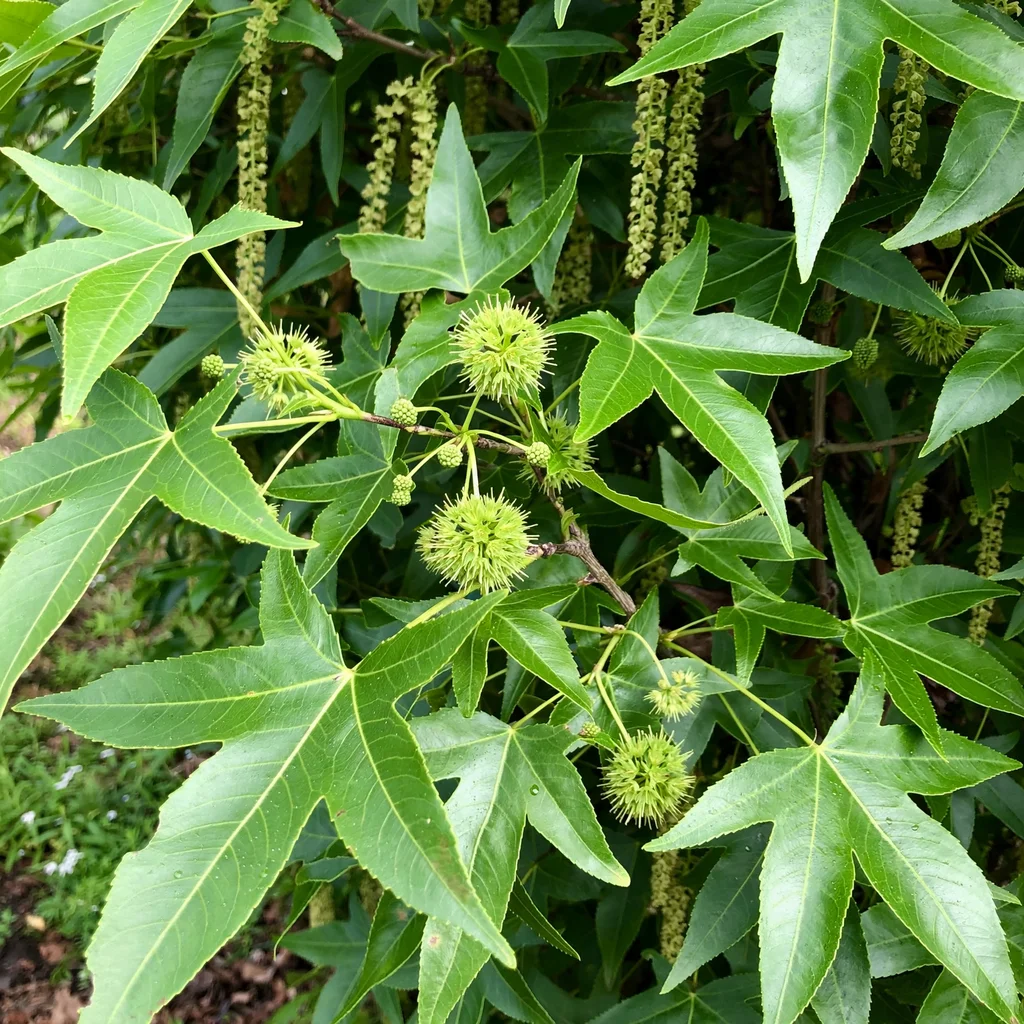
Species of Liquidambar
Each one is a parent of the varieties above.
Track your Liquidambar in Sow
Save the Liquidambar you grow and get care reminders timed to your zone.
How to grow Liquidambar
Whats common across all Liquidambar varieties in our catalog — drawn from the care records of the 5 most-grown of them.
The Liquidambar year
- PruneFebruary and March100% of varieties
Prune in winter to remove any dead or crossing branches and maintain form.
- FertilizeApril60% of varieties
Fertilize in early spring with a balanced fertilizer if growth is slow.
- MulchNovember40% of varieties
Maintain a mulch layer to conserve moisture and suppress weeds.
- PlantApril, October and November40% of varieties
Plant in spring or fall in a sunny, moist location.


Do
- Provide ample space for its large, mature size.
- Water during prolonged dry spells, even on mature trees.
- Plant in acidic soil for the best fall color.
- Appreciate the unique leaf shape and clean, fruitless nature.
- Give it full sun for best autumn colour ☀️
Avoid
- Do not plant in highly alkaline soils, which can cause chlorosis.
- Avoid planting in confined spaces or under power lines.
- Don't plant in dry, sandy soils without providing supplemental irrigation.
- Avoid major pruning, as it can spoil the natural pyramidal form.
What goes wrong with Liquidambar
| Problem | What you'll see | What to do |
|---|---|---|
| Fall Webworm | Large, silken tents enclosing branch tips in late summer and fall. | Prune out and destroy small nests; use a stick to break open large nests for birds; spray with Bacillus thuringiensis (Bt). |
| Webworms | Large, silken nests enclosing branch tips in late summer and fall. | Prune out and destroy small nests. Use a long pole to break open large nests to allow predators in. Apply Bt or spinosad. |
| Generally pest-free | No significant insect damage is typical | No routine treatment needed |
| Webworms and tent caterpillars | Webbed nests in the canopy and foliage defoliation. | Prune out webbed twigs promptly and destroy caterpillar clusters. |
| Leaf Spot | Dark spots on leaves, can cause some premature leaf drop. | Generally not serious. Rake and dispose of fallen leaves in the fall to reduce fungal spores. |
| Cankers | Sunken, dead areas on branches or trunk, sometimes with oozing. | Prune out affected branches. Avoid wounding the tree and maintain good vigor through proper watering and care. |
| Bleeding Canker | Oozing, cankerous areas on the trunk or large limbs. | There is no chemical control. Improve tree vigor with proper watering and avoid wounding the bark. |
Making more Liquidambar
Grafting
- Collect dormant scion wood from 'Rotundiloba' in winter.
- Use a seedling Liquidambar styraciflua as rootstock.
- Perform a whip-and-tongue graft in late winter.
- Wrap the union securely and seal with wax.
- Keep in a greenhouse until the graft takes.
Seeds
- Collect seed balls in autumn and dry to release seed.
- Cold-stratify for about three months.
- Sow in spring.
Liquidambar questions
How many types of Liquidambar are there?
The Sow catalog tracks 5 distinct Liquidambar varieties. The most popular — ranked by 57 real gardeners — are shown first above.
What zones does Liquidambar grow in?
Across its varieties, Liquidambar covers USDA Zones 5–9. Individual varieties differ — each plant page lists its exact range, and Sow filters the catalog to your zone automatically.
When does Liquidambar bloom?
Most Liquidambar varieties bloom in mid-spring, spring. Staggering early, mid, and late varieties extends the genus's season in one bed.
Which Liquidambar should I choose?
Start from the most-saved varieties above — popularity across thousands of gardens is a strong signal of reliability — then filter by your zone and sun. In the Sow app you can preview any of them in a photo of your actual yard before you buy.