The Story
Plant Bio
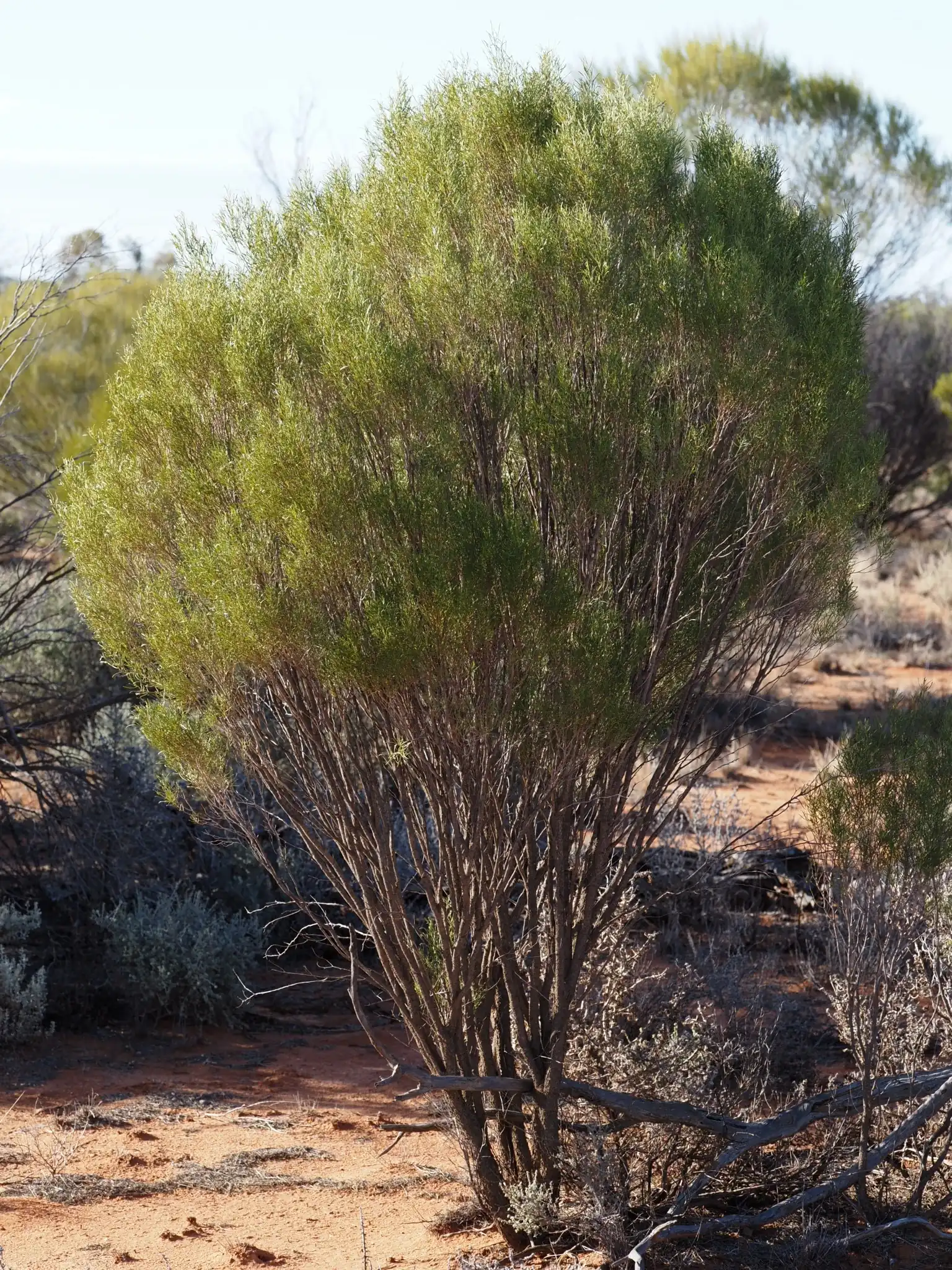
Eremophila sturtii, commonly known as turpentine bush, is an upright, multi-stemmed evergreen shrub native to the arid and semi-arid interior of mainland Australia. It develops a branching, resinous structure that can eventually form a short trunk with deeply fissured, dark gray bark on mature specimens.
The species is distinguished by its narrow, sticky green leaves that terminate in slightly curved, hooked tips and emit a light aromatic scent when handled. Throughout spring and summer, it produces tubular, pale mauve to lilac flowers marked with darker spots on the lower lobes.
Uses & Benefits:
Essentials
At a Glance
Plant Type
Shrub
Height
80"
Width
80"
Light
Full Sun
Zones
8, 9, 10
Water
Low
Humidity
Low
Lifespan
Moderate to Long
Native To
Australia
Toxicity
Non-toxic
Bloom period
Spring – Summer
In flower about 6 months of the year
Planting
How to Grow
- Select a planting site that receives full, unobstructed sun throughout the day.
- Amend heavy soils with coarse sand or fine gravel to ensure rapid, sharp drainage.
- Dig a hole twice as wide as the root ball but no deeper, keeping the crown level with the soil surface.
- Water sparingly to establish, then withhold summer irrigation entirely once the root system is active.
Pro Tip
Establish this shrub in gritty, mineral-rich soils with absolute minimal summer irrigation; excess moisture or heavy organic mulch piled against the stems will rapidly induce fatal root rot.
Keep It Thriving
Care Guide
Do
- Plant in gritty, fast-draining mineral soils.
- Provide maximum sun exposure.
- Prune lightly after flowering to maintain shape.
- Allow the soil to dry out completely between waterings.
Don't
- Do not plant in heavy, waterlogged clay soils.
- Do not cut back severely into old, leafless wood.
- Do not apply heavy organic mulches near the stem.
- Do not over-fertilize with high-nitrogen formulas.
Seasonal Care Calendar
| Task | Jan | Feb | Mar | Apr | May | Jun | Jul | Aug | Sep | Oct | Nov | Dec |
|---|---|---|---|---|---|---|---|---|---|---|---|---|
| Fertilize | ||||||||||||
| Pest Check | ||||||||||||
| Propagate | ||||||||||||
| Prune |
Watch Out For
Pests & Diseases
Common Pests
Common Diseases
In the Garden
Landscape Uses & Companions
Landscape Uses
Companion Plants
Multiply
Propagation Methods
Good to Know
Common Questions
Turpentine Bush questions
What zones can Turpentine Bush grow in?
Turpentine Bush is hardy in USDA Zones 8–10. Inside that range it survives winter in the ground; outside it, grow it as an annual or a container plant you protect.
Is Turpentine Bush deer resistant?
Yes — Turpentine Bush is rated deer-resistant. Deer typically pass it over, though extreme hunger can override any plant's defenses.
When does Turpentine Bush bloom?
Turpentine Bush typically blooms in spring through summer. Exact timing shifts a week or two with your zone — Sow's bloom calendar maps it to your garden.
Does Turpentine Bush need full sun?
Turpentine Bush does best in full sun (6+ hours).
Is Turpentine Bush drought tolerant?
Yes — once established (usually after the first full season), Turpentine Bush handles dry spells with minimal watering. Water deeply its first year to build the root system that makes that possible.
More Eremophila to compare
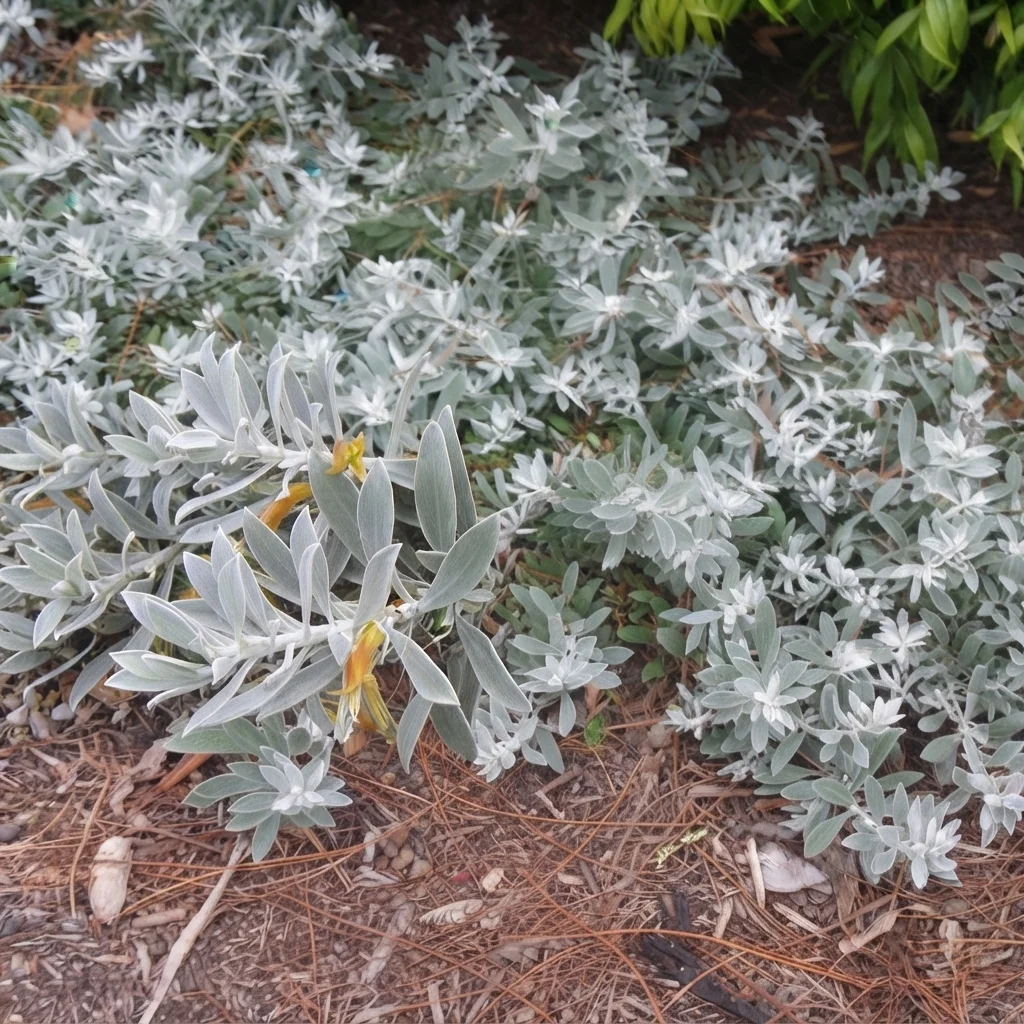
Emu Bush
Eremophila glabra 'Kalbarri Carpet'
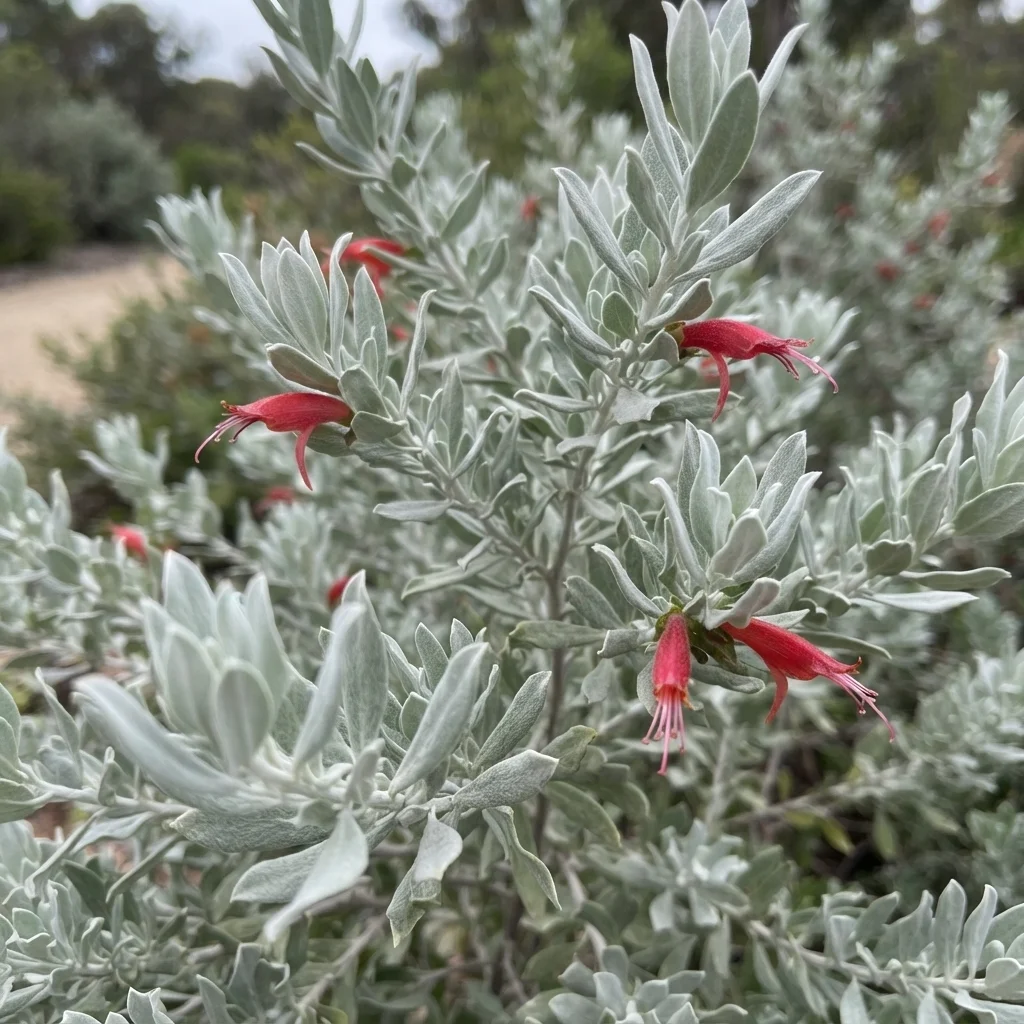
Common Emu Bush
Eremophila glabra
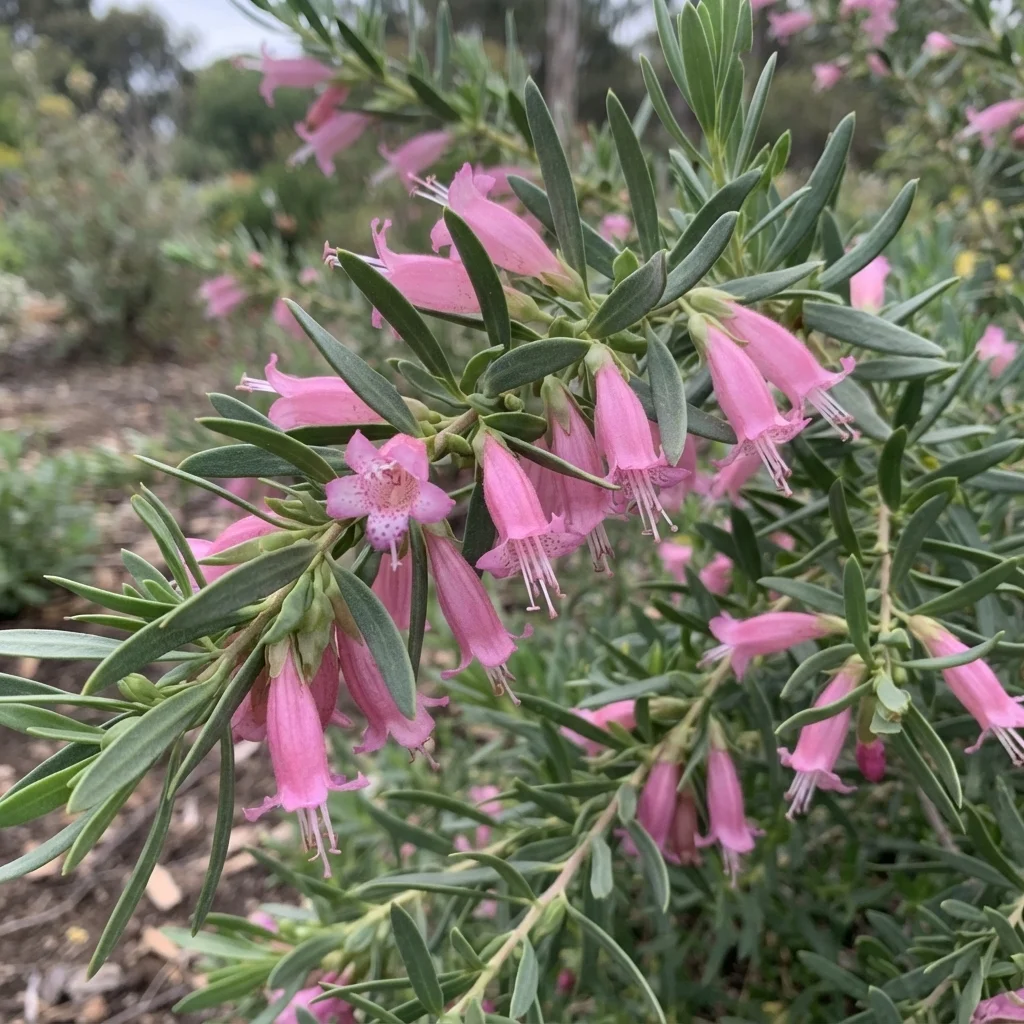
Pink Emu Bush
Eremophila laanii
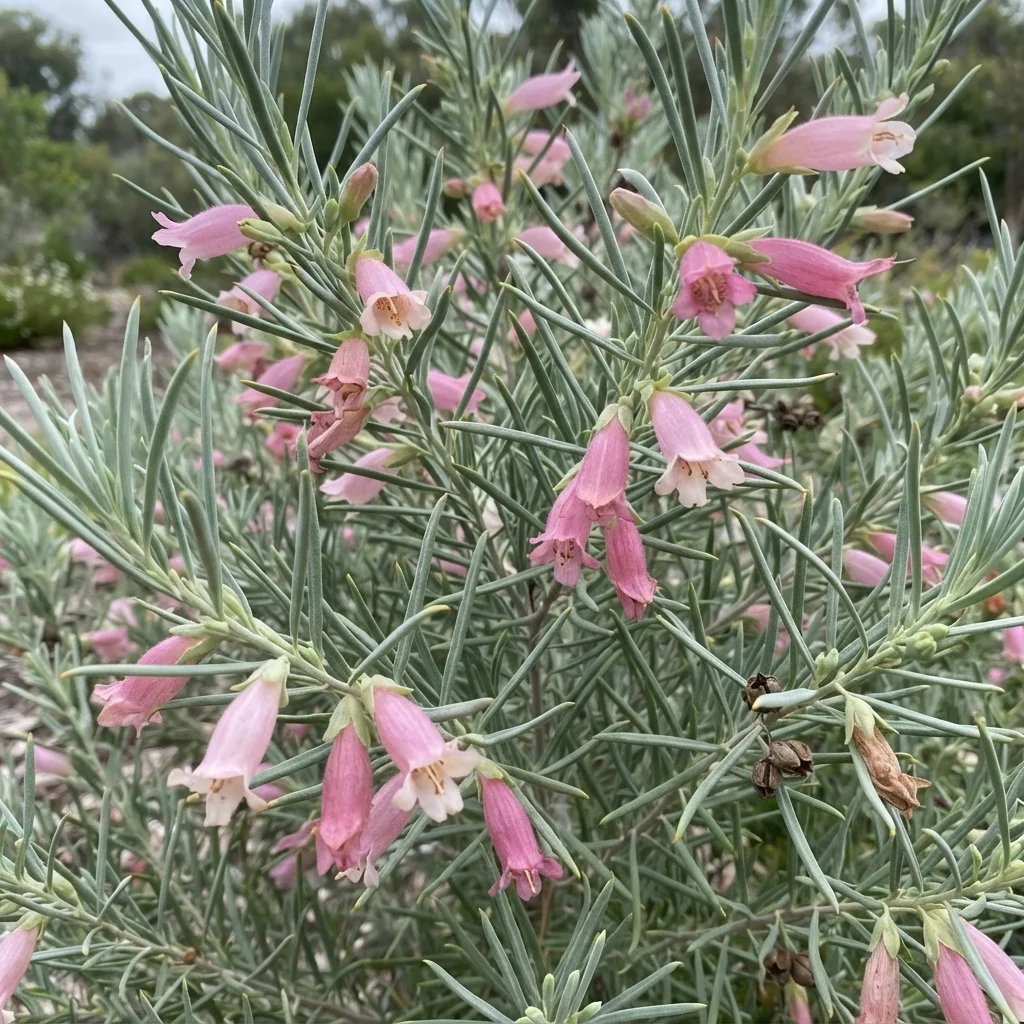
Twin-leaf Emu Bush
Eremophila oppositifolia
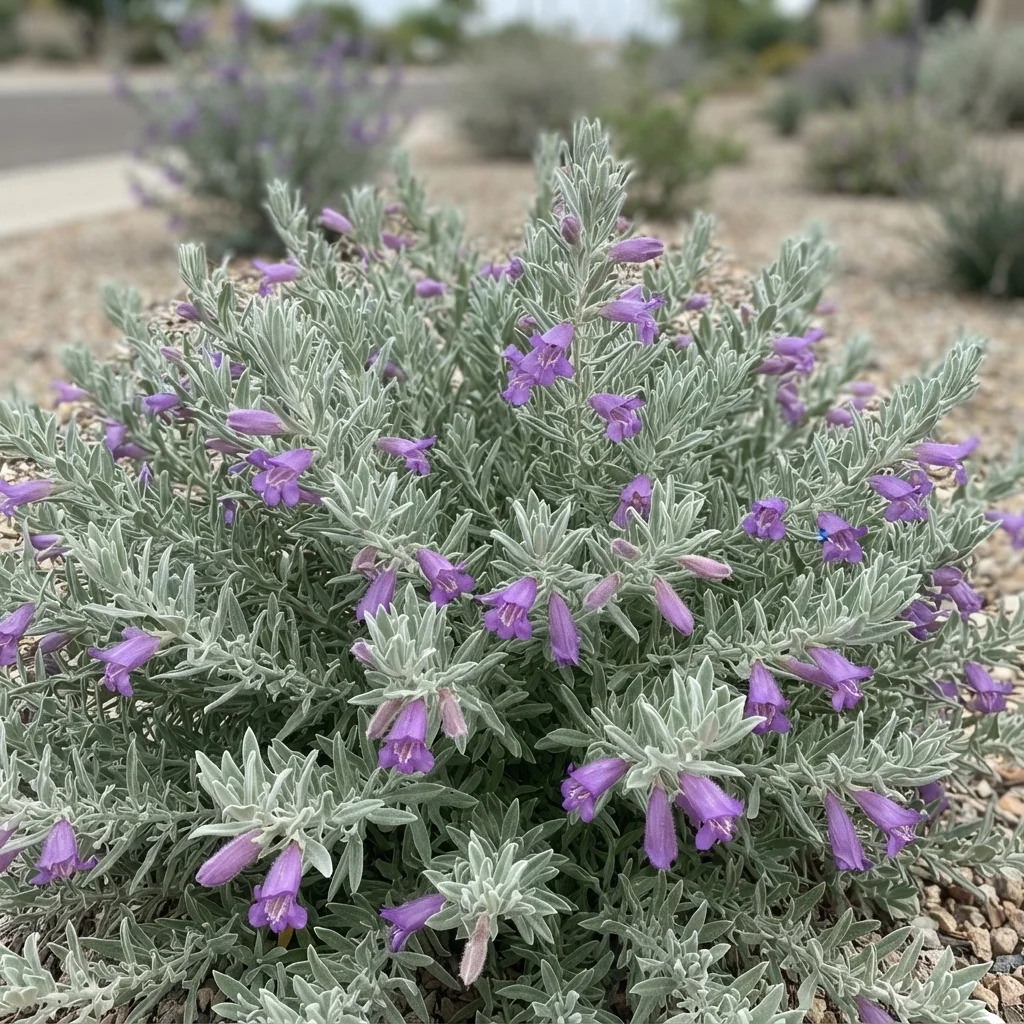
Blue Bells Emu Bush
Eremophila hygrophana 'Blue Bells'
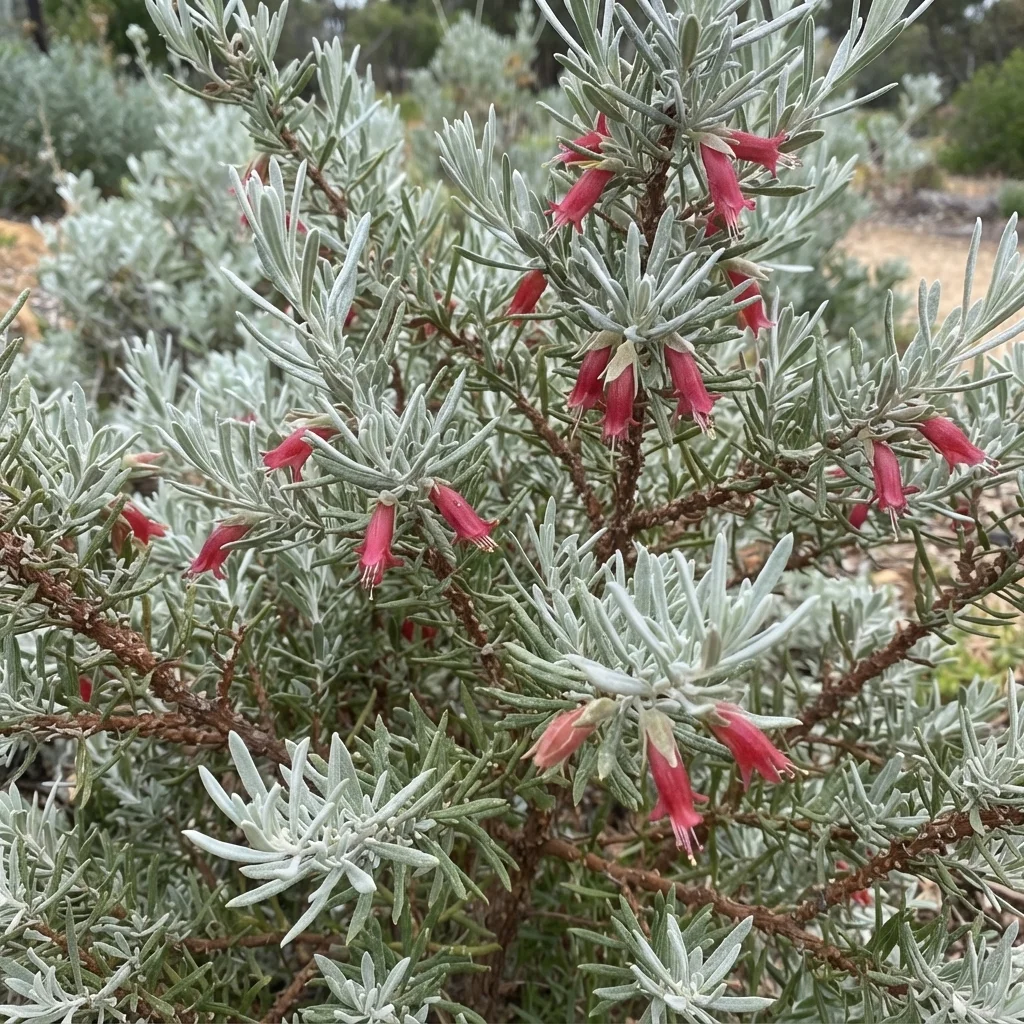
Crimson Turkey Bush
Eremophila latrobei
Keep exploring
Explore the genus
Hardy in your zone?
Grow Turpentine Bush with confidence
See it in a design of your actual yard, get zone-matched care reminders, and track it season by season in your garden journal.