


The Story
Plant Bio
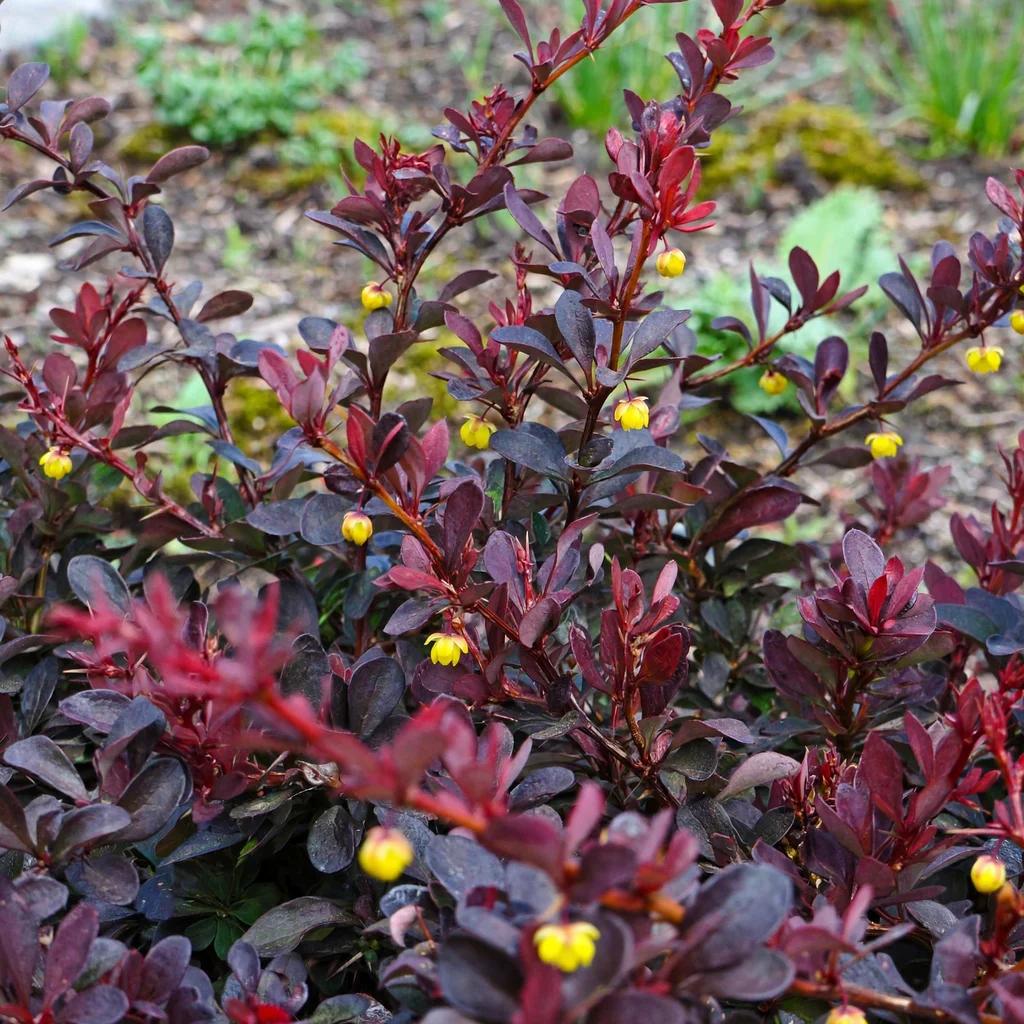
Berberis thunbergii is a compact, multi-stemmed deciduous shrub native to Japan and China with sharp nodal spines and dense, rounded branching. In late spring, it produces short clusters of pale yellow flowers along the stems, followed by bright red berries that persist into winter.
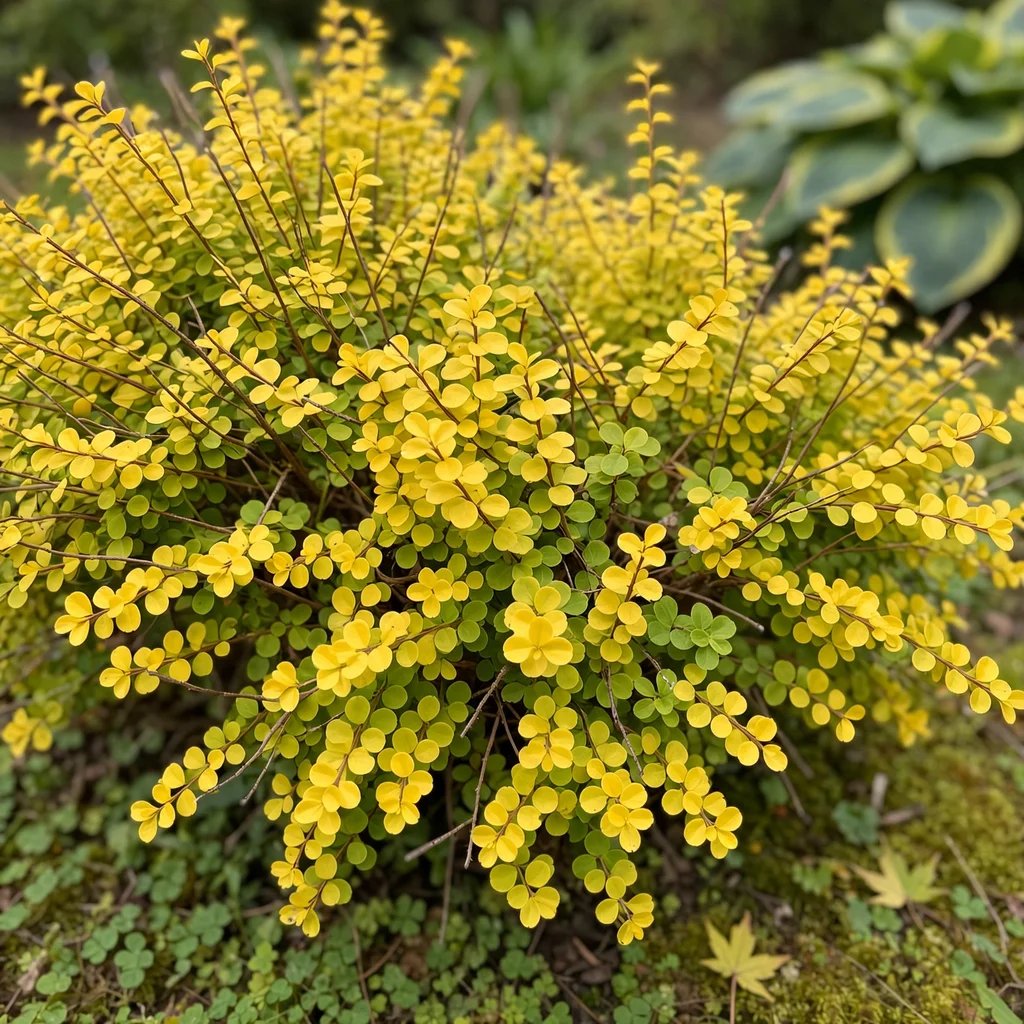
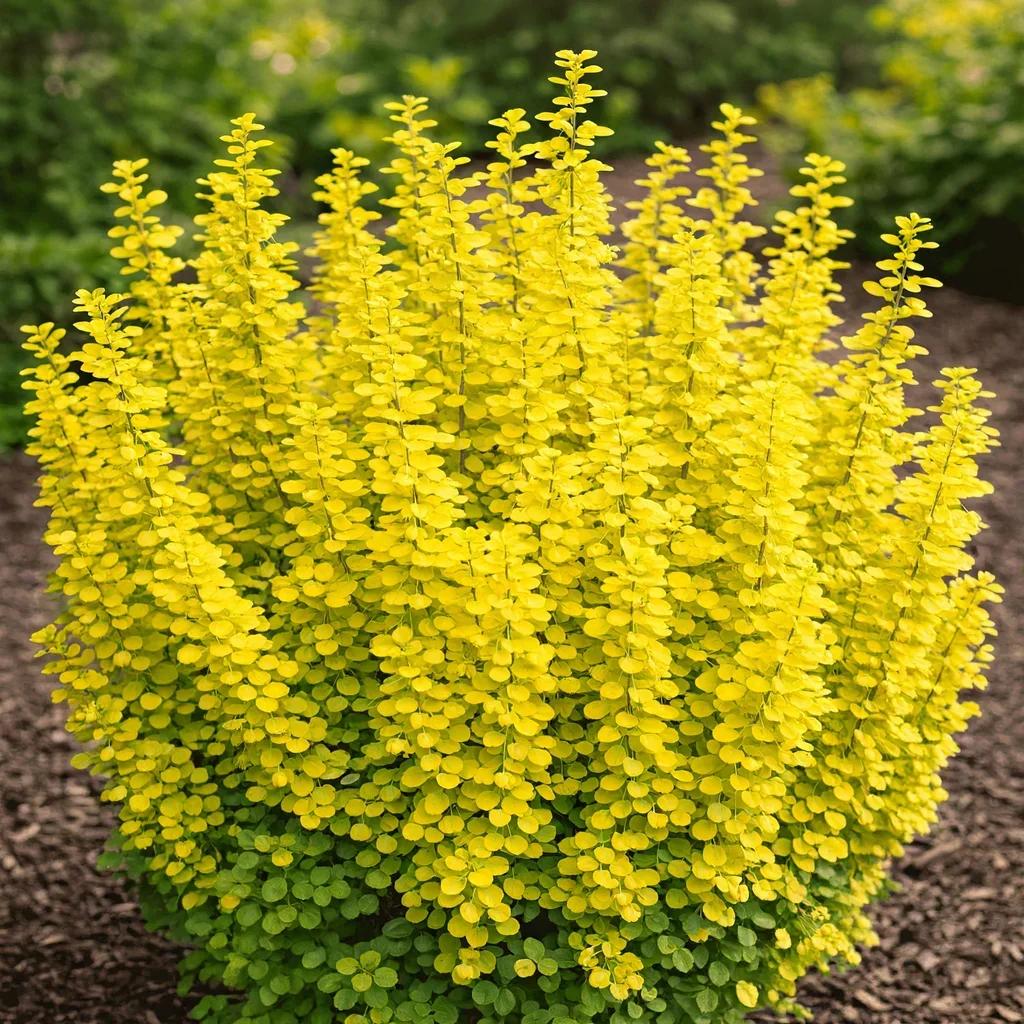
'Aurea' is distinguished by small obovate leaves that emerge bright yellow and retain their golden hue through summer when planted in full sun. In partial shade, the foliage shifts toward chartreuse, forming a dense mounding framework three to four feet tall.
Uses & Benefits:
Essentials
At a Glance
Plant Type
Shrub
Height
48"
Width
60"
Light
Full Sun, Partial Sun
Zones
4, 5, 6, 7
Water
Low to moderate
Humidity
Adaptable
Lifespan
Perennial
Native To
Japan, China
Toxicity
Mildly toxic if ingested
Bloom period
Spring
In flower about 3 months of the year
Marketplace
Where to Buy
Shipping costs Year-round shipping Free shipping
Planting
How to Grow
- Select a planting site in full sun with sharp soil drainage.
- Dig a hole twice as wide as the root ball and set the plant at its nursery depth.
- Backfill with native soil, firm gently, and water thoroughly to settle roots.
- Apply a 2-inch layer of organic mulch around the base, keeping mulch away from main stems.
Pro Tip
Position in full sun for maximum yellow saturation, as shade turns leaves green, and avoid hard shearing into bare old wood where dormant buds fail to break.
Keep It Thriving
Care Guide
Do
- Wear heavy leather gloves and long sleeves during handling to protect against sharp nodal spines.
- Plant in full sun to maintain bright golden foliage color throughout summer.
- Ensure site drainage is sharp, as roots rot quickly in standing water.
Don't
- Do not plant in deep shade where leaves turn a muddy chartreuse.
- Do not shear severely back into leafless old wood.
- Do not overwater once established, as plants tolerate dry soil conditions well.
Seasonal Care Calendar
| Task | Jan | Feb | Mar | Apr | May | Jun | Jul | Aug | Sep | Oct | Nov | Dec |
|---|---|---|---|---|---|---|---|---|---|---|---|---|
| Fertilize | ||||||||||||
| Pest Check | ||||||||||||
| Prune | ||||||||||||
| Spring Cleanup |
Watch Out For
Pests & Diseases
Common Pests
Common Diseases
In the Garden
Landscape Uses & Companions
Landscape Uses
Multiply
Propagation Methods
Good to Know
Common Questions
Golden Japanese Barberry questions
What zones can Golden Japanese Barberry grow in?
Golden Japanese Barberry is hardy in USDA Zones 4–7. Inside that range it survives winter in the ground; outside it, grow it as an annual or a container plant you protect.
Is Golden Japanese Barberry deer resistant?
Yes — Golden Japanese Barberry is rated deer-resistant. Deer typically pass it over, though extreme hunger can override any plant's defenses.
When does Golden Japanese Barberry bloom?
Golden Japanese Barberry typically blooms in spring through spring. Exact timing shifts a week or two with your zone — Sow's bloom calendar maps it to your garden.
Does Golden Japanese Barberry need full sun?
Golden Japanese Barberry does best in full sun to part shade. In hot climates, afternoon shade keeps blooms fresher longer.
Is Golden Japanese Barberry drought tolerant?
Yes — once established (usually after the first full season), Golden Japanese Barberry handles dry spells with minimal watering. Water deeply its first year to build the root system that makes that possible.
More Berberis to compare
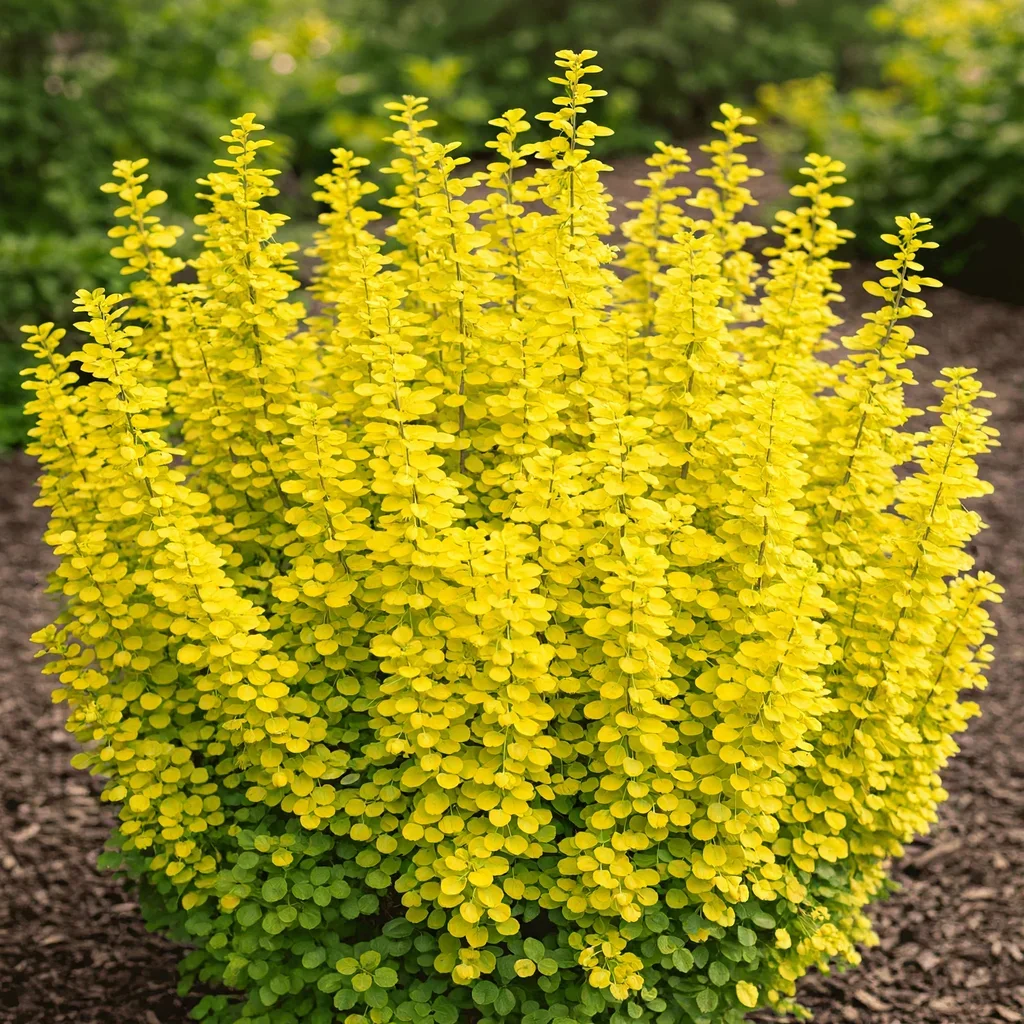
Gold Pillar Japanese Barberry
Berberis thunbergii 'Gold Pillar'
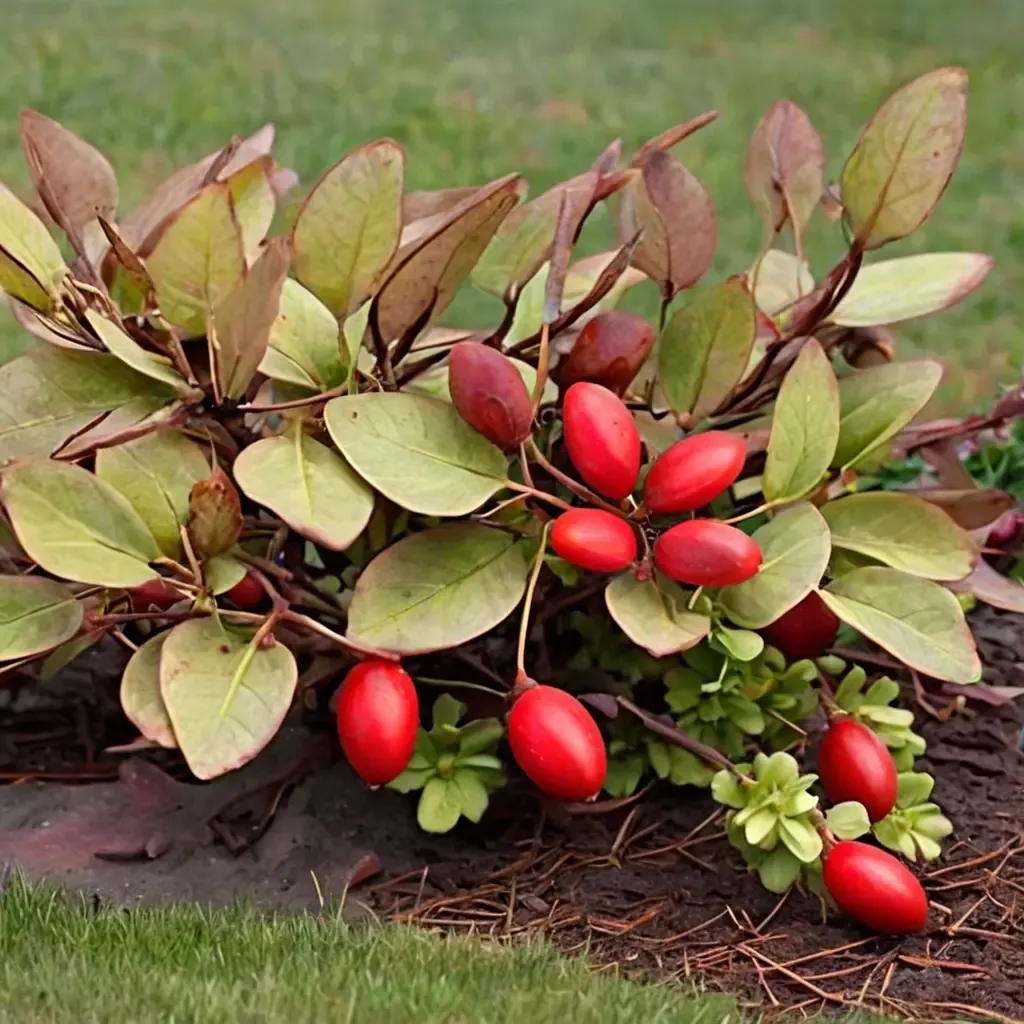
Japanese Barberry
Berberis thunbergii
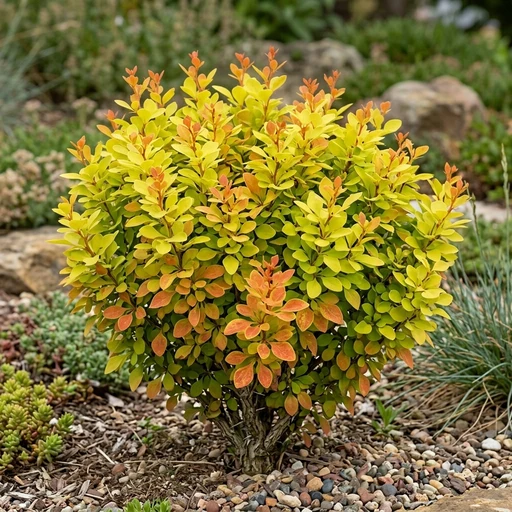
Sunjoy Neo Barberry
Berberis thunbergii 'Sunjoy Neo'
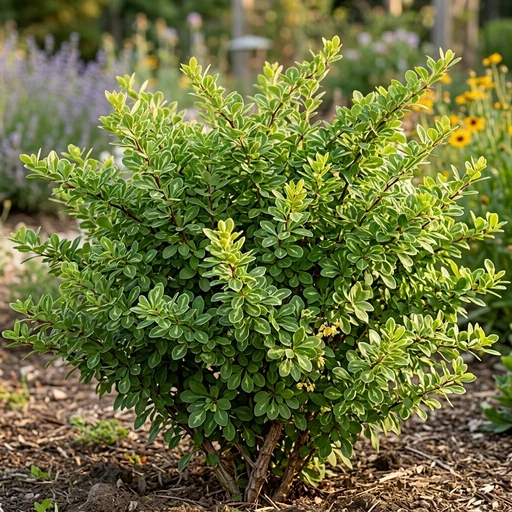
William Penn Barberry
Berberis gladwynensis 'William Penn'
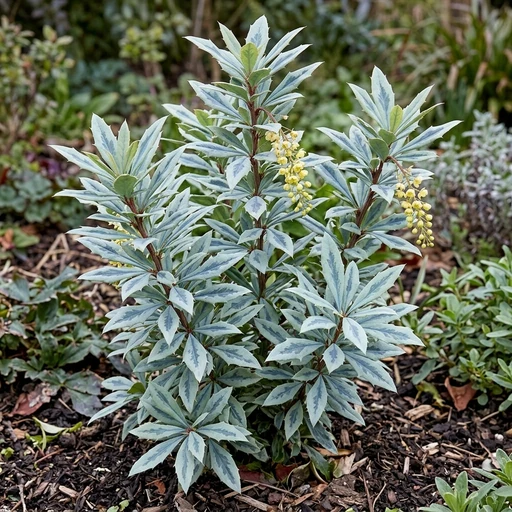
Oregon Grape
Berberis hortensis 'Winter Sun'
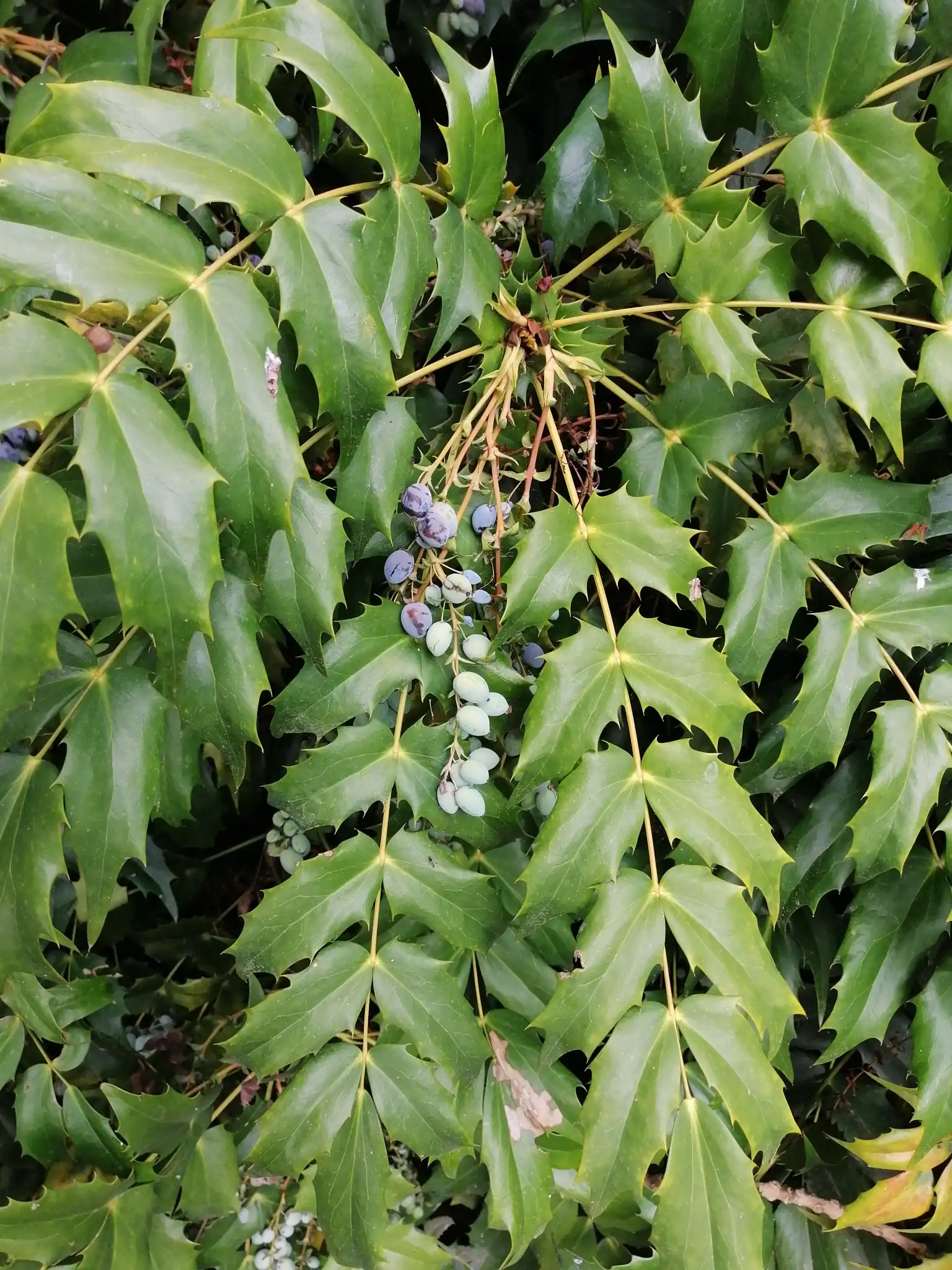
Hybrid Mahonia
Berberis hortensis
Keep exploring
Explore the genus
Hardy in your zone?
Grow Golden Japanese Barberry with confidence
See it in a design of your actual yard, get zone-matched care reminders, and track it season by season in your garden journal.