
The Story
Plant Bio
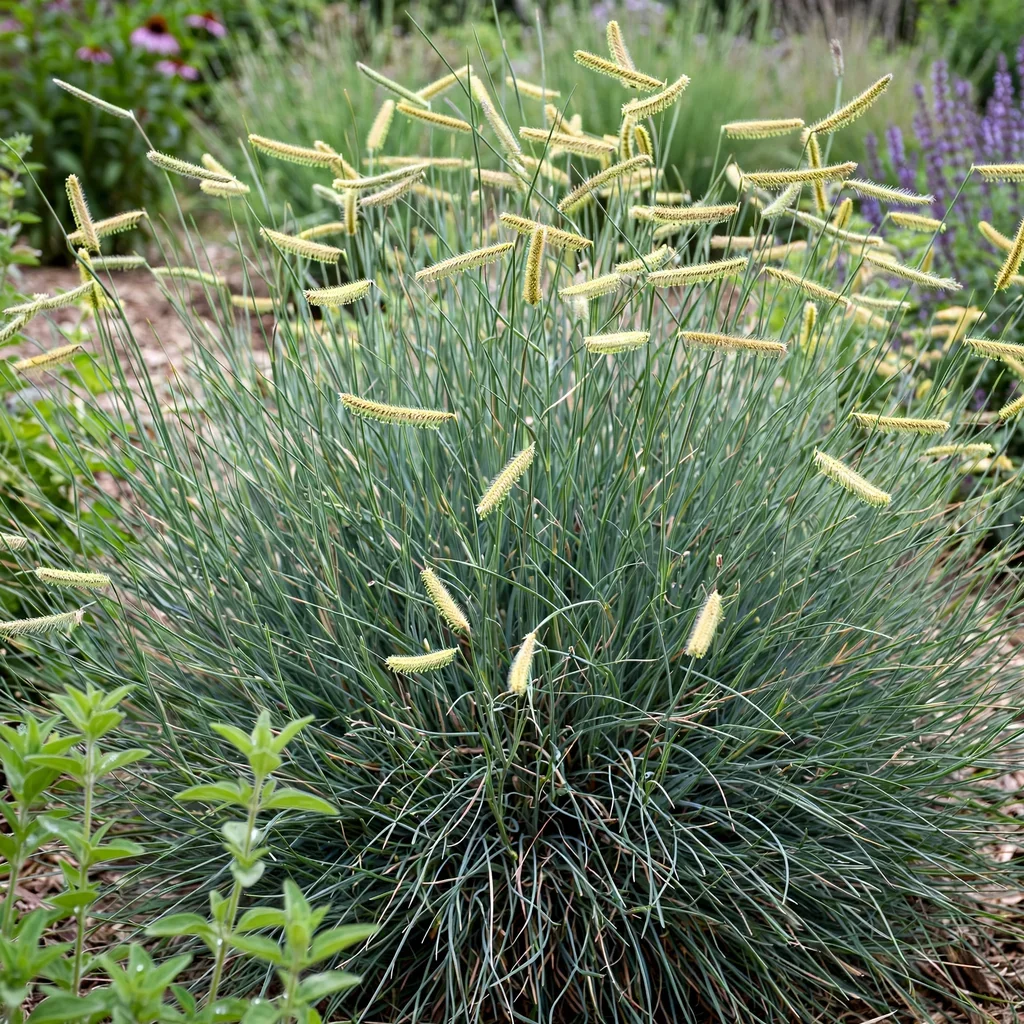
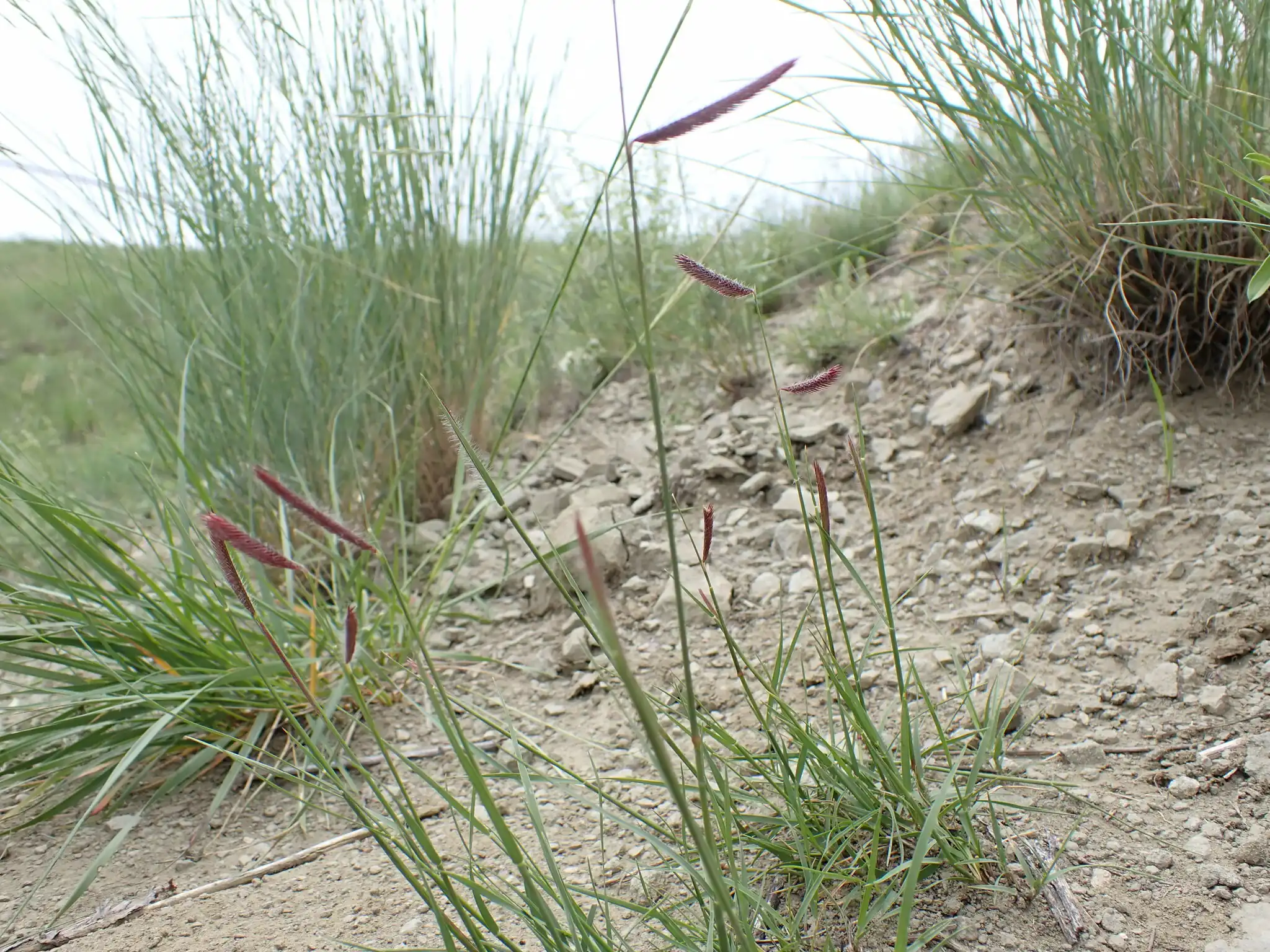
Bouteloua dactyloides is a low-growing, warm-season perennial grass native to the shortgrass prairies of central North America. It spreads aggressively via stolons to form a dense, fine-textured sod mat that turns from grey-green to straw-colored during winter dormancy.
This dioecious species bears male and female flowers on separate plants, with male plants displaying small, comb-like spikes above the foliage and female plants hiding bur-like seed clusters deep within the leaves. Its exceptional drought tolerance and low growth habit make it a highly effective, low-input alternative to traditional turfgrasses.
Uses & Benefits:
Essentials
At a Glance
Plant Type
Grass
Height
12"
Width
12"
Light
Full Sun
Zones
4, 5, 6, 7, 8
Water
Low
Humidity
Low to Moderate
Lifespan
Perennial
Native To
North America
Toxicity
Non-toxic
Bloom period
Spring – Summer
In flower about 6 months of the year
Planting
How to Grow
- Select a planting site in full sun with well-drained soil, as this species is highly intolerant of shade and waterlogged conditions.
- Clear the planting area completely of existing weeds and cool-season grasses to eliminate competition during establishment.
- Plant vegetative plugs spaced 6 to 12 inches apart, or press sod slabs firmly against loosened soil in late spring or early summer.
- Water lightly and frequently for the first two to three weeks until roots establish, then rapidly transition to infrequent, deep watering.
Pro Tip
Avoid over-watering and excessive nitrogen fertilization, as high moisture and nutrient levels trigger fungal rot and invite weed encroachment.
Keep It Thriving
Care Guide
Do
- Mow infrequently, leaving the grass at its natural height of 4 to 12 inches or cutting to 2 to 3 inches every few weeks.
- Allow the turf to go dormant and turn tan during dry spells, as it will recover quickly when moisture returns.
- Ensure excellent soil drainage to prevent root rot and turf decline.
Don't
- Do not over-fertilize with nitrogen, which weakens the grass and encourages weed invasion.
- Do not plant in heavily shaded areas or under dense tree canopies where the grass will thin out and die.
- Do not irrigate during periods of high rainfall or allow water to pool on the turf.
Seasonal Care Calendar
| Task | Jan | Feb | Mar | Apr | May | Jun | Jul | Aug | Sep | Oct | Nov | Dec |
|---|---|---|---|---|---|---|---|---|---|---|---|---|
| Fertilize | ||||||||||||
| Pest Check | ||||||||||||
| Prune | ||||||||||||
| Spring Cleanup |
Watch Out For
Pests & Diseases
Common Pests
Common Diseases
In the Garden
Landscape Uses & Companions
Landscape Uses
Multiply
Propagation Methods
Good to Know
Common Questions
Buffalograss questions
What zones can Buffalograss grow in?
Buffalograss is hardy in USDA Zones 4–8. Inside that range it survives winter in the ground; outside it, grow it as an annual or a container plant you protect.
Is Buffalograss deer resistant?
Yes — Buffalograss is rated deer-resistant. Deer typically pass it over, though extreme hunger can override any plant's defenses.
When does Buffalograss bloom?
Buffalograss typically blooms in spring through summer. Exact timing shifts a week or two with your zone — Sow's bloom calendar maps it to your garden.
Does Buffalograss need full sun?
Buffalograss does best in full sun (6+ hours).
Is Buffalograss drought tolerant?
Yes — once established (usually after the first full season), Buffalograss handles dry spells with minimal watering. Water deeply its first year to build the root system that makes that possible.
More Bouteloua to compare
Keep exploring
Explore the genus
Hardy in your zone?
Grow Buffalograss with confidence
See it in a design of your actual yard, get zone-matched care reminders, and track it season by season in your garden journal.