
The Story
Plant Bio
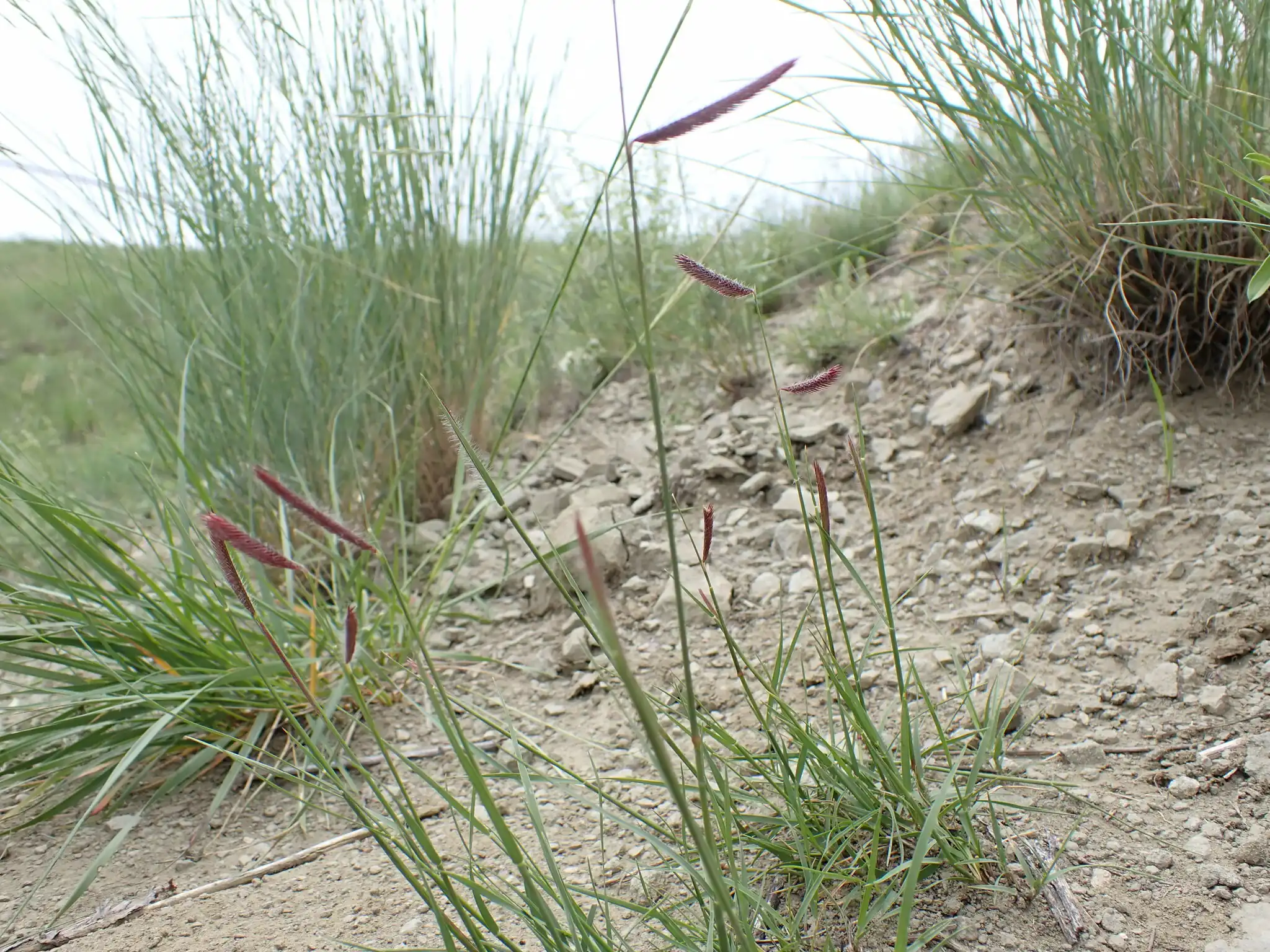
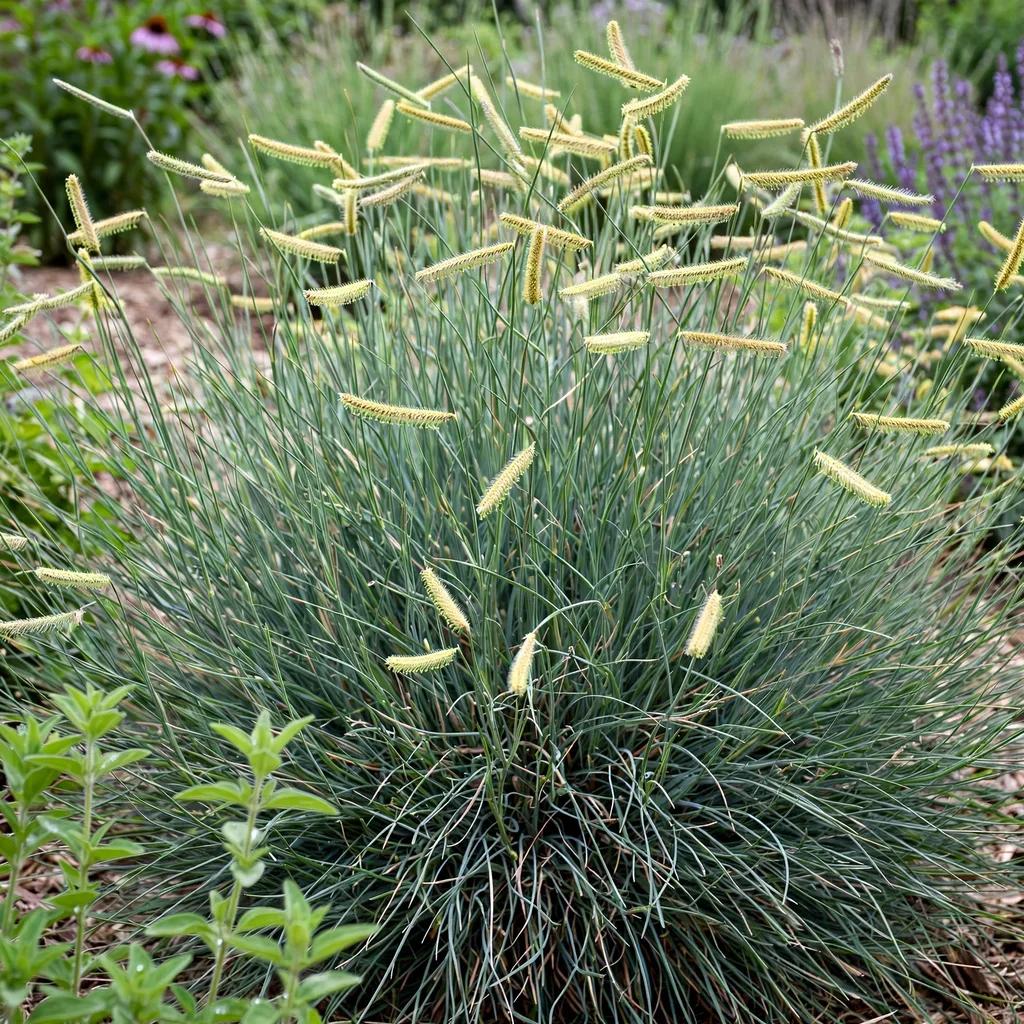
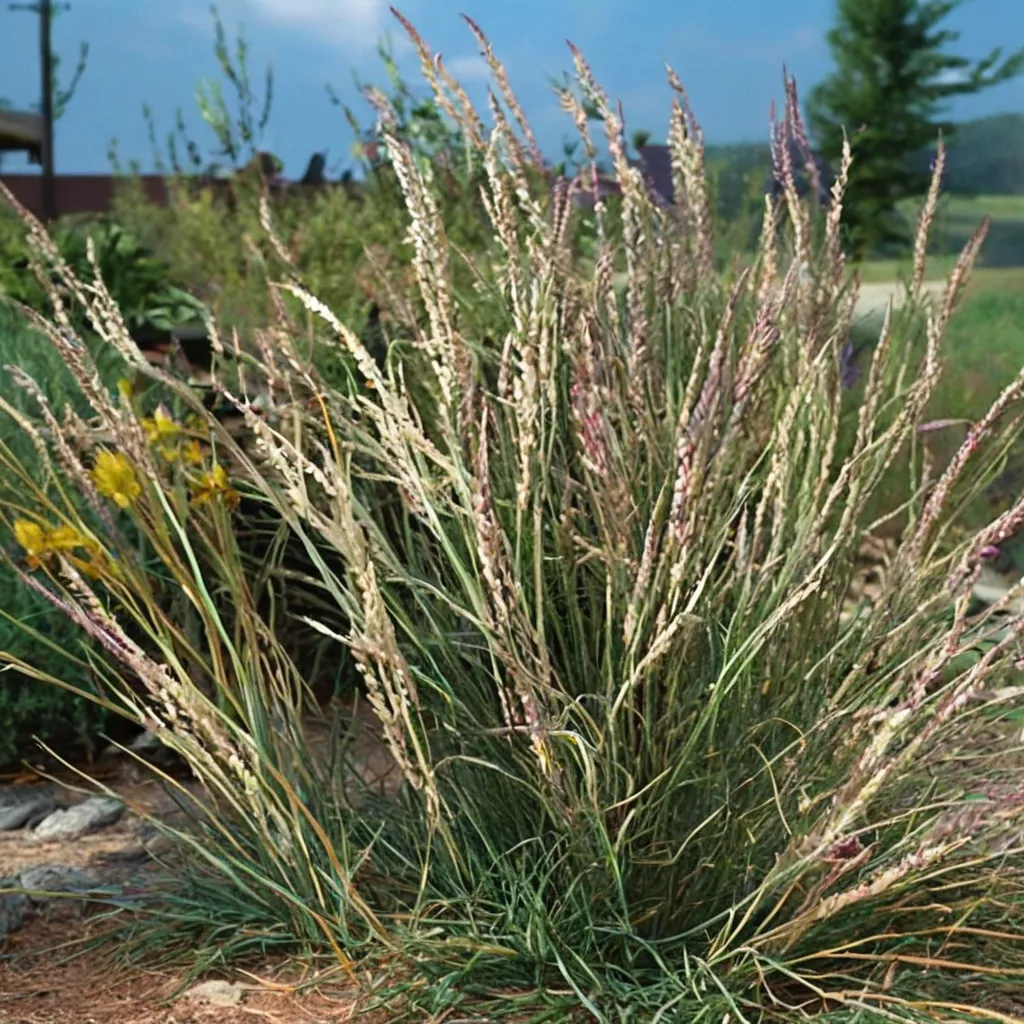
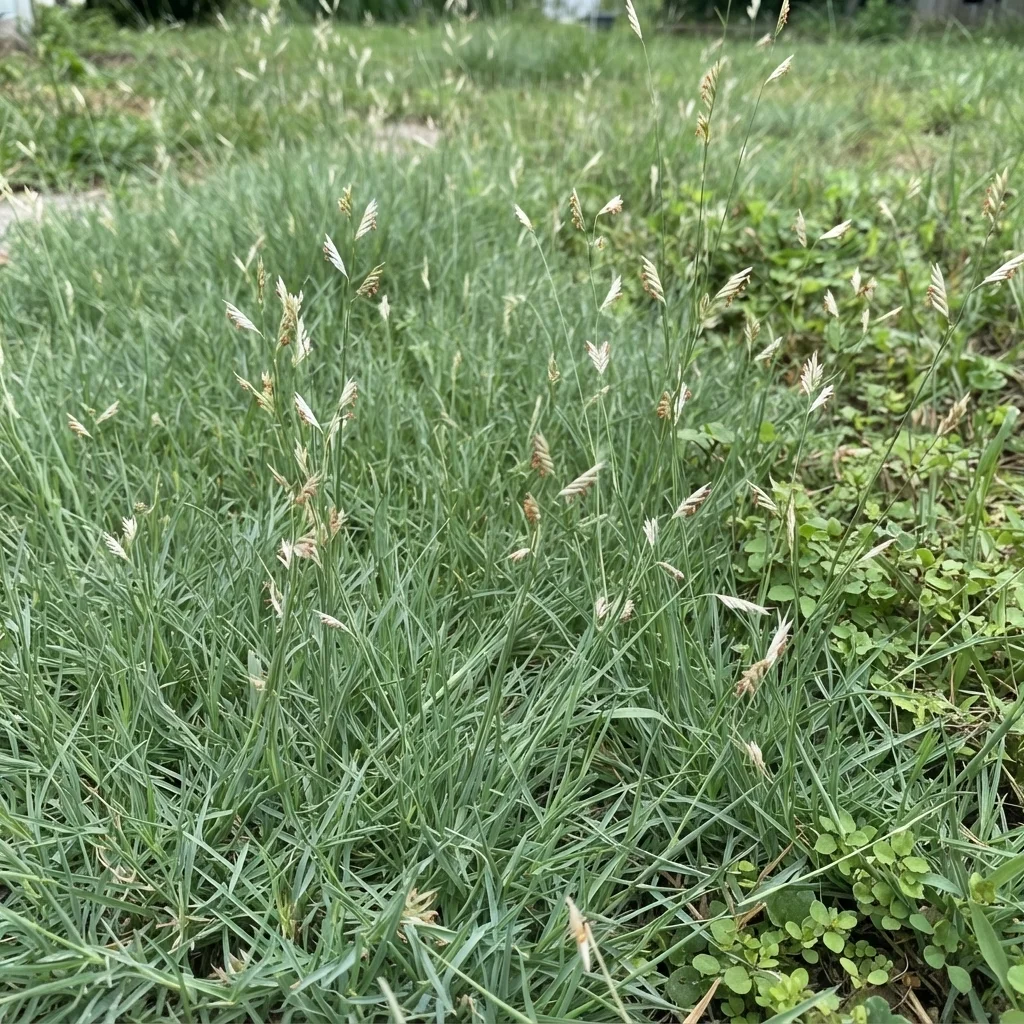
Bouteloua gracilis, blue grama, is a low clumping warm-season grass native from western and central Canada south to Mexico, reaching six inches to two feet. Fine blue-green to grey leaves form a dense tuft, and in summer the seed heads are held horizontally on one side of arching stems, curling as they dry into shapes often likened to eyebrows or mosquito larvae.
Those one-sided seed heads are unmistakable and hold their shape into winter, which is much of its ornamental value. It is a major component of the shortgrass prairie, exceptionally drought and heat tolerant, and increasingly used as a low-water lawn alternative that needs mowing only once or twice a season.
Uses & Benefits:
Essentials
At a Glance
Plant Type
Grass
Height
15"
Width
21"
Light
Full Sun, Partial Sun
Zones
4, 5, 6, 7, 8, 9, 10
Water
Low
Humidity
Low
Lifespan
Perennial
Native To
Western and central Canada to Mexico
Toxicity
Non-toxic
Marketplace
Where to Buy
Shipping costs Year-round shipping Free shipping
Planting
How to Grow
- Plant or sow in late spring once soil has warmed.
- Choose full sun; it will not tolerate shade.
- Space about a foot apart for a matrix planting.
- Water to establish, then rarely.
- Do not feed; lean soil keeps it tight.
- Cut or mow back in late winter.
Pro Tip
Wait for warm soil before planting — as a warm-season grass it does nothing until the ground genuinely heats up, and cold-soil sowings simply rot.
Keep It Thriving
Care Guide
Do
- Plant in full sun and dry soil ☀️
- Wait for warm soil before sowing 🌱
- Leave seed heads for winter form 🌾
- Cut back once in late winter ✂️
Don't
- Plant in shade ❌
- Water or feed it once established ❌
- Expect growth before the soil warms ❌
Seasonal Care Calendar
| Task | Jan | Feb | Mar | Apr | May | Jun | Jul | Aug | Sep | Oct | Nov | Dec |
|---|---|---|---|---|---|---|---|---|---|---|---|---|
| Monitor | ||||||||||||
| Prune |
Watch Out For
Pests & Diseases
Common Pests
Common Diseases
In the Garden
Landscape Uses & Companions
Landscape Uses
Multiply
Propagation Methods
Good to Know
Common Questions
Blue Grama Grass questions
What zones can Blue Grama Grass grow in?
Blue Grama Grass is hardy in USDA Zones 4–10. Inside that range it survives winter in the ground; outside it, grow it as an annual or a container plant you protect.
Is Blue Grama Grass deer resistant?
Yes — Blue Grama Grass is rated deer-resistant. Deer typically pass it over, though extreme hunger can override any plant's defenses.
When does Blue Grama Grass bloom?
Blue Grama Grass typically blooms in summer through late fall. Exact timing shifts a week or two with your zone — Sow's bloom calendar maps it to your garden.
Does Blue Grama Grass need full sun?
Blue Grama Grass does best in full sun to part shade. In hot climates, afternoon shade keeps blooms fresher longer.
Is Blue Grama Grass drought tolerant?
Yes — once established (usually after the first full season), Blue Grama Grass handles dry spells with minimal watering. Water deeply its first year to build the root system that makes that possible.
More Bouteloua to compare
Keep exploring
Explore the genus
Grow Blue Grama Grass with confidence
See it in a design of your actual yard, get zone-matched care reminders, and track it season by season in your garden journal.