

The Story
Plant Bio
Gardenia jasminoides is an upright, multi-stemmed evergreen shrub native to southern China and Japan, characterized by thick, highly glossy, dark emerald-green leaves. The species produces intensely fragrant flowers at the branch tips from late spring through summer, requiring acidic, well-draining soils to thrive.
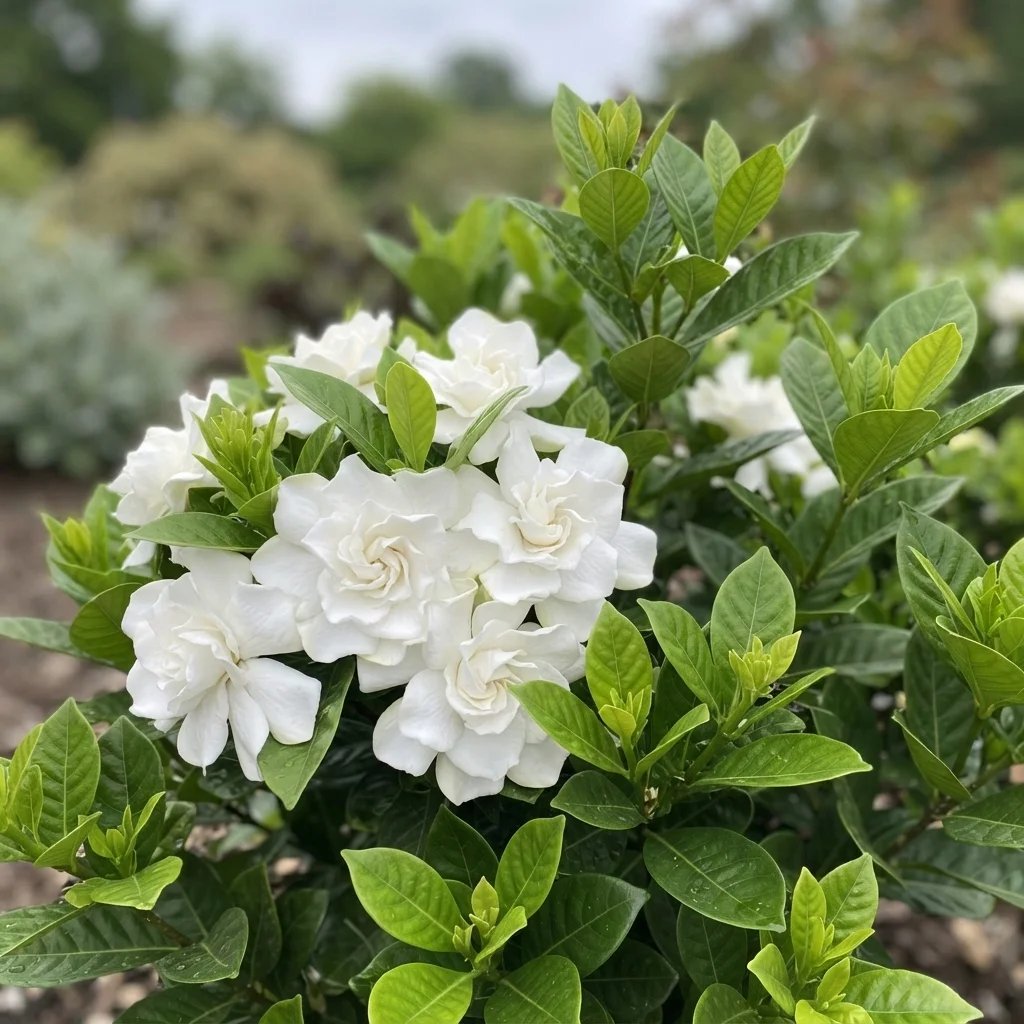
'Magnifica' is distinguished by its exceptionally large, creamy-white double flowers that resemble roses and reach up to 10 to 12 centimeters in diameter. This cultivar forms a dense, rounded shrub reaching 1.5 to 2 meters in height, making it highly suited for formal hedges or training into standards.
Uses & Benefits:
Essentials
At a Glance
Plant Type
Shrub
Height
72"
Width
48"
Light
Full Sun, Partial Sun
Zones
8, 9, 10
Water
Medium
Humidity
High
Lifespan
10-20 years
Native To
Asia (Southern China, Japan)
Toxicity
Low (mild GI upset if ingested)
Bloom period
Late spring – Summer
In flower about 4 months of the year
Planting
How to Grow
- Select a planting site with acidic soil (pH 5.0 to 6.5) that receives full sun to partial shade, preferably with afternoon shade in hot climates.
- Amend the planting area with organic matter to create a humus-rich, highly draining loam or sandy loam.
- Plant the root ball slightly above the surrounding soil grade to ensure excellent drainage and prevent crown rot.
- Apply a thick layer of organic mulch over the root zone to conserve moisture and protect the shallow root system from temperature extremes.
Pro Tip
Avoid applying fertilizer in autumn, as this stimulates tender new growth that is easily killed by early winter frosts.
Keep It Thriving
Care Guide
Do
- Maintain consistent soil moisture, watering deeply whenever the top inch of soil begins to dry.
- Apply an acid-specific, slow-release fertilizer in early spring and early summer.
- Tip-prune the branches immediately after the flowering season finishes to maintain a bushy, compact form.
Don't
- Do not cultivate or dig soil around the base of the plant, as this damages the highly sensitive, shallow root system.
- Do not irrigate using overhead sprinklers, which increases the risk of powdery mildew and leaf diseases.
- Do not prune late in the season, which removes the buds set for the following year's blooms.
Seasonal Care Calendar
| Task | Jan | Feb | Mar | Apr | May | Jun | Jul | Aug | Sep | Oct | Nov | Dec |
|---|---|---|---|---|---|---|---|---|---|---|---|---|
| Fertilize | ||||||||||||
| Mulch | ||||||||||||
| Pest Check | ||||||||||||
| Prune |
Watch Out For
Pests & Diseases
Common Pests
Common Diseases
In the Garden
Landscape Uses & Companions
Landscape Uses
Companion Plants
Multiply
Propagation Methods
Good to Know
Common Questions
Gardenia questions
What zones can Gardenia grow in?
Gardenia is hardy in USDA Zones 8–10. Inside that range it survives winter in the ground; outside it, grow it as an annual or a container plant you protect.
When does Gardenia bloom?
Gardenia typically blooms in late spring through summer. Exact timing shifts a week or two with your zone — Sow's bloom calendar maps it to your garden.
Does Gardenia need full sun?
Gardenia does best in full sun to part shade. In hot climates, afternoon shade keeps blooms fresher longer.
More Gardenia to compare
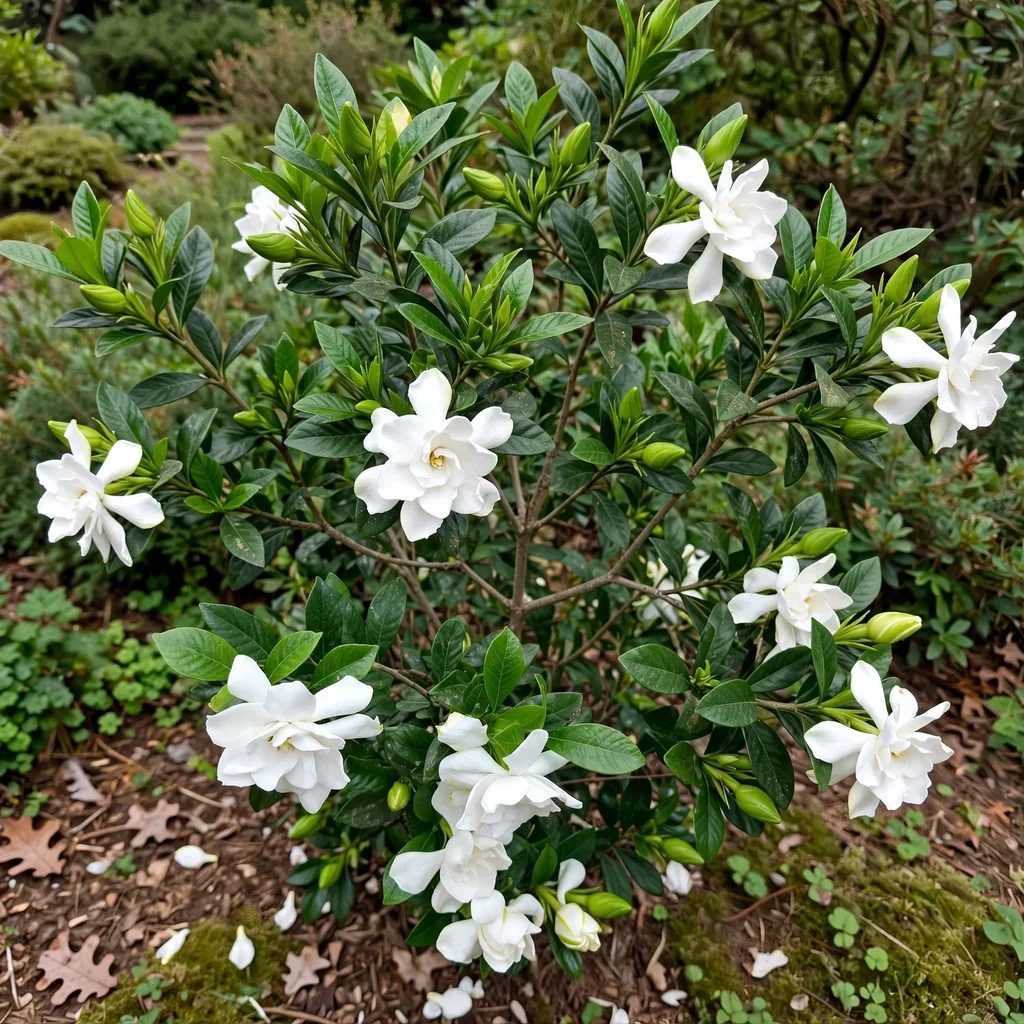
Gardenia Jubilation
Gardenia jasminoides 'Jubilation'
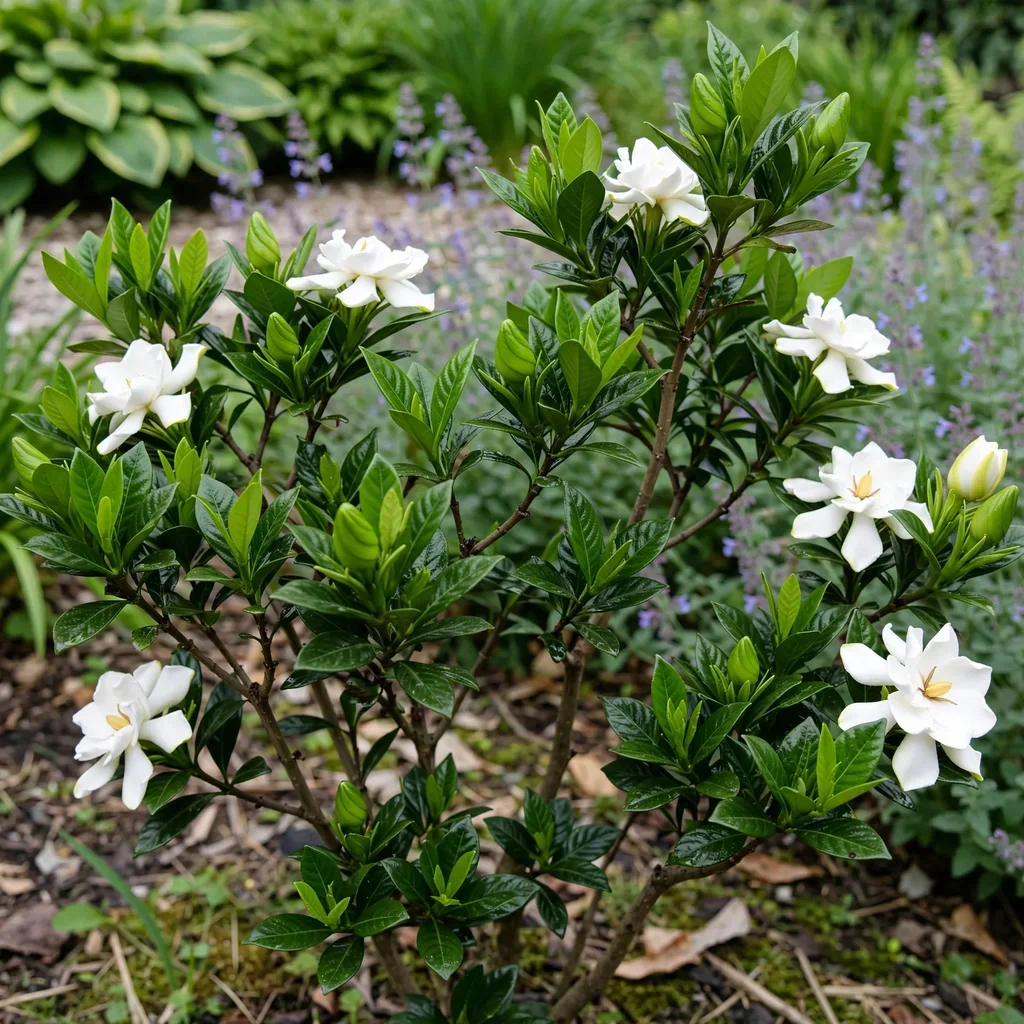
Steady As She Goes Gardenia
Gardenia jasminoides 'Steady As She Goes'
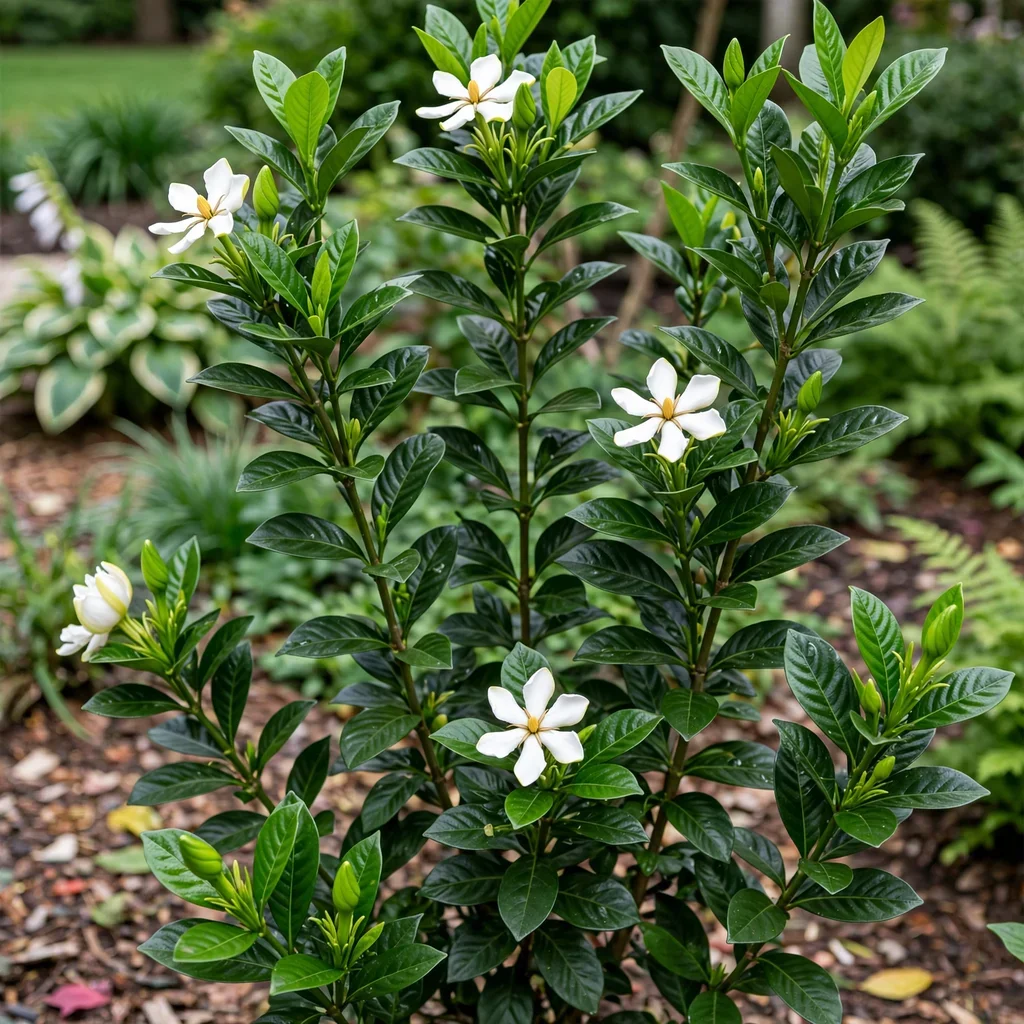
Gardenia jasminoides Diamond Spire
Gardenia jasminoides 'Diamond Spire'
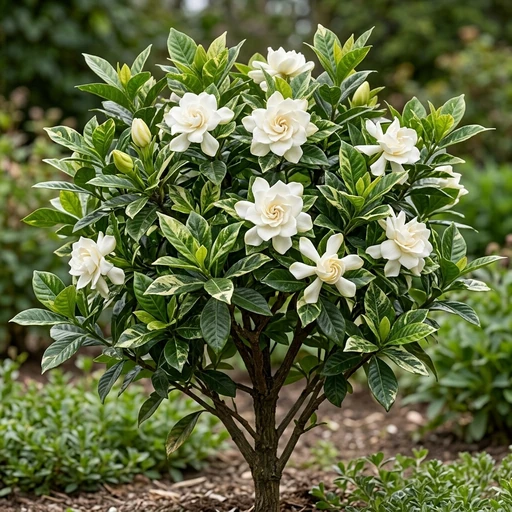
August Beauty Gardenia
Gardenia augusta 'August Beauty'
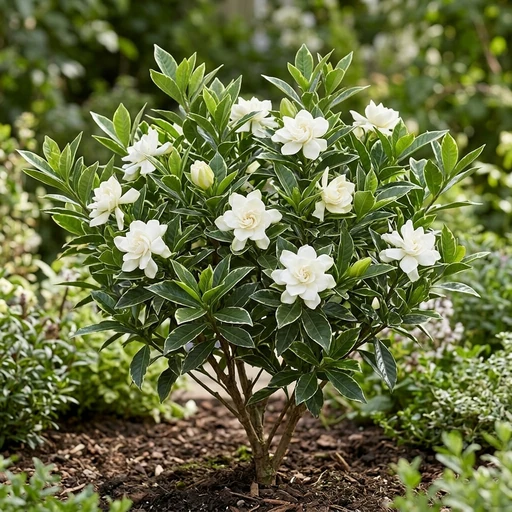
ScentAmazing Gardenia
Gardenia jasminoides 'Scent Amazing'
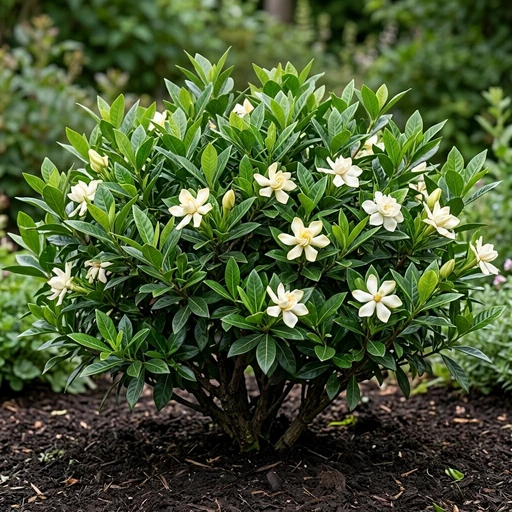
Dwarf Gardenia
Gardenia jasminoides 'Radicans'
Keep exploring
Explore the genus
Hardy in your zone?
Grow Gardenia with confidence
See it in a design of your actual yard, get zone-matched care reminders, and track it season by season in your garden journal.