The Story
Plant Bio
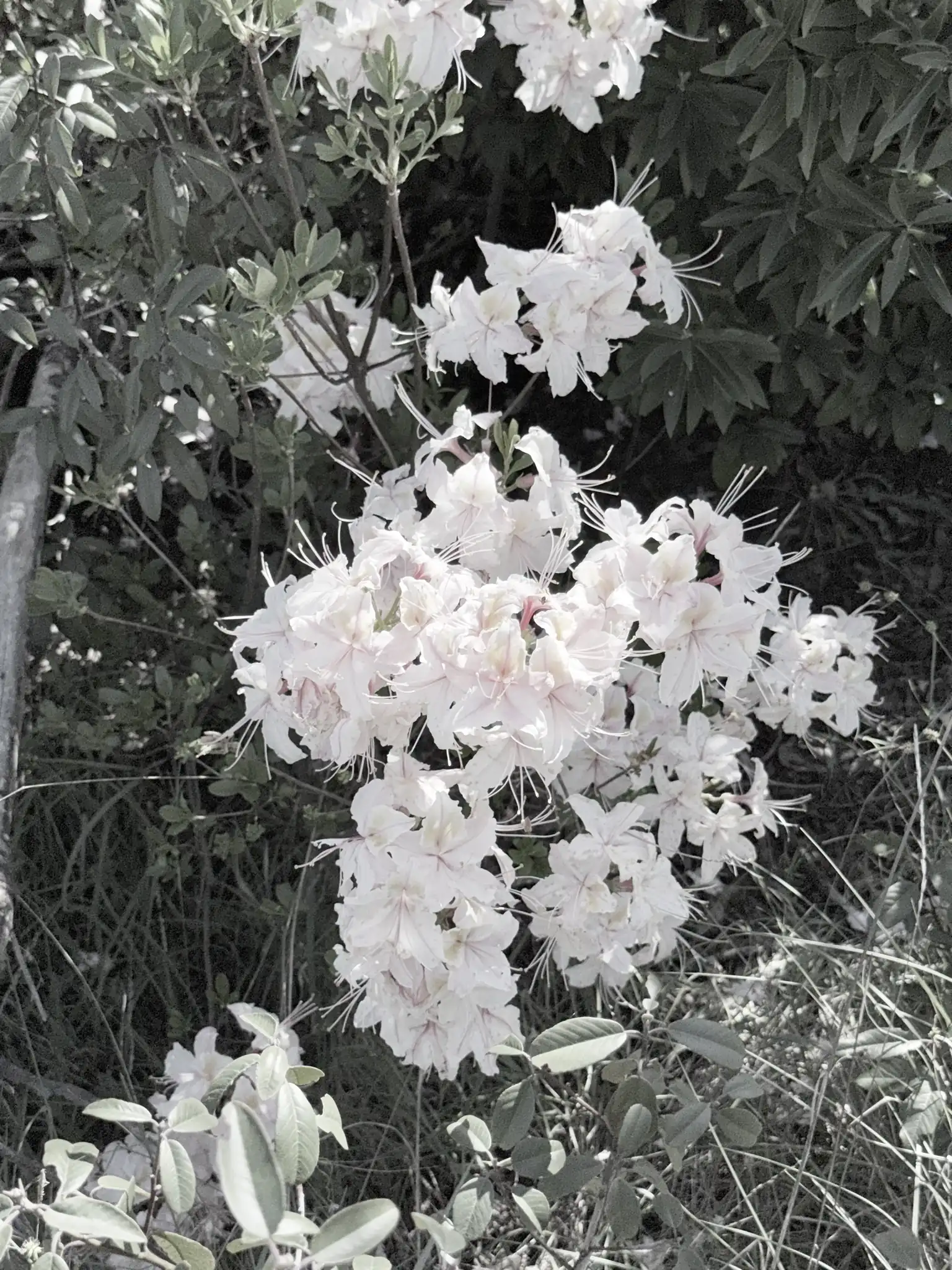
Rhododendron occidentale is a deciduous shrub native to the Pacific Coast of North America, typically reaching three to ten feet in height with a loose, spreading habit. Its thin green leaves turn vivid shades of yellow, orange, and crimson in fall before dropping.
The species bears terminal clusters of fragrant white to deep pink funnel-shaped flowers, each marked with a distinct yellow or gold blotch on the upper lobe. It naturally occupies stream banks, wet meadows, and coastal bluffs where soil remains damp and acidic.
Uses & Benefits:
Essentials
At a Glance
Plant Type
Shrub
Height
118"
Width
118"
Light
Full Sun, Partial Sun
Zones
5, 6, 7, 8, 9
Water
High
Humidity
Moderate to high
Lifespan
Perennial
Native To
North America
Toxicity
Toxic if ingested
Bloom period
Spring – Mid summer
In flower about 5 months of the year
Planting
How to Grow
- Select a planting site with acidic soil (pH 4.5 to 6.0) that receives partial shade or filtered sunlight.
- Amend heavy or poor soils with organic matter like peat moss or leaf mold to improve drainage and aeration.
- Dig a hole twice as wide as the root ball and plant so the root crown sits slightly above the surrounding soil level.
- Water thoroughly at planting and establish a consistent moisture regimen to prevent root drying.
- Apply a 2- to 3-inch layer of organic mulch around the base, keeping it clear of the direct stem base.
Pro Tip
Prune lightly immediately after flowering finishes; cutting back into bare, old wood kills the stem because bare stems fail to sprout adventitious buds.
Keep It Thriving
Care Guide
Do
- Maintain consistently moist, well-drained acidic soil conditions.
- Provide afternoon shade in hot inland climates.
- Mulch root zones annually with leaf mold or compost.
Don't
- Do not allow the root zone to dry out completely.
- Do not plant in heavy, waterlogged clay or alkaline soil.
- Do not shear or prune hard into old, leafless stems.
Seasonal Care Calendar
| Task | Jan | Feb | Mar | Apr | May | Jun | Jul | Aug | Sep | Oct | Nov | Dec |
|---|---|---|---|---|---|---|---|---|---|---|---|---|
| Fertilize | ||||||||||||
| Mulch | ||||||||||||
| Pest Check | ||||||||||||
| Prune | ||||||||||||
| Winter Prep |
Watch Out For
Pests & Diseases
Common Pests
Common Diseases
In the Garden
Landscape Uses & Companions
Landscape Uses
Multiply
Propagation Methods
Good to Know
Common Questions
Western Azalea questions
What zones can Western Azalea grow in?
Western Azalea is hardy in USDA Zones 5–9. Inside that range it survives winter in the ground; outside it, grow it as an annual or a container plant you protect.
Is Western Azalea deer resistant?
Not reliably. Deer may browse Western Azalea, especially tender spring growth — plan on repellents or fencing where pressure is high.
When does Western Azalea bloom?
Western Azalea typically blooms in spring through mid summer. Exact timing shifts a week or two with your zone — Sow's bloom calendar maps it to your garden.
Does Western Azalea need full sun?
Western Azalea does best in full sun to part shade. In hot climates, afternoon shade keeps blooms fresher longer.
More Rhododendron to compare
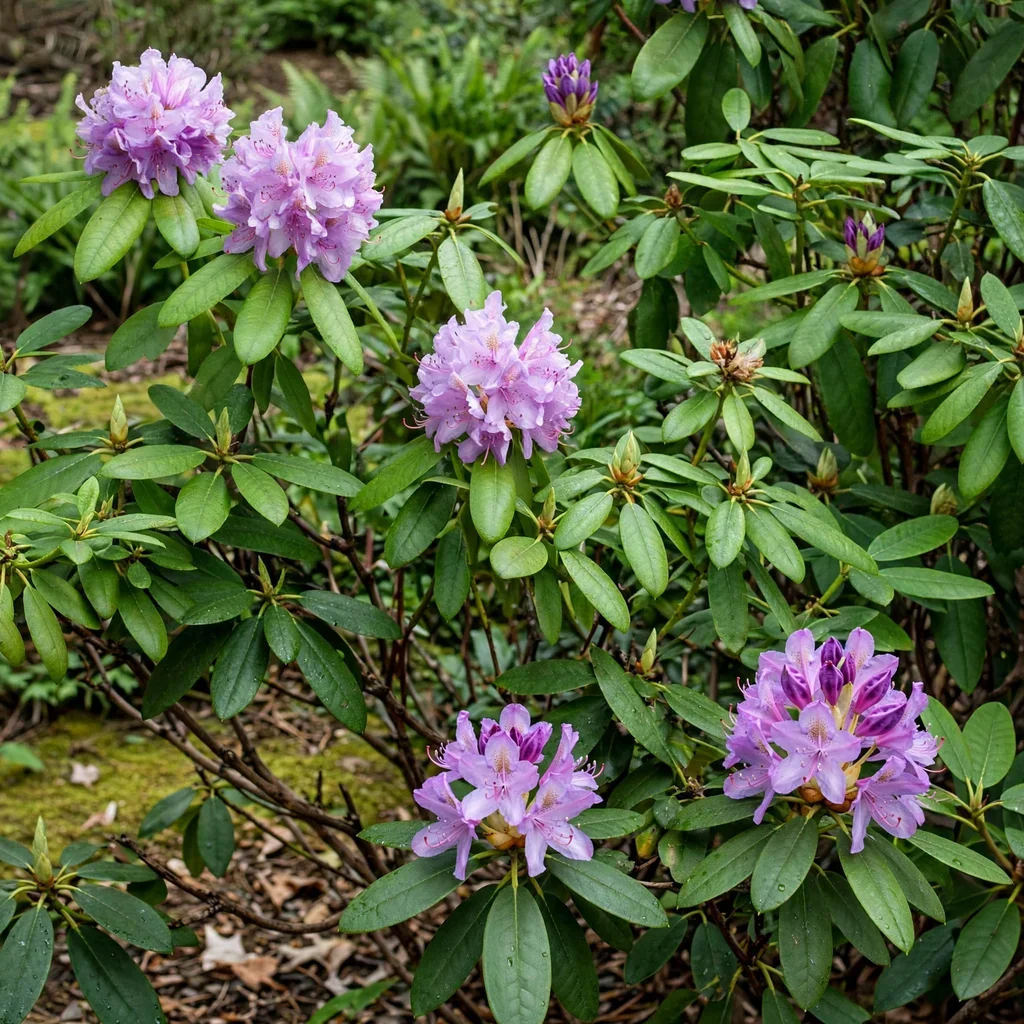
Catawba Rhododendron
Rhododendron catawbiense
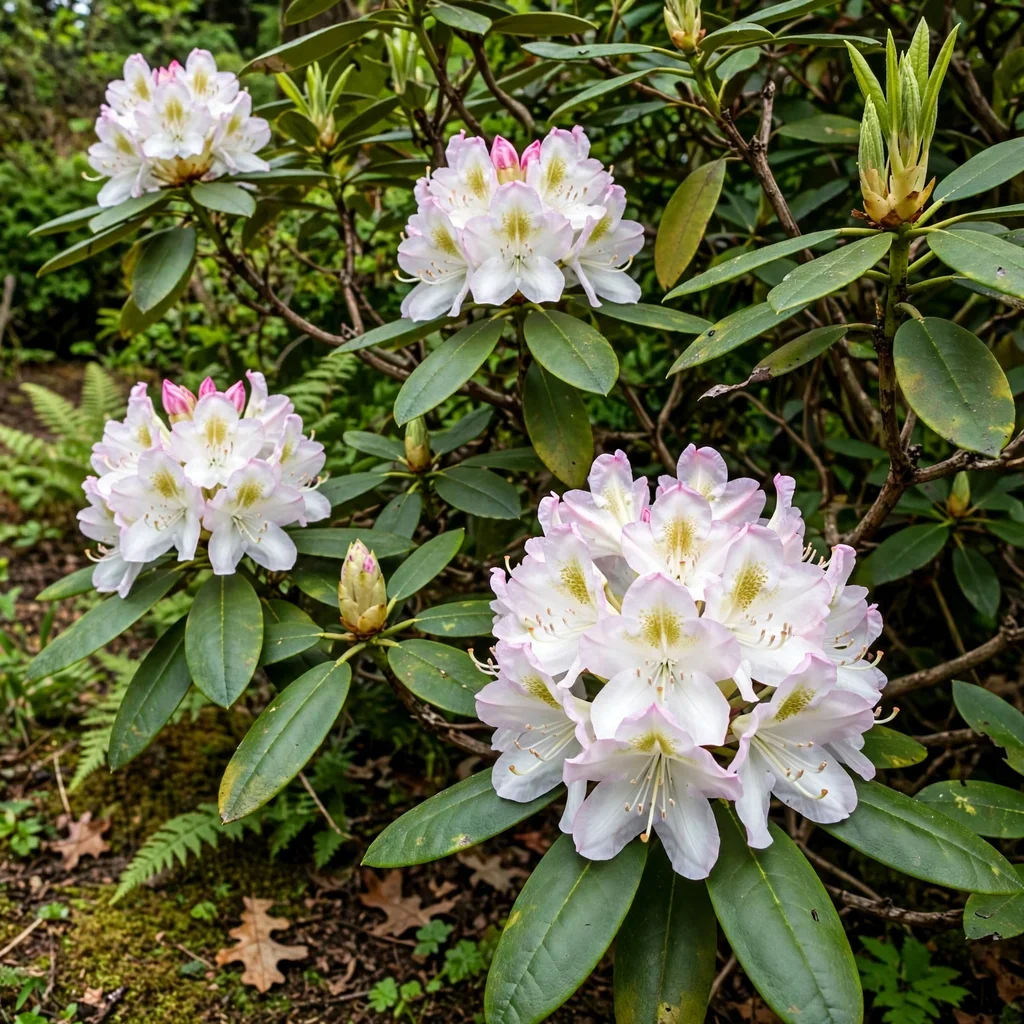
Great Laurel Rhododendron
Rhododendron maximum
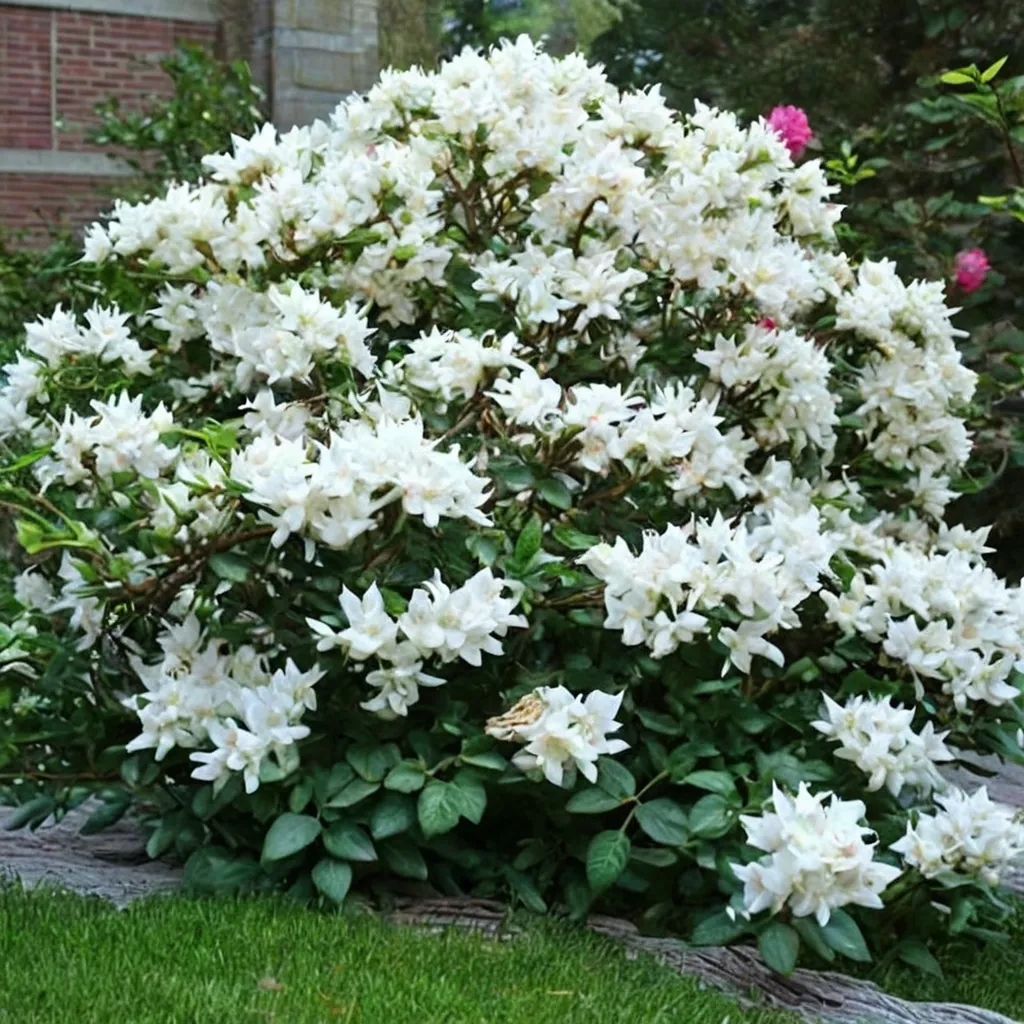
Double White Rhododendron
Rhododendron x hybrida 'Double White'
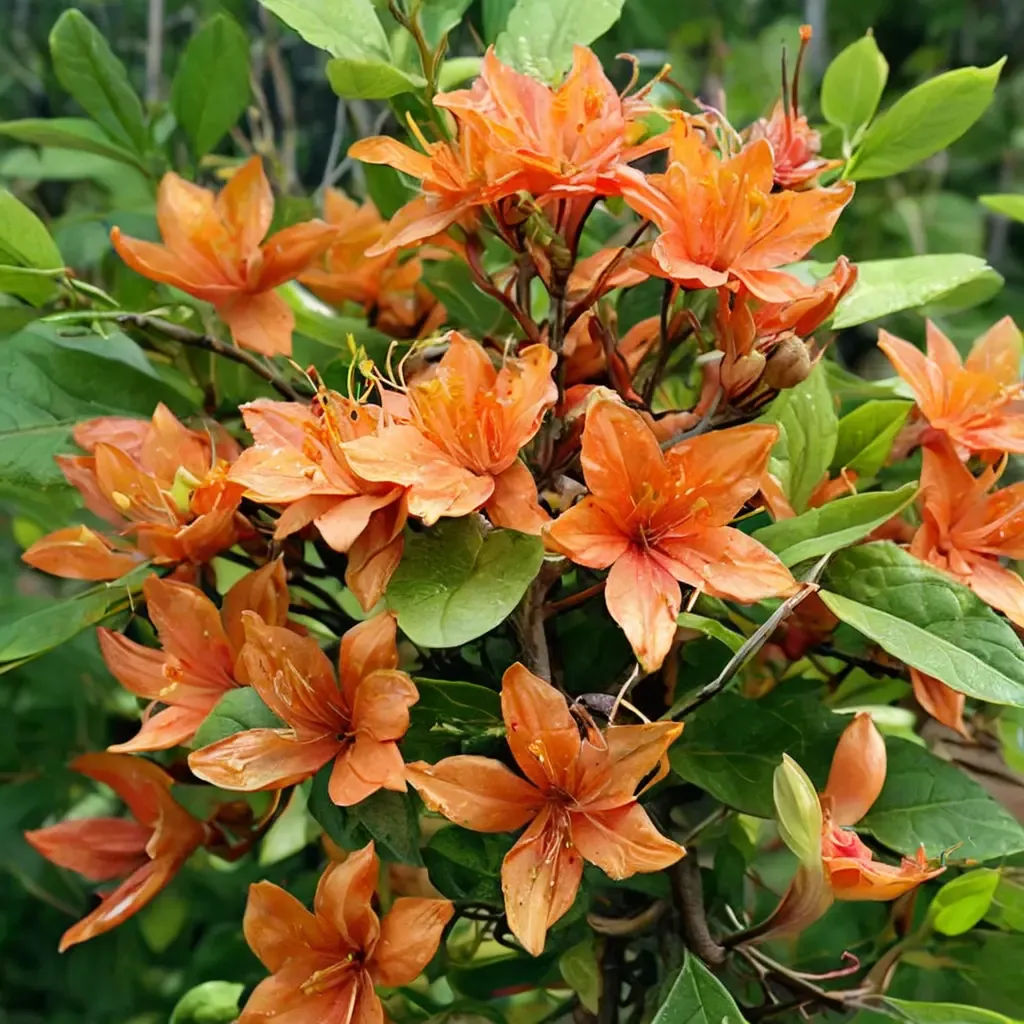
Flame Azalea
Rhododendron calendulaceum
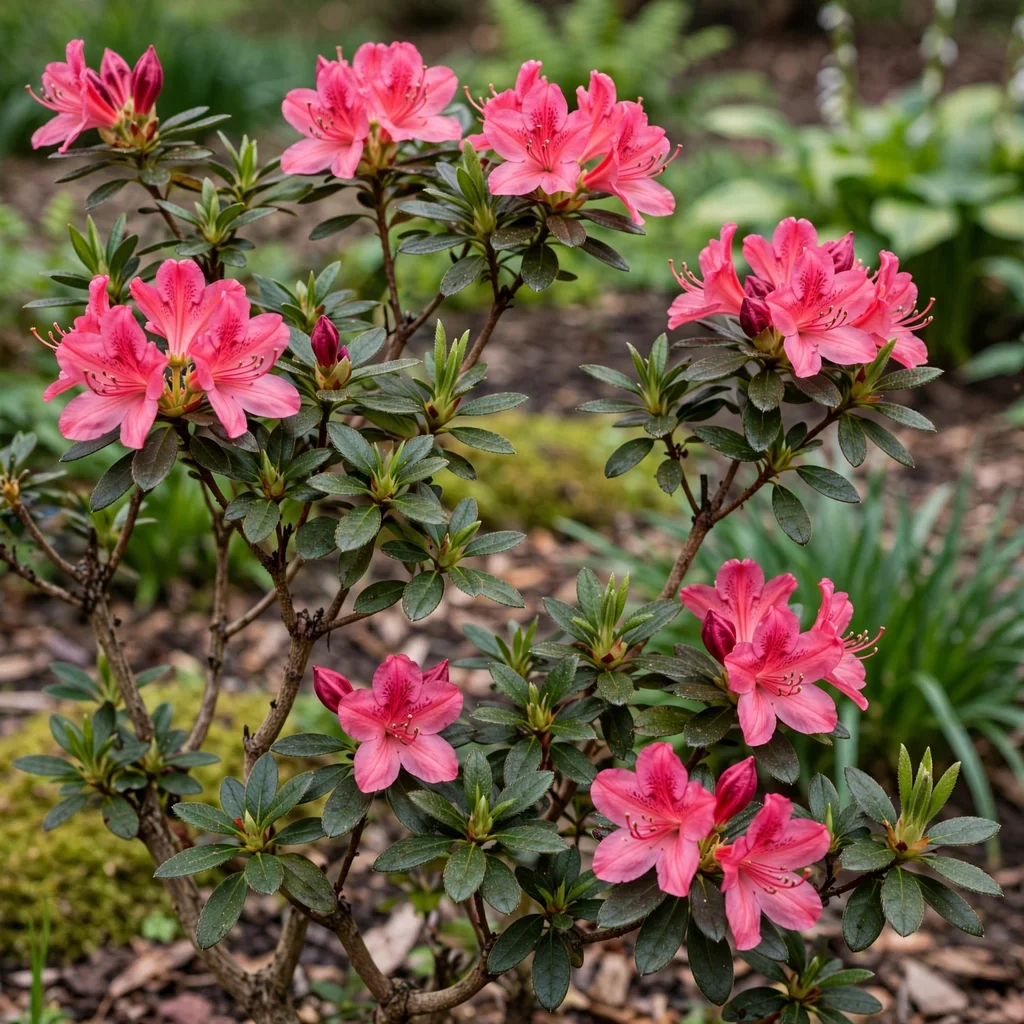
Bone Hardy Azalea
Rhododendron x hybrida 'Bone Hardy Azalea Sampler'
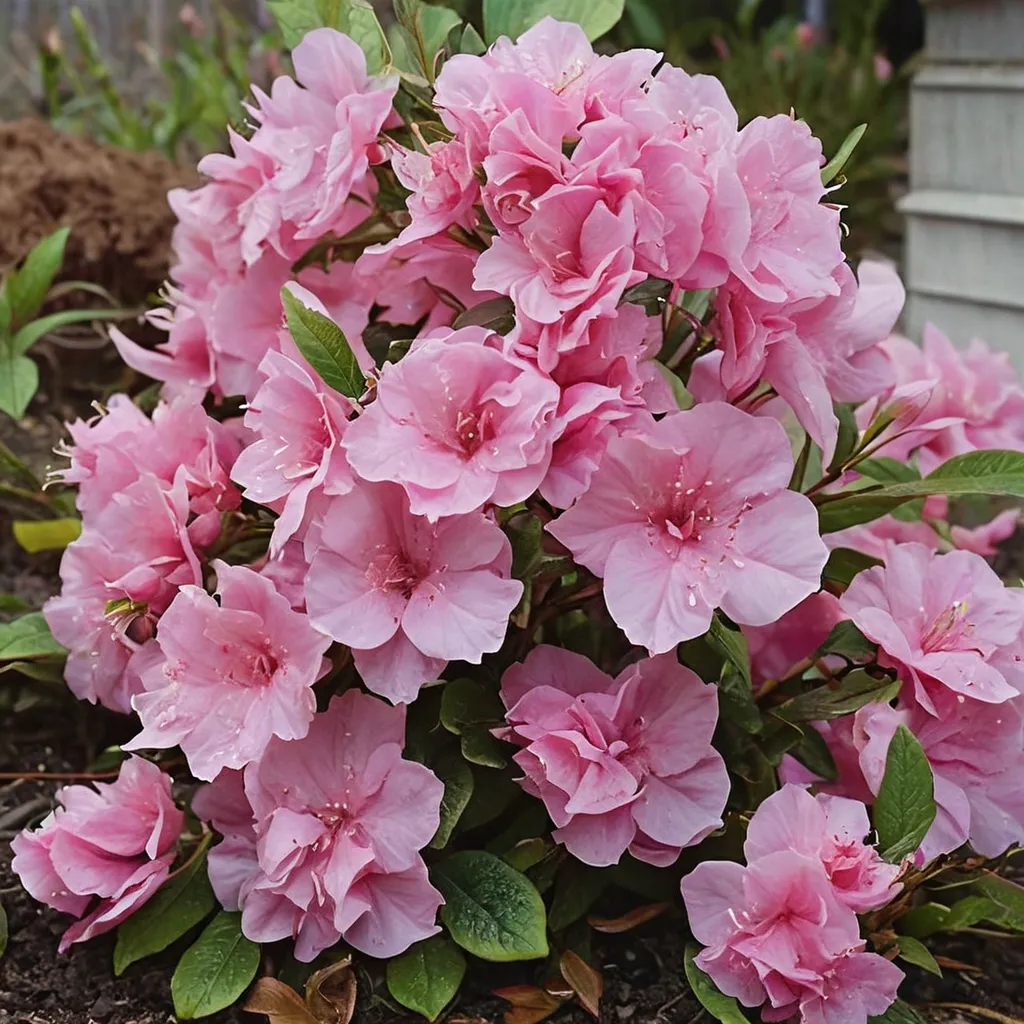
Rhododendron x hybrida Double Pink
Rhododendron x hybrida 'Double Pink'
Keep exploring
Explore the genus
Hardy in your zone?
Grow Western Azalea with confidence
See it in a design of your actual yard, get zone-matched care reminders, and track it season by season in your garden journal.