1 named cultivar

The Story
Plant Bio
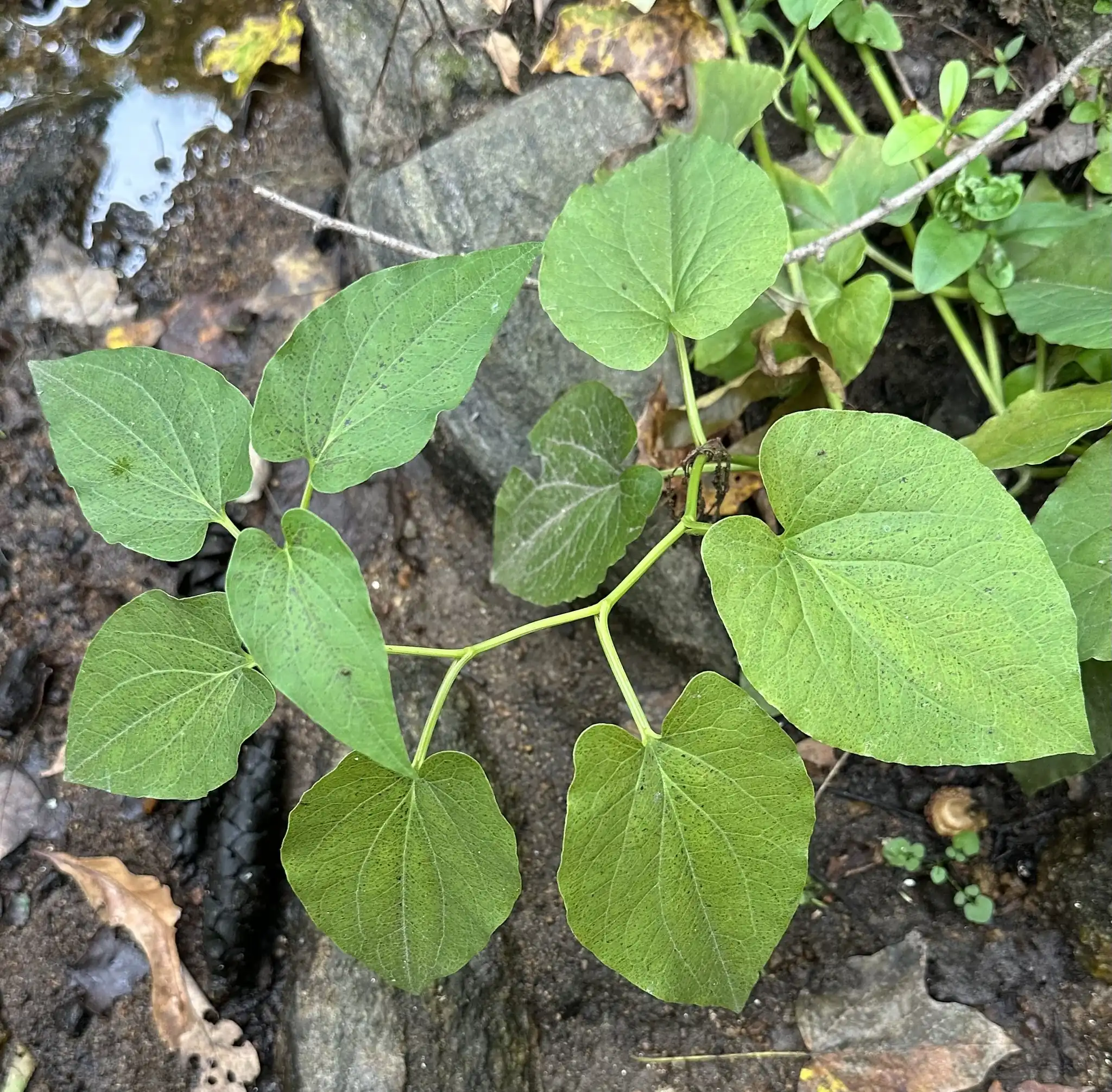
Saururus cernuus, lizard's tail, is a spreading aquatic perennial native to eastern North America, growing one to four feet tall in shallow water and saturated ground. Bright green heart-shaped leaves are carried on arching stems, and in early summer slender white flower spikes emerge opposite a leaf, nodding over at the tip. The flowers are fragrant, which is unusual among marginal aquatics.
The drooping, tapering flower spike is what gives it its name, and it is the easiest way to identify the plant at a glance. It colonises quickly by rhizome in mud or standing water, forming dense stands that shelter wood ducks and other wetland wildlife, so it wants a pond margin rather than a mixed border.
Uses & Benefits:
Essentials
At a Glance
Plant Type
Perennial
Height
30"
Width
18"
Light
Full Sun, Partial Sun, Shade
Zones
4, 5, 6, 7, 8, 9, 10
Water
High
Humidity
High
Lifespan
Perennial
Native To
Eastern North America
Toxicity
Non-toxic
Planting
How to Grow
- Plant in spring in mud or shallow standing water.
- Choose full sun to partial shade.
- Set crowns just below the water surface or in saturated soil.
- Keep permanently wet; it will not tolerate drying out.
- Contain it in a basket if you need to limit its spread.
- Cut spent stems back in late winter.
Pro Tip
Plant it in a submerged basket rather than open mud unless you want a colony — it runs fast once its roots are in warm wet ground.
Keep It Thriving
Care Guide
Do
- Keep it in saturated soil or shallow water 💧
- Use it to fill a pond margin quickly 🌱
- Contain the roots if space is limited 🪣
- Cut back old stems in late winter ✂️
Don't
- Let the soil dry out at any point ❌
- Plant it in a small pond unrestrained ❌
- Expect it to grow in an ordinary border ❌
Seasonal Care Calendar
| Task | Jan | Feb | Mar | Apr | May | Jun | Jul | Aug | Sep | Oct | Nov | Dec |
|---|---|---|---|---|---|---|---|---|---|---|---|---|
| Divide | ||||||||||||
| Prune |
Watch Out For
Pests & Diseases
Common Pests
Common Diseases
In the Garden
Landscape Uses & Companions
Landscape Uses
Multiply
Propagation Methods
Good to Know
Common Questions
Lizard's Tail questions
What zones can Lizard's Tail grow in?
Lizard's Tail is hardy in USDA Zones 4–10. Inside that range it survives winter in the ground; outside it, grow it as an annual or a container plant you protect.
Is Lizard's Tail deer resistant?
Yes — Lizard's Tail is rated deer-resistant. Deer typically pass it over, though extreme hunger can override any plant's defenses.
When does Lizard's Tail bloom?
Lizard's Tail typically blooms in early summer through late summer. Exact timing shifts a week or two with your zone — Sow's bloom calendar maps it to your garden.
Does Lizard's Tail need full sun?
Lizard's Tail does best in full sun to part shade. In hot climates, afternoon shade keeps blooms fresher longer.
Keep exploring
Explore the genus
Grow Lizard's Tail with confidence
See it in a design of your actual yard, get zone-matched care reminders, and track it season by season in your garden journal.