The Story
Plant Bio
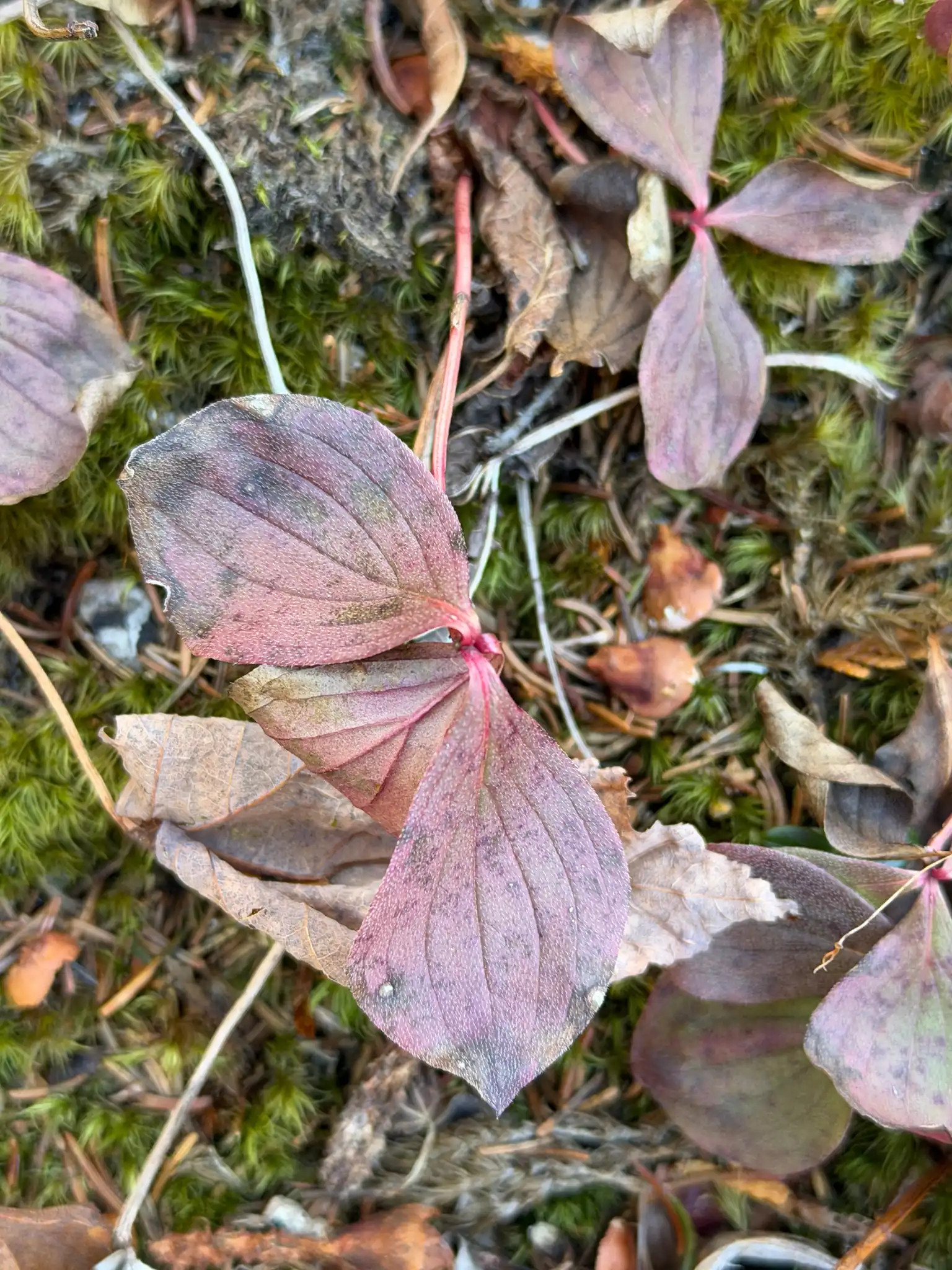
Cornus canadensis, commonly known as bunchberry, is a low-growing, deciduous perennial groundcover native to the cool woodland forests of North America. It spreads via underground creeping rhizomes to form dense mats of glossy green foliage that turns red to purple in the fall.
The true flowers are tiny and greenish-yellow, clustered in a central umbel that is surrounded by four large, showy, petal-like white bracts. These blooms are followed by clusters of bright red, edible berries that provide high nutritional value for native birds and small mammals.
Uses & Benefits:
Essentials
At a Glance
Plant Type
Groundcover
Height
9"
Width
24"
Light
Partial Sun, Shade
Zones
4, 5, 6
Water
Consistent moisture
Humidity
Moderate to high
Lifespan
Perennial
Native To
North America, Asia
Toxicity
Non-toxic
Bloom period
Late spring – Early summer
In flower about 2 months of the year
Planting
How to Grow
- Select a planting site with dappled to full shade and moist, highly acidic soil rich in organic matter.
- Amend the planting area with a thick layer of leaf mold or peat moss to replicate a forest floor environment.
- Plant rhizomes or plugs just below the soil surface, spacing them six to twelve inches apart to allow for natural spreading.
- Water thoroughly immediately after planting and maintain consistent moisture, never allowing the soil to dry out.
- Apply a two-inch layer of pine needles or shredded leaves annually to insulate the shallow root systems.
Pro Tip
Establish this species only in acidic, humus-rich soils under a canopy of deep shade; allowing the soil to dry out completely or exposing the rhizomes to hot afternoon sun will rapidly kill the colony.
Keep It Thriving
Care Guide
Do
- Mulch annually with acidic organic matter like leaf mold or pine needles to keep rhizomes cool.
- Maintain consistent soil moisture, especially during warm summer months.
- Provide deep or dappled shade to prevent foliage scorch.
Don't
- Do not plant in alkaline or neutral soils, which cause nutrient deficiencies.
- Do not prune back into old, leafless wood.
- Do not allow the soil to dry out completely, as this will kill the colony.
Seasonal Care Calendar
| Task | Jan | Feb | Mar | Apr | May | Jun | Jul | Aug | Sep | Oct | Nov | Dec |
|---|---|---|---|---|---|---|---|---|---|---|---|---|
| Divide | ||||||||||||
| Mulch | ||||||||||||
| Pest Check | ||||||||||||
| Spring Cleanup |
Watch Out For
Pests & Diseases
Common Pests
Common Diseases
In the Garden
Landscape Uses & Companions
Landscape Uses
Companion Plants
Multiply
Propagation Methods
Good to Know
Common Questions
Bunchberry questions
What zones can Bunchberry grow in?
Bunchberry is hardy in USDA Zones 4–6. Inside that range it survives winter in the ground; outside it, grow it as an annual or a container plant you protect.
When does Bunchberry bloom?
Bunchberry typically blooms in late spring through early summer. Exact timing shifts a week or two with your zone — Sow's bloom calendar maps it to your garden.
Does Bunchberry need full sun?
Bunchberry does best in part shade.
More Cornus to compare
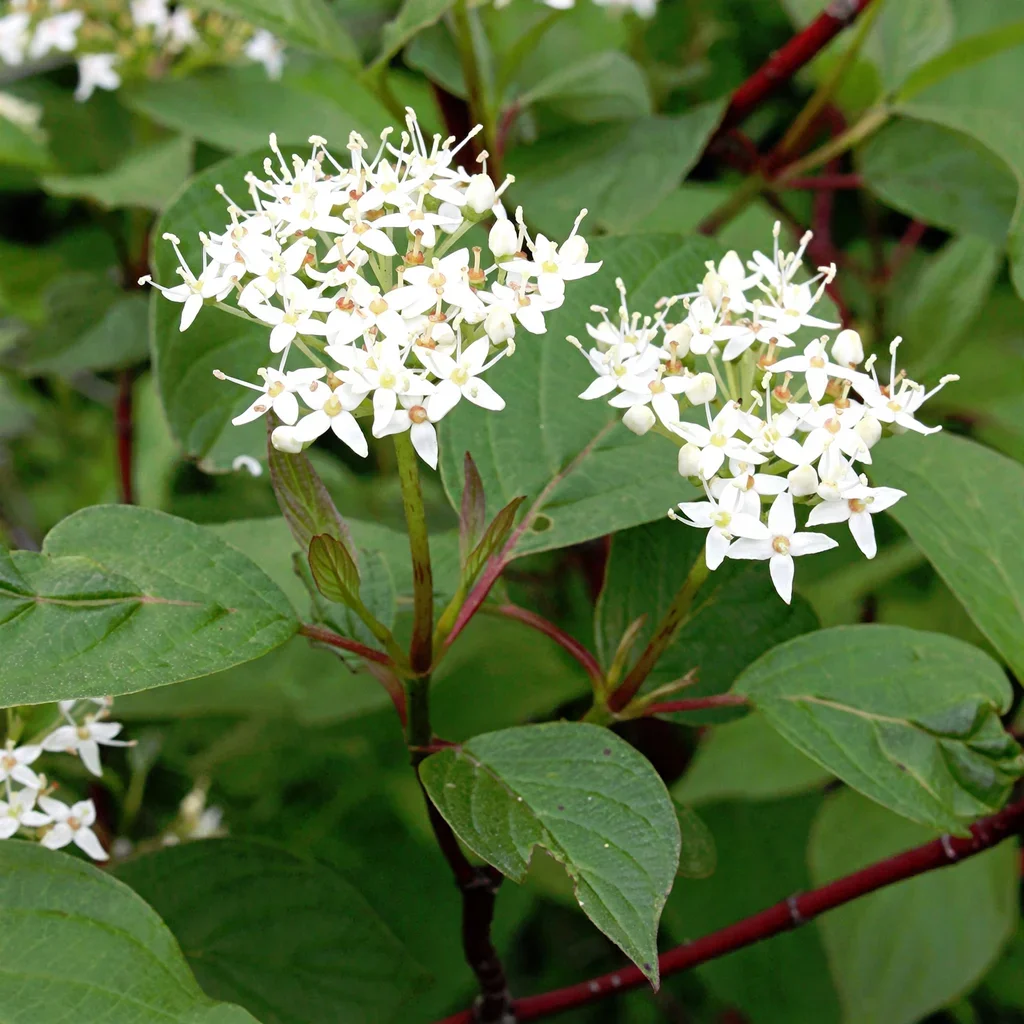
Red Twig Dogwood
Cornus sericea 'Red Twig'
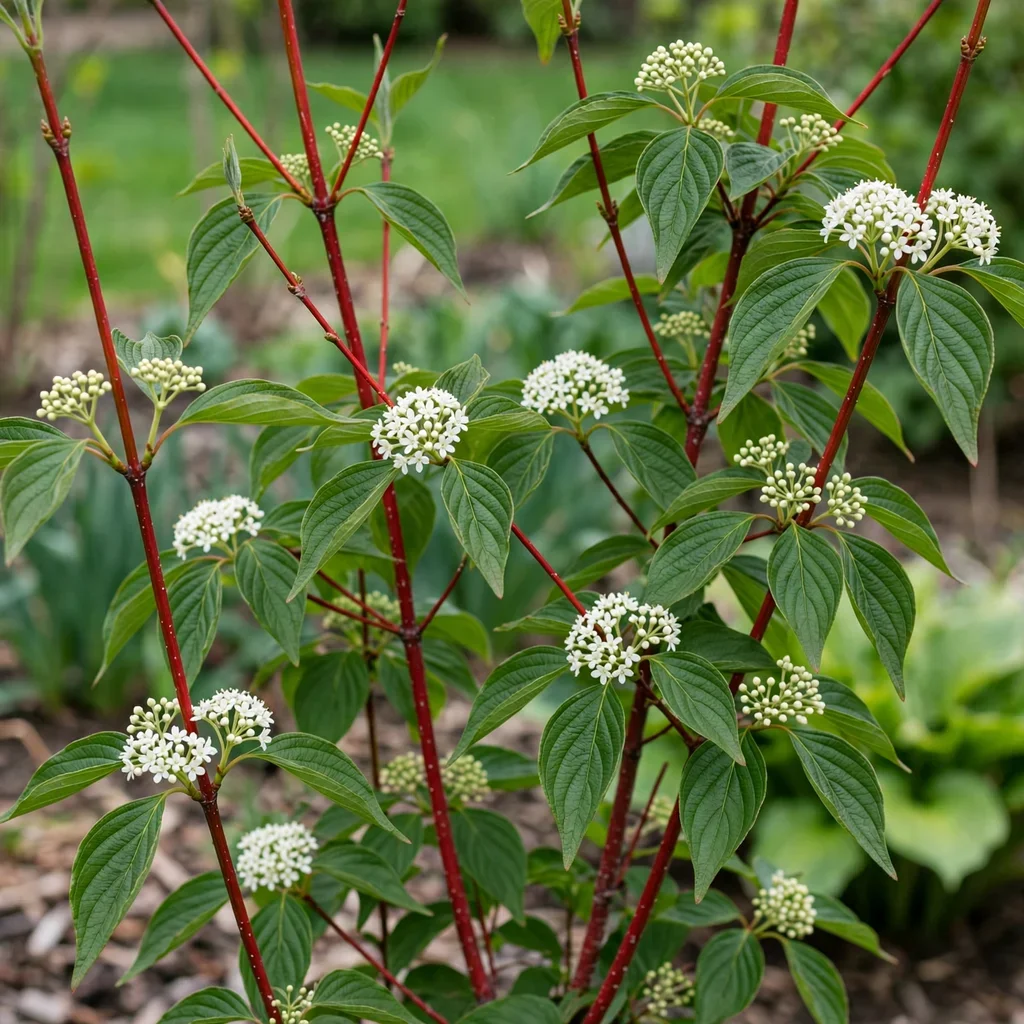
Arctic Fire Red Osier Dogwood
Cornus sericea 'Arctic Fire'
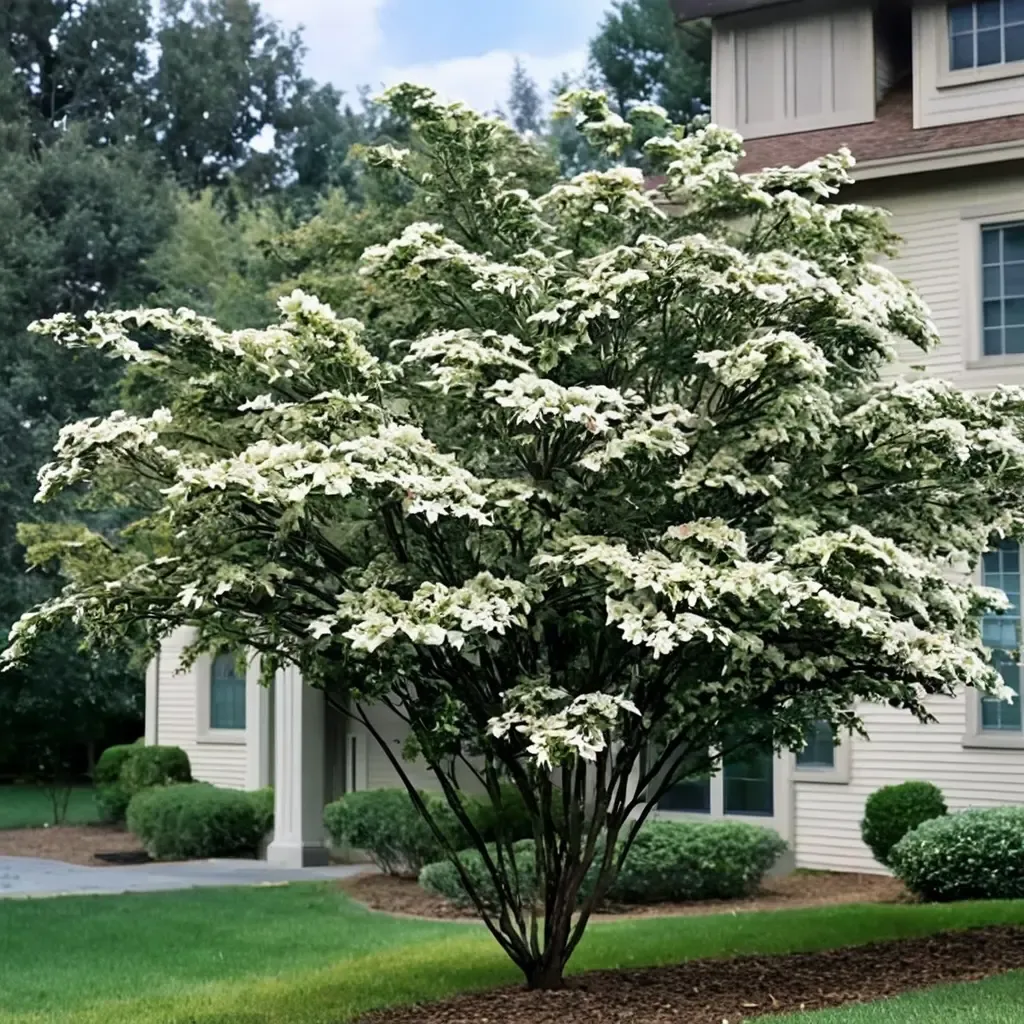
Kousa Dogwood
Cornus kousa
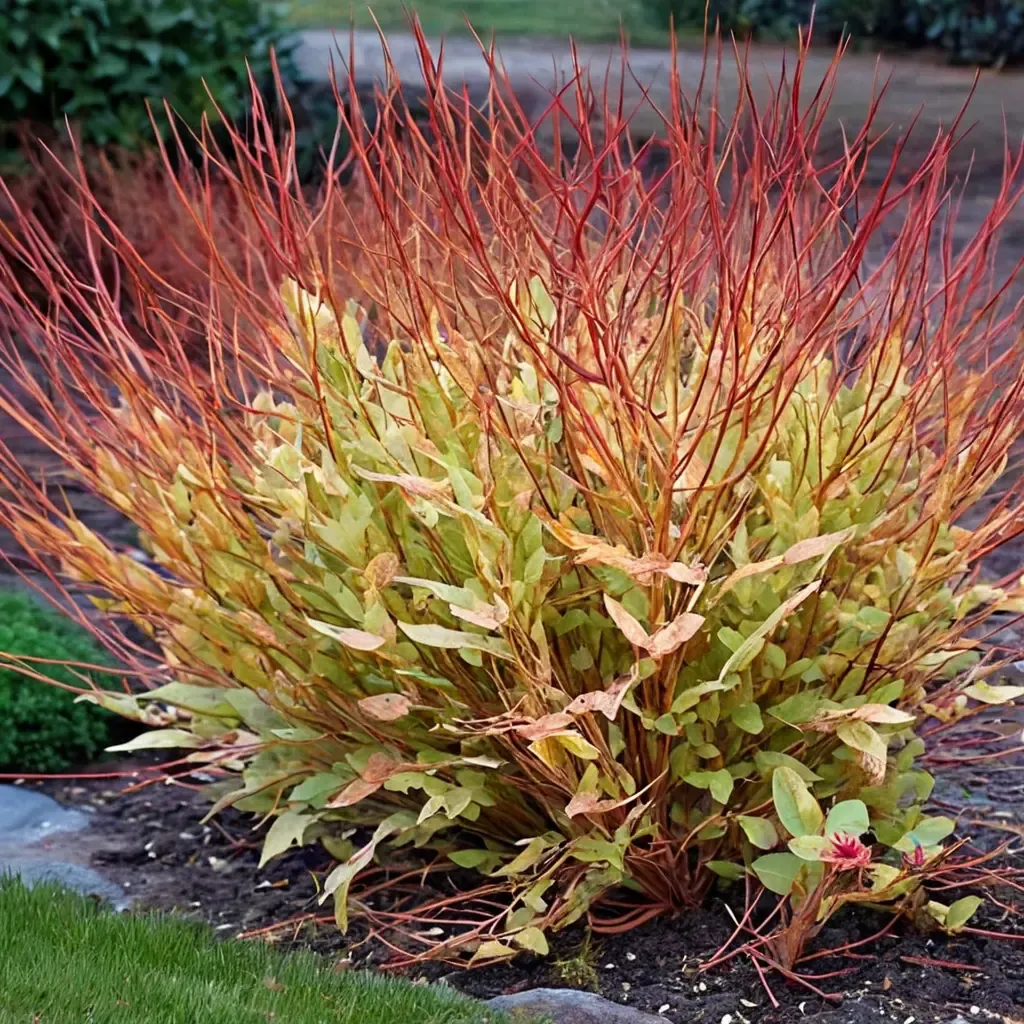
Midwinter Fire Dogwood
Cornus sanguinea 'Midwinter Fire'
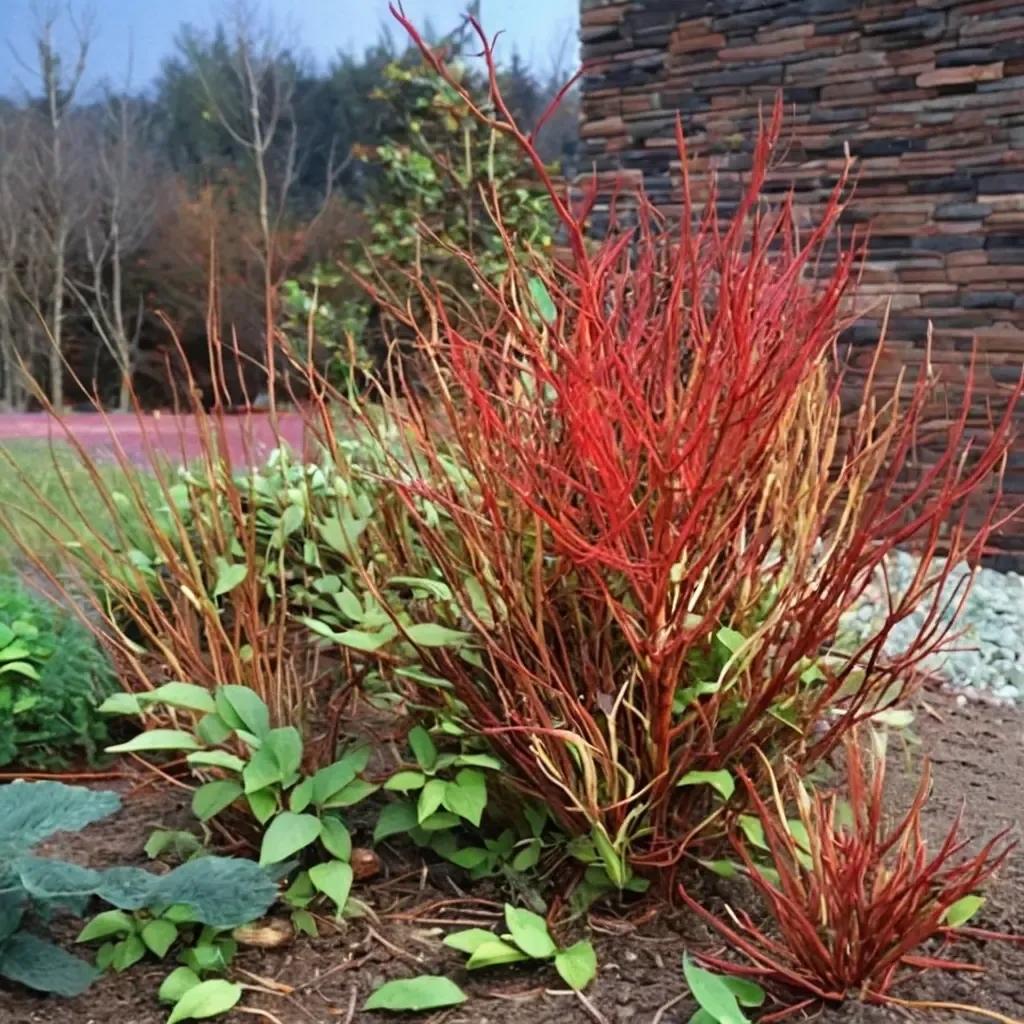
Cardinal Red Osier Dogwood
Cornus sericea 'Cardinal'
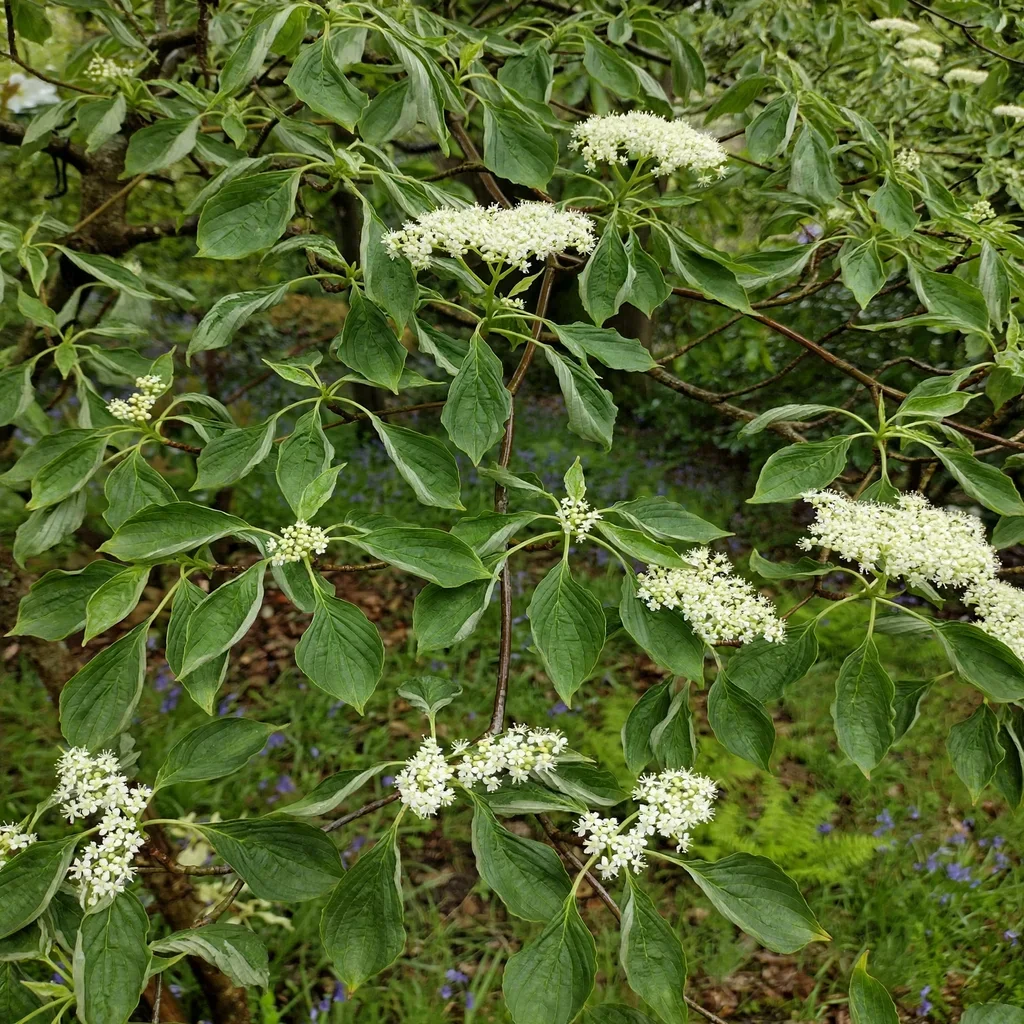
Giant Dogwood
Cornus controversa
Keep exploring
Explore the genus
Hardy in your zone?
Grow Bunchberry with confidence
See it in a design of your actual yard, get zone-matched care reminders, and track it season by season in your garden journal.