
Species
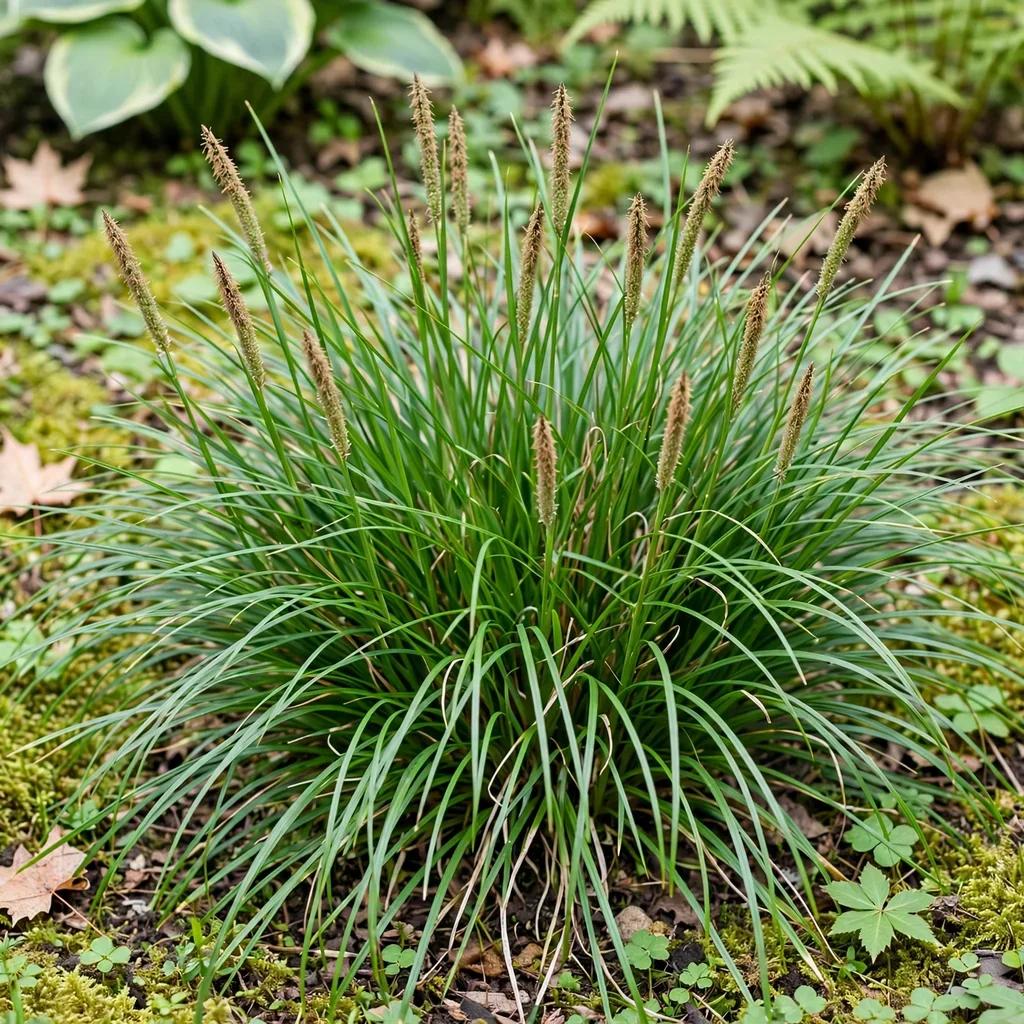 Carex siderostictaSiderosticta sedge
6 other cultivars
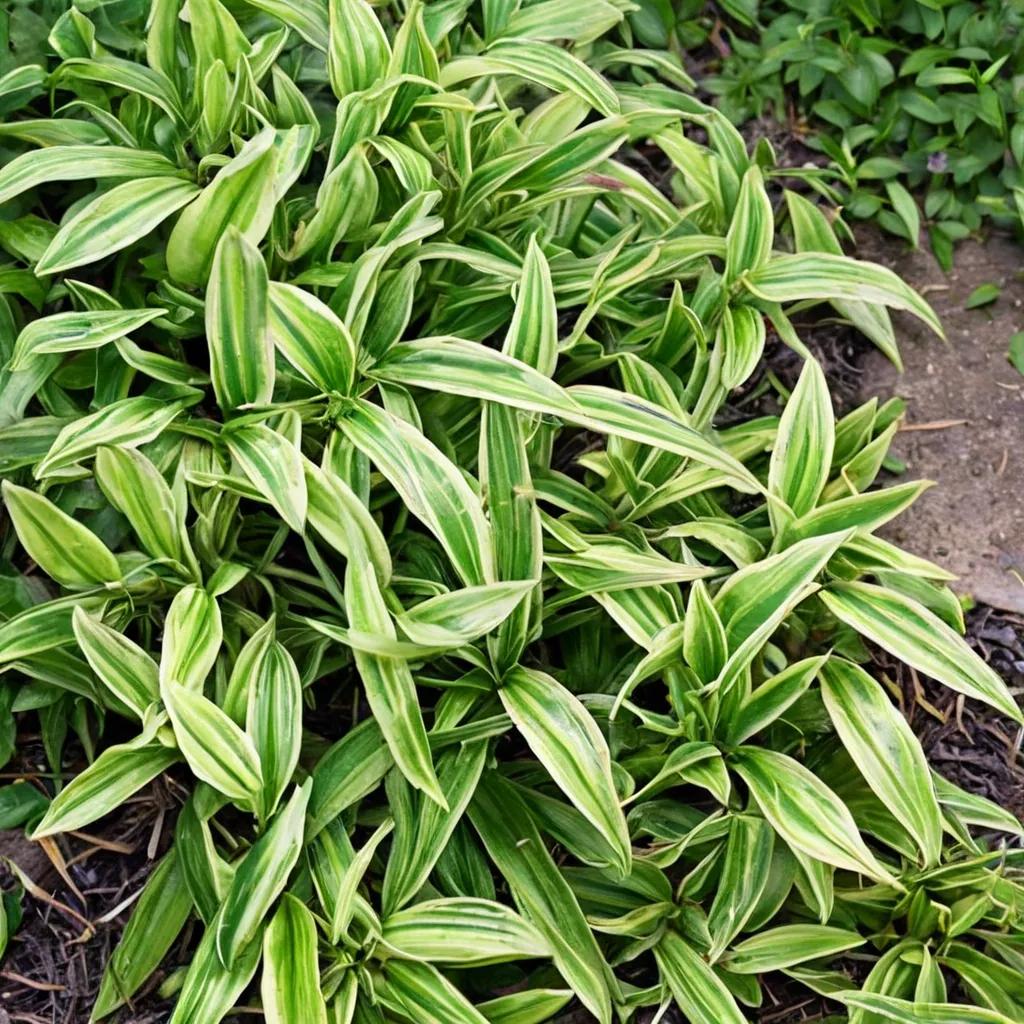
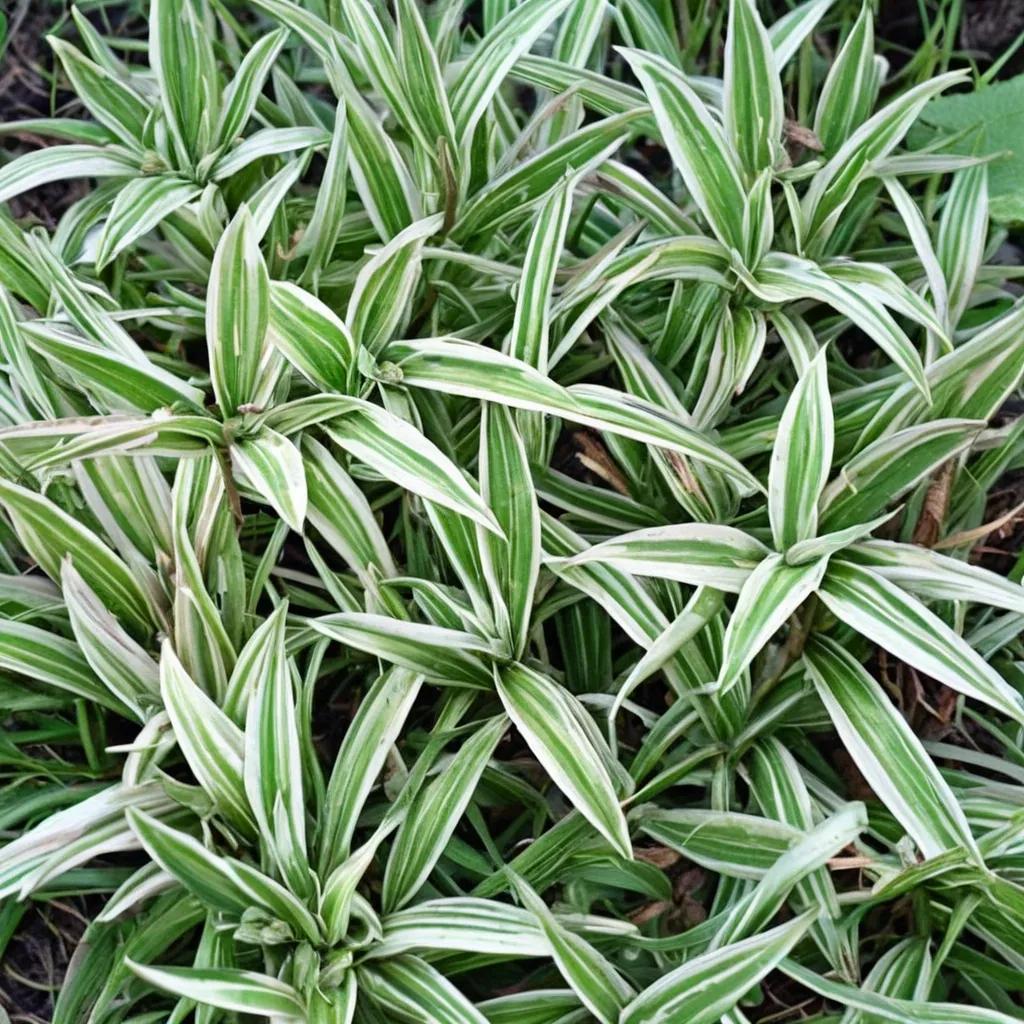
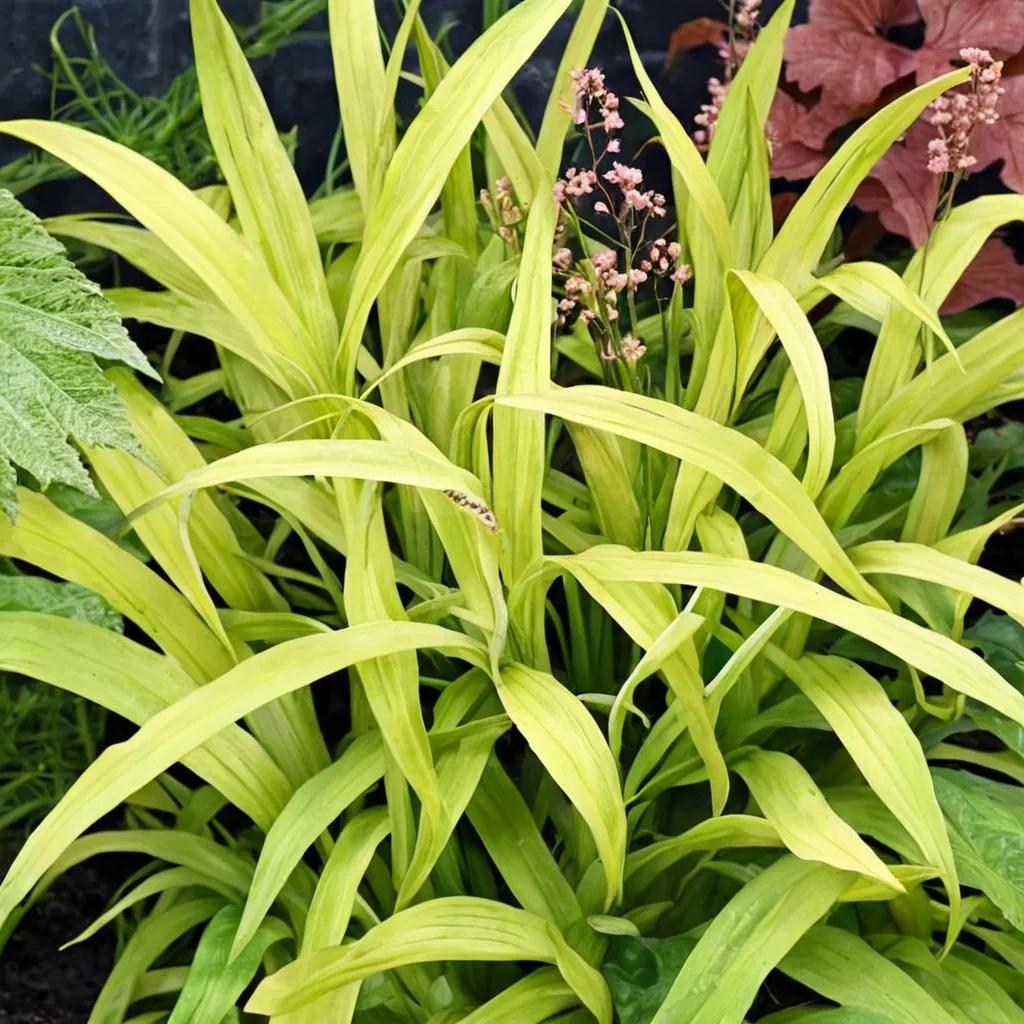
The Story
Plant Bio
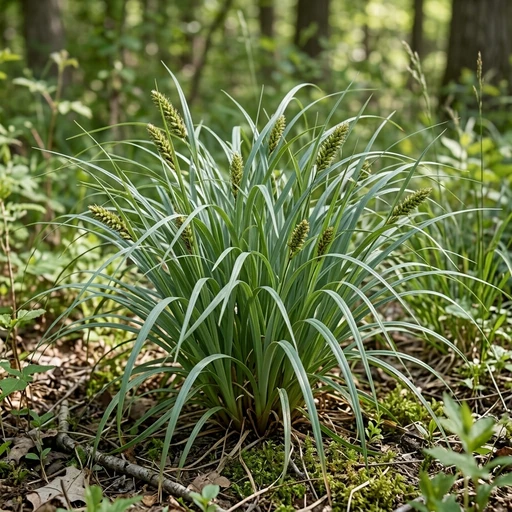
Carex siderosticta is a deciduous, rhizomatous perennial sedge native to woodland mountain areas of East Asia. The species spreads slowly via underground rhizomes to form a dense, creeping groundcover of broad, arching, hosta-like foliage.
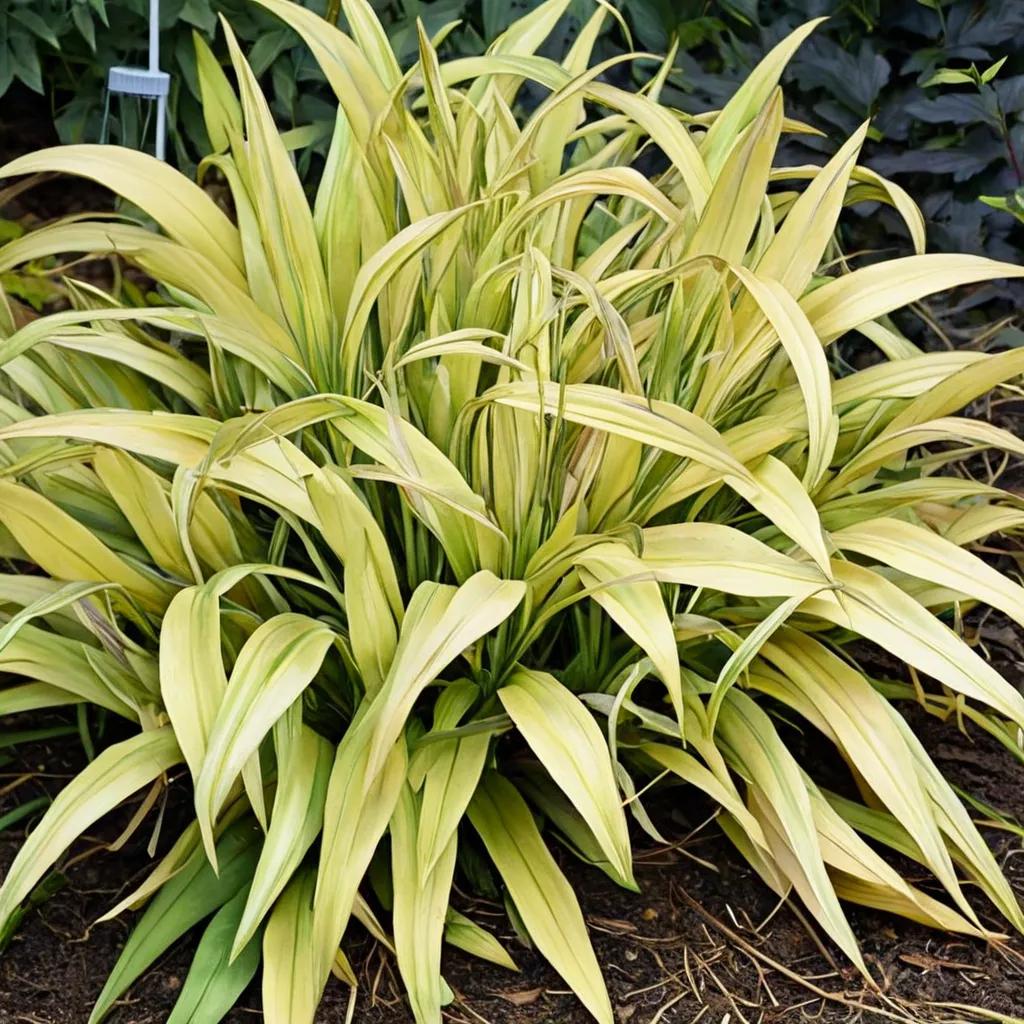
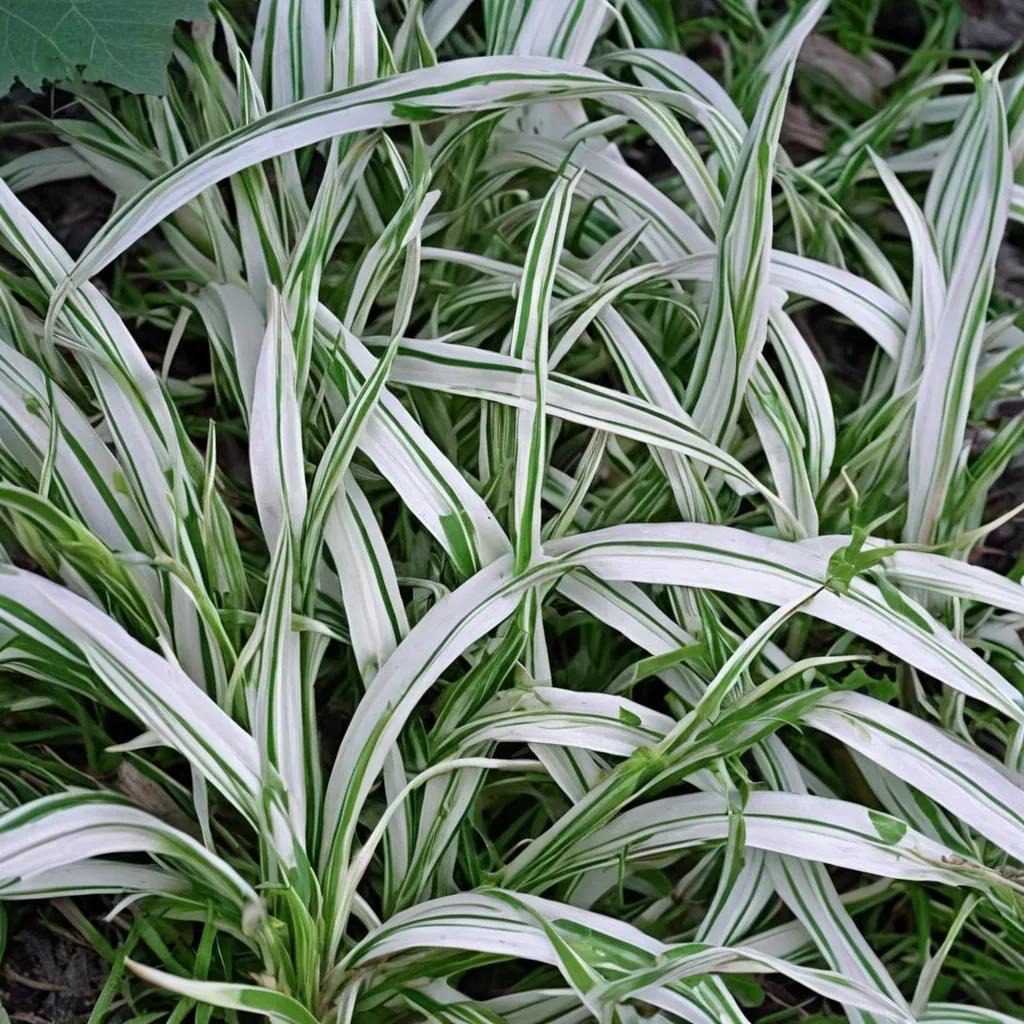
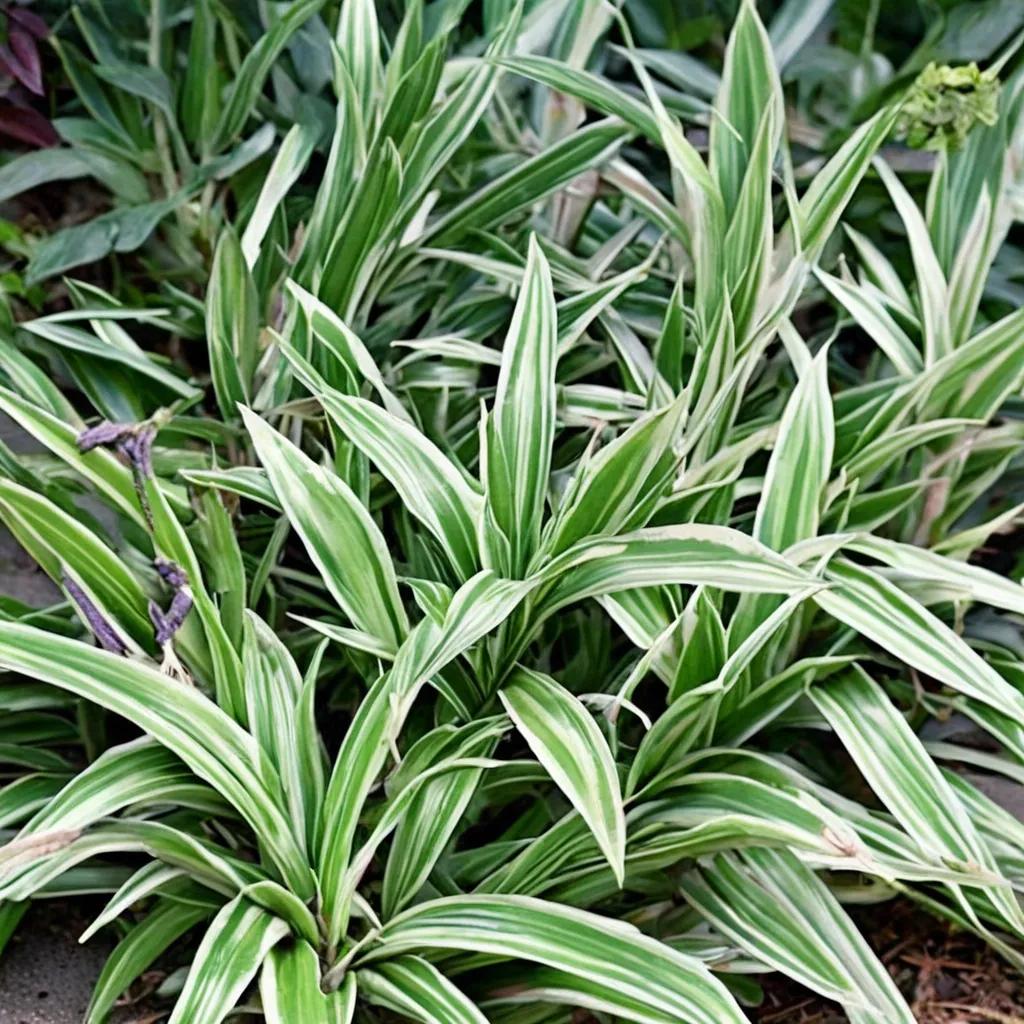
'Snow Cap' features broad, strap-like leaves that emerge nearly entirely snow-white or cream with a very narrow, dark green margin. In cold northern spring climates, the emerging foliage occasionally displays soft pink tones before maturing.
Uses & Benefits:
Essentials
At a Glance
Plant Type
Grass
Height
8"
Width
15"
Light
Partial Sun, Shade
Zones
5, 6, 7, 8, 9
Water
Medium to wet
Humidity
High
Lifespan
Perennial
Native To
East Asia
Toxicity
Non-toxic
Bloom period
Late spring – Early summer
In flower about 2 months of the year
Planting
How to Grow
- Select a planting site in partial to full shade with moist, humus-rich, acidic to neutral soil.
- Dig a hole twice the width of the root ball and set the plant so the crown sits level with the surrounding soil.
- Water thoroughly after planting and apply a layer of organic mulch to retain soil moisture.
- Maintain consistent moisture, especially during dry summer periods, until the root system is fully established.
Pro Tip
Shear the entire clump to the ground in late winter or early spring before new shoots emerge to ensure clean, bright foliage for the coming season.
Keep It Thriving
Care Guide
Do
- Keep the soil consistently moist, especially during hot, dry summer spells.
- Apply a light layer of organic mulch annually to help retain moisture and mimic a woodland floor.
- Cut back dead foliage completely to the ground in late winter before new growth starts.
Don't
- Do not plant in full, hot afternoon sun, which will scorch the white variegated foliage.
- Do not allow the soil to dry out completely, as this cultivar has low drought tolerance.
- Avoid over-fertilizing, as excessive nutrients can degrade the variegation and weaken the growth habit.
Seasonal Care Calendar
| Task | Jan | Feb | Mar | Apr | May | Jun | Jul | Aug | Sep | Oct | Nov | Dec |
|---|---|---|---|---|---|---|---|---|---|---|---|---|
| Divide | ||||||||||||
| Fertilize | ||||||||||||
| Pest Check | ||||||||||||
| Prune | ||||||||||||
| Winter Prep |
Watch Out For
Pests & Diseases
Common Pests
Common Diseases
In the Garden
Landscape Uses & Companions
Landscape Uses
Companion Plants
Multiply
Propagation Methods
Good to Know
Common Questions
Snow Cap Sedge questions
What zones can Snow Cap Sedge grow in?
Snow Cap Sedge is hardy in USDA Zones 5–9. Inside that range it survives winter in the ground; outside it, grow it as an annual or a container plant you protect.
Is Snow Cap Sedge deer resistant?
Yes — Snow Cap Sedge is rated deer-resistant. Deer typically pass it over, though extreme hunger can override any plant's defenses.
When does Snow Cap Sedge bloom?
Snow Cap Sedge typically blooms in late spring through early summer. Exact timing shifts a week or two with your zone — Sow's bloom calendar maps it to your garden.
Does Snow Cap Sedge need full sun?
Snow Cap Sedge does best in part shade.
More Carex to compare
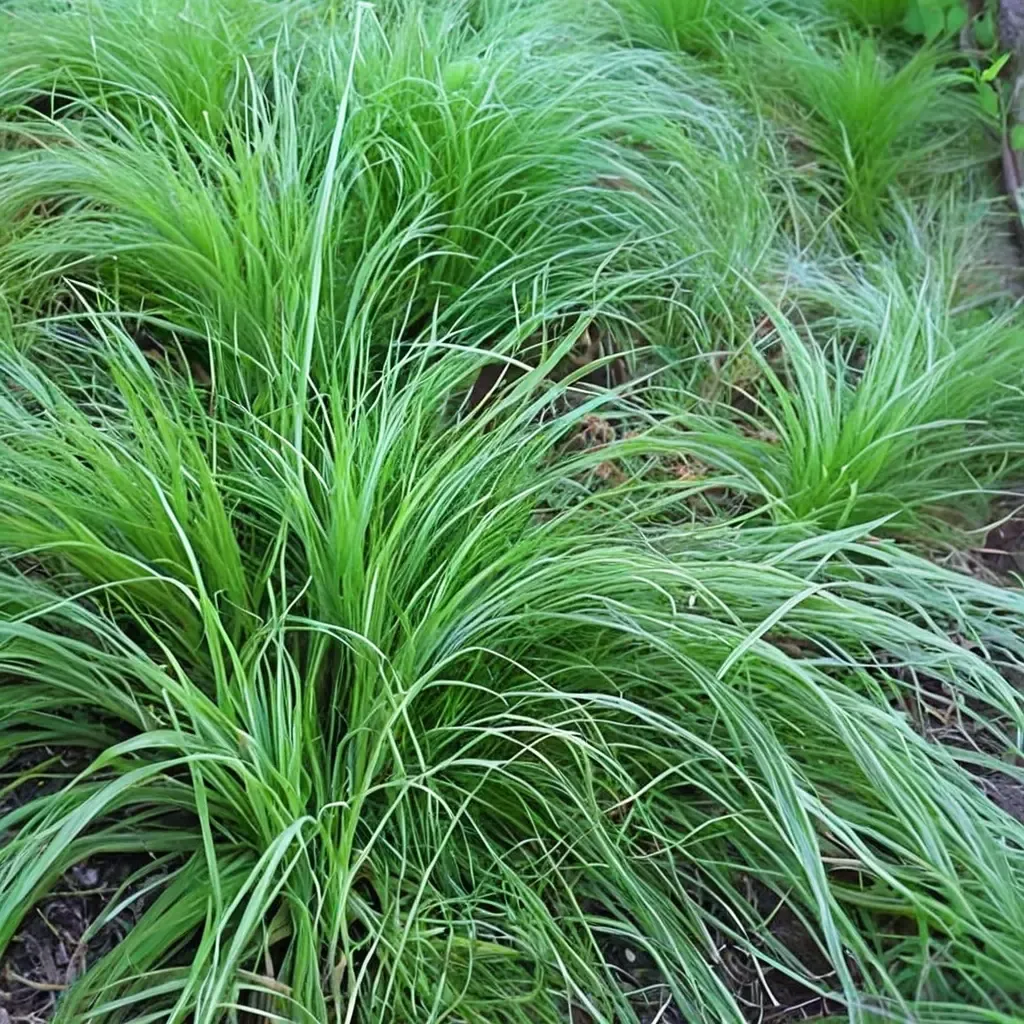
Pennsylvania Sedge
Carex pensylvanica
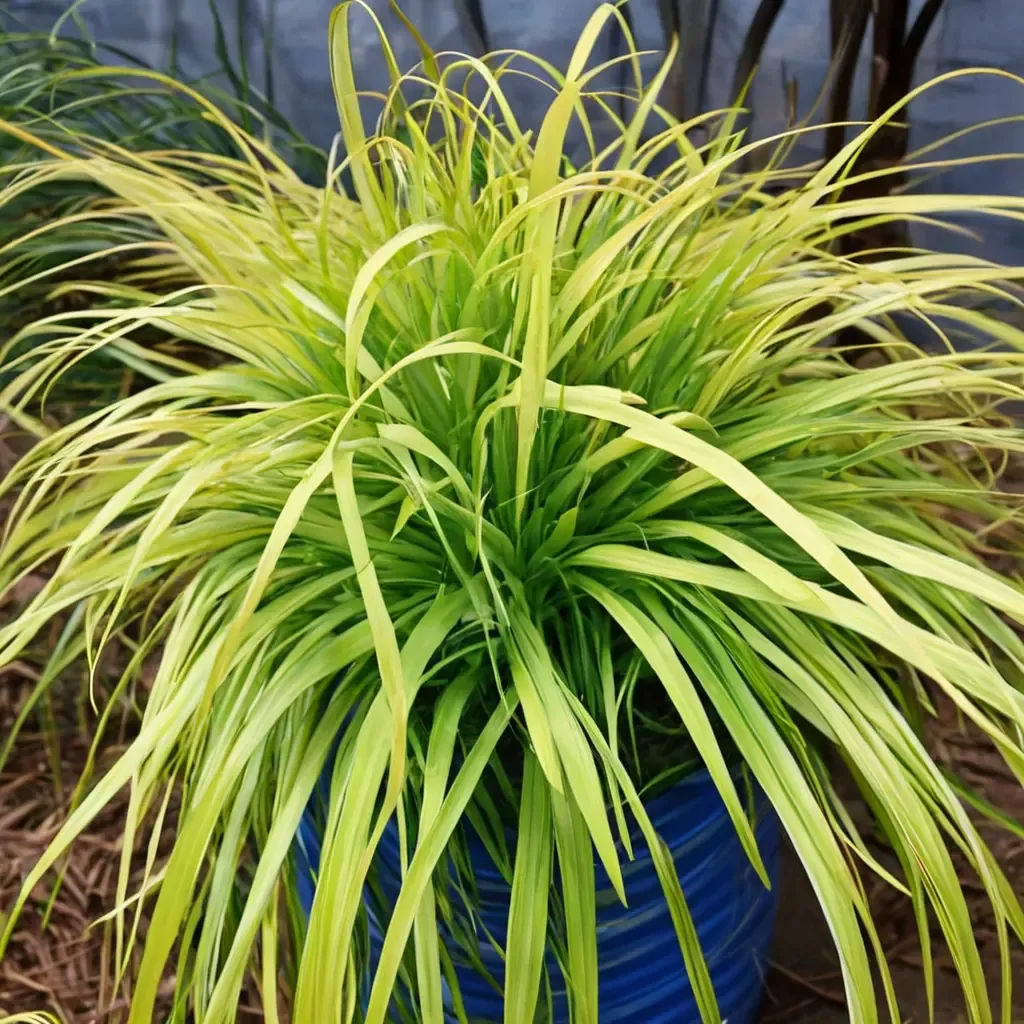
Everillo Sedge
Carex oshimensis 'Everillo'
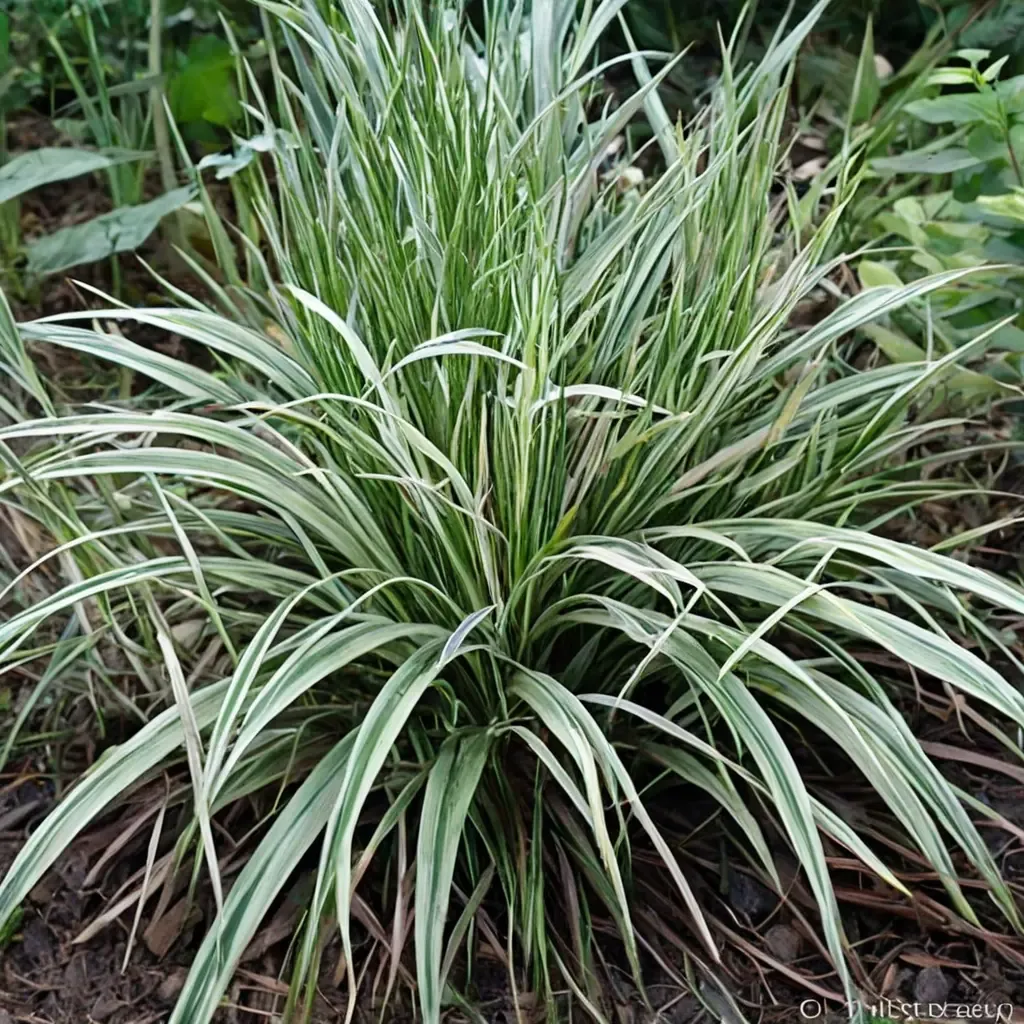
Japanese Sedge
Carex morrowii
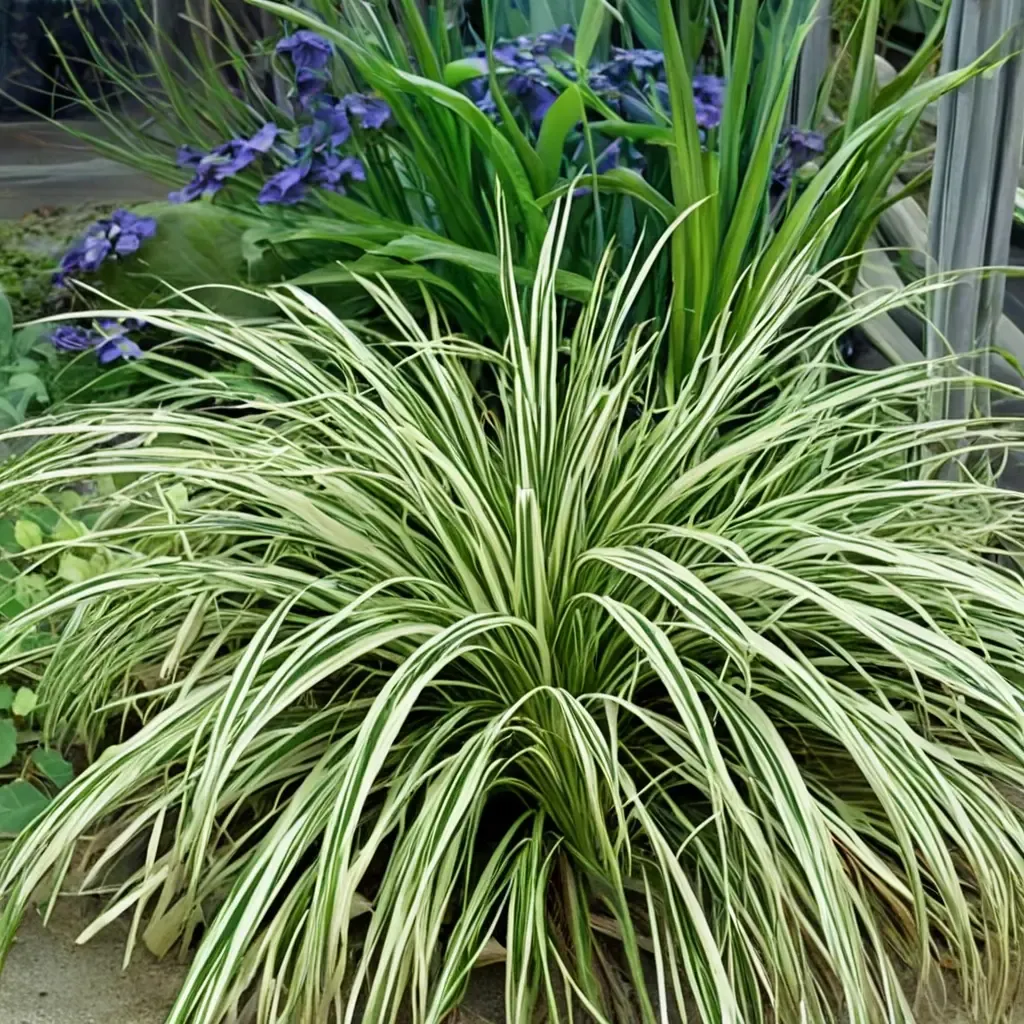
Evergold Japanese Sedge
Carex oshimensis 'Evergold'
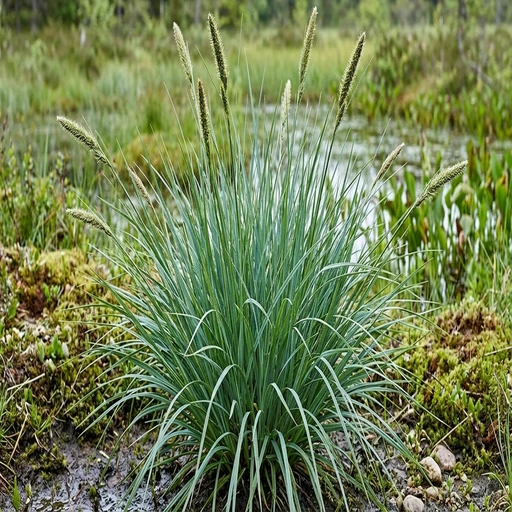
Comosa Sedge
Carex comosa
Shortbeak Sedge
Carex brevior
Keep exploring
Explore the genus
Hardy in your zone?
Grow Snow Cap Sedge with confidence
See it in a design of your actual yard, get zone-matched care reminders, and track it season by season in your garden journal.