The Story
Plant Bio
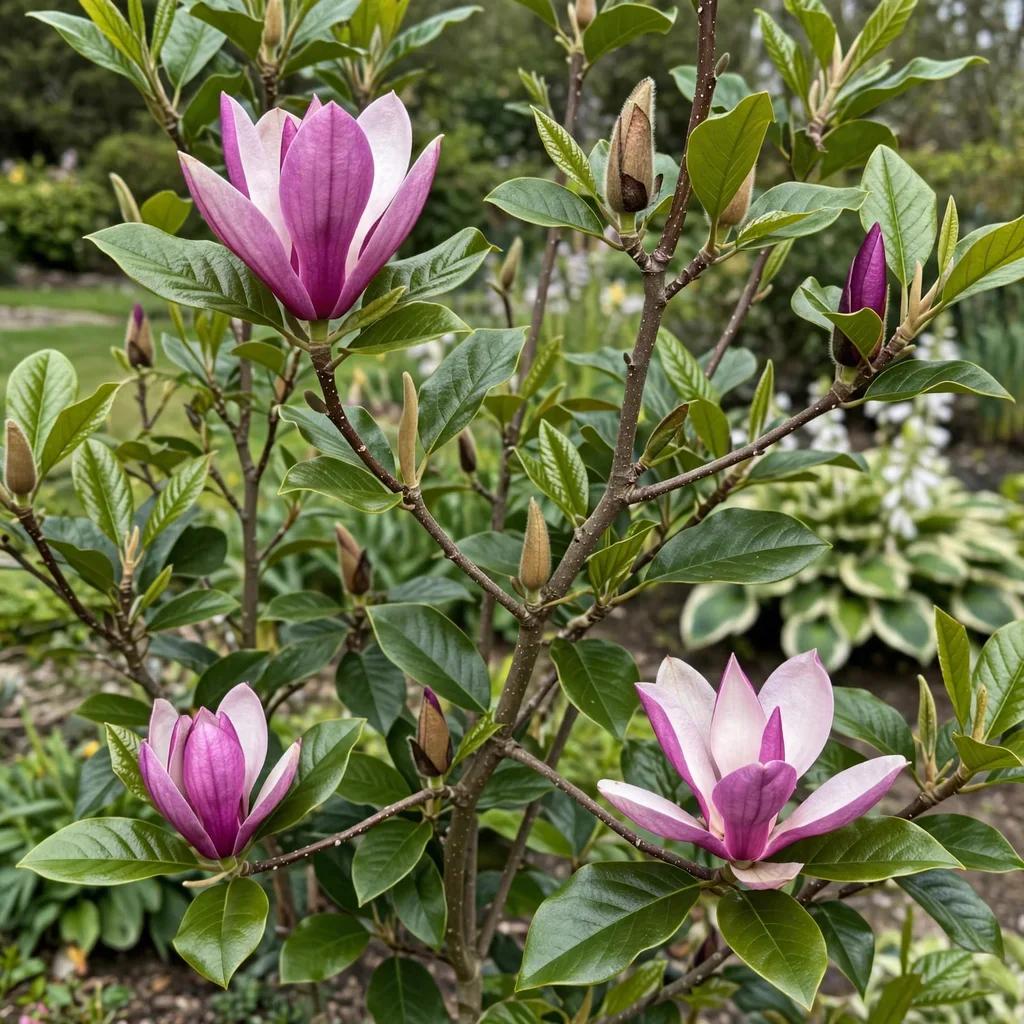
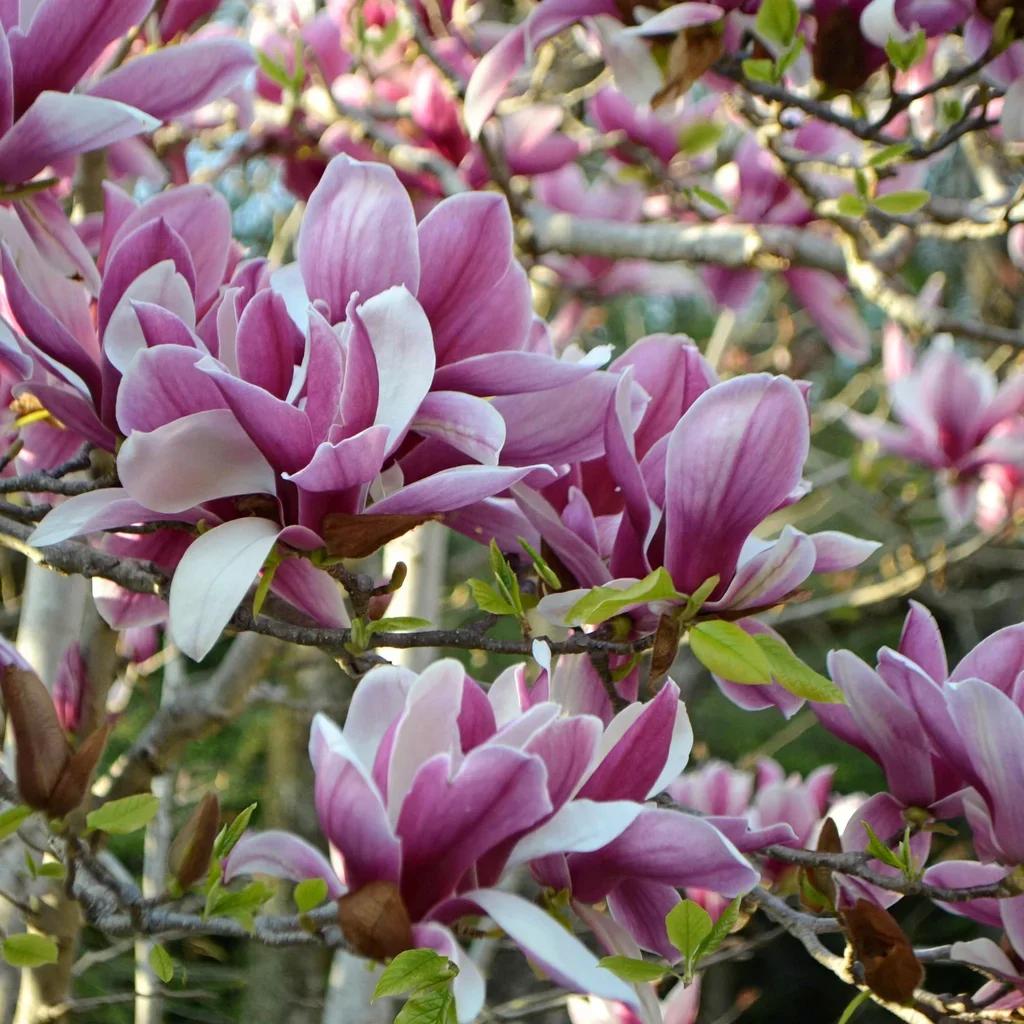
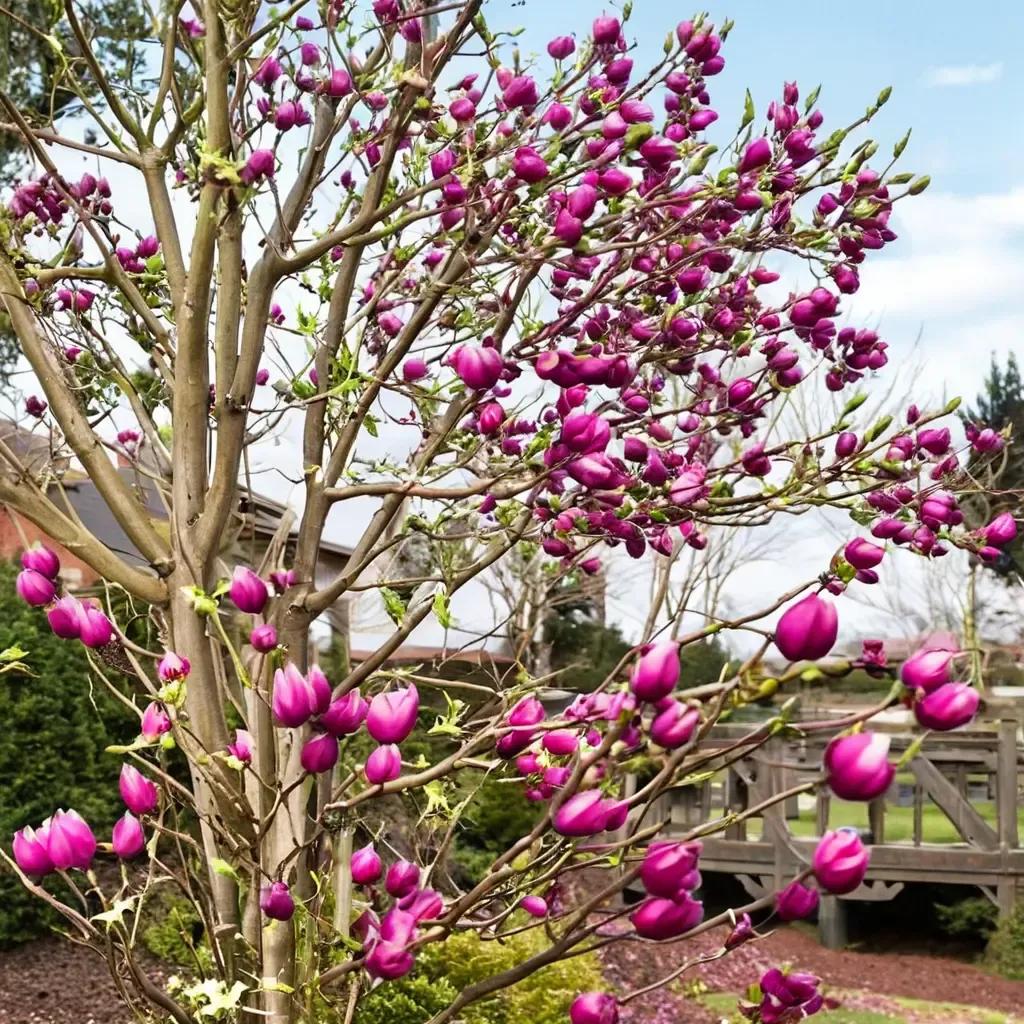
Magnolia x soulangeana, the saucer magnolia, is a broad multi-trunked deciduous tree raised in France in the 1820s, reaching fifteen to thirty-three feet with an equally wide rounded crown. Smooth grey bark carries large furry flower buds through winter, and cup-shaped flowers over six inches across, white inside and stained purple-pink outside, open before the leaves.
The flowers are large, waxy and among the first out, which makes them very vulnerable — one late frost turns a whole tree brown for the year. Site it away from early morning sun so frosted buds thaw slowly, and choose a later-flowering cultivar if your springs are unreliable. Note that it hosts saddleback caterpillars, whose spines sting sharply on contact.
Uses & Benefits:
Essentials
At a Glance
Plant Type
Shrub
Height
240"
Width
180"
Light
Full Sun, Partial Sun
Zones
5, 6, 7, 8, 9
Water
Moderate
Humidity
Moderate
Lifespan
Perennial
Native To
Garden hybrid raised in France
Toxicity
Non-toxic
Marketplace
Where to Buy
Shipping costs Year-round shipping Free shipping
Planting
How to Grow
- Allow twenty-five feet of width before planting.
- Choose a sheltered spot away from early morning sun.
- Plant in moist, humus-rich, slightly acid soil.
- Water deeply through the first several summers.
- Mulch the shallow roots, keeping it off the trunk.
- Prune only dead wood, straight after flowering.
Pro Tip
Magnolias heal poorly from big cuts, so shape decisions belong at planting — choose the right size cultivar rather than pruning later.
Keep It Thriving
Care Guide
Do
- Give it twenty-five feet of width 📏
- Shelter it from early morning sun 🌤️
- Mulch over the shallow roots 🍂
- Wear gloves when handling foliage 🧤
Don't
- Plant it close to a house or drive ❌
- Prune it hard to control size ❌
- Handle stinging caterpillars bare-handed ❌
Seasonal Care Calendar
| Task | Jan | Feb | Mar | Apr | May | Jun | Jul | Aug | Sep | Oct | Nov | Dec |
|---|---|---|---|---|---|---|---|---|---|---|---|---|
| Mulch | ||||||||||||
| Prune |
Watch Out For
Pests & Diseases
Common Pests
Common Diseases
In the Garden
Landscape Uses & Companions
Landscape Uses
Companion Plants
Multiply
Propagation Methods
Good to Know
Common Questions
Saucer Magnolia questions
What zones can Saucer Magnolia grow in?
Saucer Magnolia is hardy in USDA Zones 5–9. Inside that range it survives winter in the ground; outside it, grow it as an annual or a container plant you protect.
Is Saucer Magnolia deer resistant?
Yes — Saucer Magnolia is rated deer-resistant. Deer typically pass it over, though extreme hunger can override any plant's defenses.
When does Saucer Magnolia bloom?
Saucer Magnolia typically blooms in early spring through mid-spring. Exact timing shifts a week or two with your zone — Sow's bloom calendar maps it to your garden.
Does Saucer Magnolia need full sun?
Saucer Magnolia does best in full sun to part shade. In hot climates, afternoon shade keeps blooms fresher longer.
More Magnolia to compare
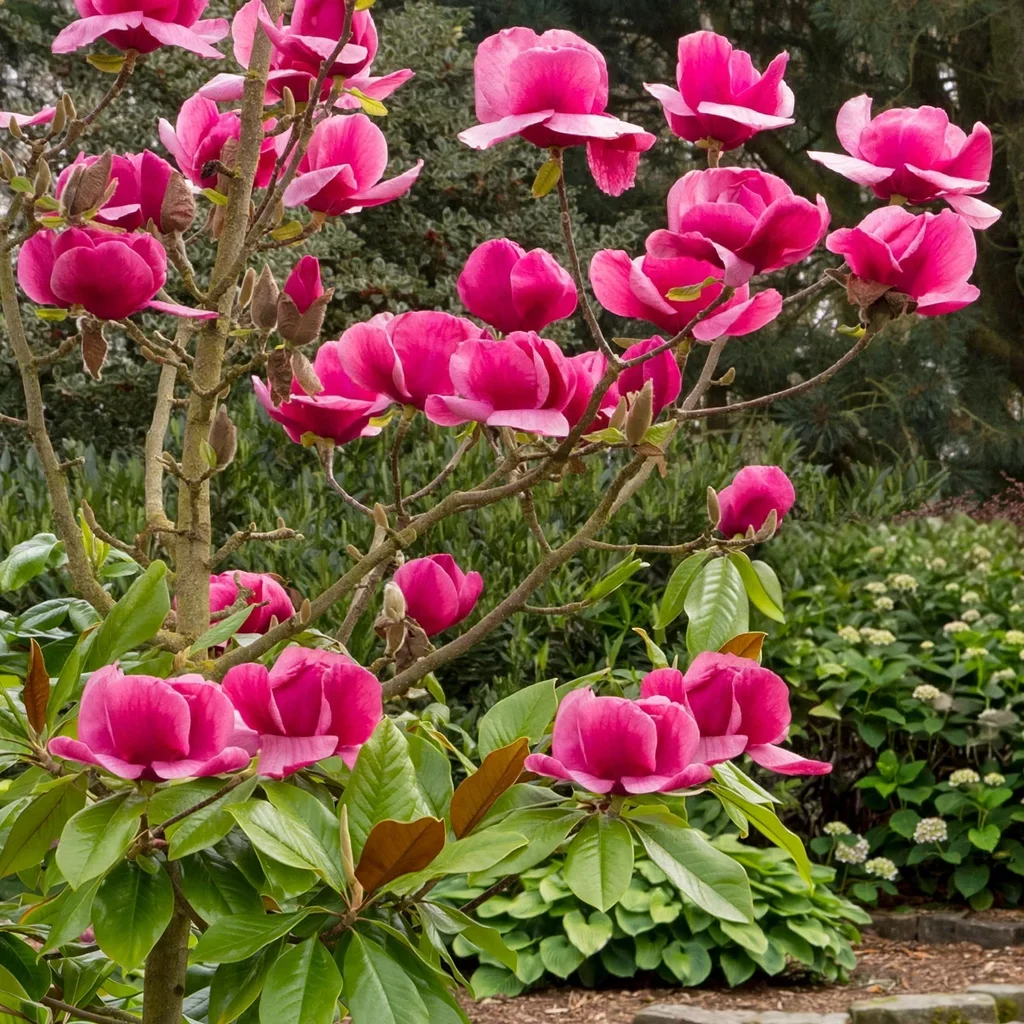
Felix Magnolia
Magnolia grandiflora 'Felix'
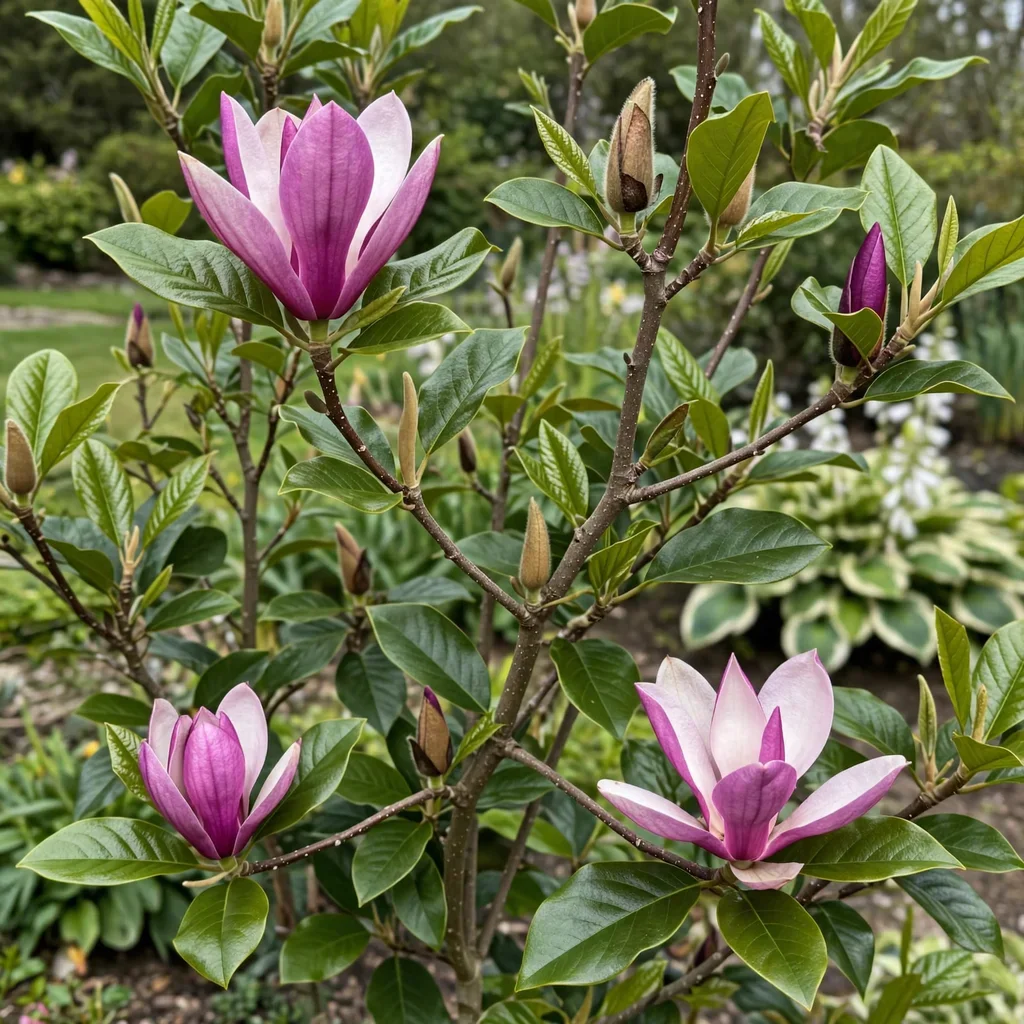
Saucer Magnolia Ann
Magnolia x soulangeana 'Ann'
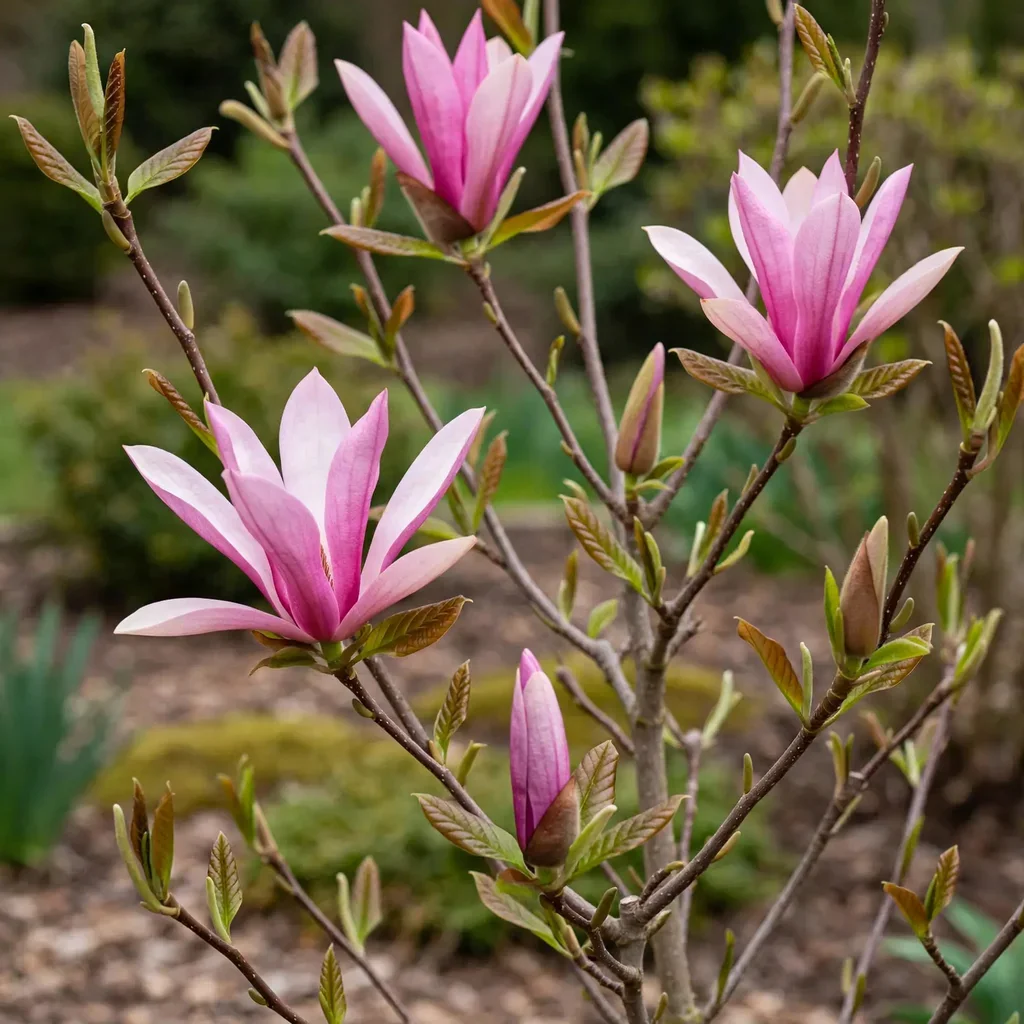
Daybreak Loebner Magnolia
Magnolia stellata 'Daybreak'
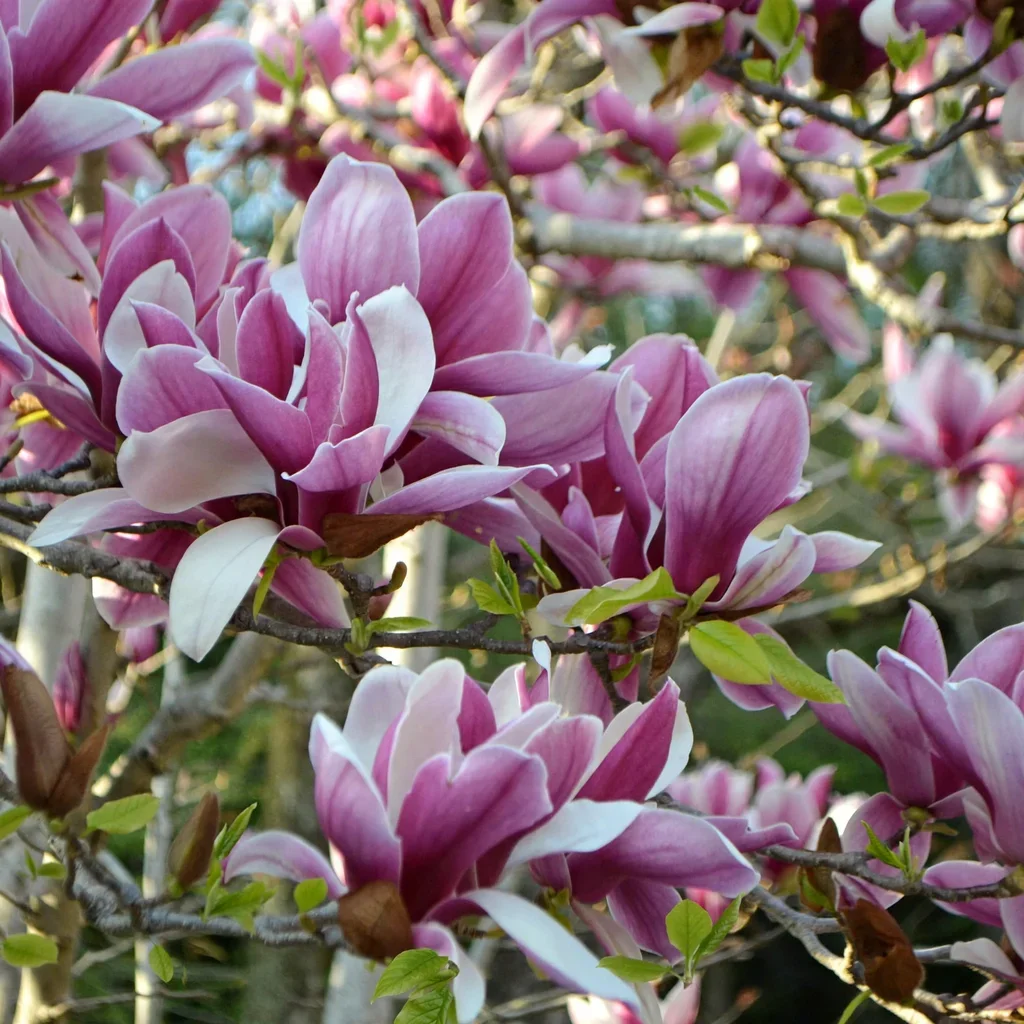
Coppertallica Saucer Magnolia
Magnolia x soulangeana 'Coppertallica'
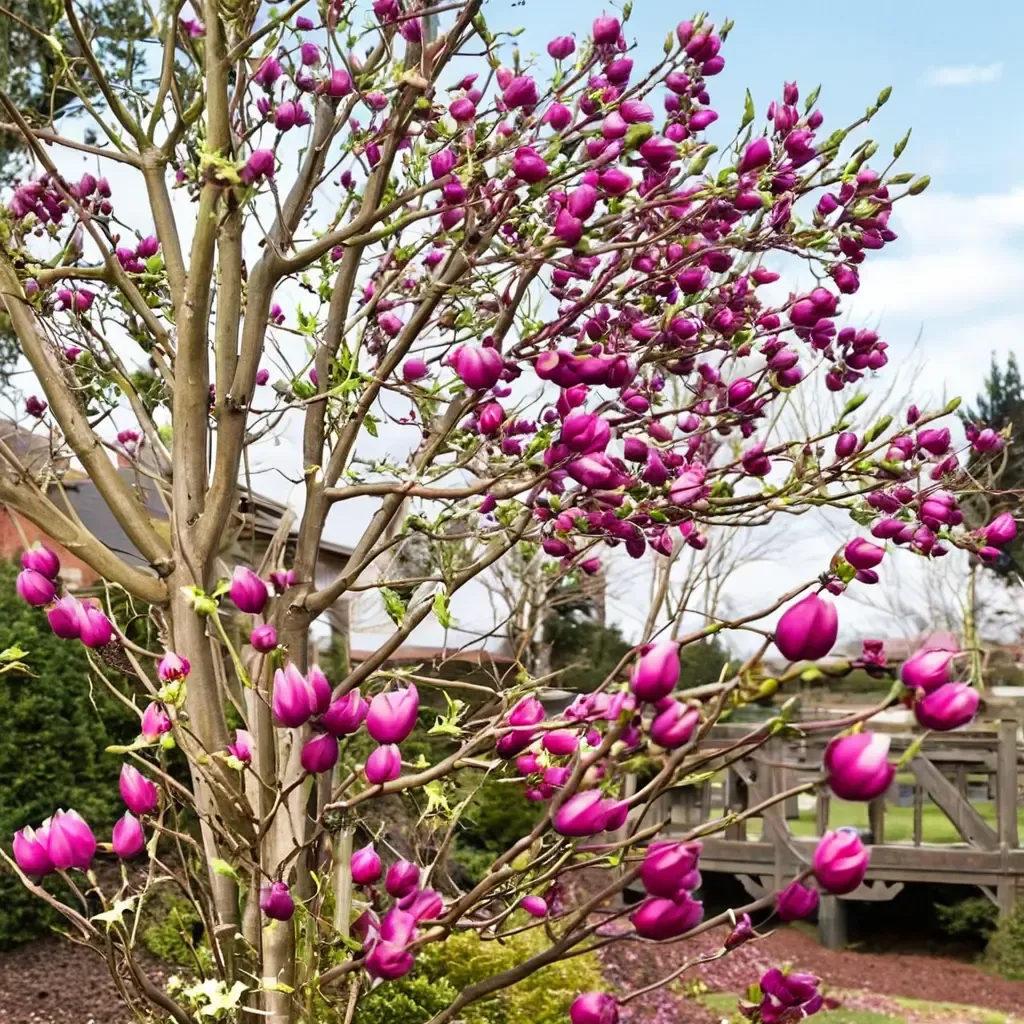
Black Tulip Magnolia
Magnolia x soulangeana 'Black Tulip'
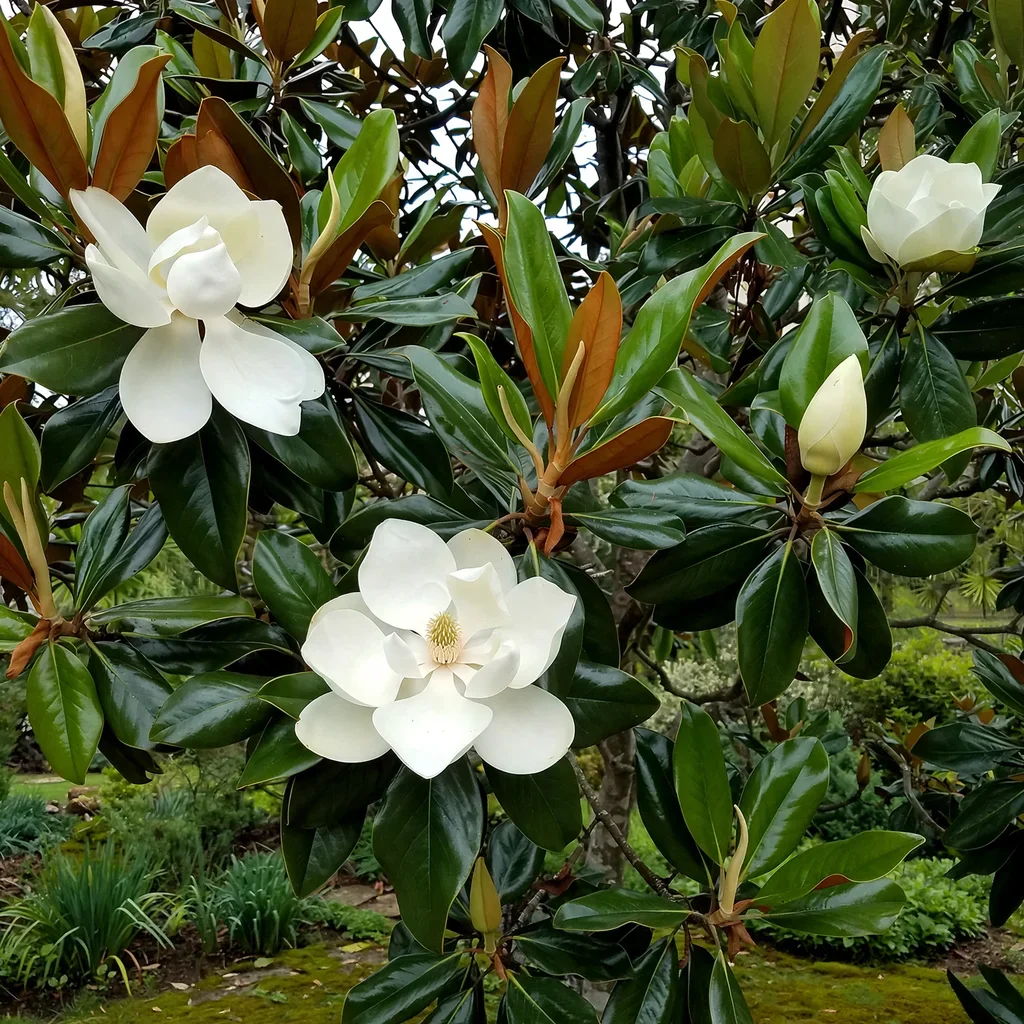
Southern Magnolia
Magnolia grandiflora
Keep exploring
Explore the genus
Hardy in your zone?
Grow Saucer Magnolia with confidence
See it in a design of your actual yard, get zone-matched care reminders, and track it season by season in your garden journal.