
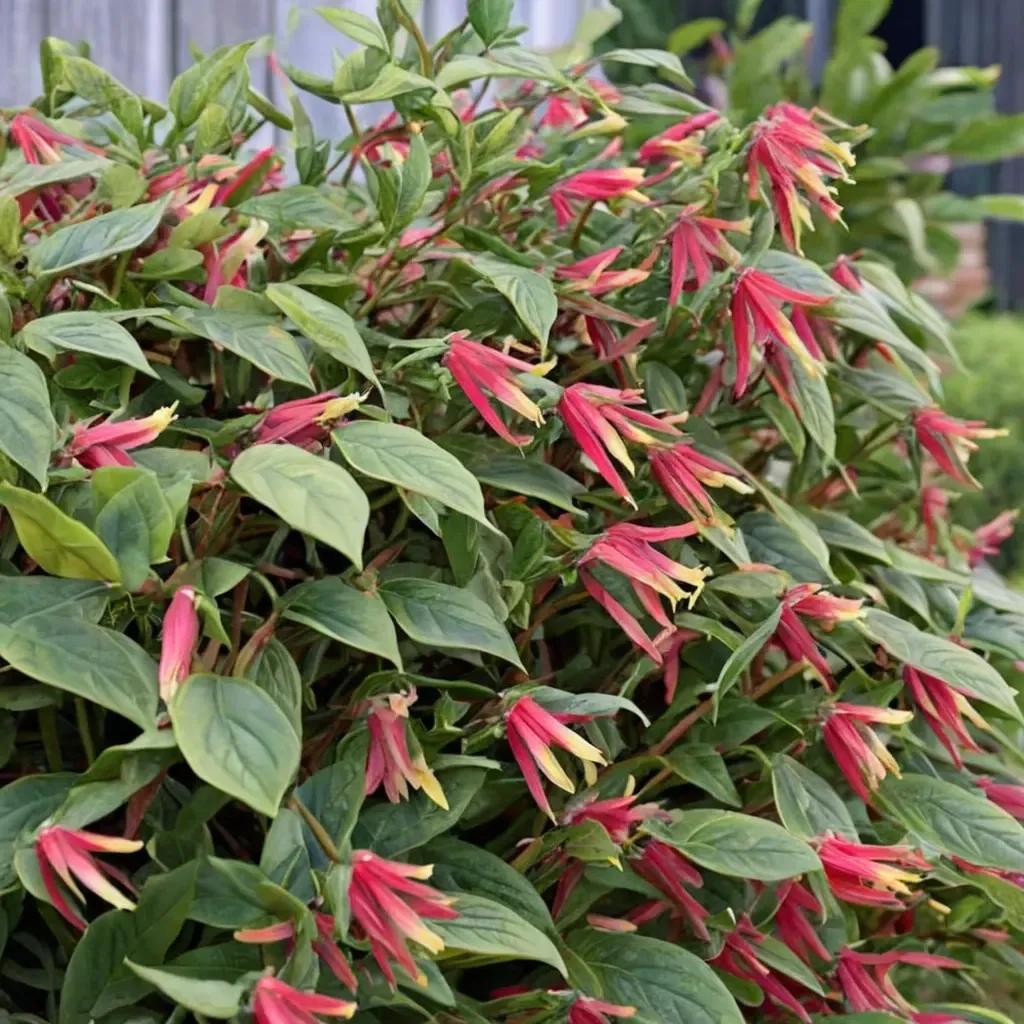
The Story
Plant Bio
Cuphea purpurea is a tender sub-shrub raised from a cross between two Mexican species, C. llavea and C. procumbens. It makes a rounded bushy plant one to two feet high and as wide, evergreen where it is hardy. Small tubular flowers in rose-red to pink-violet are produced almost continuously, each with two raised upper petals.
It flowers without a pause from planting until frost, with no deadheading required, which is unusual among tender bedding plants. Hardy only from zone 9, it is grown as an annual or a container plant almost everywhere else, and cuttings taken in late summer will carry a favourite plant through winter indoors.
Uses & Benefits:
Essentials
At a Glance
Plant Type
Perennial
Height
20"
Width
24"
Light
Full Sun, Partial Sun
Zones
8, 9, 10
Water
Medium
Humidity
Average
Lifespan
Perennial, often grown as an annual
Native To
Garden origin; parent species from Mexico
Toxicity
Non-toxic
Planting
How to Grow
- Plant out after the last frost in full sun.
- Use moderately fertile, free-draining soil or compost.
- Water regularly; it dislikes prolonged dryness.
- Feed lightly through the growing season.
- Pinch young plants once to encourage branching.
- Take cuttings in late summer to overwinter.
Pro Tip
No deadheading is needed; it drops spent flowers cleanly and keeps producing, so leave it alone and water instead.
Keep It Thriving
Care Guide
Do
- Give it full sun for continuous flowering ☀️
- Keep it evenly watered 💧
- Pinch young plants once to build bushiness ✂️
- Take cuttings in late summer to keep it 🌱
Don't
- Plant it out before the last frost ❌
- Let it dry out repeatedly in a container ❌
- Waste time deadheading it ❌
Seasonal Care Calendar
| Task | Jan | Feb | Mar | Apr | May | Jun | Jul | Aug | Sep | Oct | Nov | Dec |
|---|---|---|---|---|---|---|---|---|---|---|---|---|
| Plant | ||||||||||||
| Propagate |
Watch Out For
Pests & Diseases
Common Pests
Common Diseases
In the Garden
Landscape Uses & Companions
Landscape Uses
Companion Plants
Multiply
Propagation Methods
Good to Know
Common Questions
Cuphea questions
What zones can Cuphea grow in?
Cuphea is hardy in USDA Zones 8–10. Inside that range it survives winter in the ground; outside it, grow it as an annual or a container plant you protect.
Is Cuphea deer resistant?
Yes — Cuphea is rated deer-resistant. Deer typically pass it over, though extreme hunger can override any plant's defenses.
When does Cuphea bloom?
Cuphea typically blooms in late spring to first frost through late summer. Exact timing shifts a week or two with your zone — Sow's bloom calendar maps it to your garden.
Does Cuphea need full sun?
Cuphea does best in full sun to part shade. In hot climates, afternoon shade keeps blooms fresher longer.
Is Cuphea drought tolerant?
Yes — once established (usually after the first full season), Cuphea handles dry spells with minimal watering. Water deeply its first year to build the root system that makes that possible.
More Cuphea to compare
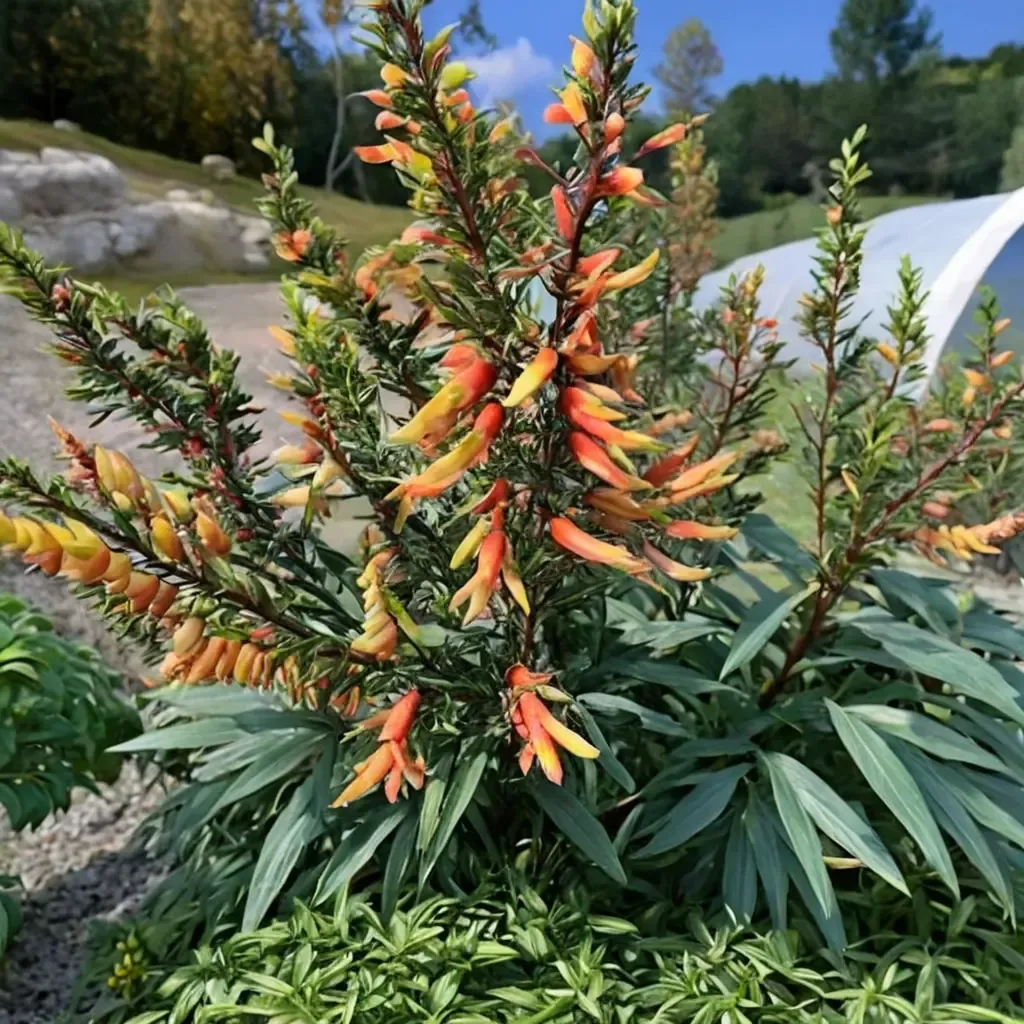
Candy Corn Plant
Cuphea micropetala
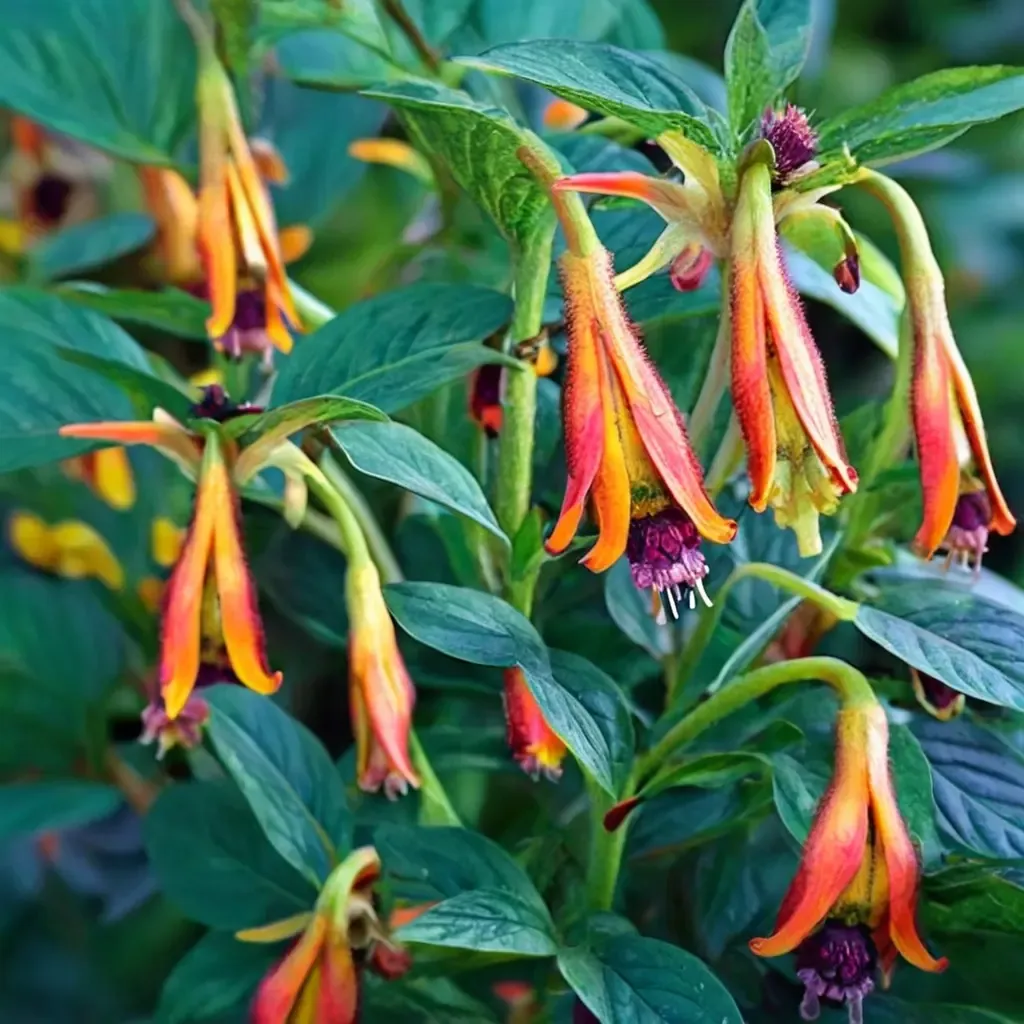
'Strybing Sunset' Cuphea
Cuphea purpurea 'Strybing Sunset'
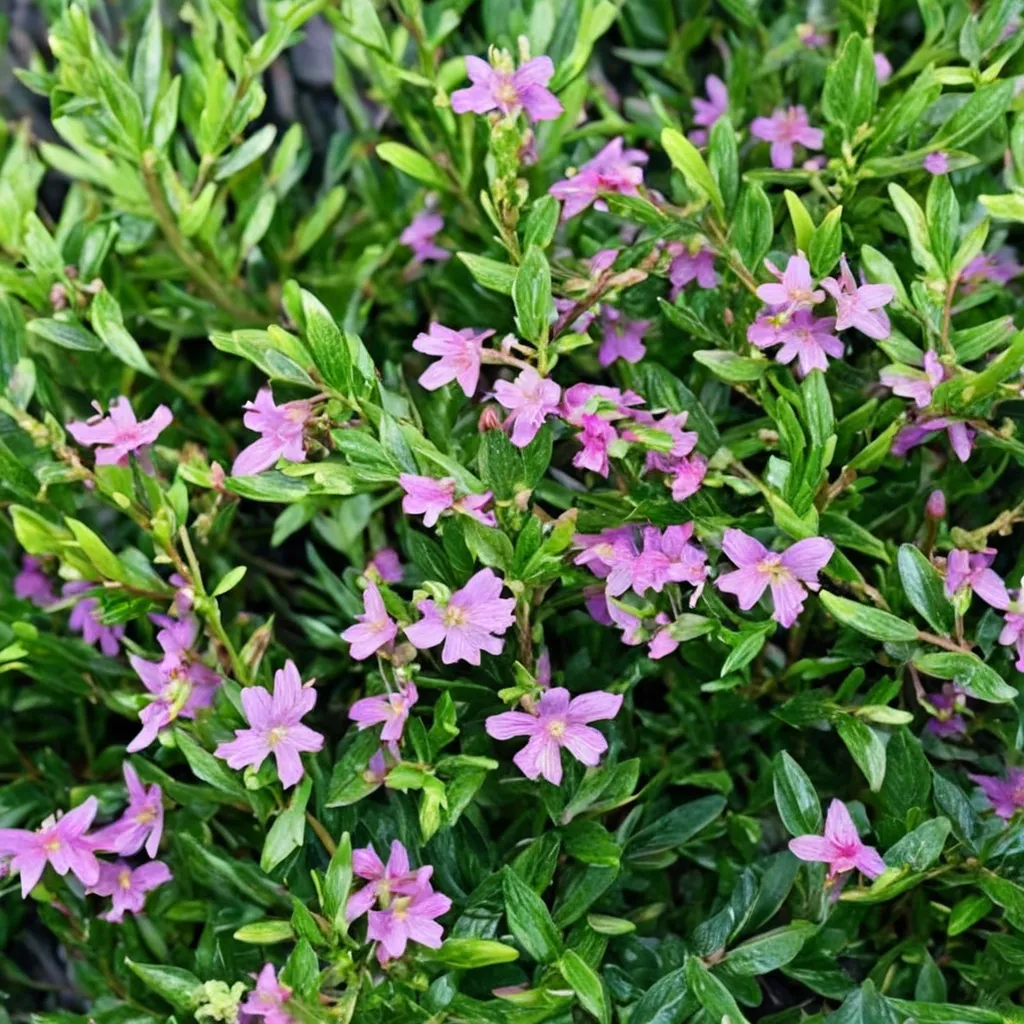
Lavender Lace Cuphea
Cuphea hyssopifolia 'Lavender Lace'
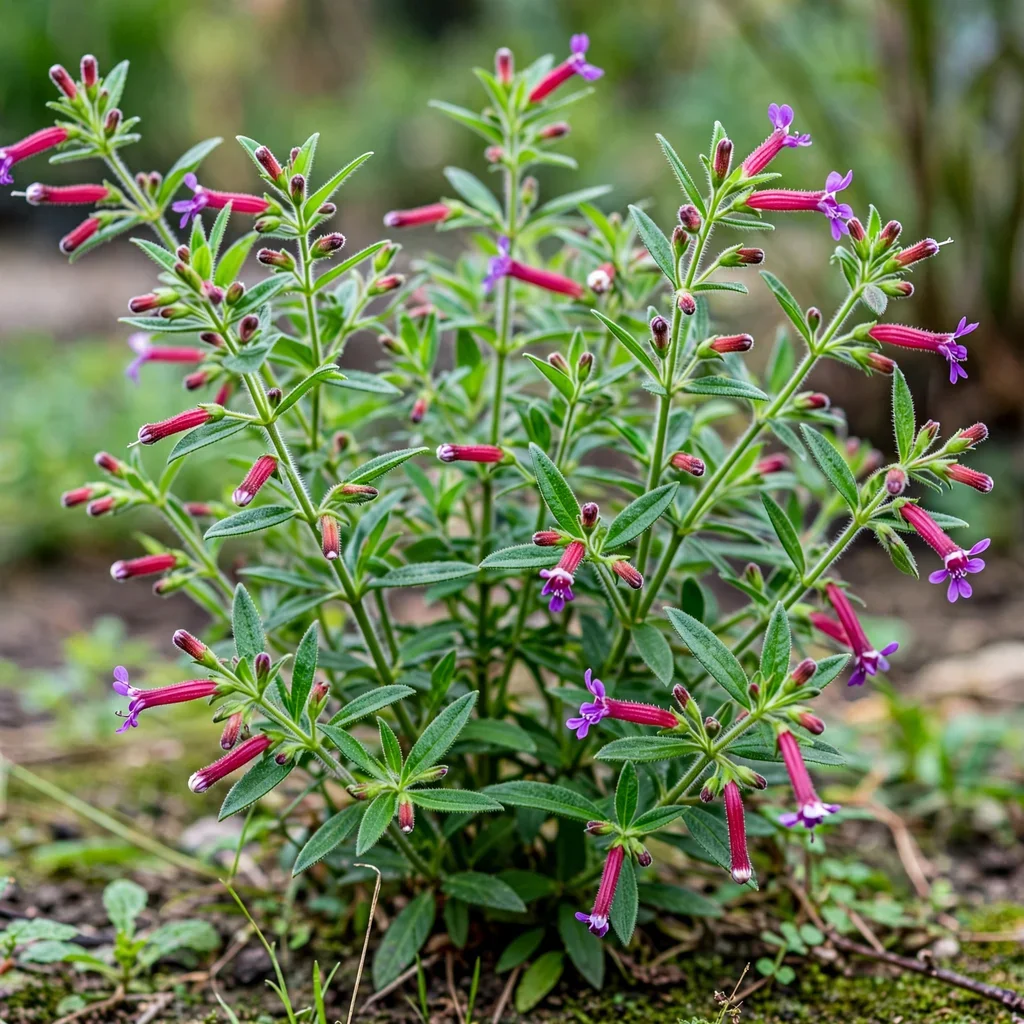
Cigar Plant
Cuphea aequipetala
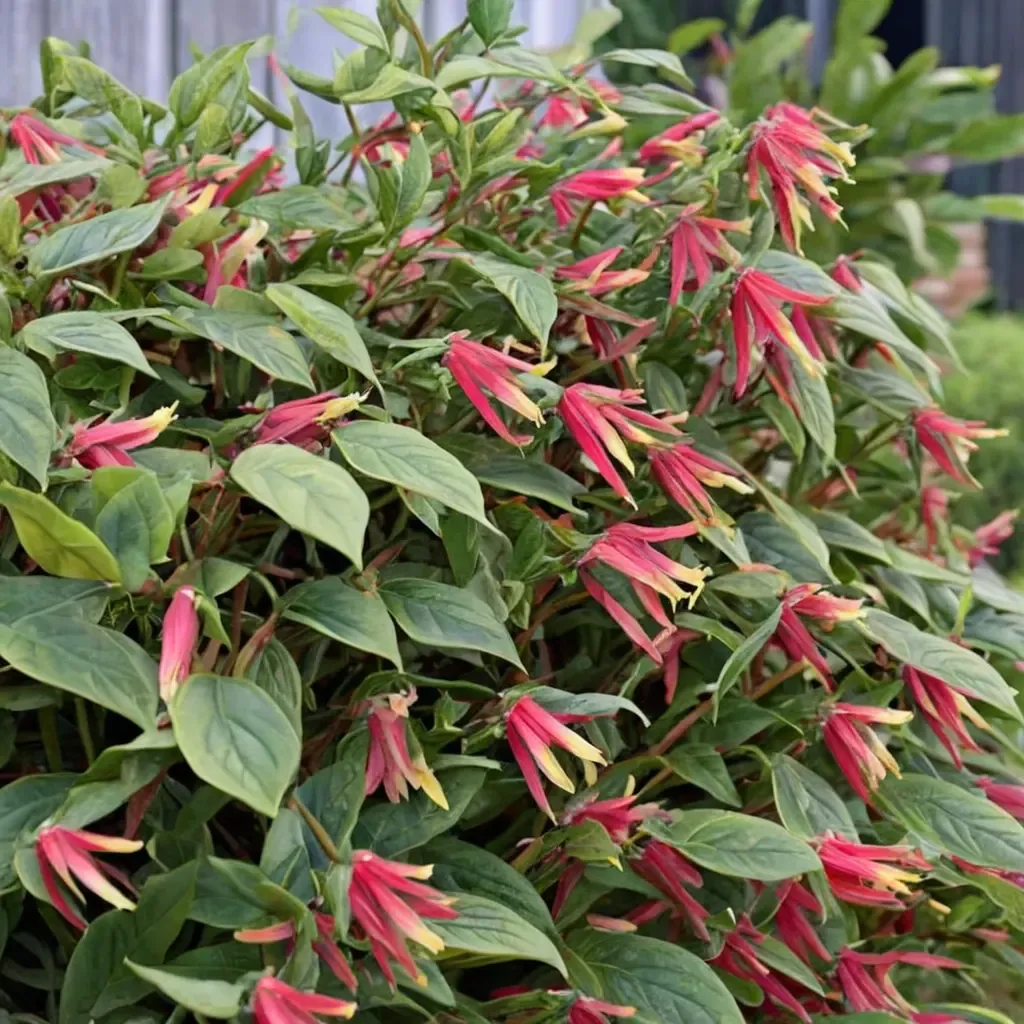
Hummingbird's Lunch Cuphea
Cuphea purpurea 'Hummingbird's Lunch'
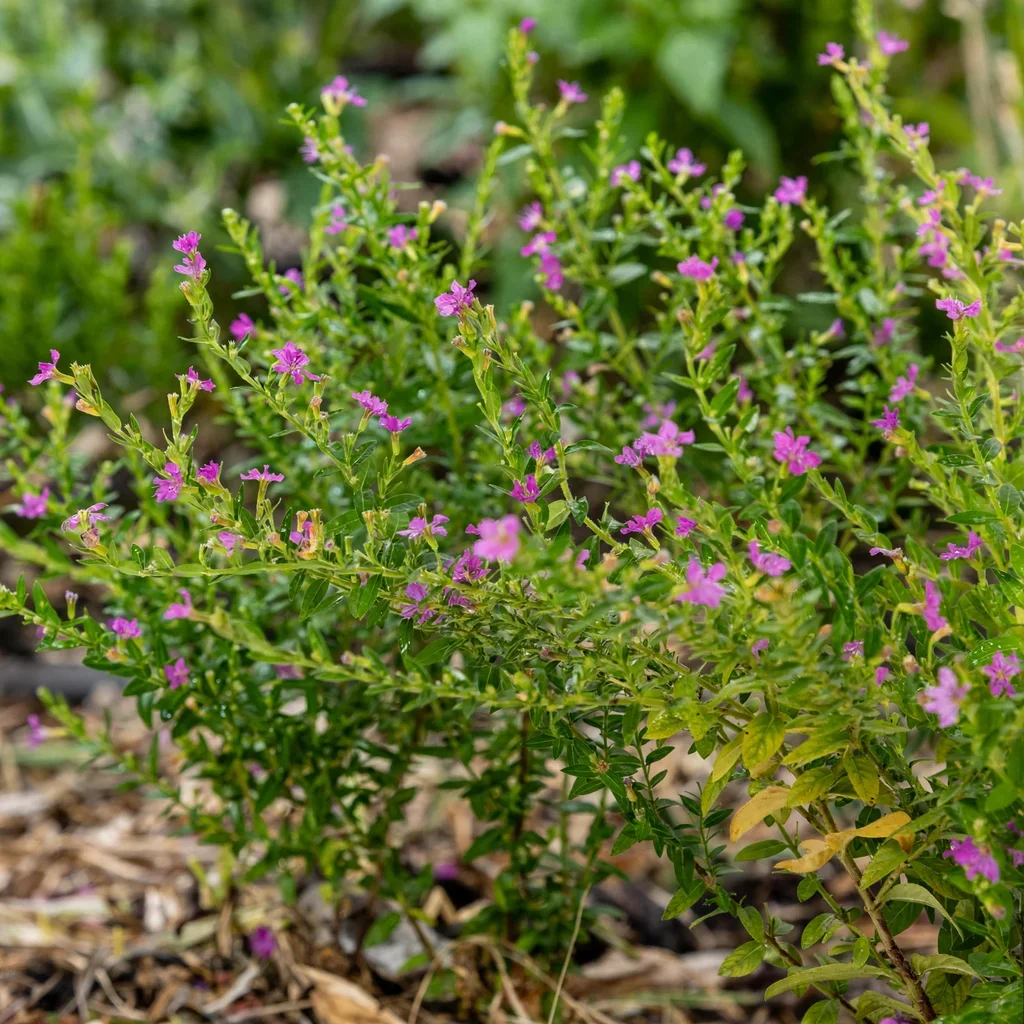
Diana False Heather
Cuphea hyssopifolia 'Diana'
Keep exploring
Explore the genus
Hardy in your zone?
Grow Cuphea with confidence
See it in a design of your actual yard, get zone-matched care reminders, and track it season by season in your garden journal.