
The Story
Plant Bio
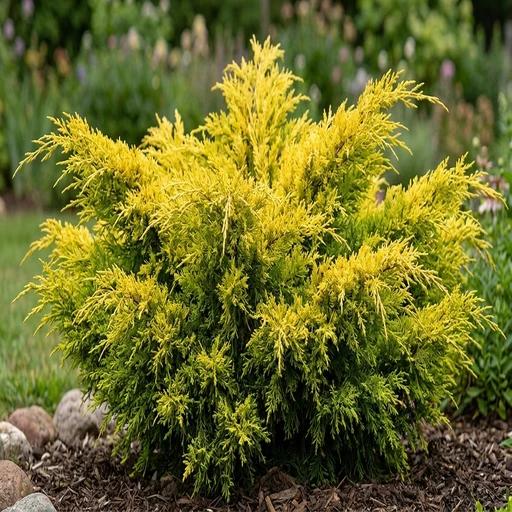
Juniperus x pfitzeriana, the Pfitzer juniper, is a spreading needled evergreen hybrid of Chinese and Japanese parentage, five to seven feet high and eight to ten across. Its branches are held out at a distinctive forty-five degree angle from the trunk, carrying grey-green scale-like foliage with awl-shaped new growth in whorls of four.
The spread is what catches people out: it is planted as a neat foundation shrub and becomes ten feet across, at which point shearing it back is the instinctive response and the wrong one, since junipers do not resprout from bare wood. Give it the space from the start, or choose a genuinely compact cultivar.
Uses & Benefits:
Essentials
At a Glance
Plant Type
Shrub
Height
72"
Width
108"
Light
Full Sun, Partial Sun
Zones
4, 5, 6, 7, 8
Water
Low
Humidity
Low
Lifespan
Perennial
Native To
Garden hybrid of Chinese and Japanese species
Toxicity
Foliage and cones are mildly toxic if eaten
Planting
How to Grow
- Allow eight to ten feet of width per plant.
- Plant in full sun; it thins badly in shade.
- Give it well-drained soil of any fertility.
- Water while establishing, then rarely.
- Prune only into growth that still carries foliage.
- Choose a compact cultivar where space is limited.
Pro Tip
Never cut a juniper back into bare wood — it does not resprout, and the gap you make will still be there in ten years.
Keep It Thriving
Care Guide
Do
- Allow it ten feet of width 📏
- Plant it in full sun ☀️
- Prune only into needled growth ✂️
- Give it sharply drained soil 🌱
Don't
- Shear it back into bare wood ❌
- Plant it against a path or wall ❌
- Site it in shade or wet ground ❌
Seasonal Care Calendar
| Task | Jan | Feb | Mar | Apr | May | Jun | Jul | Aug | Sep | Oct | Nov | Dec |
|---|---|---|---|---|---|---|---|---|---|---|---|---|
| Inspect | ||||||||||||
| Prune |
Watch Out For
Pests & Diseases
Common Pests
Common Diseases
In the Garden
Landscape Uses & Companions
Landscape Uses
Companion Plants
Multiply
Propagation Methods
Good to Know
Common Questions
Pfitzer Juniper questions
What zones can Pfitzer Juniper grow in?
Pfitzer Juniper is hardy in USDA Zones 4–8. Inside that range it survives winter in the ground; outside it, grow it as an annual or a container plant you protect.
Is Pfitzer Juniper deer resistant?
Yes — Pfitzer Juniper is rated deer-resistant. Deer typically pass it over, though extreme hunger can override any plant's defenses.
When does Pfitzer Juniper bloom?
Pfitzer Juniper typically blooms in does not flower through early spring. Exact timing shifts a week or two with your zone — Sow's bloom calendar maps it to your garden.
Does Pfitzer Juniper need full sun?
Pfitzer Juniper does best in full sun to part shade. In hot climates, afternoon shade keeps blooms fresher longer.
Is Pfitzer Juniper drought tolerant?
Yes — once established (usually after the first full season), Pfitzer Juniper handles dry spells with minimal watering. Water deeply its first year to build the root system that makes that possible.
More Juniperus to compare
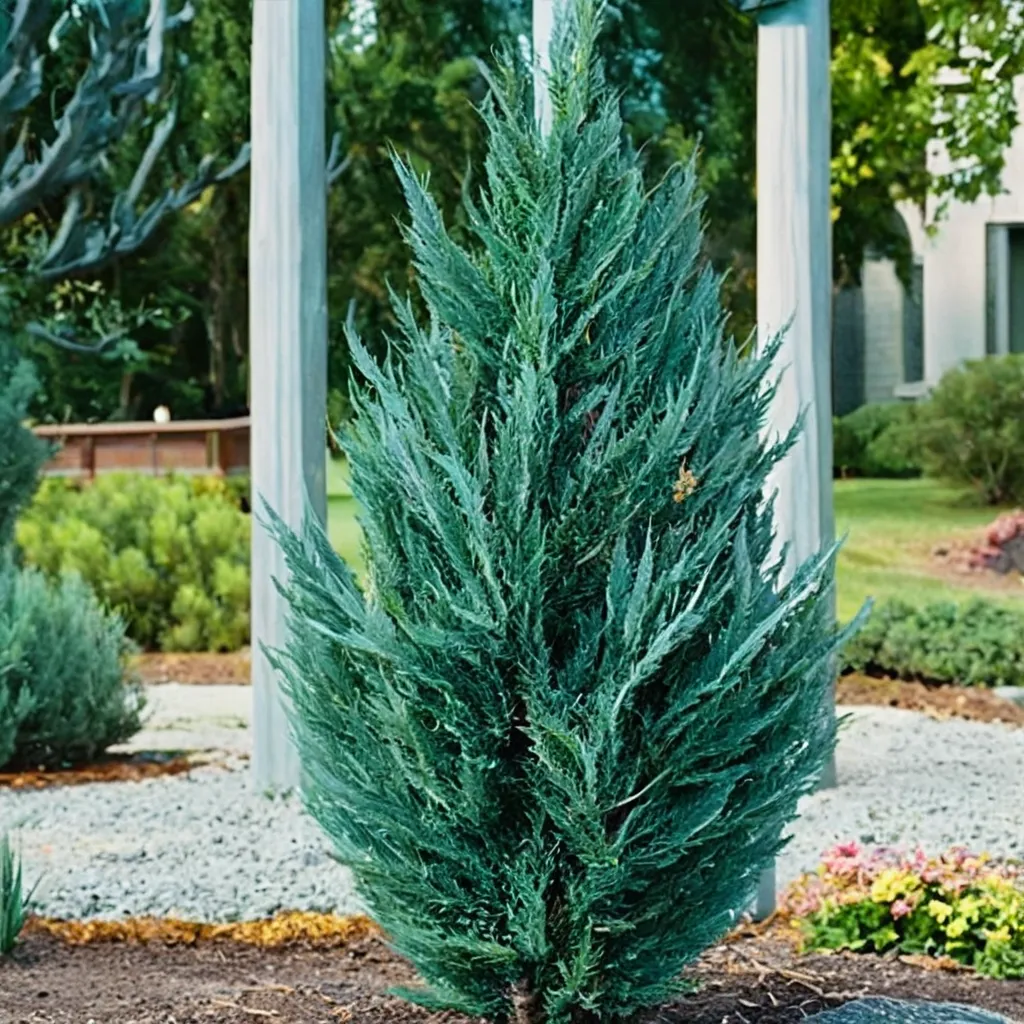
Blue Point Juniper
Juniperus chinensis 'Blue Point'
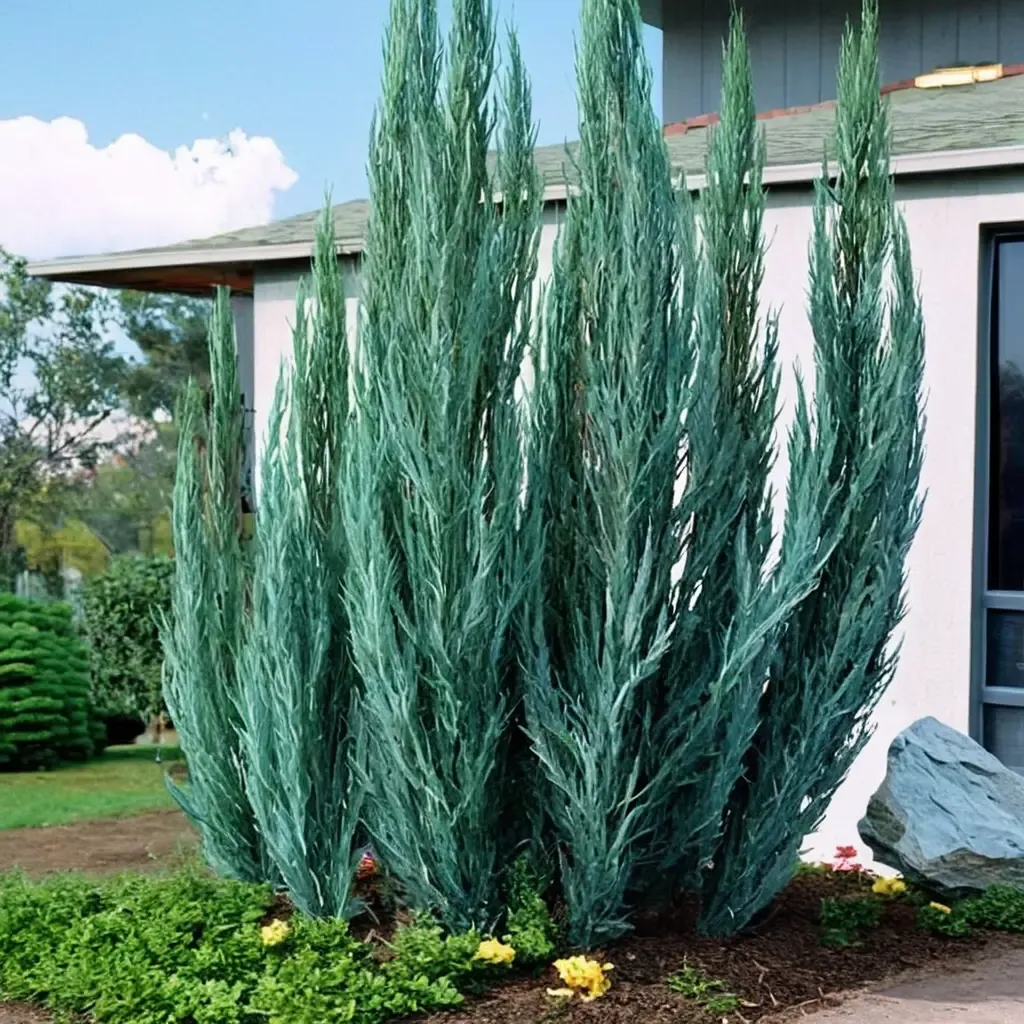
Skyrocket Juniper
Juniperus horizontalis 'Skyrocket'
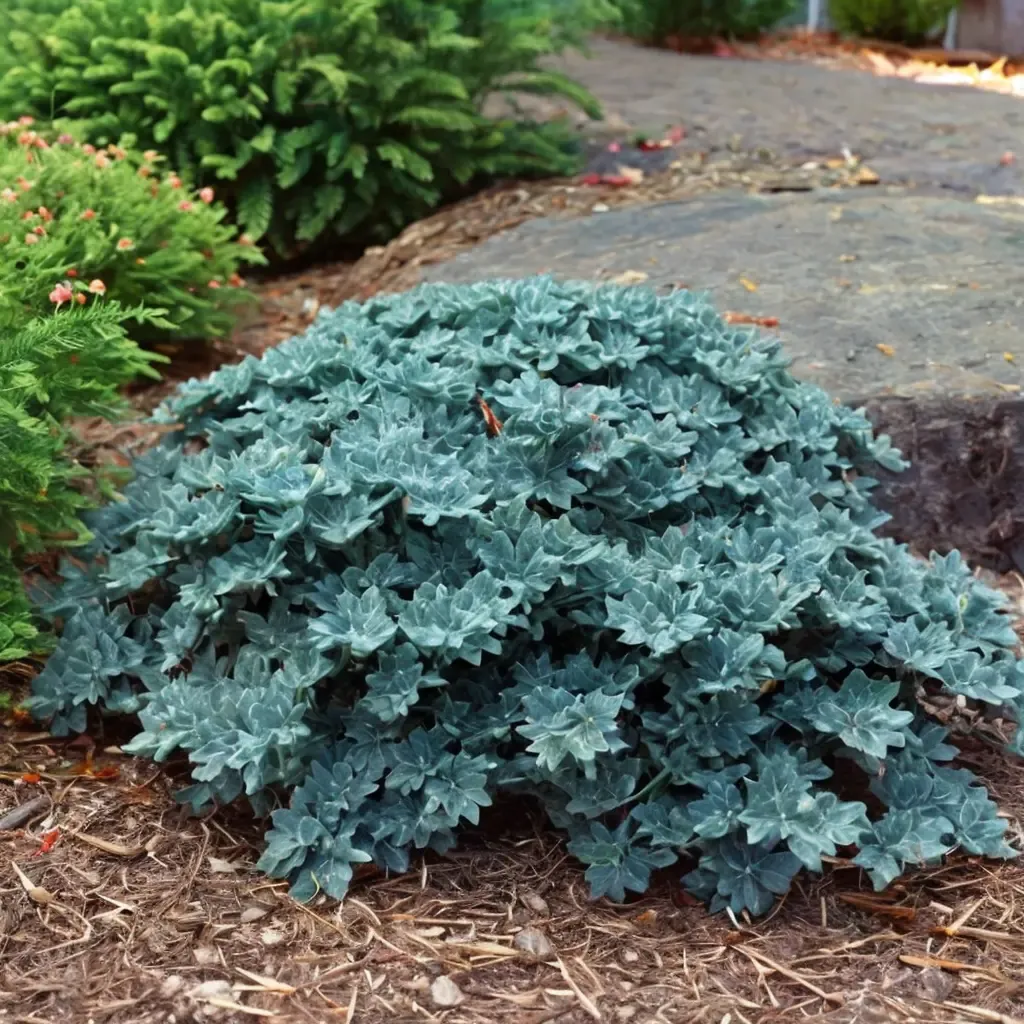
Blue Star Juniper
Juniperus squamata 'Blue Star'
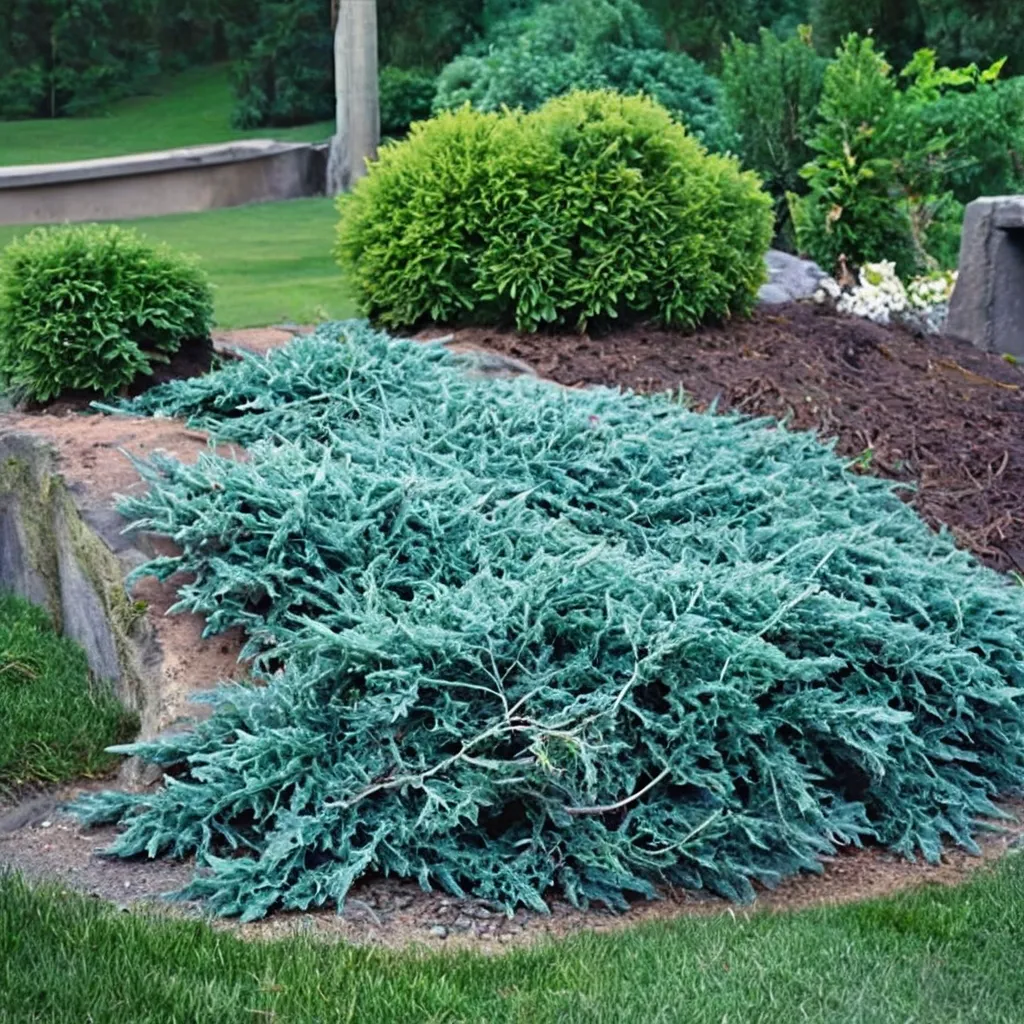
Blue Rug Juniper
Juniperus horizontalis 'Blue Rug'
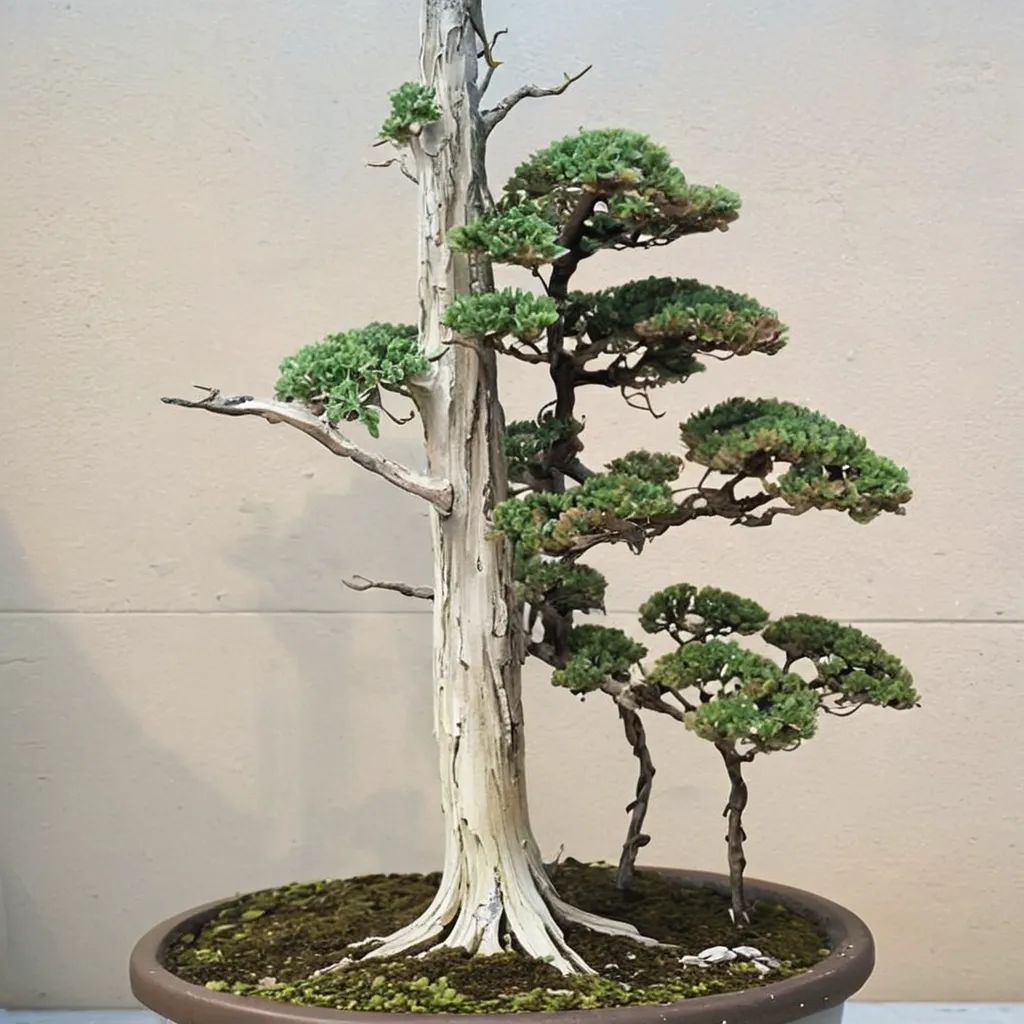
Foemina Chinese Juniper
Juniperus chinensis 'Foemina'
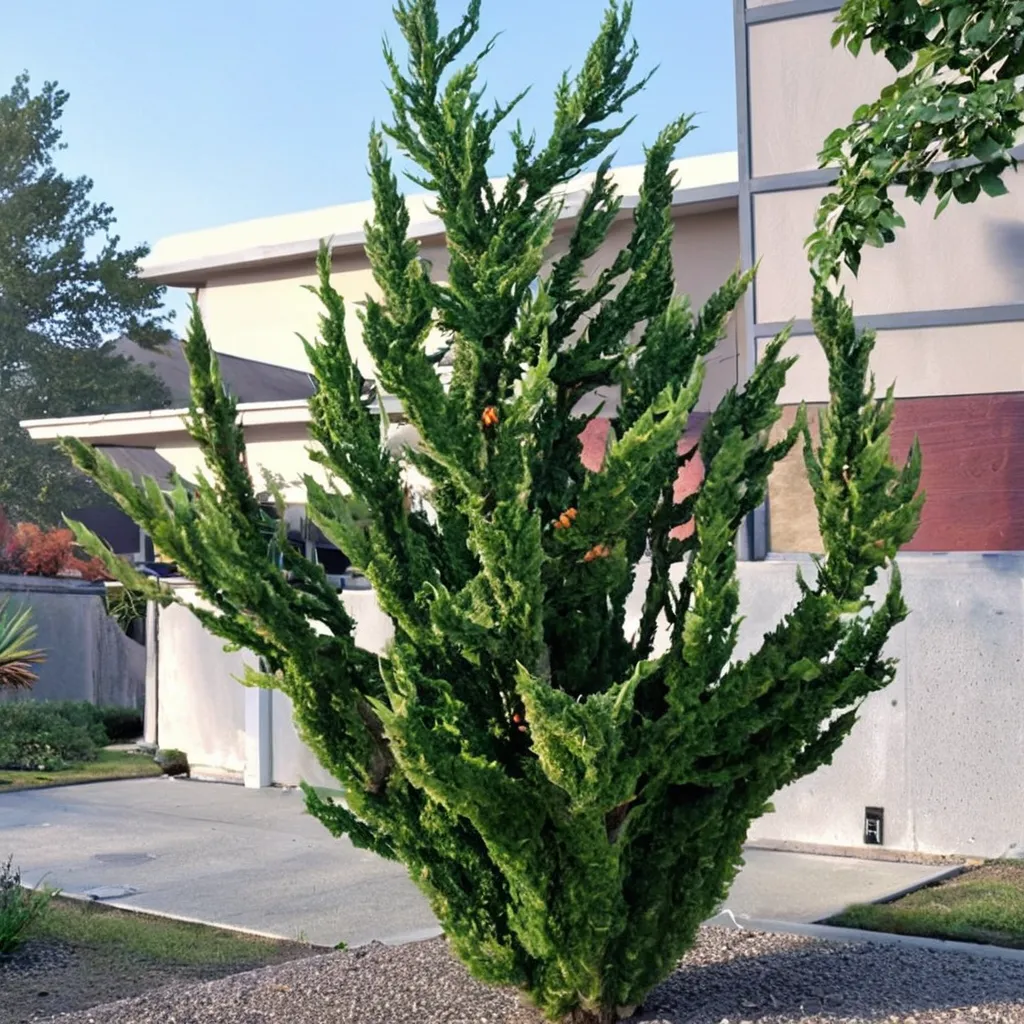
Hollywood Juniper
Juniperus chinensis 'Kaizuka'
Keep exploring
Explore the genus
Hardy in your zone?
Grow Pfitzer Juniper with confidence
See it in a design of your actual yard, get zone-matched care reminders, and track it season by season in your garden journal.