The Story
Plant Bio
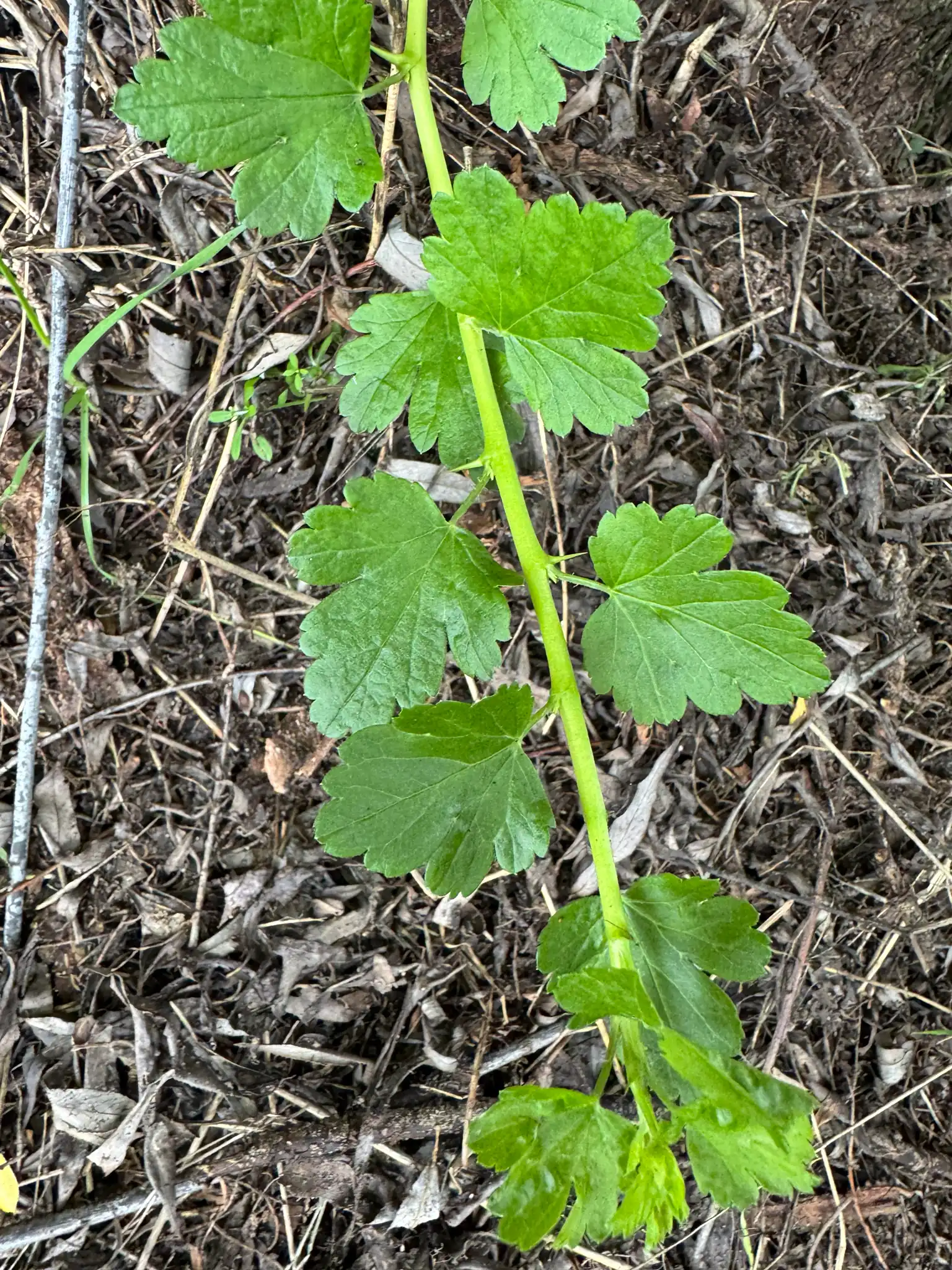
Ribes uva-crispa, the gooseberry, is a deciduous, multi-stemmed shrub forming a dense, rounded mound of intricately branched stems armed with sharp nodal spines. Bright green, three- to five-lobed leaves emerge in early spring, followed by inconspicuous solitary or clustered pale green flowers that mature into edible berries.
This species is exceptionally winter-hardy but highly sensitive to summer heat and humidity, making it poorly suited to regions south of USDA Zone 6. The stems bear stout, painful spines up to half an inch long, requiring careful handling during maintenance and harvest.
Uses & Benefits:
Essentials
At a Glance
Plant Type
Shrub
Height
60"
Width
60"
Light
Full Sun, Partial Sun
Zones
4, 5, 6, 7, 8
Water
Medium
Humidity
Low
Lifespan
Long-lived shrub
Native To
Europe, Northern Africa
Toxicity
Non-toxic
Bloom period
Spring
In flower about 3 months of the year
Planting
How to Grow
- Select a site with organically rich, well-drained loam and partial afternoon shade if planting in hot summer climates.
- Plant bare-root or containerized shrubs in early spring, ensuring the crown sits slightly below the soil level to encourage multi-stemmed growth.
- Apply a thick layer of organic compost mulch over the root zone to retain consistent soil moisture and suppress weeds.
- Water deeply and regularly during dry spells, as the shallow root system has low drought tolerance and drops leaves under water stress.
Pro Tip
Prune out canes older than three years down to the ground in late winter; these older, darker stems produce minimal fruit and congest the center of the bush, inviting powdery mildew.
Keep It Thriving
Care Guide
Do
- Prune annually in late winter to remove weak, crossing, or low-hanging branches and maintain an open center.
- Wear heavy-duty leather gloves when handling the plant to protect against the sharp nodal spines.
- Apply a balanced organic fertilizer around the base of the shrub in early spring.
Don't
- Do not plant in low-lying, poorly drained areas where water logs the root zone.
- Avoid high-nitrogen fertilizers, which stimulate excessive, soft vegetative growth that is highly susceptible to powdery mildew.
- Do not shear the outer canopy, as this stimulates dense outer growth that blocks light and air from the fruiting interior.
Seasonal Care Calendar
| Task | Jan | Feb | Mar | Apr | May | Jun | Jul | Aug | Sep | Oct | Nov | Dec |
|---|---|---|---|---|---|---|---|---|---|---|---|---|
| Fertilize | ||||||||||||
| Harvest | ||||||||||||
| Pest Check | ||||||||||||
| Prune | ||||||||||||
| Winter Prep |
Watch Out For
Pests & Diseases
Common Pests
Common Diseases
In the Garden
Landscape Uses & Companions
Landscape Uses
Companion Plants
Multiply
Propagation Methods
Good to Know
Common Questions
Gooseberry questions
What zones can Gooseberry grow in?
Gooseberry is hardy in USDA Zones 4–8. Inside that range it survives winter in the ground; outside it, grow it as an annual or a container plant you protect.
Is Gooseberry deer resistant?
Not reliably. Deer may browse Gooseberry, especially tender spring growth — plan on repellents or fencing where pressure is high.
When does Gooseberry bloom?
Gooseberry typically blooms in spring through spring. Exact timing shifts a week or two with your zone — Sow's bloom calendar maps it to your garden.
Does Gooseberry need full sun?
Gooseberry does best in full sun to part shade. In hot climates, afternoon shade keeps blooms fresher longer.
More Ribes to compare
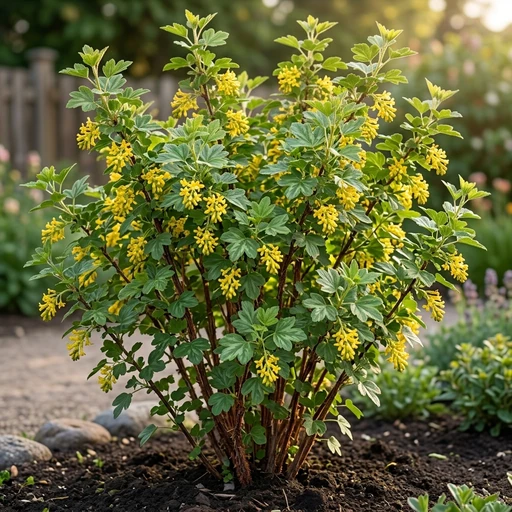
Golden Currant
Ribes aureum
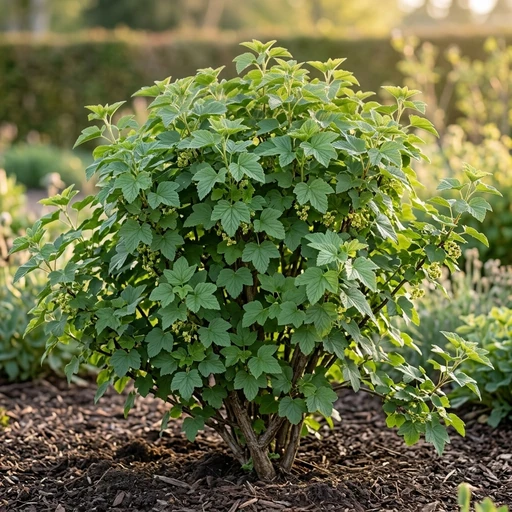
Alpine Currant
Ribes alpinum
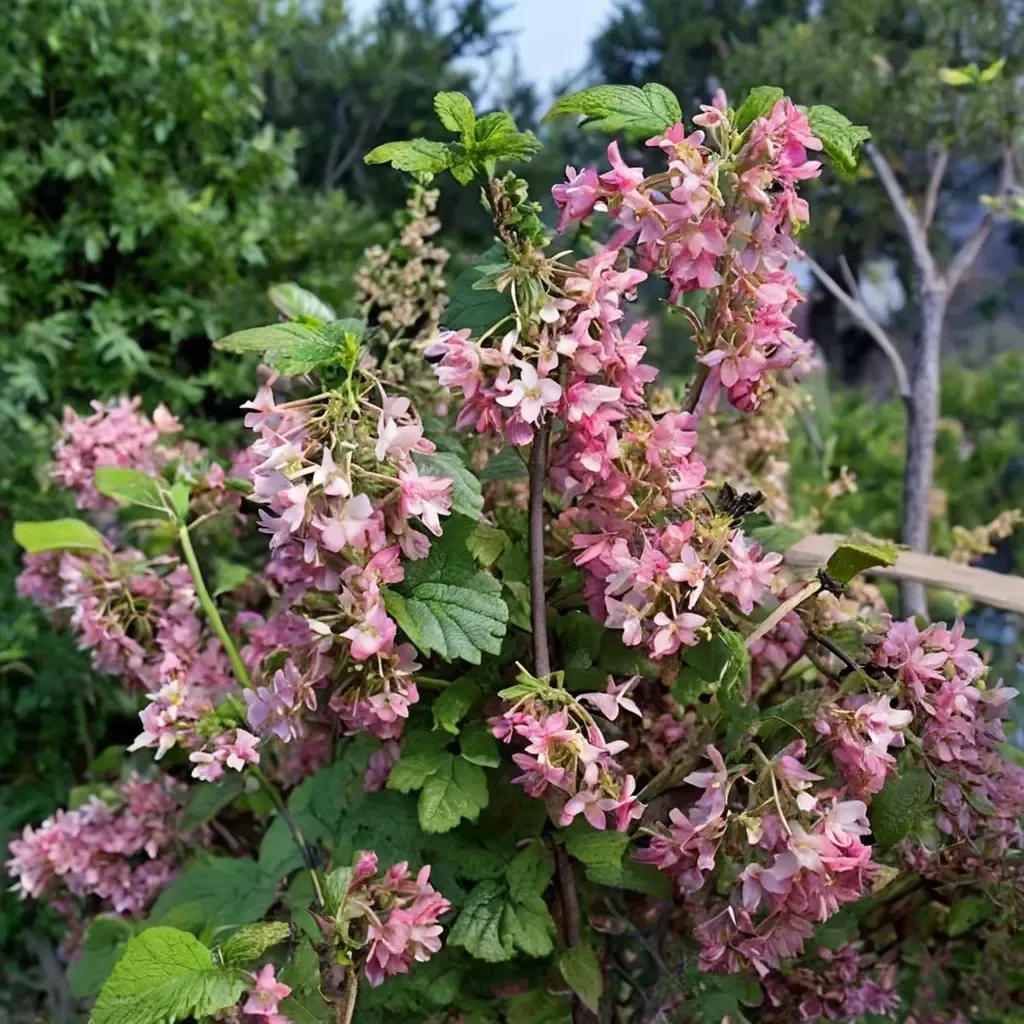
Claremont Currant
Ribes sanguineum 'Claremont'
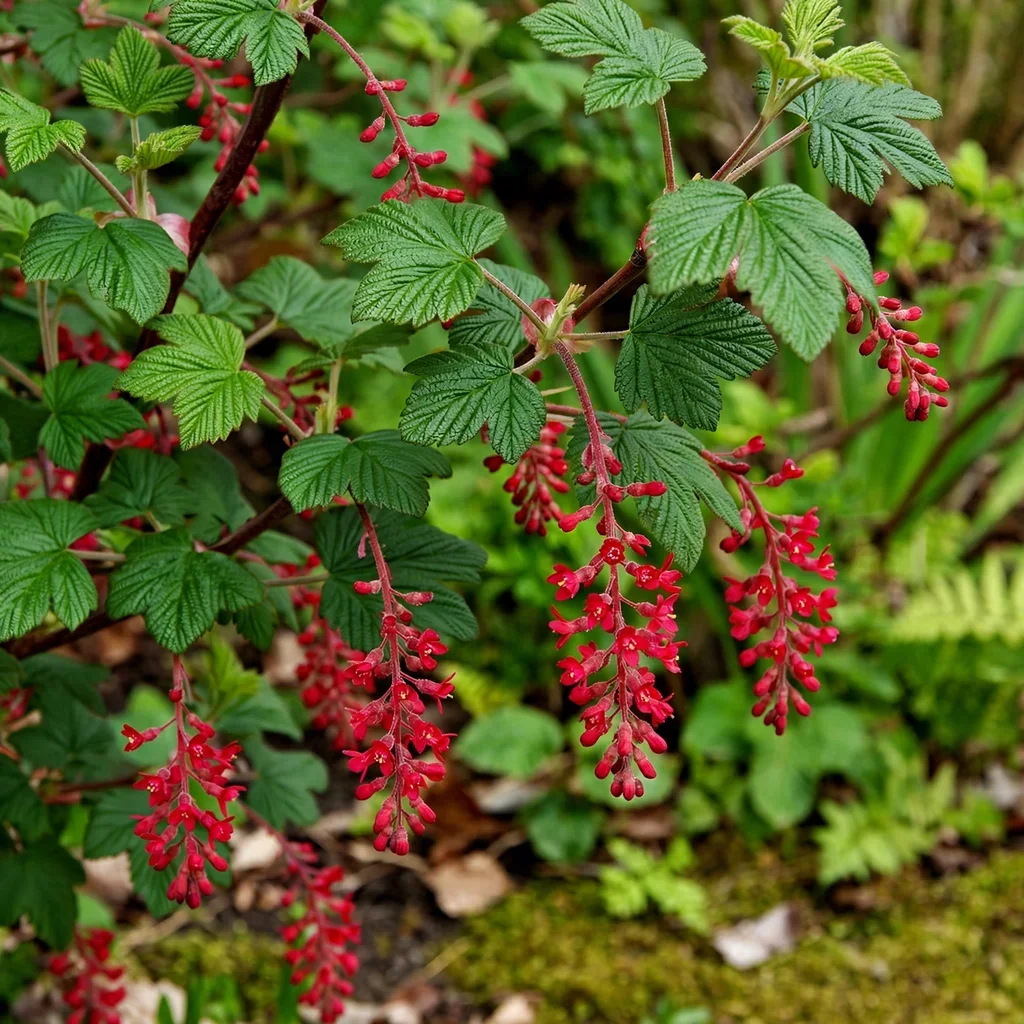
King Edward VII Flowering Currant
Ribes sanguineum 'King Edward VII'
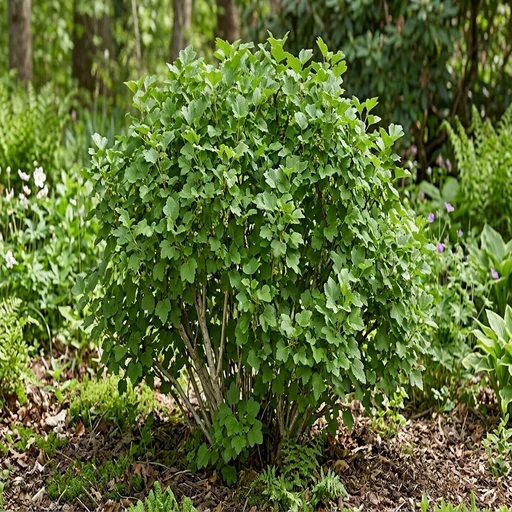
Green Mound Alpine Currant
Ribes alpinum 'Green Mound'
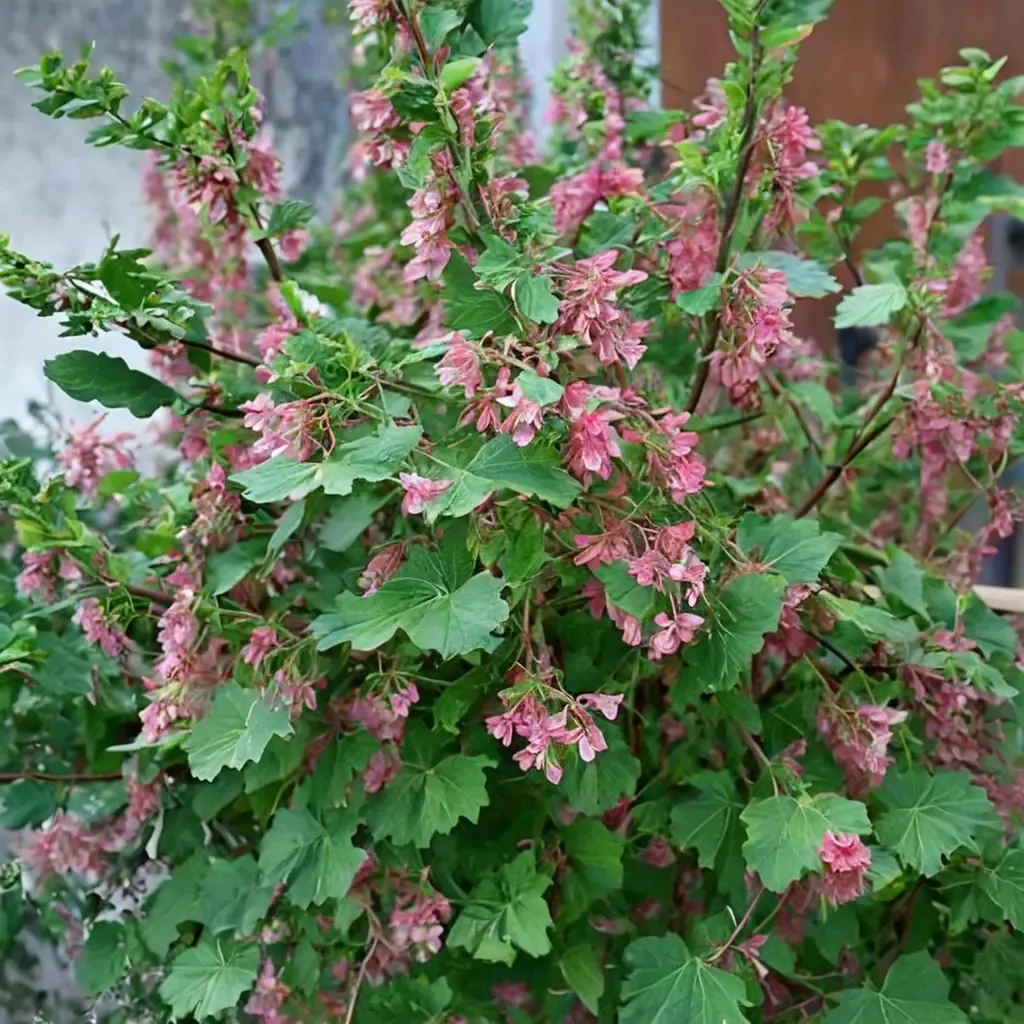
Pink-Flowering Currant
Ribes sanguineum 'glutinosum'
Keep exploring
Explore the genus
Hardy in your zone?
Grow Gooseberry with confidence
See it in a design of your actual yard, get zone-matched care reminders, and track it season by season in your garden journal.