The Story
Plant Bio
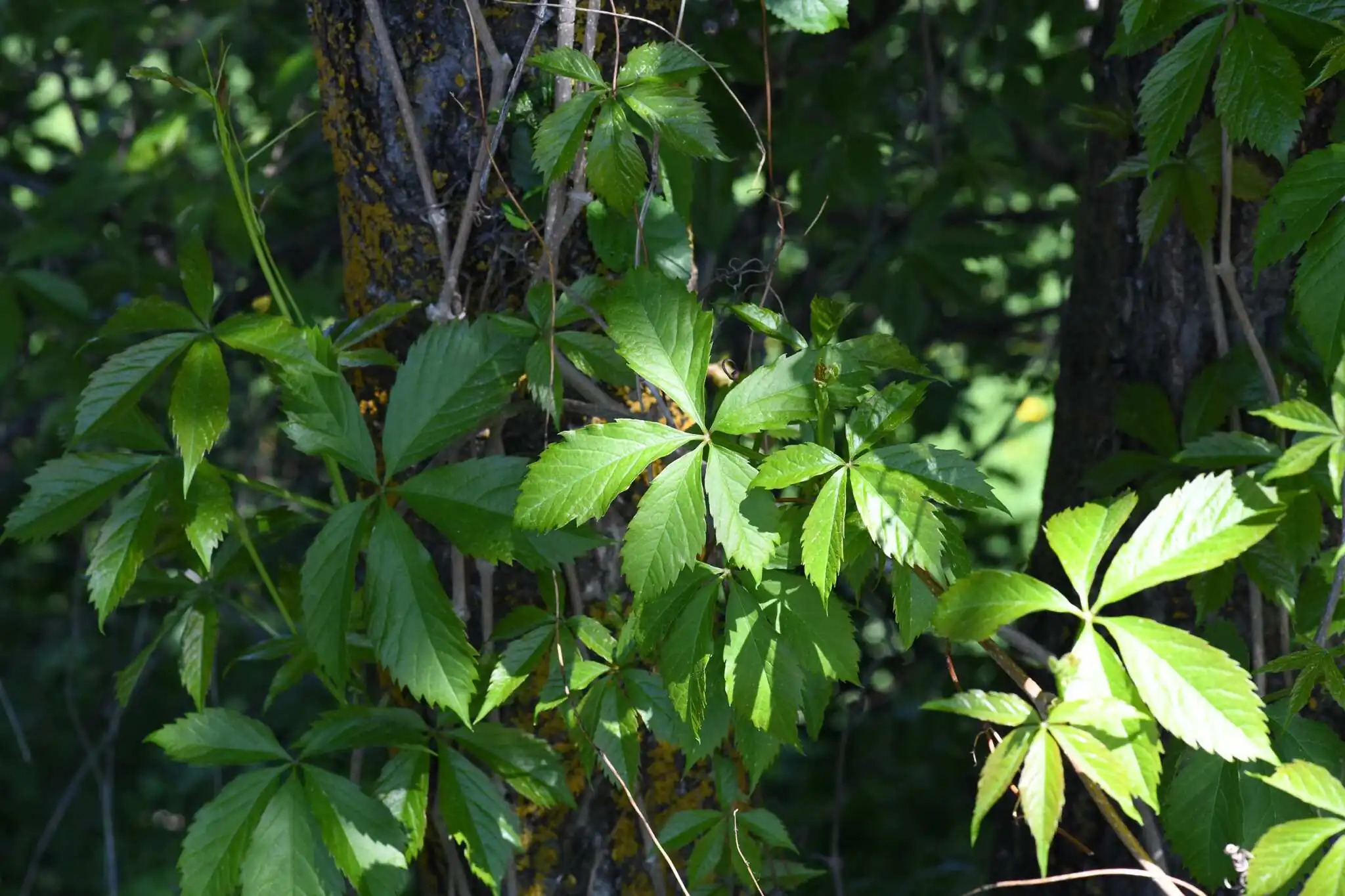
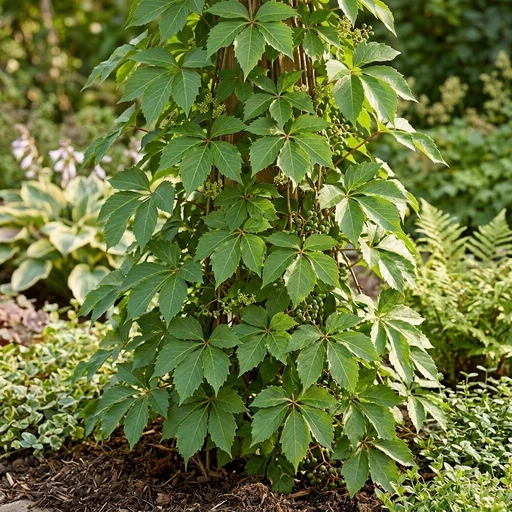
Parthenocissus inserta is a vigorous, deciduous woody vine native to North America, capable of scrambling over ground or climbing structures up to sixty feet. The palmately compound leaves feature five sharply toothed leaflets that emerge with bronze-red tones, mature to a bright green, and turn brilliant scarlet in fall.
This species is distinguished by its branched tendrils with twining, non-adhesive tips, which require physical structures to wrap around rather than flat surfaces. In late spring, it produces flat-topped clusters of small greenish-white flowers followed by blue-black berries that persist into fall.
Uses & Benefits:
Essentials
At a Glance
Plant Type
Vine
Height
780"
Width
236"
Light
Full Sun, Partial Sun, Shade
Zones
4, 5, 6, 7, 8, 9
Water
Low to moderate
Humidity
High
Lifespan
Perennial
Native To
North America
Toxicity
Toxic to humans and pets
Bloom period
Late spring
In flower about 1 month of the year
Planting
How to Grow
- Select a planting site in full sun to full shade with average, well-draining soil.
- Install a sturdy trellis, wire framework, or arbor to support the twining tendrils.
- Dig a hole twice the width of the root ball and set the plant at its original growing depth.
- Water thoroughly after planting and maintain consistent moisture until the root system is established.
Pro Tip
Unlike true Virginia creeper, this vine lacks adhesive disks on its tendrils and cannot climb flat brick or wood walls without a trellis or wire support.
Keep It Thriving
Care Guide
Do
- Provide a physical support structure like a trellis or fence for the vine to twine around.
- Prune annually in late winter or early spring to control spread and remove tangled growth.
- Wear gloves when handling the plant to avoid skin irritation from calcium oxalate crystals.
Don't
- Do not plant against flat, smooth masonry or wood walls expecting it to self-cling.
- Do not cut deeply into old, leafless woody trunks unless you want to stimulate aggressive, messy regrowth.
- Do not allow pets or children to ingest the toxic blue-black berries.
Seasonal Care Calendar
| Task | Jan | Feb | Mar | Apr | May | Jun | Jul | Aug | Sep | Oct | Nov | Dec |
|---|---|---|---|---|---|---|---|---|---|---|---|---|
| Fertilize | ||||||||||||
| Pest Check | ||||||||||||
| Propagate | ||||||||||||
| Prune | ||||||||||||
| Winter Prep |
Watch Out For
Pests & Diseases
Common Pests
Common Diseases
In the Garden
Landscape Uses & Companions
Landscape Uses
Companion Plants
Multiply
Propagation Methods
Good to Know
Common Questions
Thicket Creeper questions
What zones can Thicket Creeper grow in?
Thicket Creeper is hardy in USDA Zones 4–9. Inside that range it survives winter in the ground; outside it, grow it as an annual or a container plant you protect.
Is Thicket Creeper deer resistant?
Not reliably. Deer may browse Thicket Creeper, especially tender spring growth — plan on repellents or fencing where pressure is high.
When does Thicket Creeper bloom?
Thicket Creeper typically blooms in late spring through late spring. Exact timing shifts a week or two with your zone — Sow's bloom calendar maps it to your garden.
Does Thicket Creeper need full sun?
Thicket Creeper does best in full sun to part shade. In hot climates, afternoon shade keeps blooms fresher longer.
Is Thicket Creeper drought tolerant?
Yes — once established (usually after the first full season), Thicket Creeper handles dry spells with minimal watering. Water deeply its first year to build the root system that makes that possible.
More Parthenocissus to compare
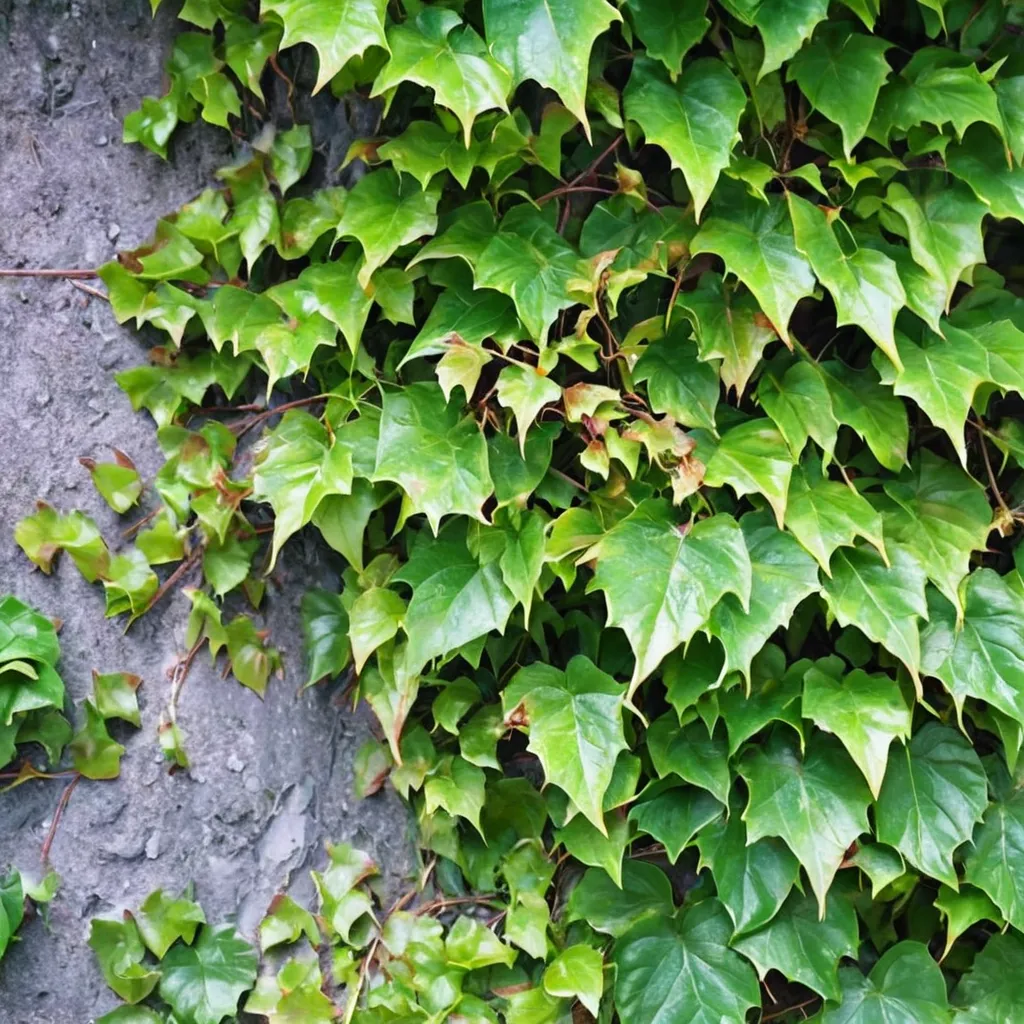
Boston Ivy
Parthenocissus tricuspidata
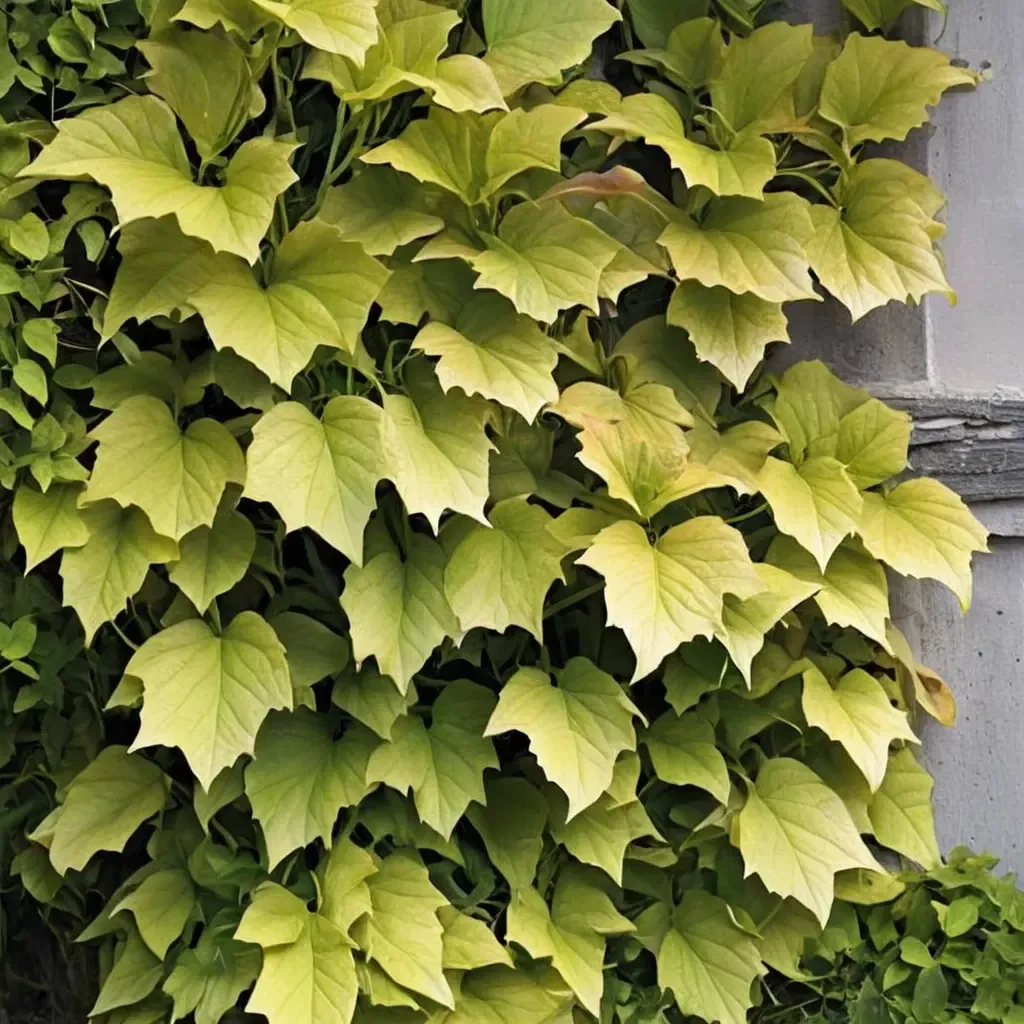
Fenway Park Boston Ivy
Parthenocissus tricuspidata 'Fenway Park'
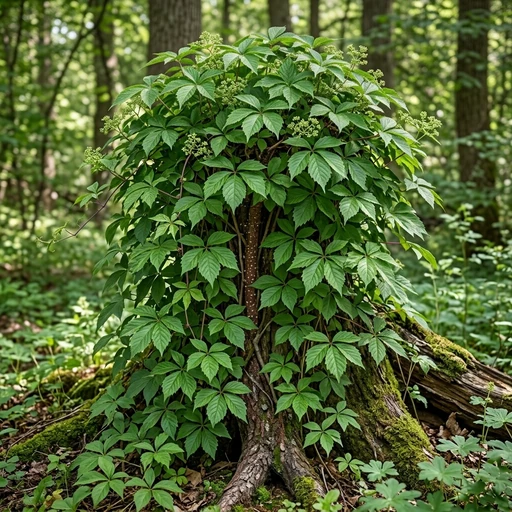
Virginia Creeper
Parthenocissus quinquefolia
Engelmann Virginia Creeper
Parthenocissus quinquefolia 'Engelmannii'
Keep exploring
Explore the genus
Grow Thicket Creeper with confidence
See it in a design of your actual yard, get zone-matched care reminders, and track it season by season in your garden journal.