The Story
Plant Bio
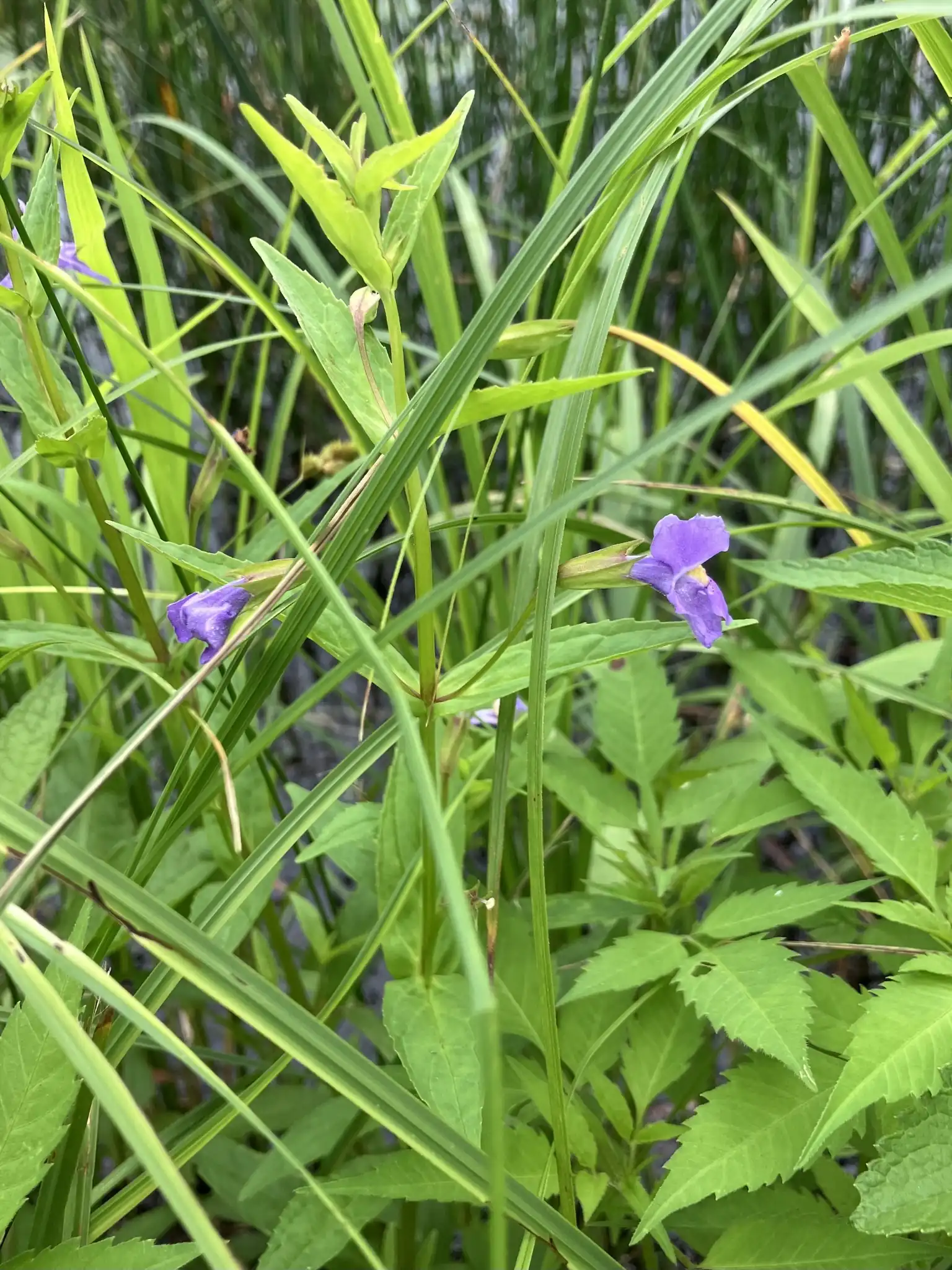
Mimulus ringens is an upright, rhizomatous perennial native to wetlands, stream banks, and wet meadows of eastern and central North America. It features square stems, lance-shaped leaves, and charming, snapdragon-like flowers.
The two-lipped, lavender-blue flowers have a distinctive shape that some say resembles a monkey's face, giving the plant its common name. It is an excellent choice for wet areas of the garden where many other plants would fail.
Uses & Benefits:
Essentials
At a Glance
Plant Type
Perennial
Height
36"
Width
18"
Light
Full Sun, Partial Sun
Zones
4, 5, 6, 7, 8
Water
Medium to wet
Humidity
High
Lifespan
Short-lived perennial, but self-seeds
Native To
Eastern and Central North America
Toxicity
Non-toxic
Bloom period
Mid-summer – Early fall
In flower about 3 months of the year
Planting
How to Grow
- Select a site in full sun or part shade with moist to wet soil
- Amend the soil with compost to improve moisture retention if needed
- Dig a hole slightly larger than the pot
- Gently remove the plant and place it in the hole at the same depth
- Backfill with soil and water in thoroughly
- Mulch to conserve moisture, especially if not in a boggy area
Pro Tip
This plant thrives in conditions that would kill most perennials; don't be afraid to plant it in constantly soggy or boggy soil.
Keep It Thriving
Care Guide
Do
- Provide consistent moisture; this plant cannot tolerate drought
- Allow it to self-seed to form naturalistic colonies
- Plant in full sun for the sturdiest stems and best flowering
- Cut back stems after flowering to encourage a tidier appearance
Don't
- Do not plant in dry, well-drained garden soil
- Avoid letting the soil dry out completely
- Don't worry if it spreads; it is not aggressively invasive
- Don't over-fertilize, as it thrives in average soil
Seasonal Care Calendar
| Task | Jan | Feb | Mar | Apr | May | Jun | Jul | Aug | Sep | Oct | Nov | Dec |
|---|---|---|---|---|---|---|---|---|---|---|---|---|
| Deadhead | ||||||||||||
| Divide | ||||||||||||
| Plant | ||||||||||||
| Spring Cleanup |
Watch Out For
Pests & Diseases
Common Pests
Common Diseases
In the Garden
Landscape Uses & Companions
Landscape Uses
Multiply
Propagation Methods
Good to Know
Common Questions
Allegheny Monkey Flower questions
What zones can Allegheny Monkey Flower grow in?
Allegheny Monkey Flower is hardy in USDA Zones 4–8. Inside that range it survives winter in the ground; outside it, grow it as an annual or a container plant you protect.
Is Allegheny Monkey Flower deer resistant?
Yes — Allegheny Monkey Flower is rated deer-resistant. Deer typically pass it over, though extreme hunger can override any plant's defenses.
When does Allegheny Monkey Flower bloom?
Allegheny Monkey Flower typically blooms in mid-summer through early fall. Exact timing shifts a week or two with your zone — Sow's bloom calendar maps it to your garden.
Does Allegheny Monkey Flower need full sun?
Allegheny Monkey Flower does best in full sun to part shade. In hot climates, afternoon shade keeps blooms fresher longer.
More Mimulus to compare
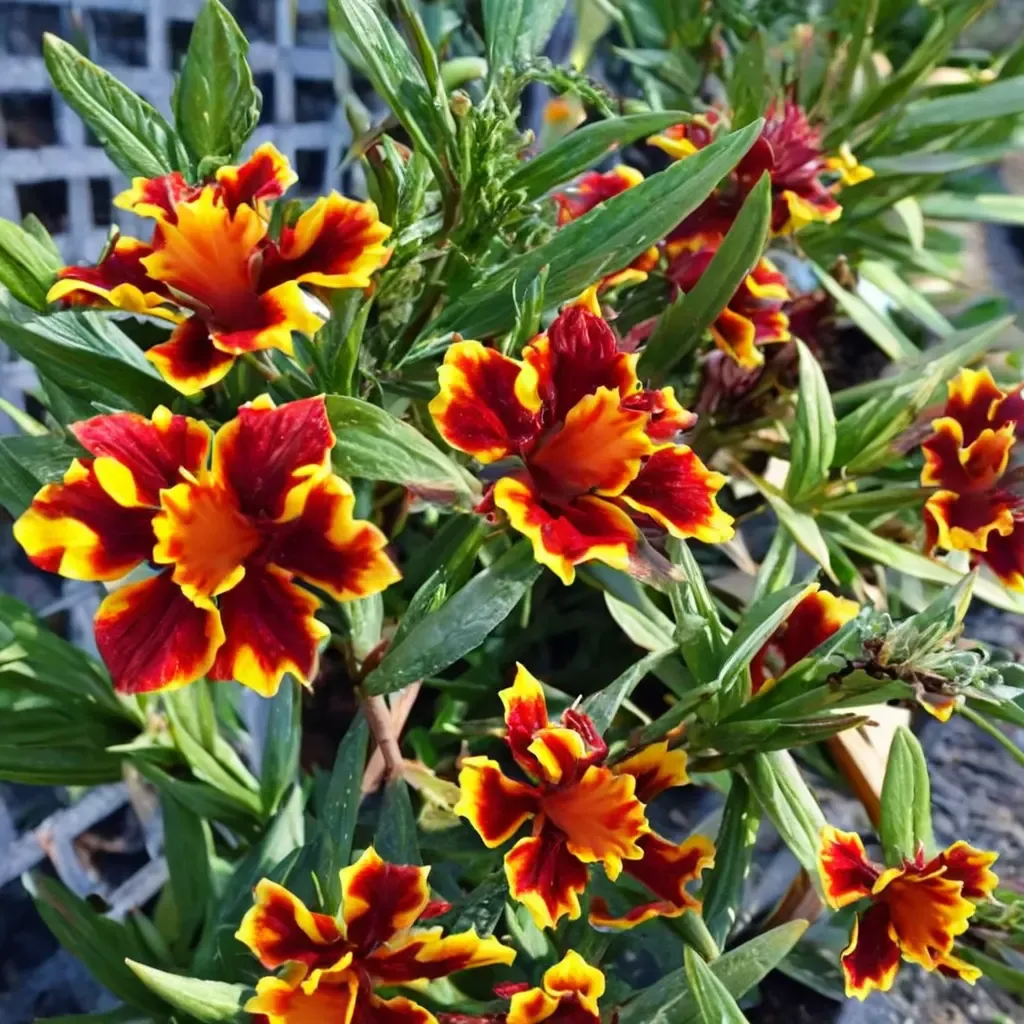
Roundleaf Monkeyflower
Mimulus aurantiacus 'Jelly Bean Fiesta Marigold'
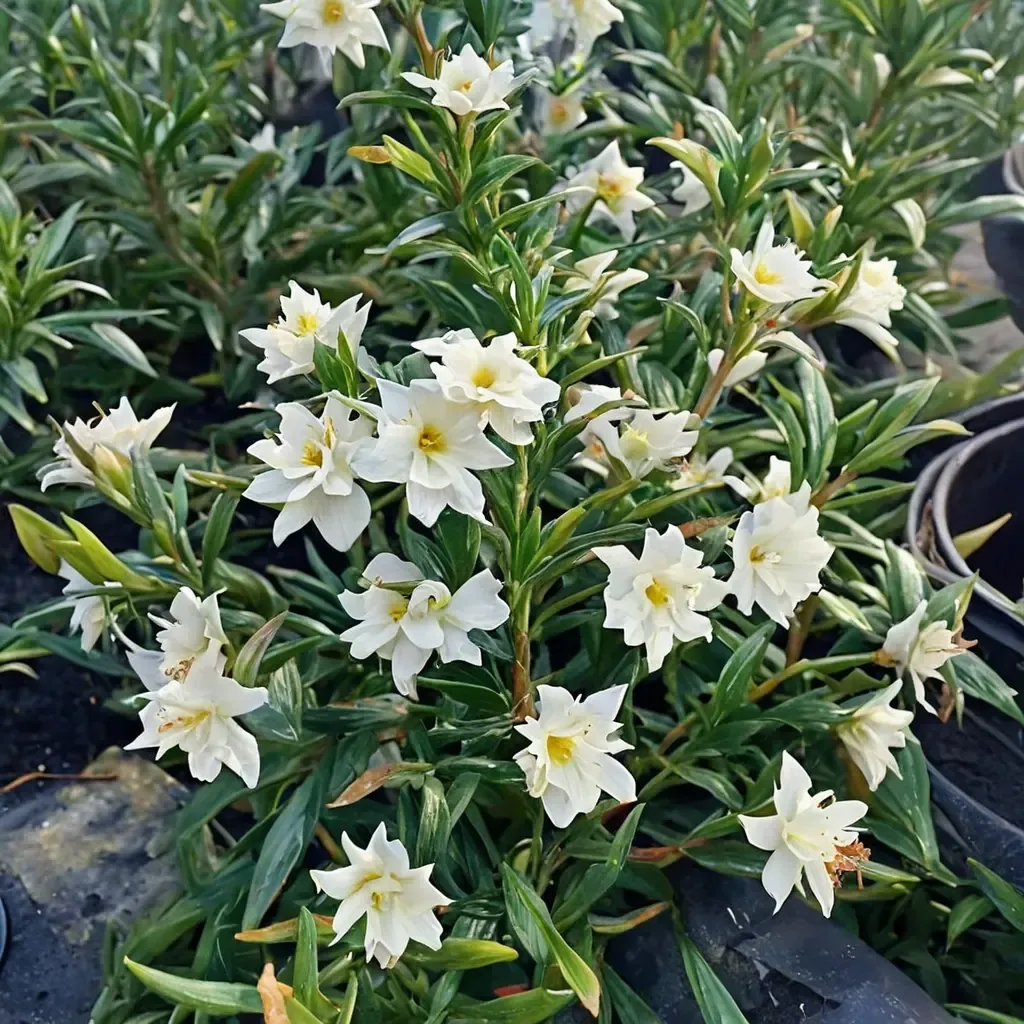
White Monkey Flower
Mimulus bifidus 'White'
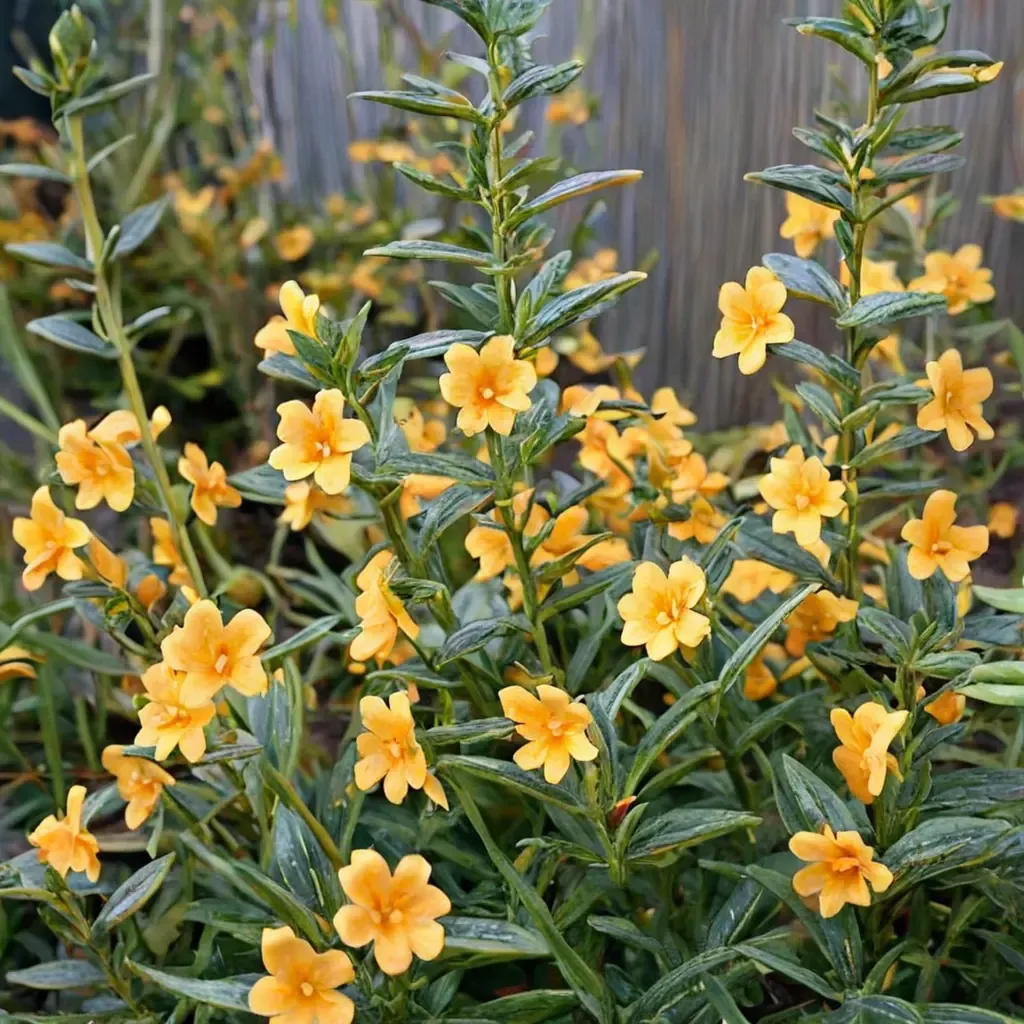
Point Molate Monkeyflower
Mimulus aurantiacus 'Point Molate'
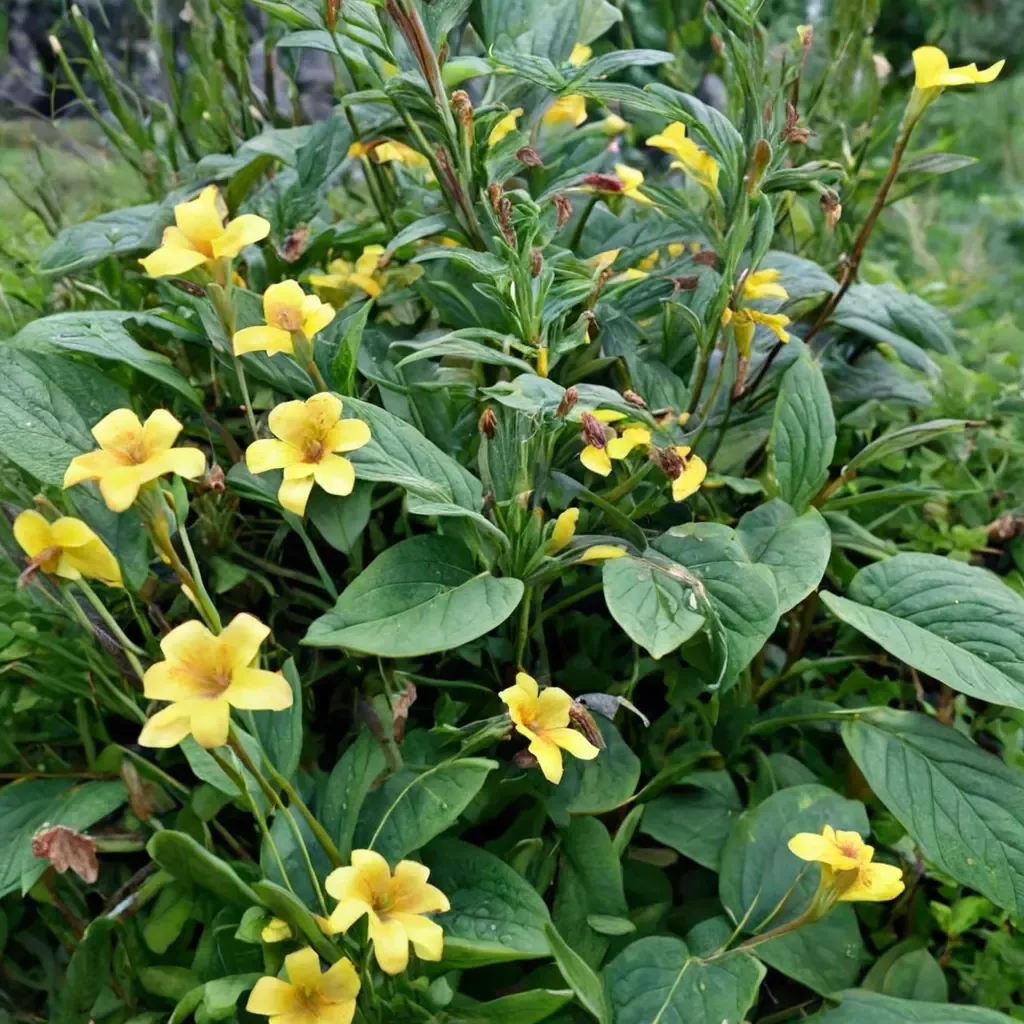
Bush Monkey Flower
Mimulus fruticosus
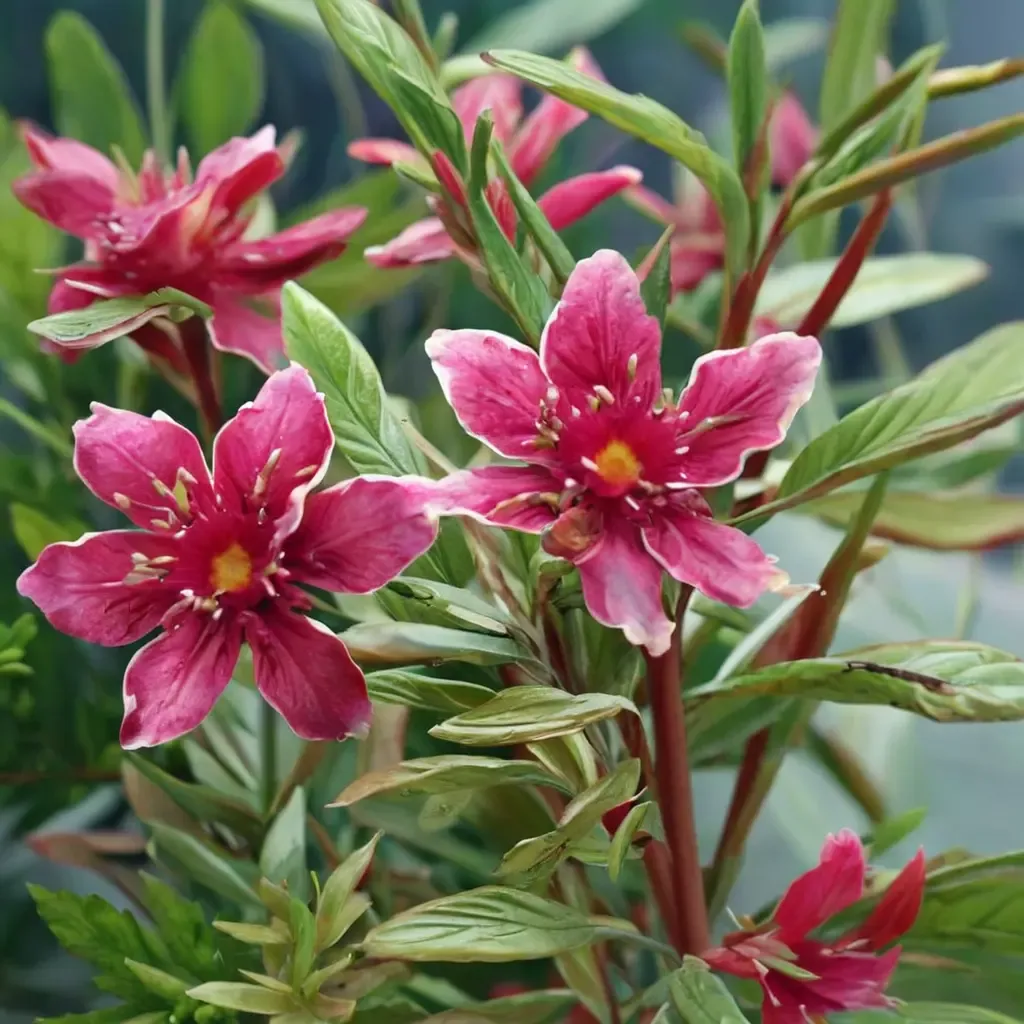
Cherry Monkey Flower
Mimulus aurantiacus 'Cherry'
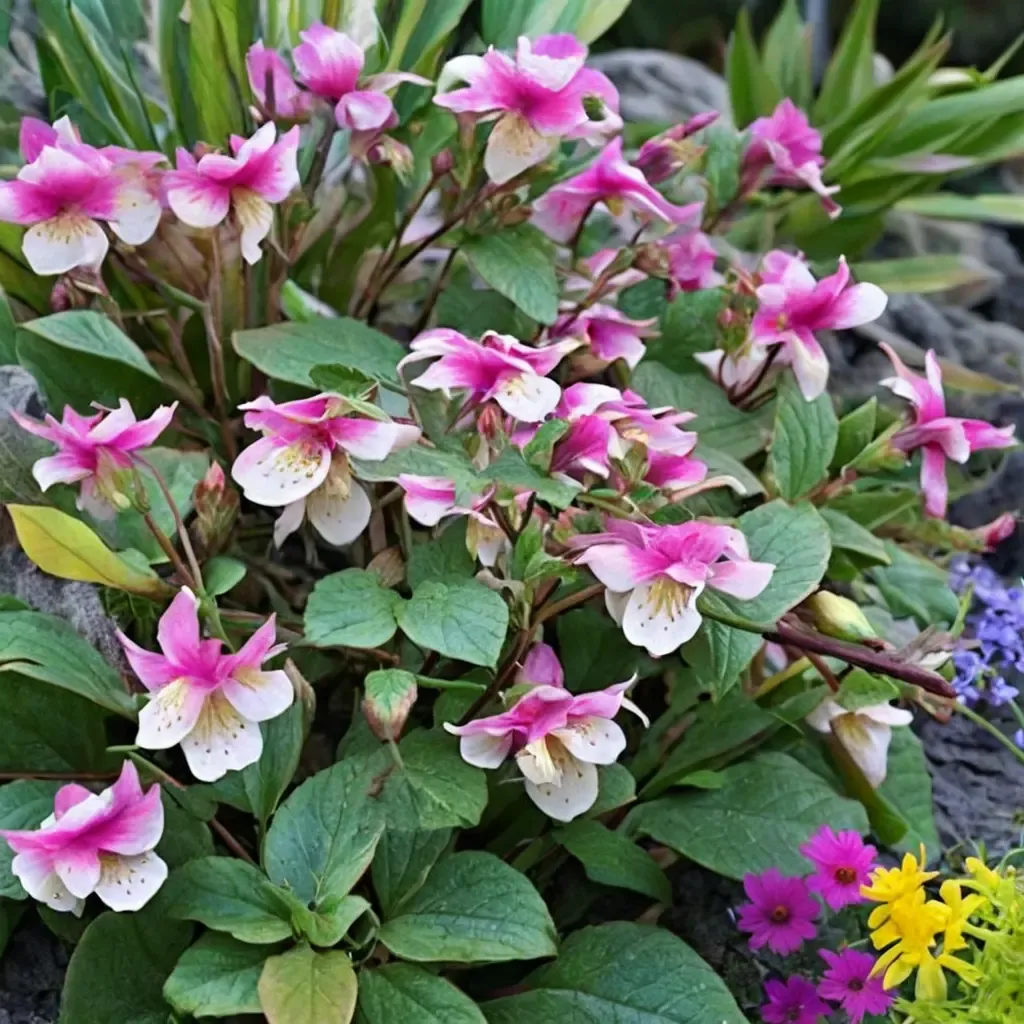
Mega Monkey Flower
Mimulus naiandinus 'Mega'
Keep exploring
Explore the genus
Hardy in your zone?
Grow Allegheny Monkey Flower with confidence
See it in a design of your actual yard, get zone-matched care reminders, and track it season by season in your garden journal.