

The Story
Plant Bio
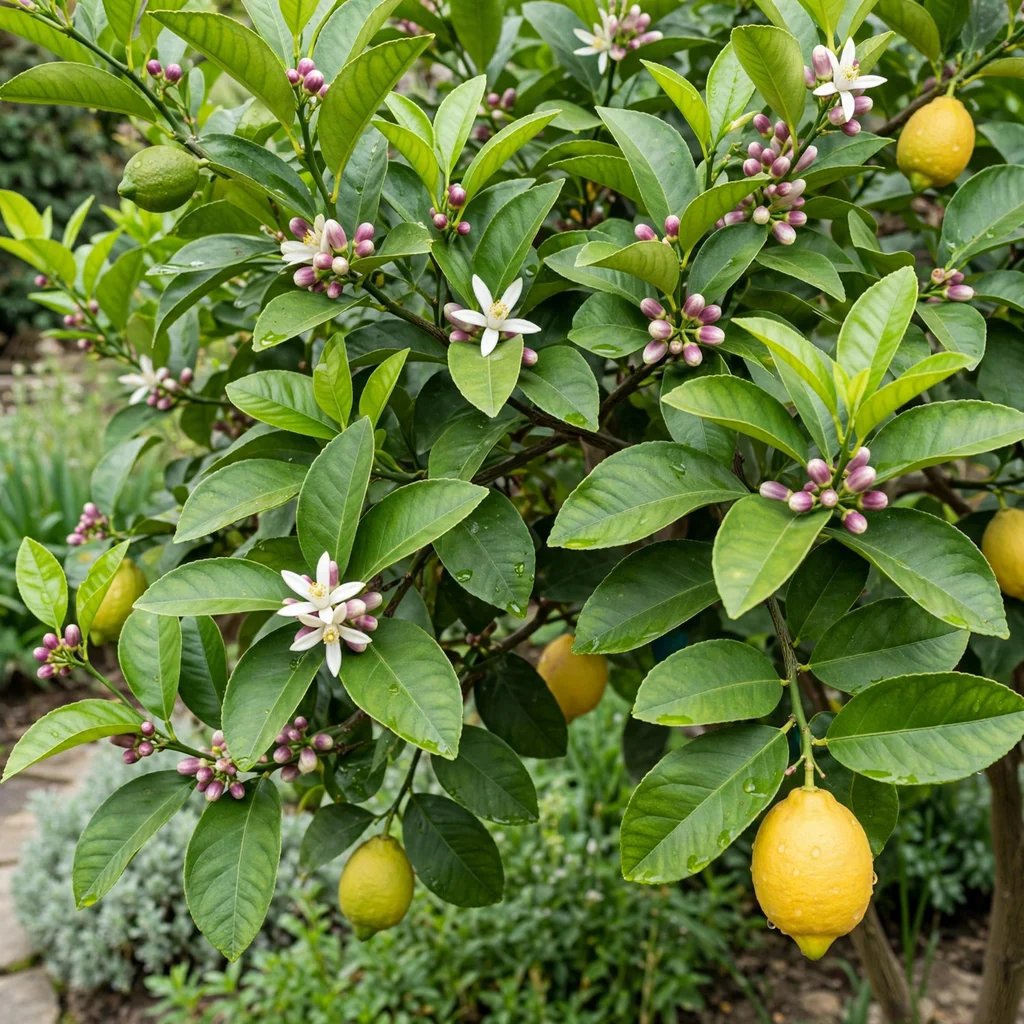
Citrus limon is an evergreen subtropical tree native to Asia, characterized by its glossy green foliage, fragrant white blossoms, and acidic yellow fruit. The species thrives in frost-free climates with well-draining, nutrient-rich soils and requires consistent moisture to sustain fruit production.
'Genoa' is a cold-hardy, nearly thornless cultivar that develops a dense, spreading canopy that is noticeably wider and more compact than 'Eureka' or 'Lisbon'. It produces highly fragrant white flowers with purplish-pink buds, followed by thin-skinned, high-acid lemons borne primarily on the outer perimeter of the foliage.
Uses & Benefits:
Essentials
At a Glance
Plant Type
Tree
Height
96"
Width
120"
Light
Full Sun
Zones
9, 10
Water
Moderate
Humidity
Moderate
Lifespan
50 years
Native To
Asia
Toxicity
Non-toxic
Bloom period
Spring – Autumn
In flower about 9 months of the year
Planting
How to Grow
- Select a planting site in full sun receiving at least six to eight hours of direct daily sunlight.
- Dig a hole twice as wide as the root ball but slightly shallower, ensuring the root flare remains visible above the surrounding soil grade.
- Backfill with native soil amended with organic matter, avoiding heavy clay that retains excess water.
- Water deeply immediately after planting, then establish a regular watering cycle that allows the top few inches of soil to dry between waterings.
- Apply a specialized high-nitrogen citrus fertilizer three to four times during the active growing season.
Pro Tip
Plant the tree slightly high with the root flare exposed to prevent cambium suffocation and Phytophthora collar rot. Avoid planting in unsheltered, windy locations, as wind-rub easily scars the fruit developing on the outer canopy.
Keep It Thriving
Care Guide
Do
- Expose the root flare during planting to prevent bark rot.
- Water deeply and regularly, allowing the soil to dry slightly between cycles.
- Apply a balanced citrus fertilizer containing nitrogen, iron, and trace elements.
- Provide heavy winter protection or move container-grown trees indoors if temperatures drop below 25°F.
Don't
- Do not plant in heavy, poorly draining clay soils or low spots prone to standing water.
- Do not prune heavily into old, leafless wood, as regeneration is slow and patchy.
- Do not allow mulch to touch the trunk, which invites fungal collar rot.
- Do not plant in high-wind zones where outer canopy fruit will suffer wind-scarring.
Seasonal Care Calendar
| Task | Jan | Feb | Mar | Apr | May | Jun | Jul | Aug | Sep | Oct | Nov | Dec |
|---|---|---|---|---|---|---|---|---|---|---|---|---|
| Fertilize | ||||||||||||
| Harvest | ||||||||||||
| Pest Check | ||||||||||||
| Prune | ||||||||||||
| Winter Prep |
Watch Out For
Pests & Diseases
Common Pests
Common Diseases
In the Garden
Landscape Uses & Companions
Landscape Uses
Multiply
Propagation Methods
Good to Know
Common Questions
Genoa lemon questions
What zones can Genoa lemon grow in?
Genoa lemon is hardy in USDA Zones 9–10. Inside that range it survives winter in the ground; outside it, grow it as an annual or a container plant you protect.
Is Genoa lemon deer resistant?
Not reliably. Deer may browse Genoa lemon, especially tender spring growth — plan on repellents or fencing where pressure is high.
When does Genoa lemon bloom?
Genoa lemon typically blooms in spring through autumn. Exact timing shifts a week or two with your zone — Sow's bloom calendar maps it to your garden.
Does Genoa lemon need full sun?
Genoa lemon does best in full sun (6+ hours).
Is Genoa lemon drought tolerant?
Yes — once established (usually after the first full season), Genoa lemon handles dry spells with minimal watering. Water deeply its first year to build the root system that makes that possible.
More Citrus to compare
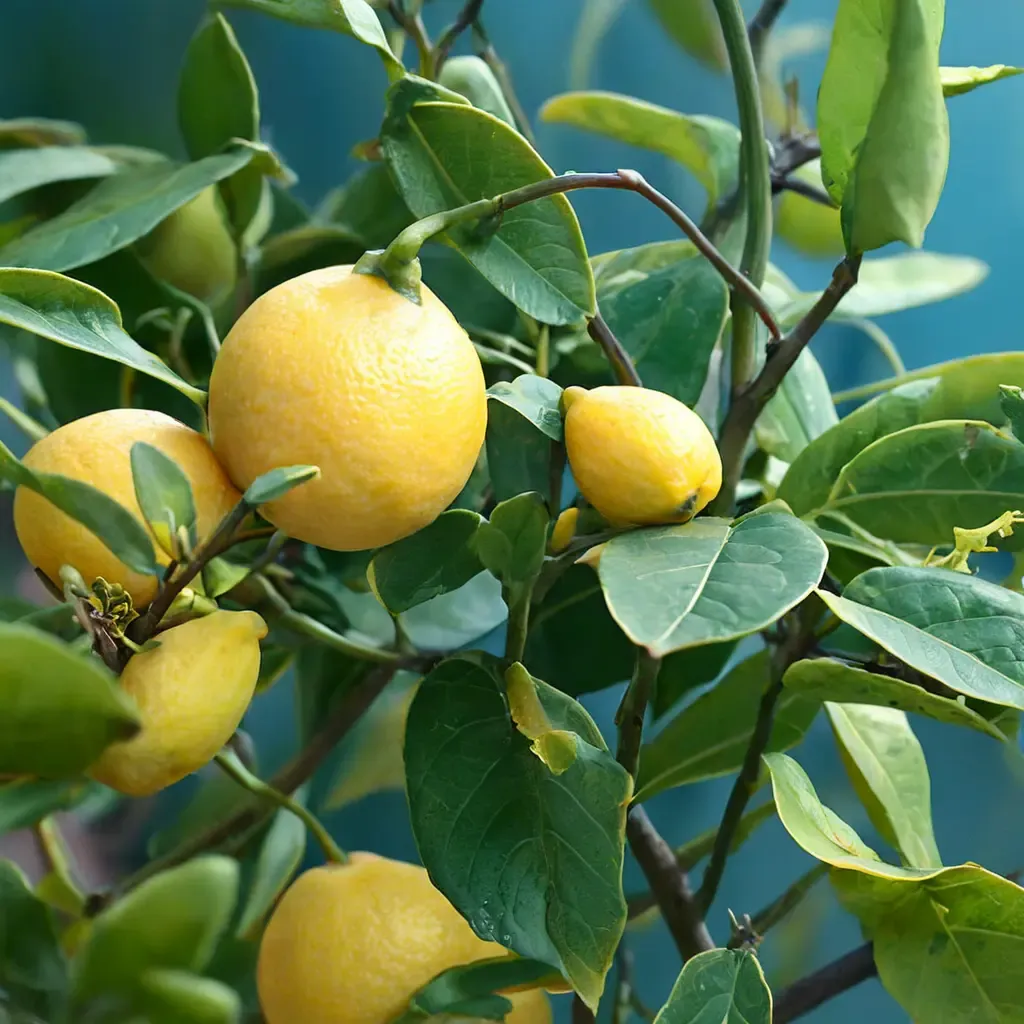
Meyer Lemon
Citrus limon 'Meyer'
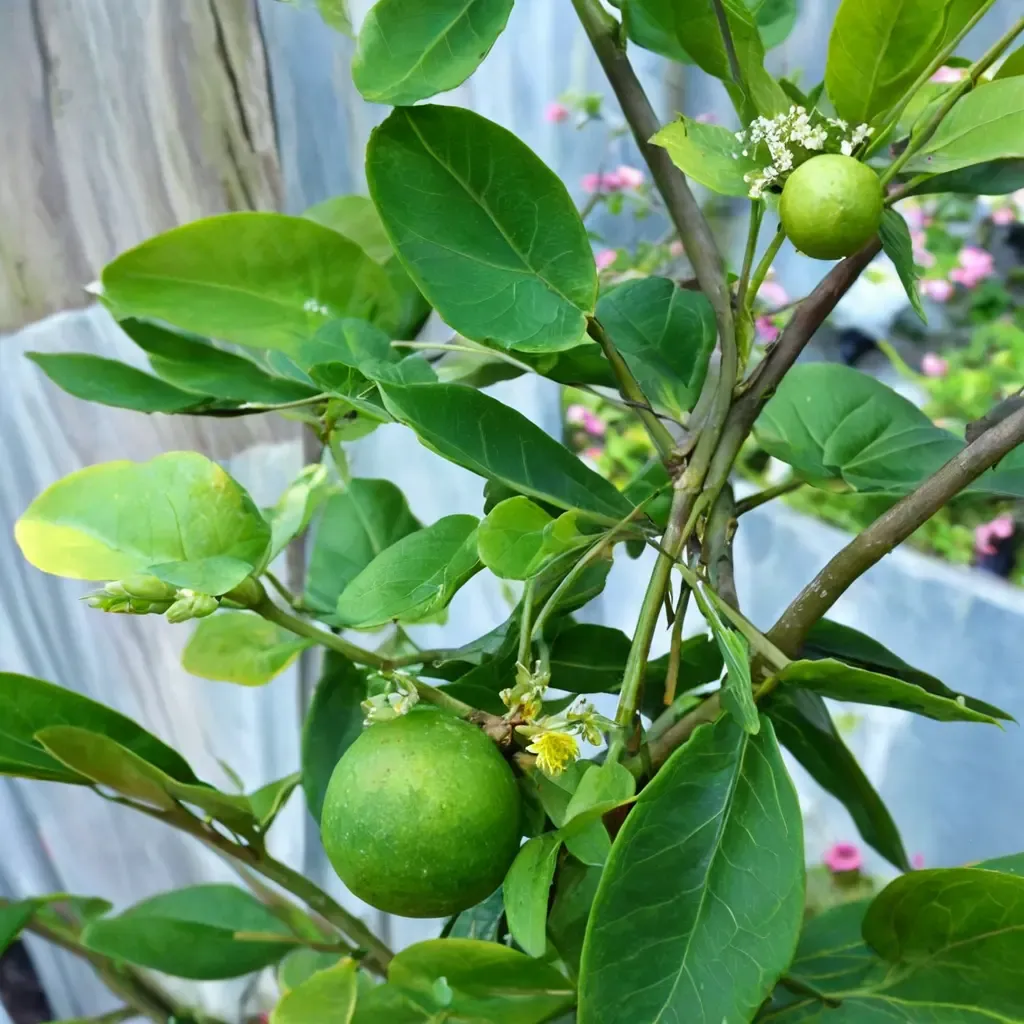
Key Lime
Citrus aurantiifolia
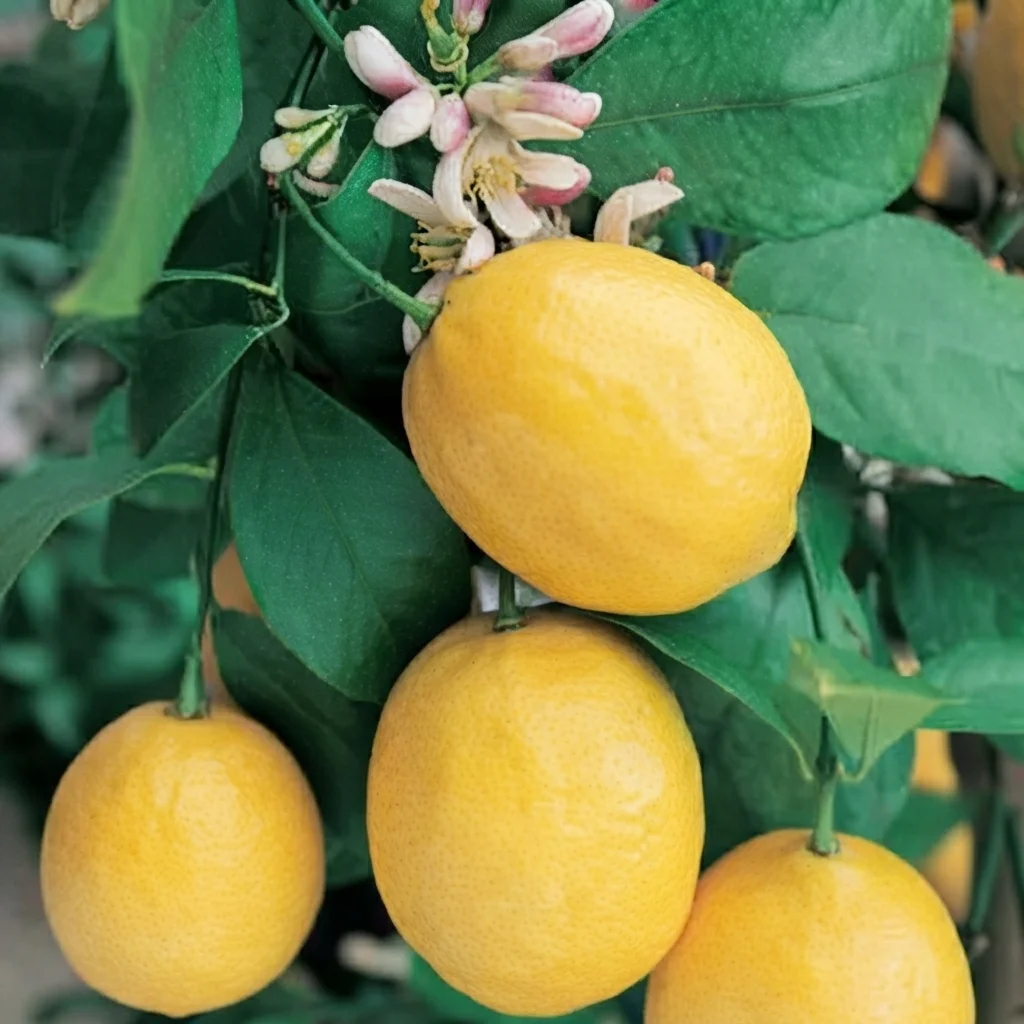
Eureka Lemon
Citrus limon 'Eureka'
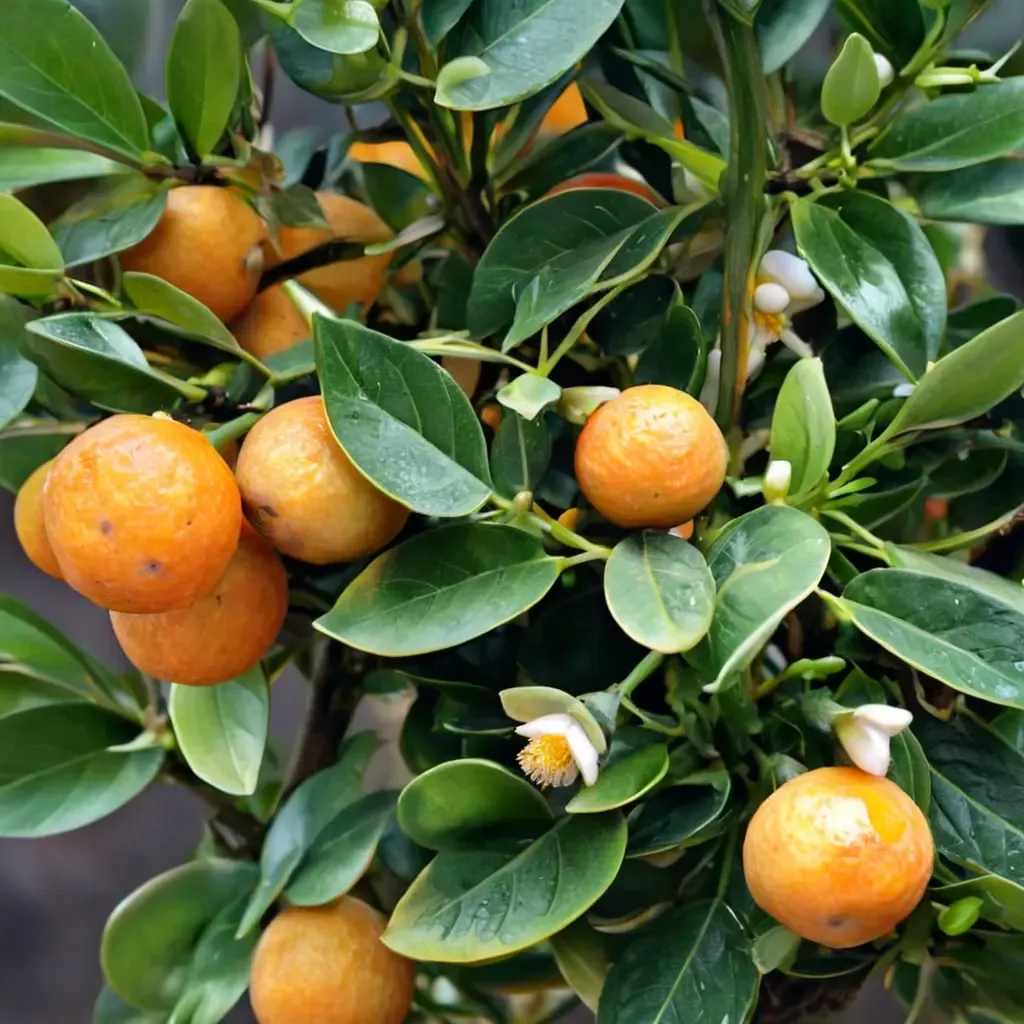
Calamondin
Citrus mitis
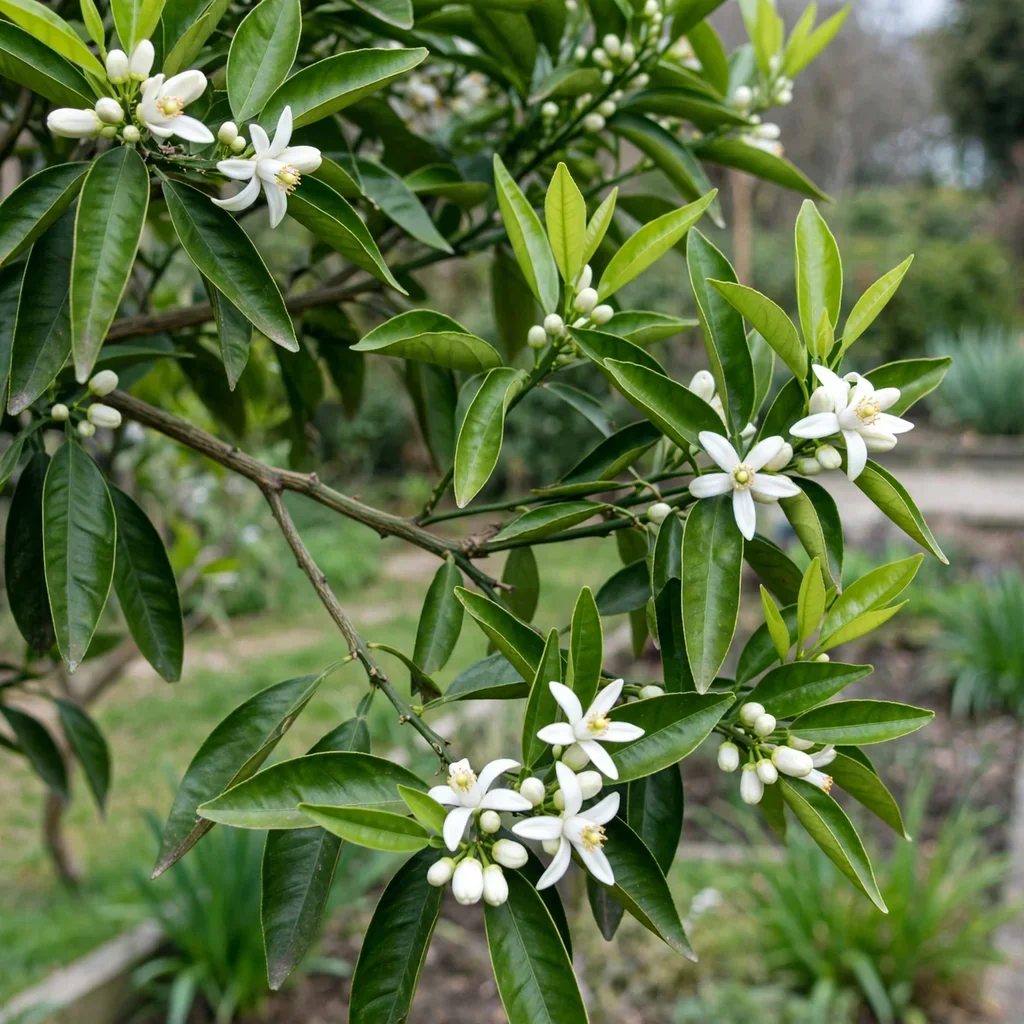
Sanguinello Orange
Citrus reticulata 'Sanguinea'
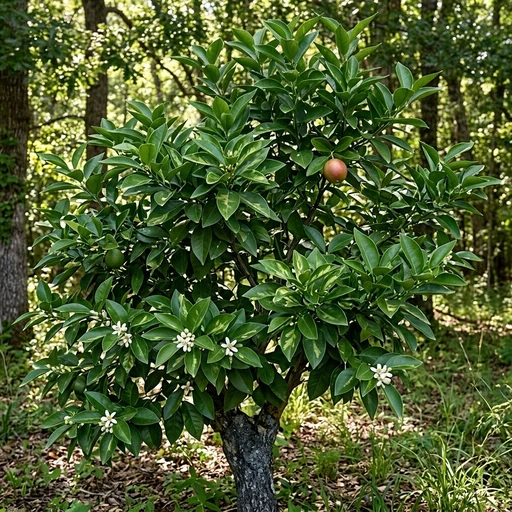
Moro Blood Orange
Citrus sinensis 'Moro'
Keep exploring
Explore the genus
Hardy in your zone?
Grow Genoa lemon with confidence
See it in a design of your actual yard, get zone-matched care reminders, and track it season by season in your garden journal.