
Species
 Citrus limonLemon
4 other cultivars


The Story
Plant Bio
Citrus limon is a vigorous, dense evergreen tree native to Asia, featuring leathery dark green leaves with winged petioles and sharp thorns along the branches. The species produces highly fragrant flowers that are purplish-pink in bud and open to white with yellow stamens, followed by acidic, yellow-skinned fruits.
'Lisbon' is a vigorous, upright cultivar known for its dense, somewhat open canopy and heavy winter-to-spring crop of classic lemons. New foliage emerges with a distinct bronze to reddish-purple flush, adding ornamental value before maturing to deep green.
Uses & Benefits:
Essentials
At a Glance
Plant Type
Tree
Height
240"
Width
160"
Light
Full Sun
Zones
9, 10
Water
Medium
Humidity
Moderate to High
Lifespan
Multi-decade
Native To
Asia
Toxicity
Skin Irritant
Bloom period
Spring – Autumn
In flower about 9 months of the year
Planting
How to Grow
- Plant in a full-sun location receiving at least six to eight hours of direct daily sunlight.
- Ensure the soil is highly permeable, such as a fertile loam or sandy loam, to prevent waterlogging.
- Apply a balanced citrus fertilizer high in nitrogen and trace elements three times per year in early spring, summer, and early fall.
- Provide consistent moisture, watering deeply when the top few inches of soil dry out, especially during fruit development.
Pro Tip
Prune minimally in spring immediately after the main harvest; cutting heavily into old, leafless wood results in poor recovery and patchy regrowth.
Keep It Thriving
Care Guide
Do
- Prune out dead, diseased, or crossing branches in spring to maintain an open canopy.
- Protect young trees and developing fruit from freezing temperatures below 32°F.
- Apply a thick layer of organic mulch around the base, keeping it clear of the trunk, to retain moisture.
Don't
- Do not allow the soil to become waterlogged, as poor drainage causes root rot.
- Do not prune heavily into old, bare wood, which lacks active buds for regrowth.
- Do not use high-phosphorus fertilizers, opting instead for balanced citrus-specific formulations.
Seasonal Care Calendar
| Task | Jan | Feb | Mar | Apr | May | Jun | Jul | Aug | Sep | Oct | Nov | Dec |
|---|---|---|---|---|---|---|---|---|---|---|---|---|
| Fertilize | ||||||||||||
| Harvest | ||||||||||||
| Pest Check | ||||||||||||
| Prune | ||||||||||||
| Winter Prep |
Watch Out For
Pests & Diseases
Common Pests
Common Diseases
In the Garden
Landscape Uses & Companions
Landscape Uses
Companion Plants
Multiply
Propagation Methods
Good to Know
Common Questions
Lisbon Lemon questions
What zones can Lisbon Lemon grow in?
Lisbon Lemon is hardy in USDA Zones 9–10. Inside that range it survives winter in the ground; outside it, grow it as an annual or a container plant you protect.
Is Lisbon Lemon deer resistant?
Not reliably. Deer may browse Lisbon Lemon, especially tender spring growth — plan on repellents or fencing where pressure is high.
When does Lisbon Lemon bloom?
Lisbon Lemon typically blooms in spring through autumn. Exact timing shifts a week or two with your zone — Sow's bloom calendar maps it to your garden.
Does Lisbon Lemon need full sun?
Lisbon Lemon does best in full sun (6+ hours).
More Citrus to compare
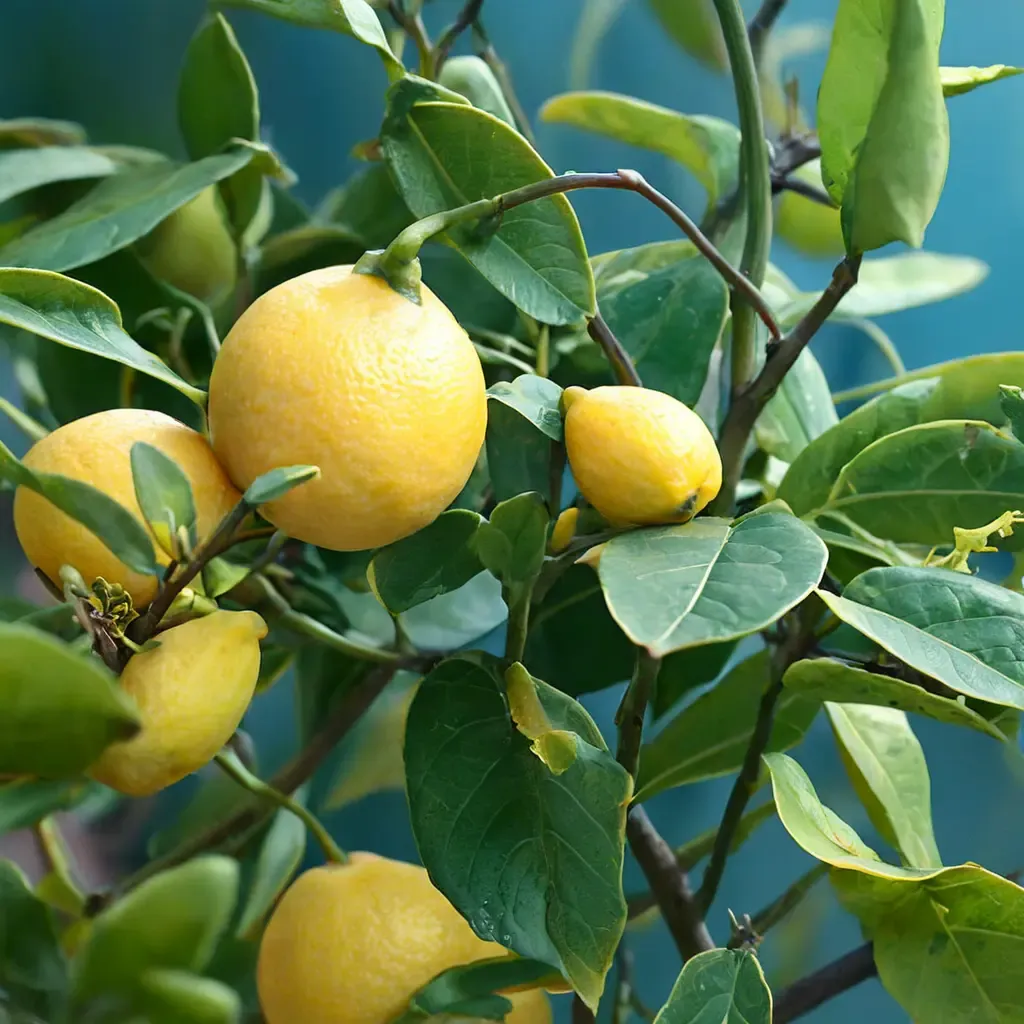
Meyer Lemon
Citrus limon 'Meyer'
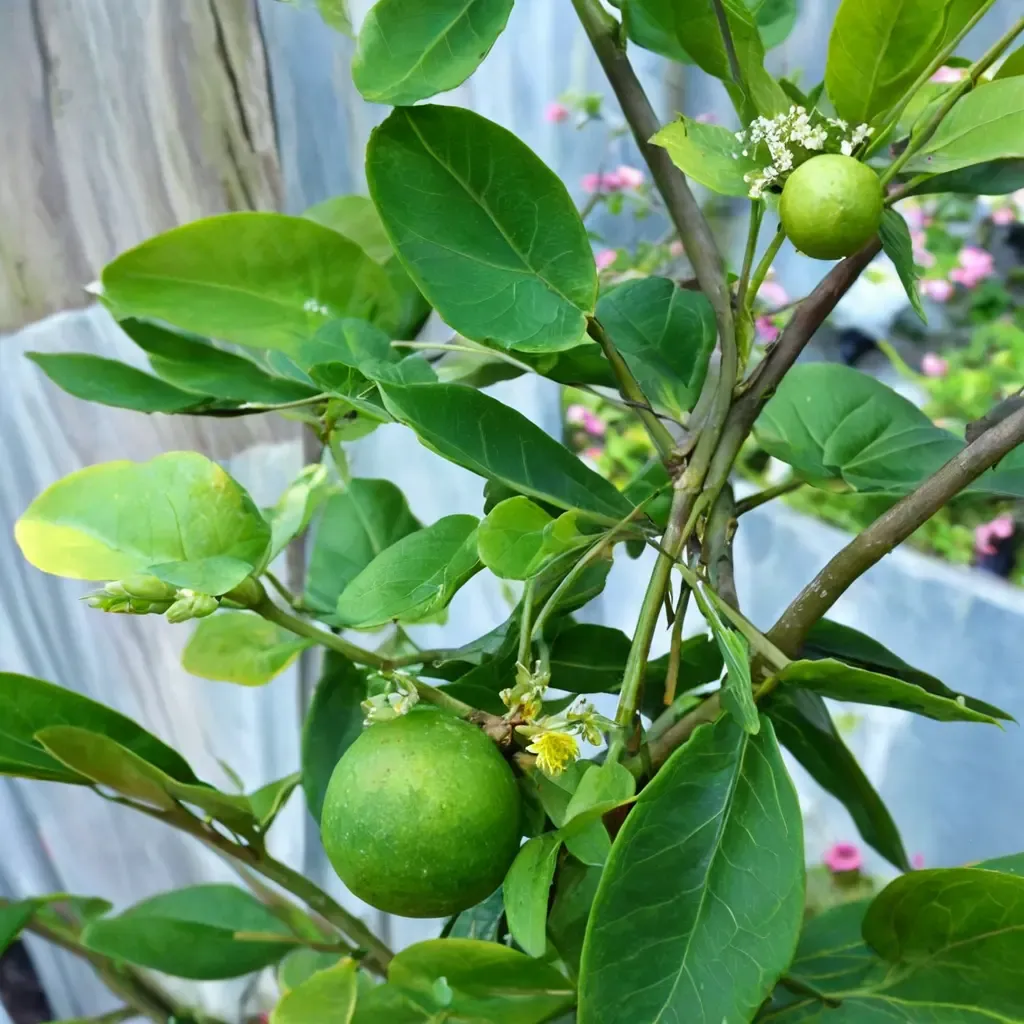
Key Lime
Citrus aurantiifolia
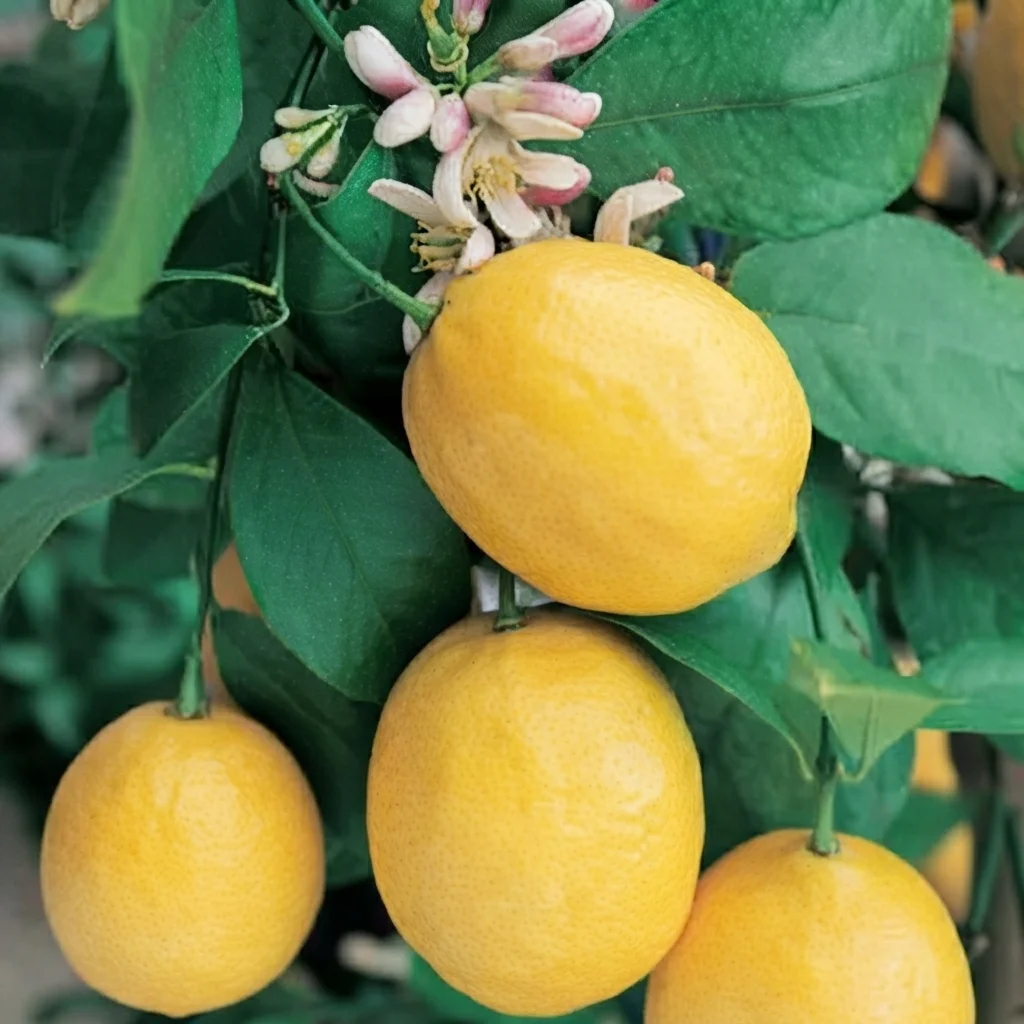
Eureka Lemon
Citrus limon 'Eureka'
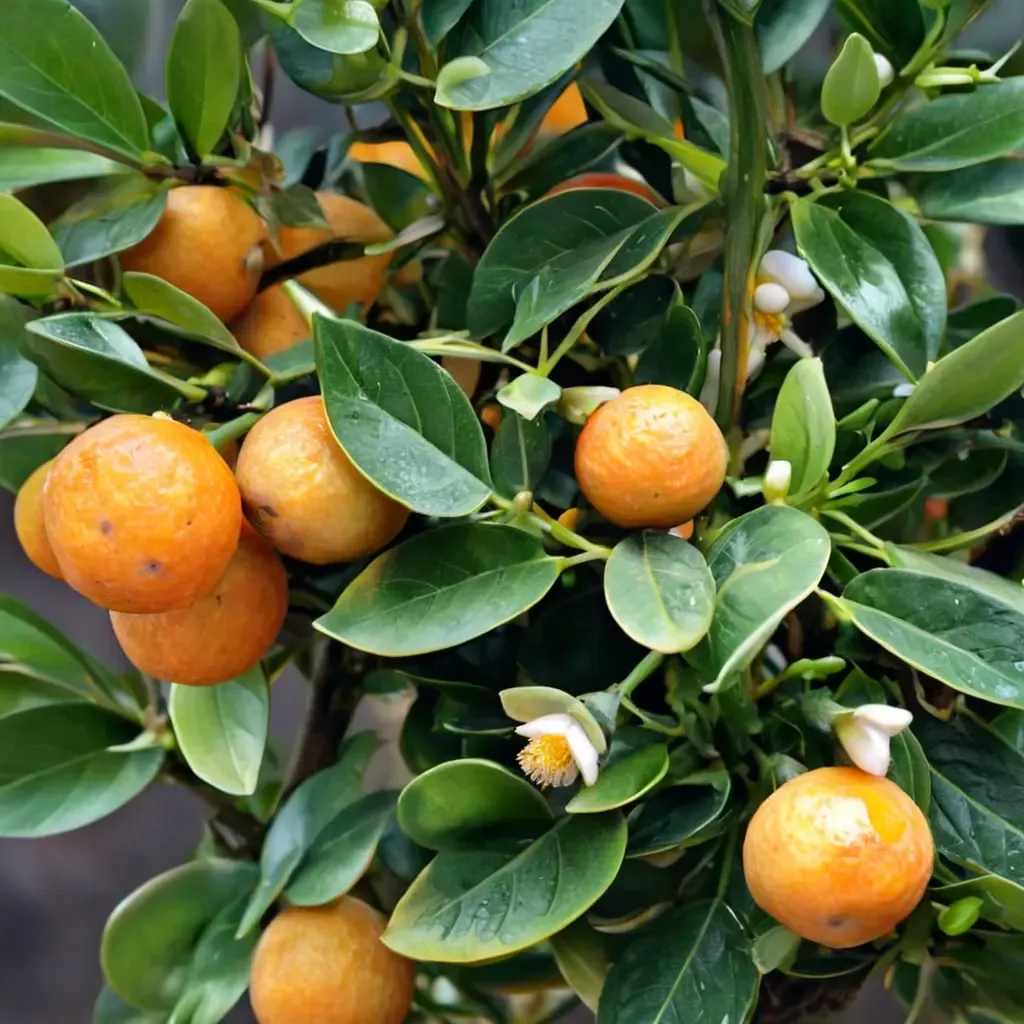
Calamondin
Citrus mitis
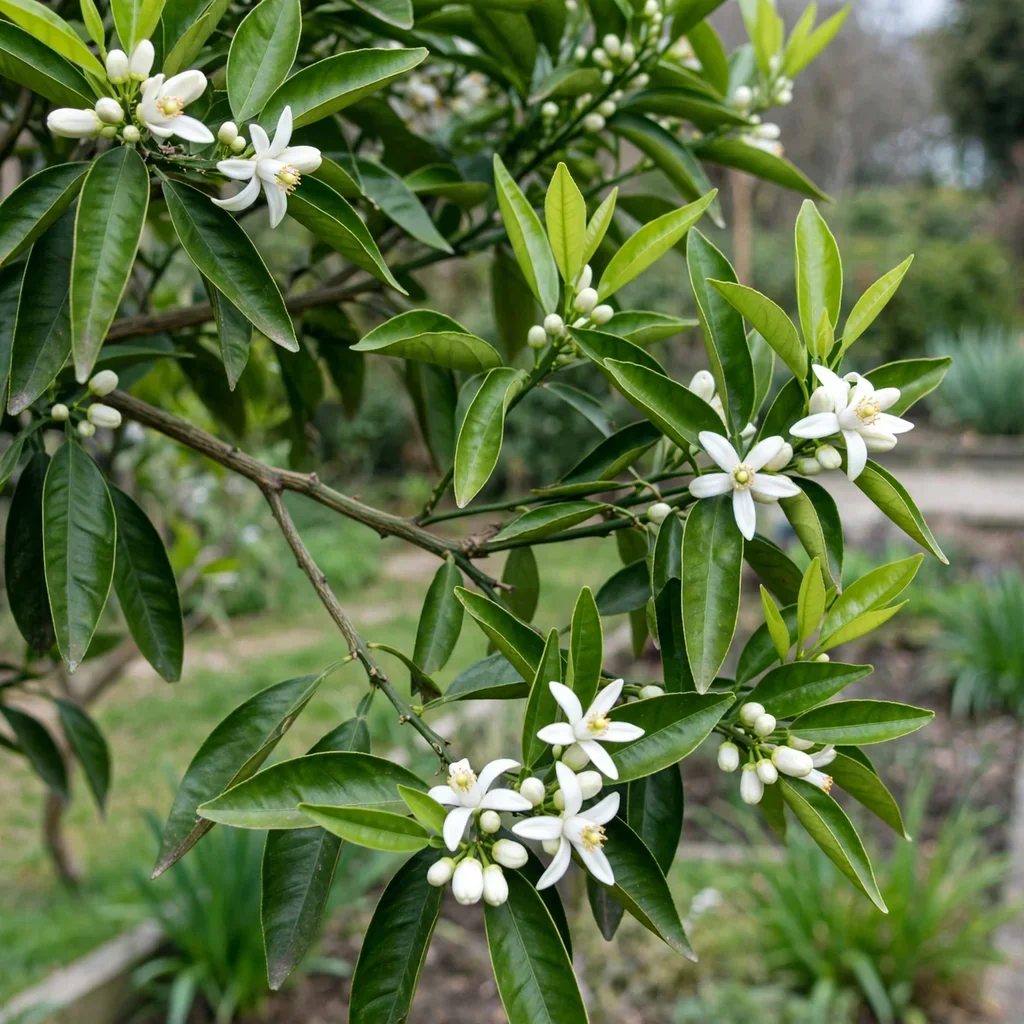
Sanguinello Orange
Citrus reticulata 'Sanguinea'
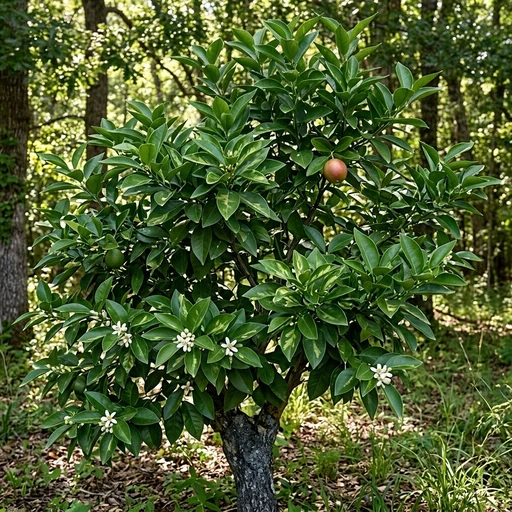
Moro Blood Orange
Citrus sinensis 'Moro'
Keep exploring
Explore the genus
Hardy in your zone?
Grow Lisbon Lemon with confidence
See it in a design of your actual yard, get zone-matched care reminders, and track it season by season in your garden journal.