The Story
Plant Bio
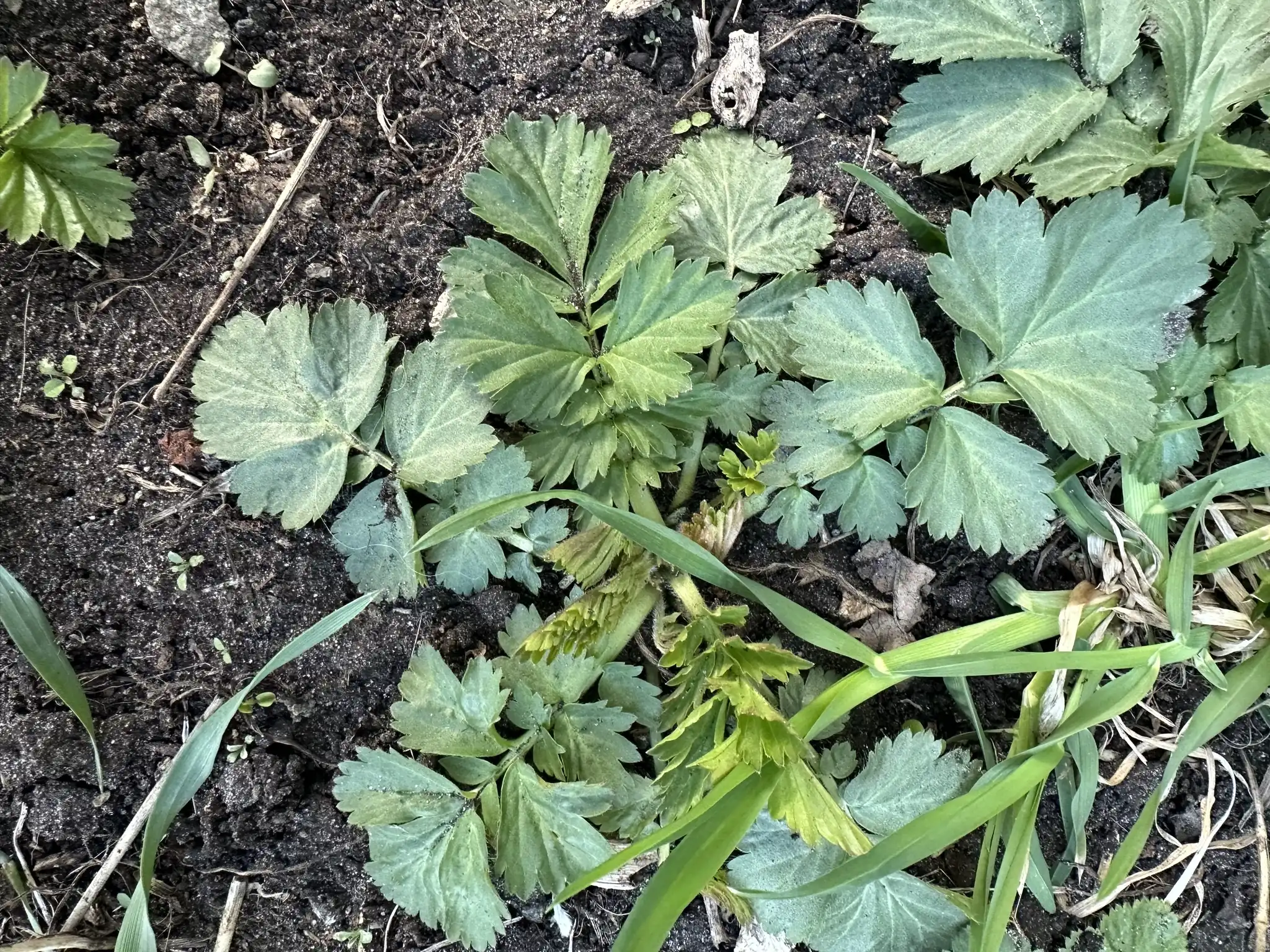
Geum aleppicum, commonly known as yellow avens, is an upright, clump-forming herbaceous perennial native to damp meadows and woodland edges across the Northern Hemisphere. It produces hairy stems from a stout rootstock, bearing pinnately compound basal leaves with three to seven coarsely toothed leaflets.
During summer, the plant produces loose, leafy terminal cymes of bright yellow, bowl-shaped flowers with five spreading petals and a dense cluster of central stamens. The mid-green foliage remains low and compact, while the flowering stems rise well above the basal clump.
Uses & Benefits:
Essentials
At a Glance
Plant Type
Perennial
Height
36"
Width
18"
Light
Full Sun, Partial Sun
Zones
4, 5, 6, 7, 8
Water
Medium to high
Humidity
Moderate
Lifespan
Perennial
Native To
North America, Europe, Asia
Toxicity
Non-toxic
Bloom period
Summer
In flower about 3 months of the year
Planting
How to Grow
- Select a planting site in full sun to partial shade with moist, humus-rich, loamy soil.
- Dig a hole twice the width of the root ball and set the plant so the crown sits level with the soil surface.
- Water thoroughly immediately after planting to settle the soil around the roots.
- Apply a thin layer of organic mulch around the base to help retain soil moisture, keeping it clear of the crown.
Pro Tip
Avoid planting this species in dry rock gardens; it requires the consistent moisture of a woodland edge or meadow to prevent rapid leaf scorch and decline.
Keep It Thriving
Care Guide
Do
- Keep the soil consistently moist, especially during hot summer spells.
- Deadhead spent flower stems regularly to encourage a longer blooming period.
- Apply a balanced organic fertilizer or a layer of compost around the base each spring.
Don't
- Do not allow the soil to dry out completely, as the plant has low drought tolerance.
- Do not plant in heavy, poorly drained clay where stagnant water can cause root rot.
- Do not cut back hard into the old, woody central crown tissue when pruning.
Seasonal Care Calendar
| Task | Jan | Feb | Mar | Apr | May | Jun | Jul | Aug | Sep | Oct | Nov | Dec |
|---|---|---|---|---|---|---|---|---|---|---|---|---|
| Deadhead | ||||||||||||
| Divide | ||||||||||||
| Fertilize | ||||||||||||
| Pest Check | ||||||||||||
| Spring Cleanup |
Watch Out For
Pests & Diseases
Common Pests
Common Diseases
In the Garden
Landscape Uses & Companions
Landscape Uses
Multiply
Propagation Methods
Good to Know
Common Questions
Yellow Avens questions
What zones can Yellow Avens grow in?
Yellow Avens is hardy in USDA Zones 4–8. Inside that range it survives winter in the ground; outside it, grow it as an annual or a container plant you protect.
Is Yellow Avens deer resistant?
Not reliably. Deer may browse Yellow Avens, especially tender spring growth — plan on repellents or fencing where pressure is high.
When does Yellow Avens bloom?
Yellow Avens typically blooms in summer through summer. Exact timing shifts a week or two with your zone — Sow's bloom calendar maps it to your garden.
Does Yellow Avens need full sun?
Yellow Avens does best in full sun to part shade. In hot climates, afternoon shade keeps blooms fresher longer.
More Geum to compare
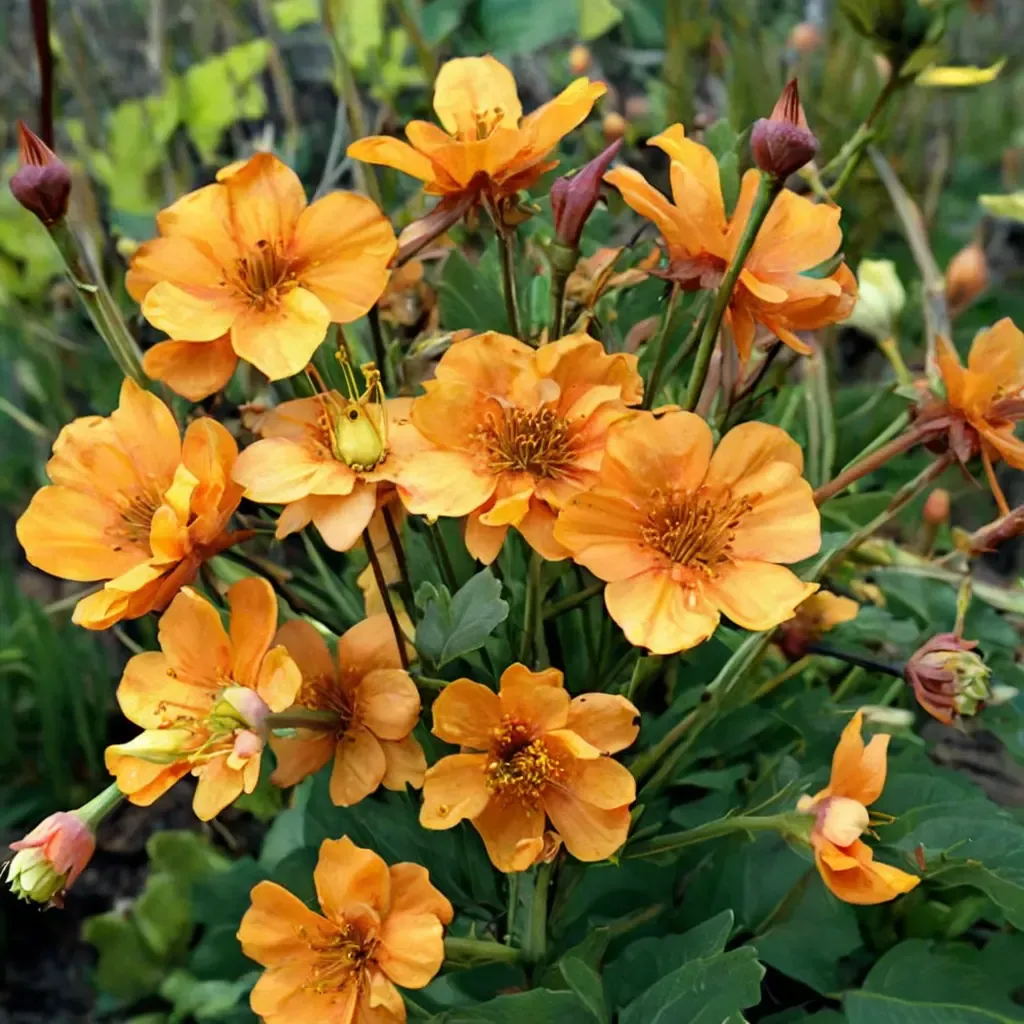
Fireball Avens
Geum rivale 'Fireball'
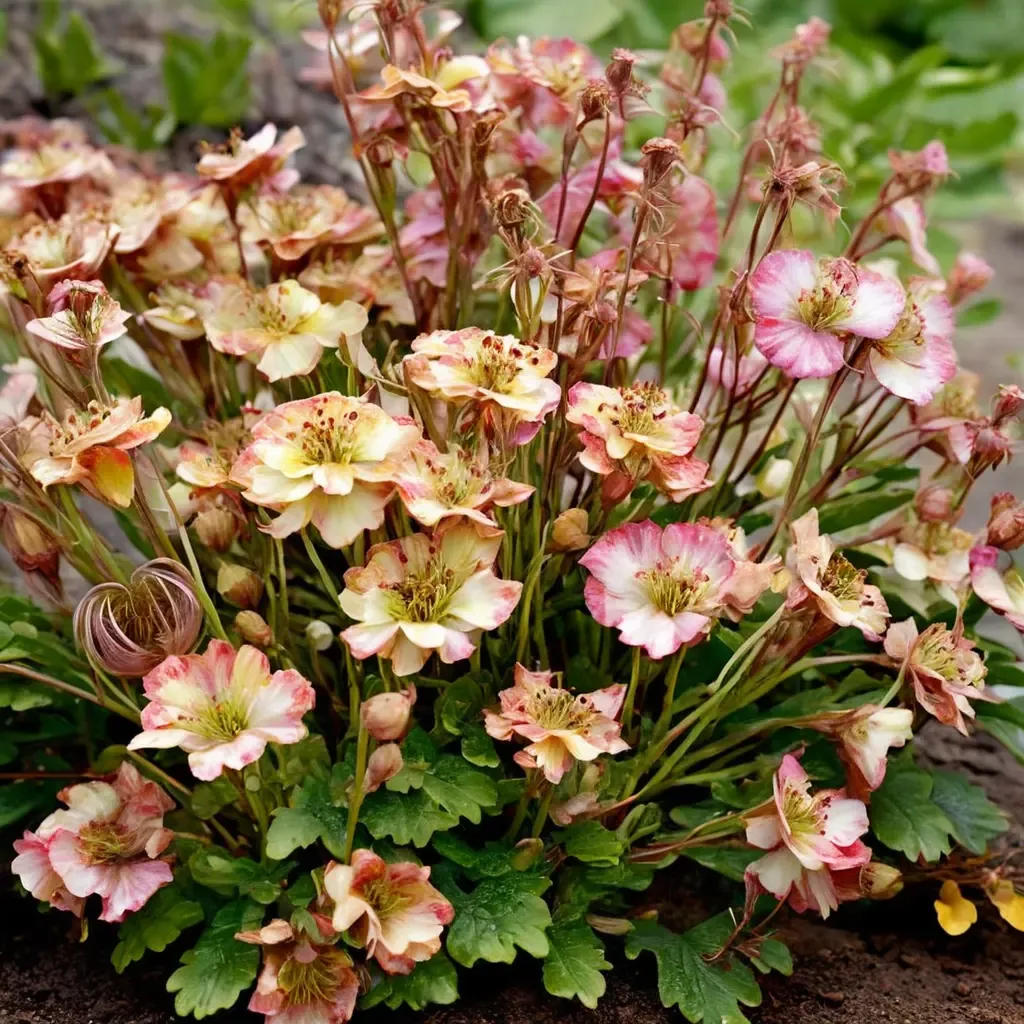
Pretticoats Peach Avens
Geum coccineum 'Pretticoats Peach'
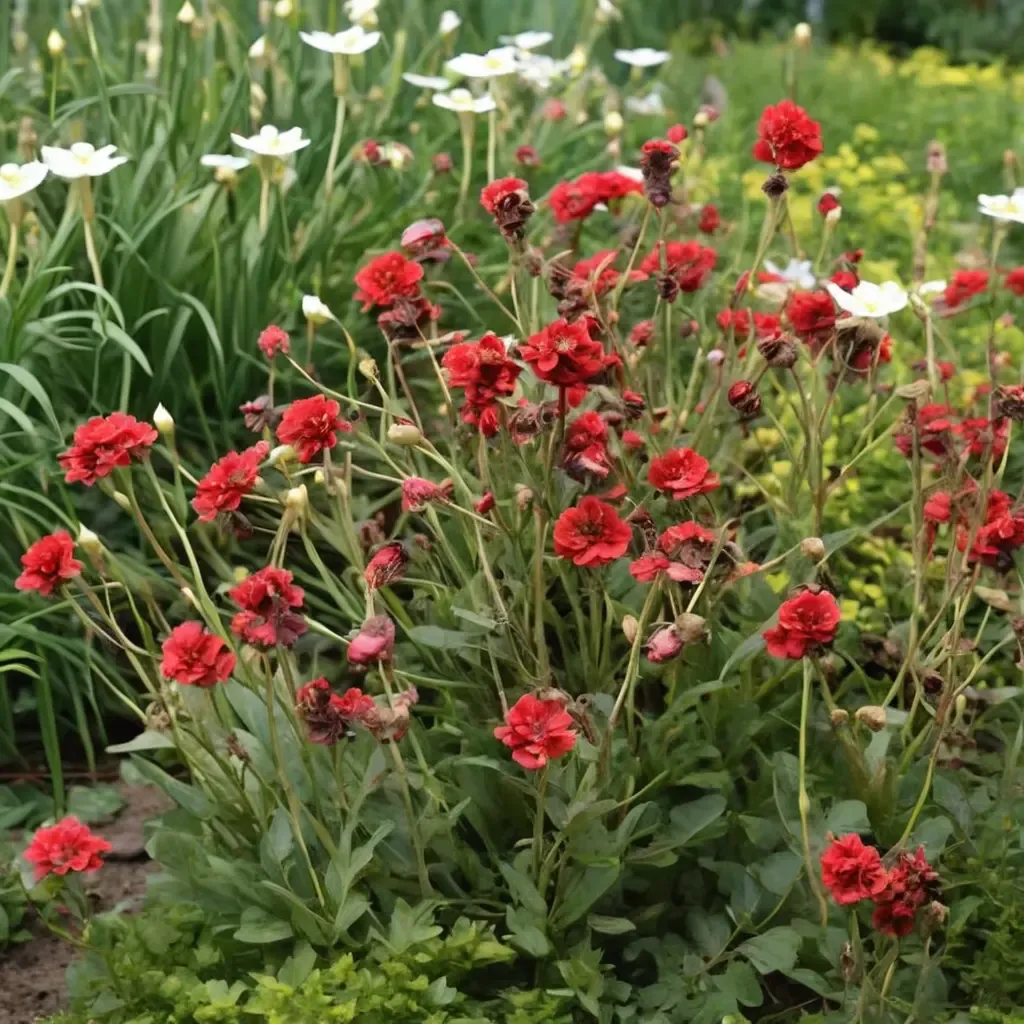
Blazing Sunset Geum
Geum quellyon 'Blazing Sunset'
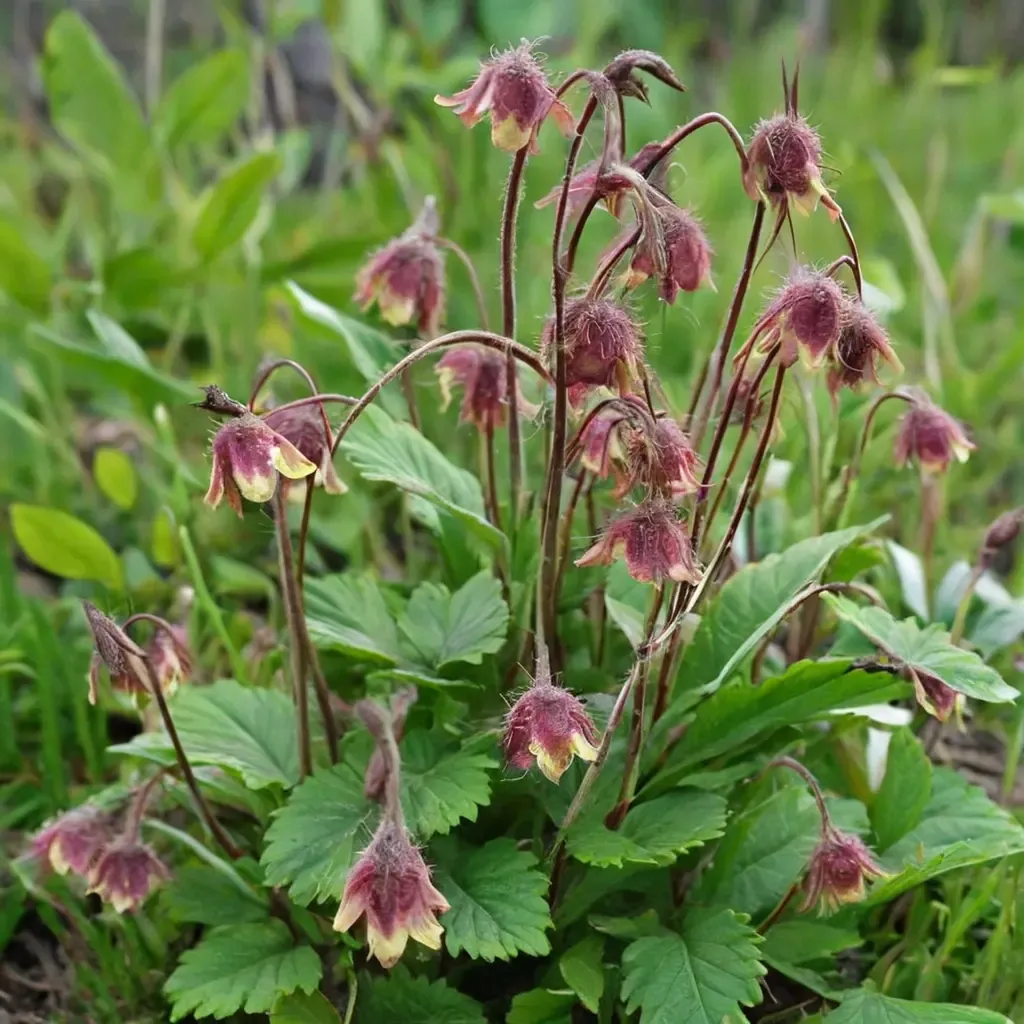
Water Avens
Geum rivale
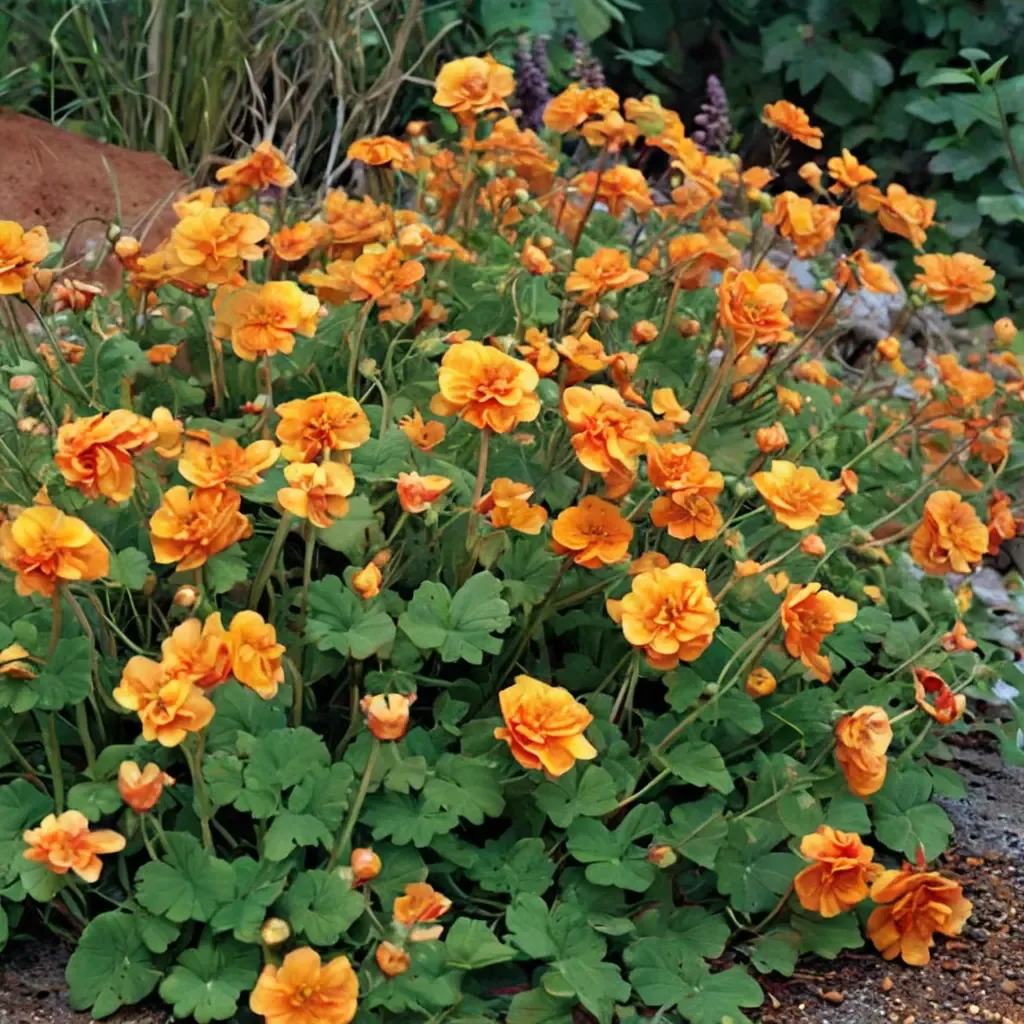
Fire Storm Avens
Geum x hybrida 'Fire Storm'
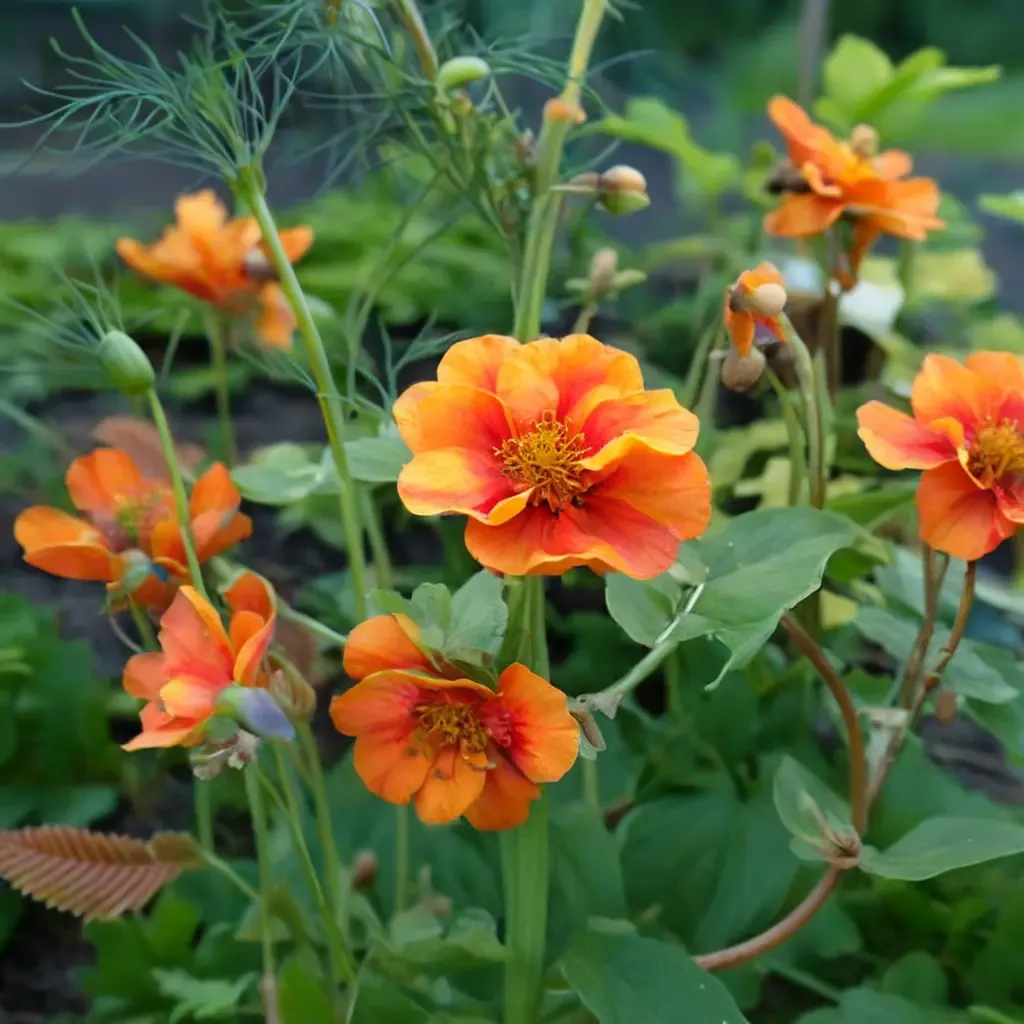
Prinses Juliana Geum
Geum x hybrida 'Prinses Juliana'
Keep exploring
Explore the genus
Hardy in your zone?
Grow Yellow Avens with confidence
See it in a design of your actual yard, get zone-matched care reminders, and track it season by season in your garden journal.