
The Story
Plant Bio
A dwarf, tuberous perennial grown for its striking foliage. It features velvety, heart-shaped, dark green to near-black leaves, each highlighted by a large, silvery-grey blotch in the center.
Unlike many larger elephant ears, 'Jenningsii' has a compact, clumping habit and distinctive, patterned leaves, making it suitable for containers and the front of shady borders.
Uses & Benefits:
Essentials
At a Glance
Plant Type
Perennial
Height
15"
Width
15"
Light
Partial Sun
Zones
8, 9, 10
Water
High
Humidity
High
Lifespan
Perennial in suitable zones
Native To
Southeastern Asia
Toxicity
All parts are toxic if ingested raw
Bloom period
Mid-summer – Late summer
In flower about 2 months of the year
Planting
How to Grow
- Tuck corms into well-drained, moist soil in spring after the danger of frost passes.
- Water regularly to keep soil consistently moist, especially during hot weather.
- Mist foliage occasionally to increase humidity and prevent leaf scorch.
- Apply a balanced fertilizer monthly during the growing season for optimal growth.
- Prune dead or yellowing leaves to maintain plant health and appearance.
- Divide mature clumps in early spring or fall to propagate new plants.
Pro Tip
Plant corms at a depth twice their size for better stability and growth success.
Keep It Thriving
Care Guide
Do
- Keep soil moist but not waterlogged 🌱
- Provide partial to full sun for vibrant foliage
- Use organic mulch to retain moisture and suppress weeds
- Water deeply during dry spells
- Fertilize monthly during active growth
Don't
- Avoid overwatering to prevent rot ❌
- Don’t plant in full shade; prefers partial sun
- Refrain from using heavy clay soil without amendments
- Don’t forget to lift and store corms in winter in cold climates
- Avoid fertilizing late in the season to prevent weak growth
Seasonal Care Calendar
| Task | Jan | Feb | Mar | Apr | May | Jun | Jul | Aug | Sep | Oct | Nov | Dec |
|---|---|---|---|---|---|---|---|---|---|---|---|---|
| Fertilize | ||||||||||||
| Lift Store | ||||||||||||
| Pest Check | ||||||||||||
| Plant |
Watch Out For
Pests & Diseases
Common Pests
Common Diseases
In the Garden
Landscape Uses & Companions
Landscape Uses
Multiply
Propagation Methods
Good to Know
Common Questions
Dwarf Elephant Ear 'Jenningsii' questions
What zones can Dwarf Elephant Ear 'Jenningsii' grow in?
Dwarf Elephant Ear 'Jenningsii' is hardy in USDA Zones 8–10. Inside that range it survives winter in the ground; outside it, grow it as an annual or a container plant you protect.
Is Dwarf Elephant Ear 'Jenningsii' deer resistant?
Yes — Dwarf Elephant Ear 'Jenningsii' is rated deer-resistant. Deer typically pass it over, though extreme hunger can override any plant's defenses.
When does Dwarf Elephant Ear 'Jenningsii' bloom?
Dwarf Elephant Ear 'Jenningsii' typically blooms in mid-summer through late summer. Exact timing shifts a week or two with your zone — Sow's bloom calendar maps it to your garden.
Does Dwarf Elephant Ear 'Jenningsii' need full sun?
Dwarf Elephant Ear 'Jenningsii' does best in part shade.
More Colocasia to compare
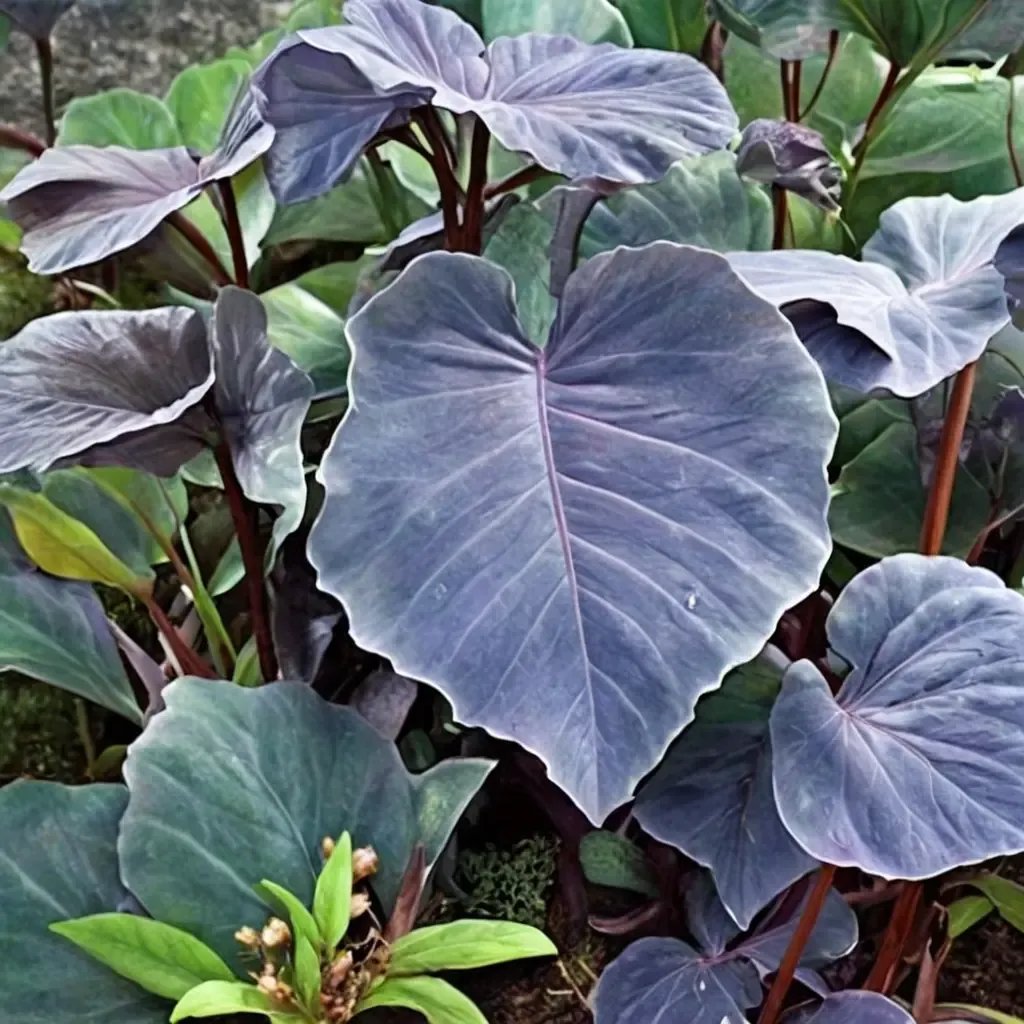
Black Runner Taro
Colocasia esculenta 'Black Runner'
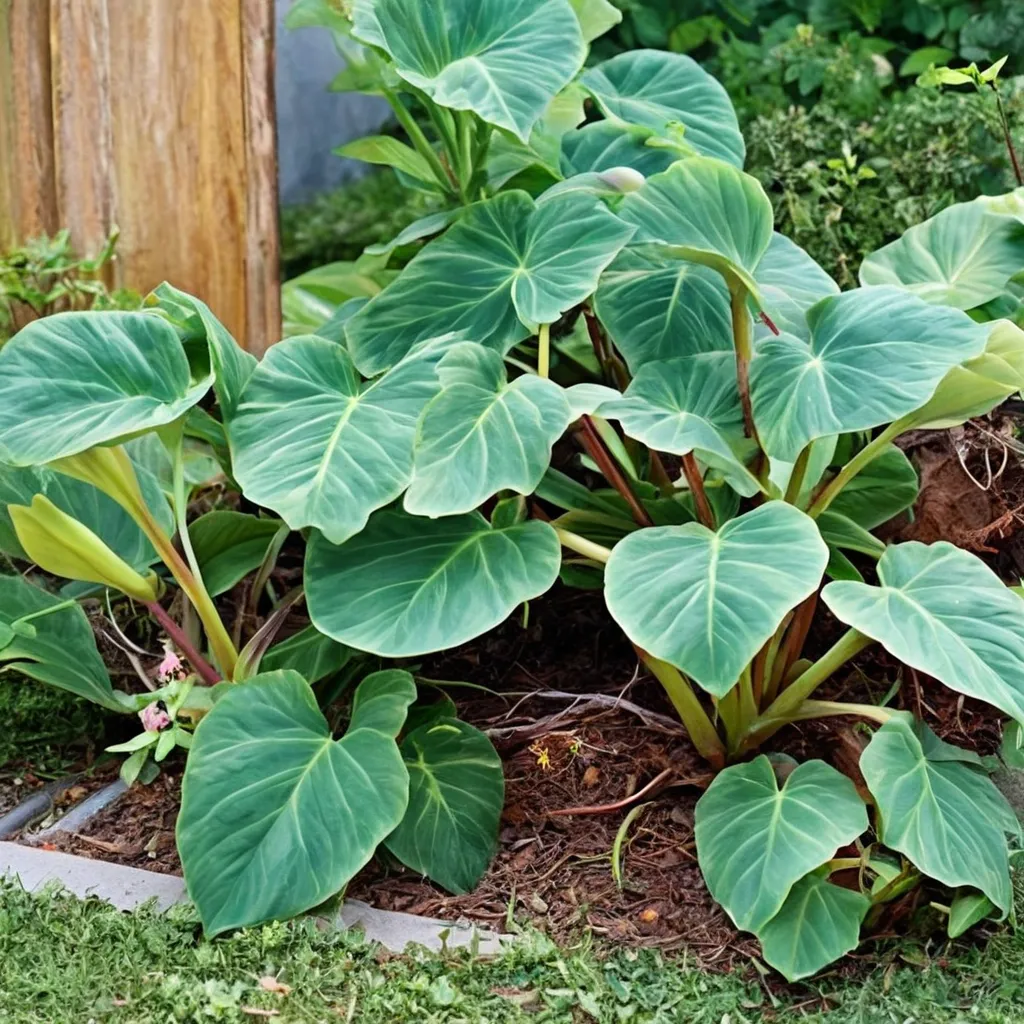
Taro
Colocasia esculenta
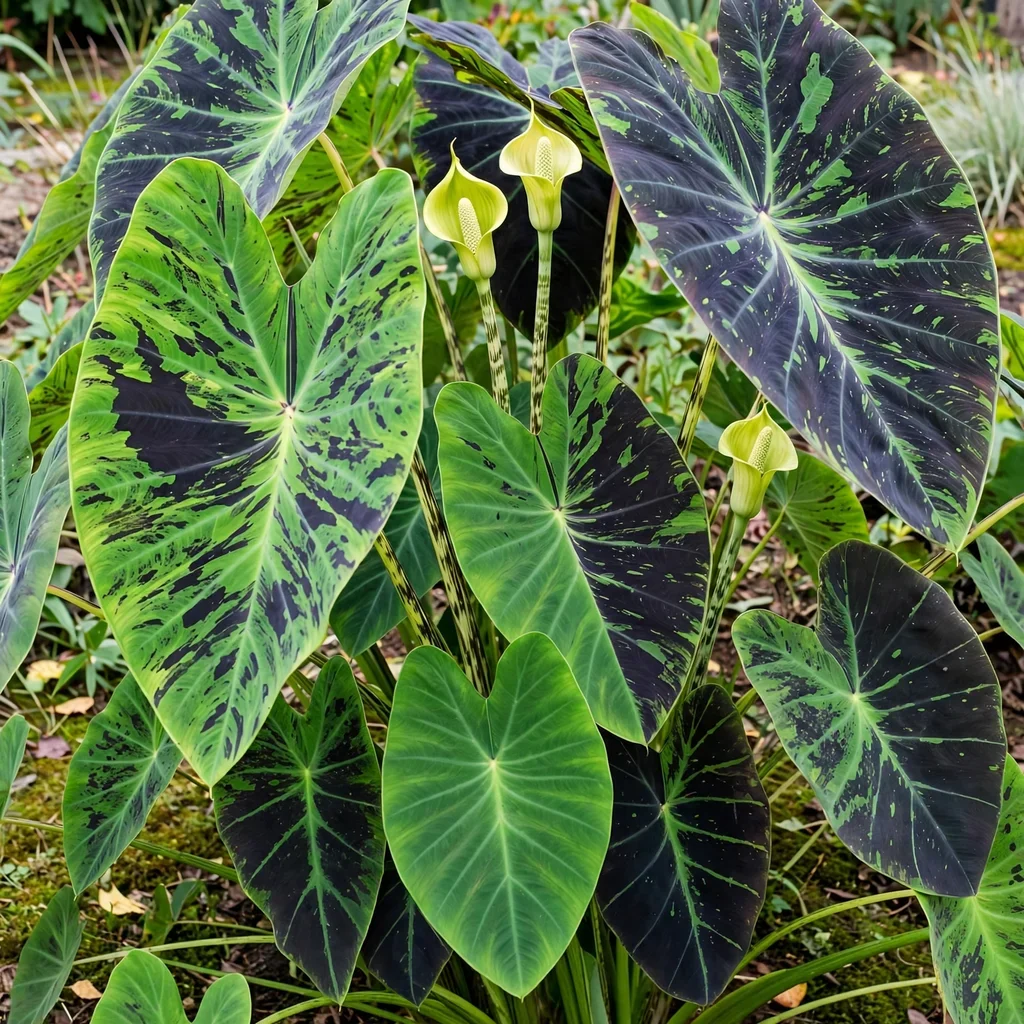
Elephant Ear
Colocasia esculenta 'Chicago Harlequin'
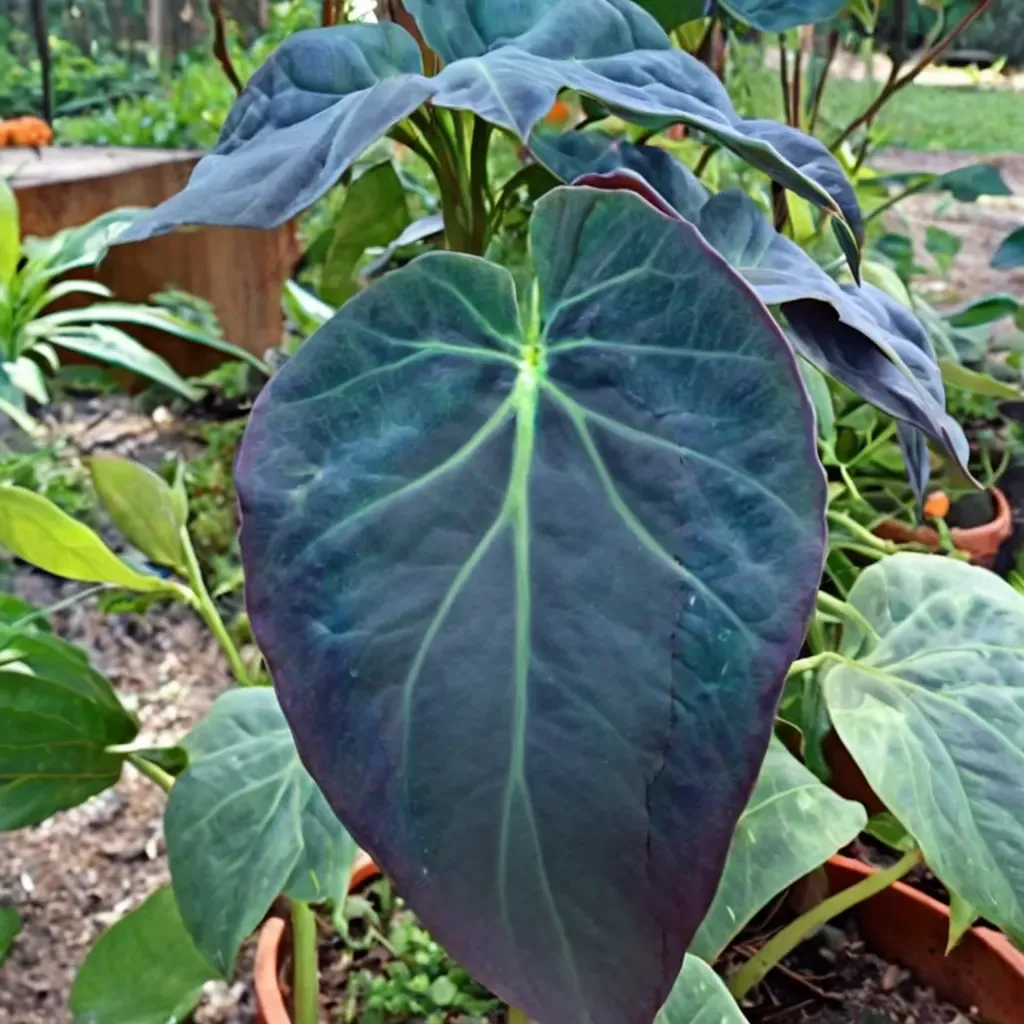
Black Beauty Taro
Colocasia esculenta 'Black Beauty'
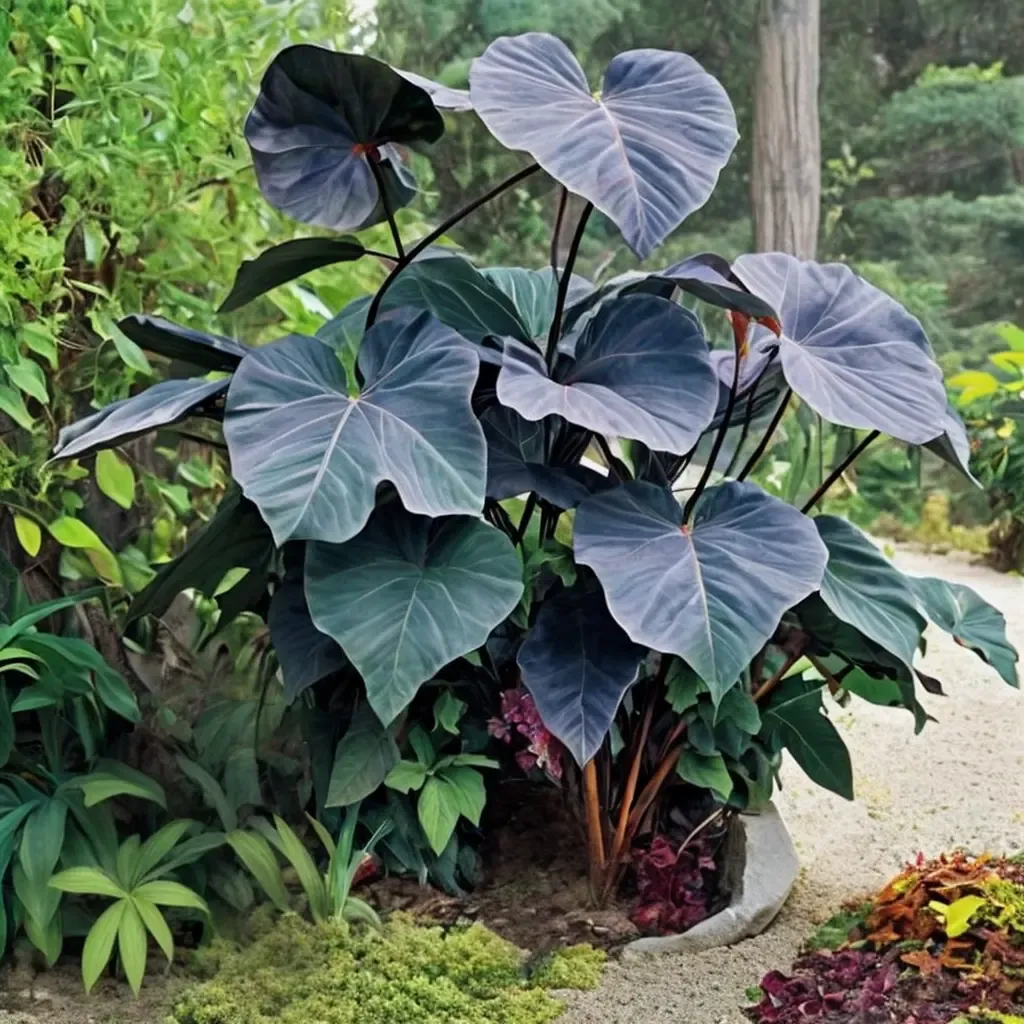
Black Magic Taro
Colocasia esculenta 'Black Magic'
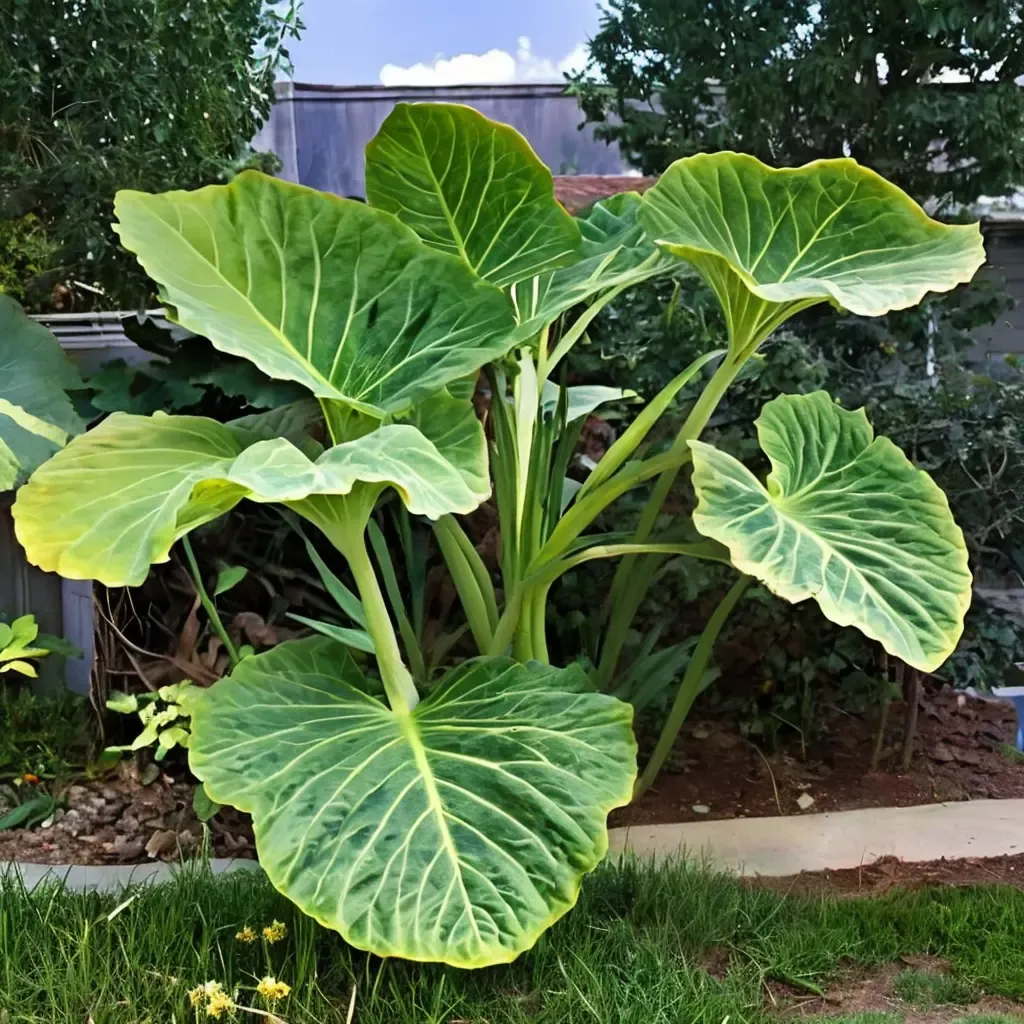
Thailand Giant Taro
Colocasia gigantea 'Thailand Giant'
Keep exploring
Explore the genus
Hardy in your zone?
Grow Dwarf Elephant Ear 'Jenningsii' with confidence
See it in a design of your actual yard, get zone-matched care reminders, and track it season by season in your garden journal.