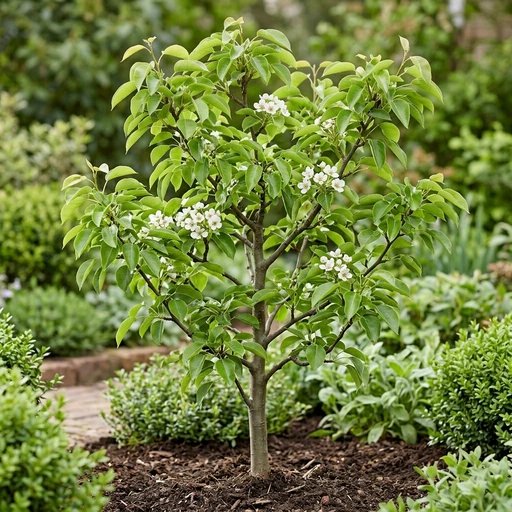
Species
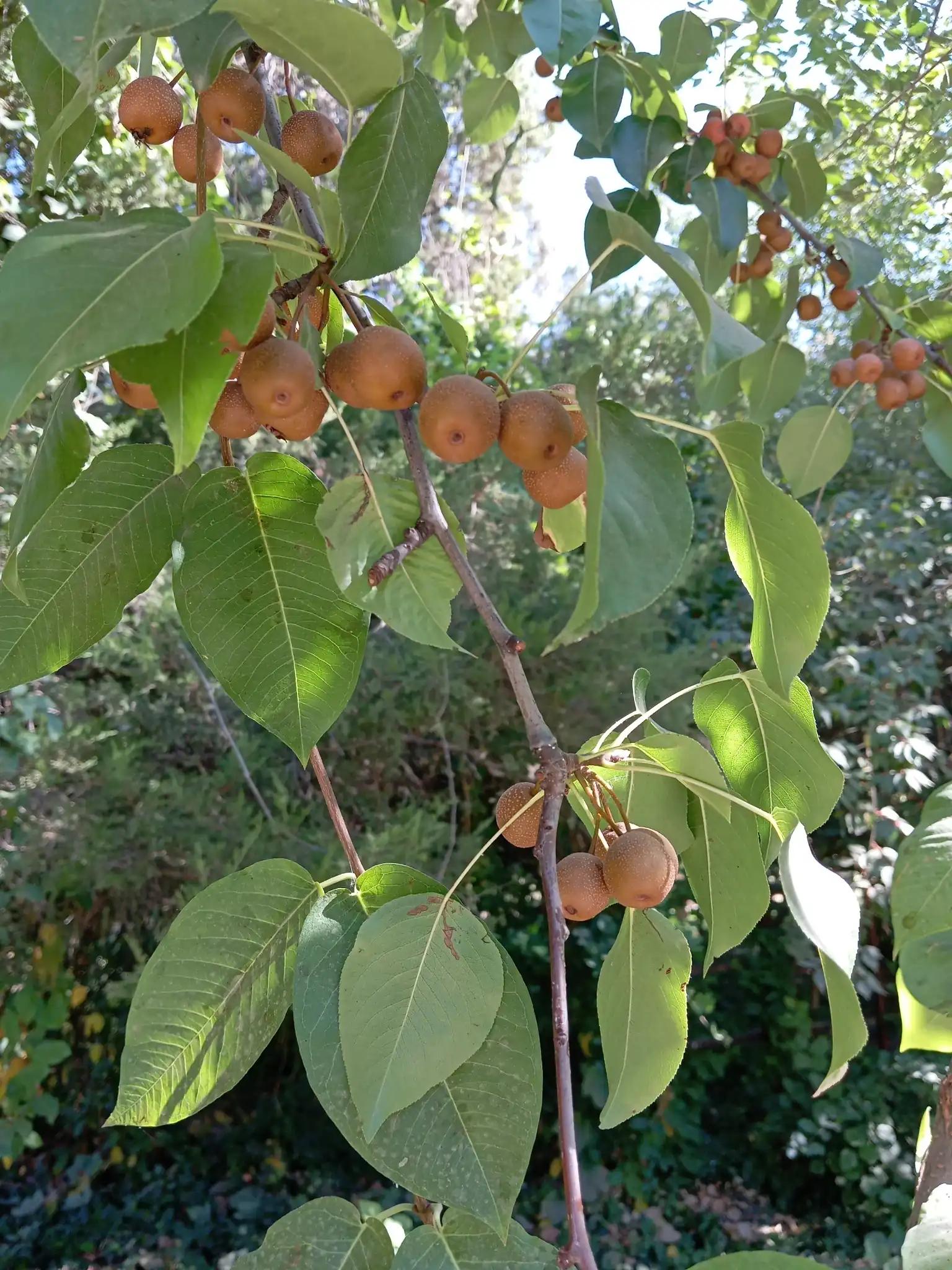 Pyrus pyrifoliaAsian Pear
The Story
Plant Bio
A deciduous fruit tree that produces crisp, juicy, apple-shaped pears. It has a spreading habit and attractive, glossy green foliage.
'Hosui' is considered one of the best-tasting Asian pears, with a large, golden-brown russeted fruit. Its flesh is exceptionally juicy, sweet, and crisp with a rich flavor.
Uses & Benefits:
Essentials
At a Glance
Plant Type
Tree
Height
156"
Width
144"
Light
Full Sun
Zones
5, 6, 7, 8, 9
Water
Moderate
Humidity
Moderate
Lifespan
Productive for 30+ years
Native To
China, Japan
Toxicity
Non-toxic
Bloom period
Early spring – Mid-spring
In flower about 2 months of the year
Planting
How to Grow
- Select a full sun location with well-drained, fertile soil.
- Plant at least one other Asian pear variety for cross-pollination.
- Dig a hole twice as wide as the root system.
- Ensure the graft union stays several inches above the soil line.
- Backfill, water deeply, and apply a layer of mulch.
- Water regularly during the first few years to establish.
Pro Tip
Thin fruitlets heavily to one per cluster when they are dime-sized to ensure large, high-quality fruit at harvest.
Keep It Thriving
Care Guide
Do
- Provide a pollinator partner like 'Shinko' or 'Chojuro'.
- Thin fruit aggressively for best size and to prevent branch breakage.
- Protect blossoms from late spring frosts.
Don't
- Do not let the fruit ripen on the counter like European pears; they are best eaten crisp off the tree.
- Avoid planting in heavy, wet clay soil.
- Do not neglect pruning, as they can become a tangled mess of branches.
Seasonal Care Calendar
| Task | Jan | Feb | Mar | Apr | May | Jun | Jul | Aug | Sep | Oct | Nov | Dec |
|---|---|---|---|---|---|---|---|---|---|---|---|---|
| Fertilize | ||||||||||||
| Harvest | ||||||||||||
| Prune |
Watch Out For
Pests & Diseases
Common Pests
Common Diseases
In the Garden
Landscape Uses & Companions
Landscape Uses
Companion Plants
Multiply
Propagation Methods
Good to Know
Common Questions
Hosui Asian Pear questions
What zones can Hosui Asian Pear grow in?
Hosui Asian Pear is hardy in USDA Zones 5–9. Inside that range it survives winter in the ground; outside it, grow it as an annual or a container plant you protect.
Is Hosui Asian Pear deer resistant?
Not reliably. Deer may browse Hosui Asian Pear, especially tender spring growth — plan on repellents or fencing where pressure is high.
When does Hosui Asian Pear bloom?
Hosui Asian Pear typically blooms in early spring through mid-spring. Exact timing shifts a week or two with your zone — Sow's bloom calendar maps it to your garden.
Does Hosui Asian Pear need full sun?
Hosui Asian Pear does best in full sun (6+ hours).
More Pyrus to compare
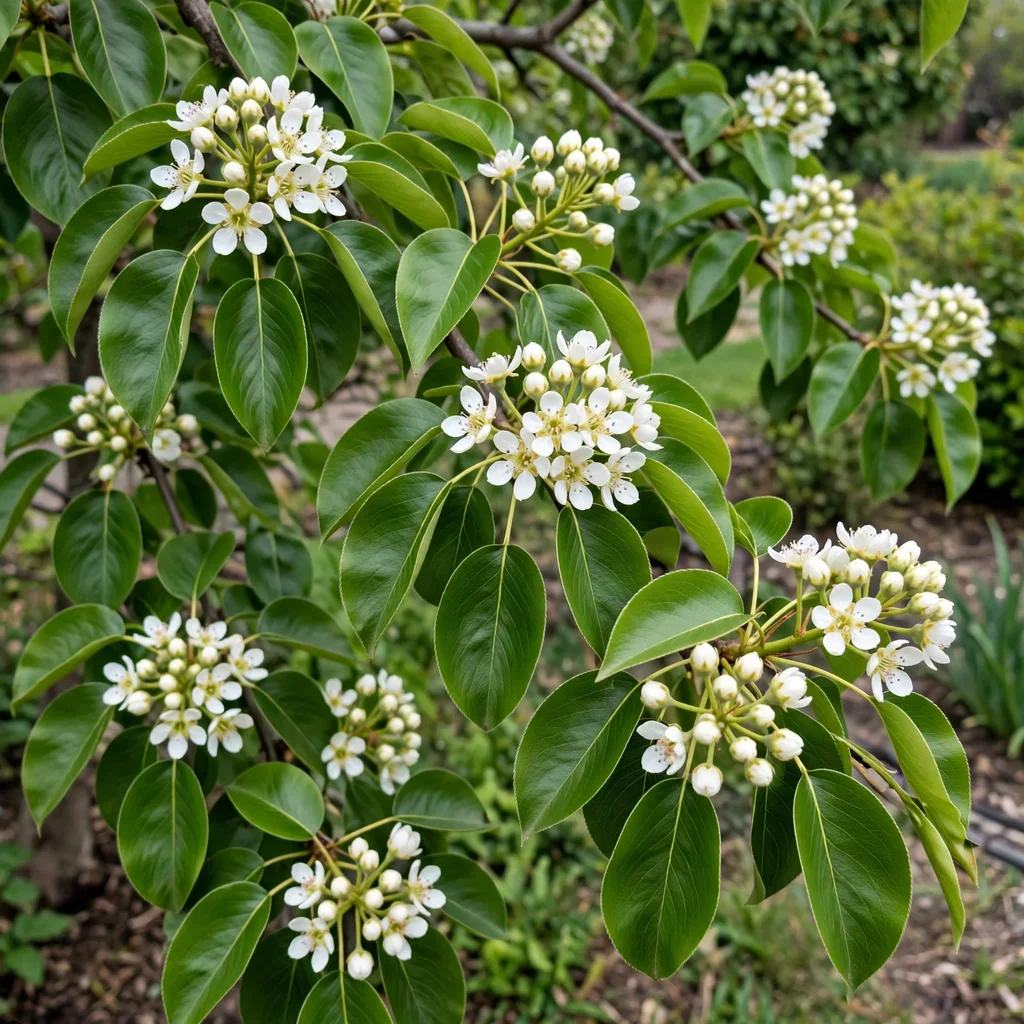
Drippin' Honey Pear
Pyrus calleryana 'Drippin' Honey'
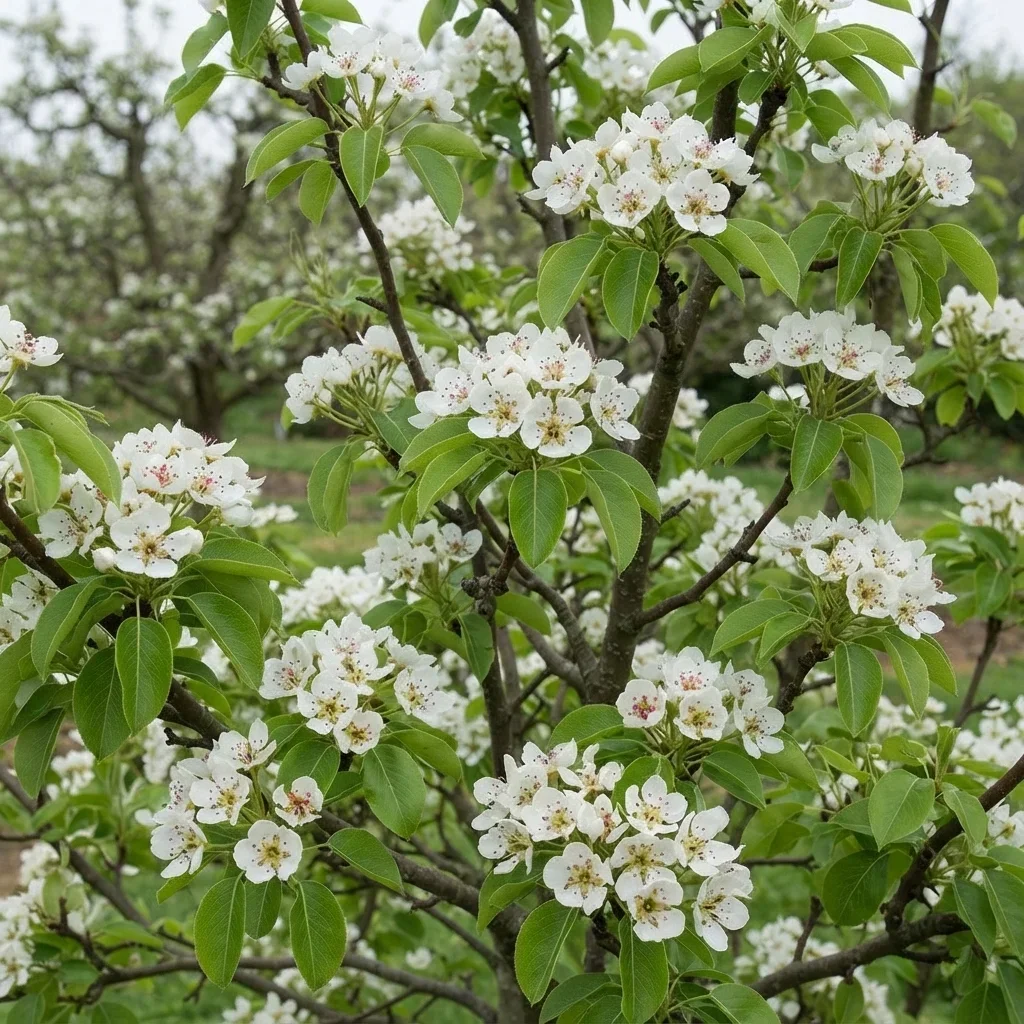
Bartlett Pear
Pyrus communis 'Bartlett'
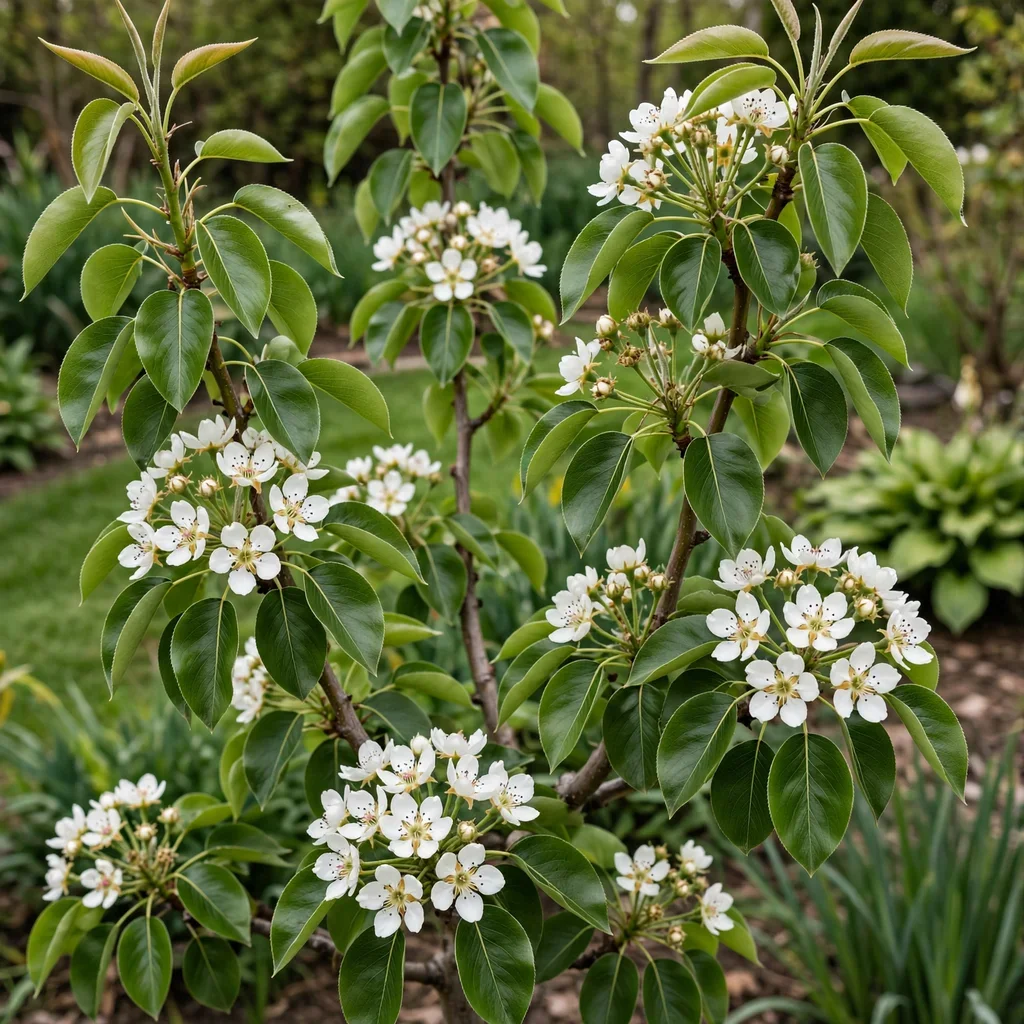
Apricot Sugar Pear
Pyrus communis 'Apricot Sugar Pearls Reachables'
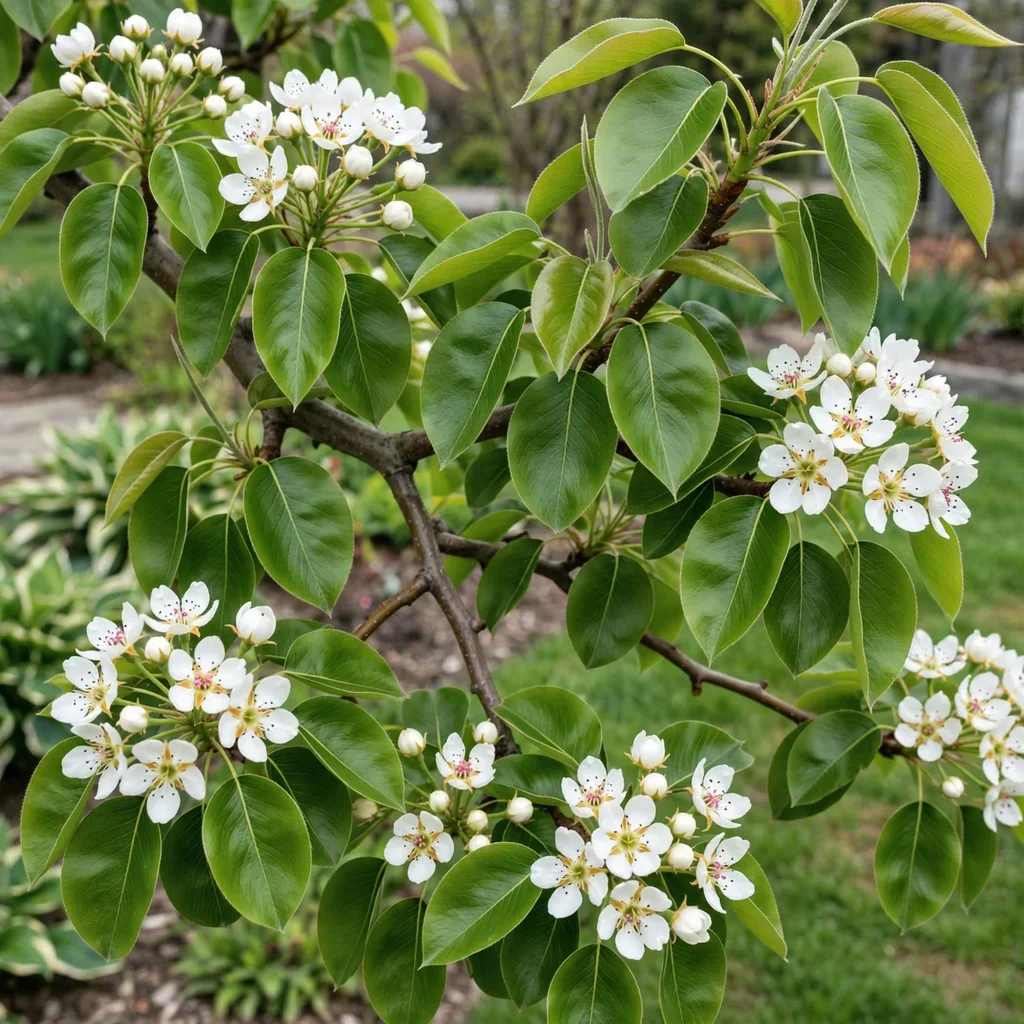
Crisp 'n Sweet Pear
Pyrus communis 'Crisp 'n Sweet'
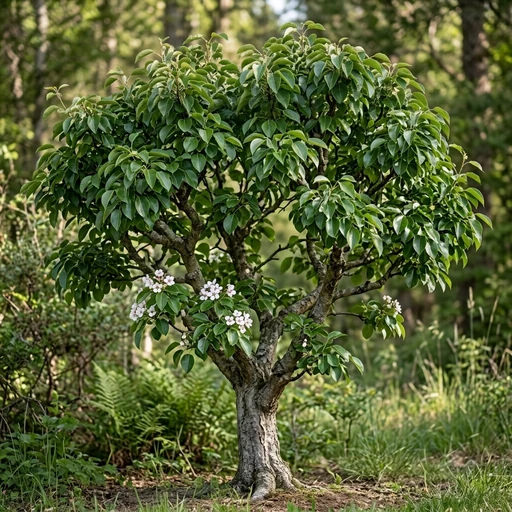
Kieffer Pear
Pyrus x hybrida 'Kieffer'
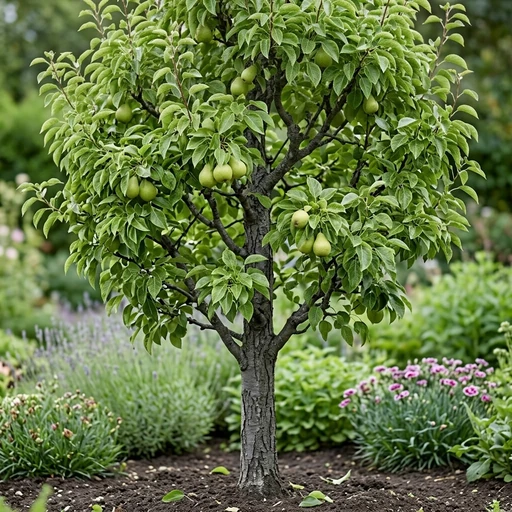
Moonglow Pear
Pyrus communis 'Moonglow'
Keep exploring
Explore the genus
Hardy in your zone?
Grow Hosui Asian Pear with confidence
See it in a design of your actual yard, get zone-matched care reminders, and track it season by season in your garden journal.