1 named cultivar
The Story
Plant Bio
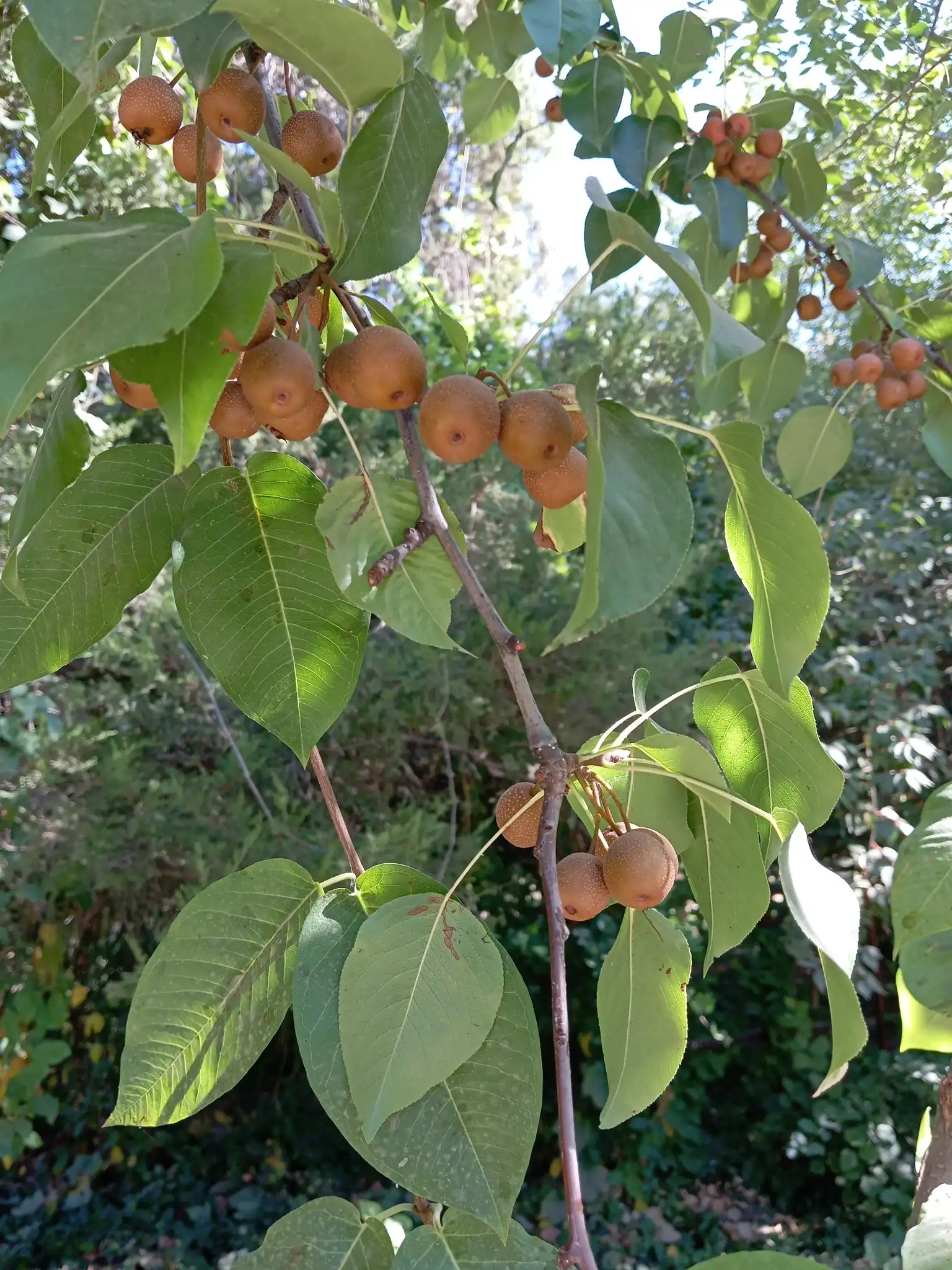
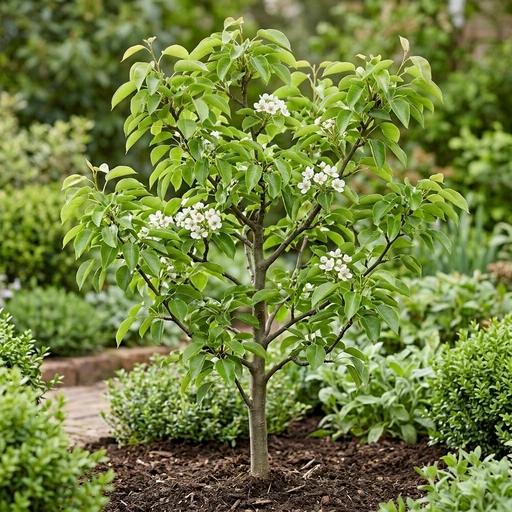
Pyrus pyrifolia, the Asian or nashi pear, is a deciduous fruit tree from China, Korea and Indo-China, reaching twenty to forty feet on its own roots. Cup-shaped white flowers open in early spring, lance-shaped serrated leaves follow, and the round tan-skinned speckled fruit ripens in late summer with crisp, very juicy flesh.
Unlike European pears these ripen fully on the tree and are eaten crisp — there is no softening in the bowl, so picking early gives you a hard, bland pear rather than one that will improve. Most cultivars need a second, different Asian pear nearby to set fruit. Thin the young fruit hard: unthinned trees produce small pears and break branches.
Uses & Benefits:
Essentials
At a Glance
Plant Type
Fruit Vegetable
Height
360"
Width
336"
Light
Full Sun
Zones
5, 6, 7, 8, 9
Water
Moderate
Humidity
Moderate
Lifespan
Perennial
Native To
China, Korea and Indo-China
Toxicity
Fruit edible; seeds contain cyanogenic compounds
Planting
How to Grow
- Plant two different cultivars for cross-pollination.
- Choose full sun and freely drained soil.
- Thin young fruit to one per cluster.
- Leave the fruit to ripen fully on the tree.
- Prune in winter to an open framework.
- Support heavily laden branches before they break.
Pro Tip
These do not ripen off the tree — pick a nashi early and you get a hard, bland pear that will never improve in the bowl.
Keep It Thriving
Care Guide
Do
- Plant two compatible cultivars 🌳
- Thin young fruit hard 🍐
- Let fruit ripen fully on the tree ☀️
- Support laden branches 🪜
Don't
- Pick the fruit early to ripen indoors ❌
- Leave a heavy crop unthinned ❌
- Rely on a single tree for fruit ❌
Seasonal Care Calendar
| Task | Jan | Feb | Mar | Apr | May | Jun | Jul | Aug | Sep | Oct | Nov | Dec |
|---|---|---|---|---|---|---|---|---|---|---|---|---|
| Harvest | ||||||||||||
| Thin |
Watch Out For
Pests & Diseases
Common Pests
Common Diseases
In the Garden
Landscape Uses & Companions
Landscape Uses
Multiply
Propagation Methods
Good to Know
Common Questions
Asian Pear questions
What zones can Asian Pear grow in?
Asian Pear is hardy in USDA Zones 5–9. Inside that range it survives winter in the ground; outside it, grow it as an annual or a container plant you protect.
Is Asian Pear deer resistant?
Not reliably. Deer may browse Asian Pear, especially tender spring growth — plan on repellents or fencing where pressure is high.
When does Asian Pear bloom?
Asian Pear typically blooms in early spring through mid-spring. Exact timing shifts a week or two with your zone — Sow's bloom calendar maps it to your garden.
Does Asian Pear need full sun?
Asian Pear does best in full sun (6+ hours).
More Pyrus to compare
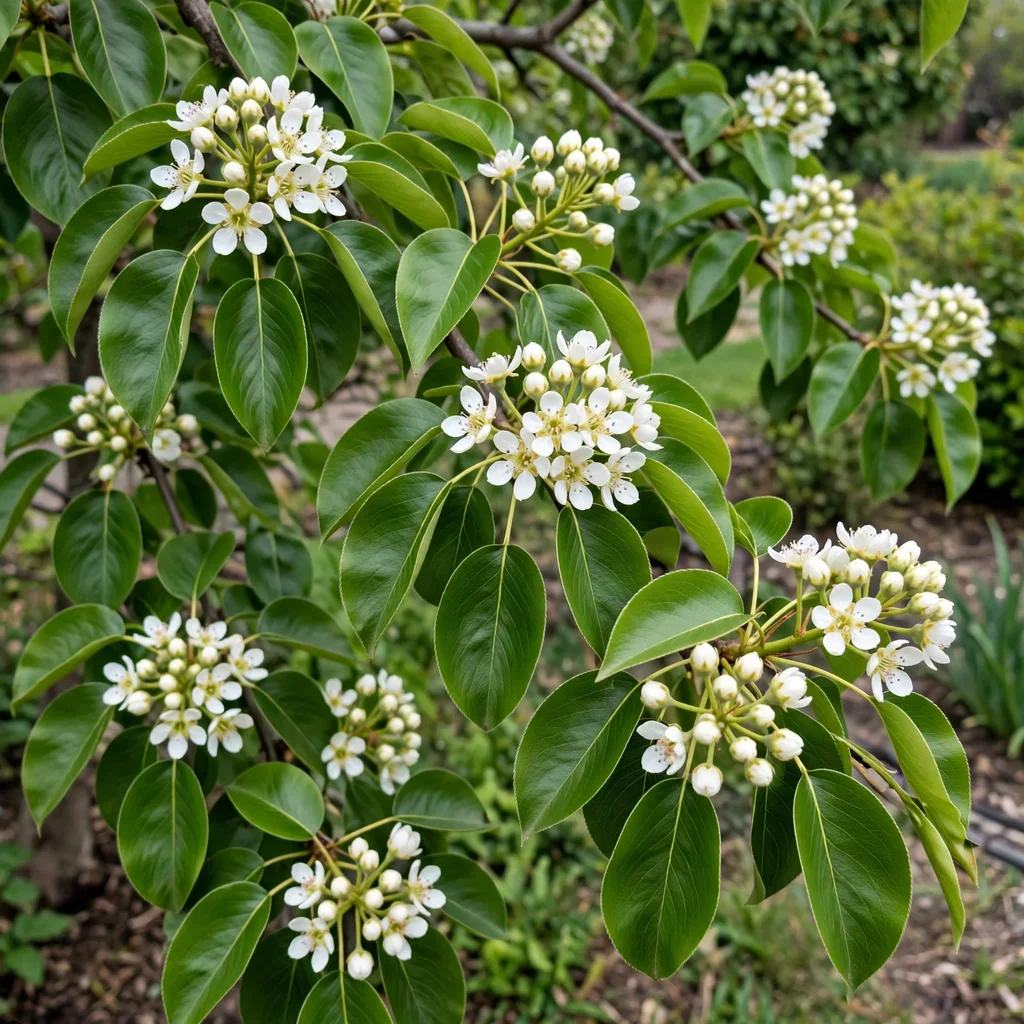
Drippin' Honey Pear
Pyrus calleryana 'Drippin' Honey'
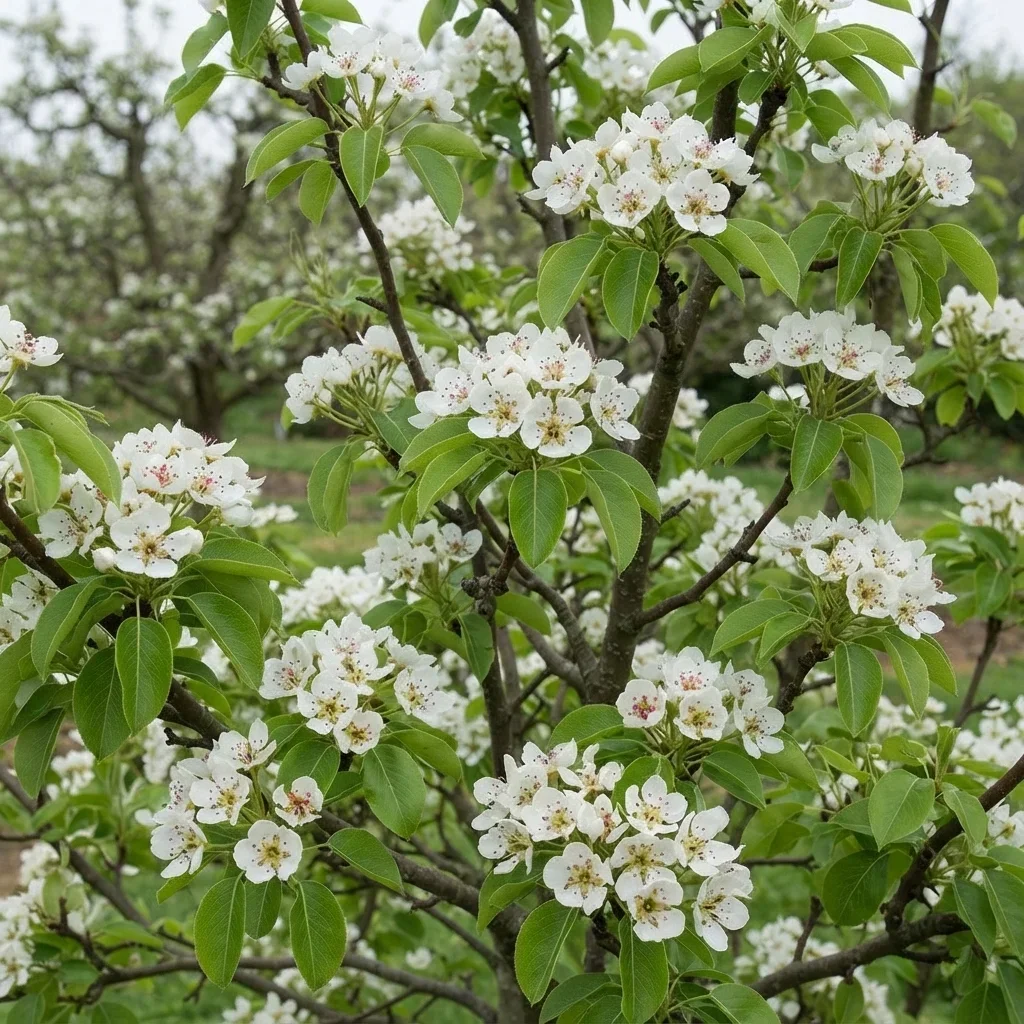
Bartlett Pear
Pyrus communis 'Bartlett'
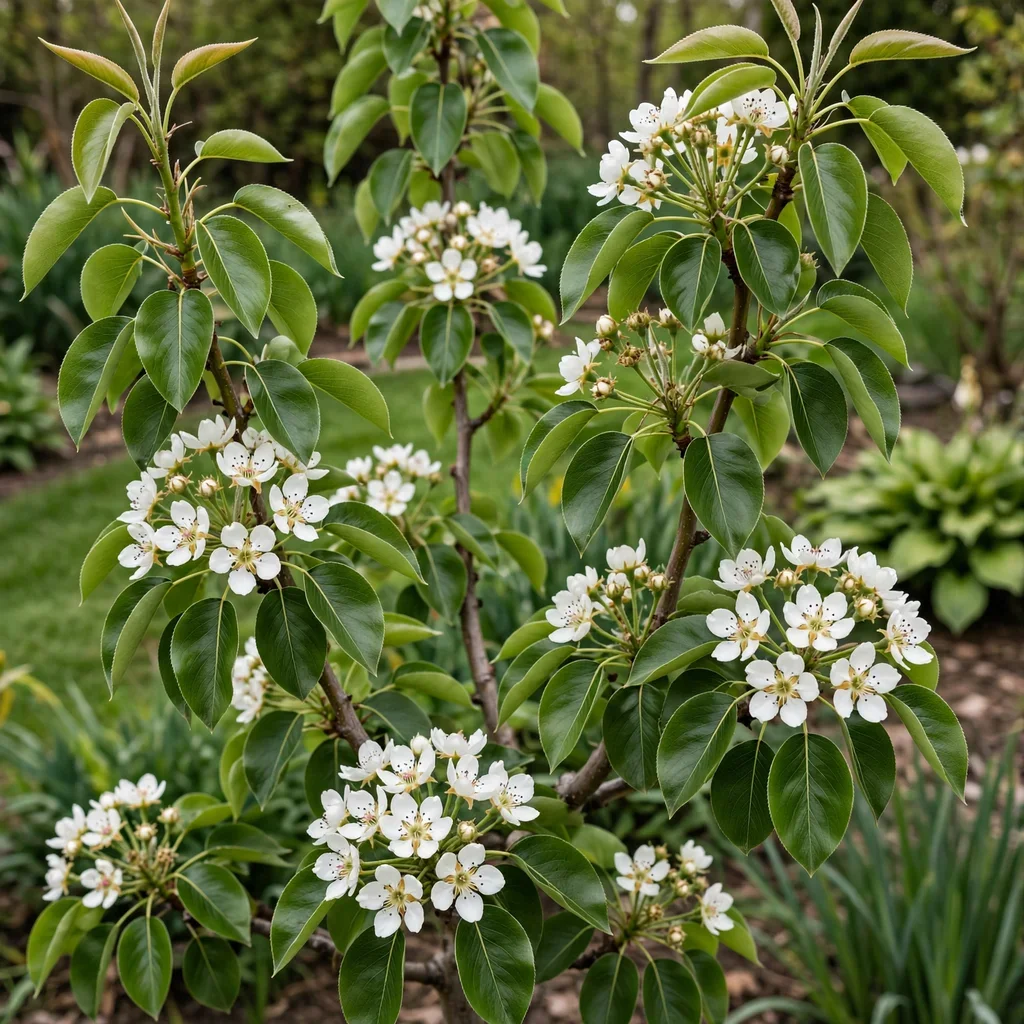
Apricot Sugar Pear
Pyrus communis 'Apricot Sugar Pearls Reachables'
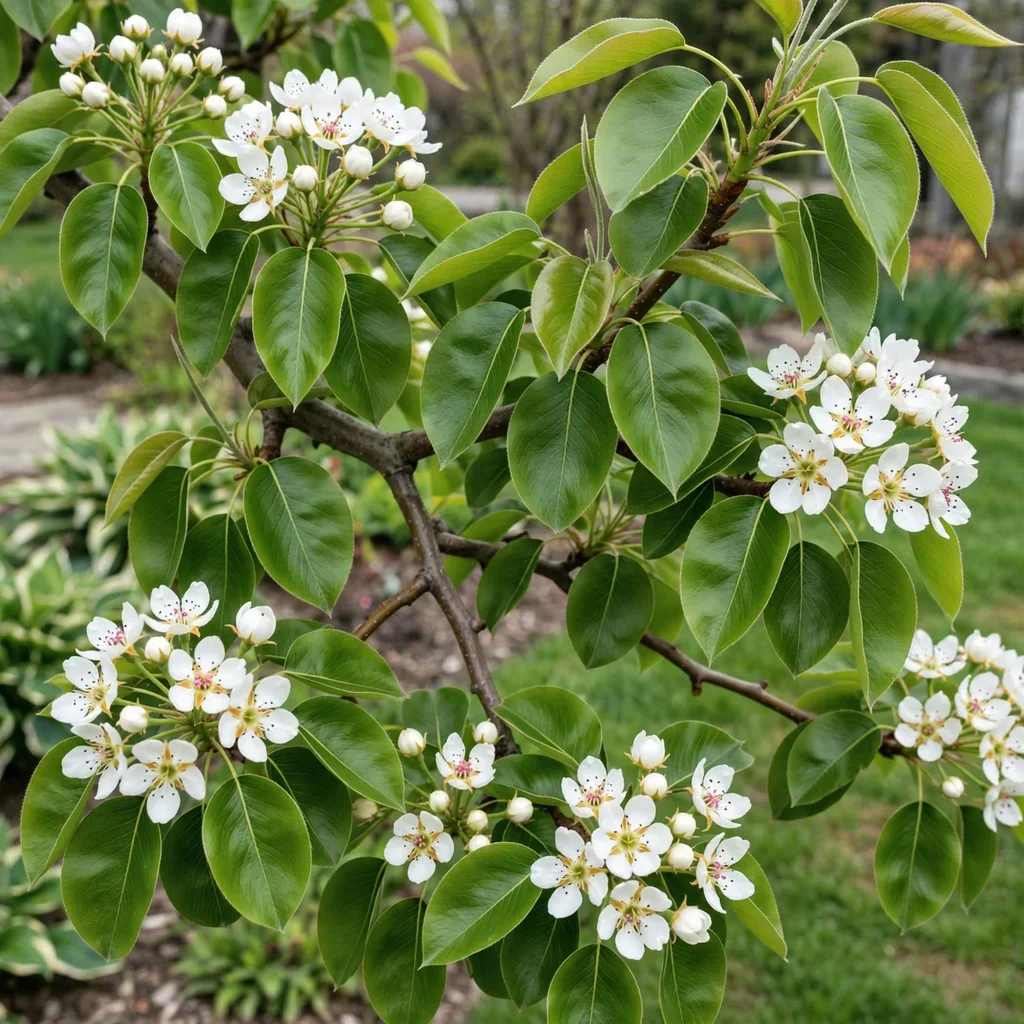
Crisp 'n Sweet Pear
Pyrus communis 'Crisp 'n Sweet'
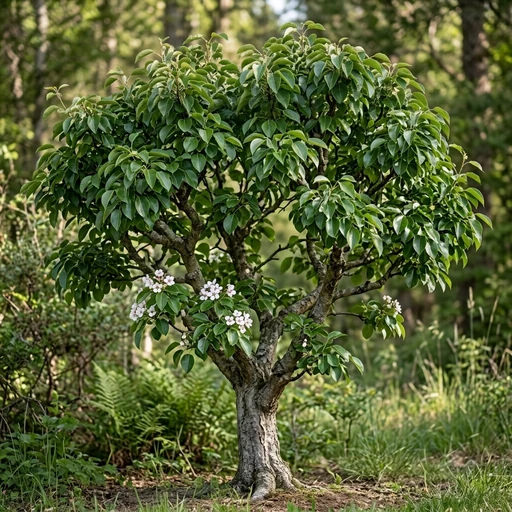
Kieffer Pear
Pyrus x hybrida 'Kieffer'
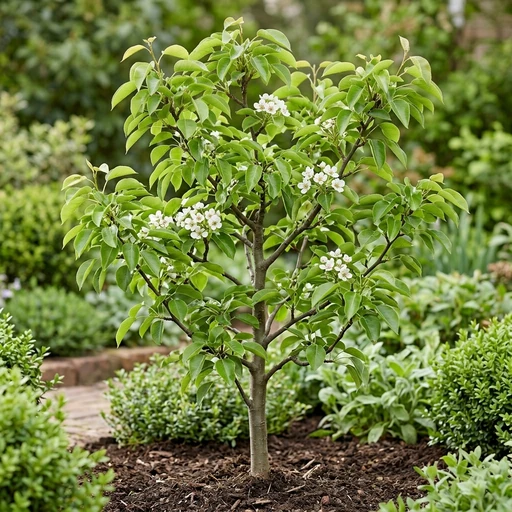
Hosui Asian Pear
Pyrus pyrifolia 'Hosui'
Keep exploring
Explore the genus
Hardy in your zone?
Grow Asian Pear with confidence
See it in a design of your actual yard, get zone-matched care reminders, and track it season by season in your garden journal.