

The Story
Plant Bio
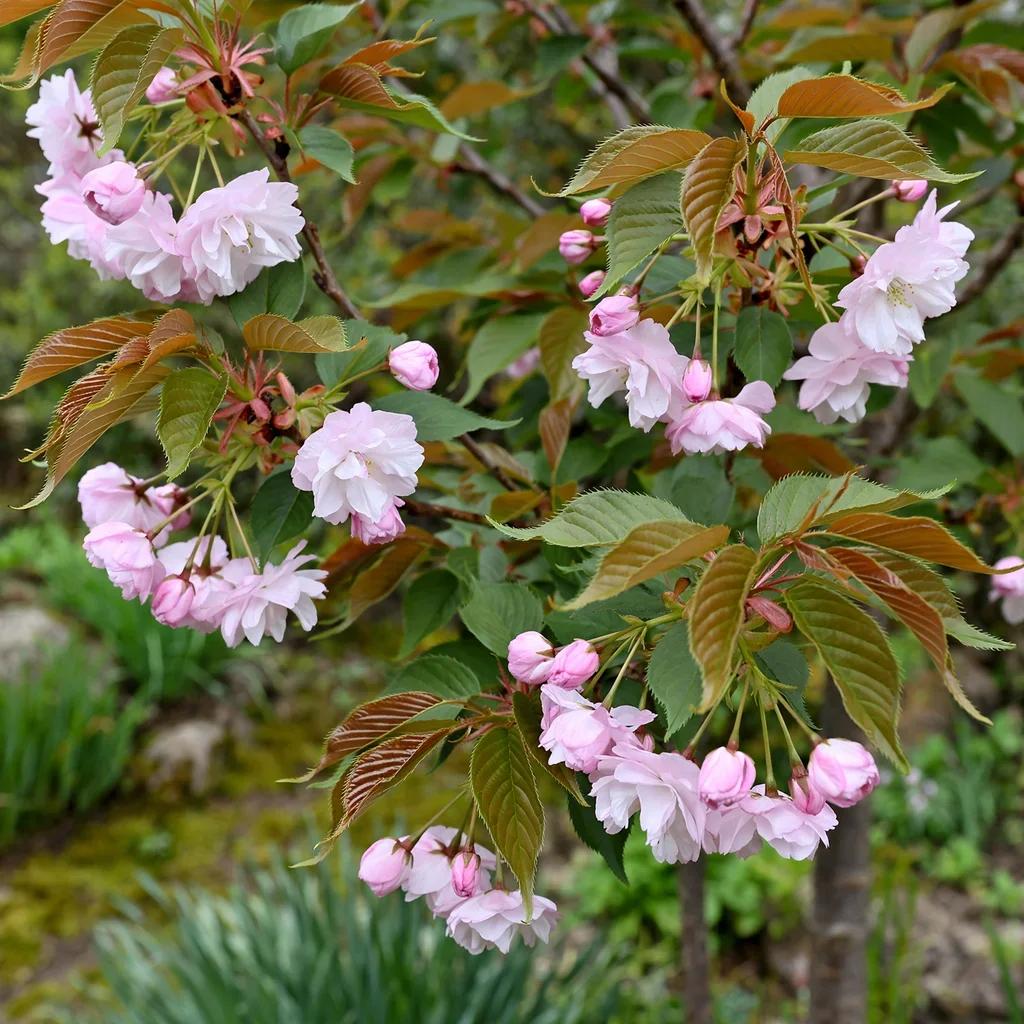
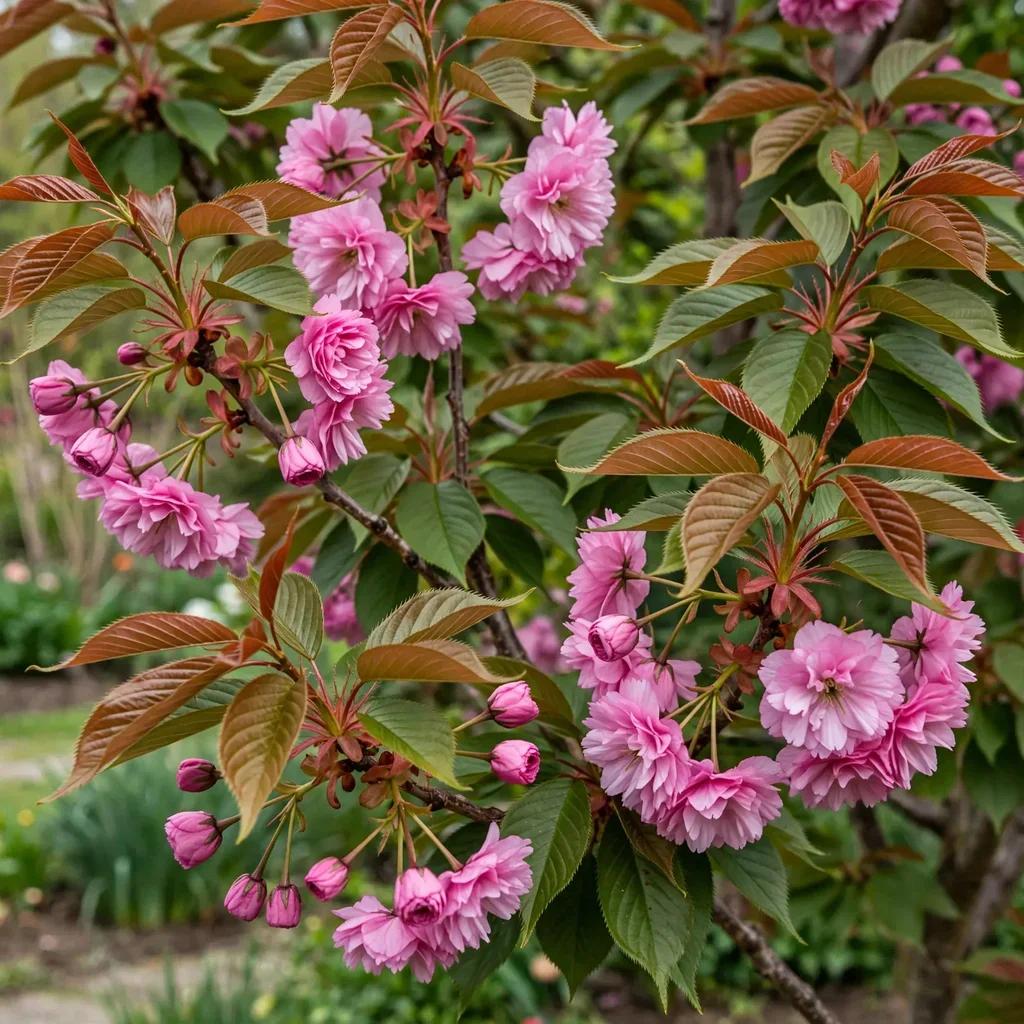
Prunus serrulata, the Japanese flowering cherry, is a deciduous tree native to East Asia celebrated for its dramatic spring floral display. The species develops a spreading canopy clothed in simple, serrate leaves that transition through rich bronze, green, and vibrant fall tones.
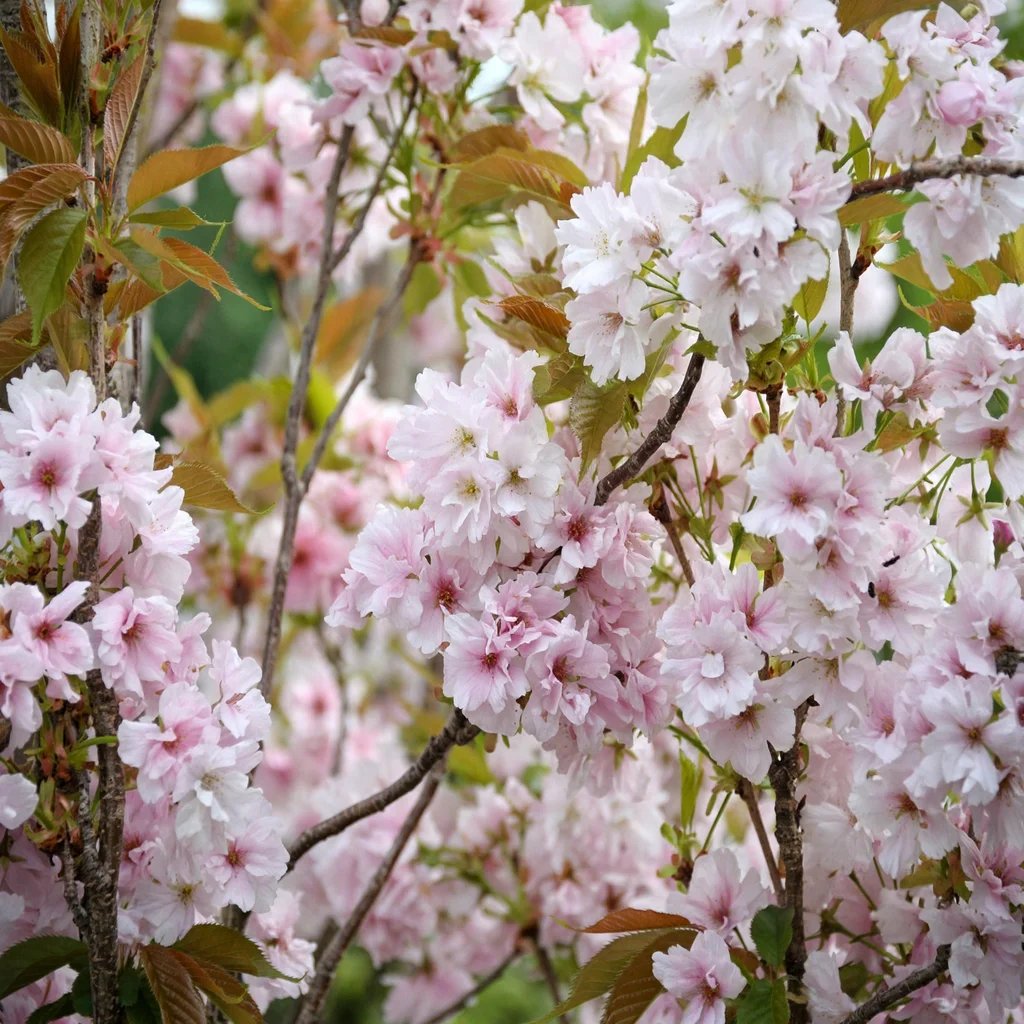
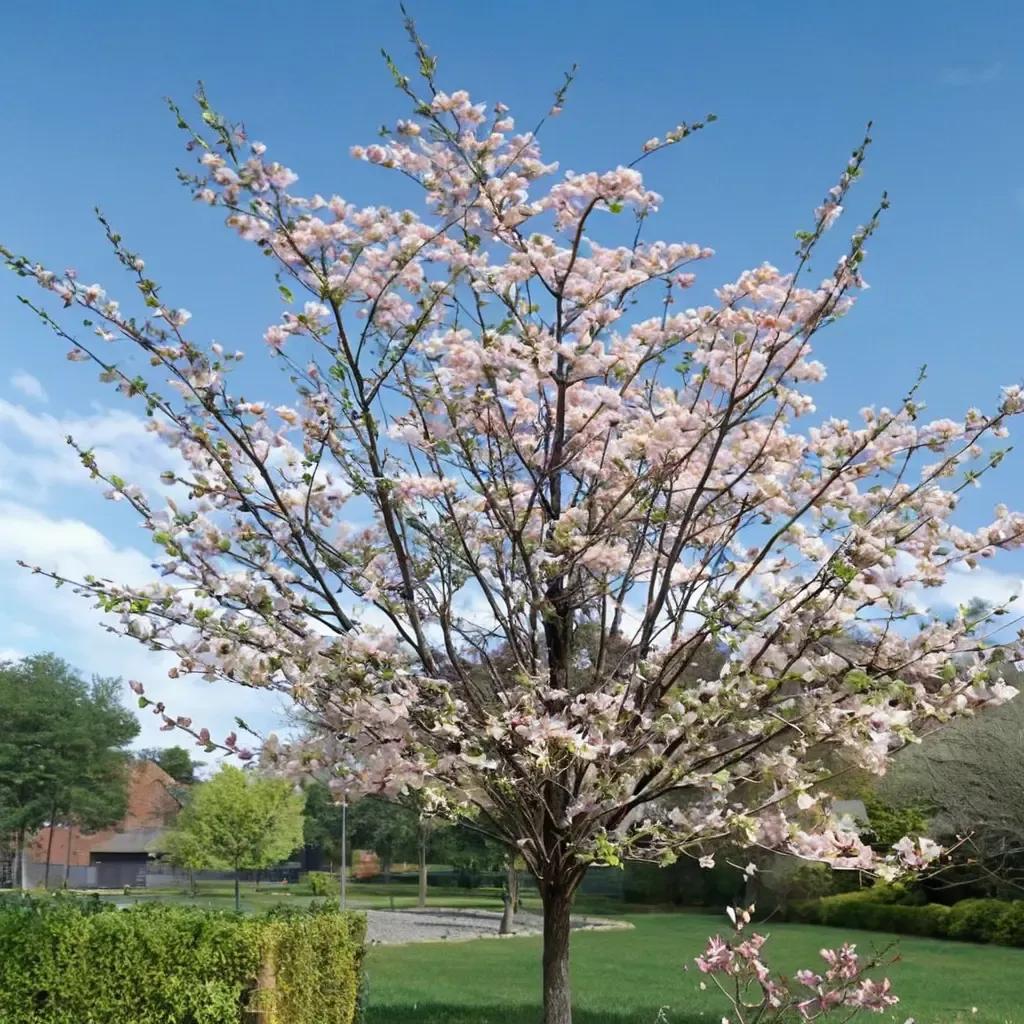
'Amanogawa' is distinguished by its strictly upright, fastigiate habit, forming a narrow column of tightly erect branches. In mid-to-late spring, dense clusters of fragrant, semi-double, pale pink flowers hug the vertical stems closely.
Uses & Benefits:
Essentials
At a Glance
Plant Type
Tree
Height
315"
Width
118"
Light
Full Sun, Partial Sun
Zones
6, 7, 8, 9
Water
Moderate
Humidity
Moderate
Lifespan
30 to 50 years
Native To
East Asia (Japan, China, Korea)
Toxicity
Highly toxic to cats, dogs, horses, and humans if ingested
Bloom period
Mid spring – Late spring
In flower about 2 months of the year
Planting
How to Grow
- Select a planting site in full sun with fertile, moist, and exceptionally well-drained loamy or sandy soil.
- Dig a hole twice as wide as the root ball but equal in depth, ensuring the graft union remains well above the soil line.
- Water deeply and regularly during the first two growing seasons to establish a deep, resilient root system.
- Apply a thin layer of organic mulch over the root zone, keeping it several inches away from the trunk to prevent rot.
Pro Tip
Rub off any vigorous shoots emerging from below the graft union immediately to prevent the rootstock from overtaking the columnar scion.
Keep It Thriving
Care Guide
Do
- Prune strictly in midsummer to minimize the risk of silver leaf and other fungal infections.
- Remove any suckers arising from the rootstock below the graft union as soon as they appear.
- Provide supplemental irrigation during prolonged dry spells even after the tree is fully established.
Don't
- Do not plant in heavy, poorly drained clay soils where waterlogging will rapidly trigger root rot.
- Do not prune heavily or attempt to shear the tree into a hedge, which causes chaotic epicormic growth.
- Avoid applying high-nitrogen fertilizers, which stimulate soft foliage that is highly susceptible to disease.
Seasonal Care Calendar
| Task | Jan | Feb | Mar | Apr | May | Jun | Jul | Aug | Sep | Oct | Nov | Dec |
|---|---|---|---|---|---|---|---|---|---|---|---|---|
| Fertilize | ||||||||||||
| Pest Check | ||||||||||||
| Prune | ||||||||||||
| Winter Prep |
Watch Out For
Pests & Diseases
Common Pests
Common Diseases
In the Garden
Landscape Uses & Companions
Landscape Uses
Companion Plants
Multiply
Propagation Methods
Good to Know
Common Questions
Amanogawa Japanese Cherry questions
What zones can Amanogawa Japanese Cherry grow in?
Amanogawa Japanese Cherry is hardy in USDA Zones 6–9. Inside that range it survives winter in the ground; outside it, grow it as an annual or a container plant you protect.
Is Amanogawa Japanese Cherry deer resistant?
Not reliably. Deer may browse Amanogawa Japanese Cherry, especially tender spring growth — plan on repellents or fencing where pressure is high.
When does Amanogawa Japanese Cherry bloom?
Amanogawa Japanese Cherry typically blooms in mid spring through late spring. Exact timing shifts a week or two with your zone — Sow's bloom calendar maps it to your garden.
Does Amanogawa Japanese Cherry need full sun?
Amanogawa Japanese Cherry does best in full sun to part shade. In hot climates, afternoon shade keeps blooms fresher longer.
More Prunus to compare
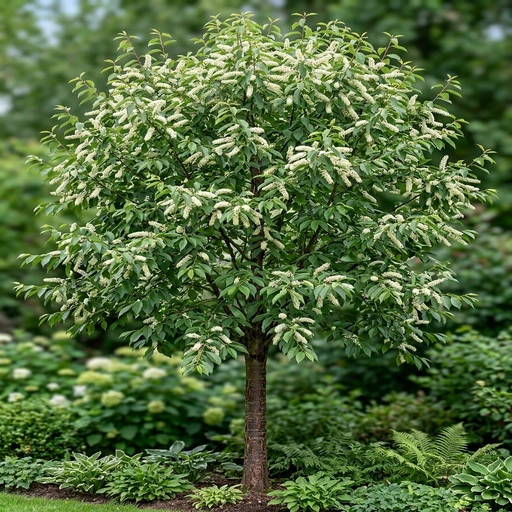
Black Cherry
Prunus serotina
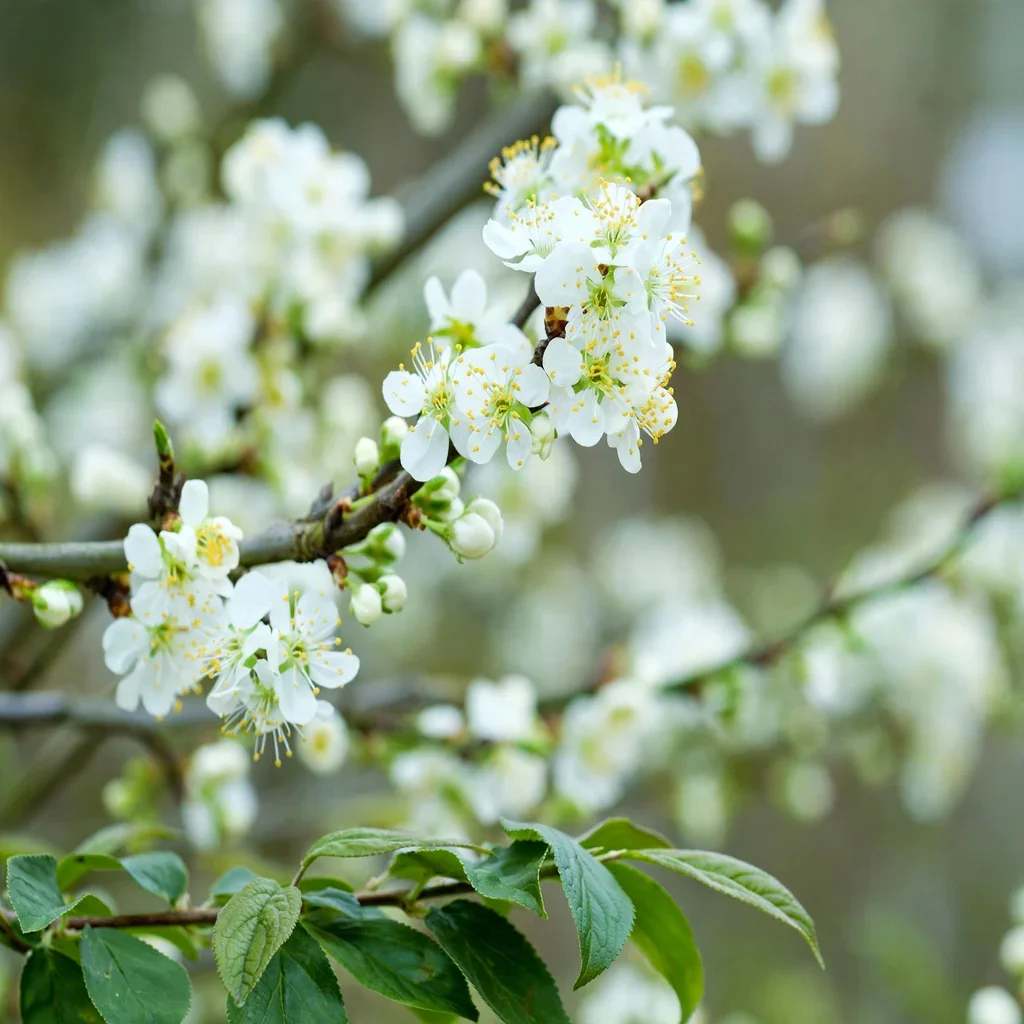
Sugar Plum
Prunus domestica 'Sugar Plum'
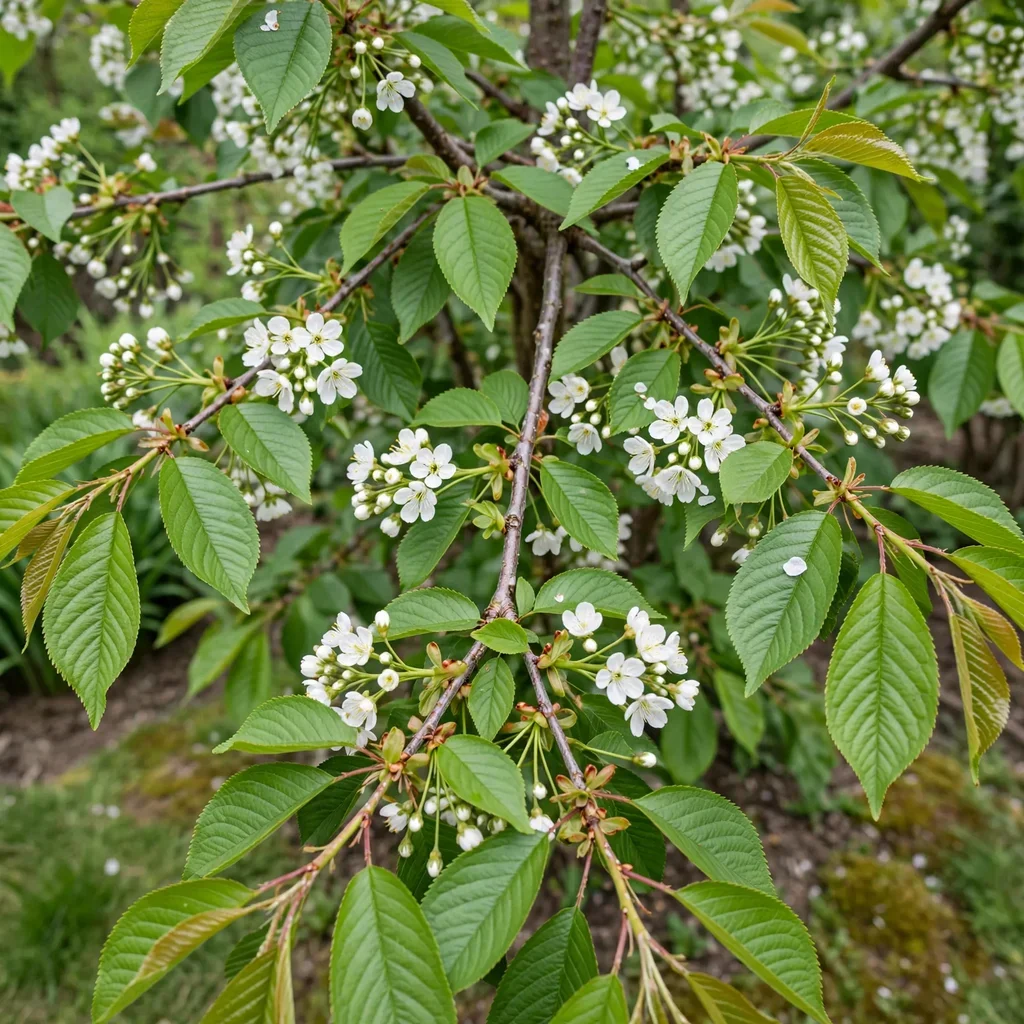
Sweet Cherry
Prunus avium 'Mix'
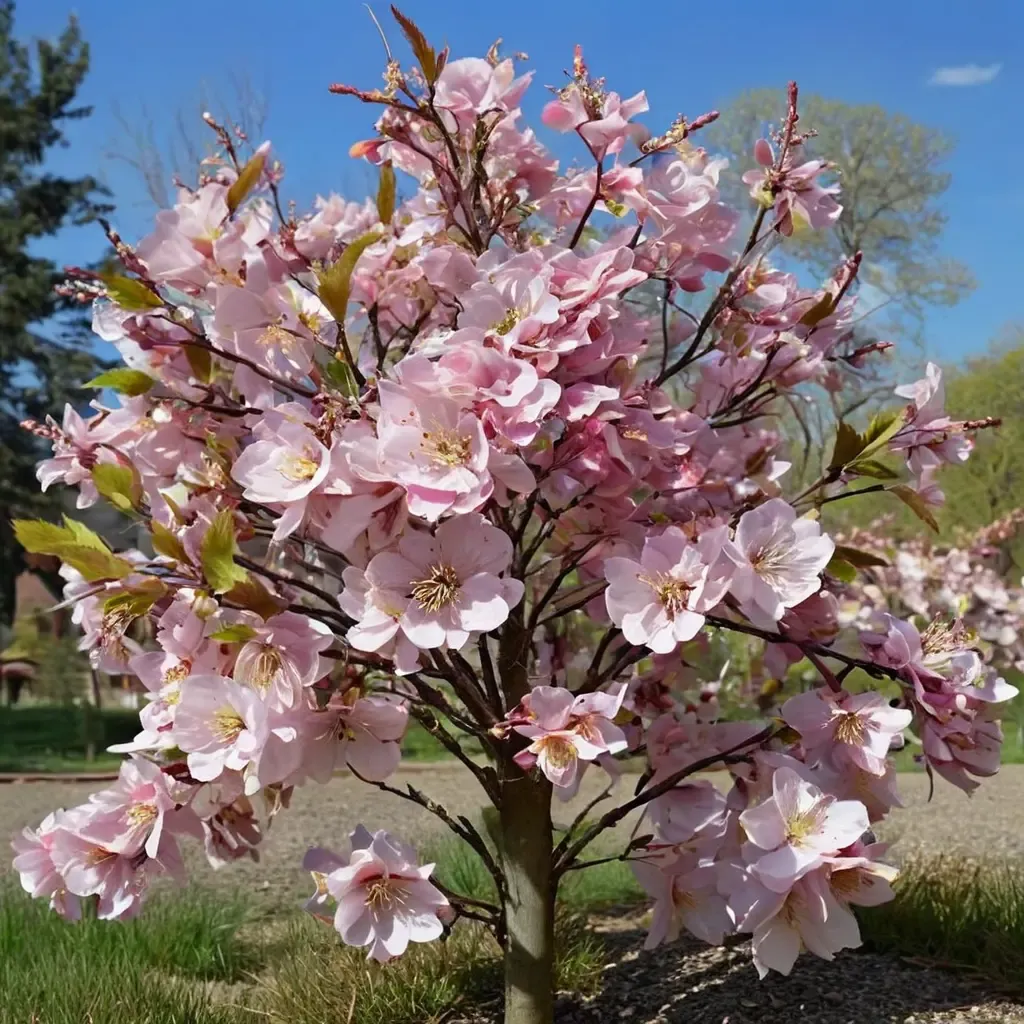
Japanese Flowering Cherry
Prunus serrulata
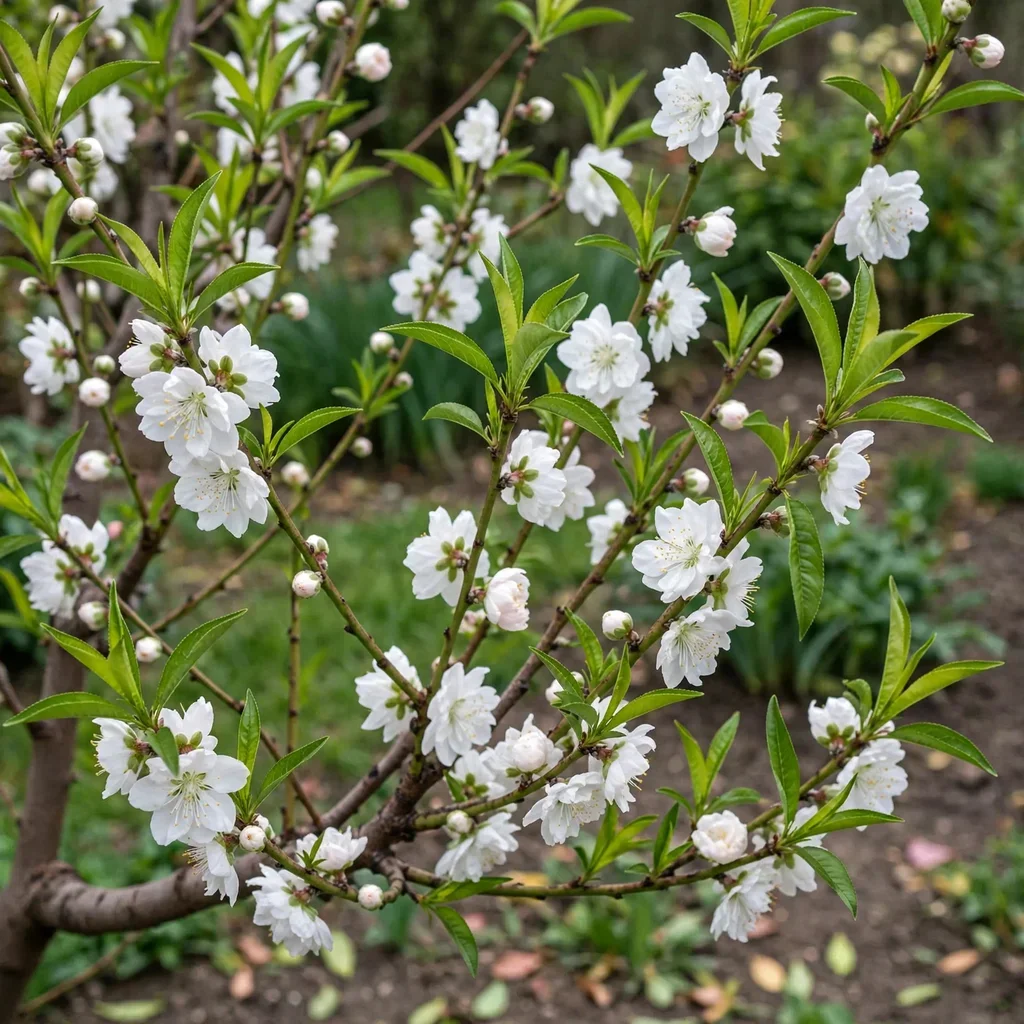
Feiching Tao White Peach
Prunus persica 'Feiching Tao White'
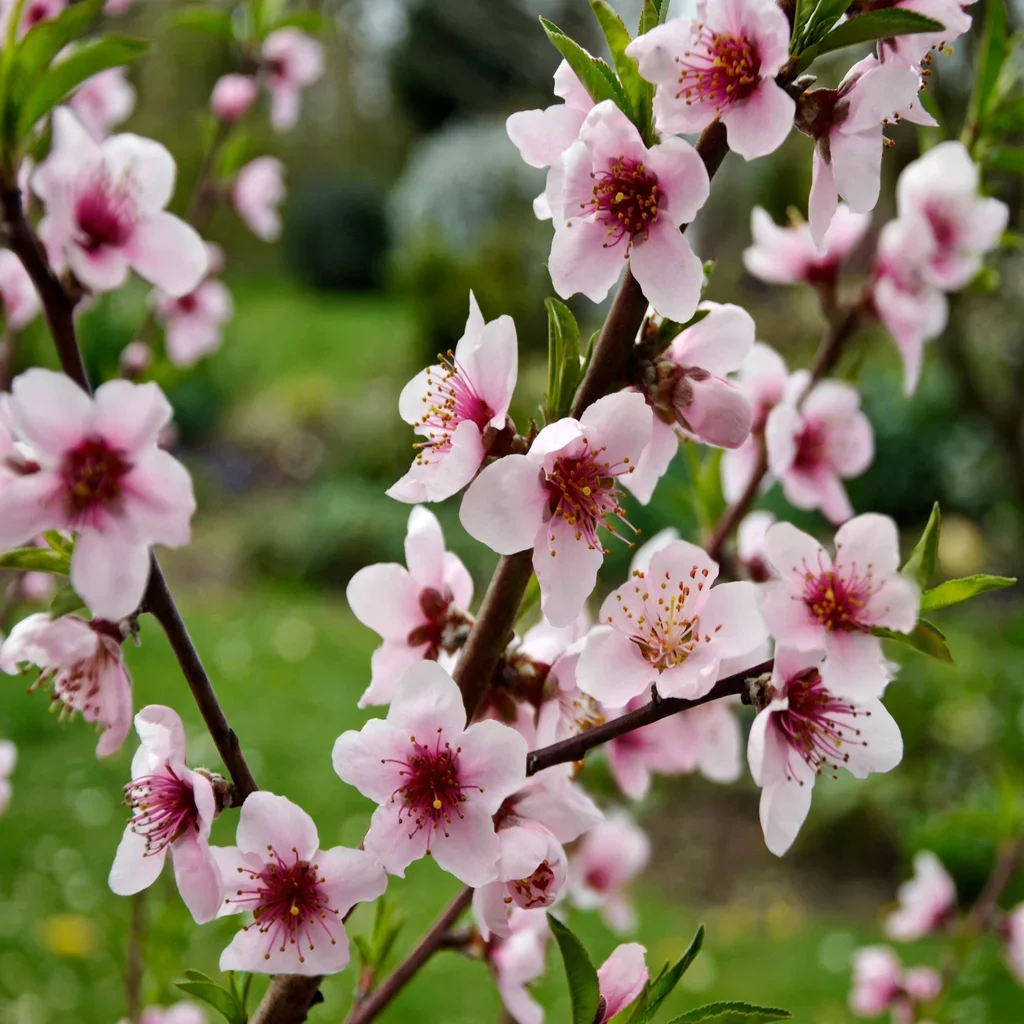
Hale Haven Peach
Prunus persica 'Hale Haven'
Keep exploring
Explore the genus
Hardy in your zone?
Grow Amanogawa Japanese Cherry with confidence
See it in a design of your actual yard, get zone-matched care reminders, and track it season by season in your garden journal.