The Story
Plant Bio
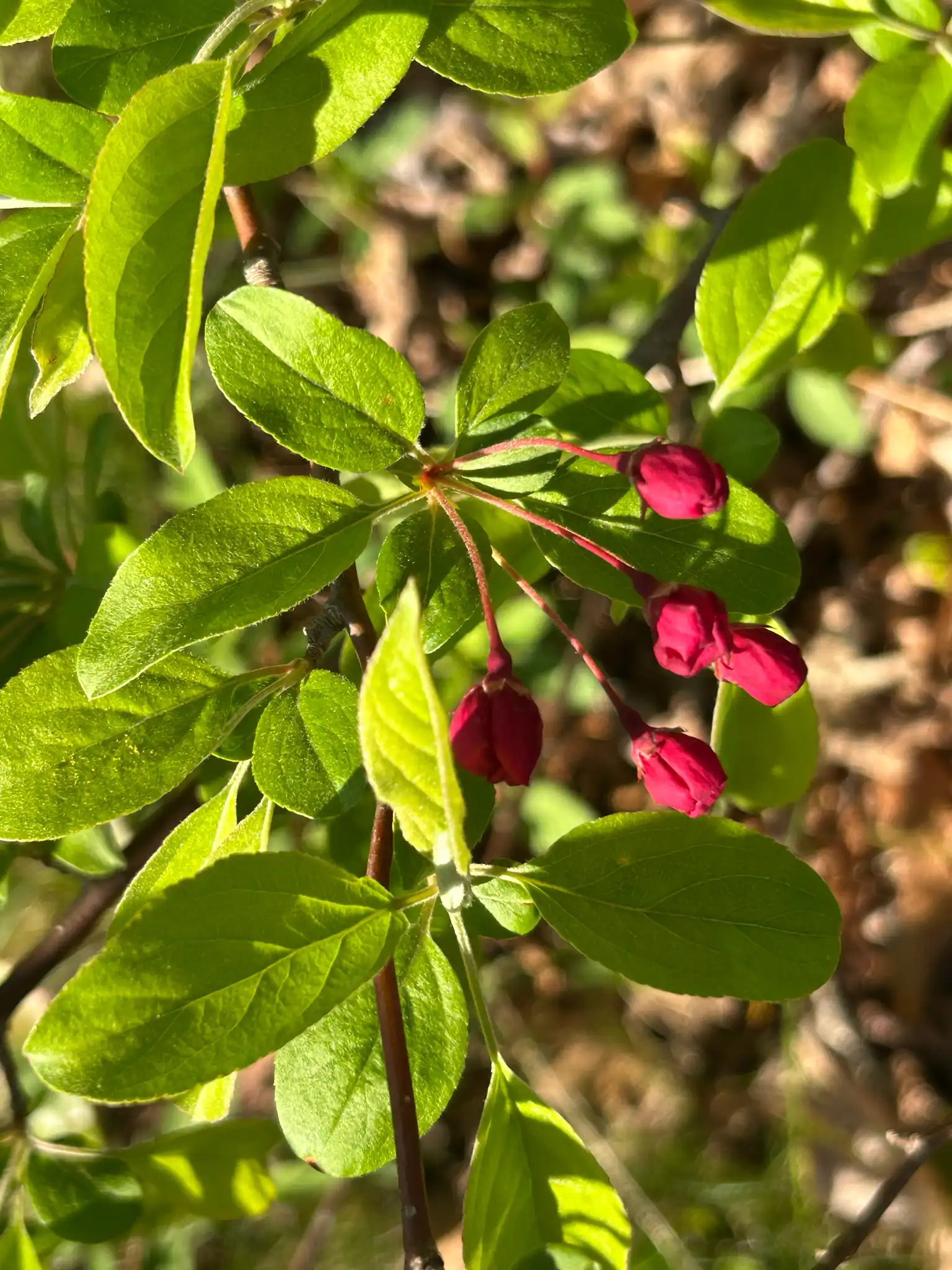
Malus hupehensis, the Chinese crab apple, is a vigorous deciduous tree developing a distinct, open vase-shaped form with stiff, spreading scaffold branches. In spring, deep pink buds open to clusters of fragrant white flowers along the previous year's wood, followed by small, persistent fruits.
The new foliage emerges with a distinct bronze or reddish tint before maturing to a dark, glossy green. This species naturally exhibits a biennial bearing cycle, producing an exceptionally heavy crop of flowers and fruit every second year.
Uses & Benefits:
Essentials
At a Glance
Plant Type
Tree
Height
472"
Width
472"
Light
Full Sun
Zones
4, 5, 6, 7, 8
Water
Moderate
Humidity
Moderate
Lifespan
Long-lived
Native To
China
Toxicity
Non-toxic
Bloom period
Spring
In flower about 3 months of the year
Planting
How to Grow
- Select a planting site in full sun with deep, organic-rich, well-drained loam.
- Dig a hole twice as wide as the root ball and set the tree at its original growing depth.
- Water thoroughly at planting and maintain consistent moisture during the first growing season to establish the root system.
- Apply a thin layer of organic mulch around the base, keeping it clear of the trunk to prevent rot.
Pro Tip
Avoid pruning this tree like a standard orchard apple; heavy cutting triggers weak water-sprout growth and destroys the naturally picturesque, open vase-like architecture.
Keep It Thriving
Care Guide
Do
- Prune sparingly in late winter to remove dead, diseased, or crossing branches.
- Ensure the soil drains freely to prevent root rot.
- Rake and destroy fallen leaves in fall to reduce the carryover of fungal spores.
Don't
- Do not shear or hedge the branches, which ruins the natural open framework.
- Do not over-fertilize, as excess nitrogen promotes soft growth susceptible to fire blight.
- Do not plant in low-lying areas prone to standing water or prolonged waterlogging.
Seasonal Care Calendar
| Task | Jan | Feb | Mar | Apr | May | Jun | Jul | Aug | Sep | Oct | Nov | Dec |
|---|---|---|---|---|---|---|---|---|---|---|---|---|
| Fertilize | ||||||||||||
| Pest Check | ||||||||||||
| Prune | ||||||||||||
| Winter Prep |
Watch Out For
Pests & Diseases
Common Pests
Common Diseases
In the Garden
Landscape Uses & Companions
Landscape Uses
Companion Plants
Multiply
Propagation Methods
Good to Know
Common Questions
Chinese Crab Apple questions
What zones can Chinese Crab Apple grow in?
Chinese Crab Apple is hardy in USDA Zones 4–8. Inside that range it survives winter in the ground; outside it, grow it as an annual or a container plant you protect.
Is Chinese Crab Apple deer resistant?
Not reliably. Deer may browse Chinese Crab Apple, especially tender spring growth — plan on repellents or fencing where pressure is high.
When does Chinese Crab Apple bloom?
Chinese Crab Apple typically blooms in spring through spring. Exact timing shifts a week or two with your zone — Sow's bloom calendar maps it to your garden.
Does Chinese Crab Apple need full sun?
Chinese Crab Apple does best in full sun (6+ hours).
Is Chinese Crab Apple drought tolerant?
Yes — once established (usually after the first full season), Chinese Crab Apple handles dry spells with minimal watering. Water deeply its first year to build the root system that makes that possible.
More Malus to compare
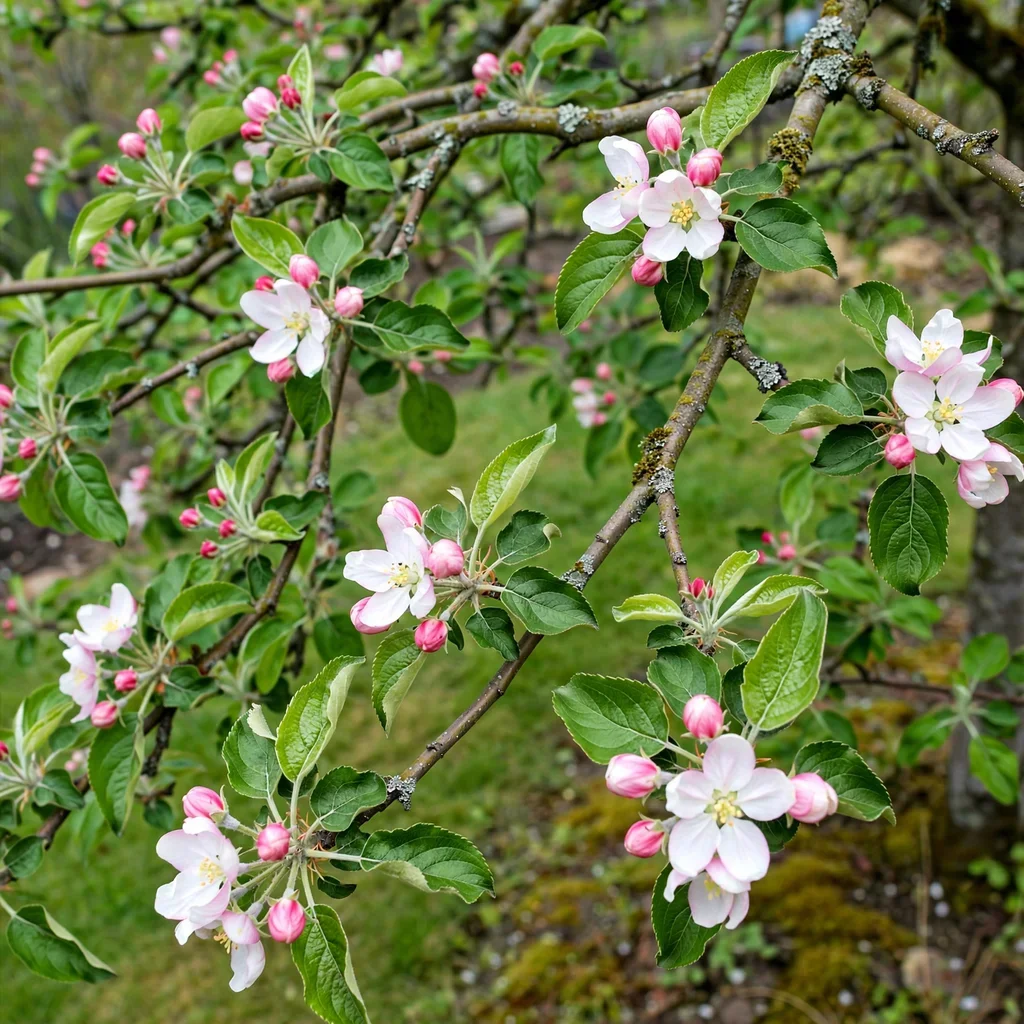
Honeycrisp Apple
Malus domestica 'Honeycrisp'
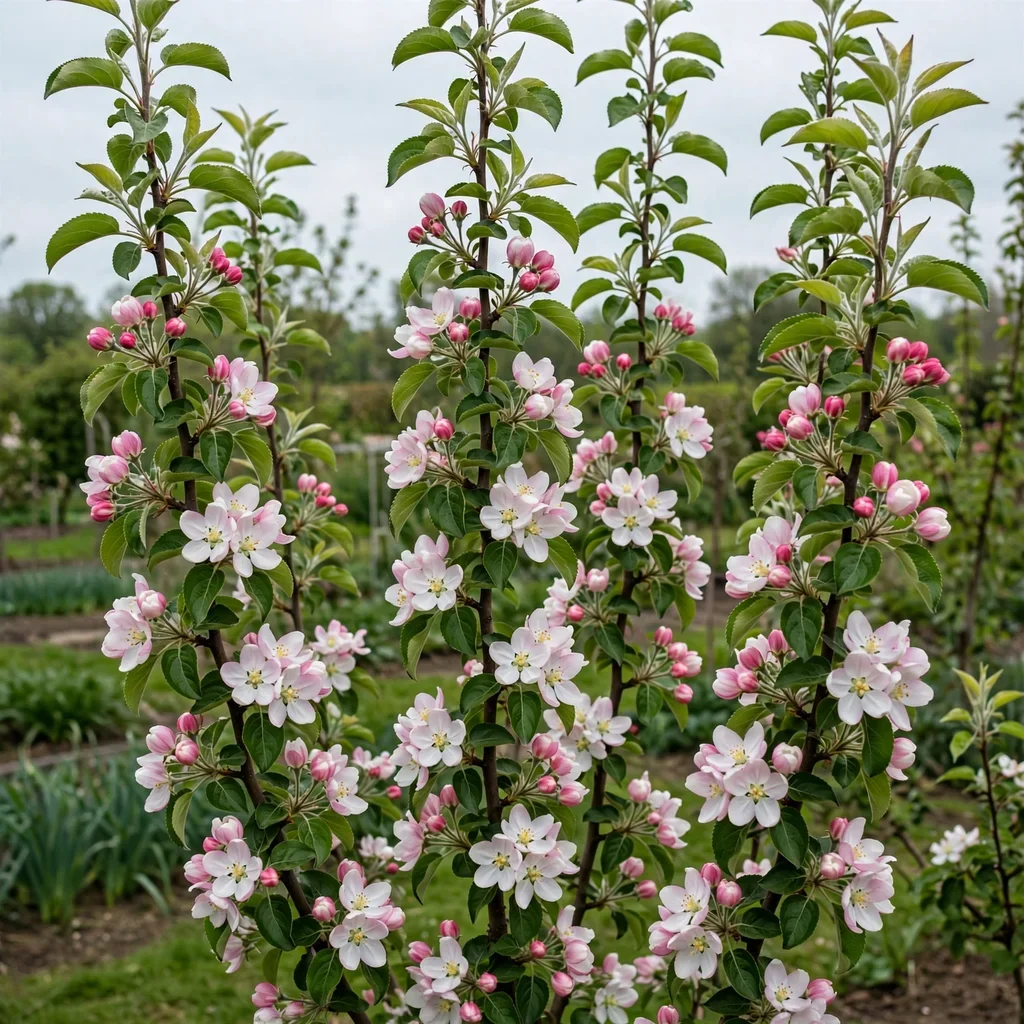
Golden Treat Apple
Malus domestica 'Golden Treat'
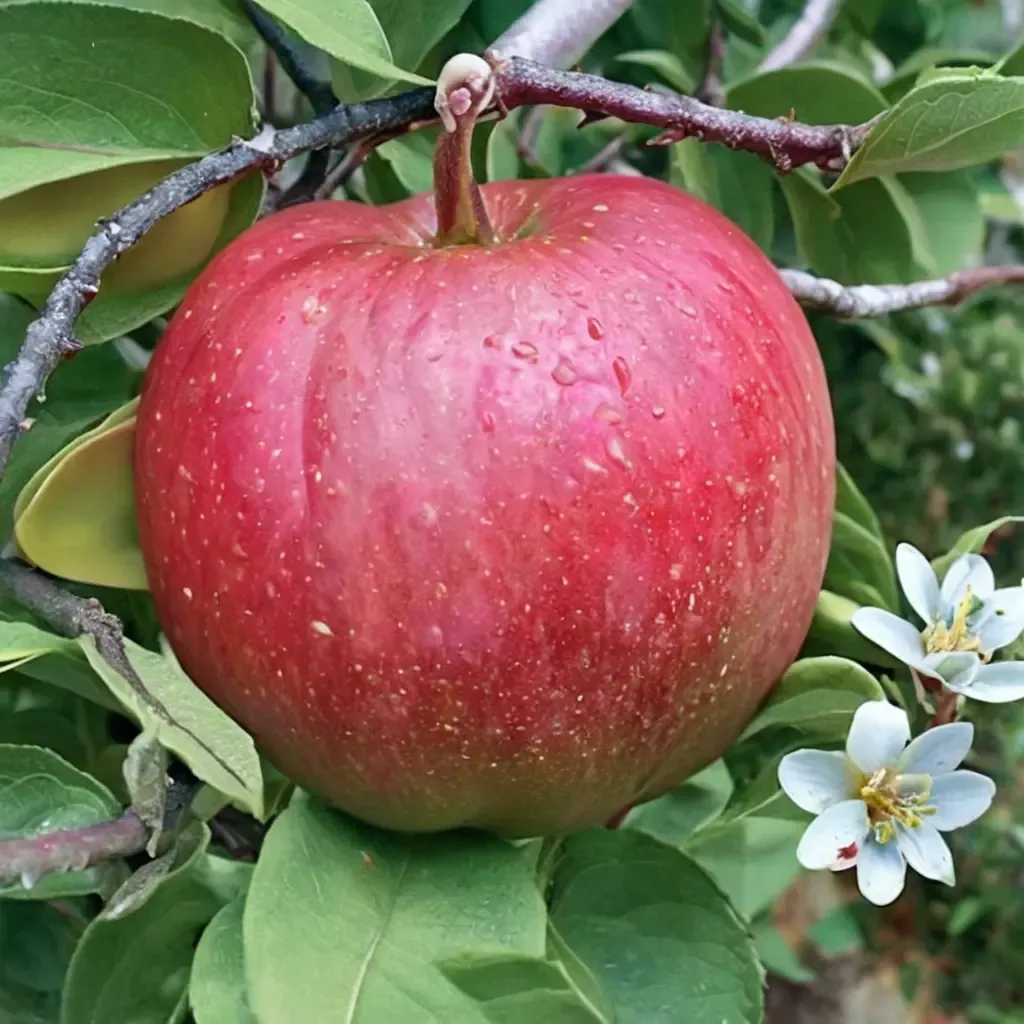
Pixie Crunch Apple
Malus domestica 'Pixie Crunch'
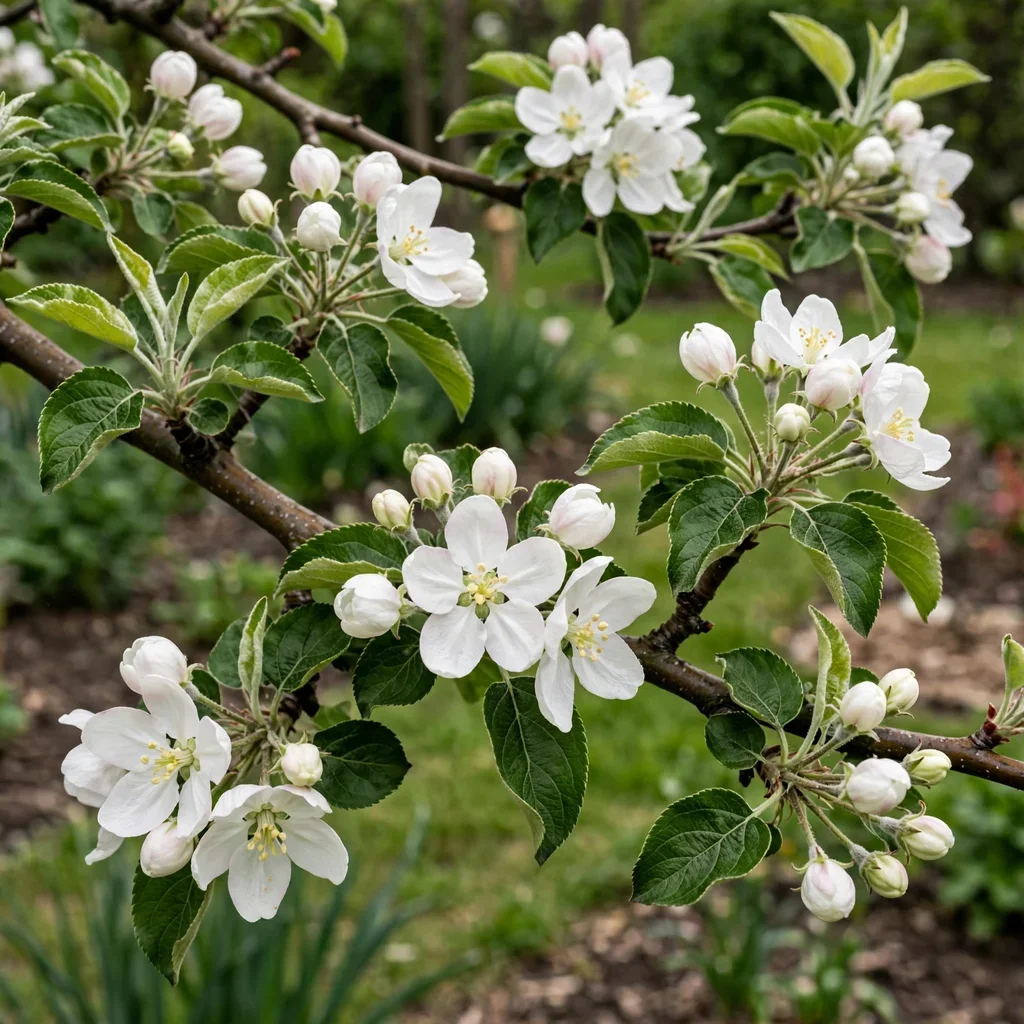
Apple
Malus domestica
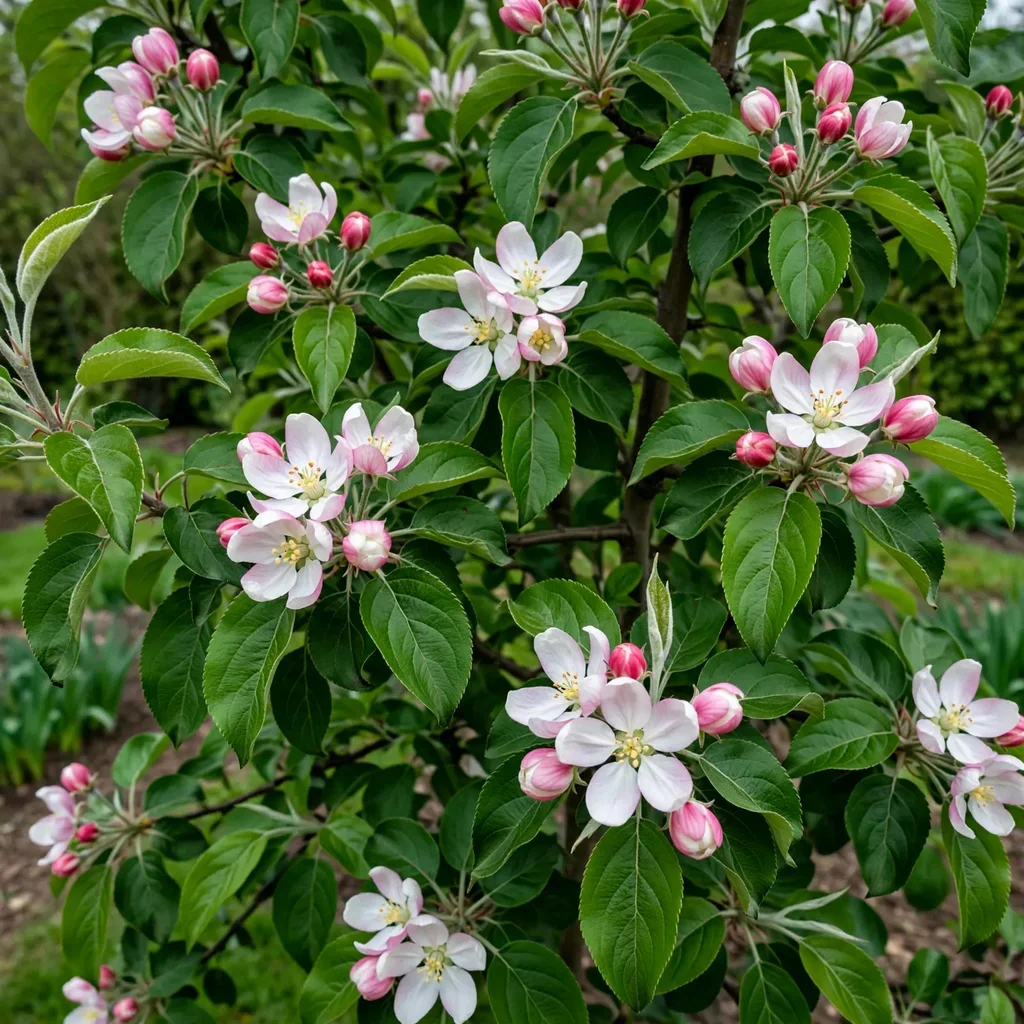
Blushing Delight Apple
Malus domestica 'Blushing Delight'
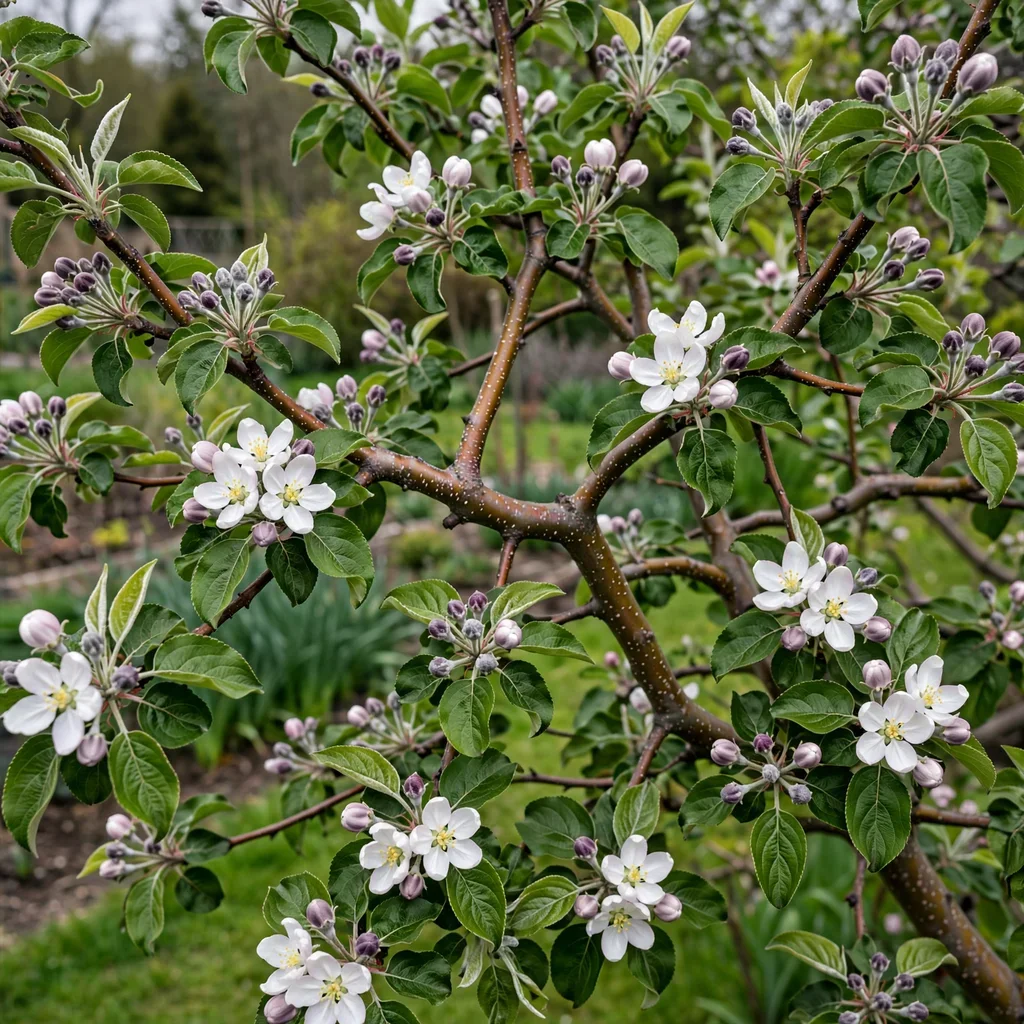
Reachable Apple
Malus domestica 'Reachables'
Keep exploring
Explore the genus
Hardy in your zone?
Grow Chinese Crab Apple with confidence
See it in a design of your actual yard, get zone-matched care reminders, and track it season by season in your garden journal.