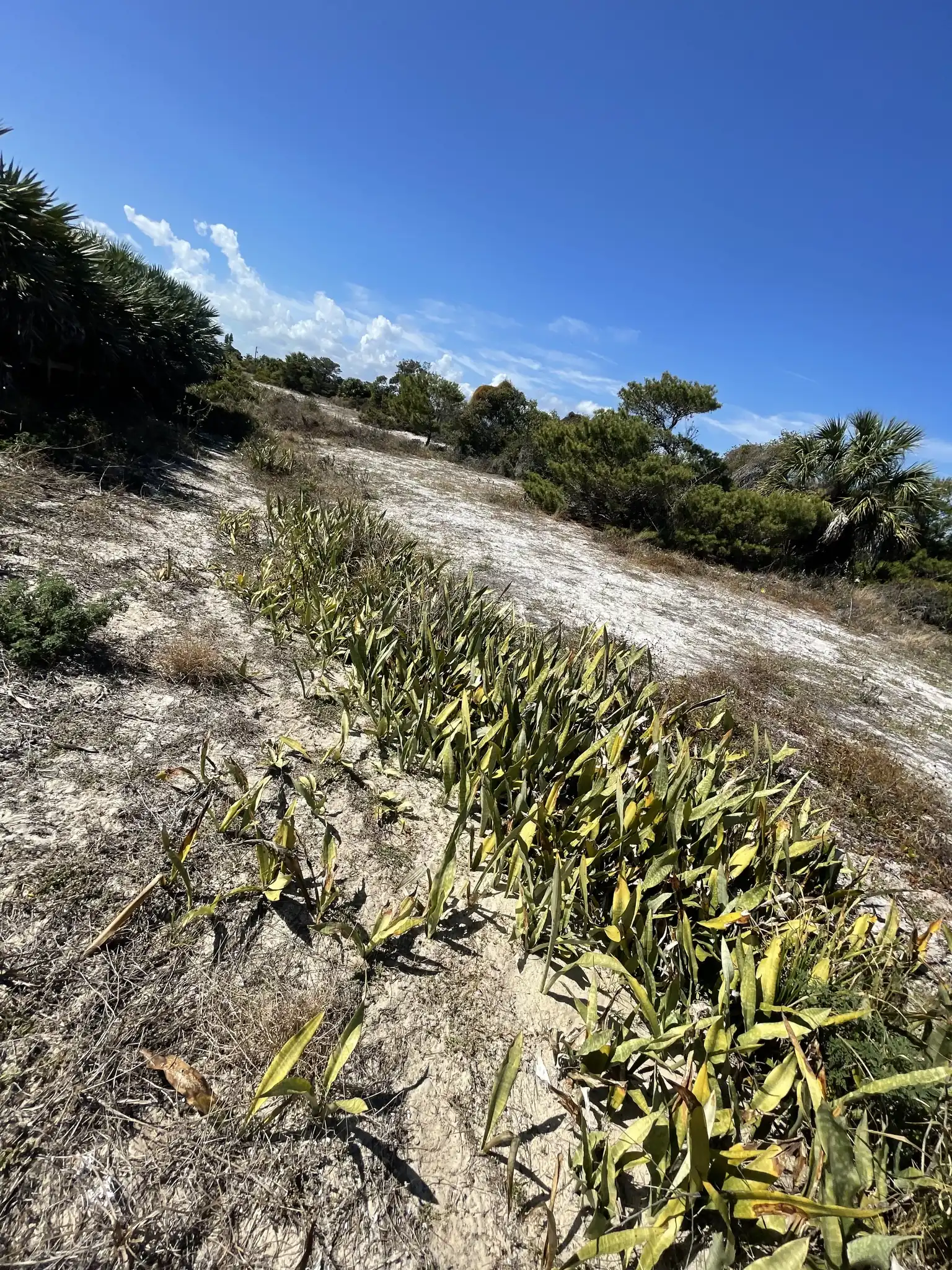
The Story
Plant Bio
Dracaena hyacinthoides, historically classified under Sansevieria, is an evergreen rhizomatous succulent native to dry tropical regions of Africa. The plant forms erect, rigid rosettes of leathery, lanceolate leaves that emerge directly from bright orange underground rhizomes.
This species is distinguished by its dark green leaves featuring light transverse marbling and distinct reddish margins. In late fall through spring, it produces dense, upright terminal racemes of fragrant, night-blooming cream-colored flowers followed by spherical orange berries.
Uses & Benefits:
Essentials
At a Glance
Plant Type
Cactus Succulent
Height
36"
Width
18"
Light
Full Sun, Partial Sun
Zones
10
Water
Low
Humidity
Low to high
Lifespan
Perennial
Native To
Africa
Toxicity
Toxic to dogs, cats, and humans
Bloom period
Fall – Spring
In flower about 9 months of the year
Planting
How to Grow
- Select a planting site with sandy, well-draining soil in full sun to light shade, or use a grit-heavy potting mix for containers.
- Plant the rhizomes just below the soil surface, ensuring the crown is level with the soil line to prevent rot.
- Water thoroughly after planting, then withhold water until the top few inches of soil are completely dry.
- Apply a half-strength balanced liquid fertilizer once or twice during the active spring and summer growing season.
Pro Tip
Always allow the soil to dry completely between waterings; excess moisture at the base triggers rapid fungal root rot that destroys the rhizome.
Keep It Thriving
Care Guide
Do
- Allow the potting medium to dry out entirely between waterings to protect the fleshy root system.
- Provide bright, indirect light when growing indoors to maintain the distinct leaf variegation.
- Remove spent flower stalks and dead lower leaves by cutting them cleanly at the soil level.
Don't
- Do not overwater or plant in heavy, moisture-retaining clay soils that cause basal rot.
- Never cut or trim the tips of the rigid leaves, as this causes permanent brown scarring.
- Do not over-fertilize, which leads to weak, floppy foliage that loses its upright form.
Seasonal Care Calendar
| Task | Jan | Feb | Mar | Apr | May | Jun | Jul | Aug | Sep | Oct | Nov | Dec |
|---|---|---|---|---|---|---|---|---|---|---|---|---|
| Fertilize | ||||||||||||
| Pest Check | ||||||||||||
| Propagate | ||||||||||||
| Prune |
Watch Out For
Pests & Diseases
Common Pests
Common Diseases
In the Garden
Landscape Uses & Companions
Landscape Uses
Companion Plants
Multiply
Propagation Methods
Good to Know
Common Questions
African Bowstring Hemp questions
What zones can African Bowstring Hemp grow in?
African Bowstring Hemp is hardy in USDA Zone 10. Inside that range it survives winter in the ground; outside it, grow it as an annual or a container plant you protect.
Is African Bowstring Hemp deer resistant?
Yes — African Bowstring Hemp is rated deer-resistant. Deer typically pass it over, though extreme hunger can override any plant's defenses.
When does African Bowstring Hemp bloom?
African Bowstring Hemp typically blooms in fall through spring. Exact timing shifts a week or two with your zone — Sow's bloom calendar maps it to your garden.
Does African Bowstring Hemp need full sun?
African Bowstring Hemp does best in full sun to part shade. In hot climates, afternoon shade keeps blooms fresher longer.
Is African Bowstring Hemp drought tolerant?
Yes — once established (usually after the first full season), African Bowstring Hemp handles dry spells with minimal watering. Water deeply its first year to build the root system that makes that possible.
More Dracaena to compare
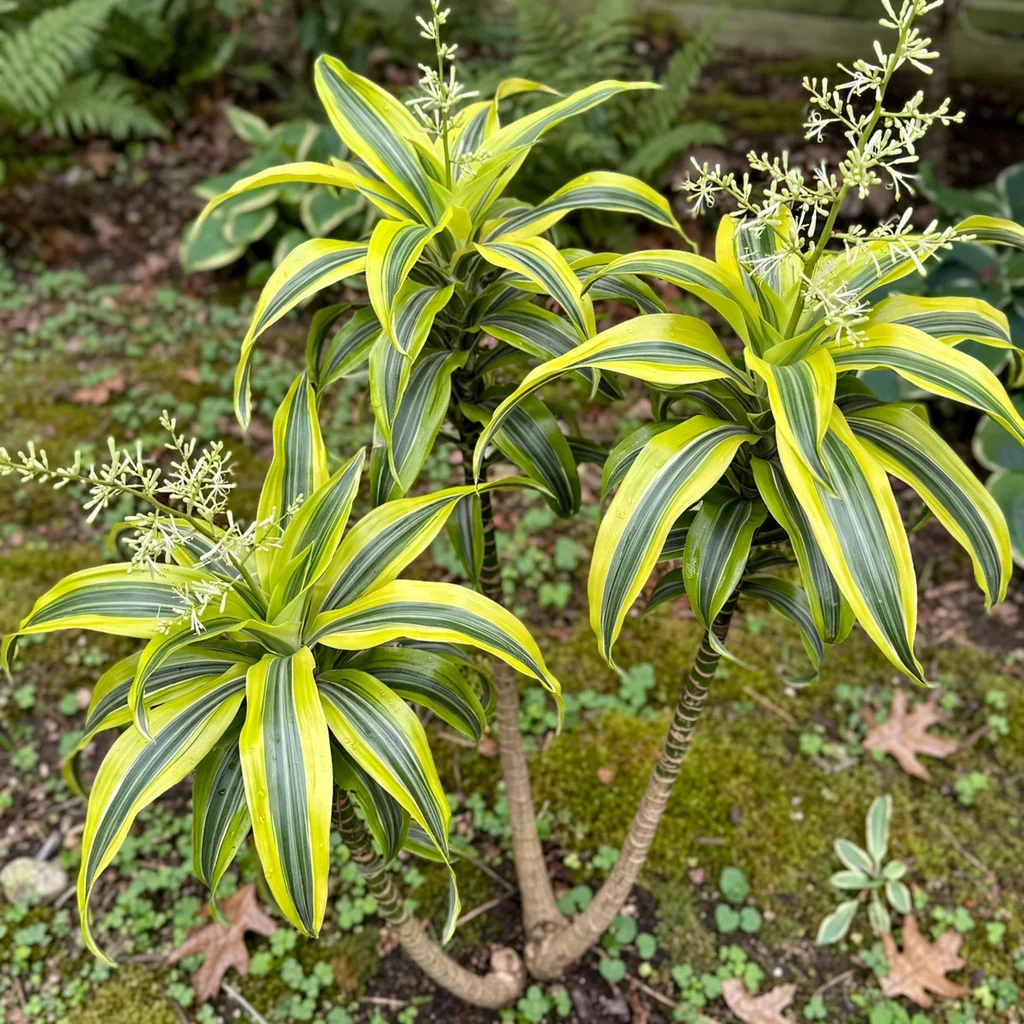
Lemon Surprise Corn Plant
Dracaena fragrans 'Lemon Surprise'
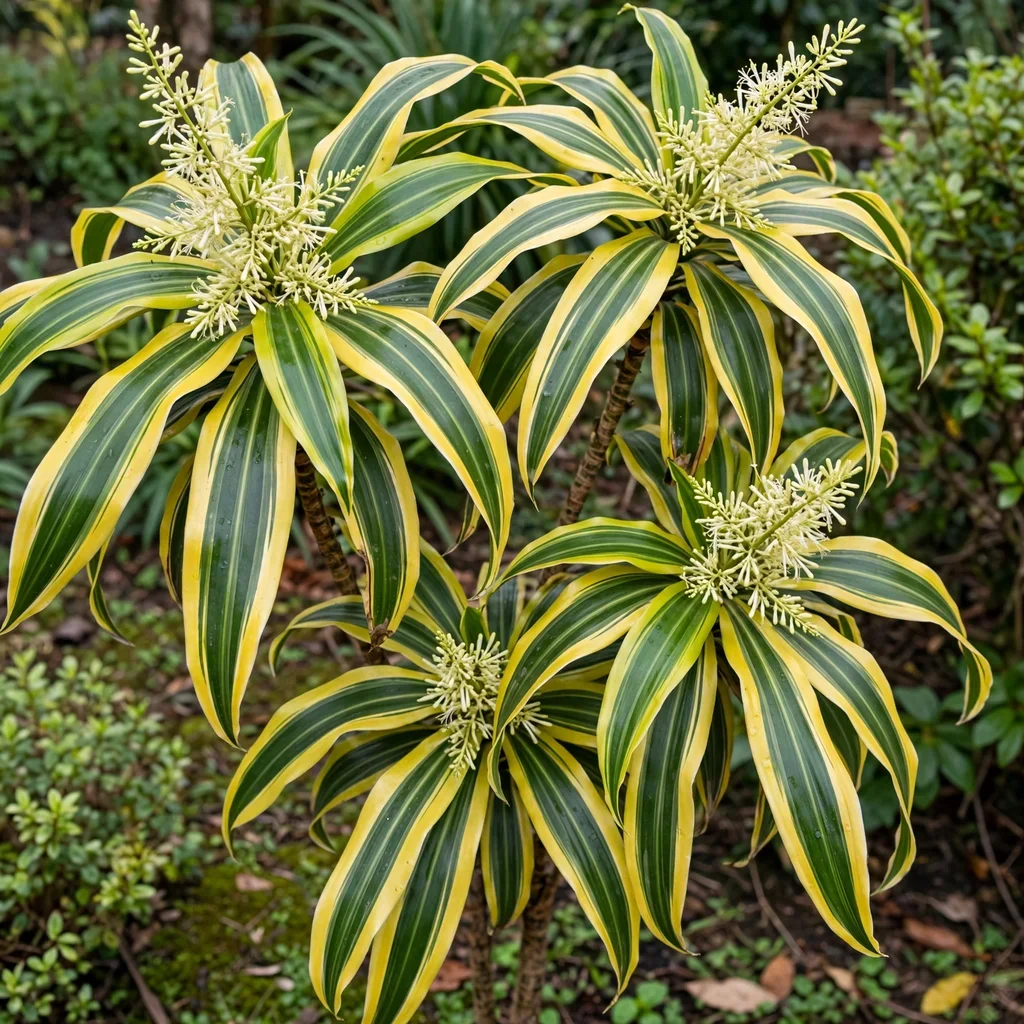
Corn Plant Dracaena Corn Plant
Dracaena fragrans 'Aureo Marginata'
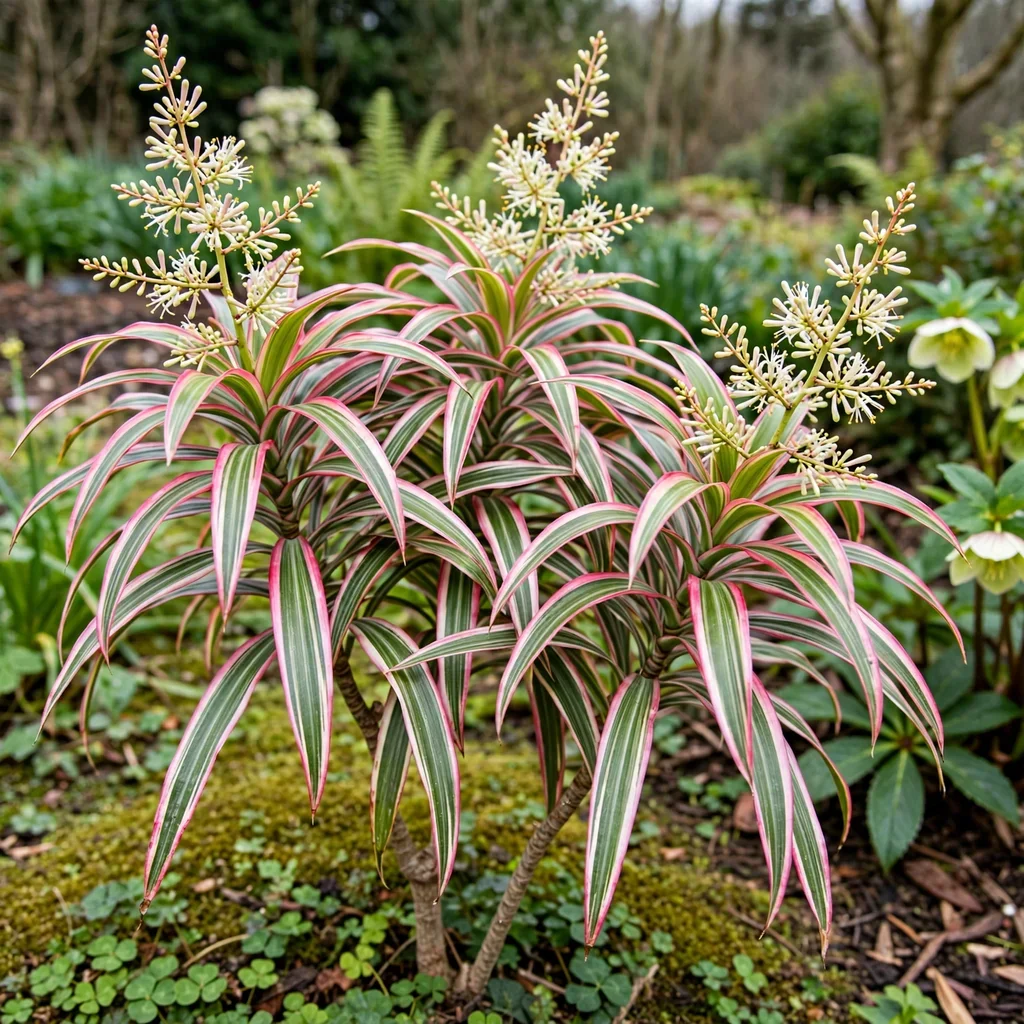
Madagascar Dragon Tree 'Colorama'
Dracaena fragrans 'Colorama'
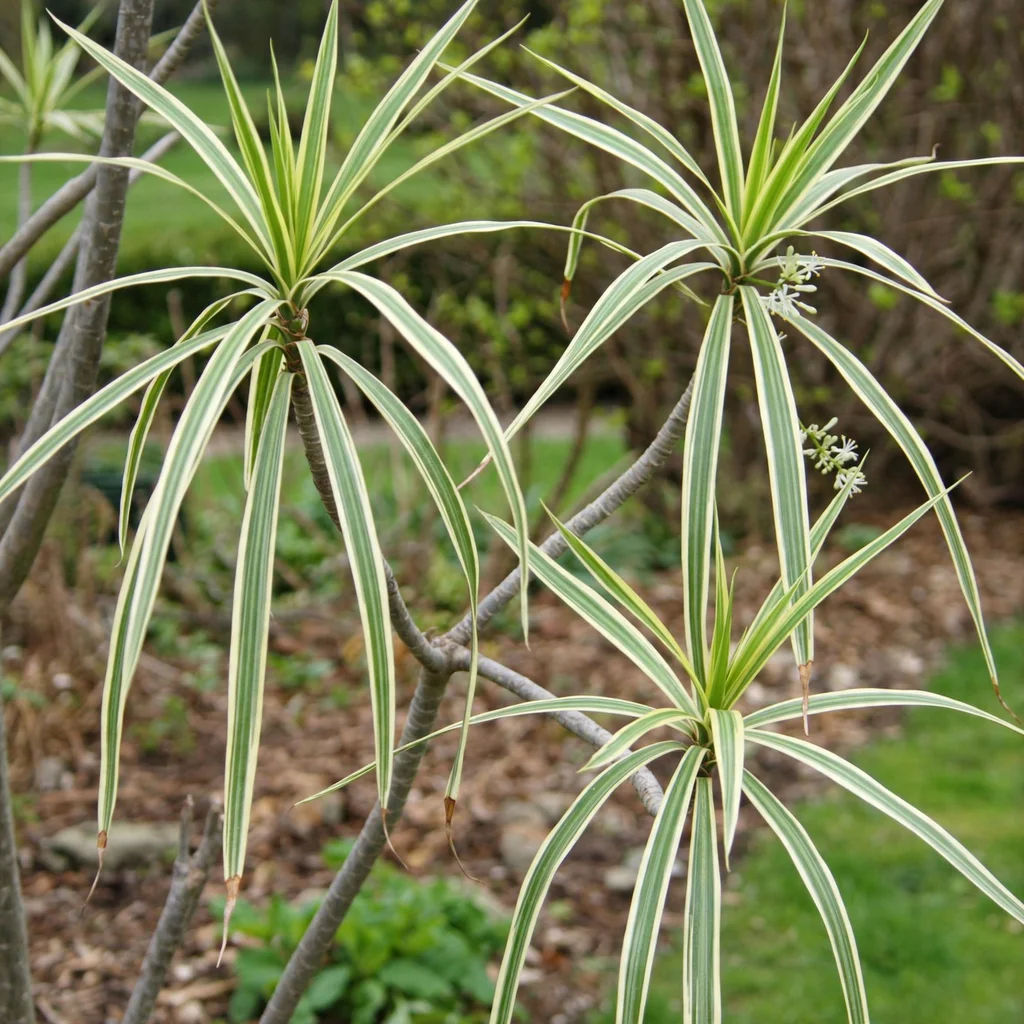
Madagascar Dragon Tree
Dracaena marginata
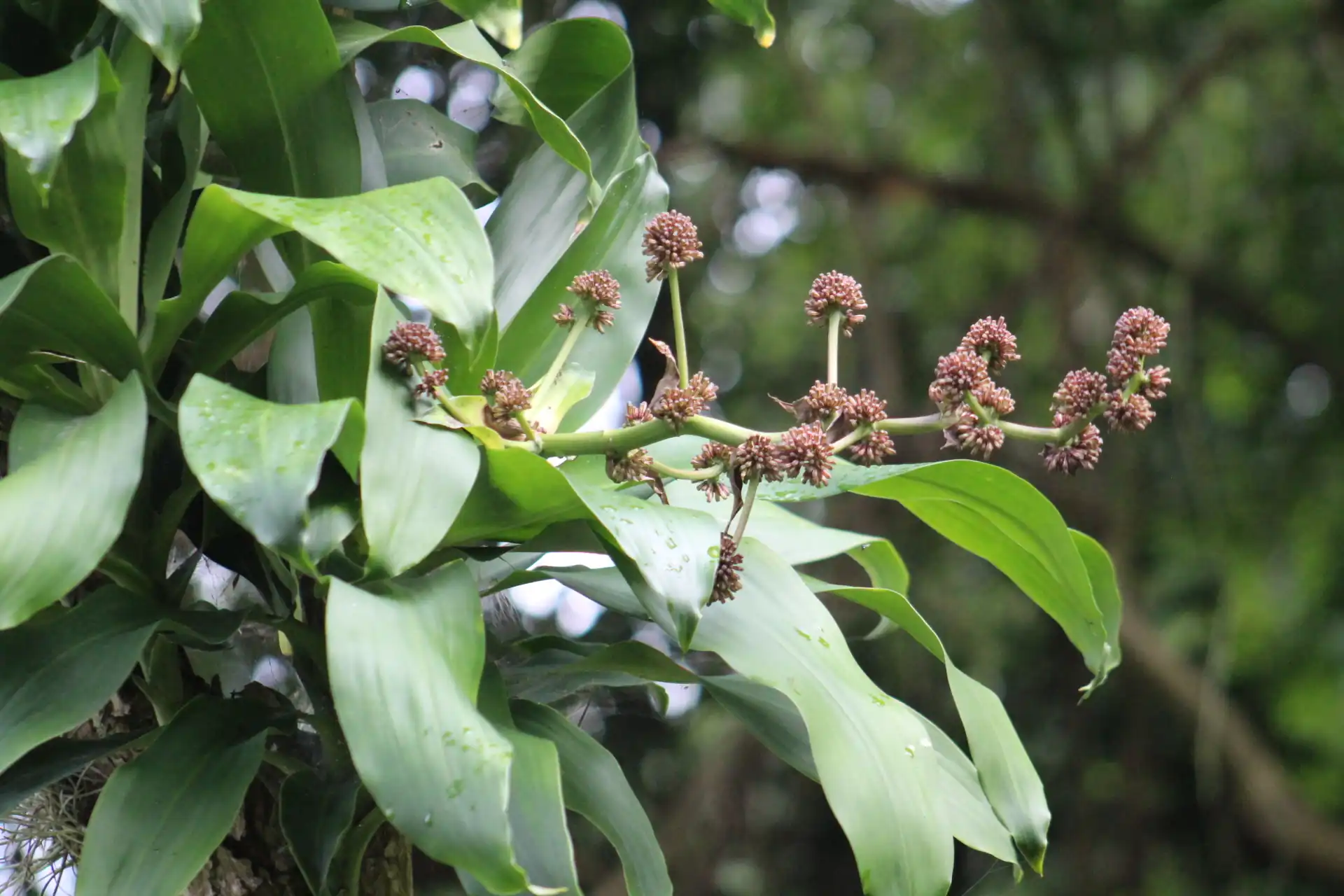
Corn Plant
Dracaena fragrans
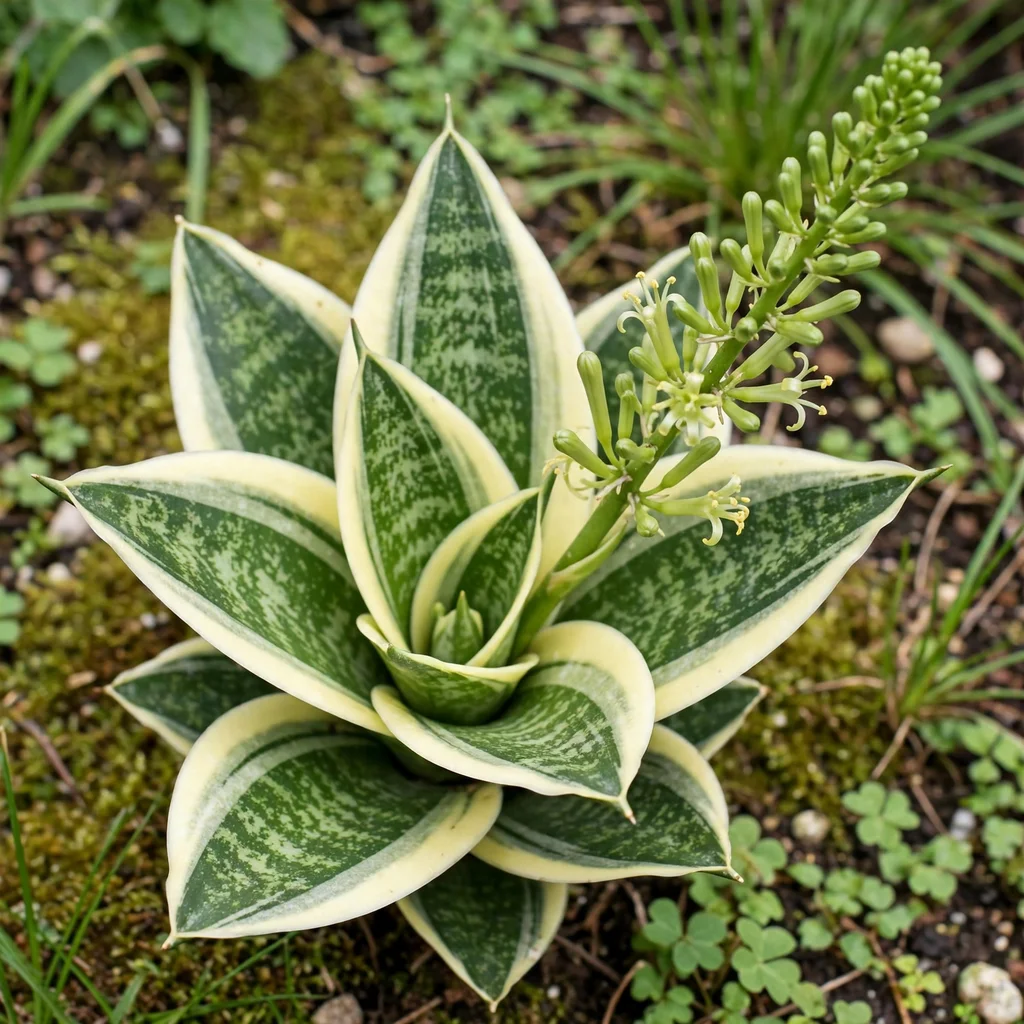
Bird's Nest Snake Plant
Dracaena trifasciata 'Hahnii'
Keep exploring
Explore the genus
Hardy in your zone?
Grow African Bowstring Hemp with confidence
See it in a design of your actual yard, get zone-matched care reminders, and track it season by season in your garden journal.